REVIEW · LONDON
London: Jack the Ripper Guided Walking Tour
Book on GetYourGuide →Operated by London Mystery Walks · Bookable on GetYourGuide
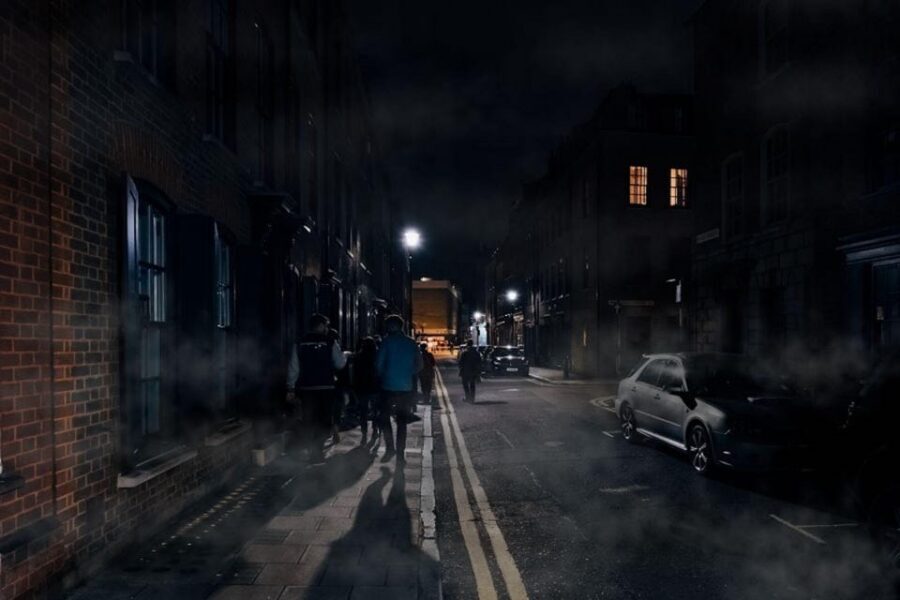
Whitechapel at night tells stories. What makes the London Mystery Walks Jack the Ripper tour work is the small-group size and the Victorian photos you see as you move through East End streets. I also like that the tour stays tightly focused on the area’s lived-in reality, not just the legend, though one thing to consider is that the guide’s English can move fast and the ending can feel a bit rushed.
In this part of London, you’re walking cobbled lanes that still feel close to the past. The route is built around Whitechapel and nearby Spitalfields, where you’ll hear about poverty, crime, and everyday life, along with stops tied to places like a Victorian bath house and a Jewish soup kitchen serving the Jewish poor.
Before you go, keep the practical stuff in mind: wear comfortable shoes, because it’s a walking tour on uneven streets. It’s also not aimed at young kids (under 10), and the tour isn’t suitable for people with heart problems.
In This Review
- Key highlights to look for
- Whitechapel at night: the mood is half the lesson
- Getting started: Aldgate Tube station and finding the right “Aldgate”
- The East End context: Dickens, Marx, and the people behind the reputation
- Whitechapel photo stops: victims, suspects, and a graphic-material warning
- Spitalfields and Whitechapel streets: pubs since 1721, baths, and soup kitchens
- The guide makes or breaks it: Paul Mansfield and the small-group vibe
- Price and value: $26 for 90 minutes of street-level storytelling
- Who this tour suits best (and who should skip)
- Should you book the Jack the Ripper walking tour with London Mystery Walks?
- FAQ
- Where does the tour meet?
- How long is the London: Jack the Ripper Guided Walking Tour?
- What is included in the price?
- What does it cost?
- What should I bring?
- Is the tour family-friendly?
- Is it wheelchair accessible?
- Are there any rules about alcohol, drugs, or drones?
Key highlights to look for
- Small group (max 10): easier questions and a more personal pace.
- Victorian photos stop: you’ll see images of victims and suspects, with warning about graphic material.
- East End landmarks: including pubs dating back to 1721 and a Victorian bath house.
- Whitechapel and Spitalfields lanes: the route focuses on atmosphere, not just name-dropping.
- Guide storytelling: long-time Ripper specialist Paul Mansfield (and sometimes other guides like Mick) brings humor and clarity.
Whitechapel at night: the mood is half the lesson
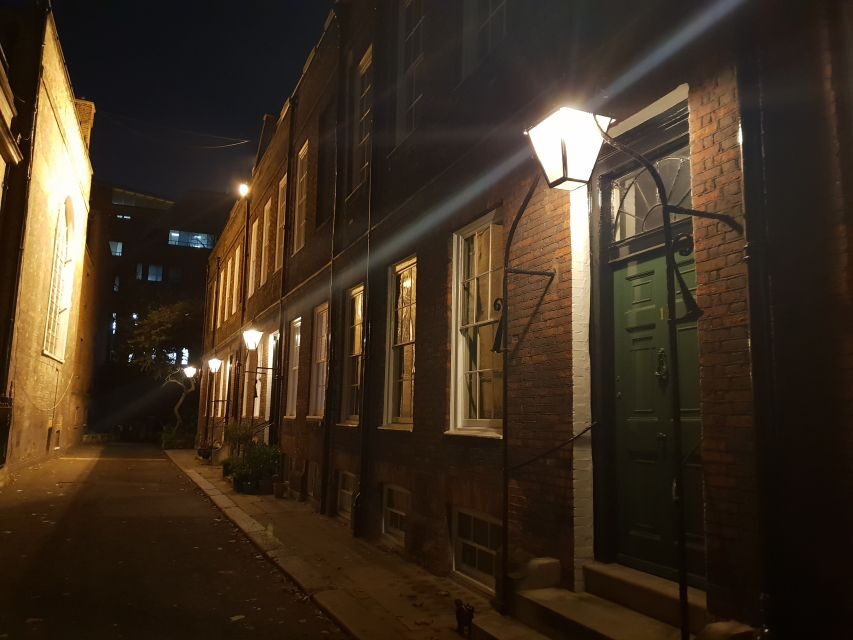
Jack the Ripper tours can turn into costumes and trivia games. This one aims for something more grounded: the streets of Whitechapel and the broader East End as a place where hardship and crime weren’t rare events. You’ll hear how London’s social conditions shaped what people did, what they feared, and why police resources were stretched thin.
What I like most is that the tour doesn’t treat the Ripper story like a sealed box. Instead, it connects it to the area’s texture—tight streets, old building history, and the stark reality of the era. That matters, because the case feels less like a film plot and more like something that unfolded inside a real community with real limits.
And yes, it’s still spooky in the best practical way. You’re guided through cobbled alleyways and darker-feeling streets, with photo evidence added at key stops. If you like your history with atmosphere, this tour delivers.
You can also read our reviews of more walking tours in London



Getting started: Aldgate Tube station and finding the right “Aldgate”
The meeting point is Aldgate Tube Station, specifically the exit for the Circle line and Metropolitan line. This is one of those details that can save you stress: don’t show up at Aldgate East Station, because it’s different and nearby.
The 1.5-hour format also changes how you experience it. You’re not stuck on a long hike through London for a niche theme. Ninety minutes is short enough to stay alert, but long enough for the guide to build context, take a few photo stops, and tie it together.
Once you begin walking, you’ll get a steady rhythm: move through a stretch of East End streets, pause for explanation, look at images, and keep going. It’s a pace that works well for a small group, especially if you want to ask follow-up questions without the tour feeling like a lecture.
The East End context: Dickens, Marx, and the people behind the reputation
One of the tour’s strongest ideas is how it frames Whitechapel as more than the Ripper headlines. The guide brings in the broader cultural footprint tied to the area: Charles Dickens and Oliver Twist, Karl Marx, the Elephant Man, and the Bodysnatchers. You also hear about other famous East End figures such as the Krays.
This is not random name-dropping. It helps you understand why the East End became a magnet for attention—social injustice, sensational stories, and public fascination all fed each other. When you connect that cultural background to what you see on the street, the whole place starts to make sense as a system, not just a set of scary alleys.
And you’ll get a clearer picture of daily life in the era: the guide emphasizes how poverty made basic survival harder, and how crime sat close to ordinary routines. The tour even leans into the idea that violence was so common that the police were struggling just to keep up, which helps explain why solving cases could be difficult in that environment.
Whitechapel photo stops: victims, suspects, and a graphic-material warning
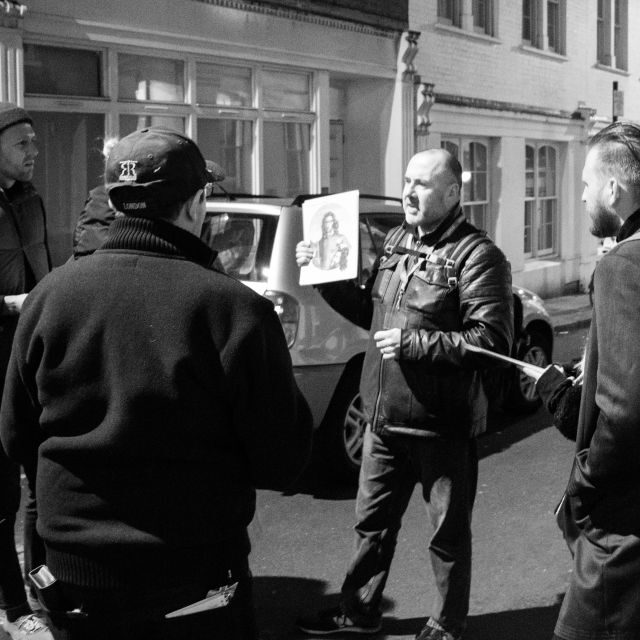
A major draw here is the photographs you see during the walk. The tour is built around viewing images of the victims and suspects, and the guide gives a warning before the more graphic content.
That warning is important for two reasons. First, it respects your comfort level. Second, it helps you pay attention to what the images are meant to show—how evidence and perception shaped the story—rather than reacting emotionally without context.
Photo stops also break the walking routine in a helpful way. You’ll pause, look closely, and then continue with the guide’s explanation. In a small group of up to 10, that pause doesn’t feel awkward or rushed. It feels like a shared moment of learning, not a forced stop.
One thing to know: the tour can feel a bit fast near the end. If you want extra discussion time about the murders and suspects, you may have to grab the guide’s attention at a good moment and ask directly.
Spitalfields and Whitechapel streets: pubs since 1721, baths, and soup kitchens
The best tours in London connect legend to real addresses. This one does that with a few strong “life of the area” stops.
You’ll hear about pubs that date back to 1721, and that detail matters more than it sounds. It anchors the neighborhood in long continuity—this isn’t a stage set that appeared overnight. It’s a place that held community life for generations, even while hardship and crime stained the headlines.
You’ll also see references to a Victorian bath house and a Jewish soup kitchen that served the Jewish poor. These aren’t just background decorations. They show you how people cared for each other, how communities organized daily survival, and how poverty wasn’t abstract—it was physical and immediate.
This is where the tour gets surprisingly human. Even when the subject is grim, the guide is steering you toward understanding the environment that shaped everyone’s choices, not just hunting for villains.
You can also read our reviews of more guided tours in London



The guide makes or breaks it: Paul Mansfield and the small-group vibe
The tour is led by Paul Mansfield, described as a Ripperologist for over 18 years. That long time with the subject shows in the way the story is organized: you don’t just get facts, you get explanation for why certain details matter.
You’ll likely notice two styles in play, depending on who’s guiding. In the reviews, Paul gets praised for being very well informed and entertaining, and another guide named Mick is also mentioned as funny and informative. Either way, the common thread is that the talk has structure, and the humor helps the darker material stay approachable.
Small group size is a real advantage here. With about 10 participants, it’s easier to hear, easier to ask questions, and easier to keep track of the timeline the guide is building. One reviewer also specifically noted that the guide was aware of a disabled son using a motorized wheelchair and helped with needs after the tour—so the “limited group” isn’t just a comfort perk, it can translate into practical care.
Possible drawback: if your English listening comfort is less than fluent, keep that in mind. One review noted the guide speaks English quite fast, so you’ll want to stay focused from the start.
Price and value: $26 for 90 minutes of street-level storytelling
At around $26 per person for a 1.5-hour walk, you’re paying for two things: expert storytelling and access to content you can’t easily replicate on your own.
If you try to self-tour Whitechapel, you’ll get plaques and general web summaries. You can’t easily reproduce the guided sequencing, the photo stops, and the way the guide ties sites to the broader East End story. That’s where the value sits: not in the walking itself, but in the interpretation.
The duration is also a value point. Ninety minutes is long enough to feel like a real experience, but short enough that you’re not turning the day into a full-day commitment. And with a small group, the guide can keep control of pacing and attention without turning it into a crowd rush.
In short: if you want the Jack the Ripper story with context and on-street grounding, this price feels aligned with what you receive.
Who this tour suits best (and who should skip)
This is a good match for you if:
- you like crime history, but want it tied to social context
- you enjoy walking tours with real stops and photo evidence
- you prefer a small group over big-bus crowds
- you’re okay with a warning before any graphic images
It’s not a match if you:
- have heart problems (the tour isn’t suitable)
- are traveling with kids under 10 (not suitable for young children)
- plan a party-style trip. Bachelor or bachelorette groups aren’t allowed, and intoxication is not allowed.
Also plan for the weather. The tour runs whatever the weather, so you’ll want to dress accordingly and keep your shoes comfortable.
Should you book the Jack the Ripper walking tour with London Mystery Walks?
Book it if you want a tight, high-context East End walk that goes beyond the legend and shows you how the neighborhood’s poverty and daily life shaped the case. The Victorian photos, the small group size, and the guide-led story structure are the main reasons this is worth your time.
Skip it if you dislike fast-paced narration, if you’re uncomfortable with graphic-material warnings, or if you fall into any of the health/age limits. And if you’re only looking for big-picture sightseeing, this might feel too focused and too dark.
If your idea of a great London night out is history on foot—cobbled streets, old neighborhood sites, and a guide who can explain why people reacted the way they did—this one is a strong bet.
FAQ
Where does the tour meet?
You meet at Aldgate Underground station exit for the Circle line and Metropolitan line. Make sure you don’t use Aldgate East station, since it’s a different nearby station.
How long is the London: Jack the Ripper Guided Walking Tour?
The tour lasts about 1.5 hours (90 minutes).
What is included in the price?
A professional live guide leads the group for 90 minutes and shows photos during the tour.
What does it cost?
The price is listed as $26 per person.
What should I bring?
Wear comfortable walking shoes. The tour involves walking through streets and alleyways.
Is the tour family-friendly?
It is not suitable for young children under 10 years old.
Is it wheelchair accessible?
Yes, the tour is wheelchair accessible.
Are there any rules about alcohol, drugs, or drones?
Yes. Drones are not allowed, and intoxication, alcohol, and drugs are not allowed. Bare feet are also not allowed, and bachelor or bachelorette group bookings aren’t permitted.