REVIEW · LONDON
London: Churchill’s Life & WW2 with Tour of War Rooms
Book on GetYourGuide →Operated by Walks - UK · Bookable on GetYourGuide
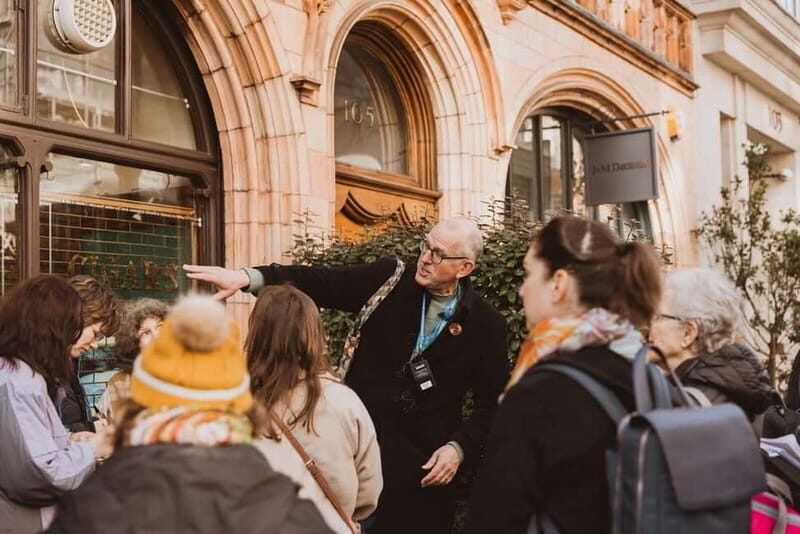
Underground war secrets start above ground. This Churchill WWII walking tour strings together Westminster landmarks and then sends you down to the Churchill War Rooms, where the story of Britain’s leadership gets very real. I love how the route uses visible sights, like Big Ben and Whitehall, to explain how Churchill’s decisions shaped the war, not just the politics. I also like the small group size (up to 15), which keeps the walk from feeling like a train platform.
One heads-up: the War Rooms can be crowded on weekends and during school holidays, and the whole thing is a walking tour that moves at a moderate pace with security checks. If you dislike crowds or you need extra physical flexibility, this is something to weigh carefully.
In This Review
- Key things I’d center in your planning
- Starting at the RAF Memorial: getting your bearings fast
- Battle of Britain Monument to Big Ben: Churchill’s words turned into landmarks
- What to watch for at this stage
- Parliament Square and Westminster Abbey exterior: the politics behind the people
- Downing Street and Whitehall: where strategy happened in plain sight
- Guards Memorial pause: a respectful break from sightseeing
- Churchill War Rooms: audio-guided history under Westminster
- Crowds and timing matter here
- When things go off-plan
- Group size, pace, and what to wear
- What makes the guides’ approach worth it
- Value check: why this is more than a sightseeing loop
- Should you book the Churchill War Rooms with WWII walking tour?
- FAQ
- How long is the Churchill’s Life & WW2 tour?
- Where does the tour start?
- Is the Churchill War Rooms visit guided or self-paced?
- What’s the maximum group size?
- What’s included in the ticket?
- Do I need to pass through security?
- Is this tour suitable for wheelchair users or mobility impairments?
- Can I bring a stroller?
Key things I’d center in your planning
- Churchill War Rooms for 1.5 hours with pre-reserved entry and an audio guide at your own pace
- Westminster-focused WWII storytelling, from Parliament Square to Whitehall
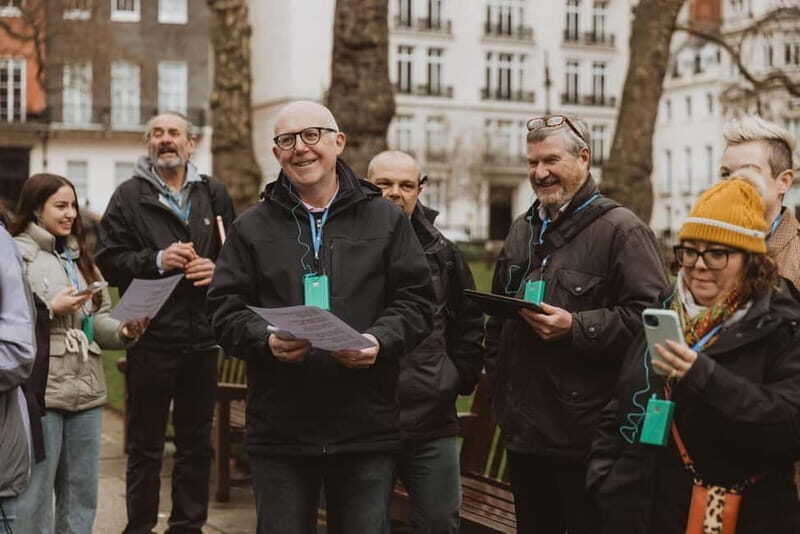
- Small group experience (max 15) that makes questions and pacing easier
- Guides who connect Churchill to place, not just dates and battles (names like Kate, Mary, and Salvadore come up with strong praise)
- Security + a real walking day, plus no strollers and no sharp objects
Starting at the RAF Memorial: getting your bearings fast
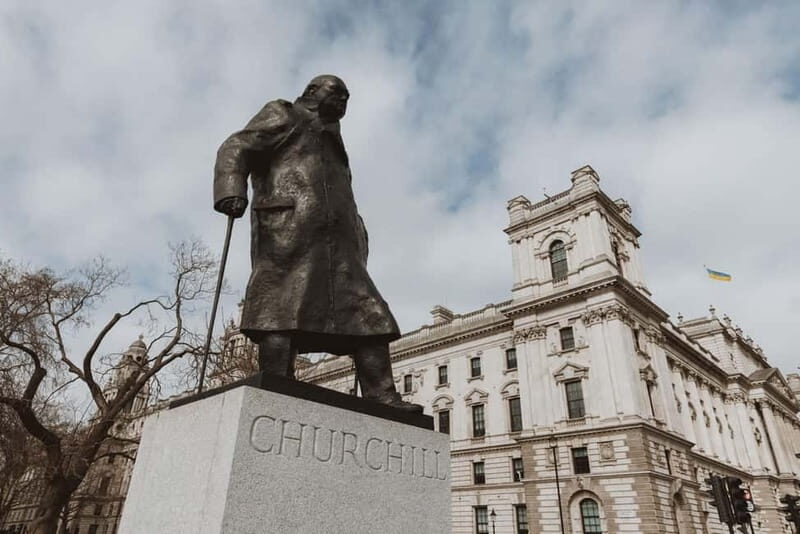
The tour begins at the Royal Air Force Memorial, so you’re immediately in the right mindset: air power, resilience, and leadership under pressure. It’s a smart start because the whole walk is built around the idea that Churchill wasn’t only a political figure. He was also a communicator who helped Britain keep its nerve when the skies were doing the worst things imaginable.
Early on, you get a short guided walk with a focused stop at the RAF monument area. This sets the tone for later Churchill themes, especially the way speeches and morale mattered during WWII. If you’re the kind of traveler who likes context before landmarks, this start works.
Quick practical note: arrive about 15 minutes early and look for your guide holding a green Walks sign. You’ll want that buffer so you’re not rushing into the first briefing.
You can also read our reviews of more tours and experiences in London.



Battle of Britain Monument to Big Ben: Churchill’s words turned into landmarks
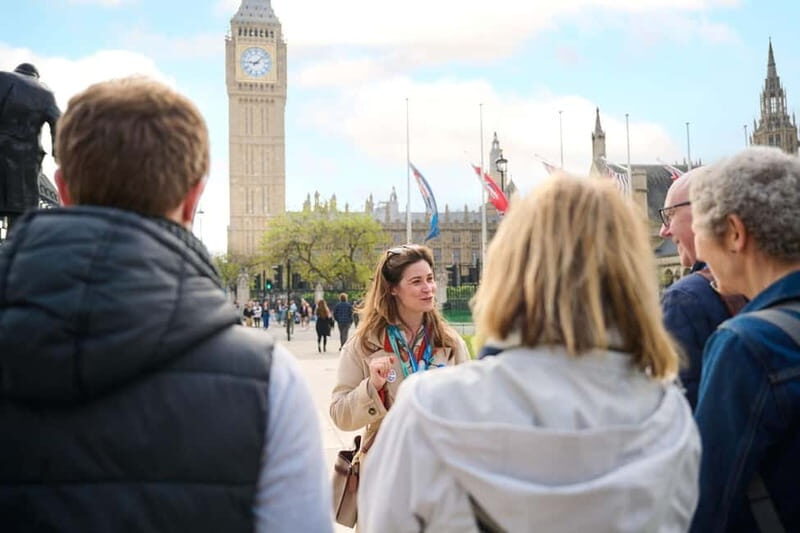
After the RAF area, the route shifts toward the Battle of Britain Monument, where you hear how Churchill’s speeches inspired Britain during its darkest days. This is one of the tour’s strengths: it treats language as a tool of war. You’re not only seeing places that survived. You’re learning why those places mattered emotionally.
Then you move to nearby stops tied to resilience themes, including a stop at the Boudica Statue. Even if you’re not a history buff, it helps to hear why your guide connects Churchill to symbols of strength and endurance. It’s the kind of link you’ll remember later when you’re staring at the grand facades and wondering how people kept going.
Next comes Big Ben. Here, the guide focuses on how the famous clock tower survived bomb damage and became a symbol of hope. This part is especially good for first-timers in London because it turns an iconic photo spot into something more personal. You stop seeing a tower and start thinking about what it represented to people who lived through the bombing.
What to watch for at this stage
Big Ben and nearby squares are classic tourist zones. Your guide’s job is to keep the walk moving efficiently, but you should still expect crowds at the major views. If you’re sensitive to noise or interruptions, plan to bring patience for this stretch.
Parliament Square and Westminster Abbey exterior: the politics behind the people
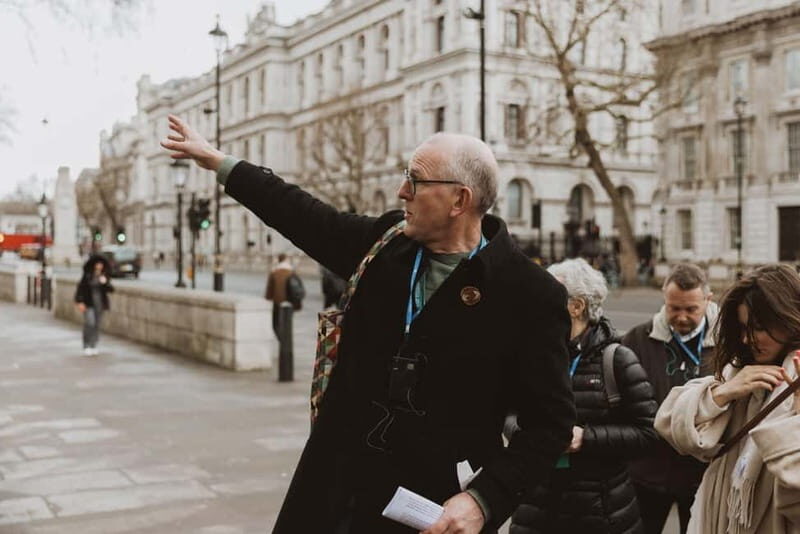
From Big Ben, you head to Parliament Square, including stops near the Houses of Parliament and a Churchill Statue. This section is where the tour’s Churchill focus sharpens. You’ll hear stories about wartime leadership and efforts to preserve British democracy during the Blitz. It’s not just a list of titles. The guide ties it to the decisions and pressure points that defined the era.
You’ll also get a brief exterior pause at Westminster Abbey. That’s a realistic compromise: you see the scale and importance of the site without losing time on a full inside visit. If you’re trying to do this as a single afternoon plan, this timing makes sense.
Why I think this works: Westminster isn’t only pretty stone. It’s where the war leadership had to show up, argue, and hold together institutions. So seeing it from the street while your guide connects it to wartime realities helps you understand why Churchill’s presence there mattered.
Downing Street and Whitehall: where strategy happened in plain sight
Next up is 10 Downing Street. You’ll visit it as part of the walking experience (guided and timed for you to understand the context), with your guide describing how Churchill strategized during the war. Even when you’re only viewing from outside, this stop can land hard because it reminds you that big outcomes often begin with small rooms and careful choices.
Then you move along Whitehall, lined with war-related landmarks. This stretch is good for travelers who enjoy “walking meaning.” The guide helps you connect the buildings you might otherwise treat as background with the wartime role those institutions played.
After that comes Horse Guards Parade at Whitehall. You learn about Churchill’s connection to this historic site, which is a nice change of pace from the Parliament-focused narrative. It adds a ceremonial dimension to leadership, showing how public life and military life intertwined during WWII.



Guards Memorial pause: a respectful break from sightseeing
You’ll also pause at the Guards Memorial, which honors those who served during WWII. I like this stop because it gives the tour emotional balance. Up to this point, you’ve been processing leadership, communications, and visible landmarks. A memorial forces the focus back onto people and sacrifice.
It’s brief, but it’s also the kind of moment that makes the later bunker visit feel heavier in a good way.
Churchill War Rooms: audio-guided history under Westminster
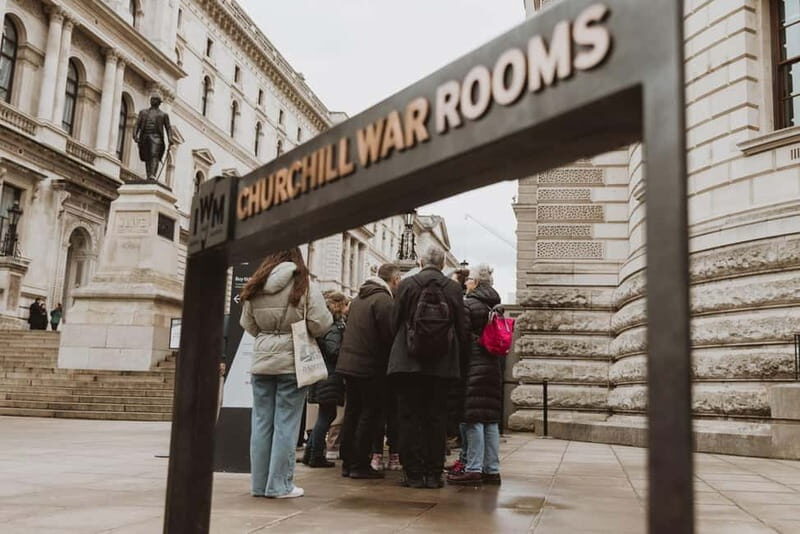
Finally, you step away from the surface story and into what many travelers come for: the Churchill War Rooms. You’ll be guided through an underground network of hidden bunkers, where Churchill made crucial decisions and where the rooms have remained untouched since 1945.
One key detail: the War Rooms portion is audio-guided. That means you’re not stuck listening to someone talk at you the whole time. Instead, you can move at a comfortable pace, pause where you want, and read/listen your way through Churchill’s private office, the map room, and other rooms tied to decision-making.
This is also where I think the tour is best for DIY-minded history fans. The walking part gives you a clear narrative line. The War Rooms then lets you slow down and choose what to pay attention to.
Crowds and timing matter here
The War Rooms can be busy on weekends and during school holidays. If you hit a high-traffic time, the experience can feel tighter simply because other people will also be moving through corridors and rooms. If you’re sensitive to crowding, try to pick a start time that feels less weekend-heavy.
When things go off-plan
Security-sensitive venues sometimes have interruptions. In one experience, a group faced an evacuation due to unforeseen circumstances but had already completed most of the tour by the time it resolved. If that worries you, the best approach is mental prep: treat the War Rooms as a serious site with real procedures.
Group size, pace, and what to wear
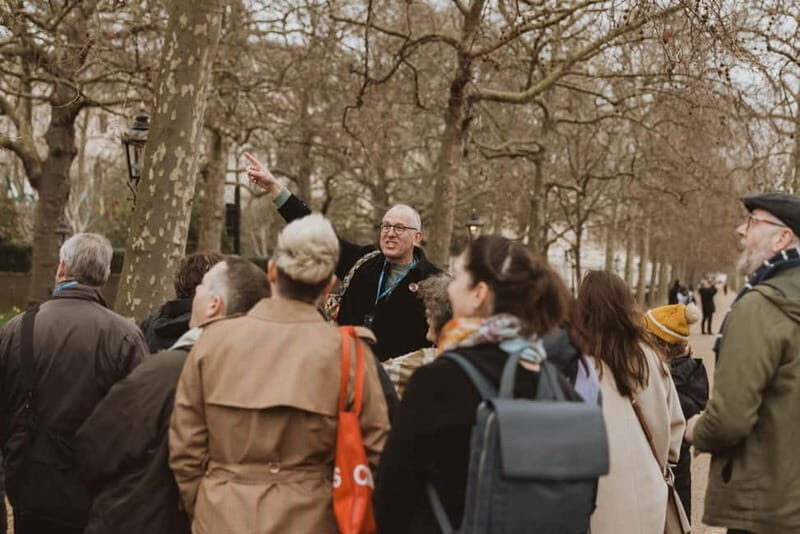
This tour is designed for a moderate walking pace and includes multiple short guided stops before the longer War Rooms visit (about 1.5 hours). You should plan for standing time at major sights and the fact that you’ll need to pass through security like any major historical attraction.
Because it’s a walking experience, I recommend practical shoes over trendy ones. You’ll be on pavement for several hours, and you don’t want your day ruined by blisters during the War Rooms portion.
Also note what’s not allowed:
- No baby strollers
- No weapons or sharp objects
If you’re traveling with kids, this is an all-or-nothing call depending on how comfortable they are with guided walking and indoor rules.
What makes the guides’ approach worth it
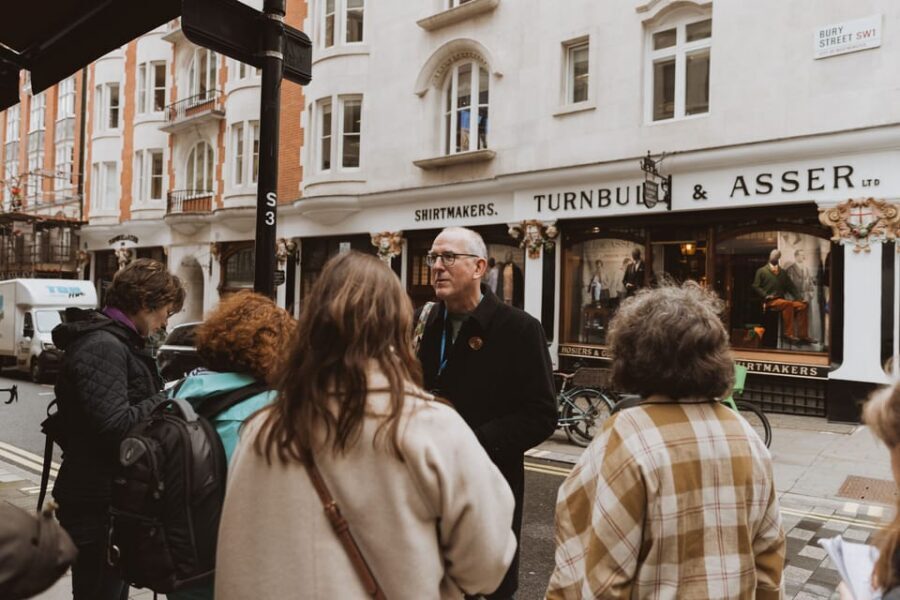
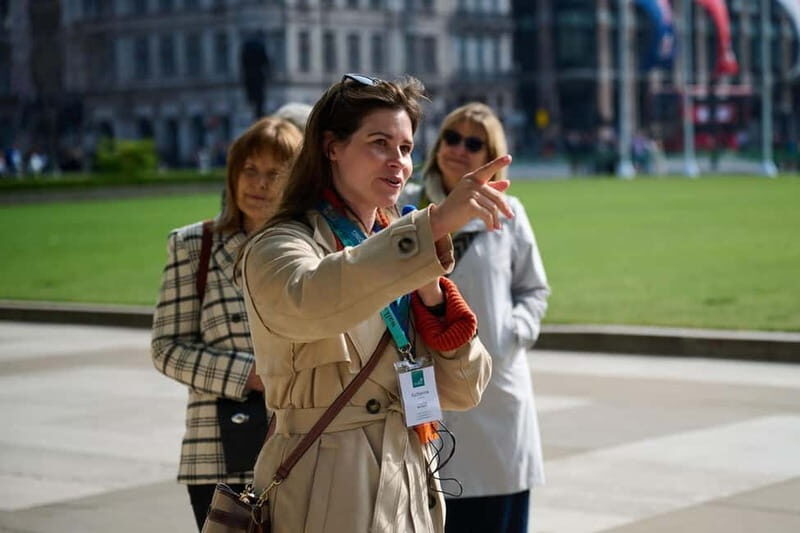
The tour stands or falls on the guide. And the strongest feedback I’ve seen centers on how personal and place-based the delivery can be. Names like Kate, Mary, and Salvadore are repeatedly tied to praise for mixing Churchill’s leadership with context about the surrounding London areas.
What that means for you: instead of hearing a dry timeline, you’ll get stories that explain why a statue or a building matters. You also get a guide who can adjust on the fly, pointing you to the right spots for views and relevance.
If you’re booking a WWII London experience, this kind of guiding matters because the city already has plenty of surface-level stops. The goal here is turning those stops into understanding.
Value check: why this is more than a sightseeing loop
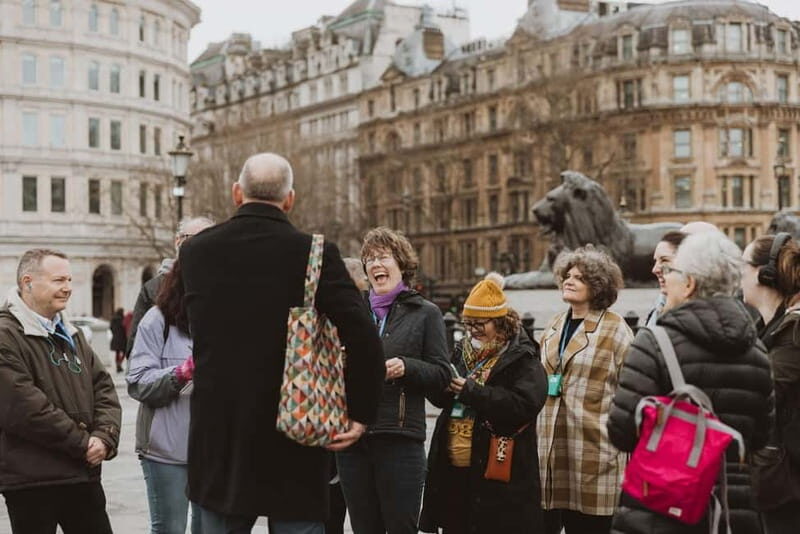
Even without looking at any single ticket price, you can judge value by what you get packed into 3 hours:
- a live English-speaking guide
- a small group capped at 15
- pre-reserved tickets to the Churchill War Rooms
- an included audio guide once you’re underground
For many visitors, the War Rooms are the hardest part to fit well, because the timed entry and crowd flow can be tricky. This tour handles the War Rooms entry piece for you and pairs it with a walking route that gives you context before you go inside.
If you only have a short window in London and you want both surface landmarks and underground history, this is a tight, efficient plan.
Should you book the Churchill War Rooms with WWII walking tour?
Book it if:
- you want Churchill-focused storytelling across Westminster, not just a standalone museum visit
- you like guided context that connects speeches and decisions to real places
- you’re comfortable walking for a few hours at a moderate pace and can handle security checks
Skip or rethink it if:
- you strongly dislike crowds (the War Rooms can get busy on weekends and school holidays)
- you need an option designed for mobility accommodations, since the tour information states it may not be suitable for wheelchair users or guests with mobility impairments
- you’re traveling with a stroller (strollers aren’t allowed)
If you’re curious, here’s the simple way to decide: this tour works best when you’re okay being outside for a while and you want the War Rooms experience to feel like the payoff, not the entire event. If that’s you, you’ll likely leave with a sharper mental picture of how Churchill’s leadership looked from both street-level and underground.
FAQ
How long is the Churchill’s Life & WW2 tour?
The duration is about 3 hours.
Where does the tour start?
It meets at the Royal Air Force Memorial in London.
Is the Churchill War Rooms visit guided or self-paced?
The War Rooms portion is audio-guided, so you can explore through the rooms at your own pace while still following the planned visit.
What’s the maximum group size?
The group is limited to 15 guests maximum.
What’s included in the ticket?
You get pre-reserved tickets to the Churchill War Rooms (with an audio guide), a guided walking tour, and a local English-speaking guide.
Do I need to pass through security?
Yes. All guests must pass through security.
Is this tour suitable for wheelchair users or mobility impairments?
The tour information says it is not suitable for guests with mobility impairments or wheelchairs.
Can I bring a stroller?
No. Baby strollers are not allowed.