REVIEW · LONDON
Booze, Brothels & the Bard: London’s Bawdy Borough
Book on GetYourGuide →Operated by Historic London Tours · Bookable on GetYourGuide
One street name, and London gets honest. This tight Booze, Brothels & the Bard walk through Southwark and Bankside turns “what happened here?” into a clear, story-driven route. I like the way it links dark backstories (prisons, vice, and infamous houses) with big-name culture like Shakespeare’s Globe, and I like that the group stays small so questions don’t get lost. One caution: it’s not kid-friendly, and parts of the topic are adult by nature.
You start at Borough Station and finish near Shakespeare’s Globe after about 2 miles on foot. The guide I’d look for—Tom Currie (Historic London Tours)—keeps facts short, funny, and easy to remember, with a reading link you can use later when you’re back in your hotel. If your goal is lots of time inside museums or shows, plan for extra time, because this is a walking tour with quick stops rather than a full-ticket day.
In This Review
- Key things that make this tour worth your time
- Borough and Bankside: why this area earned the Bawdy label
- Walking Time and Group Size: two hours, about two miles, capped at 15
- Starting at Borough Station and shaping the route in your head
- Marshalsea Prison and Crossbones Garden: punishment takes center stage
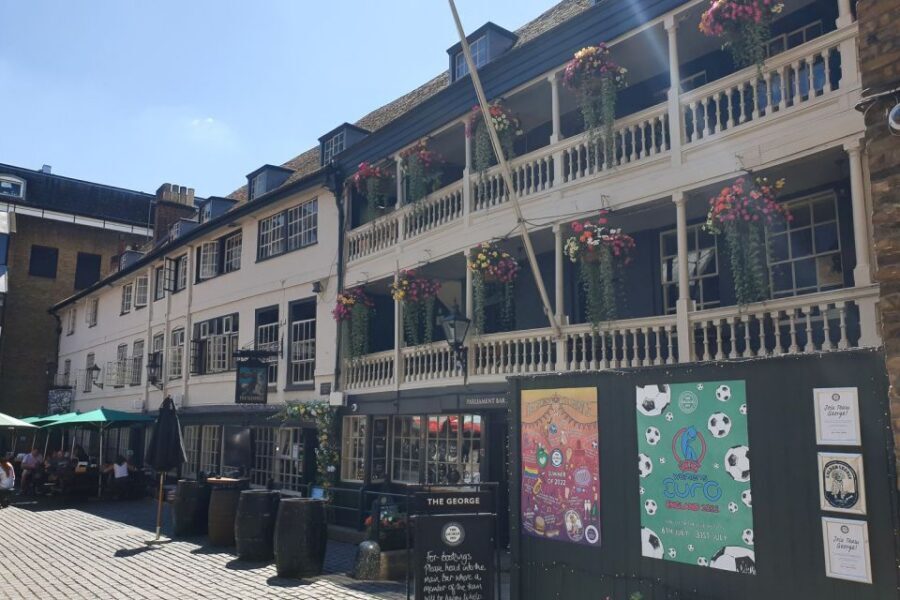
- The Hop Exchange and The George Inn: drinking, work, and social gravity
- Borough Market: the smell of history is also the smell of lunch
- Old Operating Theatre Museum & Herb Garret: medical history with a dark edge
- Southwark Cathedral and London Bridge: view the neighborhood, not just the labels
- Winchester Palace and the Clink Prison Museum: the “what’s left” factor
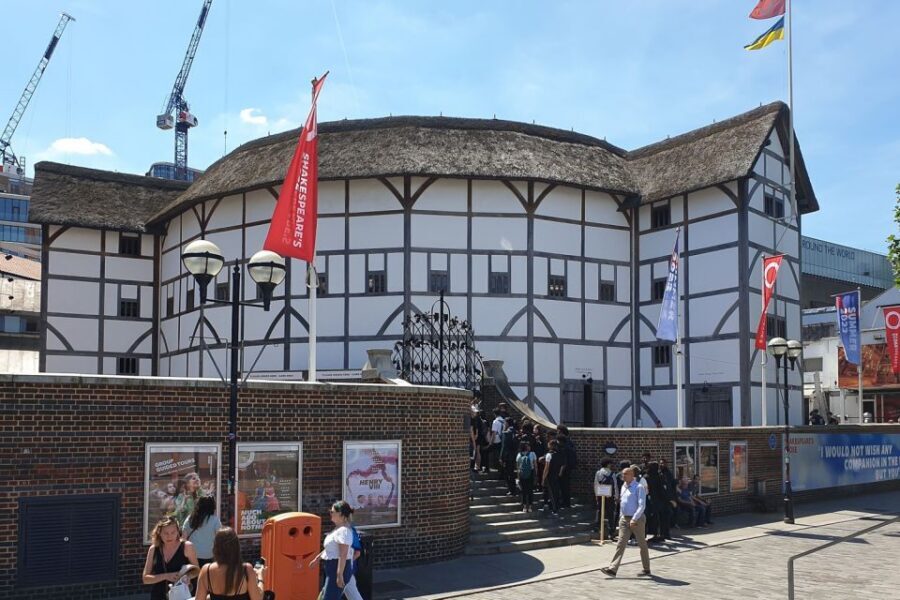
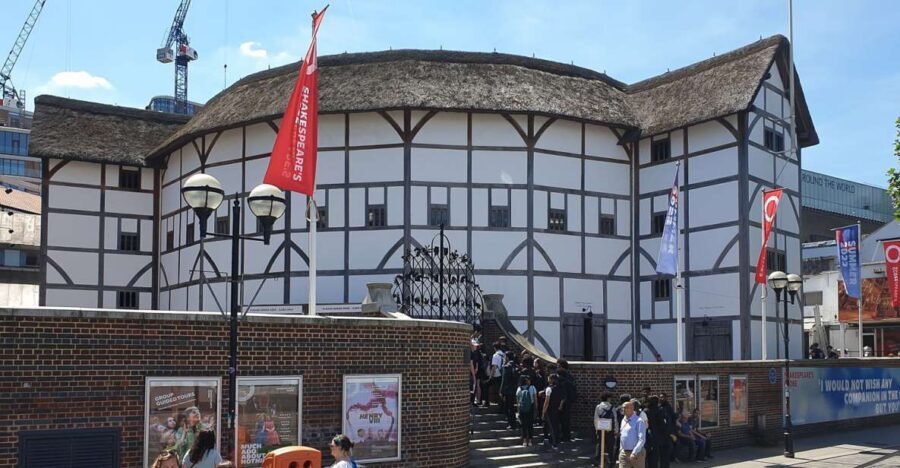
- Original Globe site to Shakespeare’s Globe: from Elizabethan theatre to today’s stage
- Price and value: is $26 a fair deal for 2 hours?
- Who should book this tour, and who should skip it
- Should you book Booze, Brothels & the Bard?
- FAQ
- How long is the tour?
- Where do I meet the guide?
- How far will we walk?
- What language is the tour guide?
- Is it suitable for children?
- How big is the group?
- What is the final stop?
Key things that make this tour worth your time
- A small group cap of 15 keeps the pace human and the Q&A real
- Two notorious prisons (Marshalsea and the Clink) plus visible remains that help you picture the past
- Southwark + Bankside context: why this area sat outside the City of London’s rules for centuries
- Charles Dickens and old theatre connections show how these stories kept echoing in culture
- Borough Market and landmark architecture balance the darker themes with everyday London
- Old Globe site to Shakespeare’s Globe lets you connect Elizabethan London to today’s theatre
Borough and Bankside: why this area earned the Bawdy label
Southwark is one of those London neighborhoods where the city’s official face and its private life overlap. For centuries, this side of the Thames sat outside the jurisdiction of the City of London, and that mattered. When laws and enforcement looked different across the river, Southwark became the place where people went for pleasures the City preferred to ignore.
That’s the core idea of this tour. You’re not just hearing gossip for shock value. You’re walking a geography where sex work, drinking, punishment, and entertainment all rubbed shoulders. The tour’s name spells out the themes—Booze, Brothels & the Bard—but the storytelling explains why the pattern stuck for so long, starting from the early period when Romans arrived and prostitution became a known feature of the area.
You also get specific characters and naming details as you go. Expect to hear about the medieval “Winchester Geese,” and the tour’s narrative plays with oddball figures like Doorkins Magnificat, plus a ghost story involving a nineteenth-century pub landlady. Even if you don’t remember every detail, you’ll leave with a mental map of how people used this neighborhood for escape, survival, and spectacle.
You can also read our reviews of more tours and experiences in London.
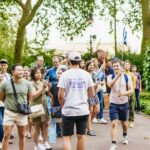
Walking Time and Group Size: two hours, about two miles, capped at 15
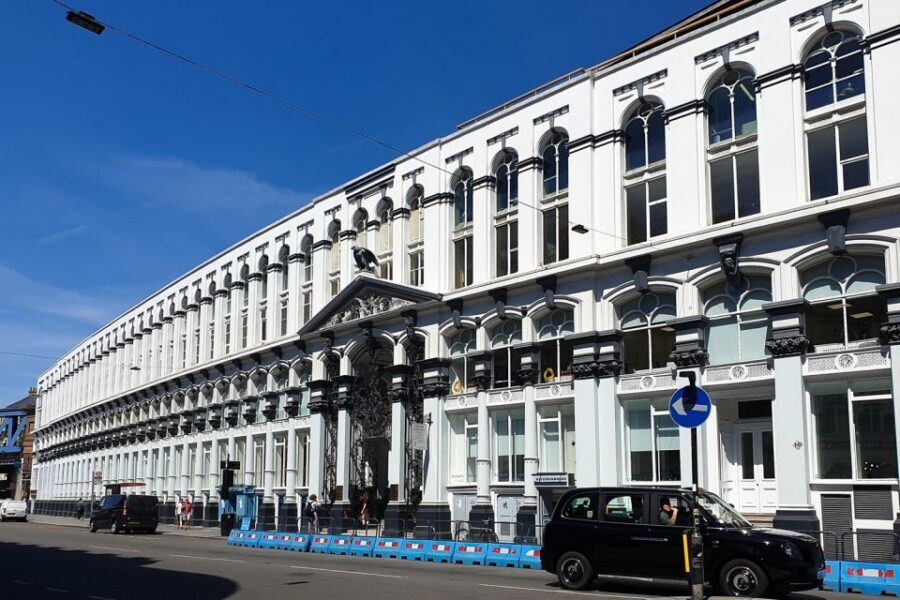
This is a 2-hour guided walk covering about 2 miles total talking distance. That’s a good length for first-timers because you get momentum and context without feeling trapped all day. The route also keeps the “next stop” close, with very short guided moments at each location, so you’re constantly resetting what you think you know.
The group limit of fifteen is a big deal for this kind of tour. If you’re the type who likes to ask why something happened, or what a specific name refers to, a small group makes it easier for the guide to answer instead of rushing you along. It also means you’re less likely to get swallowed by crowd noise while you’re trying to listen.
Practical note: wear shoes you don’t mind getting London-street gritty. You’ll be moving between landmarks, and the tour includes stops near major attractions like Borough Market and London Bridge, where sidewalks can get tight. If you’d rather sit with a coffee for an hour, this isn’t that sort of day.
Starting at Borough Station and shaping the route in your head
The meeting point is very straightforward: meet just outside the Borough Station exit on Borough High Street, with your guide standing there with a Historic London Tours sign. That matters because the tour begins by getting you oriented right away—Southwark geography can feel confusing until someone puts it in order for you.
From there, the tour traces the “sin and sentence” side of Southwark, then brings you toward Bankside and finally into theatre country around Shakespeare’s Globe. You can think of it as three arcs:
- Punishment and refuge (prisons and grim local lore)
- Work and daily life (markets, medical history, cathedral and bridge views)
- Art and performance (the old Globe site, then today’s Globe)
Even though each stop is brief, the guide’s goal is to build a timeline in your head fast, so it starts to feel logical rather than random.
Marshalsea Prison and Crossbones Garden: punishment takes center stage
The first major stop is the Marshalsea Prison. This is one of those places that helps you understand London’s harsh social safety net: confinement wasn’t just for the rare villain. It shaped lives, families, and the way the city dealt with debt and trouble.
Right after that, you move to Crossbones Garden. This stop is a chance to see how burial and poverty intersected in old London. Even without getting graphic, you’ll start to connect the dots between who ended up in trouble and where bodies and stories went once the official world moved on.
What I like here is the guide’s pacing. The moments are short—around five minutes of guided talk at each spot—but you’re not left hanging with vague impressions. You get enough detail to make the locations feel real and not like a set of plaques you’ll forget by dinner.
The Hop Exchange and The George Inn: drinking, work, and social gravity
Next up is the Hop Exchange, followed by The George Inn. These stops shift the mood. Instead of only punishment and vice, you see the commercial and social machinery behind it. Inns mattered because they were local hubs: meeting points, rumor centers, and places where visitors and locals mixed.
The George Inn, in particular, helps connect the “Booze” part of the tour to the neighborhood’s longer story. And if your guide uses the tour’s theatrical ghost material, you might get that nineteenth-century pub landlady tale woven into the setting. That kind of story isn’t meant to be a scare tactic. It’s meant to help you picture what the building felt like during the hours when people lived rather than visited.


Borough Market: the smell of history is also the smell of lunch
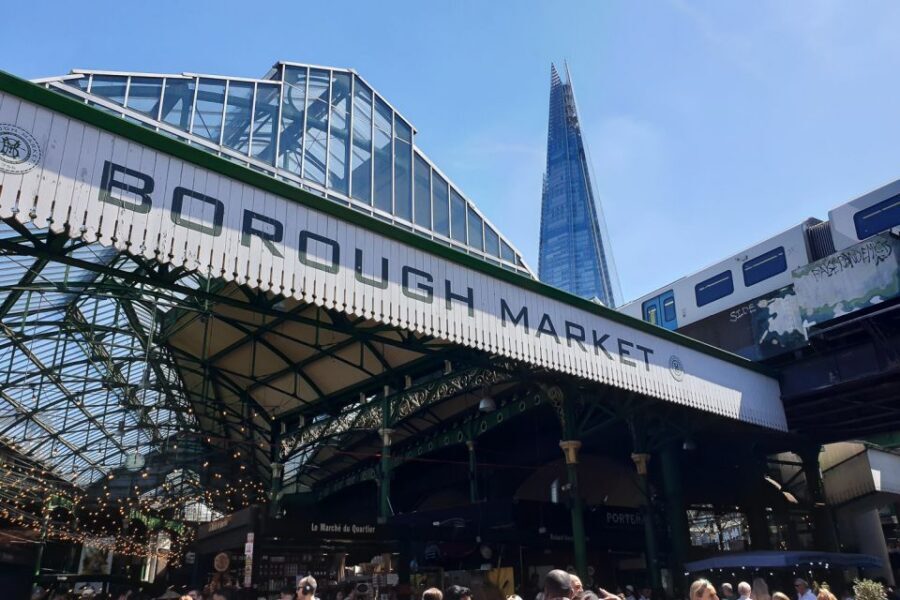
Then comes Borough Market. This is a smart pivot. You move from dark institutions to a place where you can almost hear regular life happening. Borough Market is London’s oldest and largest market, and the tour uses it to remind you that vice and culture weren’t separate worlds.
Borough Market can be crowded depending on the day and time, and that affects your experience. Plan to stay flexible and keep moving with the group. The tour doesn’t try to stop you from seeing the big picture; it uses short moments here to help you connect the market to Southwark’s long tradition as a destination rather than just a local convenience.
If you want to taste your way through later, this is the perfect location to do it after the tour. The walk gives you context; your own food time gives you a fuller memory.
Old Operating Theatre Museum & Herb Garret: medical history with a dark edge
After the market, you’ll visit the Old Operating Theatre Museum & Herb Garret. This is another stop where the tour’s tone can shift. You go from the public square of trade to a side of life that used to be secretive and frightening: early surgery and medicinal practice.
Even though you’ll only get a short guided look, the value is in how the guide frames it. The point isn’t to turn medical history into horror entertainment. It’s to show how Southwark handled human need—sometimes with care, sometimes with desperation, and often within the limits of the era.
If you’re the type who wants to see every exhibit carefully, you’ll probably want a return visit. This tour gives you direction, not an hours-long museum experience.
Southwark Cathedral and London Bridge: view the neighborhood, not just the labels
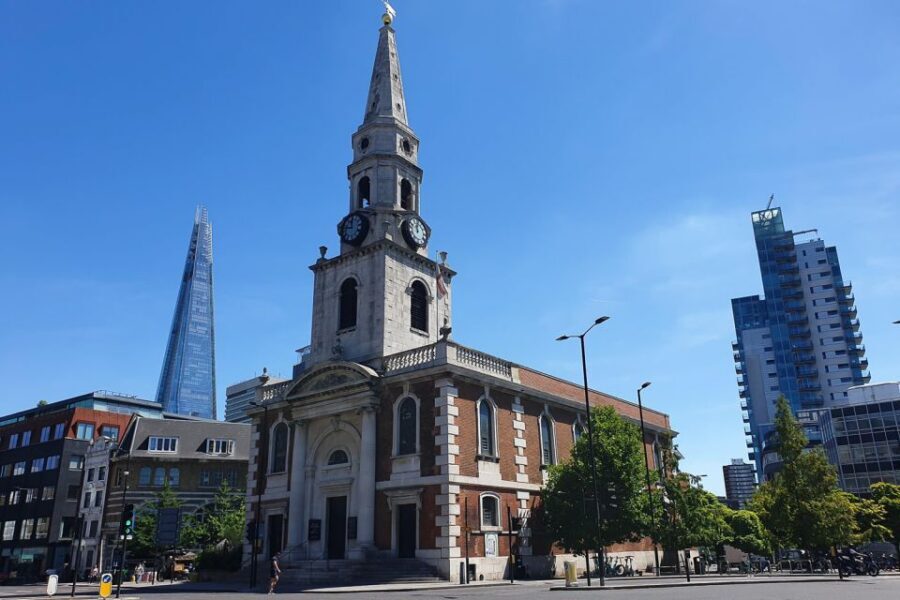
Next are Southwark Cathedral and then London Bridge. These stops bring you from story into perspective.
Southwark Cathedral adds weight and age to the walk. You’ll learn why its position and survival matter in a neighborhood that otherwise became famous for what people did, not just what buildings stood. Then London Bridge gives you the chance to look outward—toward how movement across the river shaped who came here and why.
This is also where you start to feel the tour’s “value”: it teaches you how to look. After seeing it all laid out with quick explanations, you’ll notice details on your own after the guide moves on.
Winchester Palace and the Clink Prison Museum: the “what’s left” factor
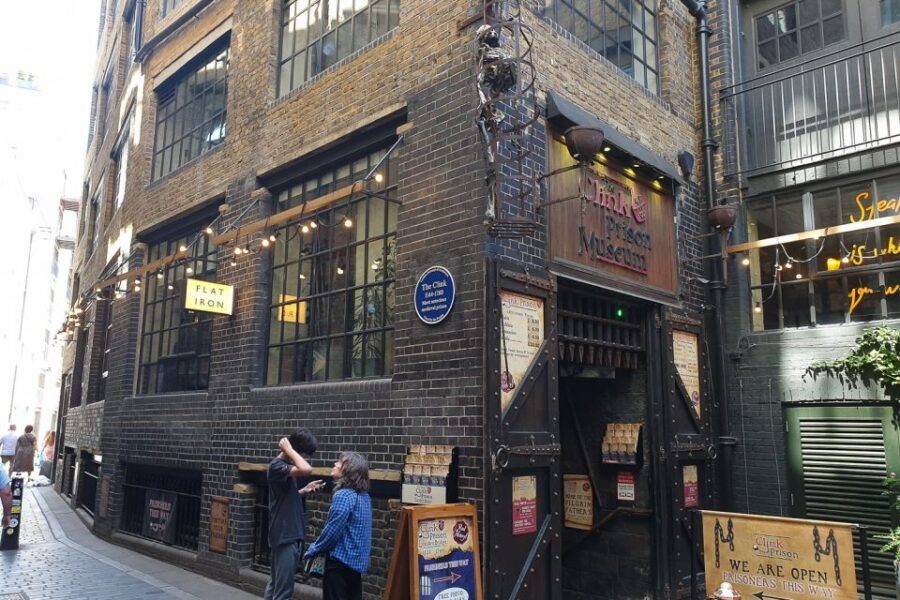
Two of the most important darker stops follow: Winchester Palace and then the Clink Prison Museum.
At Winchester Palace, you’ll see what remains of the Bishop of Winchester’s palace. That might sound like a detour into polite buildings, but it’s really part of the same theme: power and permission. Institutions shaped who could operate freely and who got punished instead.
Then you move to the Clink Prison Museum, one of Southwark’s notorious prisons. This helps complete the prison story started at Marshalsea. Seeing both places in one route makes the neighborhood feel like a system, not scattered landmarks. You’ll also get that long-arc sense of punishment as a business model—space, authority, and the way the law applied unevenly.
If you’re a fan of urban history, this is where you’ll feel the tour click. The guide doesn’t just list dates. It helps you understand what survival looked like in a place where consequences were real.
Original Globe site to Shakespeare’s Globe: from Elizabethan theatre to today’s stage
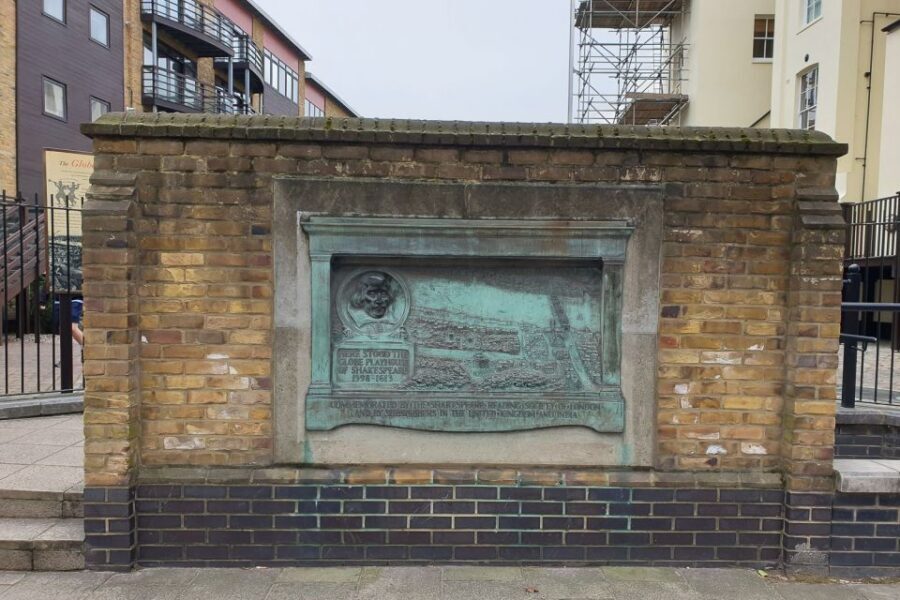
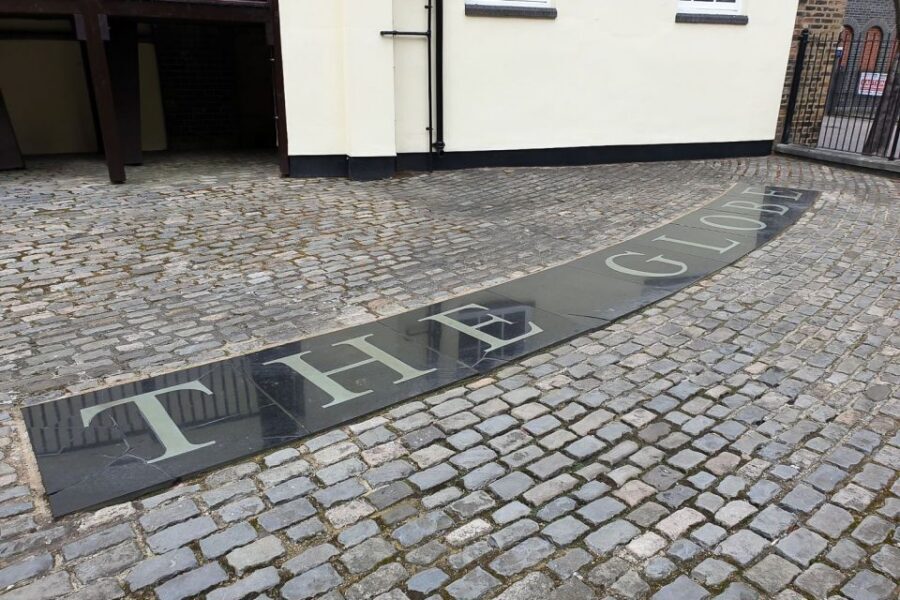
Then the tour swings into performance history. You visit the original site of the Globe Theatre, then finish at Shakespeare’s Globe.
This is one of the most satisfying parts because you connect “the bard” to geography. You’re not only hearing Shakespeare’s name—you’re seeing how London’s theatre life grew in the same patch of city that also hosted prison walls and rougher entertainment. That contrast makes the story more believable, not less.
There’s a practical trade-off here. The guide stop at Shakespeare’s Globe is short—around five minutes of guided touring—so you’ll get orientation and the story of the space, but not a full inside theatre experience. If you want to watch a show or do a longer visit, you’ll likely need a separate plan.
Price and value: is $26 a fair deal for 2 hours?
At about $26 per person for a 2-hour small-group walk, the price feels fair because you’re buying three things:
- A guide who ties together difficult topics into a coherent route
- Time saved versus trying to piece together Southwark’s timeline on your own
- Access to multiple major landmarks without a transport shuffle
You’re also not locked into museum-level time. You get a guided hit of history at many points—prisons, market, cathedral, and Shakespeare’s theatre locations—in one go. If you’re visiting London with a tight schedule, this is the kind of tour that helps you choose what to do next.
The main value question is this: do you like story-driven walking tours? If yes, you’ll feel the cost is justified. If you want in-depth stops with lots of quiet time inside buildings, you might feel the pace is too fast for your style.
Who should book this tour, and who should skip it
This tour is best for adults and older teens who enjoy darker London stories with context, not just spooky vibes. It’s not suitable for children under 13, and the topic includes prostitution and prison history, so it’s aimed at a more adult audience.
You’ll also like it if:
- You’re a Shakespeare fan and want the theatrical story grounded in real streets
- You enjoy neighbourhood history tied to specific places
- You like guides who answer questions and keep the pace friendly
You might want to choose another option if you:
- Hate walking in crowds near Borough Market
- Want long museum time or a full theatre visit included in the ticket
Should you book Booze, Brothels & the Bard?
I’d book this if you want a fast, well-directed orientation to Southwark and Bankside—the part of London that explains why the city has always been more complicated than postcards. The small group size, the strong guide style from Tom Currie, and the way the route connects prisons, markets, and Shakespeare make it good value.
I’d skip it if you’re after a gentle, kid-safe sightseeing loop or if you need lots of quiet time inside major attractions. This is a story walk. If you’re ready for that, you’ll finish with a sharper sense of London than you started with.
FAQ
How long is the tour?
The tour lasts about 2 hours.
Where do I meet the guide?
Meet just outside the Borough Station exit on Borough High Street. The guide will be standing there with a Historic London Tours sign.
How far will we walk?
The total talking distance is about 2 miles (3.2 km).
What language is the tour guide?
The tour is in English.
Is it suitable for children?
It is not suitable for children under 13.
How big is the group?
Ticket sales are limited to 15 attendees to keep the tour enjoyable.
What is the final stop?
The tour finishes at Shakespeare’s Globe.