REVIEW · BRIGHTON
Brighton: Piers & Queers LGBTQ History Tour
Book on GetYourGuide →Operated by Ric's Tours · Bookable on GetYourGuide
Brighton hides queer stories in plain sight. On this Blue Badge walk, you trace LGBTQ history from Regency Square to Kemptown in about 1.5 hours.
I love how the guide, Ric, pairs big names with real people you might never hear about in a casual guidebook. I also like the small size: max 12, semi-private feel, and Ric keeps it easy to ask questions without losing the thread.
One thing to consider: it covers a lot of time fast. If you want slow, era-by-era study, you may wish you had more than 1.5 hours, because you are walking throughout.
In This Review
- Key highlights at a glance
- Regency Square Meeting Point and the 90-Minute Route
- Why Brighton Earned the Gay Capital Reputation
- From Regency Dandies to Anne Lister on the Seafront
- The Lanes: Famous Names and Unsung LGBTQ Pioneers
- Kemptown Finish: Milestones, Activism, and 1950s Life
- Ric the Guide: Friendly, Easy to Follow, and Good at Answers
- Price and Value for a Live Blue Badge LGBTQ History Walk
- Who Should Book This Brighton LGBTQ History Tour
- Should you book this tour?
- FAQ
- How long is the Brighton Piers & Queers LGBTQ History Tour?
- Where do I meet for the tour?
- How many people are in a tour group?
- Is the tour guide live, and what language is it in?
- What areas of Brighton does the tour cover?
- What kind of history will I learn on this tour?
- Which notable people are mentioned during the tour?
- Is the tour wheelchair accessible?
- What is the price, and is there free cancellation?
Key highlights at a glance
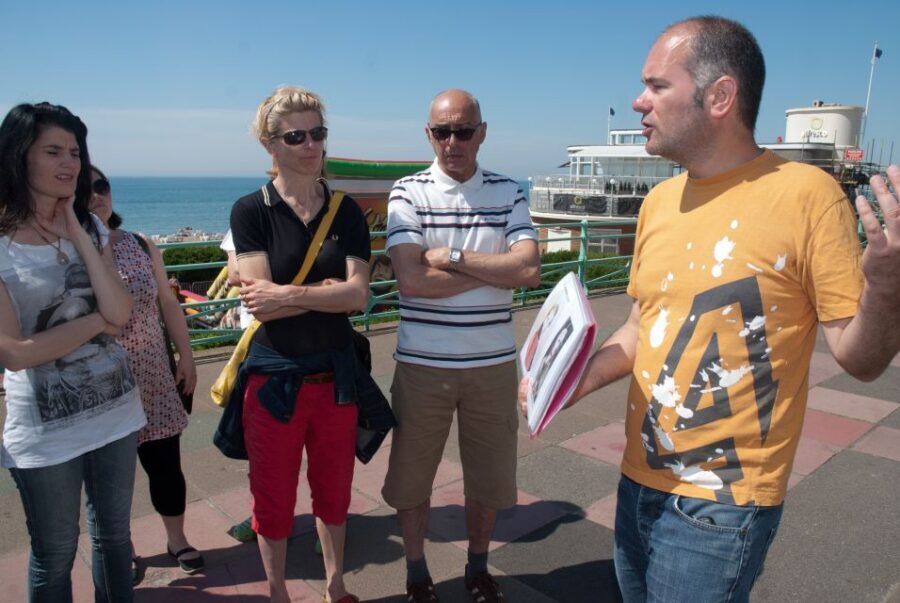
- Blue Badge guide who leads the walk and keeps the facts straight as you move through town
- 200-plus years of LGBTQ history from Regency-era life to 1950s scenes and political activism
- A focused route starting at Regency Square, moving through the seafront and the old Lanes, then finishing in Kemptown
- Famous names plus unsung heroes including Anne Lister, Lord Byron, Oscar Wilde, Dusty Springfield, and lesser-known pioneers
- Stories you can question in real time because the group stays small and Ric is approachable
- Extra value after the walk with guided walking tour book recommendations from Ric, including a book with 20 walking tours
Regency Square Meeting Point and the 90-Minute Route
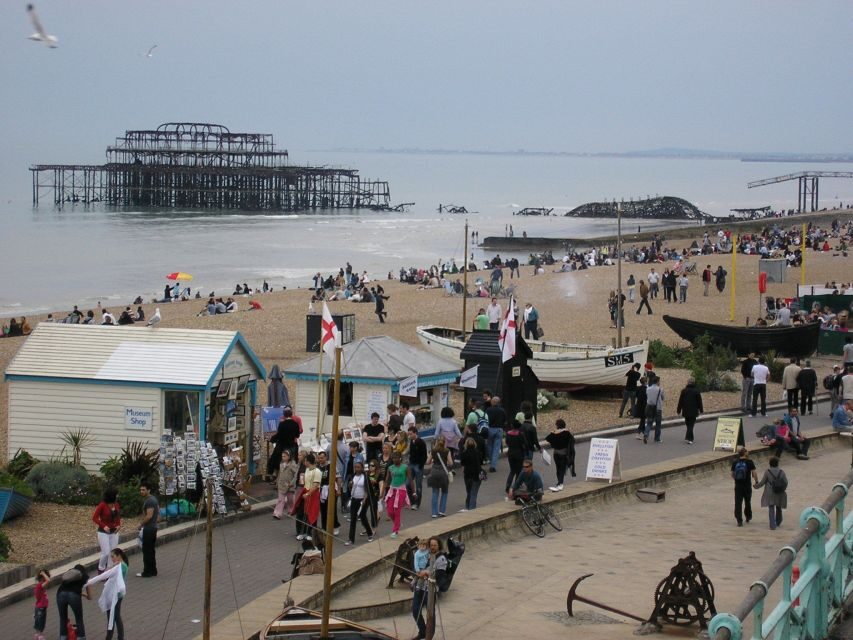
Your tour starts at the statue in Regency Square, Brighton (BN1 2FZ). I like this kind of start point because it makes you feel like you’re stepping into a story right away, not wandering around trying to find the group. From there, the route takes you along the seafront first, then into the atmospheric old Lanes, and it ends in Kemptown, where Brighton’s LGBTQ story becomes the most direct.
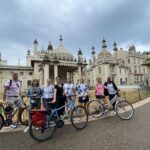
The walk is scheduled for 1.5 hours, so you’ll get a solid slice of context without turning the day into a half-trip. You’re also in a small group (maximum 12 people), which matters more than you’d think on a story-heavy tour. It keeps the tone personal, and it makes it easier to hear the guide’s points as you’re moving.
Practical note: wear comfortable shoes. This is a walking tour, so your biggest variable will be how your feet feel more than anything else.
If you’re pairing this with other Brighton plans, I’d slot it early in your trip. It gives you an instant sense of where things sit and why they matter.
You can also read our reviews of more tours and experiences in Brighton.


Why Brighton Earned the Gay Capital Reputation
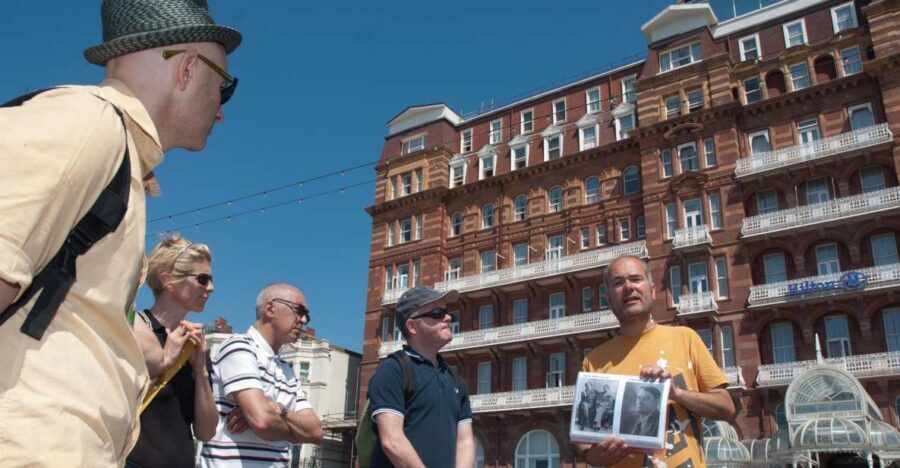
The tour’s central promise isn’t just to list famous names. It’s to explain why Brighton became a magnet for LGBTQ life over time. You get that answer by following the clues in the places themselves, from the public-facing seafront atmosphere to the tighter, older streets where people historically needed discretion.
You also see how LGBTQ life in Brighton didn’t appear in one neat moment. The walk ranges across eras, including Regency dandies, lesbian and gay life in the 1950s, and political activism. That time-spread approach is useful for you if you struggle with history that feels like disconnected facts. Here, the guide helps you connect the dots: changing social rules, shifting community spaces, and the role of visibility and activism.
I like that the tour also doesn’t skip the tricky parts. It includes milestones and events that weren’t easy to achieve, like a same-sex marriage in 1923. It also highlights unsung heroes, including a pioneering doctor who lived as a man long before women were allowed to practice medicine.
If your goal is to understand Brighton beyond a nightlife reputation, this walk leans into the deeper why—through people, dates, and the places they moved through.
From Regency Dandies to Anne Lister on the Seafront
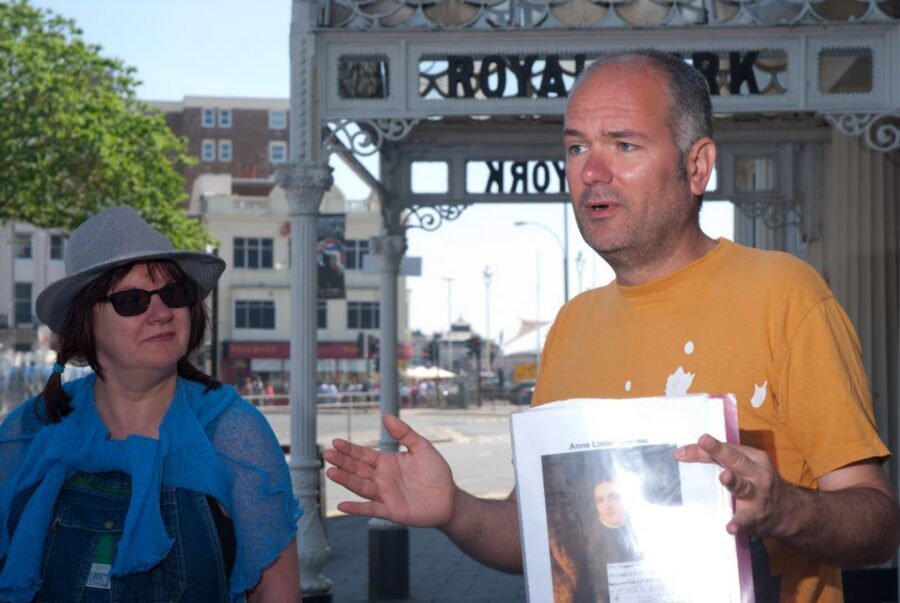
Brighton is the kind of city where the sea is always part of the conversation. Starting along the seafront gives you a big, open setting before you tuck into the smaller streets. It’s also an easy mental transition: you go from wide views and public life to the Lanes, where the mood changes and the stories get more personal.
This is where you’ll hear about Regency-era LGBTQ life. The tour brings in Regency dandies as part of the broader timeline, which helps you understand how styles, social circles, and identity could play out in public even when the risks were real. You’ll also hear about Anne Lister and her trip to Brighton. Anne Lister is tied in with Gentleman Jack, and that connection helps you anchor her in modern pop-culture while still focusing on the historical setting.
I found this approach helpful: the guide isn’t asking you to treat the past like a museum. Instead, you’re watching how a place could fit different kinds of lives across generations.
And you’ll also hear names that you may already associate with queer history, including Lord Byron. Those references work best when the tour gives you context for how those figures connect to the city’s story, not just when a name gets dropped.
The Lanes: Famous Names and Unsung LGBTQ Pioneers
Once you turn into the old Lanes, the tour feels sharper. The streets naturally make you slow down and listen, which is exactly what you want on a history walk. The Lanes are a strong setting for stories about identity, survival, and courage because the architecture and street scale encourage a more intimate pace.
This is where the tour’s mix of famous and not-so-famous really clicks. You’ll hear about Oscar Wilde as well as broader threads around LGBTQ culture and politics. You’ll also learn about Dusty Springfield, which widens the story beyond just 19th-century writing and moves toward a later, more modern cultural presence.
What I liked most, though, was the spotlight on unsung heroes. The tour includes a pioneering doctor who lived as a man long before women were allowed to practice medicine. Hearing that kind of story in a street setting makes it feel less abstract. It also includes an Edwardian drag king, which gives you a clearer picture of gender performance as something historical, not just contemporary.
The guide also covers political activism across the timeline, so the Lanes aren’t just about hidden meeting spots. They’re about how people pushed back and built visibility when they could.
By the time you’re walking between stops, you end up with a mental map of themes: fame and risk, secrecy and community, courage and resistance.
Kemptown Finish: Milestones, Activism, and 1950s Life
Finishing in Kemptown makes sense, and it helps the story land. It’s one thing to learn names and dates while wandering; it’s another to end the walk in the area that represents the LGBTQ heart of the city.
The tour’s final stretch ties together the later chapters you heard earlier. You get themes like lesbian and gay life in the 1950s and political activism that ran alongside community life. That combination matters because it shows you that social life and political pressure often lived side by side.
You also get the milestone details that help you measure how far visibility and rights had to travel, including that same-sex marriage in 1923. Stories like that are powerful because they don’t let you treat history as a smooth line. They remind you that change usually includes moments that shock people in hindsight and then fade until someone chooses to remember them.
Another reason this ending works for me: it sets you up for the rest of your day. Once you leave the tour, you can look at Kemptown with a different lens. You’re not just seeing shops and streets. You’re thinking about who used them, who built community there, and who took risks to be themselves.





Ric the Guide: Friendly, Easy to Follow, and Good at Answers
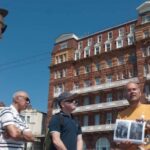
The guide makes or breaks a small walking tour, and Ric’s style is a big part of why this one works. He comes across as approachable and easy to listen to, not the kind of lecturer voice that makes you tune out halfway through. The pace feels thoughtful too: he explains, then lets you process before the next turn.
I also like that Ric answers questions in the moment. On a subject like LGBTQ history, questions are normal. People often want clarification on terms, eras, or the connections between famous names and local places. When a guide stays open like that, it turns your walk into a conversation without derailing it.
The tour’s breadth is also impressive. It covers over 200 years of history, and you still get coherent storytelling rather than a random roll call of facts. Ric also shares recommendations at the end, which is practical if you’re trying to plan what to do with your remaining time in Brighton.
One extra value point: Ric has a book of his with 20 guided walking tours. Even if you only plan to do one more thing in the city, that kind of add-on makes the tour feel like a starting kit, not a one-off.
Price and Value for a Live Blue Badge LGBTQ History Walk
At $52 per person for 1.5 hours, this isn’t the cheapest Brighton activity. But you’re paying for a few important things at once: a live tour guide, a qualified Blue Badge professional, and a small group capped at 12 people.
For me, the value comes from how much the guide packs into the time. You’re not just getting a scenic walk. You’re getting a guided thread through Regency dandies, 1950s lesbian and gay life, political activism, and stories connected to figures like Anne Lister, Lord Byron, Oscar Wilde, and Dusty Springfield. You also get the unsung heroes—like the pioneering doctor and the Edwardian drag king—who make the walk feel genuinely different from a standard celebrity-style route.
It’s also good value if you’re the type who likes learning while moving. A walking format turns the city into the classroom, and the tour uses that setting to support the stories.
If you’re on a tight schedule, this tour is short enough to fit in and broad enough to give context fast. If you’re a history-first traveler with a short window in Brighton, it’s one of the better ways to get orientated.
Who Should Book This Brighton LGBTQ History Tour
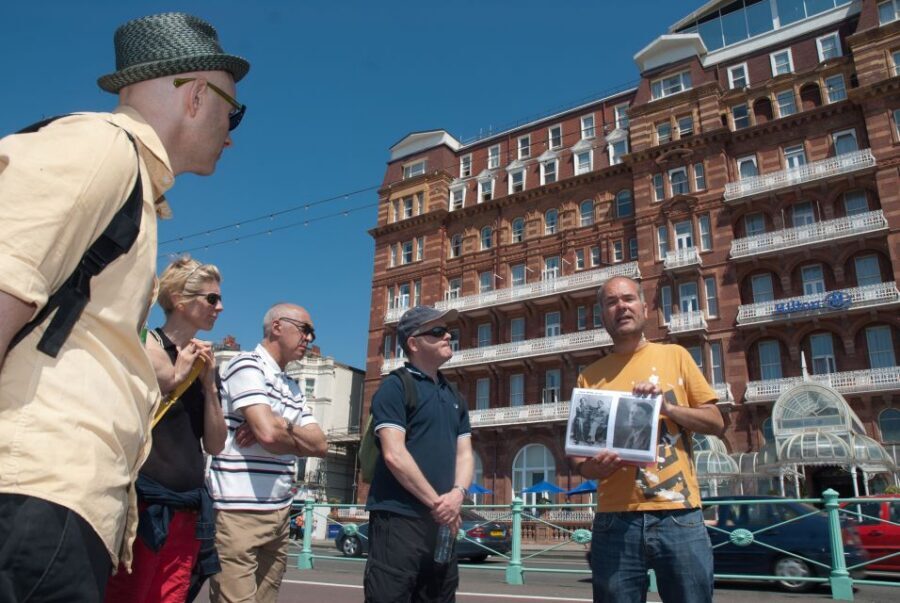
This tour is a strong match if you want LGBTQ history in a form that feels human. You’ll enjoy it most if you like stories about real people across different eras, not just a list of landmarks. It also works well if you want both famous names and the lesser-known figures that deserve attention.
It’s especially good as a first full day activity. You get an initial look around Brighton, plus a sense of where the story sits geographically—seafront, Lanes, and the Kemptown finish.
You might not love it if you’re expecting a slow, museum-like experience focused on one single timeframe. The tour covers a wide span of history, so it’s more about connections and context than detailed reading for one era.
If you do like walking tours and you prefer asking questions, you’ll likely come away feeling informed and more confident exploring on your own afterward.
Should you book this tour?
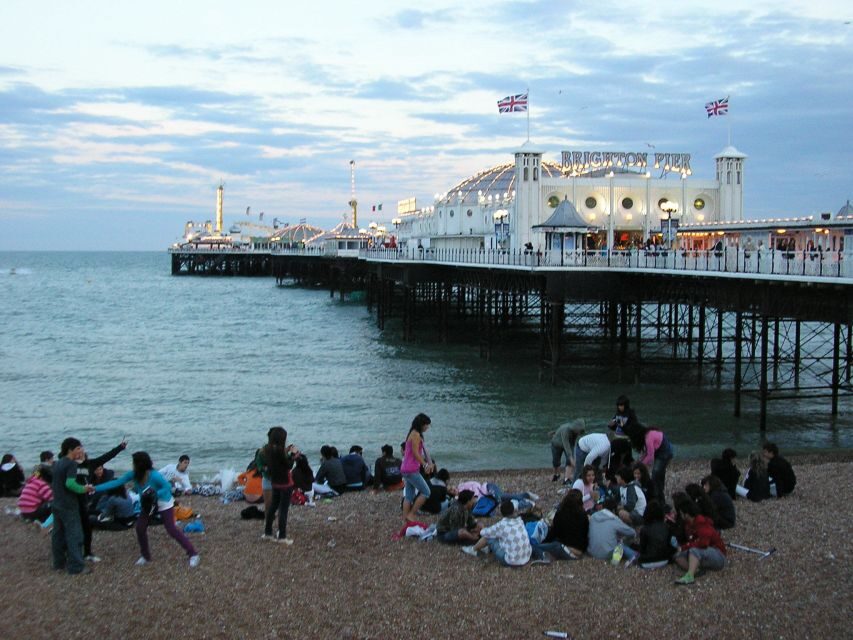
Yes, I’d book it if your main goal is to understand Brighton’s LGBTQ story in a compact, guided way. The small group size, the Blue Badge guide, and Ric’s approachable style help you actually absorb what’s being shared. And the route makes sense: seafront first for atmosphere, the Lanes for mood and intimacy, then Kemptown to land the story where it matters.
If you can only do one guided walk in Brighton and you care about LGBTQ history, this is a very sensible choice.
FAQ
How long is the Brighton Piers & Queers LGBTQ History Tour?
The tour lasts 1.5 hours.
Where do I meet for the tour?
Meet by the statue at Regency Square, Brighton BN1 2FZ, UK.
How many people are in a tour group?
It’s a small group, semi-private tour with a maximum of 12 people.
Is the tour guide live, and what language is it in?
Yes, there is a live tour guide, and the tour is in English.
What areas of Brighton does the tour cover?
The walk goes from the seafront, through the old Lanes, and finishes in the gay district of Kemptown.
What kind of history will I learn on this tour?
You’ll learn about LGBTQ lives over more than 200 years, including topics like Regency Dandies, 1950s lesbian and gay life, and political activism.
Which notable people are mentioned during the tour?
The tour includes stories connected to Anne Lister, Lord Byron, Oscar Wilde, and Dusty Springfield.
Is the tour wheelchair accessible?
Yes, the tour is wheelchair accessible.
What is the price, and is there free cancellation?
The price is $52 per person. You can cancel up to 24 hours in advance for a full refund.