REVIEW · CHESTER
Chester: The Heart of Chester Walking Tour
Book on GetYourGuide →Operated by The Heart of Chester Walking Tour · Bookable on GetYourGuide
Chester works its magic one corner at a time. This 90-minute walk is a story-first tour through Chester’s historic streets with a Green Badge guide, moving from Roman soldiers and Saxons to Vikings, plus legends like a talking goose. I especially love the photo stops at the Chester Rows and Eastgate Clock, and I like how the guide stitches eras together with practical, local context. One heads-up: you only see the big historic buildings from the outside, since admission is not included.
You meet at the bottom of the steps at the Chester Visitor Information Centre and finish back near Chester Cathedral, so the timing is perfect for a first day in town. I’ve heard guides like Phil and Caroline run a lively, well-paced route that keeps the group together, even when the streets get narrow.
In This Review
- Key takeaways
- Starting at Town Hall Square: Chester in One Breath
- Town Hall to Northgate Street: The Early Orientation Phase
- Chester Cathedral: Norman Roots, Dissolution Drama, Victorian Fix
- Saint Werburgh Street and Godstall Lane: Side Streets That Feel Like Secrets
- Chester Cross and Watergate Street: Where Power Meets Practical Trade
- Booth Mansion and Bridge Street: Architecture You Can Read With a Guide
- City Walls and the Eastgate Approach: From Defense to Promenade
- Chester Grosvenor and Eastgate Street: The Lead-In to the Clock Finale
- Eastgate Clock: Why This Stop Feels Like a Punchline
- Price and Value for $16: Getting Context for What You See
- Who Should Book This Walk, and Who Should Skip It
- Should You Book the Heart of Chester Walking Tour?
- FAQ
- How long is the Chester Heart of Chester walking tour?
- Where do I meet the guide?
- What major sights do I get to see?
- Is admission to historic buildings included?
- Is the tour in English?
- Will the tour run in bad weather?
- Is it suitable for wheelchair users or mobility impairments?
Key takeaways
- Green Badge guide storytelling that connects Chester from pre-Roman times to the present day
- Chester Rows and Eastgate Clock photo stops built into the route
- Lots of small-street details, including lanes and lanes you’d likely miss on your own
- A good walking pace with frequent stops so you can actually absorb what you see
- Outside views only, so build your budget for any Cathedral or museum entry later if you want it
Starting at Town Hall Square: Chester in One Breath
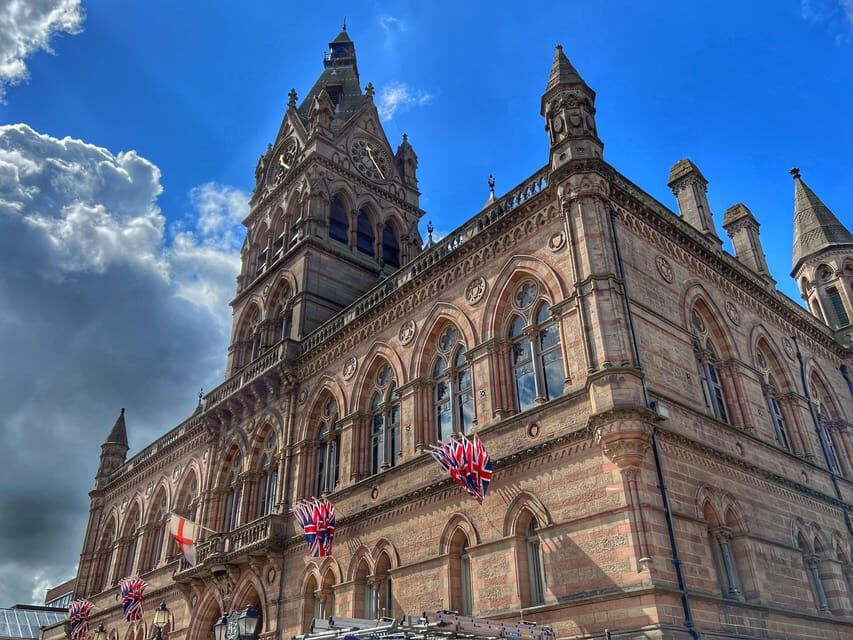
I like tours that help you land in a city fast, and this one does exactly that. You begin at the Chester Visitor Information Centre, right on Town Hall Square, which is a smart staging spot because it puts you in the middle of the action before you start slipping down side streets. The first stretch sets the tone: instead of facts dumped like a lecture, you get story cues that make the streets feel like they have memory.
You’ll hear references to big waves of change that shaped Chester: Roman soldiers, Saxons and Vikings, plus the Mercian royal connection and local legends. One guide-approved approach you’ll feel quickly is that the walk doesn’t just point at landmarks. It gives you a reason to look harder, because the city’s architecture makes more sense when you know what era is being referenced.
Two practical benefits matter here. First, the route is short enough that you don’t feel like you’ve wasted a day. Second, the guide usually stops at the right spots for photos, so you’re not just walking past postcard views while everyone’s trying to take a picture on the move.
You can also read our reviews of more walking tours in Chester

Town Hall to Northgate Street: The Early Orientation Phase
Right after you start, the tour moves toward Chester Town Hall and then along Northgate Street. This is your orientation section. It’s where you learn how Chester’s center is laid out and how the main streets relate to the historic zones you’ll visit next.
What I like about this part is that it helps you mentally map the city. Chester has layers, and it’s easy to wander around thinking you’re seeing old stuff, when you’re actually seeing the survival points where older structures shaped later building. With a guide, you learn what to look for in façade lines, street widths, and the way buildings cluster around key corners.
Expect the guide to keep pulling you forward with stories that make the next stop feel connected instead of random. Reviews also hint that the pacing stays friendly and even, so this is a good option if you’re not trying to power through a full-day walking route. You’ll likely cover this stretch in only a few minutes, but it does real work in getting you oriented.
Chester Cathedral: Norman Roots, Dissolution Drama, Victorian Fix
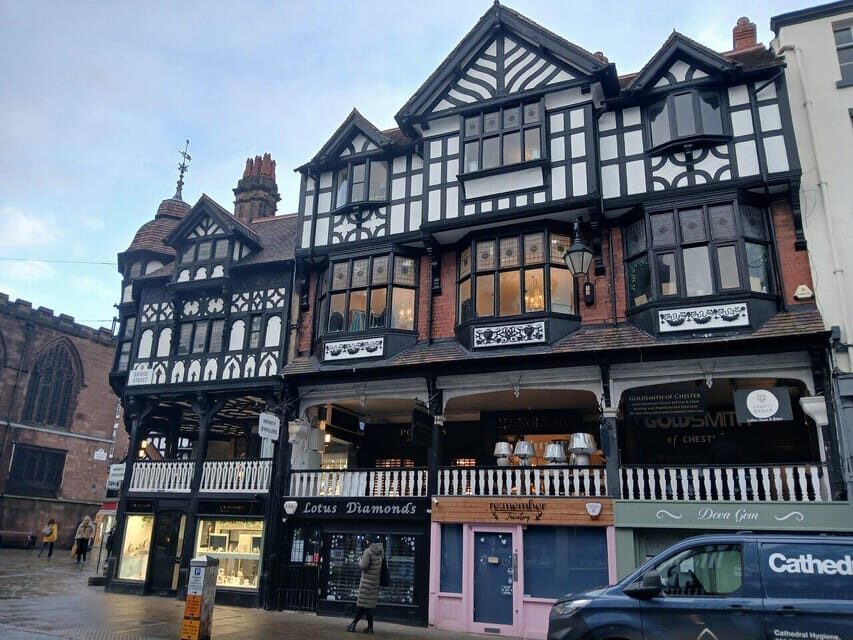
Chester Cathedral is one of the best reasons to join this tour early. You see it as the tour’s anchor point, and you get the kind of context that makes the building more than just a tall, impressive shape on a skyline.
The guide’s stories often connect the cathedral to a Norman Earl who helped establish a medieval abbey, and you’ll also hear about the Dissolution frenzy, when religious institutions across England were reshaped or suppressed. That matters because it explains why parts of the cathedral’s story feel like they have sharp turns, not smooth continuity.
You’ll also hear about later updates, including a Victorian facelift. That’s useful because it reminds you that historic buildings often reflect the needs and tastes of later generations, not only the era they were originally built in. In other words, you get a building shaped by time and politics, not just “old stone.”
A note that keeps expectations realistic: the tour focuses on exterior viewing here too. If you want to go inside, you’ll need separate admission. Still, even from outside, this stop is a strong payoff—especially if you’re using the tour to decide whether a Cathedral visit makes sense later.
Saint Werburgh Street and Godstall Lane: Side Streets That Feel Like Secrets
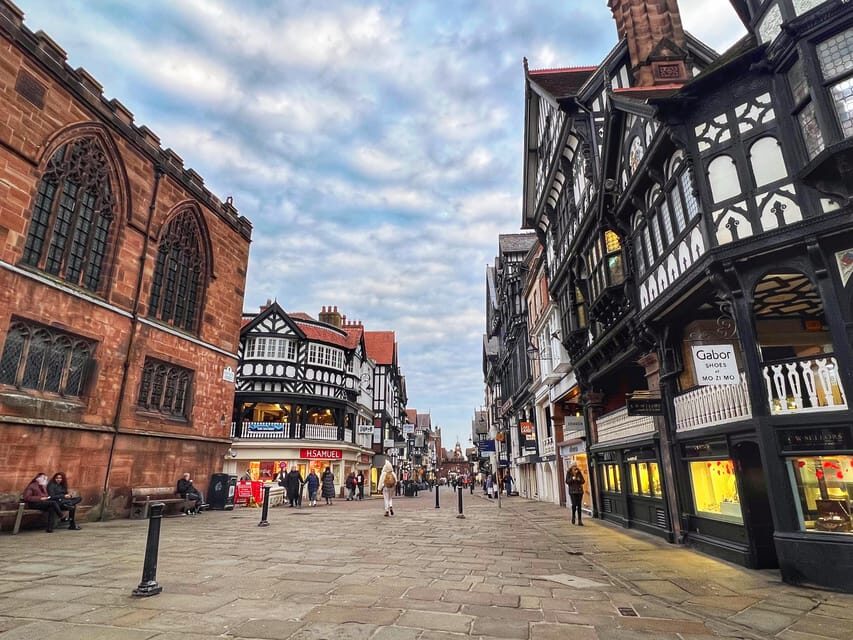
This is where the walk starts to get personal. Saint Werburgh Street and Godstall Lane push you away from the main thoroughfares and into the kind of lanes that help you understand how Chester functioned at street level.
These are the streets where you can really picture everyday life across centuries. The guide links the area to the idea of medieval houses and the homes of both regular folk and more powerful residents—townhouses and mansions that show how wealth and status shaped where people lived. It’s not just about who was there; it’s about how the street layout supported daily routines like work, trade, and movement between home and church.
If you like photos, these lanes are often your best shots because they give you depth: you can capture angles, narrow passages, and the “human scale” feeling of old cities. And because you’re not just strolling—someone is explaining why these corners matter—you’ll see more than you would if you walked through on your own.
If you’re sensitive to comfort, watch for the usual old-city wear and tear: uneven paving and the occasional stair or step. Reviews mention there are some sets of stairs to navigate, but the overall walking is framed as easy enough for most people who can manage a city sidewalk.
Chester Cross and Watergate Street: Where Power Meets Practical Trade
Chester Cross is a natural focal point because it signals civic life. When the guide talks about this area, the stories usually bring in the mix of law, leadership, and local identity—exactly the kind of intersection you want to understand early. It’s the spot where the city feels like it’s organizing itself, not just surviving.
Then you move toward Watergate Street, which is another “use the street like a timeline” stop. The guide’s job here is to make the street feel meaningful: why it exists, what kind of activity likely happened along it, and how it connects to the broader city plan. You’re not just hearing dates—you’re getting a sense of the rhythms that would have played out there: movement of people, commerce, and the way key routes shaped the center.
This section also supports the tour’s bigger theme. Chester isn’t only a museum piece. It’s a working city now, and you’ll see that in the way shops and restaurants occupy historic buildings. The guide helps you notice how the old shell supports modern life.





Booth Mansion and Bridge Street: Architecture You Can Read With a Guide
Booth Mansion and Bridge Street help you shift from “story landmarks” to “architecture literacy.” Even if you’re not an architecture nerd, you’ll likely start noticing details: building proportions, windows, and the differences between ordinary residential streets and more impressive addresses.
The guide tends to frame this with the idea of class and residence—how the landed gentry created townhouses and mansions that signaled influence. That framing is useful because it changes how you interpret what you see. You’re not only looking at pretty façades; you’re looking at social geography.
Bridge Street also helps with continuity. It acts like a connector between different areas of the city core, so you begin to feel how routes flow naturally from one landmark zone to the next. That’s valuable if you plan to keep exploring after the walk. You’ll come away with a mental map that makes independent wandering less chaotic and more fun.
City Walls and the Eastgate Approach: From Defense to Promenade
Chester has that “old defense line” feeling, and the tour includes a chance to stand on the city walls. This is one of the most rewarding types of stops on any walking tour: you go vertical, you get perspective, and suddenly the city plan stops being confusing.
The guide explains the purpose first—defense—then the shift in later use, when walls became grand promenades. That transformation is one of Chester’s quiet stories. It’s not only about surviving attacks; it’s about repurposing space as the city changed.
From the wall area, you also get a better view of why certain streets and entrances matter. Even if you’re not seeing the full layout from one point, you’ll grasp the logic: where people came in, where movement concentrated, and how important corners connect back to the main sites.
Photo lovers usually like this part because you can frame architecture and street patterns in a way you can’t get at ground level. It’s also a nice pacing break. After lots of street-level storytelling, the view gives you a moment to breathe and absorb.
Chester Grosvenor and Eastgate Street: The Lead-In to the Clock Finale
Eastgate Street and the Chester Grosvenor area bring you toward the tour’s big visual payoff. This is where the walk starts to feel like it’s heading toward a final scene, and the guide often keeps things lively—humor included—so you don’t feel like you’re trudging toward one last landmark.
Eastgate Street matters because it’s a major connector and because it helps you understand how Chester’s modern city center still lines up with historic importance. You’re seeing the transition: the city’s old structure supports today’s busy street life in a way that doesn’t feel forced.
You’ll probably notice the hotel presence and surrounding architecture as the guide points out details that help you “read” the street. Even for people who just want a quick orientation, this segment is useful because it tells you where the action is and where to aim if you want to do more exploring after the tour ends.
Eastgate Clock: Why This Stop Feels Like a Punchline
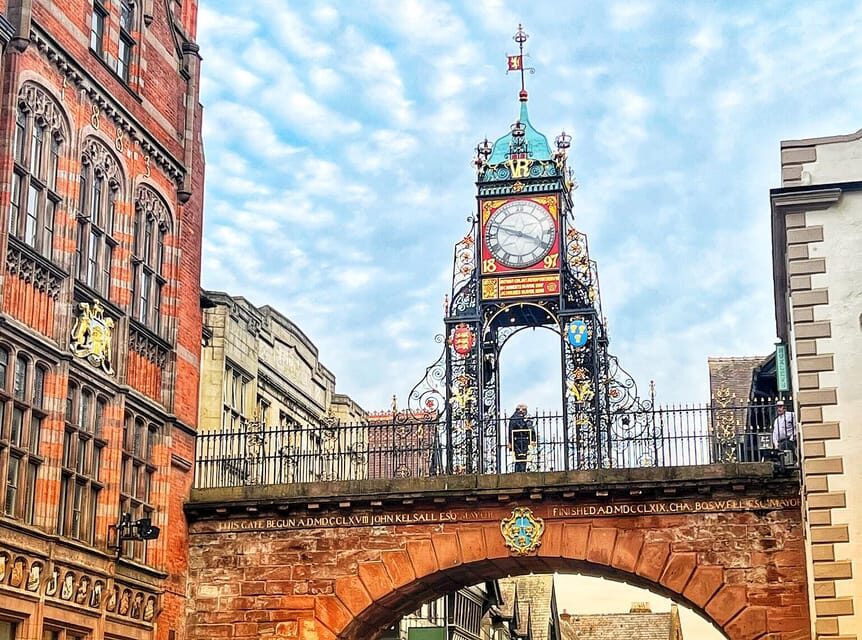
Then comes the Eastgate Clock, and it’s the kind of landmark that works whether you’re a history fan or not. It’s iconic, instantly recognizable, and it gives the tour a strong sense of closure.
The guide’s job here is to connect the clock to Chester’s identity: civic life, timing, and the way landmark features helped define public space. This stop is also built for photos, so you get a little time to frame it well and get pictures without racing the group.
If you’re doing this tour as your first major sightseeing activity, the Eastgate Clock often becomes your “anchor point” for the rest of the day. You can use it like a compass when you decide which way to wander next. And since the tour finishes back near Chester Cathedral, you’ll be positioned to continue exploring without restarting your bearings from scratch.
Price and Value for $16: Getting Context for What You See
At around $16 per person for a 90-minute guided walk, this is one of those deals that makes sense if you plan to spend at least a few hours in the center anyway. The value isn’t just the stops—it’s the context you gain, which changes how you experience the streets you were already going to walk.
Here’s the practical math I’d use. If you’re in Chester for a day and you don’t want to spend money on multiple paid attractions right away, this tour can help you decide what’s worth paid entry later. You also learn where the photo-worthy spots are, including Chester Rows and the Eastgate Clock, without spending time searching.
The other value factor is guide quality and delivery. Reviews mention a consistently engaging approach, good pacing, and clear answers to questions. When someone can keep a group together while explaining legends, architecture, and civic history, you stop thinking of the city as a list of sights and start feeling like you understand the place.
So yes, it’s affordable. But it’s also structured. That combination is what makes it feel like a smart use of limited time.
Who Should Book This Walk, and Who Should Skip It
I think this tour is ideal if you want a compact overview that still feels specific and human. You’ll get a clear sweep across eras, from early references like Roman connections through Saxons and Vikings, then Norman and later religious and political storylines, and finishing with more modern city life in the center.
It’s also a good pick if you like photo opportunities but hate the “race to the next stop” style. The route is paced for absorbing details, and it includes those less obvious lanes that make Chester feel like more than a postcard.
Skip it if you use a wheelchair or have mobility impairments. The tour is not suitable for those needs, and it’s a walking experience through historic streets with some stairs and uneven surfaces.
If you’re traveling with kids, it can work well when the guide uses entertaining legends and connects stories to what you’re seeing right then. Still, the main requirement is comfortable shoes and a willingness to walk for about 90 minutes.
Should You Book the Heart of Chester Walking Tour?
If you’re short on time and you want Chester to make sense quickly, I’d book it. This walk is a solid first move because it gives you both the iconic sights and the “how it all fits together” story behind them—especially around Chester Cathedral, the Chester Rows area, and the Eastgate Clock.
Book it if you want a guide-led route that helps you see back lanes and details you’d likely miss on your own, with a pace that doesn’t feel like a forced march. Pass if you’re mainly hoping to go inside major sites, since admission is not included and most stops are exterior views.
If I had one rule for smart booking, it’s this: do this early in your Chester day. You’ll return to the center with better instincts for what to see next, and you’ll spend the rest of your time exploring like you know the place already.
FAQ
How long is the Chester Heart of Chester walking tour?
It lasts 90 minutes.
Where do I meet the guide?
You meet at the bottom of the steps of the Chester Visitor Information Centre.
What major sights do I get to see?
You’ll see Chester Cathedral, the Chester Rows area, Eastgate Street landmarks including the Eastgate Clock, plus stops such as Chester Cross, Watergate Street, and more.
Is admission to historic buildings included?
No. You’ll see historic buildings from the outside, but entry tickets are not included.
Is the tour in English?
Yes, the live guide provides the tour in English.
Will the tour run in bad weather?
The tour operates in all weather conditions, so dress appropriately.
Is it suitable for wheelchair users or mobility impairments?
No, it is not suitable for people with mobility impairments or wheelchair users.