REVIEW · WINDERMERE
From Windermere: Mountain Passes & Muncaster Castle
Book on GetYourGuide →Operated by Mountain Goat Tours · Bookable on GetYourGuide
Two mountain passes make this day feel cinematic. You’ll tackle the steep, winding roads of Wrynose and Hardknott, with story-packed commentary and big photo moments, then cap it at Muncaster Castle above Wastwater.
I especially like how the day pairs extreme driving with easy, low-walking sightseeing. Wastwater looks huge and dramatic, and at Muncaster you get more than a passive visit: the Medieval Weapons Hall includes archery, axe throwing, and crossbow practice (with age limits).
One heads-up: the roads are narrow and bumpy, so if you’re prone to motion sickness, plan for that before you board.
In This Review
- Quick hits: what makes this Windermere day trip worth your time
- Why these passes from Windermere feel like a real Lake District experience
- Your drive plan: Langdale Valley, Blea Tarn, and how the scenery changes
- Wrynose Pass and the Three Shires Stone story stop
- Hardknott Pass, the Roman Fort, and why this part feels special
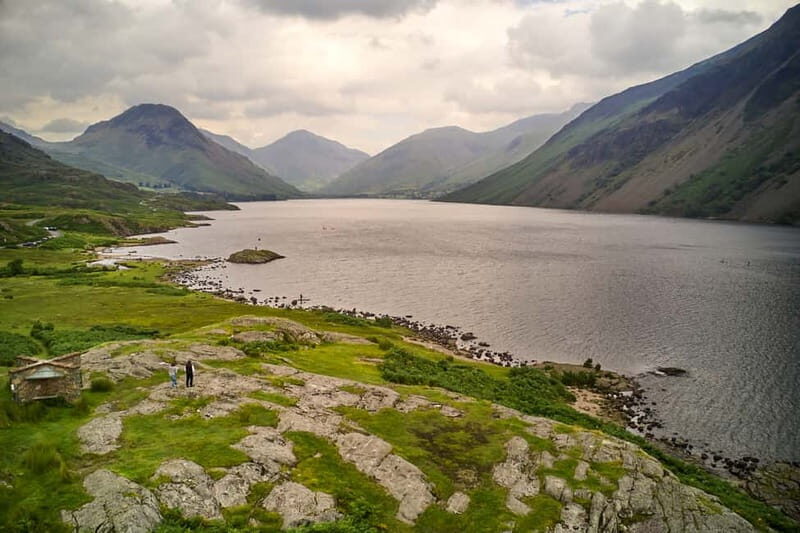
- Wastwater: the deepest lake in England and the big-view payoff
- Muncaster Castle lunch and grounds: eating first, then playing
- The Medieval Weapons Hall: archery, axe throwing, and crossbow fun
- Bird show at 2pm: when the sky becomes the entertainment
- Timing, comfort, and the one real drawback: narrow roads and motion
- Value check: what $148 includes, and what you should plan for
- Dates to know: when Wrynose and Hardknott close in late June
- Who this Windermere-to-Cumbria tour suits best
- Should you book this Mountain Passes and Muncaster Castle tour?
- FAQ
- How long is the tour, and where does it start?
- What are the main stops on the route?
- Is lunch included?
- What’s included at Muncaster Castle?
- Are there age limits for the Weapons Hall?
- Is there a birds of prey show?
- Will there be walking?
- What if the passes are closed?
Quick hits: what makes this Windermere day trip worth your time
- Hardknott Pass and Wrynose Pass: two of Britain’s most intense mountain drives, done with a driver-guide at the wheel
- Blea Tarn and Wastwater photo stops: quick breaks that still deliver big views of the Lake District core scenery
- Three Shires Stone + Roman Fort stops: short history moments that actually connect to the landscape you’re seeing
- Muncaster Castle lunch plus castle time: food is timed so you can eat, then still enjoy gardens and rooms
- Medieval Weapons Hall: hands-on fun like archery and crossbow shooting (and it helps break up the day)
- Birds of prey flying display: a daily highlight around 2pm, plus the Hawk and Owl Centre as a backup option
Why these passes from Windermere feel like a real Lake District experience
If you picture the Lake District as postcard mountains, this trip gives you the stuff behind the postcard. You start from the Windermere Tourist Information Centre, then the route drops you into the national park’s classic valleys and crags fast—no slow, meandering approach.
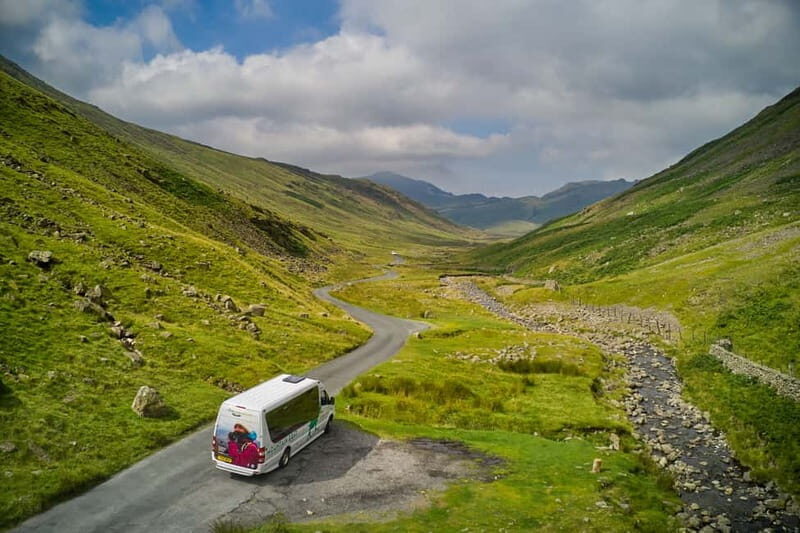
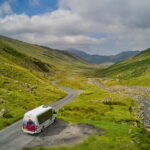
The star is the pair of passes. The Wrynose Pass road is steep and winding, with views opening and shifting as you climb. Then comes Hardknott Pass, often described as one of Britain’s most challenging roads, where the drive itself becomes part of the attraction. That’s why this works even if you’re not the kind of person who plans hours of museum time.
For me, the best part is the balance: you get sharp scenery and real stops, but the day is still managed so you’re not sprinting between locations. The walking is described as minimal, and there are toilet stops en route.
You can also read our reviews of more tours and experiences in Windermere.
Your drive plan: Langdale Valley, Blea Tarn, and how the scenery changes
After pickup, you head into the Lake District National Park with a scenic drive and a first short viewing stop in the Langdale Valley area. The early part of the day matters because it warms you up to what this region feels like—tight valleys, dramatic slopes, and sudden sightlines when the road bends.
Next is a photo stop connected to Great Langdale, followed by Blea Tarn. A stop at a place like Blea Tarn is quick, but it’s a smart kind of quick: you get to see the shape of the valley and how water sits beneath high ground. It’s also ideal if the weather is moody, because light can change fast here. If the clouds break even briefly, your photos can go from fine to stunning.
Practical tip: If you want the best photos at stops like these, grab your shots quickly and then enjoy a calm moment. This kind of tour gives you minutes, not hours, so quick decisions make your time pay off.
Wrynose Pass and the Three Shires Stone story stop
Once you’re ready for the climb, you’ll hit Wrynose Pass. This is the kind of road where your attention naturally goes to the edges—steep drop-offs, tight bends, and the sense that the valley is unfolding layer by layer.
Your driver-guide shares stories as you go, and one specific moment is a stop at the Three Shires Stone. It marks the old boundary of Cumberland, Lancashire, and Westmorland, so it’s not just a random rock in a field. It helps you understand why people have long talked about this region as something separate and distinct, even before modern maps simplified the story.
If you like history that’s tied to geography, you’ll appreciate this kind of stop. It connects the names you might see on signs and guidebooks to the actual terrain you’re driving through.
Hardknott Pass, the Roman Fort, and why this part feels special
The move from Wrynose to Hardknott Pass is like stepping up a gear in difficulty and drama. The road is steep, narrow in places, and very much part of the day’s entertainment.
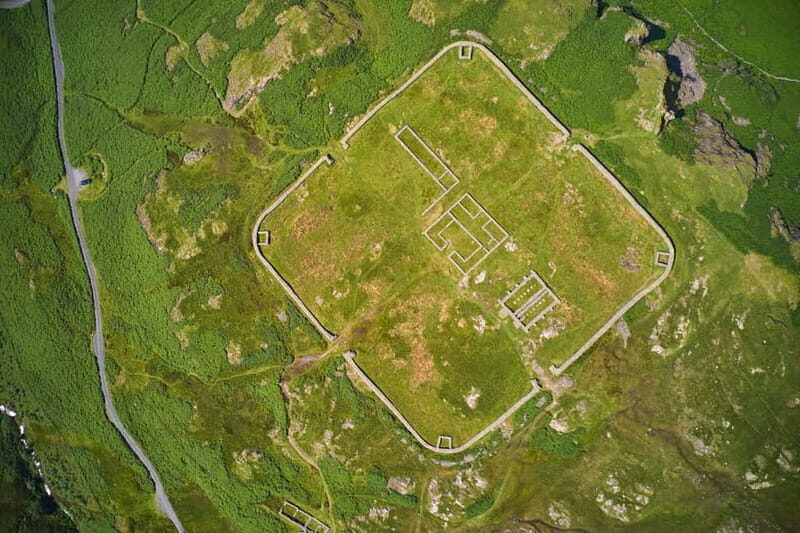
On the way, the tour stops at the Hardknott Roman Fort, perched about 1,000 feet above sea level. You’re not just looking at ruins from far away—you’re seeing why this location made sense to Roman travelers. The fort once supported a link between Ravenglass and Ambleside, which turns the landscape into something like a map of routes and logistics, not just scenery.
This is a good section for your brain as much as your camera. Even if you’re not a hardcore Roman history person, it’s an easy story to follow because it’s anchored to where you’re standing and what you can see.
Wastwater: the deepest lake in England and the big-view payoff
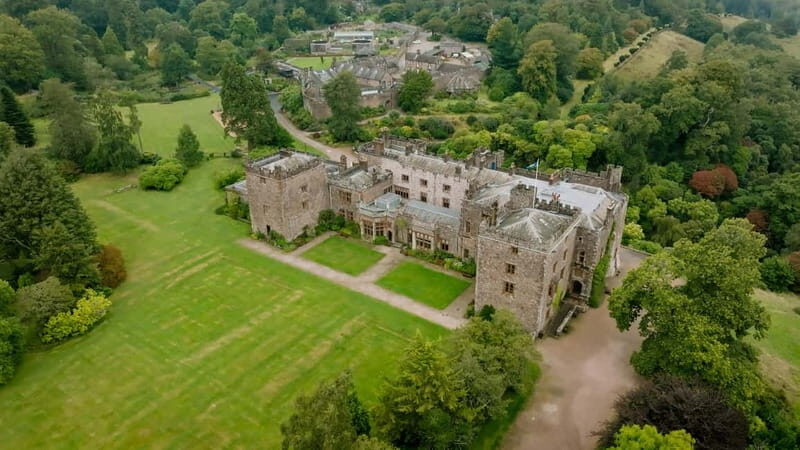
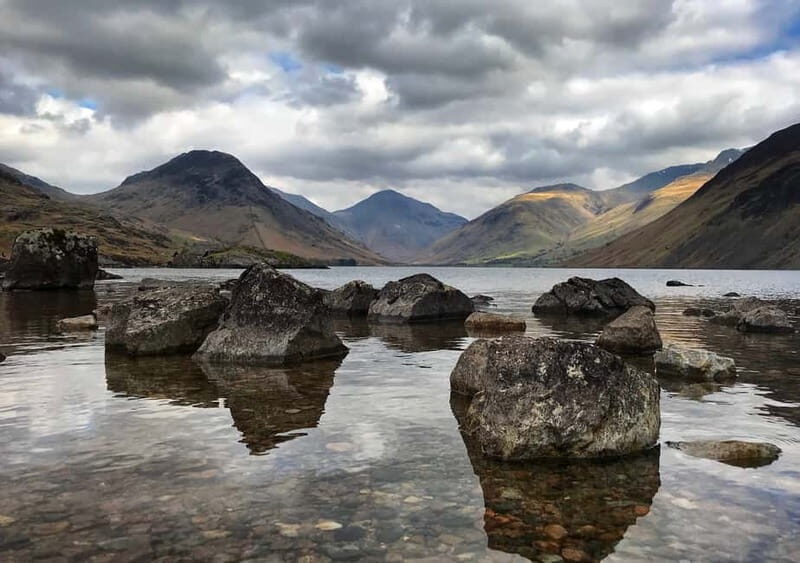
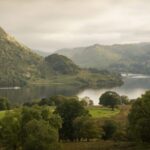
Then you get to slow down for a moment at Wastwater, described as the deepest lake in England. The visual here comes from scale: it’s framed by major peaks including Scafell Pike, Red Pike, and Great Gable. That means the scene doesn’t feel flat or like a single horizon line; it feels like a layered bowl of mountains.
This stop is short, but it’s timed to deliver the payoff after the passes. You’ve earned it. And if it’s raining or overcast, you still tend to get drama—clouds can make the peaks look heavier and the valley more sculpted.
Quick advice: Bring a light waterproof layer even in summer. Several reviews mention rain during the day, and the tour keeps moving with stops still happening.

Muncaster Castle lunch and grounds: eating first, then playing
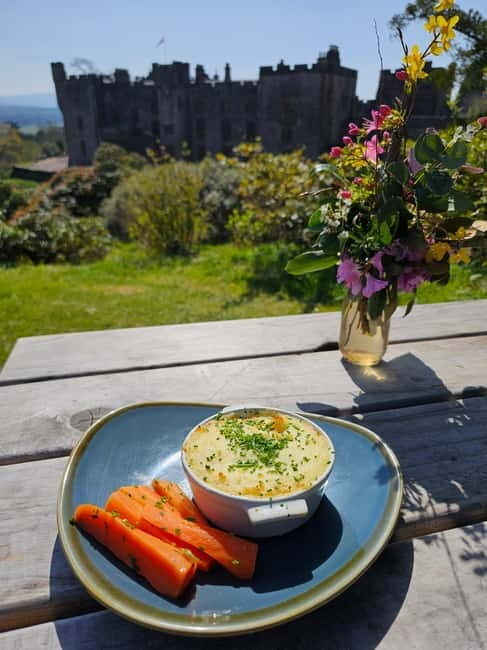
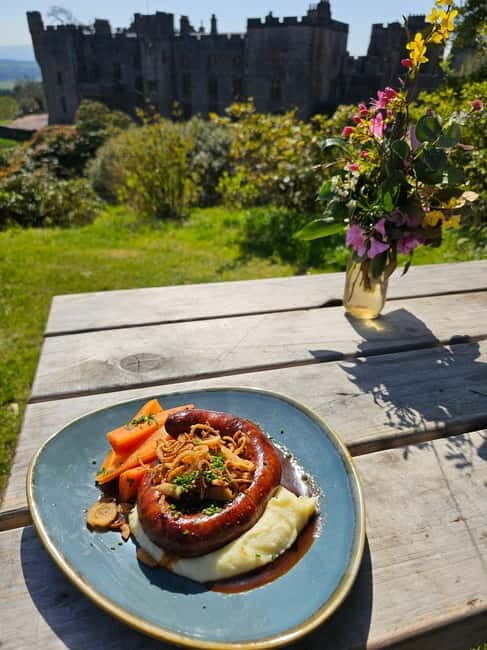
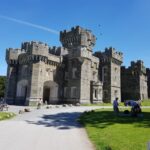
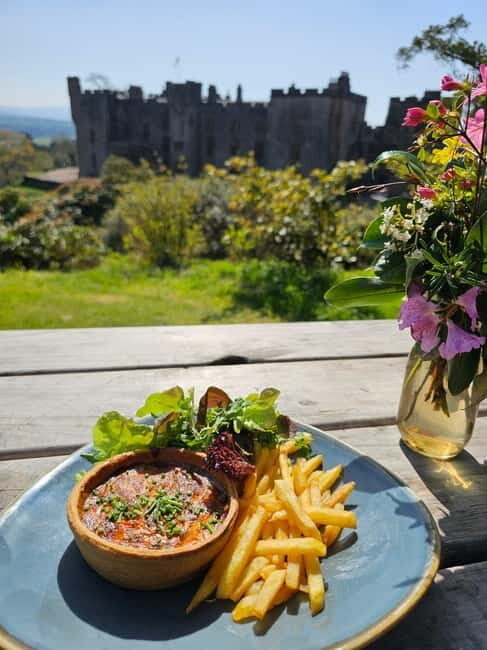
Around lunchtime, you arrive at Muncaster Castle for lunch and time on site. The lunch is included, and the tour info notes a locally sourced menu. In practice, the timing is one of the reasons this part feels smooth—people like that they can eat promptly after arrival and then use the rest of the visit for exploring.
After lunch, you get time at your own pace. Muncaster includes the castle and gardens, and you’ll also get a guided element (a tour) plus free time to wander.
Two story details that add personality to this visit:
- The legend of the Luck of Muncaster, tied to King Henry VI
- The tale of Tom Fool, the castle’s 16th-century jester
You’ll also notice how the gardens reflect changing roles. The property had a defensive purpose in earlier centuries, but the grounds were redesigned in the 18th century when that defensive job faded.
If you want a break from driving and pictures, this is where the day becomes comfortable.
The Medieval Weapons Hall: archery, axe throwing, and crossbow fun
One of the smartest add-ons here is the Medieval Weapons Hall. It turns your castle visit from passive viewing into a hands-on activity block, and it’s especially good if you’re traveling with kids who need energy outlets.
The listed activities are archery, axe throwing, and crossbow use. There is an important age rule: children must be over 8 to join the Weapons Hall activities.
Even if you don’t participate yourself, watching the activity can be fun. It also helps explain why Muncaster doesn’t feel like a stop you rush through. You’re there long enough for this experience to land.
Practical tip: Wear shoes you trust. Even with minimal walking across the site, you’re still moving around a historical venue and activity areas.
Bird show at 2pm: when the sky becomes the entertainment
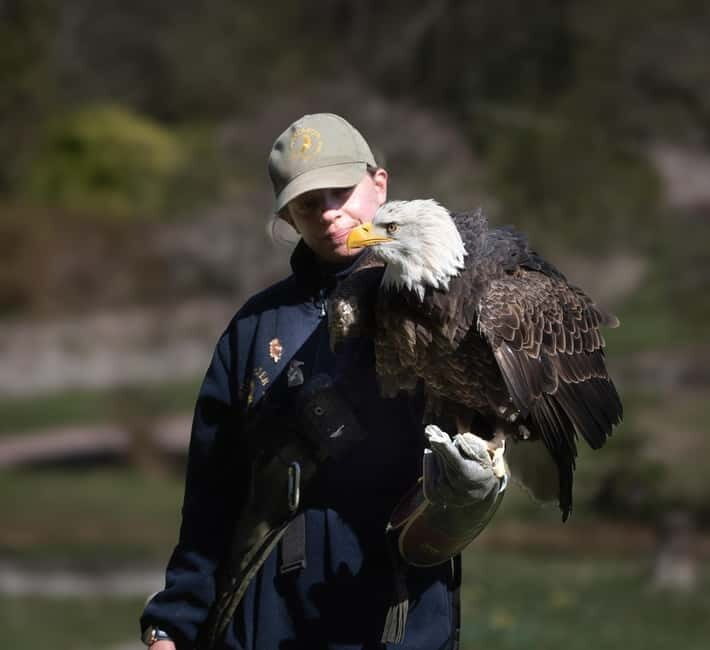
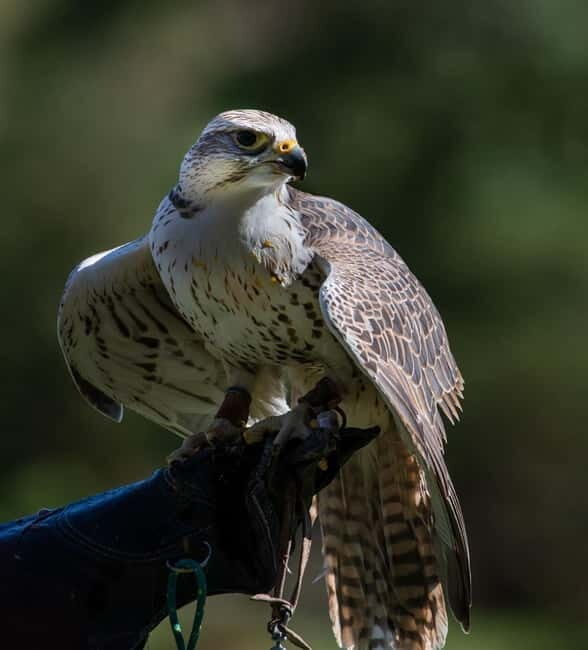
Muncaster’s famous feature is the daily flying display at 2pm, featuring birds like owls, falcons, eagles, and even vultures. If the weather is decent, this is often the moment that makes the castle feel alive rather than just old-stone pretty.
The tour also mentions an alternate option if you’d rather not rely solely on the display timing: you can visit the Hawk and Owl Centre, which focuses on conservation and environmental education.
This part is worth planning around mentally. It’s the kind of activity that benefits from being present—so if you’re thinking about photos, decide which moments you want to prioritize.
Timing, comfort, and the one real drawback: narrow roads and motion
This is where I’ll be honest and practical. The tour includes some of the steepest, most notorious roads in the UK. Reviews mention that on bumpy sections, you can feel the vehicle movement more than you might on flat country lanes.
If you’re sensitive to motion, consider packing something for that ahead of time. Also, bring patience for tight turns and occasional slowdowns. The driver-guide is there to keep things safe and on track, but physics is physics on these roads.
The other comfort note: toilet stops are included en route, and the walking is described as minimal. That helps a lot for a full 8-hour loop.
Value check: what $148 includes, and what you should plan for
At $148 per person for an 8-hour day, the value comes from what’s bundled, not just the scenery.
Here’s what’s included:
- Live on-board English commentary
- Lunch (locally sourced)
- Entrance to Muncaster Castle and gardens
- Medieval Weapons Hall activities
What’s not included:
- Additional food and drinks beyond lunch
- Any additional entrance fees not listed as part of the castle visit
So you’re effectively paying for a guided day with a lot of transport time, planned photo stops, and paid entries and activities at the main attraction. For many visitors, that’s the real bargain: you don’t have to coordinate driving, parking, and ticket timing between scattered stops.
Budget one extra thing to make the day smoother: if you want water or snacks beyond lunch, plan to purchase them during the day.
Dates to know: when Wrynose and Hardknott close in late June
The tour notes a specific closure: Hardknott and Wrynose will be closed from 30 June until 4 July. During those dates, the route shifts and the trip travels through the Duddon Valley instead.
If you’re booking in that window, don’t worry, but do set expectations. The pass driving will be replaced with another scenic mountain-valley route. You’ll still get the core idea of the day: dramatic views and a strong stop at Muncaster.
Who this Windermere-to-Cumbria tour suits best
This trip fits best if you want:
- Big scenery without heavy hiking
- A day that mixes drama (mountain passes) with variety (castle, gardens, hands-on weapons activities, raptor show)
- Expert guidance for roads you probably wouldn’t want to drive yourself
It’s also a strong pick for families with older kids. The general child age guidance is 5+, but the Weapons Hall activities require kids to be over 8.
If you’re wheelchair dependent, note that the vehicles are not currently wheelchair accessible.
Should you book this Mountain Passes and Muncaster Castle tour?
I’d book it if you want a day that feels like Cumbria in motion: narrow pass roads, quick photo breaks that actually matter, and a castle stop that goes beyond sightseeing with lunch and hands-on medieval fun. The 2pm bird of prey flying display is a big reason to choose this over slower, purely self-guided options.
I would think twice if you’re very motion-sensitive or you hate bumpy rides, since the pass roads can be rough. And if you’re traveling with younger kids, remember the Weapons Hall activities have the over-8 rule.
If your goal is one excellent day with minimal walking and maximum variety, this is a smart way to do it from Windermere.
FAQ
How long is the tour, and where does it start?
The tour lasts about 8 hours and departs from outside the Windermere Tourist Information Centre.
What are the main stops on the route?
You’ll pass through the Lake District with photo stops at Langdale Valley, Great Langdale, Blea Tarn, and Wastwater, plus stops at Wrynose Pass, Hardknott Pass, Three Shires Stone, and Hardknott Roman Fort, before arriving at Muncaster Castle.
Is lunch included?
Yes. Lunch is included during your Muncaster Castle visit, and there is also a designated lunch stop en route where you can buy lunch if needed.
What’s included at Muncaster Castle?
Your ticket includes entrance to Muncaster Castle and gardens, plus the Medieval Weapons Hall activities.
Are there age limits for the Weapons Hall?
Yes. Children must be over 8 to join the Weapons Hall activities.
Is there a birds of prey show?
Yes. There is a famous daily flying display at 2pm with raptors such as owls, falcons, eagles, and vultures. The tour also mentions the Hawk and Owl Centre as an option.
Will there be walking?
The tour states minimal walking is involved, with time for breaks at stops and free time at the castle.
What if the passes are closed?
From 30 June to 4 July, Hardknott and Wrynose passes will be closed. On those dates, the tour travels through the Duddon Valley instead.