REVIEW · WINDERMERE
Lake District: Half-Day 8 Lakes Tour
Book on GetYourGuide →Operated by English Lakes Tours · Bookable on GetYourGuide
You get dramatic views in just a half-day. This 8-lakes tour turns Lake District must-sees into one easy loop, starting high up on Kirkstone Pass and dropping you through valleys, fells, and historic stone circles. You’ll also get the kind of guided storytelling that helps you read what you’re seeing, not just point at it.
What I like most is how the route stacks big scenes back to back: you ride the winding pass road, then move straight into classic lake viewpoints like Brothers Water, Ullswater, and Derwentwater. The second big win is the mix of nature and history, from a former coaching inn stop to the Castlerigg Stone Circle and the Wordsworth connection tied to Daffodils. The only real drawback is the time pressure: it’s packed into about 3.5–4 hours, so you’ll want to be ready for short photo stops rather than long hangs.
In This Review
- Key Highlights You Should Know Before You Go
- Kirkstone Pass to the Lakes: How the Half-Day Actually Feels
- The First View: Kirkstone Inn and the Valley Back to Windermere
- Down the Pass to Brothers Water: Photo Stops With a View Schedule
- Ullswater Valley and the Western Shore Run
- Castlerigg Stone Circle: Neolithic Power on a 360-Degree Plateau
- Derwentwater: Woods, Road Turns, and Ashness Bridge
- Surprise View: When the Trees Clear and the Fells Open Up
- Thirlmere to the Return: Reservoir, Legends, and More Driving Beauty
- The Wordsworth-Era Stop Around Grasmere and the Daffodils Link
- Rydal Water Finish: A Gentle Ending After the Scenic Push
- Price and Value: Is $106 Worth It?
- Who This Tour Suits Best (and Who Might Prefer Something Else)
- Small Group Comfort and the Real-World Ride
- Should You Book This Lake District Half-Day 8 Lakes Tour?
- FAQ
- FAQ
- How long is the Lake District half-day 8 lakes tour?
- How much does it cost?
- What is included in the price?
- Where is the meeting point?
- Do I get a refund if plans change?
- Is there a reserve and pay later option?
- Is the tour suitable for children?
- What should I wear or bring for weather?
- Do children need tickets for a seat?
- Which lakes and viewpoints are included?
Key Highlights You Should Know Before You Go
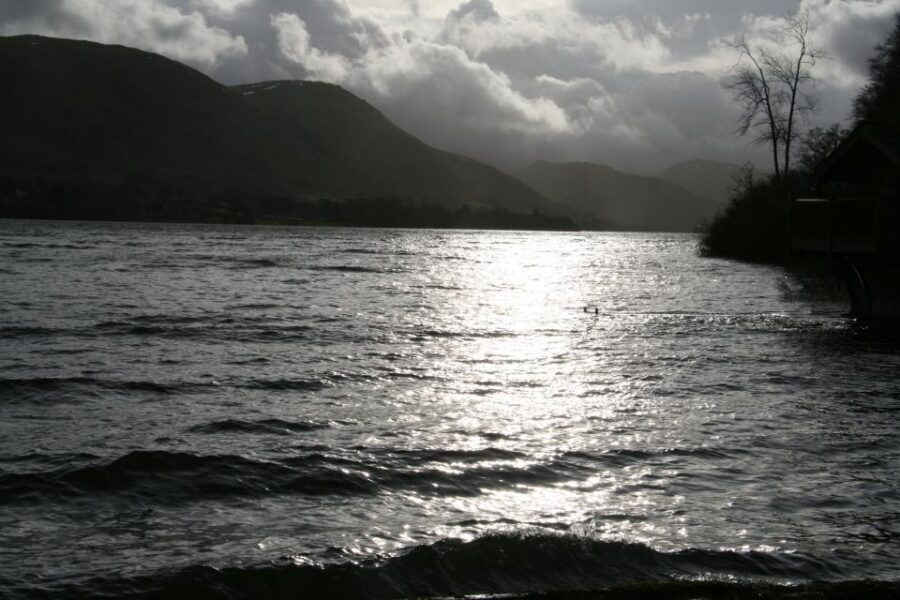
- Highest driveable pass vibes: climb up to Kirkstone Inn, then watch the road plunge down through steep valley walls
- Eight lakes in one loop: including Windermere, Brothers Water, Ullswater, Derwentwater, Bassenthwaite (view), Thirlmere, Grasmere, and Rydal Water
- Castlerigg Stone Circle at peak viewpoint height: 38 free-standing stones with a 360-degree feel
- Ashness Bridge photo moment: the most photographed bridge in the Lake District
- Surprise View across Derwent Water to Bassenthwaite: a payoff lookout after the trees clear
Kirkstone Pass to the Lakes: How the Half-Day Actually Feels
This tour is built like a fast scenic drive with smart stops. You’ll move constantly, with guide commentary along the way, then get a handful of well-placed moments to step out, look around, and take photos. The pacing is ideal if you’re visiting the Lake District for the first time and want the lay of the land quickly.
The experience starts with a climb in the minivan up to Kirkstone Inn, described as the highest inhabited building in the Lake District. That sets expectations right away: you’re not starting in a town center. You’re heading into steep, high ground where the views can feel wide and immediate.
Because it’s a short duration, you should plan for cool air and changing weather. Even when the morning starts fine, cloud and mist can roll in fast up on the fells. Bring a coat and wear sensible shoes, because some stops involve uneven ground, short walks, or stepping to a viewpoint.
A few more Windermere tours and experiences worth a look
The First View: Kirkstone Inn and the Valley Back to Windermere
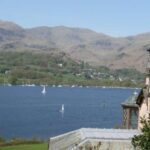
Your first major stop is at Kirkstone Inn, sitting near the summit of the pass open to motor traffic. From here, you get a view back down the valley toward Lake Windermere. It’s a good moment to understand the geography: you can see how the land drops away, and you start to grasp why the Lake District is so photogenic even when you’re not on a dramatic hike.
I especially like this kind of viewpoint early in the day because it helps you place everything you’ll see later. When the road starts descending after the stop, you’re no longer guessing what direction you’re traveling. You’re watching the valley unfold like a map.
One practical tip: take a full round of photos here, even if you think the best shots will come later. Once you’re back on the road, you won’t linger at the same height again. This first stop can be your best anchor image for the whole day.
Down the Pass to Brothers Water: Photo Stops With a View Schedule
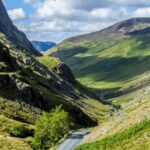
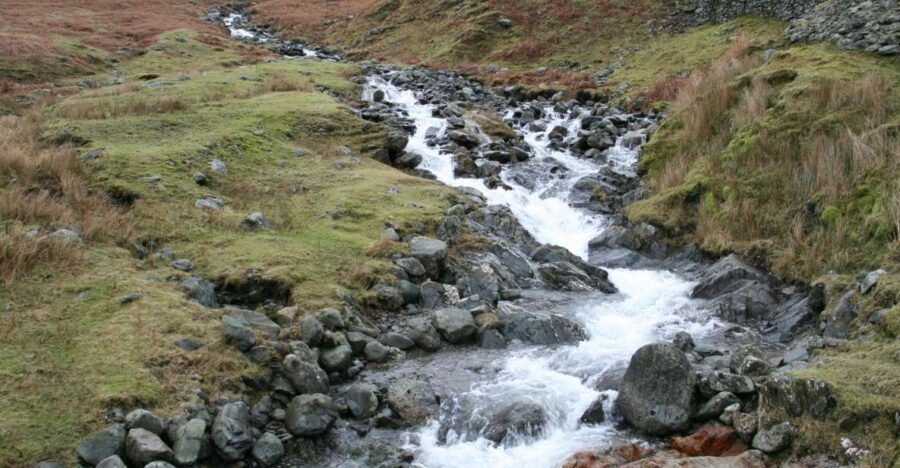
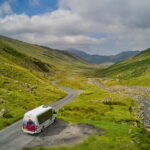
After the inn, the road “plunges” down into Kirkstone Pass properly, with steep valley walls rising on either side. The tour includes a viewpoint photo stop for the ribbon of road as it descends, then continues down toward Brothers Water.
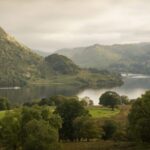
Brothers Water is the kind of lake that looks best when you’re watching it from above and at an angle. From a viewpoint, you can see the water line as part of the terrain rather than just as a standalone scenery postcard. It’s a small but satisfying stop because it bridges the feeling of the high pass to the calmer shapes of the lakes.
Then you’ll keep driving past the lake area into the Ullswater Valley, with Patterdale as the charming and popular village stop along the route. The minivan ride may feel tight at times, especially in small groups in compact vehicles, so if you’re a light sleeper or easily uncomfortable on windy roads, it’s worth keeping a bit of patience for the ride itself.
Ullswater Valley and the Western Shore Run
Ullswater is described as the Lake District’s second largest lake, and you’ll get your first glimpse as you reach the valley area near Glenridding. After that, you follow the road along the western shore of the lake.
This section matters because it’s where the tour turns from “big height views” into “classic lake driving.” The western shore road gives you recurring glimpses of water, and it’s the part of the day that feels most like a real Lake District loop rather than a single roadside lookout.
It also sets you up for the next shift: ancient history. Once you’ve absorbed the feel of Ullswater, you’re ready for Castlerigg, which is the tour’s clearest time-travel moment.
Castlerigg Stone Circle: Neolithic Power on a 360-Degree Plateau
Castlerigg Stone Circle is one of the most spectacularly located Neolithic stone circles in Britain, and the tour gives you a short stop at a natural plateau with commanding views. You’re told it’s made up of 38 free-standing stones, some up to 3 metres tall, dating back to the Neolithic period (around 4000 to 5000 years).
What makes this stop more valuable than just seeing stones in a field is the setting. You’re not walking through a museum. You’re standing on ground where the sightlines matter. A 360-degree view makes it easier to imagine why people chose this place for gathering or ritual.
A small consideration: stone circle stops are rarely long. But in a half-day tour, that’s actually a plus. You’ll get the key context from the guide, see the stones from the plateau, and then move on before your schedule collapses.

Derwentwater: Woods, Road Turns, and Ashness Bridge
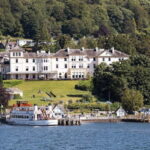
Next up is Derwentwater, first introduced as you head toward its shores and then drive along the wooded shoreline. Then the tour does something clever: the road forks off and you climb a narrow, steep track into the wooded fell side.
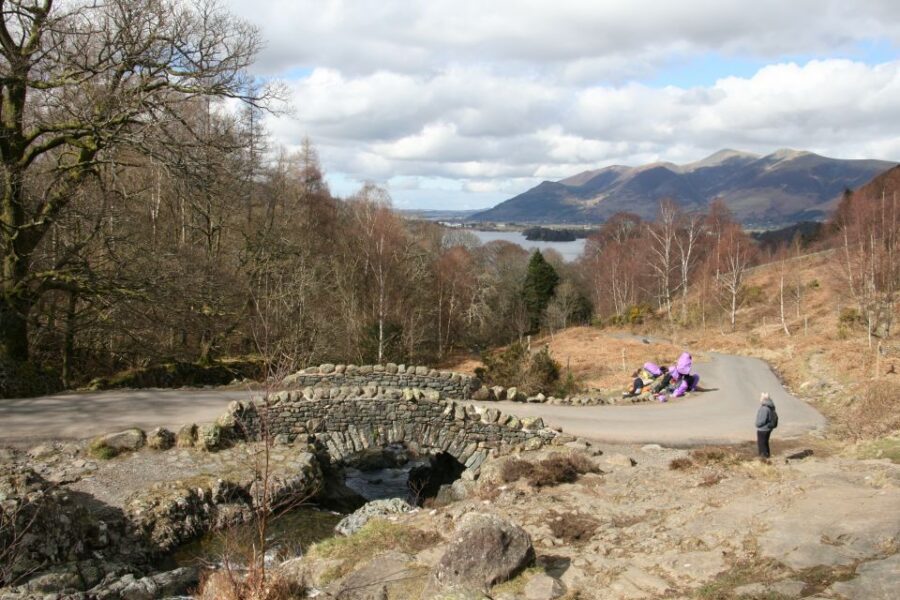
That shift from lake-level road to wooded slope is important. It builds a sense of arrival before you reach the next visual payoff. When the trees clear and Ashness Bridge appears, it hits like a landmark shot.
Ashness Bridge is described as the most photographed bridge in the Lake District. Even if you’ve seen it online, there’s a difference between a screen image and standing near it with the terrain around you. The bridge feels small compared to the hills and water setting, which is exactly what makes the scene so striking.
Surprise View: When the Trees Clear and the Fells Open Up
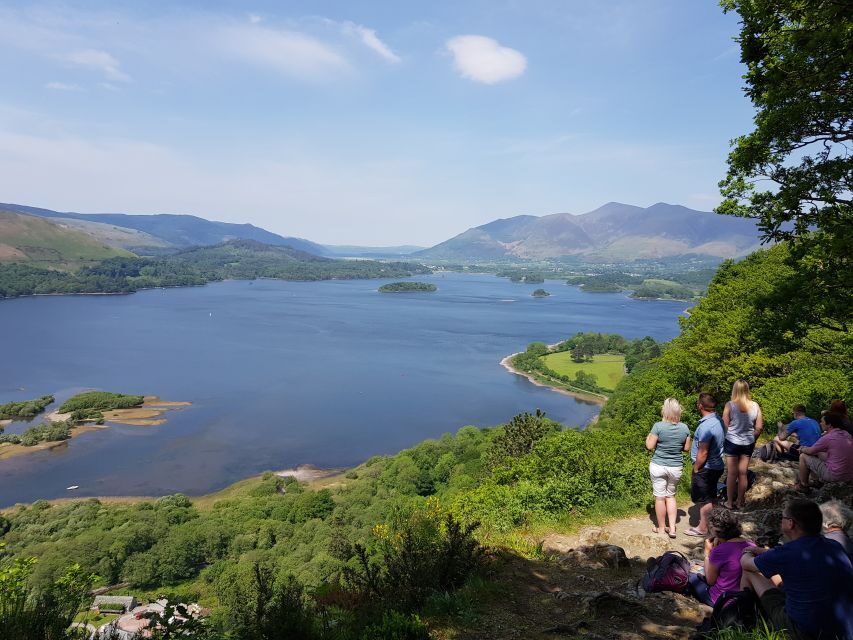
From Ashness Bridge, you head further up the fell to the Surprise View. This is a lookout with an uninterrupted view across Derwent Water to Bassenthwaite.
I like this moment because it’s a payoff after a drive sequence that could otherwise blur together. You’ve had hills, bends, and a photo stop at a bridge. Then you get a clean horizon line from a viewpoint, with the geography stretched out in front of you.
Also, it’s a helpful perspective for planning your next trip. If you’re thinking about returning to the Lake District later, this kind of viewpoint tells you what direction to explore. You’ll see where the lakes sit relative to each other and how much of the feeling is in the angles.
Thirlmere to the Return: Reservoir, Legends, and More Driving Beauty
On the way back down, you pass Thirlmere, a man-made reservoir. It’s not the same “natural lake” feeling as the others, but it’s part of the Lake District story in a practical way—how water management shaped the region.
You then head back down via Dunmail Raise. This is also the name of a large cairn on the top of the pass, with a legend that Dunmail, the last king of Cumberland, is buried beneath it. A cairn on a high pass is exactly where local stories belong. The height, the weather, and the sense of exposure make the legend feel like it belongs there.
One more practical note: for much of the day you’re focused on scenery, but the driving is part of the attraction. If you get car sick, bring what works for you. The pass roads include steep descents and tight curves, even when the ride is described as smooth.
The Wordsworth-Era Stop Around Grasmere and the Daffodils Link
As you drop steadily from the fells, the tour drives along the shores of Grasmere, your seventh lake. From there, it continues along the shore until you reach Rydal Water as the final stop.
Grasmere and the surrounding area are tied directly to the poet William Wordsworth and his poem Daffodils. The tour includes a stop connected to the place that inspired the famous poem. Even if you’re not a deep literature person, it helps to connect a famous line to real ground. In a region built for walking, literature can feel like another path—one that happens to be written down.
In a half-day format, this is likely where you’ll have the most “slow down and look at details” time. You’ll be near the water, with calmer views compared to the top-of-pass panorama, which can be a relief after all that elevation.
Rydal Water Finish: A Gentle Ending After the Scenic Push
Rydal Water is the eighth and final lake. The tour ends by winding along its shore, giving you a last look at the lake-and-fell combination that defines the Lake District.
Finishing on the water is smart. You get closure without sprinting through another high lookout. When your day ends, you’re left with the images that matter: eight lakes, one pass road adventure, and a couple of stops that ground the scenery in history.
If you have energy for another bite to eat or a short walk after the tour, this is also the kind of area where you can keep exploring on foot. Just don’t plan anything requiring big mobility right after if the weather turned wet earlier.
Price and Value: Is $106 Worth It?
At about $106 per person for 3.5–4 hours, the key value is that you’re paying for a guided circuit, not just a bus ride. You get:
- Expert commentary on geology and landscape, with questions welcomed
- Multiple high-impact stops that cover a lot of ground
- Transportation through the pass routes and between lake viewpoints
- Entry-style time at an ancient site like Castlerigg and an iconic photo stop like Ashness Bridge
If you were to DIY this route, you’d spend time figuring out parking, timing, and the best viewpoints for each lake. You’d also need local knowledge to connect the history dots quickly. In that sense, $106 is less about convenience and more about paying for someone to interpret the region while you enjoy the views.
The only cost to consider is the short duration. You won’t get to linger for long, so if you crave long walks or extended museum-style time, you may feel a bit rushed. For a first hit of the Lake District, though, it’s a strong value.
Who This Tour Suits Best (and Who Might Prefer Something Else)
This is a great choice if you want a first-time overview and you like your sightseeing paired with context. You’ll enjoy it if you care about:
- big, scenic viewpoints without committing to hours of hiking
- ancient history stops like Castlerigg
- iconic photo locations like Ashness Bridge
- a guided explanation that helps you understand what you’re seeing
It’s less ideal if you’re traveling with kids under 7, since it’s not suitable for children under that age. It also may not be the best fit if you have a strong need for wheelchair-free, flat, extended stops, because some parts involve steep tracks and viewpoint walking.
Small Group Comfort and the Real-World Ride
The tour is described as small group available, and transport scores are strong, with 92% of reviewers giving a perfect score. That’s a good sign for seat comfort and smooth driving.
Still, one review notes the vehicle can feel tight when there are six people, and windows may not always give the best view for everyone. If window views matter a lot to you, try to sit where you’ll have the clearest sightline early on, especially during pass sections and lake stretches.
Bring a water bottle and keep a small layer ready for sudden temperature drops. The Lake District can feel dramatic in minutes, and you’ll be happiest if you’re dressed for it.
Should You Book This Lake District Half-Day 8 Lakes Tour?
Book it if you want the Lake District in one condensed, well-planned hit: eight lakes, a top-of-pass viewpoint at Kirkstone Inn, Neolithic history at Castlerigg, and classic photo scenes like Ashness Bridge and the Surprise View.
Skip it or consider a longer, more flexible plan if you know you’ll want long walks, long stops, or slow time for photos. This tour is fast and scenic, with short moments at each highlight.
For most first-timers, it’s a smart way to spend half a day. You’ll leave with clear mental pictures of where everything sits, plus enough story context that your next Lake District walk feels more connected.
FAQ
FAQ
How long is the Lake District half-day 8 lakes tour?
It runs about 3.5 to 4 hours.
How much does it cost?
The price is $106 per person.
What is included in the price?
You get a fully guided and escorted tour with a live guide who explains geology and the landscape and answers questions, plus transport.
Where is the meeting point?
The meeting point may vary depending on the option booked.
Do I get a refund if plans change?
Yes. You can cancel up to 24 hours in advance for a full refund.
Is there a reserve and pay later option?
Yes. You can reserve now and pay later.
Is the tour suitable for children?
It is not suitable for children under 7 years.
What should I wear or bring for weather?
Weather can change quickly, so bring a coat and wear sensible shoes.
Do children need tickets for a seat?
Yes. All passengers, including children of any age, must have a seat purchased for them.
Which lakes and viewpoints are included?
The tour includes stops or viewpoints tied to Lake Windermere, Brothers Water, Ullswater, Derwentwater, Bassenthwaite (from the Surprise View), Thirlmere, Grasmere, and Rydal Water.