REVIEW · RICHMOND UK
Group Kayak Experience on the beautiful Thames at Richmond
Book on GetYourGuide →Operated by Paddle Richmond · Bookable on GetYourGuide
Paddling the Thames from Richmond feels instantly doable. This 2-hour group kayaking experience focuses on super-safe sit-on-top kayaks and clear instruction, whether you’re brand new or already comfortable with a paddle. You start near Richmond Bridge with a safety briefing and land-based practice, then head out to paddle depending on the tide.
I love how much of the session is about control: steering, stopping, and self-rescue basics are taught before you’re on the water. I also like that the guides are consistently praised for teaching well, with names like Peter, Sarah, Nigel, and Harry showing up in the feedback. One consideration: there’s no shower at Richmond, so plan to wash off thoroughly if you get splashed.
In This Review
- Key things that make this Richmond Thames kayak session worth it
- Why Richmond on the Thames works so well for learning to kayak
- The first 15–20 minutes: safety briefing plus real paddle practice
- Upstream or downstream: how the tide shapes your Thames route
- What you actually do on the water (and why it’s not just sightseeing)
- Small-group format: up to 6 people means more coaching, less waiting
- Price and value: is $87.55 per person a fair deal?
- Meeting point at Richmond Bridge: what to know before you arrive
- What to bring for a smoother Thames kayak session
- Who should book this Richmond Thames kayaking experience
- Should you book this Richmond Thames group kayak session?
- FAQ
- How long is the kayaking session on the Thames in Richmond?
- Where do we meet for the Richmond Thames kayak tour?
- What size is the group for this experience?
- What kind of kayak will we use?
- What happens at the start of the session?
- Where will we paddle during the tour?
- Is equipment included?
- Do we need to bring our own food or drinks?
- What should I bring, and is there a shower available afterward?
- What is the cancellation policy?
Key things that make this Richmond Thames kayak session worth it
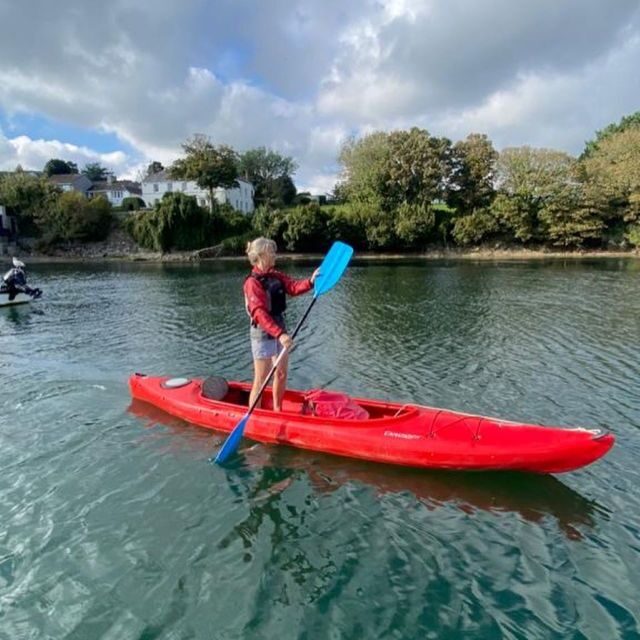
- Sit-on-top kayaks that are built for stability, making the start feel less intimidating
- 15–20 minutes of instruction onshore or from the pontoon before you paddle out
- Tide-driven route options: upstream toward Eel Pie Island and Teddington or downstream toward Richmond Lock, Isleworth, Kew Gardens, and Chiswick
- Small group size (up to 6) so you get real coaching, not just a quick demo
- Focused skill teaching: steering, stopping, and self-rescue
- Equipment and tuition included so you’re not piecing together what to bring
Why Richmond on the Thames works so well for learning to kayak
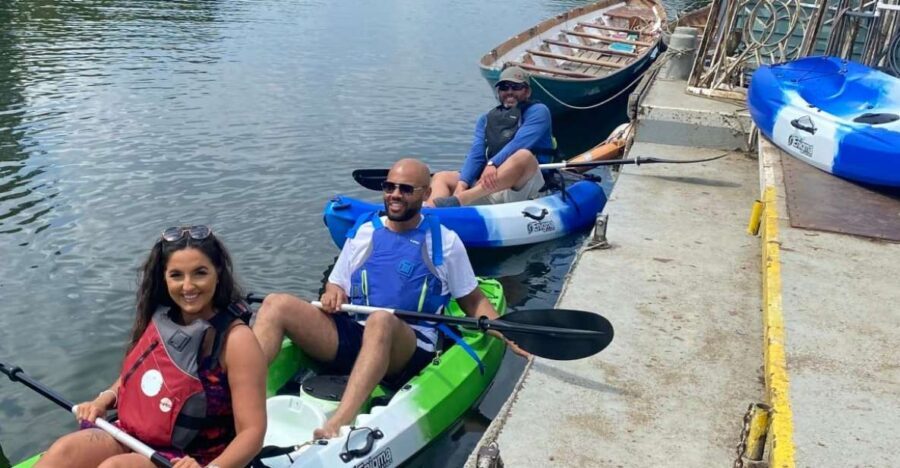
Richmond is a smart choice for a first kayak outing because you’re paddling one of the UK’s best-known rivers in a stretch that lets you practice without turning the whole trip into a technical ordeal. The session is designed around confidence-building: you learn the basics first, then apply them on the water with an instructor guiding the group.
What makes this experience especially practical is the kayak type. A sit-on-top kayak tends to feel more stable right away, and it also supports learning movements like steering and stopping without you having to think about every tiny balance change. That matters because the goal here is skill, not just getting wet.
You’ll also get to enjoy a scenic stretch of the Thames from the water, with route possibilities that include Eel Pie Island, Teddington, Richmond Lock, Isleworth, Kew Gardens, and Chiswick. Those names are more than just route markers; they help you picture what you’ll see as the tide decides how the outing unfolds.
You can also read our reviews of more tours and experiences in Richmond Uk.


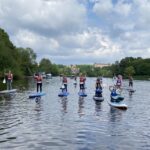
The first 15–20 minutes: safety briefing plus real paddle practice
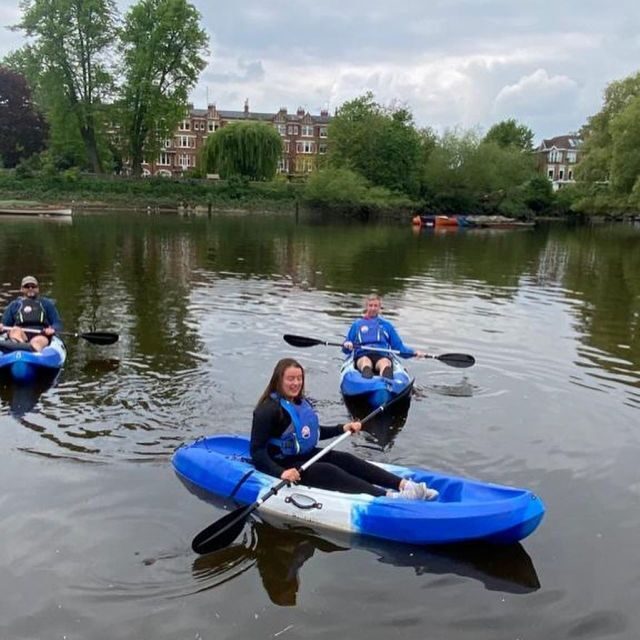
Your session starts with a safety briefing and land-based training on the riverbank, or from a nearby pontoon near Richmond Bridge. The training portion typically takes 15–20 minutes, and the exact timing can shift with group size. This is the part that makes the rest of the trip easier on your brain.
You’re introduced to the kayaking equipment and taught how to handle key safety and river-navigation concepts. Then you move into the paddling skills that you actually need once you’re floating: how to steer, how to stop, and how self-rescue works if you end up in the water.
This is where instructors really earn their keep. Feedback highlights a professional, confident teaching style—names like Sarah, Peter, Nigel, and Harry come up in the reviews—so you can expect instruction to be clear and structured rather than chaotic. If you’ve ever tried to copy kayaking advice from a video while sitting in a real cockpit, you already know why this matters.
A small but important detail: instruction time is long enough to build basic muscle memory, but short enough that you’re not stuck practicing for ages before you get on the water. That balance keeps the session feeling like an actual outing, not a classroom.
Upstream or downstream: how the tide shapes your Thames route
Once you’re ready, you head out onto the river. The direction depends on the tide conditions that day, so your route choice isn’t random—it’s part of the plan to match what the water is doing.
If you paddle upstream, you’ll head toward places like Eel Pie Island and Teddington. If you go downstream, the route can run toward Richmond Lock, Isleworth, Kew Gardens, and Chiswick. You’ll cover different distances depending on wind and tide, so don’t lock your expectations to a fixed number of miles.
What I like about this tide-based approach is that it turns variables you can’t control into part of the learning experience. You’ll practice steering and stopping while conditions change. In other words, the river becomes the lesson, not a hurdle.
You should also expect the group to move together in a way that supports beginners while still giving more advanced paddlers something to do. With a small group size, the instructor can adjust pacing and coaching as needed.
What you actually do on the water (and why it’s not just sightseeing)
This trip is built around active paddling, not just floating for photos. The instruction you get at the start sets you up for what you’ll be practicing once you’re afloat.
You’ll work on the fundamentals—steering and stopping—so you can keep your line and control your speed rather than drifting wherever the river wants. The goal is to help you feel capable in a real river setting, where wind and current can nudge your kayak around.
You’ll also learn how self-rescue fits into the safety picture. Even if you don’t plan on getting splashed (who does?), it’s useful to know the steps ahead of time. The session also includes guidance on what to do around safety and river navigation concepts, so you’re not just paddling—you’re learning how to behave on the water.
The feedback you can trust here is simple: people come away feeling they were taught properly. The session’s format, with coaching from the start and a small group cap, supports that outcome.
Small-group format: up to 6 people means more coaching, less waiting
This is a small group activity limited to 6 participants, and that affects the whole experience. In a group like this, you’re more likely to get hands-on attention, quick corrections, and a clearer sense of what the instructor expects from you.
It also affects how smoothly the session runs. You spend less time waiting your turn, and when you’re practicing steering or stopping, you can feel the difference between advice that’s shouted across a river and advice delivered directly while you’re trying the motion.
The instructor is English-speaking, and the session is designed to work for both beginners and advanced paddlers. That balance is important: beginners need reassurance and step-by-step guidance, while experienced paddlers usually want coaching that goes beyond the absolute fundamentals.
If you’re the kind of person who learns faster with direct feedback, this group size is a big part of the value.
Price and value: is $87.55 per person a fair deal?
At $87.55 per person for a 2-hour session, the price makes sense when you look at what’s included. You’re paying for tuition, a safety briefing, a river tour, and the kayaking equipment. That means you’re not hunting down rentals, figuring out whether you need lessons, or paying extra for gear.
For first-timers, the biggest value is the guided setup: you’re learning correct technique and safety basics right away, which is hard to replicate on your own. For more experienced paddlers, the value is still there because you get structured practice time with a teacher watching what you do.
The only realistic add-ons you’ll have to plan for are personal basics—like a towel and weather-appropriate clothing—and your own food and drinks. Those aren’t included.
So the price is less about the kayak itself and more about what the instructor helps you do during those two hours. If you want a guided Thames experience with coaching built into the schedule, this is a solid use of time.
Meeting point at Richmond Bridge: what to know before you arrive
You’ll meet at the arch under Richmond Bridge, right next to the boathouses, and the activity ends back at the same meeting point. That out-and-back structure keeps logistics simple.
Arriving ready to paddle helps a lot. You’ll wear the clothes you intend to paddle in because there’s very limited space to get changed. That’s the kind of detail that can make or break your comfort level before you even touch the water.
Plan your pre-trip routine around a splash-friendly day. The trip may involve being splashed or falling in, and you’ll need to shower or wash thoroughly after the session. There are no shower facilities at Richmond, so bring that reality into your plans.
This is one of the few drawbacks that matters operationally. If you’re visiting from farther away or you don’t have easy access to washing afterward, you’ll want to think ahead.
What to bring for a smoother Thames kayak session
You’ll want to pack items that handle wet conditions and sun exposure. Here’s what the session specifically asks for:
- Biodegradable sunscreen
- A waterproof bag
- A towel
- Weather-appropriate clothing
A waterproof bag matters because you’ll want your essentials protected while you’re practicing steering and stopping. Even if the trip feels calm, river time can surprise you with spray and quick weather changes.
Also consider your cuts and skin. Any open cuts need to be covered. That’s not just a rule; it’s about keeping things safe in a moving-water environment.
Who should book this Richmond Thames kayaking experience
I think this trip is best for people who want instruction more than they want bragging rights. It fits:
- Beginners who want to learn fundamentals with safety steps taught early
- Intermediate paddlers who can sharpen steering and stopping with a coach nearby
- Groups of friends who want a structured outing without big crowds
- Anyone who wants to combine river views with hands-on practice in a tight time window
Because it’s limited to 6 people and includes equipment plus tuition, it’s also a good choice if you’re trying to avoid the guesswork of DIY kayaking.
If you hate the idea of getting wet and then having no shower option at the end, that’s the one point where you should adjust your expectations or your schedule.
Should you book this Richmond Thames group kayak session?
Yes—if you want a coach-led, confidence-building kayak session on the Thames with sit-on-top stability and a small group format. The teaching focus is clear: safety briefing first, then skills like steering, stopping, and self-rescue before you move onto the water.
Book it if you can handle the post-session reality: bring a towel and plan to wash thoroughly afterward, since there are no shower facilities at Richmond. If that’s easy for your day plan, you’re set up for a great couple of hours—especially if you appreciate instruction delivered by guides like Peter, Sarah, Nigel, and Harry, who come through strongly in the feedback.
FAQ
How long is the kayaking session on the Thames in Richmond?
The activity lasts 2 hours. Starting times vary, so you’ll want to check availability for your preferred slot.
Where do we meet for the Richmond Thames kayak tour?
Meet at the arch under Richmond Bridge right next to the boathouses. The session ends back at the same meeting point.
What size is the group for this experience?
It’s a small group limited to 6 participants.
What kind of kayak will we use?
You’ll use one of the provider’s sit-on-top kayaks, described as super-safe and suitable for both beginners and advanced paddlers.
What happens at the start of the session?
You’ll get a safety briefing and land-based training on the riverbank or from a pontoon near Richmond Bridge. This usually takes 15–20 minutes depending on group size.
Where will we paddle during the tour?
Depending on the tide, you’ll paddle either upstream toward Eel Pie Island and Teddington, or downstream toward Richmond Lock, Isleworth, Kew Gardens, and Chiswick. The exact distance depends on wind and tide conditions.
Is equipment included?
Yes. The experience includes equipment, along with tuition, a safety briefing, and a tour of the river.
Do we need to bring our own food or drinks?
Food and drinks are not included.
What should I bring, and is there a shower available afterward?
Bring biodegradable sunscreen, a waterproof bag, a towel, and weather-appropriate clothing. You’ll need to shower or wash thoroughly after the session if you’ve been splashed, and there are no shower facilities at Richmond.
What is the cancellation policy?
Free cancellation is available up to 24 hours in advance for a full refund.