REVIEW · LONDON
London: Jack the Ripper Walking Tour with an App
Book on GetYourGuide →Operated by Trippy Tour Guide · Bookable on GetYourGuide
Chasing clues without a live guide. This Jack the Ripper walking tour uses your phone and plays audio stories at 40+ locations, so you can move at your own speed through old streets.
I love how the route mixes famous landmarks with specific street names and places you can actually stand in front of. Pub stops like the Frying Pan and Ten Bells make the walk feel human, not just grim sightseeing, and you’ll pass key locales including Henriques Street and Mitre Square.
One caution: since everything runs through GPS and the app, the experience can be device-dependent. If your phone’s GPS reacts slowly or if the audio in your language feels off, you may want a fully charged phone and a little patience.
In This Review
- Key highlights to watch for
- How the Trippy Tour Guide app runs the whole Jack the Ripper walk
- Starting on Gunthorpe Street: getting your bearings before the story turns dark
- Flower and Dean Walk, Osborn Street, and Brick Lane: where the walking feels like a timeline
- The Frying Pan Pub stop: a break that also helps you keep going
- Old Mortuary Street and Durward Street: the app turns sidestreets into evidence
- The school-and-institute stretch: Old Board School, Working Lads Institute, Wood’s Building
- 29 Hanbury Street plus Wilkes Street and Fournier Street: details that make the area feel lived-in
- Ten Bells Spitalfields Pub and Spitalfields Market: the route gives you daylight reality
- Queens Head Pub and Princess Alice Pub: two more breaks to reset your battery and focus
- Henriques Street to Saint James’s Passage to Mitre Square: the spine of the mystery walk
- The Workhouse and 13 Millers Court: ending on the heaviest named address
- Finishing at the White Hart Pub: a place to close the loop
- Price and value: what $12 gives you with an app-led route
- Who should book this Jack the Ripper app tour (and who might want a different option)
- Should you book the Jack the Ripper Walking Tour with an App?
- FAQ
- How long is the London Jack the Ripper walking tour?
- How much does the tour cost?
- What do I need before I start?
- Do I need to download the tour using Wi-Fi?
- Which languages are available for the audio guide?
- Is an in-person guide included?
- What’s the cancellation policy?
Key highlights to watch for

- 40+ automatic narration points so you hear the next story right where you stand
- Pub breaks built into the route, including Frying Pan Pub and Ten Bells Spitalfields Pub
- Street-specific stops such as Henriques Street and Saint James’s Passage
- Major squares and addresses like Mitre Square and 13 Millers Court
- Spitalfields Market on the way, for a real sense of where people shopped
How the Trippy Tour Guide app runs the whole Jack the Ripper walk
This tour is guided by the Trippy Tour Guide app, not by an in-person escort. You walk a set route for about 3 hours while the stories play automatically as you move along, with directions to both well-known spots and lesser-known corners.
Before you start, you’ll want a charged smartphone and the tour downloaded. The tour info is clear that you must install the app and download the tour using Wi-Fi, so plan to do this before you leave your hotel or a cafe.
Once you’re ready, you don’t have to stay locked to one pace. You can start, stop, replay, or rewind the audio as you like, which is handy when traffic, crowds, or your own curiosity slow you down.
Language support is built in: English, German, French, Spanish, Chinese, and Italian. That’s a big plus if you’re traveling with someone who doesn’t want to rely on English-only storytelling.
You can also read our reviews of more walking tours in London



Starting on Gunthorpe Street: getting your bearings before the story turns dark

The walk begins on Gunthorpe Street, described as a quiet road. That first stretch matters because it’s where you can settle into the app—get your headphones on, confirm the audio is playing, and learn how the timing works before the route tightens.
From there, the narration leads you toward Flower and Dean Walk and Osborn Street. Expect older-looking streets and the feeling of moving through a London that existed long before modern crowds.
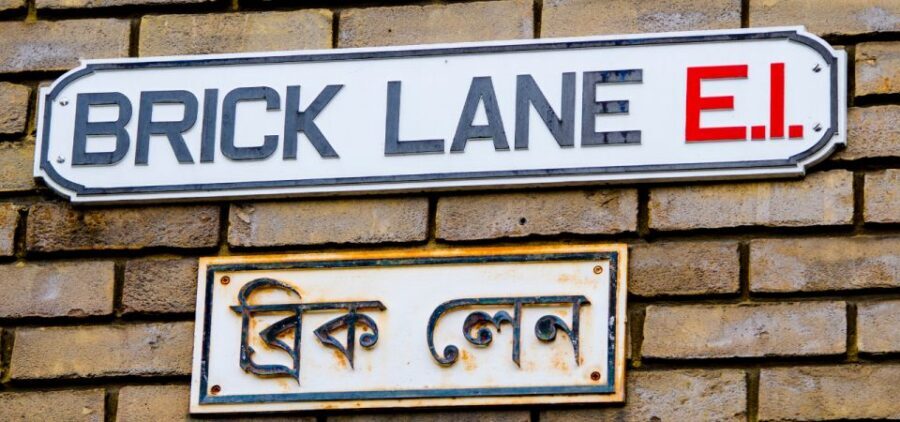
Then you reach Brick Lane, which the route description notes as busy even in earlier times. That contrast is part of the appeal: the app nudges you to notice how streets change, but human routines (walking, shopping, gathering) stay stubbornly consistent.
Flower and Dean Walk, Osborn Street, and Brick Lane: where the walking feels like a timeline
On this first phase, the app connects street names to stories, which is what makes a self-guided tour work. You’re not just passing places—you’re hearing why these lanes mattered to the mystery.
Flower and Dean Walk and Osborn Street are set up as places where older houses used to be. In practical terms, that means you’re looking at the architecture and street grid, and letting the audio supply the “why” as you go.
When you hit Brick Lane, you’re shifting into a more lively section of the route. You’ll likely feel the push-and-pull between the everyday London street and the darker historical narrative the audio tells.
If you’re the type who likes to understand how neighborhoods function, this section is a good warm-up. You learn the route rhythm while the app is still relatively easy to follow.
The Frying Pan Pub stop: a break that also helps you keep going
At the heart of the story’s early walk is the Frying Pan Pub. In the route highlights, it’s called out as an important place connected to the mystery, so it’s not just a random pit stop.
This is one of those smart tour-design touches: a pub break gives your ears a reset and your legs a breather. It also helps with the very real issue of phone battery—one key piece of tour prep is that the app uses power, and you’ll want your screen and headphones working the whole time.
The best way to use this stop is to pause long enough for the audio to catch up in your head. If you’re listening while you walk, pull over for a moment, then restart if you missed a section.
Old Mortuary Street and Durward Street: the app turns sidestreets into evidence
After the Frying Pan Pub, the route moves through Old Mortuary Street and Durward Street. The tour description frames these as places where spooky stories happened, so the audio shifts from “where are we?” to “what happened here?”
This is where self-guided audio can shine. When you’re alone (or in a small group) you tend to look more closely, and the narration gives you permission to slow down and observe.
In practice, you’ll want to keep your attention split between the screen directions and the street around you. If your GPS is slow to update, you can still recover by stopping, checking where you are, and using the app controls to replay from the last key point.
A few more London tours and experiences worth a look






The school-and-institute stretch: Old Board School, Working Lads Institute, Wood’s Building
Next up, the walk takes you to the Old Board School, the Working Lads Institute, and the entrance at Wood’s Building. These are the kinds of landmarks that make a walking tour feel specific, because they’re not just famous streets—they’re named places you can point at.
This part of the route is especially good for your “mental map.” Instead of treating the area as one big blur, you’re learning a sequence of real sites, each tied to a story the app narrates.
It also helps you understand why the tour includes so many addresses and institutions. The app isn’t trying to be vague; it’s setting up a chain of locations so you can follow the mystery as a path, not an abstract concept.
If you don’t like long stretches of audio, this section is still manageable. You can stop the story, take photos, and resume when you’re ready.
29 Hanbury Street plus Wilkes Street and Fournier Street: details that make the area feel lived-in
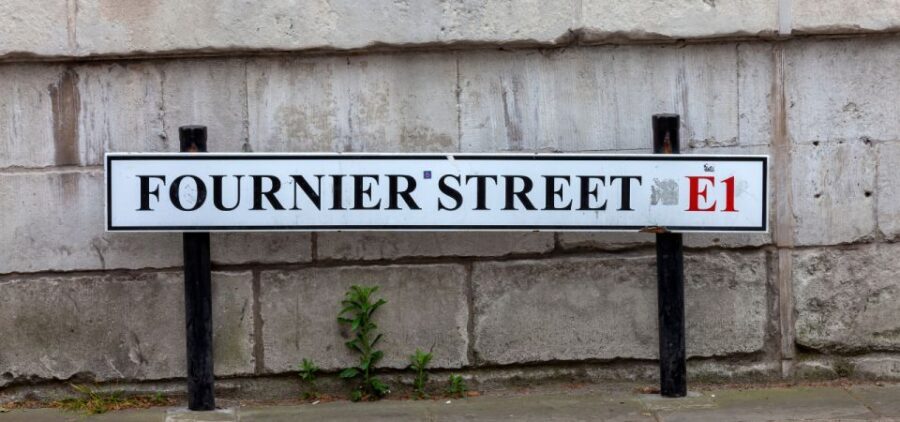
The route description calls out 29 Hanbury Street as another spot where something happened. It also includes Wilkes Street and Fournier Street as connecting lanes in the storyline.
What I like about this kind of address-based storytelling is that it turns the street itself into a clue. Even when you can’t verify every historic detail from the pavement alone, you can still feel how people would have moved through these exact blocks.
This is also where you’ll notice how the app handles navigation. With multiple turns and short segments, it’s more helpful if you keep your phone at a glanceable height and don’t tuck it away too long.
If you’ve had issues with GPS elsewhere in London, treat this portion carefully. Slow GPS reaction isn’t the end of the world—you can simply take an extra few seconds to confirm the audio point before walking on.
Ten Bells Spitalfields Pub and Spitalfields Market: the route gives you daylight reality
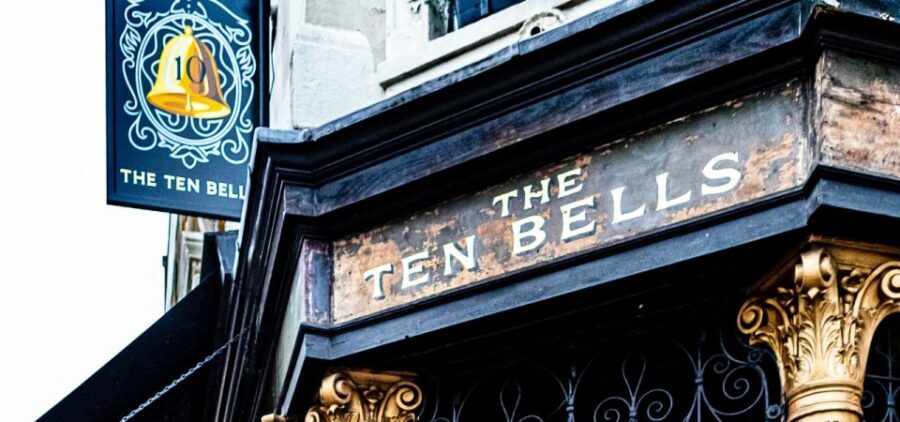
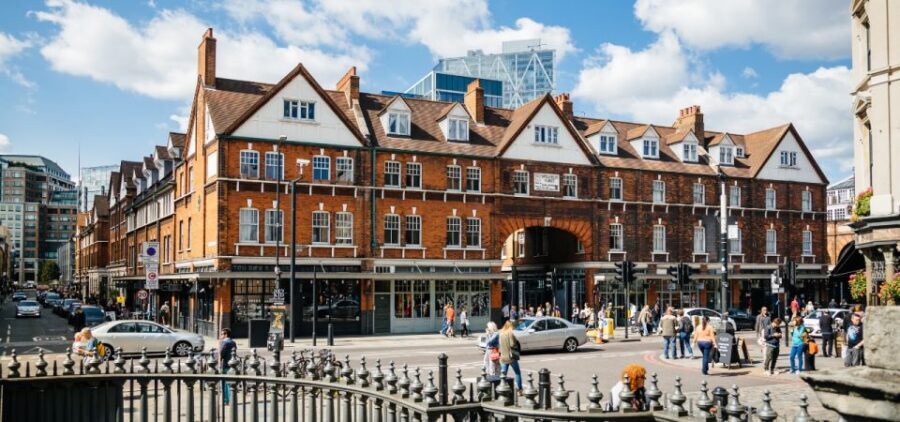
A big named stop here is Ten Bells Spitalfields Pub. The tour description pairs it with Spitalfields Market, so you’re getting both a story-linked venue and the kind of place where ordinary daily shopping happens.
Ten Bells works as a narrative anchor. It’s old, named directly in the route, and it’s placed where you’d naturally want a longer pause in a 3-hour walk.
Spitalfields Market adds balance. Even while the audio stays focused on the mystery, the market brings a different energy to the street scene, and that can make the experience feel more grounded.
If you’re listening with headphones, this is a good moment to lower the volume during your pause and then restart clearly. Market crowds can make audio harder to process, and headphones help you keep track of the timeline.
Queens Head Pub and Princess Alice Pub: two more breaks to reset your battery and focus
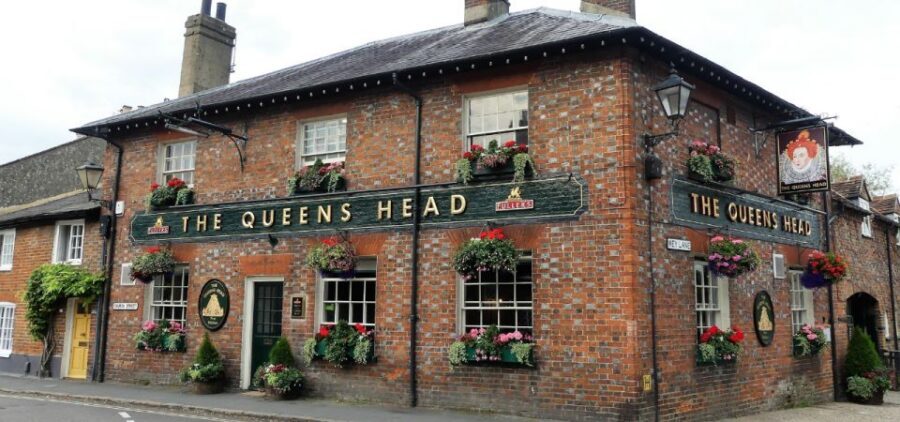
The tour includes stops at the Queens Head Pub and Princess Alice Pub. These breaks are practical in a way that fits the route: you’re walking through traffic-heavy streets, and a pause helps you avoid rushing and missing key audio points.
One thing that stood out from the experience details is that the app uses a fair amount of energy. So these pub moments can be more than comfort—they’re a realistic way to keep your phone alive for the next stretch.
Use these stops to do a quick battery check, wipe off your phone screen if it’s dirty, and make sure your headphones are still working properly.
Henriques Street to Saint James’s Passage to Mitre Square: the spine of the mystery walk
The tour highlights Henriques Street as a Ripper crime scene and tells the story of Catherine Eddowes from there. This section is one of the most direct “story-to-street” connections on the route, which is exactly why the audio format works.
Next is Saint James’s Passage, described as an eerie locale. It’s the kind of narrow connection that can feel different just because of how it funnels movement.
Then you reach Mitre Square, called out as the site of a notorious Jack the Ripper murder. In a self-guided format, squares are helpful. They give you open space to pause, look around, and let the narrative land without you constantly scanning for your next turn.
If you want one part of the tour to take slower, make it this stretch. It’s where the walk’s emotional weight is most concentrated.
The Workhouse and 13 Millers Court: ending on the heaviest named address
After Mitre Square, the route leads you to the Workhouse. The tour description frames it as an old poorhouse, continuing the theme of named places tied to human stories.
Then comes 13 Millers Court, where the audio addresses Mary Jane Kelly. An address stop like this is where you’ll probably feel the full “walking history” effect—standing in a real place while the audio describes something tragic tied to it.
This isn’t a tour that pretends the mystery is cheerful. But the app’s structure helps you keep your feet moving while you process the content.
Finishing at the White Hart Pub: a place to close the loop
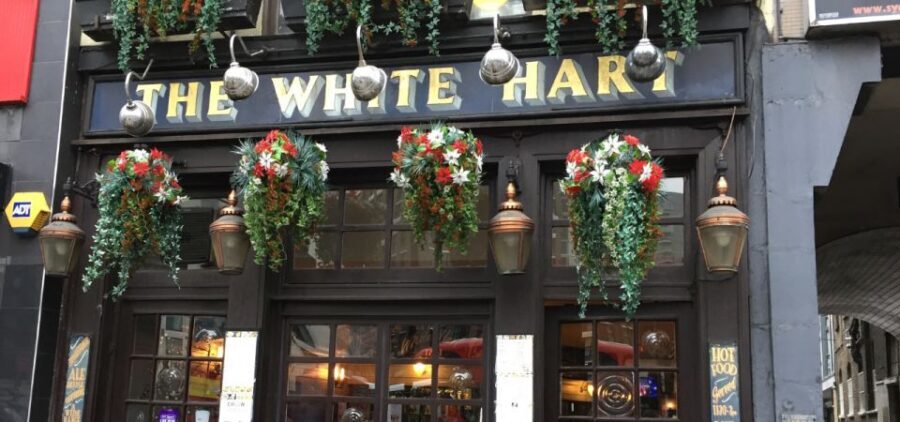
The tour ends at the White Hart Pub, presented as a location full of secrets. For many people, the final pub stop is where the experience becomes something you can digest.
You’ve spent the last 3 hours following a string of streets, addresses, and named landmarks. When you stop at the end point, you can replay key segments if you want to re-check a name or a location you found especially memorable.
If your phone battery is low by the finish, don’t worry—you’re at the end of the route. Still, it’s worth saving your favorite narration point so you can revisit it later.
Price and value: what $12 gives you with an app-led route
At about $12 per person for a 3-hour walk, this is priced like a value option. You’re paying for access to the audio experience, 40+ narration points, and detailed directions—without the cost of an in-person guide.
That matters because it changes what you’re “buying.” You’re not buying someone to explain every turn verbally. You’re buying a walk that runs on rails: the app keeps you moving and tells you what you’re looking at.
The tradeoff is control. If the app navigation doesn’t behave nicely on your phone, you’ll feel it more than you would on a guided tour. The upside is that you can pause, replay, and rewind, so you can correct your own pace.
Also note what’s not included: entry fees (if any exist at places you pass) and an in-person guide. If you’re hoping for a fully hosted, inside-the-building experience, this format may feel limited.
Who should book this Jack the Ripper app tour (and who might want a different option)
This is a smart match if you like self-guided walking and you want to hear stories tied to exact streets and addresses. It also works well when you’re traveling with someone who has different pacing needs, because the audio can be paused and replayed.
It’s also a good fit if you want language options. English, German, French, Spanish, Chinese, and Italian are all available in the audio.
On the other hand, if you get frustrated with app navigation or unreliable GPS, consider your tolerance first. The experience relies on your ability to keep the phone running, follow directions, and let the story trigger at the right time.
If you prefer a live human guide who can immediately reorient you, you might feel the lack of an in-person guide. But if you’re comfortable with a phone-led walk, this one can be a very satisfying way to spend a few hours in the area.
Should you book the Jack the Ripper Walking Tour with an App?
I’d book it if you want a 3-hour, self-paced way to connect Jack the Ripper stories to real locations like Frying Pan Pub, Ten Bells Spitalfields Pub, Henriques Street, Saint James’s Passage, Mitre Square, and the finish at White Hart Pub. The audio includes 40+ narration points and you can control playback, which makes it easy to match the walk to your attention span.
Skip it (or plan extra time) if your phone battery is always a worry or if GPS tracking tends to be flaky for you. Downloading the tour using Wi-Fi and starting with a fully charged phone makes a big difference here.
If you want, tell me your travel month and which language you plan to listen in, and I can suggest a simple plan for a smooth start-to-finish walk.
FAQ
How long is the London Jack the Ripper walking tour?
The tour lasts about 3 hours.
How much does the tour cost?
It costs $12 per person.
What do I need before I start?
You should bring a charged smartphone and make sure the app and the tour are downloaded in advance.
Do I need to download the tour using Wi-Fi?
Yes. You must install the app and download the tour using Wi-Fi before you go.
Which languages are available for the audio guide?
The audio is available in English, German, French, Spanish, Chinese, and Italian.
Is an in-person guide included?
No. An in-person guide is not included.
What’s the cancellation policy?
You can cancel up to 24 hours in advance for a full refund.