REVIEW · INVERNESS
Inverness: Guided Walking Tour with a Local
Book on GetYourGuide →Operated by Walking Tours In · Bookable on GetYourGuide
Inverness makes sense fast when it’s walking. This 1.5-hour local guided tour turns big landmarks like Inverness Castle and the River Ness area into a clear story of how the city became what you see today, plus plenty of folklore along the way.
I love two things most: the guide-led history and anecdotes that feel human (not like a lecture), and the fact that the route is tight enough to give you real bearings without dragging.
You meet your guide at the bottom of Market Brae Steps at 1 Inglis St, and yes, they wear bright orange so you can spot them quickly. Guides I’ve seen mentioned by name include Becky, Christine, and Steve, and they all seem to use the same winning formula: landmarks first, then the stories that explain them. You’ll pass Inverness Cathedral, Ness Bridge, Inverness Town House, Eden Court Inverness, and finish at Old High Church.
One thing to consider: this is still a walking tour. If you’re not a fan of moving for 90 minutes (or the weather is rough), plan for comfortable shoes and weather-appropriate clothing, and accept that you won’t linger long at each stop.
In This Review
- Key tour takeaways before you go
- Why this Inverness walk works in 90 minutes
- Where to start: Market Brae Steps at 1 Inglis St
- Inverness Castle: more than a photo stop
- Inverness Cathedral: the story behind the stones
- River Ness and Ness Bridge: your best view of the city
- Town House to Eden Court: Inverness in working order
- Old High Church ending: Jacobite context with real emotion
- Comfort, timing, and what to wear
- What you actually learn (and why it sticks)
- Price and value: is $20 fair for this tour?
- Who should book this walk
- Should you book this Inverness guided walking tour?
- FAQ
- How long is the Inverness guided walking tour?
- Where do I meet the guide?
- What sights are included?
- Is the tour offered in English?
- How much does it cost?
- Is the tour wheelchair accessible?
- What should I wear or bring?
- Can I cancel for a full refund?
- What is included in the price?
Key tour takeaways before you go
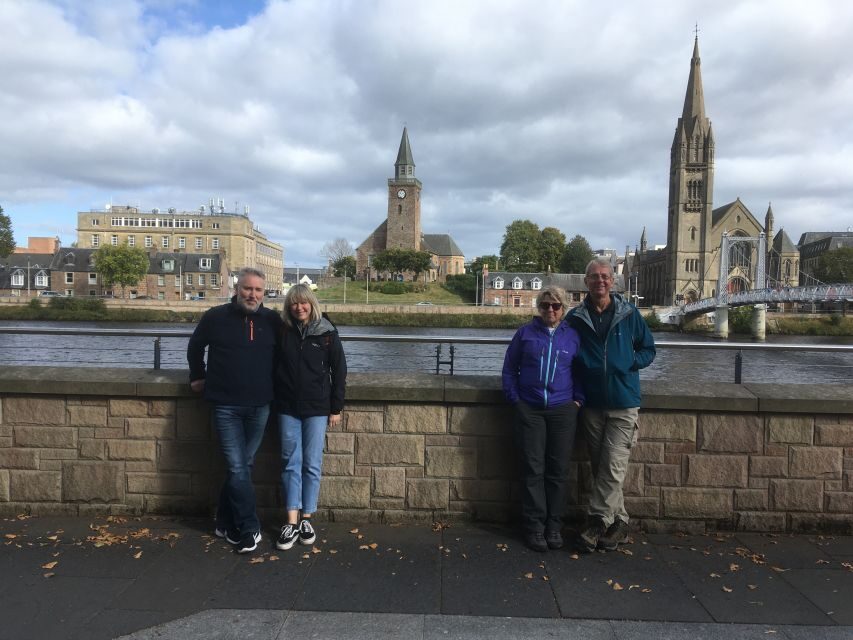
- Bright orange meeting point at the bottom of Market Brae Steps, 1 Inglis St, keeps it easy to start on time.
- Inverness Castle + Cathedral give you the strongest “wow” factor early in the walk.
- River Ness viewpoints and Ness Bridge are built for seeing (and photographing) the river in context.
- Town House and Eden Court show Inverness as a working modern Highland city, not just ruins and myths.
- Old High Church ending ties the route together with deeper Inverness and Highland-era context.
- Ninety minutes is the sweet spot for first-time orientation without exhausting you.
Why this Inverness walk works in 90 minutes
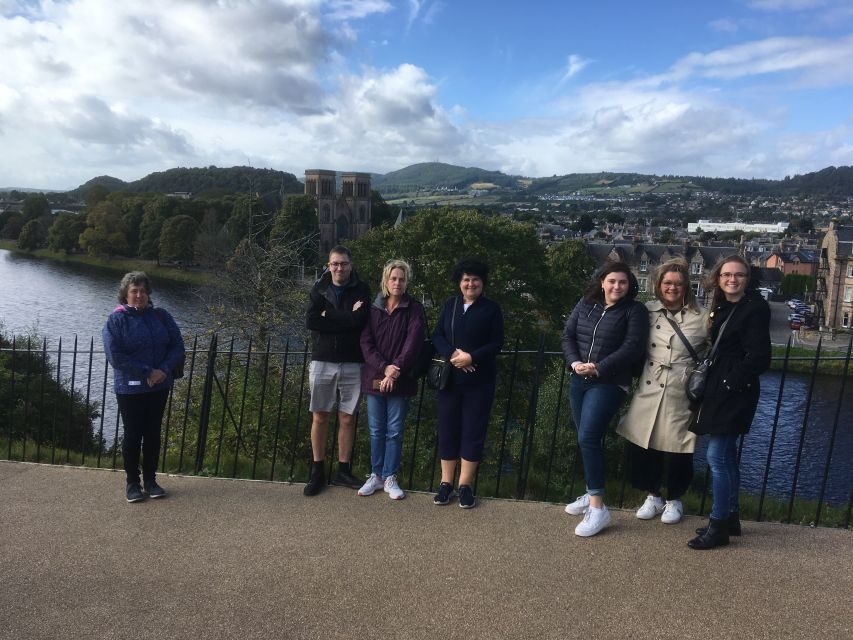
Inverness can feel like a crossroads at first. You’ve got castles, churches, a river that practically runs the city, and the whole Highlands mood in the air. This tour makes it click by giving you a sequence of stops that build a mental map as you go.
I also like that the tour isn’t only about stones and dates. The guide stories bring in folklore and Inverness-specific background, including references to Jacobite history and the enduring pull of Loch Ness monster legends. It’s the kind of mix that helps the Highlands feel real, not like something from a postcard.
The pacing is also a big plus. People note the walk is manageable for most levels, and it’s not a marathon. At the same time, some guides keep a brisk rhythm to fit everything into the time window, so bring comfortable footwear and don’t plan on long stops for photos at every corner.
You can also read our reviews of more walking tours in Inverness


Where to start: Market Brae Steps at 1 Inglis St
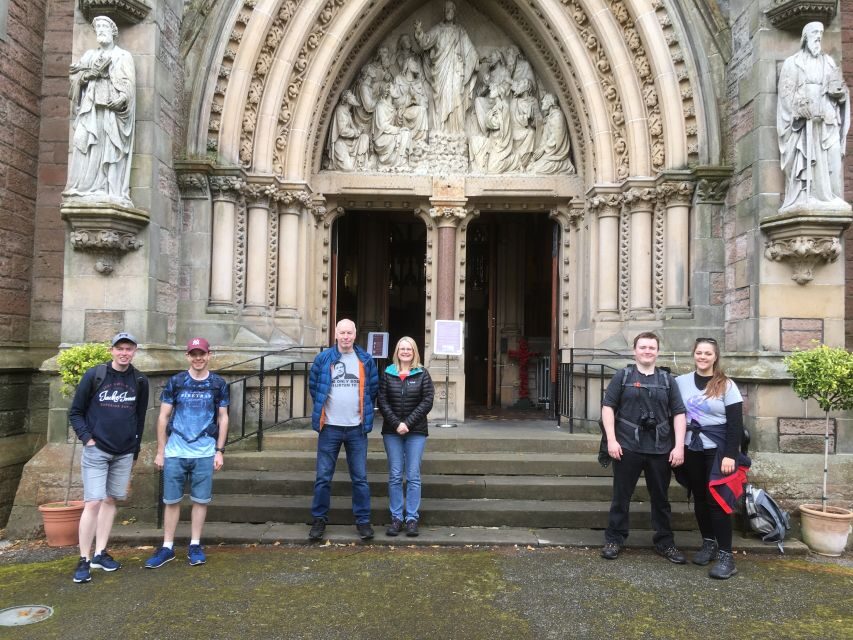
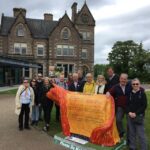
Your tour begins at the bottom of Market Brae Steps, 1 Inglis St. The bright orange clothing is there for a reason. If you’ve ever lost a meeting point in a new town, you’ll appreciate how simple this one is.
Plan to arrive a few minutes early. The tour starts from street level, and Inverness is the kind of place where you’ll spot something you want to read or look at right away. If you’re coming in from the bus or train, give yourself a little buffer so you’re not sprinting.
Also, keep in mind this is a walking route with a fixed end point. You finish at Old High Church, so treat the tour as an orientation walk. After it ends, you’ll be set up to choose your next stops based on what grabbed you most.
Inverness Castle: more than a photo stop
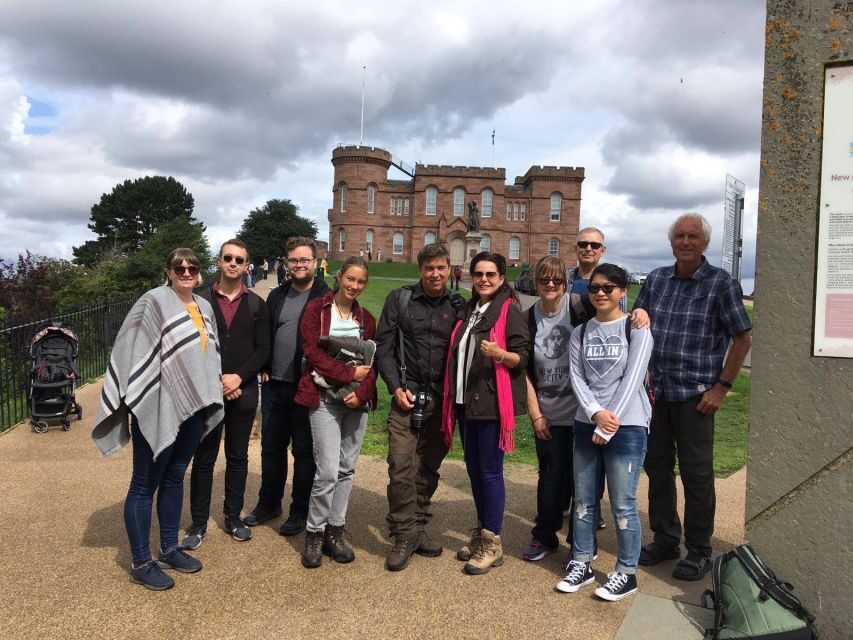
The first major “wow” moment is Inverness Castle. Even from outside, you get a sense of why this location mattered. It’s positioned like a natural lookout over the river and the city below, and the guide usually frames it as part of a larger pattern of defenses, power, and change.
What I like here is the way the tour uses the castle to explain the city’s growth instead of treating it as a disconnected landmark. You’re not just looking at a structure; you’re getting a timeline feel. That matters because Inverness history isn’t one straight line. It’s layers: royal-era beginnings, conflict-era moments, and then the shift into a modern Highland hub.
If castles aren’t your thing, you’ll still get value from this stop. The guide’s emphasis tends to be on context—why Inverness became important, and how that importance shaped everyday life. It’s a practical first chapter that makes later stops easier to understand.
Inverness Cathedral: the story behind the stones
Next comes Inverness Cathedral. This is where the tour leans into the human side of architecture. One of the standout points people highlight is the cathedral’s unique story, including the fact that it’s unfinished. That single detail helps you read the building differently as you walk around it.
A finished cathedral is easy to understand. An unfinished one feels like a living record of decisions, setbacks, and priorities over time. When a guide connects that to Inverness’s wider history, the building stops being background scenery and becomes a clue.
This stop also works well for atmosphere. Inverness weather can change fast, and the cathedral area gives you a chance to pause your pace for a moment and take in how the city feels. If you like architecture, you’ll probably enjoy this segment more than you expect.
River Ness and Ness Bridge: your best view of the city
Then you reach the part that makes Inverness look like Inverness: River Ness. This is the section where the tour turns geographic. The guide’s job here is to help you see the river not as a strip of water, but as a living factor in how the city developed.
You’ll get breathtaking views over the river, and the route includes Ness Bridge. That bridge stop is more than a crossing. It’s a vantage point where you can connect the landmarks you’ve seen with the waterway that links them.
If you’re the type who thinks a walking tour is all talk, this is your reality check. The river and bridge are your payoff. Even if you’re not a big history buff, you’ll likely feel the difference between Inverness from the street level and Inverness from a viewpoint over the water.
You can also read our reviews of more guided tours in Inverness

Town House to Eden Court: Inverness in working order
After the big sights, the tour shifts into city rhythm. You pass Inverness Town House, which helps ground the walk in civic life. It’s the sort of stop that reminds you Inverness isn’t frozen in time. It’s a place that runs on decisions, services, and people who live there year-round.
Then you head toward Eden Court Inverness. This is where the tour acknowledges that Highland culture today isn’t only about castles and folklore. It’s also about performance, community, and modern Inverness identity.
This middle stretch is valuable because it breaks the pattern. If your earlier stops made you think Inverness equals medieval drama, Eden Court and the surrounding urban feel widen your lens. You end the walk with a city that feels more complete.
Old High Church ending: Jacobite context with real emotion
The walk closes at Old High Church. That ending matters because it ties earlier pieces together. Churches in Inverness aren’t only religious spaces. They’re places where you can feel the weight of local memory.
This is also where guides often bring in the more intense Highland-era context. People mention stories connected to Jacobite history and events that followed uprisings, with a strong sense of meaning rather than shock tactics. That approach helps you understand why Inverness stories feel so personal and not just academic.
Even if you don’t want heavy history, this stop can still work. It gives you emotional context for the region’s legacy. And finishing here means you’re ending in a spot that feels appropriate for reflection after you’ve already seen the castle, the cathedral, and the river views.
Comfort, timing, and what to wear
This tour is listed as 1.5 hours. In real life, that time goes fast because Inverness is compact and the guide is moving you through an efficient loop. A few guests note the walk is well paced and easy to manage for most people, including those who use mobility aids. Still, it’s not a sit-down experience.
Bring comfortable shoes and plan for weather. The Highlands can change mood quickly, and you’ll be outside. If it’s raining, expect wet pavement and the need to keep your attention on footing rather than on your phone camera.
For photos: you’ll get views and landmarks, especially at River Ness and Ness Bridge. But if you’re the kind of photographer who wants a long setup at every stop, you may feel rushed. The tradeoff is that you get a solid overview instead of hours of wandering with no structure.
What you actually learn (and why it sticks)
The best walking tours do one job: they help you remember what you saw. This one focuses on why Inverness developed the way it did, using the city’s landmarks as anchors. The guide brings in folklore and local stories so the buildings and viewpoints connect to people, not just dates.
A big theme is the long arc of Inverness. You get early royal city beginnings. You also get the conflict-era energy that shaped the region, including mention of castle sieges and the Jacobite period. Then you land in modern Inverness, where shopping, entertainment, and travel hub status matter because they affect daily life.
The Loch Ness monster element comes up too. Even if you’re rolling your eyes at first, it helps you understand why Ness-side legends are part of the local identity. It’s not just a gimmick; it’s an easy entry point into how the Highlands tell stories.
Some guides also work in pop-culture nods like Outlander references. That can be a fun extra, especially if you’re a fan and want something to spark conversations while you walk.
Price and value: is $20 fair for this tour?
At about $20 per person for 1.5 hours with a live local guide, this tour is priced like a practical introduction, not a premium day-long experience. And that’s exactly what it seems designed to do: give you an efficient overview of the key sights plus context you’d miss if you walked on your own.
Here’s the value math I’d use:
- If you only visit the main landmarks briefly, you’re just collecting photos.
- Add a guide who explains how Inverness developed and why the stories matter, and suddenly the walk feels like you’re learning the city, not just seeing it.
The very high rating (4.7 from hundreds of reviews) lines up with what the tour offers: a short, well-shaped route, strong storytelling, and enough variety to satisfy both history lovers and people who just want a sense of place.
Who should book this walk
This is a great choice if:
- You’re in Inverness for a short stay and want quick orientation.
- You like history, folklore, and context delivered in a story-driven way.
- You want to see River Ness properly instead of guessing where the best viewpoints are.
It’s also a good fit if you’re traveling with a mix of interests. The route hits big monuments, but it also includes city-life stops like Eden Court and civic landmarks that keep it balanced.
If you already know Inverness extremely well, you might find this tour repeats what you already learned. But for most first-timers—or anyone who wants a smarter way to walk—this is an efficient, enjoyable start.
Should you book this Inverness guided walking tour?
Yes, if you want a fast, friendly introduction that helps you understand what you’re looking at. The strongest reasons to book are the combination of efficient sightseeing and storytelling that connects landmarks to Inverness’s bigger story, from Jacobite-era context to Ness-side legends.
I’d think twice only if you dislike walking in any weather or you need long, slow time at a single place. This tour is built for movement and coverage, not for lingering. If that tradeoff works for you, it’s an excellent way to start your Highlands trip with your eyes open and your head full of Inverness details.
FAQ
How long is the Inverness guided walking tour?
The tour lasts 1.5 hours.
Where do I meet the guide?
Meet at the bottom of Market Brae Steps at 1 Inglis St. The guide will be wearing bright orange.
What sights are included?
The tour includes Inverness Castle, Inverness Cathedral, River Ness, Inverness Town House, Ness Bridge, Eden Court Inverness, and Old High Church.
Is the tour offered in English?
Yes, the live tour guide speaks English.
How much does it cost?
The price is listed at $20 per person.
Is the tour wheelchair accessible?
Yes, the activity is wheelchair accessible.
What should I wear or bring?
Wear comfortable shoes and bring weather-appropriate clothing.
Can I cancel for a full refund?
Yes. Free cancellation is available up to 24 hours in advance for a full refund.
What is included in the price?
A local guide is included.