REVIEW · INVERNESS
Inverness: Applecross, Loch Carron & Wild Highlands Day Tour
Book on GetYourGuide →Operated by Timberbush Tours · Bookable on GetYourGuide
One day, and the Highlands feel in your face.
This Inverness to Applecross tour runs the lower NC500 route, mixing long-view scenery with real wildlife potential and picture-perfect stops. You’ll cross dramatic ground, take a summit photo moment on Bealach na Bà, and then slow down for time in Applecross village.
What I like most is the mix of big-drama driving and actual time on the ground. First, the pass stop at Bealach na Bà (over 2000 ft) is the kind of photo break you’ll remember long after the bus ride. Second, the Applecross stretch is built for nature lovers, with frequent chances to spot otters, red kites, deer, and even pine martens.
One heads-up: you’re spending most of the day in a vehicle on narrow, twisty mountain roads, and it’s a long loop with no food or restroom included on board. If you get motion-sensitive or nervous on cliffy roads, this is still doable—but you’ll want the right expectations and packing.
In This Review
- Key things to know before you go
- Why Inverness to Applecross by bus is such a smart move
- The early run on the southern NC500: Black Isle to Lochcarron coffee
- Loch Carron views, Achintraid photo stop, and the approach to Bealach na Bà
- Bealach na Bà: the over-2000-foot pass stop that frames the whole trip
- Applecross village time: wildlife chances plus that remote-bay feeling
- The return route: Cuaig Croft photo stop, Shieldaig breaks, and Kinlochewe pause
- Loch Torridon and Beinn Eighe: the wildlife-focused backstretch
- What to pack for comfort: shoes, layers, and a no-food-on-board reality
- Guides, storytelling, and why the driving matters on these roads
- Price and value: is $83 for 10 hours actually fair?
- Should you book the Inverness to Applecross Wild Highlands day tour?
- FAQ
- What is the duration of the Inverness to Applecross day tour?
- Where does the tour depart from?
- Is food included during the tour?
- Are there restrooms on the bus?
- What’s included in the ticket price?
- Is the tour suitable for young children?
- Are pets allowed?
- Is the tour wheelchair friendly?
Key things to know before you go
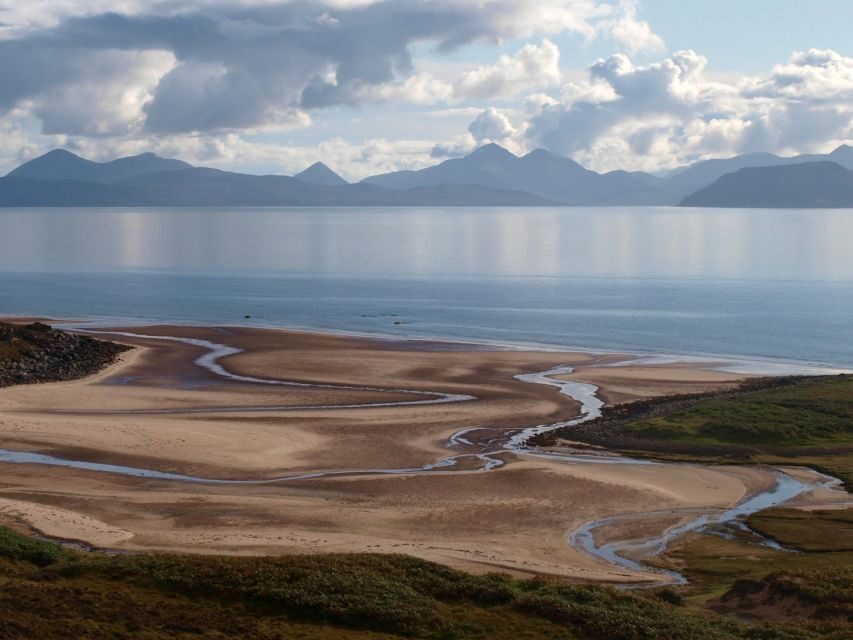
- Bealach na Bà photo stop: over 2000 ft, with far-reaching views toward Raasay and the Isle of Skye (when weather cooperates)
- Applecross village time: enough freedom to wander the bay area and soak in the remote feel
- Wildlife is part of the plan: you may see otters, red kites, deer, and even pine martens
- Loch Torridon return drive: calmer scenic pacing on the way back to Inverness
- Beinn Eighe National Nature Reserve: a wildlife-focused area where you might even catch a golden eagle
- Small group feel: several departures run with a compact group size, which helps with comfort and stopping
Why Inverness to Applecross by bus is such a smart move
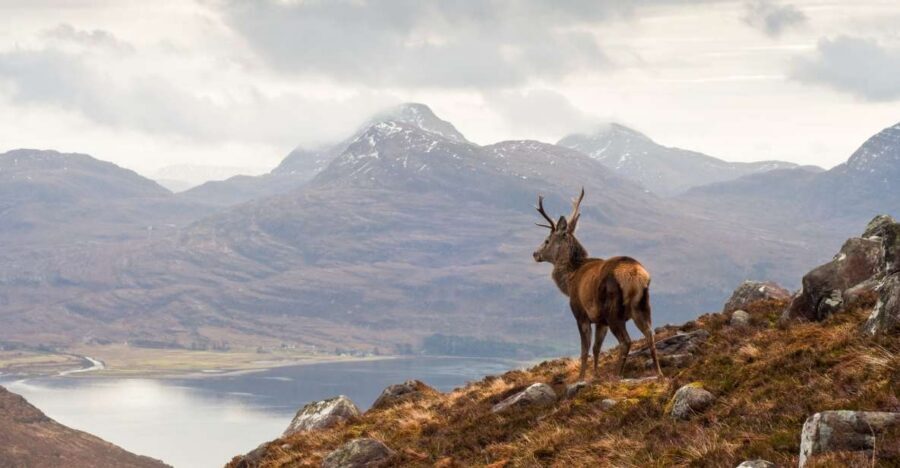
I like this format because it solves a real problem: Applecross is spectacular, but it’s hard to reach without a car and a solid stomach for Highland roads. This tour gets you there using the southern NC500 route, with a driver-guide doing the navigation and the storytelling.
For you, that means less stress. You can focus on the scenery outside the windows, and you still get breaks where it counts—summit photos, village time, and quick refresh stops.
It also helps that the day is paced around viewpoints and nature spots rather than a rushed checklist. The whole point is “see the wild part of the Highlands,” not just “pass through quickly.”
You can also read our reviews of more tours and experiences in Inverness.
The early run on the southern NC500: Black Isle to Lochcarron coffee
You start in Inverness at Railway Terrace, then roll out early by coach/bus—about two hours before the first real stop. The early stretch includes the Black Isle area, which feels like a gentle warm-up compared with what’s coming later.
Your first break is in Lochcarron, where you’ll get time for coffee. This is a practical stop: you can grab caffeine, stretch your legs, and reset before the day commits to mountain viewpoints.
The big value here is timing. Getting out early usually means you have a better chance of clearer sky and less traffic on narrow roads later.
Loch Carron views, Achintraid photo stop, and the approach to Bealach na Bà
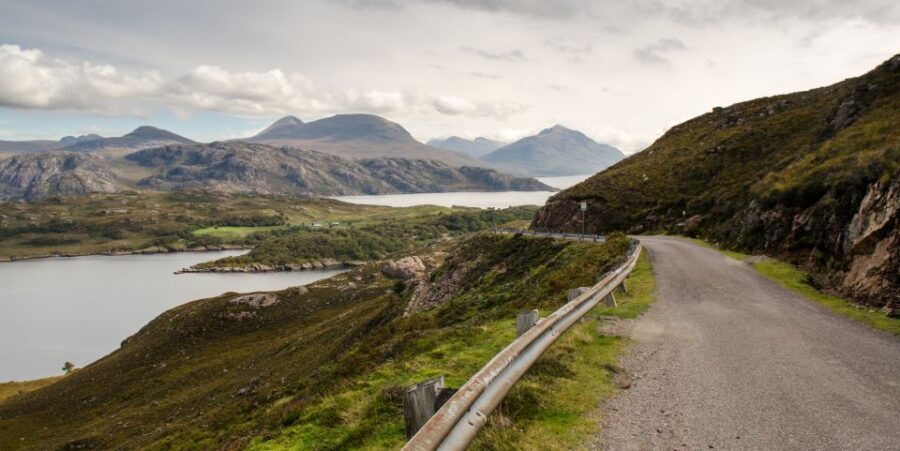
From Lochcarron, the day keeps building. You’ll continue toward Achintraid, with a photo stop that lines up with wide water views over Loch Kishorn and a mountain range across the way.
That’s a helpful contrast: you’re not just climbing right away. You get a “look out across water, then climb” rhythm, which makes the later summit moment feel even more dramatic.
One practical note: bring a camera setup you can use fast. These stops are meant for pictures, and the best angles depend on whether you’re stepping out in wind, rain, or full sun. If you’re slow getting ready, you’ll miss the best light.
Bealach na Bà: the over-2000-foot pass stop that frames the whole trip
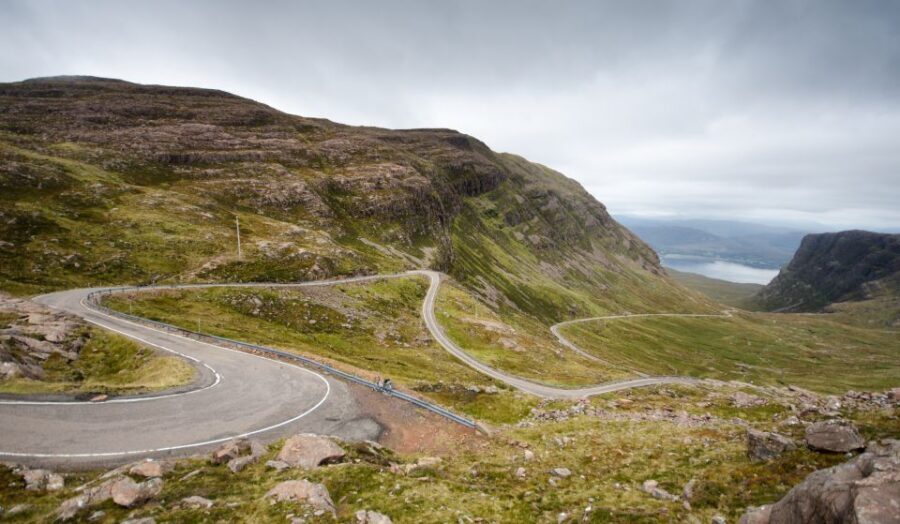
The highlight that most people talk about is the Bealach na Bà stop. This road pass is known as the Applecross Pass, and it’s the third highest road in Britain, sitting over 2000 ft.
When the weather is working, the view from the summit area can be jaw-dropping, with visibility toward Raasay and the Isle of Skye. Even if clouds roll in, it’s still worth the pause because the road climb itself is part of the show—tight bends, steep drop-offs, and big open air.
Why this matters: it’s where the Highlands stop feeling like a postcard and start feeling like real terrain. The pass gives you scale. You understand why communities live here the way they do, and why travel takes effort.
Safety and comfort matter here. Some sections are narrow, and you’ll likely feel the bus work its way up and down. If you’re prone to motion sickness, pack the solution that usually helps you on curvy roads.
Applecross village time: wildlife chances plus that remote-bay feeling
Then you arrive at Applecross, a village on a beautiful bay with plenty of nature around it. This is where the tour shifts from “driving story” to “time to experience the place.”
You’ll get plenty of time to explore Applecross village. That open time is valuable because you can match your pace: a slow walk for views, a quicker photo loop, or simply finding a spot to watch the light change over the bay.
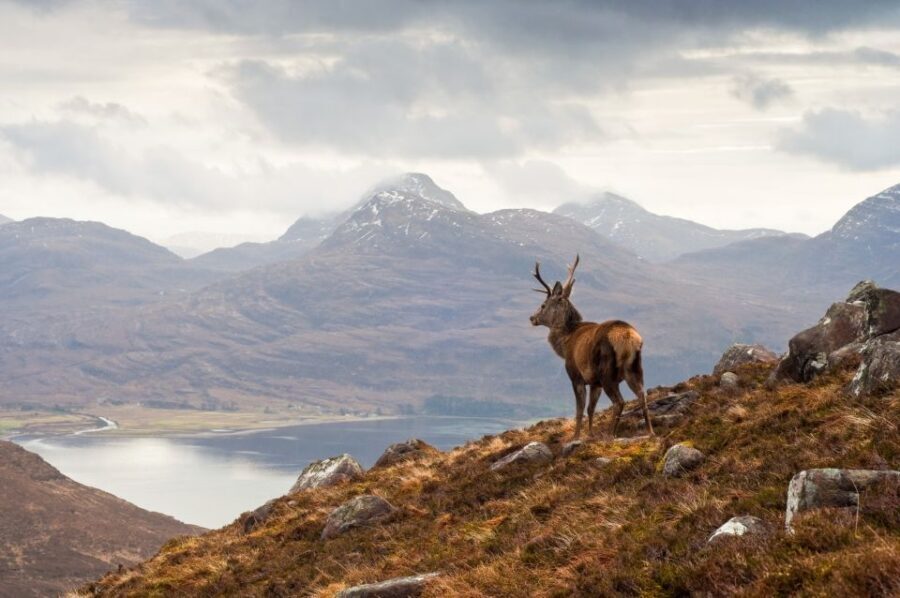
The best part for nature lovers is the wildlife potential. You may spot otters, red kites, deer, and—if conditions line up—pine martens. A few departures also mention the chance for marine wildlife sightings from the bay area, so keep your eyes up when you’re near the water.
What I’d do if you want to maximize this stop: pick one “home base” viewpoint and stay there long enough for movement. Wildlife is often less about instant luck and more about waiting for the moment it decides to show up.
And yes, weather can change fast here. One day can be clear; another can be rainy and still beautiful. Bring layers and accept that the coastline looks different in every kind of sky.
The return route: Cuaig Croft photo stop, Shieldaig breaks, and Kinlochewe pause
After Applecross, the tour leaves the main “bucket list” area and starts the homeward loop. You’ll include a brief Cuaig Croft photo stop—short, purposeful, and best for getting one more set of views before the final stretch back.
Then you stop in Shieldaig for coffee and refreshments. Shieldaig is a small fishing village founded in 1800, and its name comes from a Viking term meaning herring bay. Even if you don’t know the history by heart, it helps the place click—you’re not just stopping for a drink; you’re stepping into a working community shaped by the water.
Next is Kinlochewe, where you’ll get a break. This part of the route keeps things moving without turning the day into a nonstop sprint.
Loch Torridon and Beinn Eighe: the wildlife-focused backstretch
One of the smartest sections of the day is the return drive along the banks of Loch Torridon. This stretch gives you a calmer rhythm after the intensity of the pass and the wandering time in Applecross.
You’ll also pass through Beinn Eighe National Nature Reserve, one of the oldest in Britain. This is where wildlife is a real target, not a random bonus—so keep your head up and watch edges of fields, cliffs, and tree lines for movement.
You might even spot a golden eagle, depending on conditions. Even if you don’t, the reserve adds a sense of place that you miss when you just drive through scenery without a reason behind it.
The day’s drive time on the way back is about 75 minutes to get you back to Inverness. It’s long enough to feel like a full tour, but not so long that you’re trapped with no changes in scenery.
What to pack for comfort: shoes, layers, and a no-food-on-board reality
This tour is built around time outdoors and quick stops, so pack for weather and footing. Plan on comfortable shoes and clothing that can handle Highlands wind and shifting conditions.
Bring a light rain layer even if the morning looks good. Rain doesn’t ruin the Highlands—it changes the mood—but you’ll feel it on exposed viewpoints.
Food and drinks are not included, and there are no restrooms on board. That means you’ll want cash/card for coffee stops and a plan for lunch in Applecross or at one of the longer breaks. If you count on convenience, you’ll be disappointed.
Also, think about your camera bag. One of the most praised parts of this day is the number of picture moments. If you can access your camera quickly, you’ll enjoy the stops more.
Guides, storytelling, and why the driving matters on these roads
A huge part of the value here is the live commentary and the driver-guide focus. When roads get narrow and turns get tight, the guide isn’t just passing time—they’re helping you understand what you’re seeing and keeping the group comfortable.
From named guide experiences on this tour, the style varies, but the common theme is skill and confidence. People have praised guides such as Sandy for safe, careful driving in narrow mountain sections. Others have highlighted Chris for entertaining stories and strong driving. And there are also named guides like Alix, Marita, and Sinclair who were described as funny, informative, and attentive to the group.
So here’s the practical takeaway for you: choose this tour if you want the driving to be handled well, not if you’re the type who prefers self-driving freedom. It’s a trade-off. You trade independence for comfort and context.
Group size can also make a difference. Some departures run with a small group (people have mentioned a group of about seven), which helps with flexibility during stops and keeps the day feeling more personal.
Price and value: is $83 for 10 hours actually fair?
At $83 per person for a 10-hour day, the pricing looks more reasonable when you factor in what’s included: transportation in a modern air-conditioned bus, a driver-guide, live commentary, and digital written translations.
You’re paying for three big things:
- someone to handle navigation on the NC500 route and mountain roads
- interpretation, so the views don’t just look pretty—they make sense
- access to Applecross without having to rent a car or manage timing and parking yourself
What’s not included is also part of the real cost equation: food and drinks, plus the fact that restrooms aren’t on board. In my view, this is normal for Highlands day tours, but it does mean you should budget a lunch and snacks. If you show up hungry and unprepared, $83 can feel tight by the end of the day.
The value gets even better if you’re traveling from Inverness and don’t want to spend time planning stops and figuring out the best route. This day is basically built for you.
Should you book the Inverness to Applecross Wild Highlands day tour?
If your goal is to see Applecross and the Bealach na Bà pass without the stress of driving, I think this is an easy yes. The mix of summit photos, village time, and a wildlife-friendly return along Loch Torridon and Beinn Eighe is exactly the kind of route that works well as a guided day.
Book it if you’re:
- short on time and want a one-day hit of the Highlands
- comfortable spending long hours in a vehicle for big scenery
- open to weather changes (rain can still make it unforgettable)
- interested in wildlife even if sightings are never guaranteed
Skip it or reconsider if:
- you’re very nervous on curvy mountain roads and heights
- you need restrooms on board or a fully catered meal plan
- you want a flexible, stop-anywhere schedule like you’d get with a rental car
If you match the style of the tour—short stops, big viewing windows, and a guided narrative—you’ll likely feel like you got your money’s worth in scenery and context.
FAQ
What is the duration of the Inverness to Applecross day tour?
The tour runs for 10 hours.
Where does the tour depart from?
It starts at Railway Terrace, Inverness, IV1 1NW. Look out for the coach or a sign on the lamp post.
Is food included during the tour?
No. Food and drinks are not included, so plan for coffee breaks and a meal during your time out.
Are there restrooms on the bus?
No. Restrooms on board are not included.
What’s included in the ticket price?
You get transportation in a modern air-conditioned bus, live commentary, a driver-guide, and digital written translations.
Is the tour suitable for young children?
No. It is not suitable for children under 4 years.
Are pets allowed?
Pets are not allowed. Assistance dogs are allowed.
Is the tour wheelchair friendly?
It is listed as not suitable for wheelchair users. The notes also say some collapsible wheelchairs with removable wheels can be accommodated if the passenger is accompanied by someone who can assist boarding and disembarking.