REVIEW · LONDON
Jack The Ripper Tour in London’s East End
Book on GetYourGuide →Operated by Brit Movie Tours · Bookable on GetYourGuide
Jack the Ripper doesn’t feel like history when you walk it. This East End route takes you through Whitechapel’s streets tied to the 1888 murders, plus the unsettling talk of clues and rumors that still won’t die. I love the real-site focus, and I also like that the storytelling brings in still photos and letters so the case feels concrete, not just spooky. The main drawback to plan for is the tone: it’s a violence-heavy story, and if you’re sensitive or you hate walking in poor weather, you may not enjoy it as much.
You’ll meet your guide at the City of London police station area on 182 Bishopsgate (aim to arrive 10 minutes early), and guides like Ian and Rory set a pace that keeps the group engaged and easy to follow. It’s also a case where you learn as you go—starting with the man-hunt frenzy and moving into how public perception turned the crimes into a genre. One practical consideration: many original landmarks have changed, so you’re not always seeing the exact 1888 look, even though you’re standing in the right neighborhood.
If you want a straight 2-hour walk that mixes locations + evidence + theory, this one fits nicely. Expect sharp street-level context, plus that lingering feeling that the East End still remembers 1888 even when the buildings don’t.
In This Review
- Key Highlights You Should Know Before You Go
- Walking Whitechapel Like It’s Still 1888
- Meeting at 182 Bishopsgate and Getting Oriented Fast
- The 2-Hour Walk: What You’ll Actually Do on the Ground
- The Murder Sites: Why Seeing Locations Changes the Story
- Goulston Street: Clues, Non-Clues, and the Graffito Story
- Documentary Photos and Letters: How Evidence Gets Brought Back
- The Unsolved Mystery: Rumors, Theories, and Why People Still Argue
- Your Guide Matters: Ian, Rory, Chris, and the Art of Story Pace
- Price and Value: Is $22.90 Worth a 2-Hour Walk?
- Timing, Weather, and What to Wear for East End Streets
- Should You Book the Jack the Ripper Tour in London’s East End?
- FAQ
- How long is the Jack the Ripper Tour in London’s East End?
- Where does the tour start?
- What time does it start?
- How much does it cost?
- What language is the tour conducted in?
- Is this activity a walking tour?
- Is there free cancellation?
- Can I reserve without paying right away?
Key Highlights You Should Know Before You Go
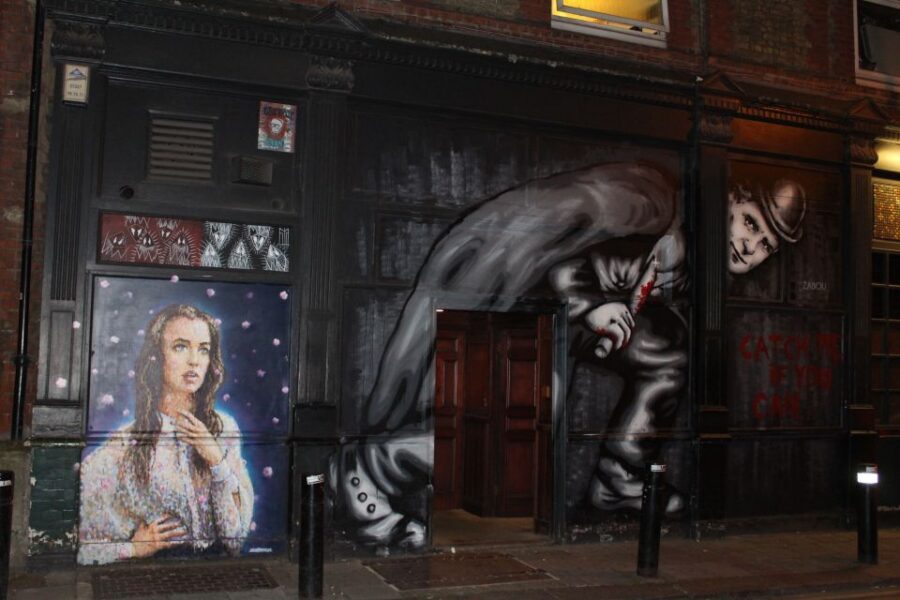
- Goulston Street’s clues (and non-clues): you’ll hear what people claim mattered, and what might not
- Actual murder sites for Jack’s victims: the tour steers you to the places tied to the cases
- Documentary evidence on the walk: still photos and letters help make the story feel real
- Whitechapel in autumn 1888: the story starts with the murder and the famous man-hunt that followed
- Guides who bring the case alive: multiple guides named in feedback—like Ian, Chris, and Konstantin—are praised for staying engaging
Walking Whitechapel Like It’s Still 1888
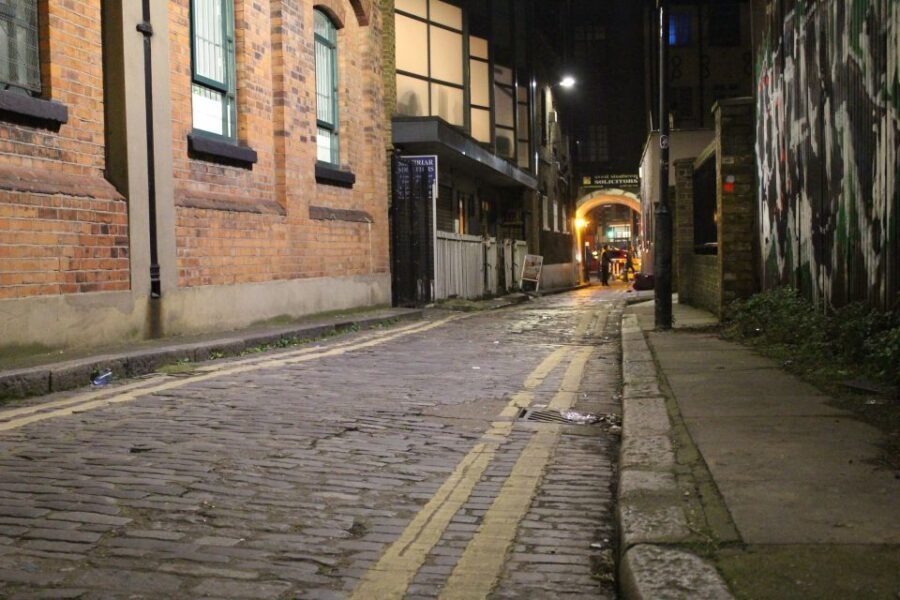
This tour is built around one simple idea: if you want to understand the Jack the Ripper story, you should move through the neighborhood instead of reading about it. You’ll follow the streets associated with the killings in the autumn of 1888, and the guide keeps tying what you see on the ground to what was happening in that moment. It’s the difference between watching a thriller and standing in the same kind of alley it’s based on.
I like that the experience doesn’t treat the case like a cartoon. The guide explains how the discovery of a body sparked one of London’s most famous man-hunts, then shows how the events grew into a cultural obsession. That’s what makes the walk stick: you’re not just hearing names. You’re learning how a real crime became a long-running mystery that people kept rewriting.
And yes, it can feel scary, even if you’re skeptical. The story leans into rumors, eerie details, and the uncertainty of an unsolved case. If you want comfort or a light chat, this isn’t that tour. If you want a tense, story-driven walk, it’s in its element.
You can also read our reviews of more tours and experiences in London.



Meeting at 182 Bishopsgate and Getting Oriented Fast
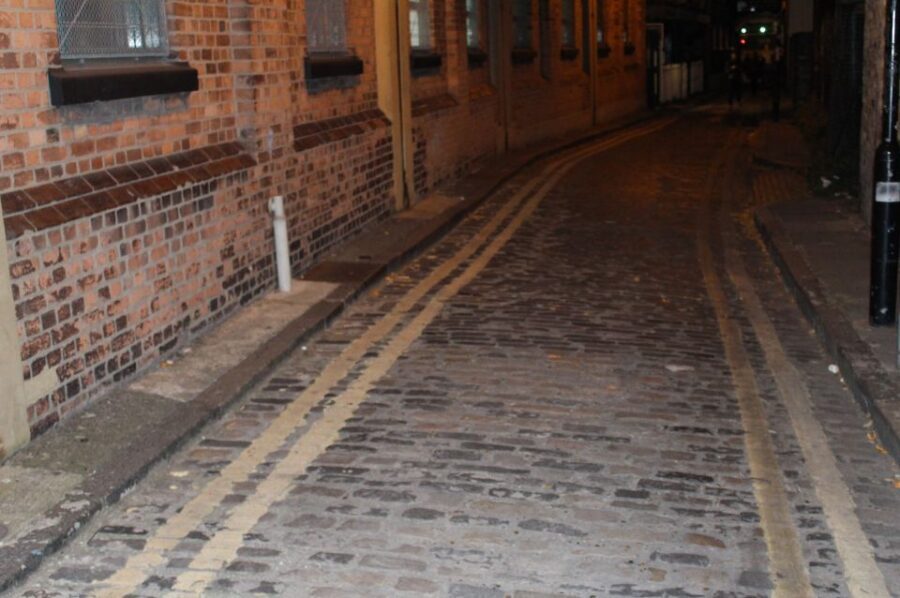
The tour starts where it’s easy to spot: meet your guide 10 minutes early to the left of the entrance of the City of London police station, 182 Bishopsgate, London EC2M 4NP. If you come from Liverpool Street Station, leave via the Bishopsgate West exit and look across Bishopsgate for the police station.
This matters more than it sounds. A 2-hour walk leaves little slack, so showing up right on time helps you avoid missing the opening context about the 1888 background and the way the case escalated. Also, the East End can confuse even good navigation apps, so arriving early lets you get bearings fast—before the story starts ramping up.
One tip worth taking: have a quick look at where your guide is waiting once you arrive. There’s at least one note in feedback about meeting point confusion, and it’s usually fixable as long as you double-check on the spot and join the right group.
The 2-Hour Walk: What You’ll Actually Do on the Ground
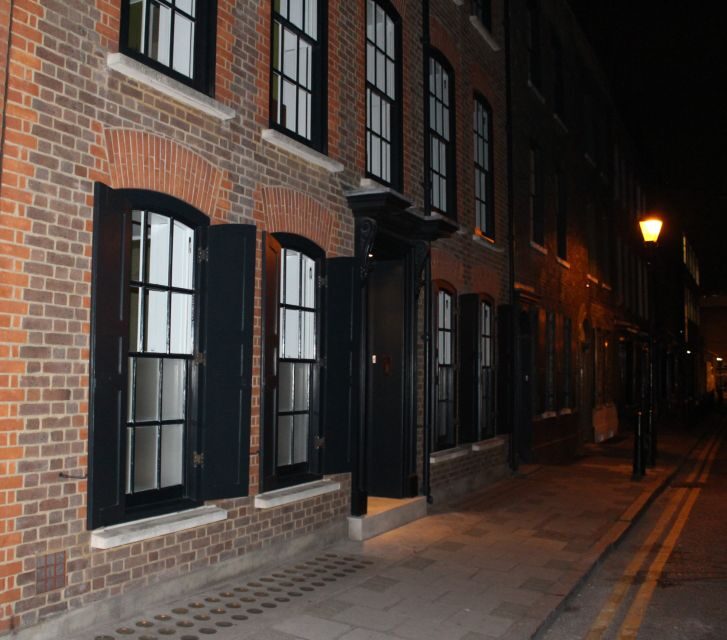
This is a walking tour, and it stays focused: you spend the time moving through the East End, hitting key sites tied to the victims and the case. The tour doesn’t pretend the neighborhood is frozen in time. Instead, it uses what’s there now as a way to explain what was likely happening then.
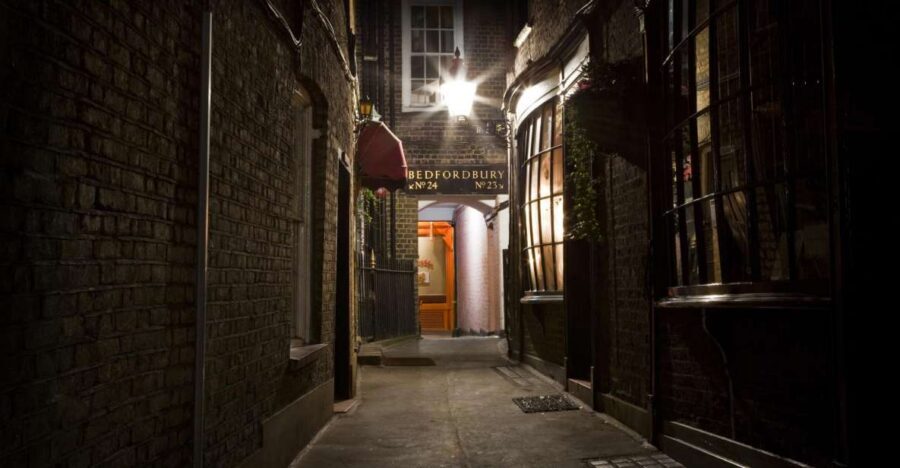
You can expect the guide to pause at corners and areas where the history explains itself. Some stops lean into street layout—how passages and alleys would have looked and felt in 1888. Other stops lean into the investigative side: what the clues were, what people thought they saw, and what might have been overlooked.
A big reason people enjoy this format is that it keeps the mystery physical. You’re not imagining the East End from a book. You’re hearing the story while your eyes confirm you’re in the same kind of area that helped shape the case.
The Murder Sites: Why Seeing Locations Changes the Story
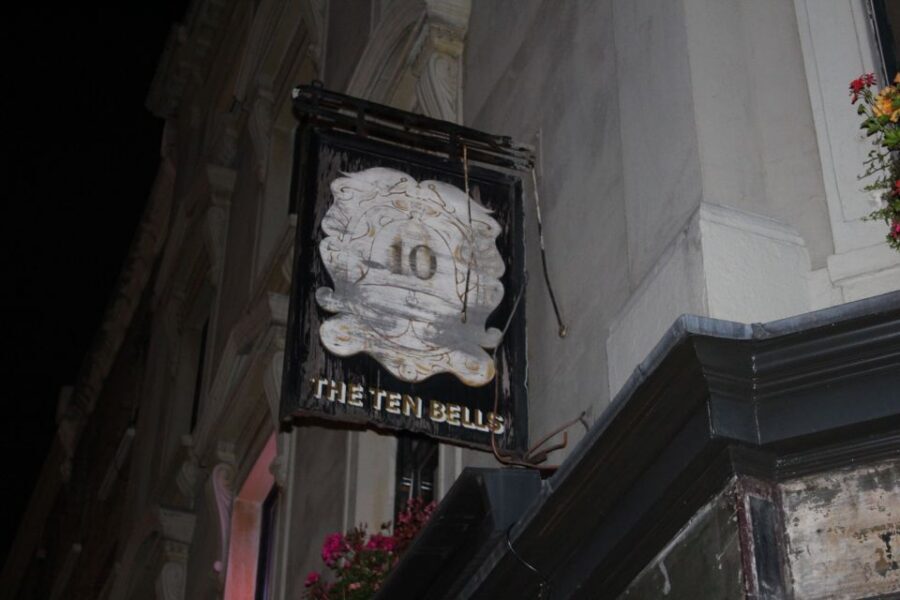
A key part of the tour is visiting actual murder sites—not just famous “Ripper” spots that sound good on a postcard. The experience also mentions other killings that were thought to be connected to Jack. That mix keeps the conversation grounded: the guide isn’t only chasing the most famous name. You get a fuller sense of the panic and confusion surrounding the murders.
You’ll also hear how public perception shaped the legend. The crimes moved from newspaper terror to long-lasting cultural mythology, and that shift matters. Standing in the area where the events happened makes it easier to see why rumors spread so fast—because the neighborhood itself is the kind of place where people could vanish into the noise.
Just set your expectations: some original landmarks are gone or repurposed. One reason the walk still works is because the guide uses what remains—street direction, local context, and the narrative links—to keep the past understandable even when the scenery has changed.
Goulston Street: Clues, Non-Clues, and the Graffito Story
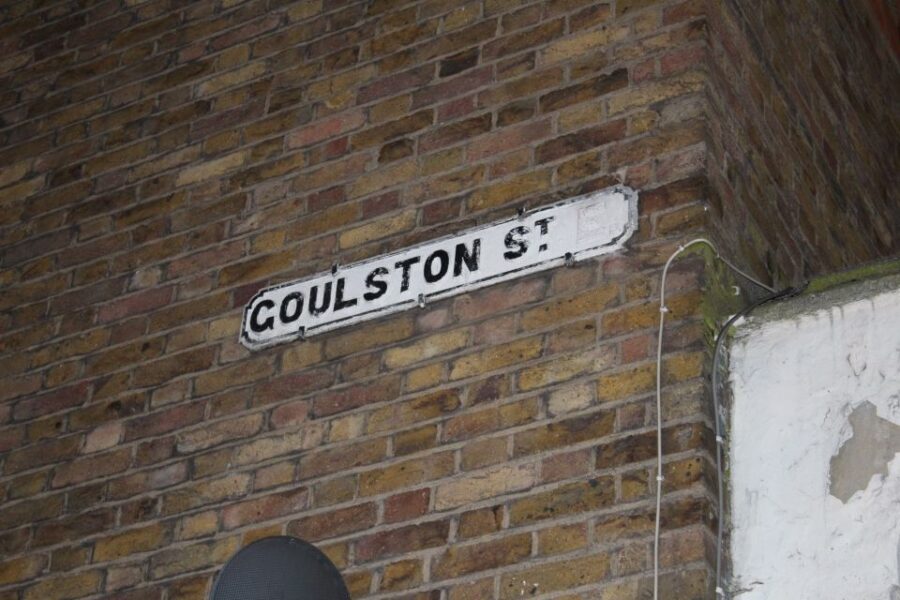
If you want the most talked-about section of the case, it’s the Goulston Street material. The tour explicitly highlights the clues and non-clues of Goulston Street, and you’ll hear why this particular detail gets so much attention from people who study the case.
There’s also a specific mention in feedback of the Goulston Street graffito and other physical details like the leather apron associated with the story. Even if you’re not a hardcore “Ripperologist,” you’ll benefit from the guide walking you through what’s known versus what’s argued.
Here’s why this part is valuable: it shows how an investigation can produce both evidence and confusion. A mystery doesn’t stay alive because everything is obvious. It stays alive when some items are clear while other interpretations pull in different directions. Goulston Street is where that tension really shows.



Documentary Photos and Letters: How Evidence Gets Brought Back
One standout feature is that the guide uses documentary evidence, including still photos and letters. That turns the tour from pure street storytelling into something closer to historical casework—at least in how it’s presented.
I like this approach because it breaks the spell. Instead of only hearing dramatic narration, you get tangible artifacts that support the claims being discussed. You can compare the guide’s explanation to what the documents suggest, even though the case itself remains unsolved.
It also helps you remember details. When the tour includes letters and photos, your brain has anchors. You’re not only tracking the plot of a spooky legend; you’re tracking specific pieces of evidence the guide points to while you stand in the area where the events unfolded.
The Unsolved Mystery: Rumors, Theories, and Why People Still Argue
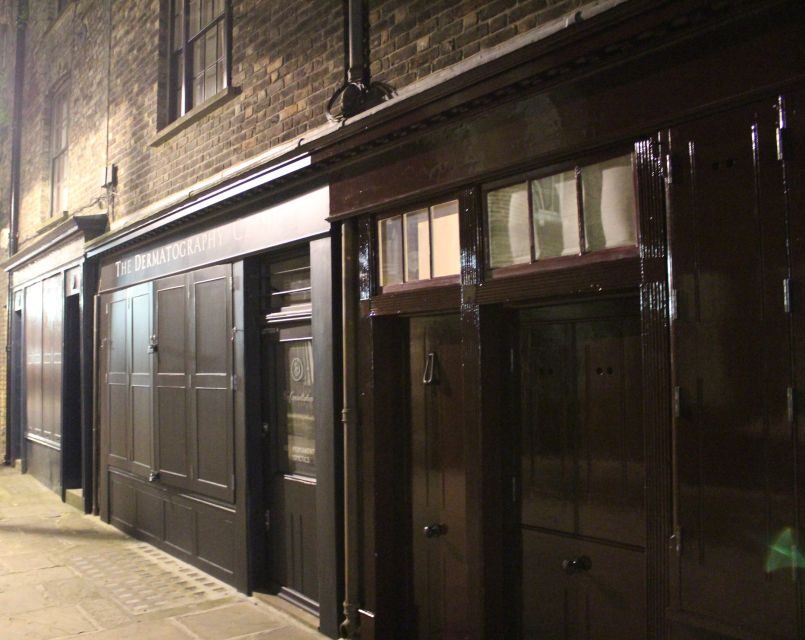
Jack the Ripper is famous for one reason: the identity is still unknown. The tour leans into that reality without pretending the debate is over. You’ll hear about the background leading up to the murders, the shock that followed, and the long-running hunt for answers that never fully closes.
A thoughtful touch is the way the guide compares the reality of 1888 with how the story gets retold later. The case didn’t just happen and disappear. It became a genre—one people shaped with fear, fascination, and their own ideas about what must have happened.
You’ll also hear the way guides handle theories. Some guides go further in discussing who they think might have been involved, while still keeping the overall tone respectful of the uncertainty. If you enjoy mysteries where the answer isn’t handed to you, you’ll probably have fun with the guided speculation and the chance to ask questions.
Your Guide Matters: Ian, Rory, Chris, and the Art of Story Pace
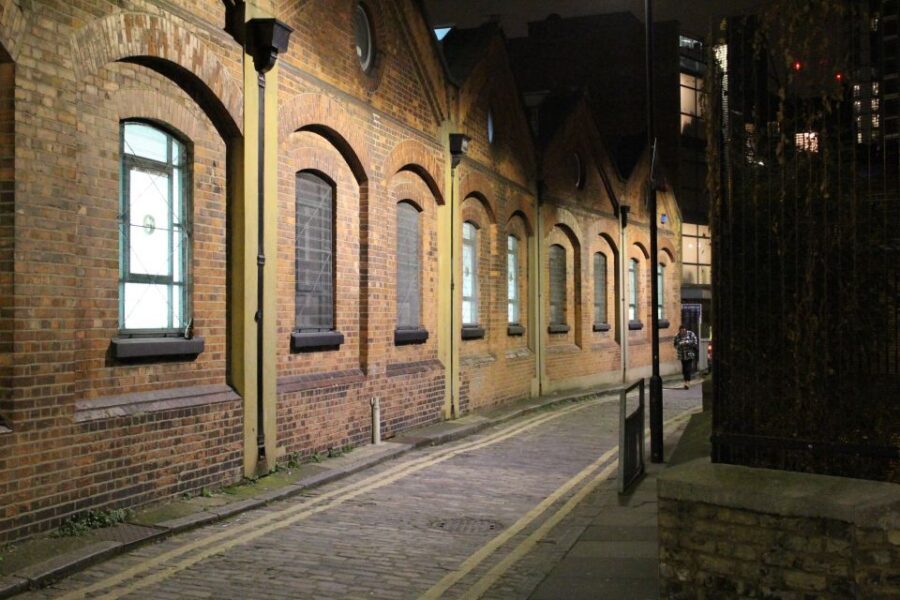
This tour is only as good as its storytelling, and the feedback is clear that guides do a lot of the heavy lifting. Names that show up repeatedly include Ian, Rory, Chris, Konstantin, Jed, Eva, and Michael. The common thread: guides come across energetic, friendly, and tuned to the group.
I’m picky about pace, and this matters for a 2-hour walking experience. When a guide keeps the story moving and clearly explains points (including for people whose first language isn’t English), the tour feels smooth instead of chaotic. One nice detail from feedback is that guides answer questions and make room for your thoughts, which helps the case feel like a conversation instead of a lecture.
Some guides also use dry British humor. That doesn’t erase the topic, but it can take the edge off long enough for you to actually absorb what you’re hearing.
Price and Value: Is $22.90 Worth a 2-Hour Walk?
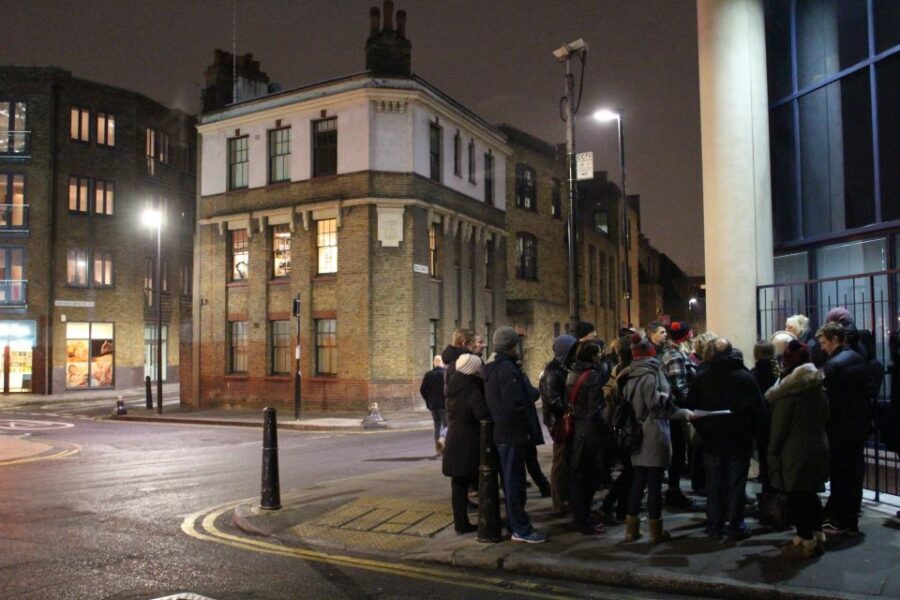
At $22.90 per person for about 2 hours, the value is mostly in three things: time, expertise, and delivery. You’re paying for a guided walk that links locations to the case story, plus evidence-based add-ons like photos and letters.
If you were planning to do this on your own, you’d likely spend extra time figuring out where to go and what details matter most at each stop. The tour compresses that work into a single experience with a professional guide, so you get context without doing the research legwork first.
For the money, you’re also getting a case-focused tour rather than a generic “East End highlights” walk. Even where buildings have changed, the guide’s job is to make the history legible in the present. That’s where the price turns into value.
Timing, Weather, and What to Wear for East End Streets
This is a 2-hour walking tour, and East End streets don’t care about your comfort. You’ll want shoes that handle uneven sidewalks, curb edges, and any damp weather the day throws at you.
If it rains, expect the tour to stay on schedule unless the provider says otherwise. Feedback includes people finishing the experience even after getting soaked, and that tells you the tour is built to go forward—so dress like you’re walking around London, not like you’re attending a museum.
Because the tour is in English only, it helps to be comfortable following spoken narration. If you’re an on-and-off listener, you might miss key clue details like the Goulston Street items, and those are a big part of the payoff.
Should You Book the Jack the Ripper Tour in London’s East End?
Book it if you want a story-forward walking tour that mixes real-world sites with documentary evidence and a guide who can keep the mystery lively. It’s also a great fit if you like unsolved cases where part of the fun is hearing what might fit—and what doesn’t.
Skip it if you dislike dark crime stories, graphic violence themes, or anything that feels too intense for a casual outing. Also, if you’re expecting every stop to look exactly like 1888, adjust your expectations: the guide works around the fact that the neighborhood has changed.
If you’re on the fence, here’s the simple rule: if you’re willing to walk for two hours and you enjoy mysteries with evidence and debate, this tour is a solid buy for the price.
FAQ
How long is the Jack the Ripper Tour in London’s East End?
The tour lasts 2 hours.
Where does the tour start?
Meet your guide 10 minutes before the tour to the left of the entrance of the City of London police station, 182 Bishopsgate London EC2M 4NP.
What time does it start?
Starting times depend on availability, since the tour runs at different times. Check availability to see the exact start times.
How much does it cost?
The price listed is $22.90 per person.
What language is the tour conducted in?
The tour is English only.
Is this activity a walking tour?
Yes, it’s a 2-hour walking tour through London’s East End.
Is there free cancellation?
Yes. You can cancel up to 24 hours in advance for a full refund.
Can I reserve without paying right away?
Yes. There’s a reserve now & pay later option, where you can book and pay nothing today.