REVIEW · LEEDS
Leeds: Daily Guided City Center Walking Tour (10:30am)
Book on GetYourGuide →Operated by Walking Tours In · Bookable on GetYourGuide
Leeds makes sense on foot. This 10:30am walking tour starts at Leeds Art Gallery with a local guide, stitching the city’s industrial roots to today’s shopping arcades, music venue, and market life.
I like the way the route stays tight and practical while still covering the big names: Town Hall, Victoria Quarter, and the Corn Exchange at the end. I also love the human touch—multiple guides have been praised for storytelling, humour, and even remembering everyone’s names.
One thing to consider: it runs rain or shine, and while it’s advertised as 90 minutes, a past group report said it ran closer to 120—so if you’re on a tight schedule, build in a little buffer.
In This Review
- Key highlights you’ll feel right away
- Starting at Leeds Art Gallery: easy meet-up, great walking base
- Leeds Town Hall and Millennium Square: the civic Leeds you can see
- Leeds City Museum and Leeds Cathedral: where the past becomes personal
- The Light and 4 Briggate: modern Leeds without losing the thread
- City Varieties Music Hall: the stop that earns its hype
- Victoria Quarter: Victorian-style shopping arcades with a guided lens
- Kirkgate Market: feeling local Leeds in a short stop
- Leeds Corn Exchange: a smart finish you can turn into lunch
- How the 90 minutes actually feels on the ground
- Price and value at about $18 per person
- Who should book this Leeds walk
- Should you book Leeds City Center Walking Tour at 10:30am?
- FAQ
- Where does the tour meet?
- What time does the tour start?
- How long is the Leeds city center walking tour?
- Is the tour in English?
- Does the tour run in bad weather?
- What’s included in the tour?
- Is the tour wheelchair accessible?
- What should I bring?
- FAQ
- Can I cancel for a refund?
- Can I reserve without paying right away?
Key highlights you’ll feel right away
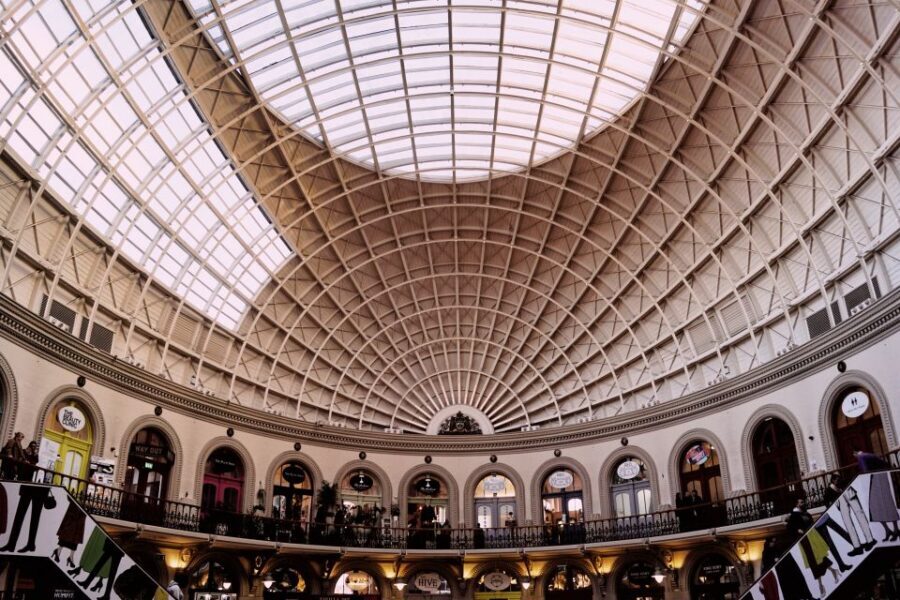
- A crisp city-center route with Town Hall, City Museum, Cathedral, City Varieties Music Hall, Victoria Quarter, Kirkgate Market, and the Corn Exchange
- Stories that connect eras, from a textile-era Leeds to the world’s oldest city music hall
- Real local perspective that goes beyond plaques—small side-stop points pop up along the way
- Victoria Quarter as the shopping-and-architecture pause, not just a quick photo stop
- The Corn Exchange as a smart finish, so you can keep exploring or grab lunch immediately
Starting at Leeds Art Gallery: easy meet-up, great walking base
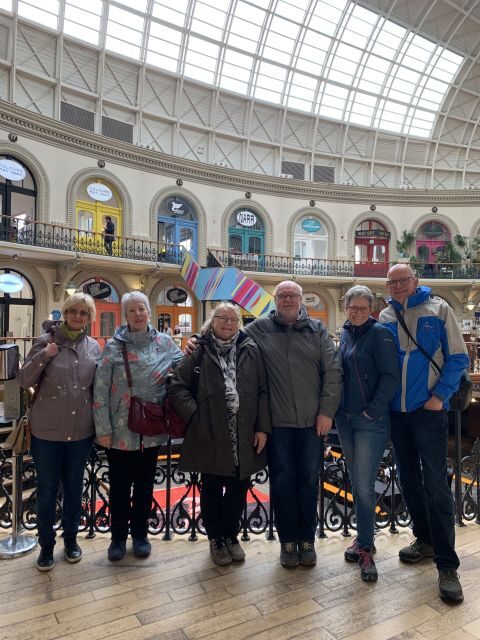
The tour begins outside Leeds Art Gallery in Victoria Square on The Headrow. Look for your guide in a bright orange jacket and lanyard—this is one of those meet-ups that’s designed to reduce stress. If you arrive a few minutes early, you can get your bearings fast: you’re already in the city center, with multiple major streets feeding out from here.
Why this starting point works: Art Gallery locations tend to sit near the civic and cultural spine of a city, and Leeds is no exception. Starting there helps you understand the shape of the center before you zoom into narrower streets and market life.
What to watch for: the tour is walking-based, so you’ll want comfortable shoes from the start. Leeds weather can switch quickly too, so I’d dress as if you might need both a light layer and a rain layer.
You can also read our reviews of more walking tours in Leeds


Leeds Town Hall and Millennium Square: the civic Leeds you can see
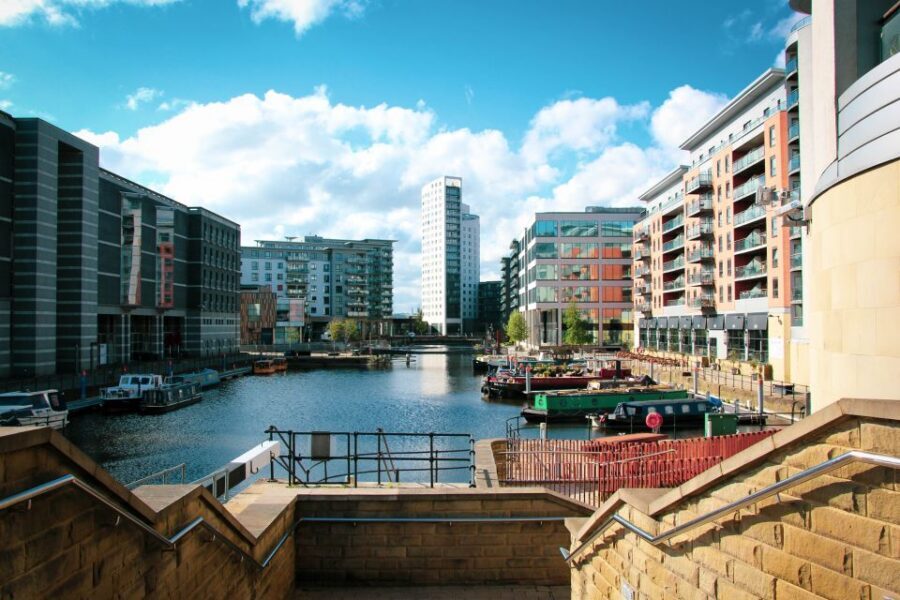
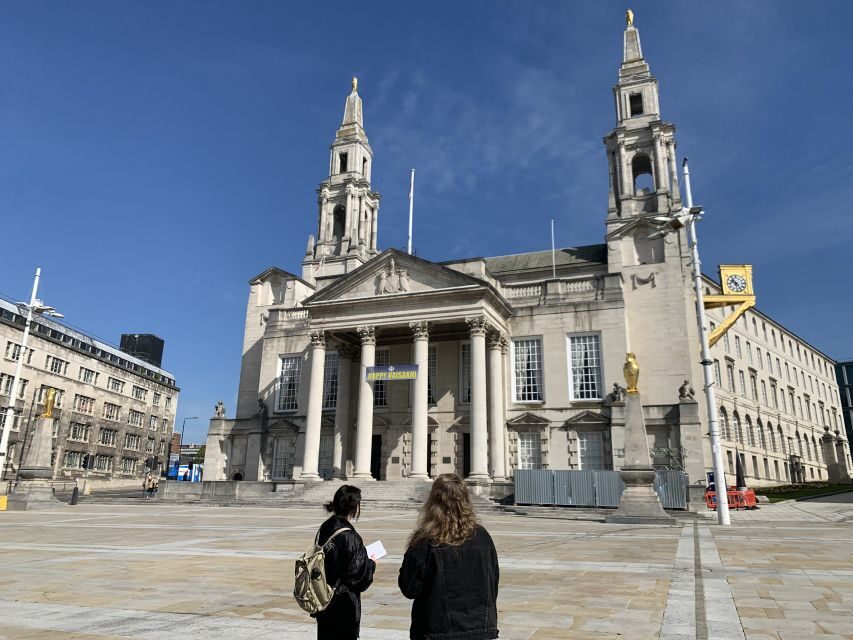
Your early walk brings you to Leeds Town Hall. This is the sort of place where a guided stop matters, because the exterior alone can look like just another historic building—until someone explains how it fits into Leeds’ growth as an industrial powerhouse and later as a cultural hub.
Next up is Millennium Square, a practical interlude in the schedule. Squares like this are valuable on a walking tour because they give you a breather from continuous pavement time, plus they’re good spots for photos and big-picture orientation.
The trade-off: if you’re hoping for long indoor time, this tour is mostly built around sightseeing from outside and on the move. You’ll still get plenty of context, but don’t plan on museum hours or deep interior exploration.
Leeds City Museum and Leeds Cathedral: where the past becomes personal
You’ll pass Leeds City Museum after Millennium Square. This is where the tour starts to feel more than “landmarks in a line.” A museum stop usually turns architecture and street scenes into something you can interpret—how Leeds thought about culture, identity, and civic pride as the city changed.
Then comes Leeds Cathedral. A cathedral stop gives you a different kind of scale compared with the civic buildings earlier in the route. Even if you’re not a die-hard architecture person, it helps you read the city’s street geometry. You notice how the older structures and newer developments relate to each other.
One drawback to keep in mind: religious sites often mean quiet rules and best-practice respect for dress and behavior. The good news is that a city-center guided walk typically keeps the timing tight, so you’re not stuck lingering in a way that disrupts the rest of the route.
The Light and 4 Briggate: modern Leeds without losing the thread
After the more traditional landmarks, the tour shifts gears with The Light. This stop is a helpful reminder that Leeds isn’t stuck in its own past. You get a visible marker of the city’s modern layer—exactly the kind of contrast that makes earlier stories land better.
Then you’ll head to 4 Briggate for another sightseeing moment. Briggate is one of those central streets where you can feel the city moving. On a guided walk, this kind of stop matters because it’s where you see how commerce, history, and daily movement all share the same sidewalks.
If you prefer a very slow-paced walk with lots of pauses to sit down, this may feel a bit brisk. The route is designed to cover a lot in 90 minutes, so you’ll want to be ready to keep moving.
City Varieties Music Hall: the stop that earns its hype
One of the most talked-about parts is City Varieties Music Hall. The tour description flags it as the world’s oldest city music hall, and the guide storytelling is clearly a big part of why people leave excited. This is the kind of landmark where history becomes vivid fast—because it’s tied to performance culture, not just dates on stone.
I like this stop because it reframes what you think a city center “should” look like. Instead of only focusing on grand civic buildings, you get a venue connected to everyday entertainment life.
What to consider: depending on what’s happening outside (events, crowds, foot traffic), you might not get a long viewing moment. The guide should keep the timing manageable, but it’s still a busy central area.

Victoria Quarter: Victorian-style shopping arcades with a guided lens
Next comes Victoria Quarter, one of the tour’s anchor points. Here’s what you’ll get beyond shopping: guidance that explains why these arcades feel special, and how Leeds’ past industrial wealth and modern retail life connect in the same streetscape.
A few practical tips for this part:
- Wear shoes that can handle standing and light walking inside shopfront corridors.
- If you want a quick snack break, plan it around the Victoria Quarter stop rather than later.
Why it’s such good value on this tour: arcades are easy to stroll through on your own. The difference here is that you’re not just walking past details—you’re learning what to look for, and how the design fits Leeds’ story.
Kirkgate Market: feeling local Leeds in a short stop
Then you’ll reach Leeds Kirkgate Market. This is where the tour connects the city’s identity to something you can still experience daily. Markets have a way of making history feel practical because they reflect what people actually do—browse, talk, trade, and return.
I also like that the market stop is placed after the shopping arcades. By then, your brain already has Leeds visuals lined up, so the market adds texture: not just architecture, but atmosphere.
What to watch for: markets can be crowded, and conditions vary by day. If you’re visiting with someone who hates crowds, you may want to pace your time through this area with the guide so you don’t feel rushed.
Leeds Corn Exchange: a smart finish you can turn into lunch
The tour ends at the Leeds Corn Exchange. This is a strong wrap-up choice because it’s a natural place to transition from guided sightseeing to independent time. You can grab lunch, browse nearby streets, or just keep photographing architectural details that now feel meaningful because you’ve heard the city’s story in order.
This also helps if you’re thinking practically: finishing at a major landmark keeps your next steps simple. You won’t need to retrace your steps or guess your way back into the center.
If you want the best use of your last 10 minutes, don’t burn it all on photos—listen for your guide’s final pointers. People often benefit from that last bit of direction about what to do next in the same area.
How the 90 minutes actually feels on the ground
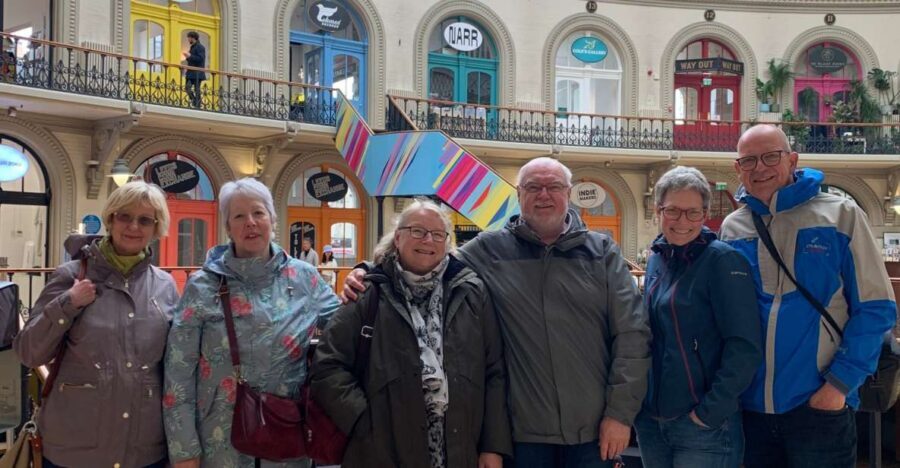
This is a 90-minute walking tour with a set city-center flow. That timing matters. It’s short enough to keep it energetic, but long enough to connect multiple eras—industrial past, civic ambition, performance culture, and modern shopping/market life.
A few practical notes that will help you enjoy it more:
- Bring comfortable shoes. You’ll be on your feet most of the time.
- Dress for weather. The tour runs rain or shine, so plan for it rather than hoping.
- Come with curiosity. The guides have been praised for answering questions readily, so if something sparks your interest—an era, a building style, or a name—ask.
Pacing note from real-world experience: one past group reported the tour running around 120 minutes instead of exactly 90. That’s not the norm you should plan around, but it’s a good reason to avoid booking something that starts immediately after your tour ends.
Price and value at about $18 per person
At $18 per person for a guided city-center walk, this is priced like a “buy your bearings” experience. You’re not paying for rides or tickets; you’re paying for a local guide to stitch the stops together with context and stories.
That value holds up because the most consistent praise is about guide quality:
- Guides have been credited with humour and storytelling, not just facts.
- Multiple guests mention the guide remembering names, which makes the group feel more personal.
- One guest even highlighted advice on restaurants, which is the kind of practical bonus that can save you time later.
Who this is best for: first-timers who want structure, and even repeat visitors who want a better lens on buildings they’ve walked past a dozen times.
Who might find it less ideal: if you want ultra-deep, slow, academic history, this is still a walking introduction. You’ll get enough to orient yourself, but it’s not designed as a full lecture.
Who should book this Leeds walk
This tour fits you well if:
- you want a guided route through the city center without figuring out everything on your own
- you care about architecture and stories, not just photo stops
- you’re juggling a short stay and want the highlights (Town Hall, City Varieties Music Hall, Victoria Quarter, Kirkgate Market, Corn Exchange) in one go
It also makes sense for locals who want fresh angles. One guest said they learned a lot even having been to Leeds multiple times, which is a good sign the guide’s approach isn’t only for newcomers.
Should you book Leeds City Center Walking Tour at 10:30am?
If you’re spending time in central Leeds and want a quick, guided way to understand how the city grew from industrial days into a culture-and-shopping hub, I’d book it. The price is reasonable, the route covers major anchors plus smaller local-interest stops, and the guide experience gets consistently high marks for personality and question-answering.
One final callout: wear shoes, expect rain if it comes, and don’t schedule something that can’t move if the tour runs a bit over. If you do that, you’ll walk away with a clearer sense of Leeds—and a better list of places to explore after the group finishes at the Corn Exchange.
FAQ
Where does the tour meet?
The tour meets outside Leeds Art Gallery in Victoria Square on The Headrow, where your guide will be wearing a bright orange jacket and lanyard.
What time does the tour start?
The tour starts at 10:30am.
How long is the Leeds city center walking tour?
It lasts 90 minutes.
Is the tour in English?
Yes, the live tour guide provides the experience in English.
Does the tour run in bad weather?
Yes, it runs rain or shine.
What’s included in the tour?
You’ll see (with sightseeing stops) Leeds Town Hall, Leeds Art Gallery area at the start, Millennium Square, Leeds City Museum, Leeds Cathedral, The Light, City Varieties Music Hall, 4 Briggate, Victoria Quarter, Leeds Kirkgate Market, and the Corn Exchange (finish).
Is the tour wheelchair accessible?
Yes, it’s listed as wheelchair accessible.
What should I bring?
Bring comfortable shoes and weather-appropriate clothing.
FAQ
Can I cancel for a refund?
Free cancellation is available up to 24 hours in advance for a full refund.
Can I reserve without paying right away?
Yes, you can reserve now and pay later, so you can book your spot and pay nothing today.