REVIEW · BALLOCH
Loch Lomond: Sea Life Entrance Ticket
Book on GetYourGuide →Operated by Merlin Entertainment (Sea Life) Ltd · Bookable on GetYourGuide
A trip to Loch Lomond is better with underwater stops. Sea Life Loch Lomond turns Scotland’s lochs into an animal-filled route, with 1,500+ creatures and hands-on moments like the interactive rock pool. I especially like the chance to get close to sharks and to watch the otters during feeding times.
Just keep expectations grounded. At about $19 per person, the visit can feel a bit short if you’re expecting a whole-day theme-park crawl, even though there are plenty of talks and animal encounters to catch if you plan your timing well.
In This Review
- Key highlights I’d aim for
- First stop: what this ticket actually delivers
- Your best route: start where the aquarium is calm
- Lair of Claws: sea-bed predators close to eye level
- Starfish and the interactive rock pool: the part you’ll tell friends about
- Otters Lily, Pickle and Cub: schedule your day around feeding
- Tropical ocean tunnel: movement, sound, and a visual shift
- Blacktip sharks and ocean-tank favorites
- Scotland’s native waters: deep loch tank and rare species
- Big-bellied seahorses and the cow nose ray moment
- Talks and feeding: how to get more out of a single day
- Price and value: is $19 per person fair?
- Who will enjoy Sea Life Loch Lomond most?
- Practical things to know before you go
- Should you book this Sea Life Loch Lomond ticket?
- FAQ
- What’s included with the Sea Life Loch Lomond entrance ticket?
- How many creatures can I expect to see?
- Can I touch animals there?
- Which animals are highlighted during the visit?
- Are food and drinks included?
- What are the main restrictions I should know?
- Is it wheelchair accessible?
- How long is the ticket valid?
Key highlights I’d aim for
- Lair of Claws: see predators on the sea bed up close
- Interactive rock pool: touch starfish and other creatures
- Otters Lily, Pickle and Cub: schedule your visit around feeding
- Deep loch tank (opened March 2016): native UK shark and ray species
- Blacktip reef sharks: a memorable face-to-face moment in the big ocean tank
- Cow nose rays in the bay of rays: called out as the only cow nose rays in Scotland
First stop: what this ticket actually delivers
Sea Life Loch Lomond is an indoor aquarium experience built around themed habitats. You’re not just looking at fish behind glass—you’re moving through different “zones,” each designed to make you feel like you’re traveling from Scotland’s native waters into more tropical-style settings.
The big promise here is scale: over 1,500 creatures. That matters because it changes the vibe from a quick look-and-leave to a proper circuit. Even if you’re not an aquarium superfan, the number of animals makes it easier to find something new on almost every turn.
Two other things help set the tone. First, there are daily talks, which give your visit structure and a reason to slow down. Second, there’s an emphasis on live behavior and feeding—especially with the otters—so you get moments that feel active, not static.
You can also read our reviews of more tours and experiences in Balloch.


Your best route: start where the aquarium is calm
If you can choose a start time, I’d pick early or late afternoon. The aquarium is generally quieter then, which makes a difference when you’re trying to get clear views and actually read the animal info at a comfortable pace.
Also, plan for a steady flow rather than rushing. This kind of attraction rewards you for moving from one highlight zone to the next at the tempo of the day’s talks and feeding times. If you miss those, you still see animals—but you lose the “show” part that makes the visit feel worth it.
Lair of Claws: sea-bed predators close to eye level
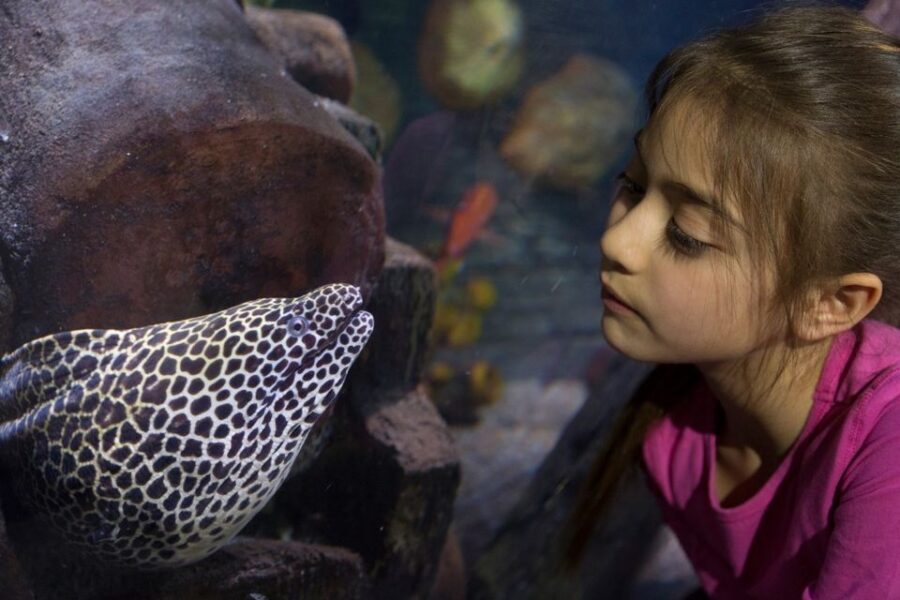
One of the standout sections is the Lair of Claws, where you’re meant to meet feared predators on the sea bed. That phrase can sound dramatic, but the real payoff is the angle and framing. These are animals that often get portrayed as hidden or distant. Here, the setup aims to put you in their world instead of treating them like a distant exhibit.
What to do here:
- Watch for how the animals position themselves against the tank surfaces. Predators often look more intimidating when they’re not swimming fast—they’re waiting.
- Spend extra time at eye level. The experience is designed for close viewing, and you’ll get more from it that way.
If you’re coming with kids, this is also a good “hook” moment. It’s thrilling without needing to be scary. It’s one of the places that can quickly turn a casual visit into a story you’ll remember later.
Starfish and the interactive rock pool: the part you’ll tell friends about
If you’re looking for something tactile, the interactive rock pool is a key stop. The experience includes the chance to touch starfish and other creatures, which is rare enough that it tends to become the highlight for many people.
Why I think this matters:
- It turns your visit into a sensory memory, not just visuals.
- It gives you a break from reading tank after tank—one moment is hands-on, then you can move on refreshed.
Practical tip: be ready for a quick staff briefing and follow their guidance. Aquariums are strict about how you interact with animals for both safety and animal welfare, and the whole point is that you can do it properly.
Otters Lily, Pickle and Cub: schedule your day around feeding
Next, don’t treat the otters as an optional “nice to see.” This is a featured part of Sea Life Loch Lomond, with a playful family named Lily, Pickle and Cub. The experience includes creature feeding, and the otter feeding is one of the most likely moments to add real life to the visit.
Here’s how to make it work:
- Check feeding timings when you arrive.
- Plan to be in the right area a bit early so you’re not stuck watching from the back.
This is also where the visit can feel most “worth it.” When the otters are active, they steal attention in a way that static tanks can’t. And if you’re paying for the ticket, feeding times are one of your best ways to justify the cost.
Tropical ocean tunnel: movement, sound, and a visual shift
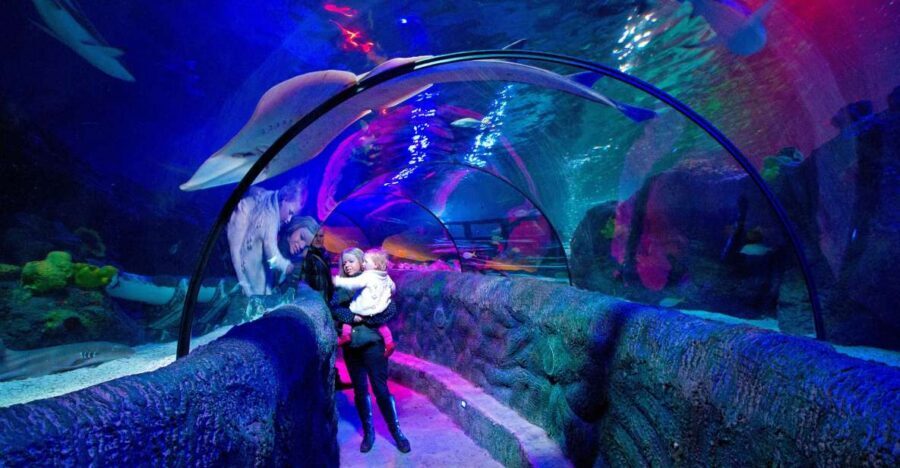
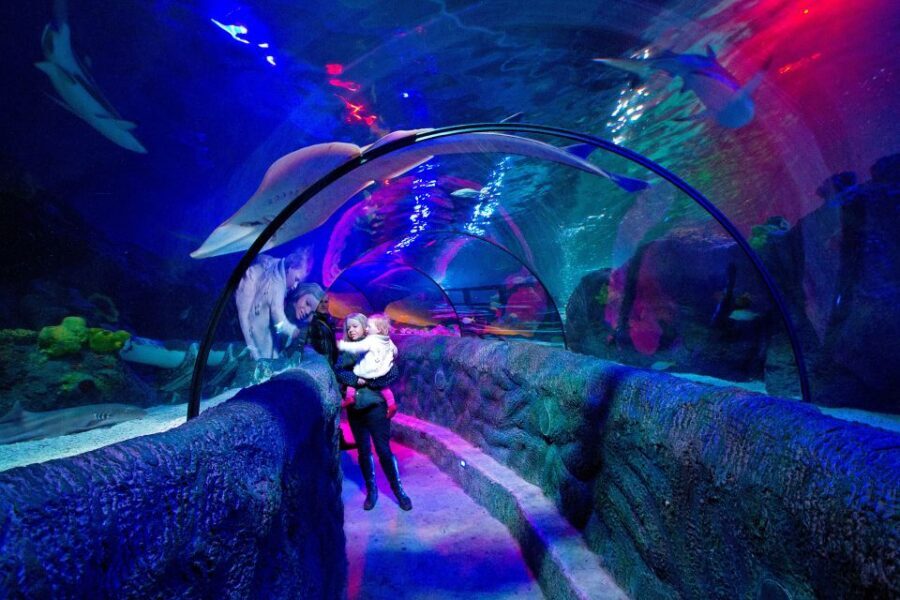
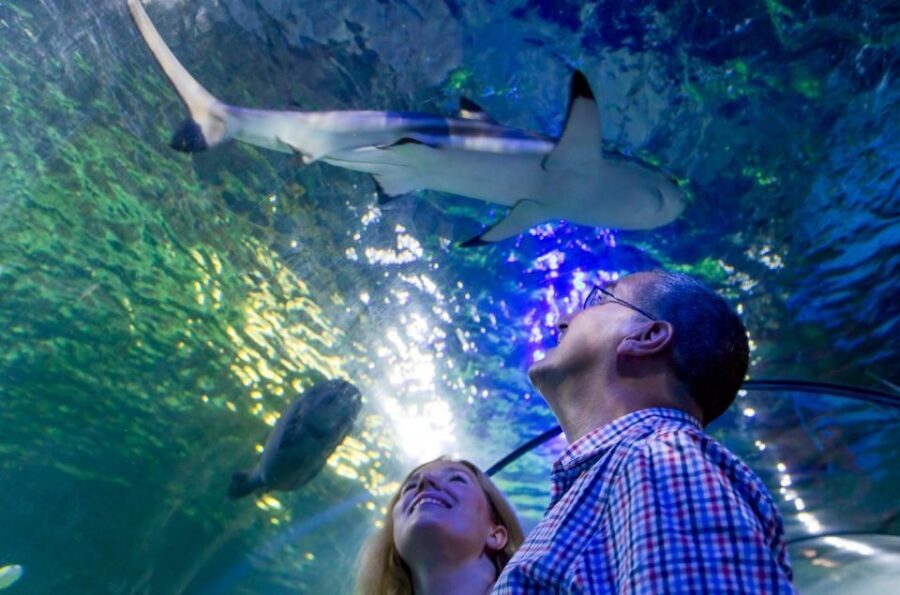
The tropical ocean tunnel is part of the journey from Loch Lomond’s theme toward more tropical ocean settings. The value of a tunnel section is simple: it keeps you moving while framing the animals around you, so you’re not constantly turning your head between separate displays.
What you should expect here:
- A more immersive feeling than a standard front-facing tank.
- A stronger sense of water depth and scale, especially as you come face-to-face with different sea creatures.
This is a section I’d treat like a reset. After you’ve done touch-and-feeding and predator watching, the tunnel helps break up the pace.
Blacktip sharks and ocean-tank favorites
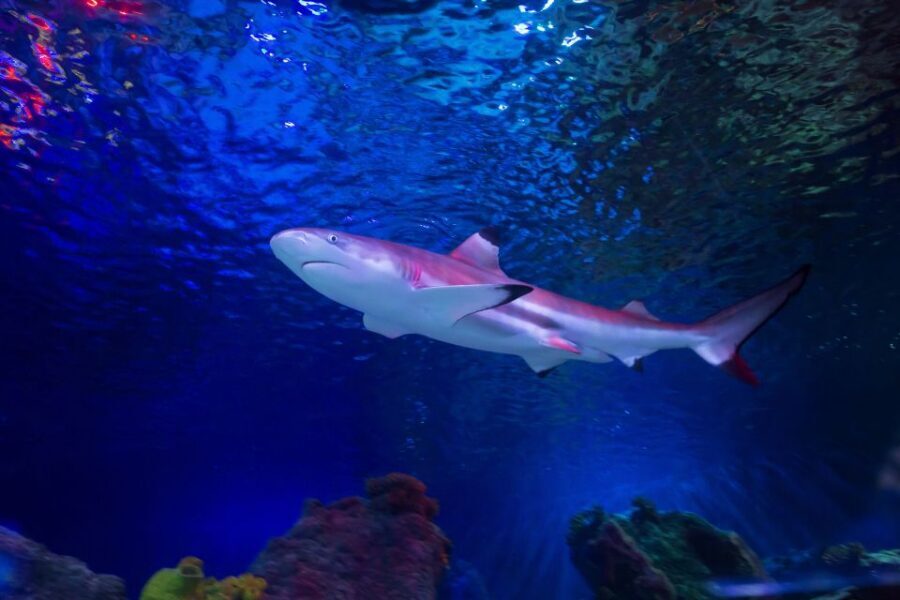
Sea Life Loch Lomond highlights multiple shark moments, including blacktip reef sharks in the big ocean tank. Blacktips are described as popular sharks from the tropical coral reefs of the Indian and Pacific Oceans, with a preference for shallow inshore waters. That detail helps you interpret what you’re seeing: their behavior isn’t random; it’s tied to the habitat they’re adapted to.
What to do:
- Watch for patterns rather than speed. Some sharks glide; others pause. The tank setup often makes the calm moments just as interesting.
- If you’re sensitive to anything intense, remember this is a controlled aquarium environment. You’re close, but it’s still a safe setting designed for visitors.
Also included are other “critters of the sea” you’ll come across in the same tunnel-to-tank flow, so the shark moment usually isn’t the only thing happening. It’s the anchor, not the only attraction.
Scotland’s native waters: deep loch tank and rare species
One of the more interesting educational angles here is the push toward native Scottish waters. You’ll explore the lochs of Scotland and what can be found in native habitats, not just tropical ocean animals.
The standout section is the deep loch tank, which opened in March 2016. It’s described as home to native species of shark and rays found in UK waters. If you like your aquarium experiences tied to real geography, this is the part that makes the attraction feel more rooted in place.
There’s also a callout for a rare albino dogfish. It’s not something you can count on to appear on schedule, but the fact that it’s mentioned tells you the aquarium is tracking and showcasing special-interest species—not only common exhibit favorites.
Big-bellied seahorses and the cow nose ray moment
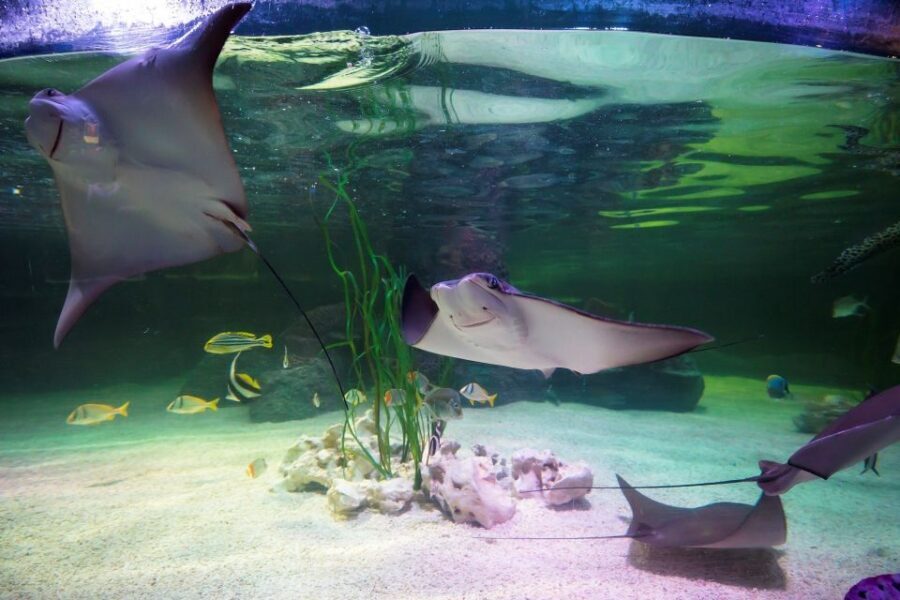
If you want something a little different from the usual “big fish” stars, the aquarium includes a big-bellied seahorse highlight. The big-bellied seahorse’s long, curly, grasping tail is described as part of why it’s among the largest seahorse species, reaching up to 30 centimeters.
Why this is a good use of time:
- Seahorses reward patience. You’ll see more by slowing down than by rushing.
- It adds variety after sharks and rays, since their movement style is more subtle.
Then comes the bay of rays, with a special mention: cow nose rays. You’re told these are the only cow nose rays in Scotland, which makes this a very specific “check it off” moment if you’re into seeing animals that are rare in your region.
Talks and feeding: how to get more out of a single day
You’ll get daily talks included, plus creature feeding (check timings on arrival). This is where the visit becomes less like a passive walk-through and more like a live program.
My advice:
- Treat talks like guideposts. They help you decide where to go next without overthinking it.
- Build your schedule around the feeding you care about most, especially the otters.
Even if you don’t stay through every talk, catching one or two can make the whole day feel more active and intentional.
Price and value: is $19 per person fair?
$19 per person is not a bargain, and it’s also not wildly out of line for a major animal attraction. The key is what you do with that ticket price.
If you’re the type who:
- waits for feeding times,
- enjoys interactive touches like the rock pool,
- and spends time on the star attractions like otters and sharks,
…then you’re likely to feel the money is justified. The experience offers multiple “wow” moments, not just one.
If you’re expecting a long, wandering, all-day spectacle, it may feel like it moves faster than you want. One of the practical realities is that an aquarium circuit can be completed in a relatively compact time span, even though there’s plenty to see. So: go in hungry for the highlights, not for endless roaming.
Who will enjoy Sea Life Loch Lomond most?
This is a strong match for:
- Families with children who want a mix of touching, feeding, and dramatic animal moments.
- People who like hands-on learning without needing to research anything beforehand.
- Anyone visiting Loch Lomond who wants an indoor option that still connects to the local lochs and native species.
It’s less ideal if:
- you need a very long full-day activity with lots of separate attractions,
- or you prefer high-intensity activities over aquarium viewing.
Practical things to know before you go
A few rules and on-the-ground details help your visit go smoothly:
- Flash photography isn’t allowed.
- Unaccompanied minors aren’t allowed.
- Children under 16 must be accompanied by an adult.
- Infants aged 3 and under enter for free, but you should still reserve a ticket.
- The aquarium is wheelchair accessible, and guests with disabilities pay the standard price while their carer enters free of charge (check the attraction site for specific facilities).
If you’re traveling with kids, the biggest “gotcha” is planning around accompaniment rules and feeding times so everyone has something to look forward to.
Should you book this Sea Life Loch Lomond ticket?
I’d book if you want a straightforward, single-day aquarium visit with several clear highlights: interactive starfish touching, otter feeding, shark encounters, and at least one Scotland-native section via the deep loch tank.
I’d hesitate if you’re very budget-driven or if you need a day that feels stretched out with lots of time-consuming activities. In that case, go with a plan: pick the feeding moments you care about, arrive when it’s quieter, and spend extra time at the big exhibits instead of drifting aimlessly.
If you’re nearby and looking for an indoor experience that still feels connected to Loch Lomond and UK marine life, Sea Life Loch Lomond is one of the easiest “yes” choices around.
FAQ
What’s included with the Sea Life Loch Lomond entrance ticket?
Entrance to Sea Life Loch Lomond is included, along with daily talks, creature feeding (check timings on arrival), and a map and information leaflet.
How many creatures can I expect to see?
The experience is described as featuring over 1,500 creatures.
Can I touch animals there?
Yes. There’s an interactive rock pool where you can touch starfish and other creatures living in the rock pool.
Which animals are highlighted during the visit?
Key highlights include otters named Lily, Pickle and Cub, starfish displays, shark encounters including blacktip sharks, and rays (including cow nose rays). There’s also mention of a rare albino dogfish.
Are food and drinks included?
No. Food and drinks are not included.
What are the main restrictions I should know?
Flash photography isn’t allowed, and unaccompanied minors aren’t allowed. Children under 16 must be accompanied by an adult.
Is it wheelchair accessible?
Yes, it’s wheelchair accessible. Guests with disabilities pay the standard price, and their carer enters free of charge (check the attraction website for facility details).
How long is the ticket valid?
It’s valid for 1 day. Starting times depend on availability, so you’ll want to check when you can enter for your chosen date.