REVIEW · LONDON
London: Beatles Magical Mystery Tour; Abbey Road, Savile Row
Book on GetYourGuide →Operated by Compleat Walks · Bookable on GetYourGuide
Beatles landmarks in two jam-packed hours. I love the direct walking route past Abbey Road and the photo-first stop at Savile Row, because you’re not just hearing stories—you’re standing where they happened. A good consideration: the pacing is brisk, with several quick photo/pass moments, so you’ll want comfortable shoes and realistic expectations about time inside any sites.
What makes it work is the guide. Graeme is one example of a tour leader praised for being a real Beatles historian with a patient, fun style, which turns the stops into clear, story-driven context. If you’re hoping for a slow, museum-style day, this may feel short.
In This Review
- Key things you’ll notice on this Beatles walk
- Dominion Theatre to Abbey Road: how the route actually feels
- Starting point at the Dominion Theatre: get your bearings fast
- Soho and the quick Trident Studios pass: where the loud stuff lived
- Savile Row photo stop: Apple HQ and the rooftop finale
- The subway transfer between areas: plan for tap-in/tap-out
- Abbey Road zebra crossing: the iconic photo moment
- Abbey Road Studios area: Hey Jude, Sgt. Pepper, and the feeling of place
- Paul McCartney’s Beatlemania-era residence: the personal layer
- What you’re really paying for: value in 2 hours
- Days to book: when the shorter tour fits your schedule
- So who is this best for?
- Should you book the London Beatles Magical Mystery Tour?
- FAQ
- Where does the Beatles tour start?
- How long is the tour?
- What are the main places you visit?
- Do I need to use the tube during the tour?
- Is the guide English-speaking?
- Which days does this 2-hour tour run?
- Is food included?
Key things you’ll notice on this Beatles walk
- Abbey Road zebra crossing photo time set up for the classic shot
- Trident Studios pass-by where big recordings happened
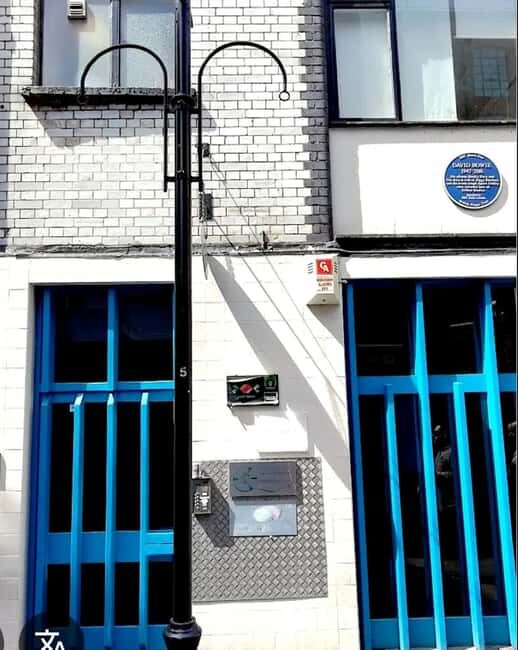
- Savile Row photo stop tied to Apple HQ and the rooftop moment
- Hey Jude recording reference tied to the Abbey Road Studios area
- Paul McCartney residence during Beatlemania adds a personal angle
- A guided subway transfer between the West End and Abbey Road, so you’ll plan for tap-in/tap-out
Dominion Theatre to Abbey Road: how the route actually feels
This tour is built like a tight “greatest hits” walk around London’s Beatles map. It starts outside the front of the Dominion Theatre, then heads into the West End/Soho area before shifting over to Abbey Road.
The big win for you is flow. You’re not stuck bouncing between far-flung neighborhoods with dead time. You’re walking, stopping, and getting explanations right as landmarks appear. The second big win is focus: you’ll hit the three Beatles zones people usually talk about—Soho, Savile Row, and Abbey Road—plus a couple of extra connections that make it feel less like a checklist.
You can also read our reviews of more tours and experiences in London.



Starting point at the Dominion Theatre: get your bearings fast
Meet outside the front of the Dominion Theatre. I like starting at a clear, easy-to-find landmark because it helps you get your bearings fast before the tour begins.
From there, you’ll quickly move into central London. The early part matters because it sets the tone: you’re guided through the geography of how the Beatles era moved through the city—recording locations, business addresses, and the streets where the public story met the studio world.
Practical tip: plan to arrive a few minutes early. With a 2-hour format, “late” turns into “rushed,” and these are the kinds of stops where you’ll want a calm moment for photos.
Soho and the quick Trident Studios pass: where the loud stuff lived
Soho is where you start feeling the Beatles in the real London of the era: a neighborhood of music, media, and energy. Your visit here is timed (about 20 minutes), which is enough to take in the vibe and move efficiently.
Then comes Trident Studios, passed by for a short stop. Even though you’re not lingering, it’s a meaningful moment: Trident is tied to major Beatles recordings, and you’ll get that connection explained so it doesn’t turn into just another street corner.
The value here isn’t only the name. It’s the way the guide frames what a studio address represents: people walking in and out, sessions happening on a schedule, and the difference between a public “Beatlemania” headline and what was actually being made behind the walls.
If you love audio-related travel—thinking about where songs were shaped—this pass-by can still feel satisfying because the guide turns it into a story.
Savile Row photo stop: Apple HQ and the rooftop finale
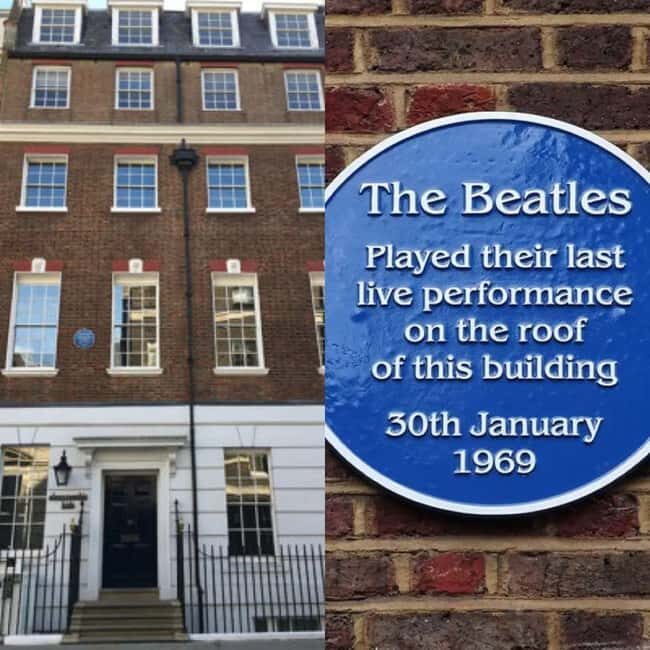
Savile Row is one of the most interesting parts of the route because it’s more than just a pretty street. The tour builds a specific Beatle thread here: Savile Row, tied to Apple HQ, plus the unforgettable rooftop where the band gave their final public performance.
You get a photo stop (about 15 minutes). That timing is important. It gives you enough time to take the classic-style photos and also to look around the streetscape, which is where Savile Row surprises people. It doesn’t feel like a theme park. It feels like a working London street, with the Beatles story sitting on top of the ordinary business world.
This is the moment I think is most “you’ll remember this” if you’re a Beatles fan. The rooftop idea is instantly recognizable, and being in the right area makes the story feel less abstract.
One consideration: Savile Row is a photo stop, not a long museum visit. If you want a ton of time inside related buildings, this short tour may feel like a taste, not a full meal.
The subway transfer between areas: plan for tap-in/tap-out
A key logistics point: the tour travels via subway/metro between central London and Abbey Road. That means you should have a travel card or be able to tap in and tap out at the tube station.
Why this matters: it affects your stress level. When you know the transit is part of the experience, you don’t end up guessing which stations to use or whether you’ll be able to pay quickly. You’ll also save time because the guide is keeping the group moving.
Also note what’s not included: transportation to and from the starting point, and tube travel between central London and Abbey Road are not included. You’re still getting the guided route and the “right order” of stops, but you need your own tube fare for that segment.
If you’re arriving from the airport or another part of London, build in time before meeting so you’re not trying to solve transit right at the start.



Abbey Road zebra crossing: the iconic photo moment
Then you hit the reason many people book: the Abbey Road zebra crossing photo stop. It’s short (about 10 minutes), but it’s the kind of stop you plan for, because you’re lining up for the most recognizable photo in the Beatles universe.
I like photo stops like this because they remove decision fatigue. You’re not wandering around wondering what angle “counts.” The guide helps you get into position, and you can focus on getting the shot without turning it into a scavenger hunt.
The other thing you’ll get, if the guide is doing the job well, is context. The crossing isn’t just a photo prop. It’s part of the larger Abbey Road story: a studio era, a public-facing moment, and the way pop culture turned a street into an international destination.
Wear shoes you can walk in comfortably. The station-to-street movement and the time spent lining up are the real physical work here.
Abbey Road Studios area: Hey Jude, Sgt. Pepper, and the feeling of place
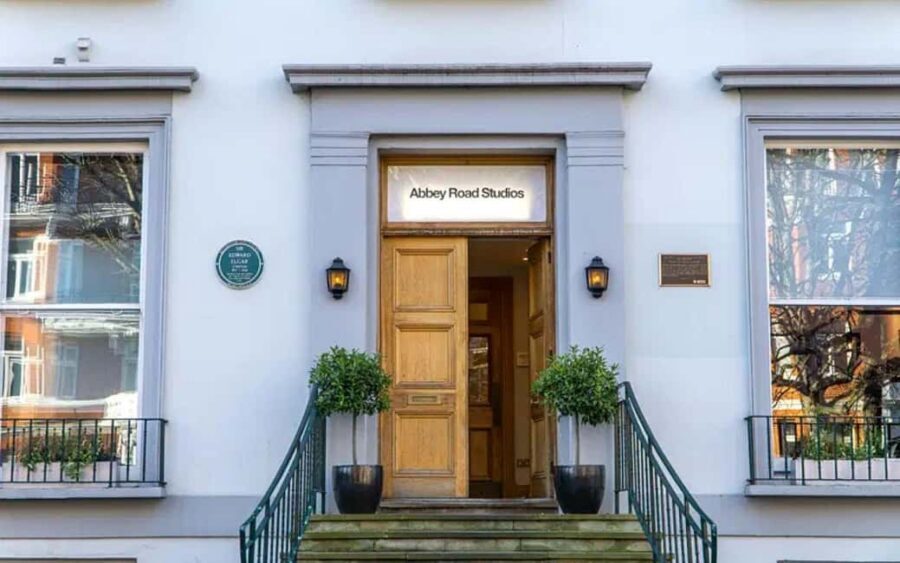
Next comes the Abbey Road Studios area. You’ll have time to shop and pass by (about 15 minutes). Even if you’re not going deep into rooms, being in the studio zone matters.
This is where the tour’s most specific music references come into play. You’ll see the area tied to Hey Jude and also hear about major albums brought to life at Abbey Road, including Sgt. Pepper’s Lonely Hearts Club Band.
The “why” is simple: the Beatles didn’t just write songs. They shaped sound and rhythm with careful studio work. When you stand in the Abbey Road environment, those studio references stop feeling like trivia and start feeling like part of a real production process.
One more practical angle: because there’s shopping and passing time, this stop works for a wide range of interests. If you’re there for music, you’ll care about the recording connections. If you’re there for the travel souvenir side, you’ll have time to browse. It keeps the tour from feeling one-note.
Paul McCartney’s Beatlemania-era residence: the personal layer
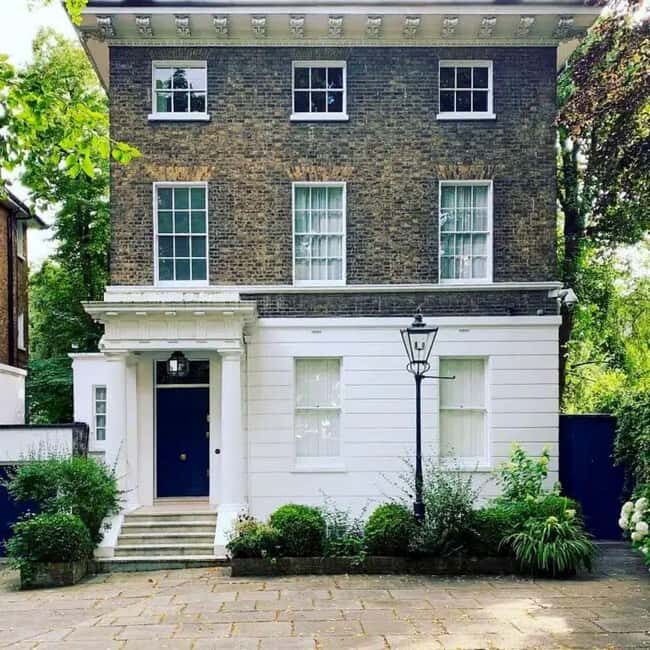
Another standout included stop is a visit to Paul McCartney’s residence during Beatlemania. That’s a different kind of Beatles landmark: not a studio address or a public performance reference, but a personal location tied to the pressure and intensity of that era.
I like this kind of stop because it helps you remember that the Beatles weren’t only symbols. They were people living normal routines in a not-normal world. Even with just a brief look, it adds a human scale to all the famous places.
It also helps the day feel varied. You go from public icons to recording institutions to a glimpse of home-life. That contrast is why the tour holds attention even when you’re moving fast.
What you’re really paying for: value in 2 hours
At around $66 per person for a 2-hour guided experience, this is one of those Beatles tours that earns its price by efficiency. You’re not paying for a long bus ride or a day-long lecture. You’re paying for:
- a guide who connects multiple locations into one clear narrative
- timed stops that let you photograph key landmarks
- included site visits (Abbey Road, Trident Studios, Savile Row, Paul’s residence)
- a specific photo opportunity at Abbey Road
The best value is for you if you want the “must-sees” without building your own plan. Abbey Road alone takes effort if you’re busy, and Trident/Savile Row can be easy to miss if you’re not sure where to look. A guided route solves that.
The main tradeoff is the format. You’ll spend limited minutes at each area. This is perfect for fans who want a high-impact day, not for people who want slow, deep site study.
Days to book: when the shorter tour fits your schedule
This tour runs every Monday, Wednesday, Friday, and Sunday. A longer version runs on Tuesdays, Thursdays, and Saturday.
That matters for planning because it lets you match your Beatles hunger level to your calendar. If you only have a couple of hours in London, the shorter route hits the biggest storytelling beats. If you want more stops, the longer tour adds extra sights.
If you’re unsure, I’d treat the shorter tour as the “right first Beatles walk.” It gives you the key locations and a sense of what you’d want to explore more on a second day.
So who is this best for?
This tour is a strong match if:
- you want a guided walk focused on top Beatles landmarks
- you care about the intersection of streets, studios, and public moments
- you like a guide who can answer questions clearly and calmly (Graeme is a good example of that praise)
- you’re comfortable with walking and a quick mix of photo stops and passing moments
It might be less ideal if:
- you hate transit or you don’t want to handle tube payments for the metro segment
- you expect lots of time inside buildings
- you want a slow-paced, fully detailed museum-style day
Should you book the London Beatles Magical Mystery Tour?
Yes, if you want a time-efficient, story-led Beatles day that hits the core locations people travel across the world for—Abbey Road, Savile Row, and the studio world around them. The guide quality is clearly part of the strength of the experience, with Graeme specifically praised for being patient, fun, and serious about Beatles knowledge.
Before you book, be honest with yourself about pace. This is a 2-hour format with photo stops and quick passes, not a long sit-down deep dive. Pack comfy shoes, bring a camera, and expect the day to move.
If you do that, you’ll leave with the classic Abbey Road photo, plus the extra connections that make the day feel more like a guided story than a simple sightseeing lap.
FAQ
Where does the Beatles tour start?
It meets outside the front of the Dominion Theatre.
How long is the tour?
The tour lasts about 2 hours.
What are the main places you visit?
You’ll visit Abbey Road, Trident Studios (pass by), Savile Row (photo stop), and Paul McCartney’s residence during Beatlemania. You also get a photo opportunity at the Abbey Road zebra crossing.
Do I need to use the tube during the tour?
Yes. The tour travels via subway/metro between the West End and Abbey Road, so you should have a travel card or be able to tap in/tap out.
Is the guide English-speaking?
Yes, the live tour guide is in English.
Which days does this 2-hour tour run?
It runs every Monday, Wednesday, Friday, and Sunday. A longer tour runs on Tuesdays, Thursdays, and Saturday.
Is food included?
No. Meals and drink are not included, and you should plan accordingly.
If you want, tell me your travel dates and whether you’re staying near West End or around Abbey Road, and I’ll suggest the easiest way to time your start so the day feels smooth.