REVIEW · LONDON
London: Craven Cottage Guided Tour at Fulham Football Club
Book on GetYourGuide →Operated by Stadium Tours: Fulham Football Club · Bookable on GetYourGuide
Craven Cottage pulls you back in time fast. This guided visit is one of the better London stadium tours because you actually move through match-day spaces—from the players tunnel to pitch-side—and you get to stand at the 1905 Craven Cottage balcony. I also like the way the guide ties the ground’s design and famous moments together, including nods to the 1948 Summer Olympics and major England and women’s fixtures. One thing to plan around: the route includes 22 steps between the forecourt and the Cottage, and large bags don’t get in.
For context, Craven Cottage sits at Fulham FC, in an area that still feels like real London rather than a theme-park of football. You’ll walk a tight 75-minute loop, with photo stops and plenty of room for questions, and the tour ends with the trophy cabinet plus the club shop. One consideration: some stops are subject to availability on the day, so you may not see every single listed area at every visit.
In This Review
- Key highlights to look for
- Why Craven Cottage feels different from other London stadium tours
- Getting there and finding the tour check-in at the Johnny Haynes Stand
- Johnny Haynes Stand: the oldest grandstand vibe in plain sight
- Press box to pitch-side: how the guide maps match-day roles
- Walking in the footsteps of the teams: the players tunnel moment
- The home changing room and the seat test
- Flag memorabilia and the “why it matters” stops
- The 1905 Craven Cottage itself and the balcony view
- Trophy cabinet and the official shop: closing the loop
- Price and value: is $37 worth 75 minutes at Fulham?
- Who this tour is perfect for (and who should think twice)
- Practical tips so your visit feels smooth
- Should you book the Craven Cottage guided tour?
- FAQ
- How long is the Craven Cottage guided tour?
- What is included in the ticket price?
- Is food or drink included?
- Where do I meet the tour group?
- What time should I arrive before the tour?
- What languages are the tours offered in?
- Are large bags allowed inside the stadium?
- Is the tour suitable for wheelchair users or mobility impairments?
- Does the tour run in bad weather?
Key highlights to look for
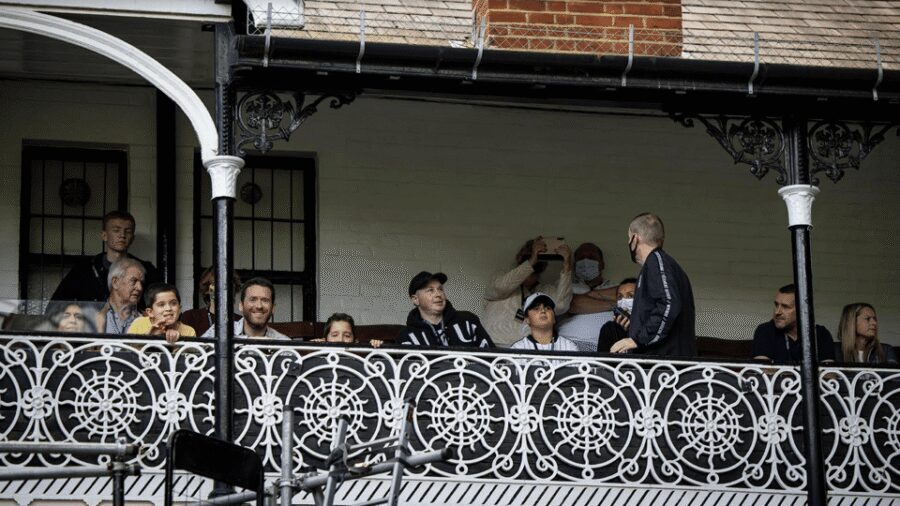
- Johnny Haynes Stand views from one of the country’s oldest grandstands
- 1905 Craven Cottage balcony and the feeling of standing where history still lingers
- Players tunnel + pitch-side moments that make match day feel close
- Home changing room seating where you can picture the pre-match routine
- Press Box and memorabilia stops that add context beyond the architecture
- Trophy cabinet + official retail store to wrap things up properly
Why Craven Cottage feels different from other London stadium tours
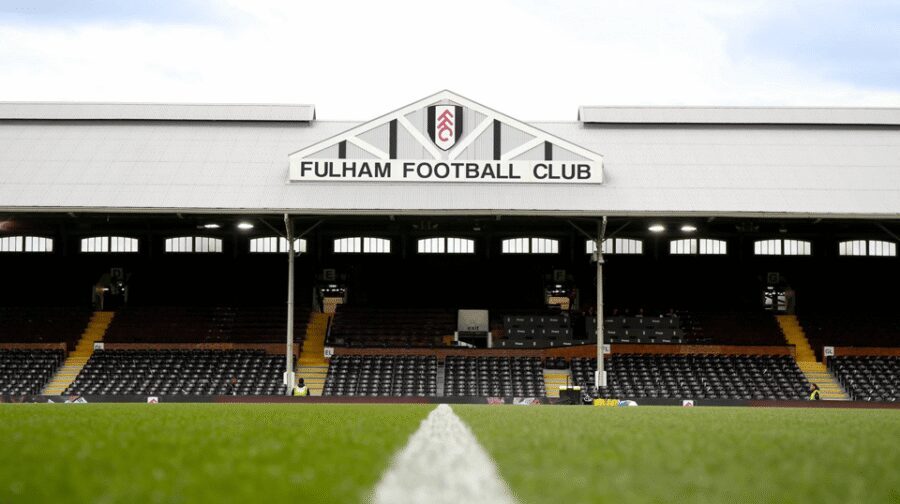
London has no shortage of stadium tours, but Craven Cottage does something different. Most places show you seats and signage. Here, you get the actual flow of a match: press vantage points, the tunnel approach, the pitch-side line, and the home dressing area. That movement matters, because it helps you understand how the ground works and why it became famous.
I also like that the tour leans into the building story, not just the football scorelines. In 1905, the ground was redeveloped by Archibald Leitch, and the parts you see today connect back to that design. You’re not touring a generic “sports museum.” You’re walking through spaces created to shape atmosphere—how noise carries, where players enter, and where fans look from.
Lastly, this tour is short enough to feel doable even if your day is already packed. A 75-minute slot doesn’t drag. You’ll still get the full stadium loop, plus the trophy-cabinet finish that gives you a satisfying end point.
You can also read our reviews of more guided tours in London



Getting there and finding the tour check-in at the Johnny Haynes Stand
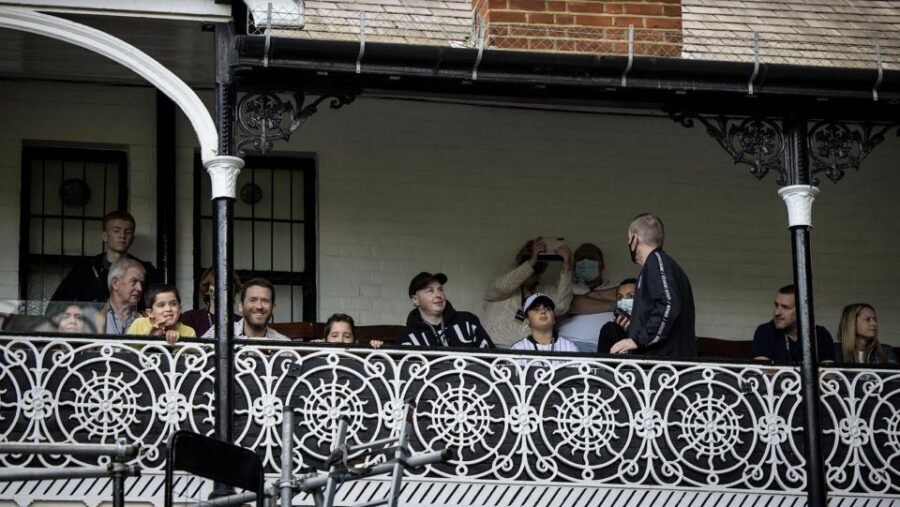
Plan to arrive early, because the tour starts with a sign-in step that’s easy to miss if you’re running late. Your meeting point is at the tour reception at the Bishops Park ticket office, between gates 28 and 29 of the Johnny Haynes Stand on Stevenage Road—almost at the retail store.
My practical tip: treat those 15 minutes as non-negotiable. Security and bag checks happen before entry, and the route through the stadium can get busy. If you’re coming from central London, build in extra buffer for the last stretch to Fulham.
What to bring is simple: weather-appropriate clothing. The tour runs in any weather unless stadium management considers it unsafe. If rain is in the forecast, dress for it rather than hoping you’ll get a dry window.
Johnny Haynes Stand: the oldest grandstand vibe in plain sight
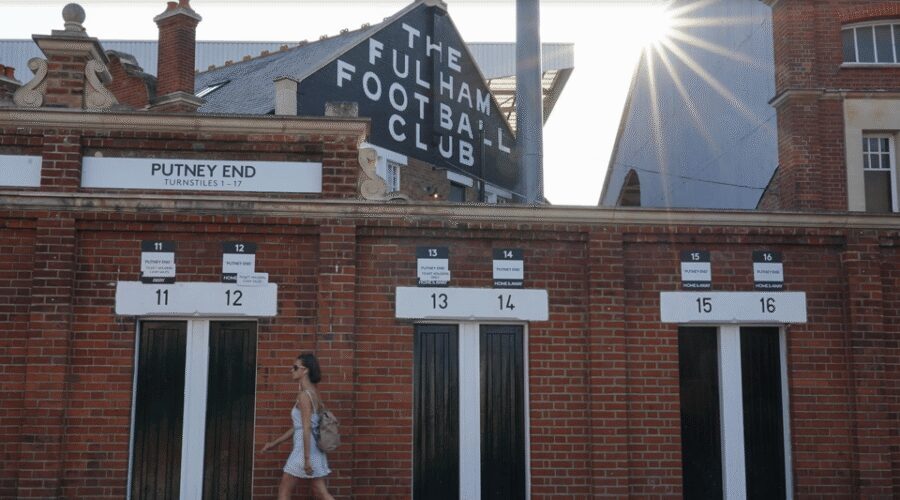
The first major stop is the Johnny Haynes Stand, one of the oldest grandstands in the country. This is the point where the tour turns from “stadium tour” to “sense of place.” You get a view that feels old-school: terraces and angles that match the ground’s heritage.
Even if you’re not a hardcore football nerd, the stand helps you understand the viewing experience. You can see how the stadium frames the pitch, where sightlines typically feel tight, and why Craven Cottage has that classic feel that people talk about when they compare grounds.
And because the tour is guided, you’re not left guessing. The guide explains what you’re looking at and how the Leitch redevelopment shaped what you see today.
Press box to pitch-side: how the guide maps match-day roles
Next you move into areas that explain football from different job perspectives. You’ll visit the Press Box, then go toward pitch-side. This is where the tour feels most “complete,” because you see the ground the way different people experience it on match days.
Pitch-side stops are especially helpful for photos—because you’re on the same level as the action. It also makes the stadium feel smaller in a good way, the way it does when you’re really there.
A nice touch is that the tour includes multiple pitch-side moments. That isn’t just for variety. It helps you get the angles right. From one side you might notice the building’s curve or the way the lighting hits the pitch; from another, you’ll get a better read on distances and sightlines.
Walking in the footsteps of the teams: the players tunnel moment
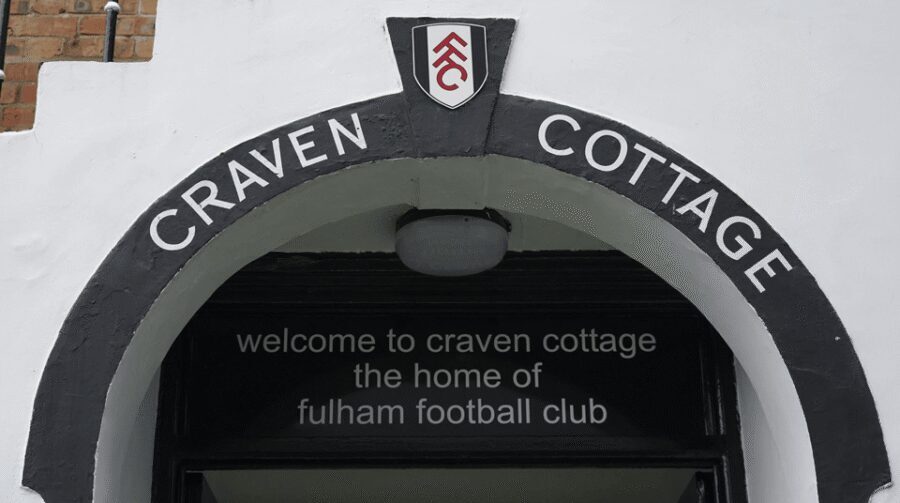
This is the part most football fans remember. You walk along the players tunnel and then head to pitch-side. It’s not just a photo-op corridor. The tunnel walk is the “bridge” between the spectator world and the player world.
I like that you’re encouraged to ask questions and take photos along the route. If you’re the type who likes context—how the tunnel is positioned, what players would see, what’s different about old grounds—you’ll get more from this section than you would from a quick self-guided walk.
From the reviews, the guides seem to lean into storytelling here. Names mentioned include Philip, George, Ian, and Will—people praised for clearly explaining the stadium and Fulham’s place in the broader sweep of English football. That energy matters in the tunnel, because it’s where the tour can either feel scripted or feel alive.






The home changing room and the seat test
Sitting in the home changing room seats is one of those simple experiences that hits harder than you’d expect. You get to see where match routines start, and you can imagine the pre-kickoff mood.
This stop works for non-football fans too, because it’s relatable even if you don’t know every player or season. It’s human. It’s the space where adrenaline builds and voices drop into focus.
Just remember: the tour is physically active. The route includes 22 steps between the Cottage forecourt and Cottage itself, so this is not a flat, stroller-friendly walk.
Flag memorabilia and the “why it matters” stops
Between the pitch-side and the Cottage areas, you’ll also visit a flag memorabilia area. I like stops like this because they shift the focus from architecture back to identity. Stadium tours can get stuck on bricks and steel. Memorabilia moments help you connect the ground to supporters and tradition.
The guide also brings in event context during the walk—specifically mentions of the 1948 Summer Olympics, England matches, and the Women’s Champions League final of 2011. Even if you don’t memorize fixtures like a stats app, that kind of context helps you understand why Craven Cottage is on the larger map of UK sports, not just Fulham’s home.
The 1905 Craven Cottage itself and the balcony view

Then comes the centerpiece: Craven Cottage, including the famous balcony. The big appeal here is how the Cottage feels like a character of its own. It’s not just a building you pass. You get to set foot in it and look out from the balcony.
This stop is especially rewarding if you like historic places that still function. Many old structures in cities have been frozen into relic status. Here, you’re stepping into a living football ground.
One practical note: this area includes that staircase segment, so take your time. If weather is rough, watch your footing on steps and plan to move slowly.
Trophy cabinet and the official shop: closing the loop
After the stadium circuit, the tour ends at the trophy cabinet and the club’s official retail store. I’m glad this isn’t tacked on as an afterthought. The trophy cabinet gives you a neat payoff for what you’ve been seeing—why the ground matters beyond its age.
Then the shop makes sense. If you’ve been walking through Fulham’s match-day environment, you’re in the right mindset to pick up something small to take home. It’s also a good last stop if you want a few extra minutes to settle before heading back out.
Price and value: is $37 worth 75 minutes at Fulham?
At about $37 per person for 75 minutes, I think the value lands in the “solid buy” range—especially for a football-focused London outing.
Here’s why:
- You’re not just buying access to seats. You’re paying for a guided route through multiple high-meaning spaces: stand, tunnel, pitch-side, changing room, and Cottage balcony (where available).
- The tour includes stadium entry and a guide, so there’s less guesswork about what you’ll actually see.
- The duration is tight but not rushed. You get a full loop without turning your whole day into a stadium mission.
The main factor that could change your personal value judgment is whether you’re mainly a football fan or mainly a history/architecture fan. If you’re either, you’ll likely feel the payoff. If you’re looking for a deep, hour-after-hour museum style experience, you might want a longer option.
Who this tour is perfect for (and who should think twice)
This is ideal for:
- Football fans who want the match-day route, not just a view from afar
- People who like historic sports venues and want context for what they’re standing in
- Couples or families where one person is a big Fulham follower and the other just wants an entertaining guided day outdoors
It may be less ideal for:
- Anyone who needs fully step-free access. The tour isn’t suitable for wheelchair users, and it includes 22 steps between the forecourt and the Cottage.
- Travelers traveling with large bags. A4-size or larger isn’t permitted, and luggage/large rucksacks/large luggage items aren’t allowed. There’s no storage on-site for those items.
Also, the route can be altered at late notice and is always subject to availability. That’s normal for an active stadium, but it’s worth keeping in mind if you have very specific photo dreams.
Practical tips so your visit feels smooth
Bring weather clothing. The tour runs in any weather unless management says it’s unsafe, so plan for drizzle or cold.
For bags, think small. The policy is strict: security will search bags before entry, and there’s no storage facility for larger luggage items at Craven Cottage or Fulham Pier. If you’re doing other London stops that day, consider packing light.
Wear shoes you can walk in. You’ll be moving around the stadium route, including steps, and you’ll want stable footing for pitch-side areas and indoor segments.
Finally, ask questions. The tour is set up for interaction, and many guides are praised for being engaging—so if you want the “why this spot matters” explanation, you’re in the right place to get it.
Should you book the Craven Cottage guided tour?
Yes, if you want a classic London football ground experience that goes beyond the obvious photos. I’d book it for the players tunnel, the chance to sit in the home changing room, and the standout moment of the 1905 Craven Cottage balcony—all in a compact 75-minute format.
Skip it or choose carefully if mobility access is a concern or if you’re traveling with larger luggage. And if you love football history for its own sake, this is one of the more practical ways to get it while walking the real spaces.
If you’re even mildly curious about Fulham’s home and why this ground has such a strong reputation, this tour is a straightforward way to see it properly.
FAQ
How long is the Craven Cottage guided tour?
The tour lasts 75 minutes.
What is included in the ticket price?
Your ticket includes entrance to the Craven Cottage Stadium and a guided tour.
Is food or drink included?
No. Food and drinks are not included.
Where do I meet the tour group?
Meet at the tour reception at the Bishops Park ticket office, between gates 28 and 29 of the Johnny Haynes Stand on Stevenage Road, almost at the retail store.
What time should I arrive before the tour?
Arrive 15 minutes before your tour commences.
What languages are the tours offered in?
The live tour guide is available in English and Portuguese.
Are large bags allowed inside the stadium?
No. Luggage or large bags are not permitted. Bags of A4 size or larger will not be admitted, and all bags are searched before entry. There is no storage for these items on-site.
Is the tour suitable for wheelchair users or mobility impairments?
It is not suitable for people with mobility impairments and wheelchair users. If you have accessibility challenges, you can contact the activity provider in advance to ask about an accessible route.
Does the tour run in bad weather?
The tour operates in any weather unless stadium management considers it unsafe. Weather-appropriate clothing is recommended.