REVIEW · LONDON
London East End – Guided Walking Tour 12 guests 2,5h
Book on GetYourGuide →Operated by Babylon Tours London · Bookable on GetYourGuide
The East End has a way of grabbing you fast. This guided walk ties together street art and real neighborhood history, from Whitechapel’s darker past to the bright public artwork now covering the walls. You also get market time at Spitalfields, so it’s not just murals—it’s life.
I especially love how the guide helps you read what you’re seeing. The best part isn’t just naming famous artists like Banksy and Shepard Fairey—it’s learning what the images are saying and why they land here. You’ll also get a strong focus on specific art moments along the route, not vague art talk.
One thing to plan around: this tour doesn’t enter the sites it references, and there’s no food or drink included. That’s totally fine if you bring water and pick up something from the markets yourself, but it’s not the kind of tour where you sit down and snack for free.
In This Review
- Key highlights to know before you go
- Finding the walk: Liverpool Station and the Kindertransport statue meetup
- Petticoat Lane Market and Artillery Passage: where the tour starts reading the neighborhood
- Old Spitalfields Market and the Truman Brewery area: markets as part of the art scene
- Whitechapel and Brick Lane: history, murals, and why messages stick
- High Street and the Shoreditch end: seeing Banksy style and political graffiti patterns
- The Lewis Chessmen and Oxus Treasure theme: how the guide links big art names to the street
- What you’ll actually do for 2.5 hours (and where the pace can feel tight)
- Value and price: is $61 worth it for street art plus market time?
- Who this East End street art walk fits best
- Should you book the London East End Guided Walking Tour?
- FAQ
- Where is the meeting point?
- How long is the tour?
- Is food and drink included?
- Does the tour enter any of the sites it mentions?
- Is it suitable for wheelchair users?
- What ID do I need, and can I bring luggage?
Key highlights to know before you go
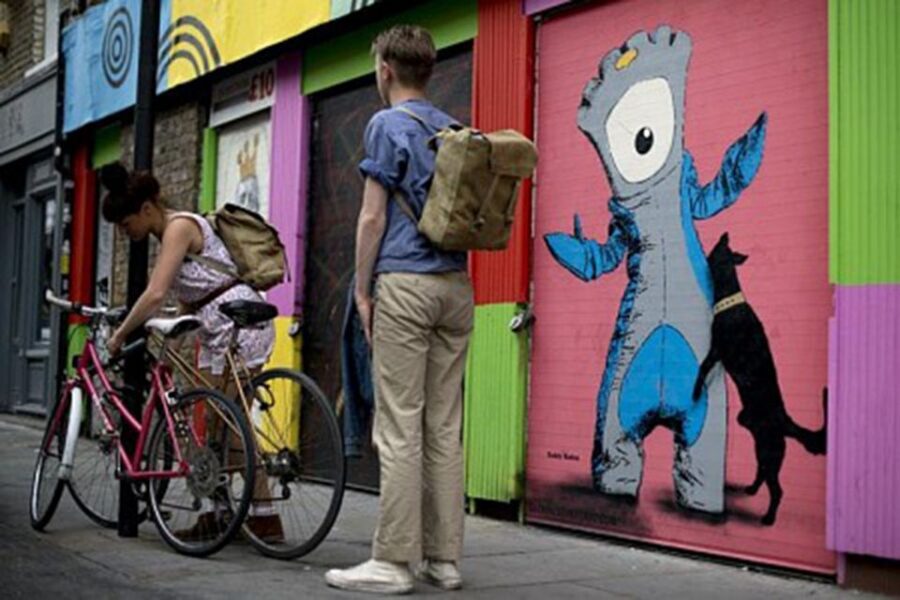
- Small-group street art storytelling that connects murals to the places they’re found
- Spitalfields Market stops where you can browse shops and flavors on your own
- Icon-name artists on the route including Banksy and Shepard Fairey
- East End history in the background with Whitechapel and the Jack the Ripper era
- Art “anchors” like the Lewis Chessmen and Oxus Treasure built into the tour themes
- High-contrast neighborhoods from Petticoat Lane market energy to Brick Lane and beyond
Finding the walk: Liverpool Station and the Kindertransport statue meetup
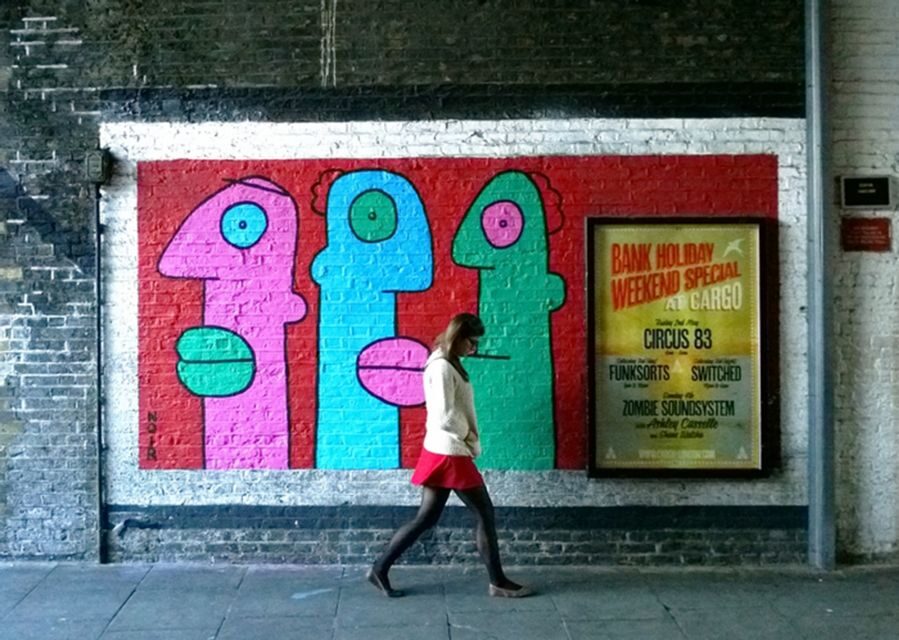
The tour starts outside Liverpool Station, by the Kindertransport statue at the entrance. That matters because the East End moves quickly—you’ll want to get your bearings early, especially if you’re new to London or you’re arriving by Tube.
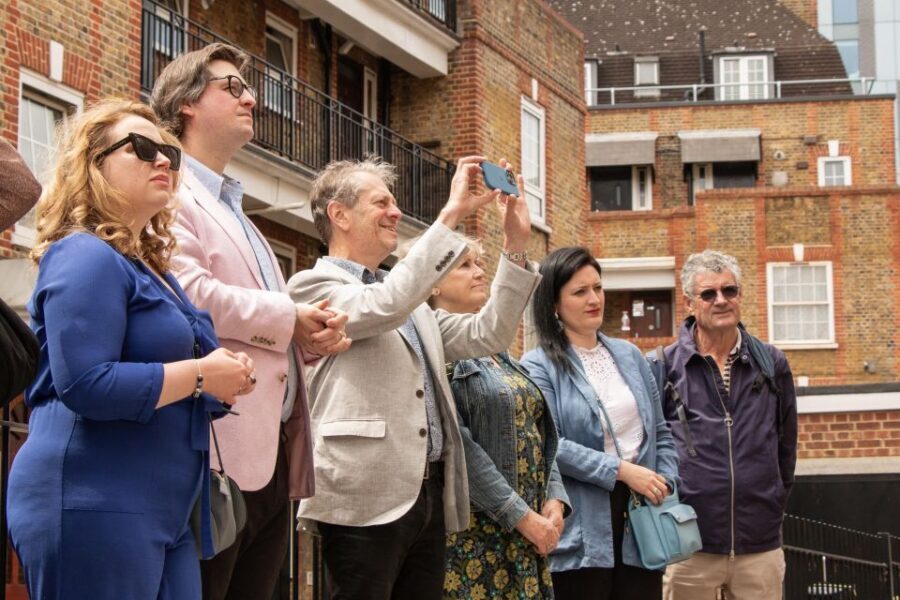
This is a guided walking experience built for a small group. You may be with up to 12 people on some departures, and the semi-private option is capped lower (up to 8). Either way, it’s the kind of group size where you can actually hear your guide and ask a question without shouting over everyone.
Also, bring a valid photo ID (passport or ID card). You’ll be walking for about 2.5 hours, so wear shoes you can trust on pavement and keep a light bag approach. Luggage or large bags aren’t allowed, which is a simple rule but a helpful one if you’re trying to stay comfortable through markets and alleyways.
If anything urgent comes up, your guide’s contact details are sent to your email by the morning of the tour. If you don’t see it right away, check spam folders—London email timing can be weird.
You can also read our reviews of more walking tours in London



Petticoat Lane Market and Artillery Passage: where the tour starts reading the neighborhood
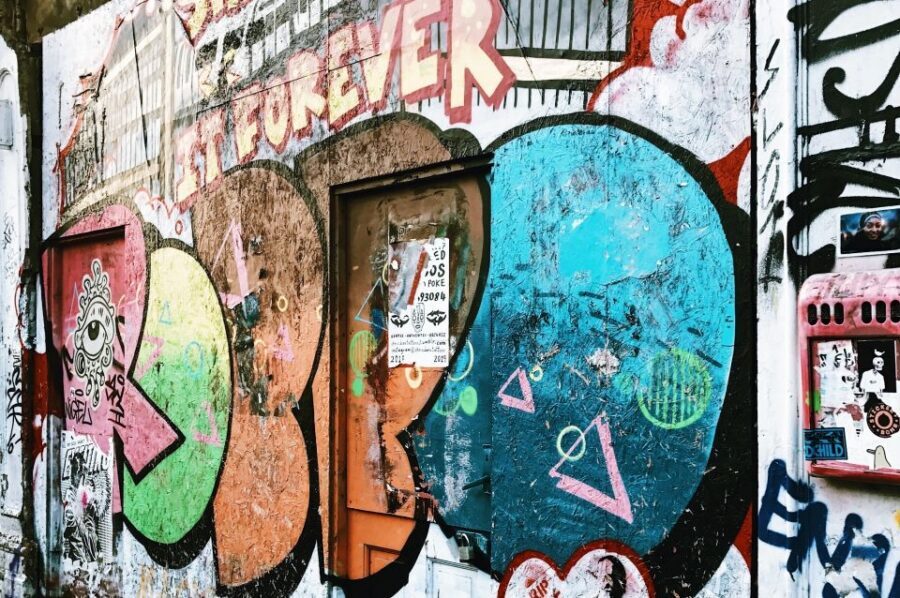
The first stretch is around Petticoat Lane Market for a quick photo stop, a short guided look, and then moving on. Even if you arrive hungry, resist the urge to rush inside everything at once. The point here is to set the tour’s lens: the East End has always been about people moving through it—traders, families, workers, artists—and street art is part of that story.
Next is Artillery Passage. This kind of stop is important because street art often makes more sense at close range than from far away. Your guide points out specific choices—placement, style, and the messages tied to local politics or cultural identity. The result is that you start noticing details you’d normally miss on a first pass.
You’ll also get in the habit of thinking like an art detective, not just a photo taker. I like that approach because it turns a walk into something you can repeat afterward: you look at a mural and ask what it’s responding to.
Old Spitalfields Market and the Truman Brewery area: markets as part of the art scene
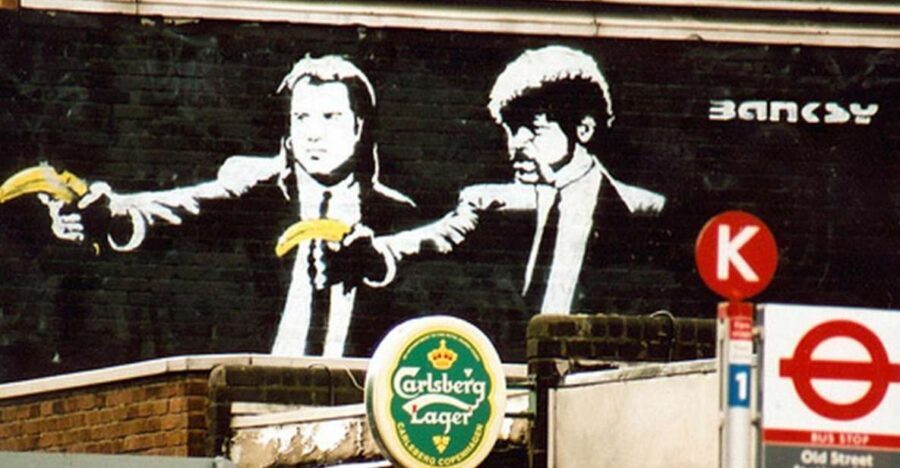
Old Spitalfields Market is next, with another photo stop plus guided time. This isn’t a hard sell to buy stuff. Instead, you use the market as a living backdrop for the art—shops, signage, and street-level culture all shape what “public art” looks like in real life.
One of the smartest parts of this tour is how it includes time to slow down. You’re not just marching from wall to wall. You get a chance to linger near the stalls, check out what’s around, and then—if you want—plan your own snack or coffee stop nearby afterward. The tour itself doesn’t include food or drink, so this is where you make the most of the market energy.
Then you move toward the Truman Brewery area for another guided stop. The Brewery zone is known for creative spaces and art-friendly momentum, so it’s a natural bridge between the older market structure and the newer street-art identity. The guide’s job isn’t to romanticize it. It’s to connect why this area attracts artists and how public art can reflect tension, pride, and change.
If you enjoy wandering without over-planning, you’ll love this part.
Whitechapel and Brick Lane: history, murals, and why messages stick
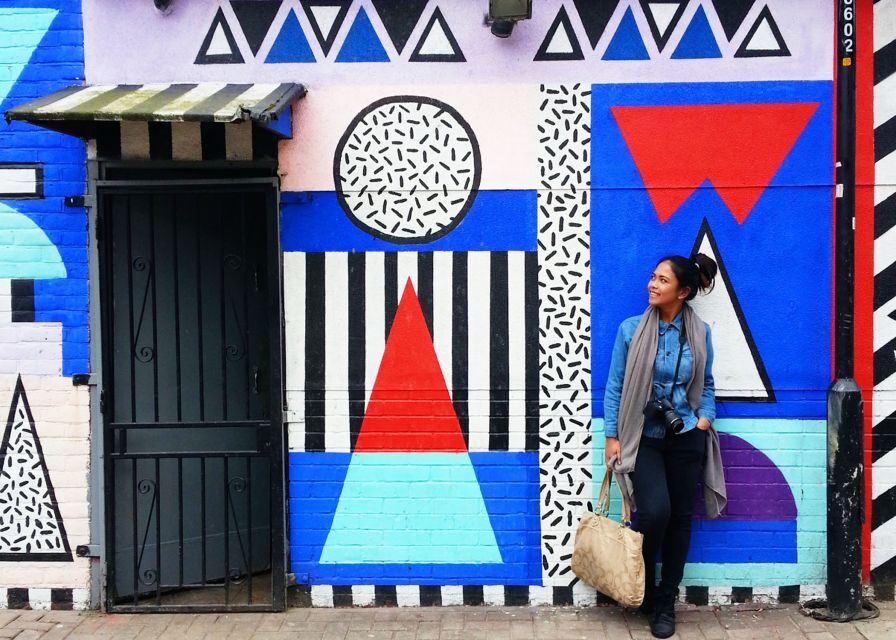
Whitechapel is where the East End’s famous and complicated story line comes in. The neighborhood is notorious for the 19th-century serial-killer era connected to Jack the Ripper, and the tour uses that history as context for the street art you’ll see next.
Here’s what I like: your guide doesn’t treat history like a scare story. Instead, it becomes part of understanding why artists choose this kind of public stage. You start seeing street art as a kind of commentary—about fear, identity, inequality, and power—rather than just decoration.
Then you head into Brick Lane territory. This is where the tour turns from “what happened here” to “what’s being said here now.” Brick Lane is a magnet for creativity, and street art fits right into that. You’ll get guided time at key points, and you’ll also hear about famous street artists connected to the area, including names like Banksy and Shepard Fairey.
If you’re the type of person who usually skips the “explanations” on walking tours, don’t here. The guide’s explanations help you understand accessibility too—what public art can do for people who might never walk into a museum. That’s a big theme in this tour’s approach, and it changes how you look at murals afterward.
High Street and the Shoreditch end: seeing Banksy style and political graffiti patterns
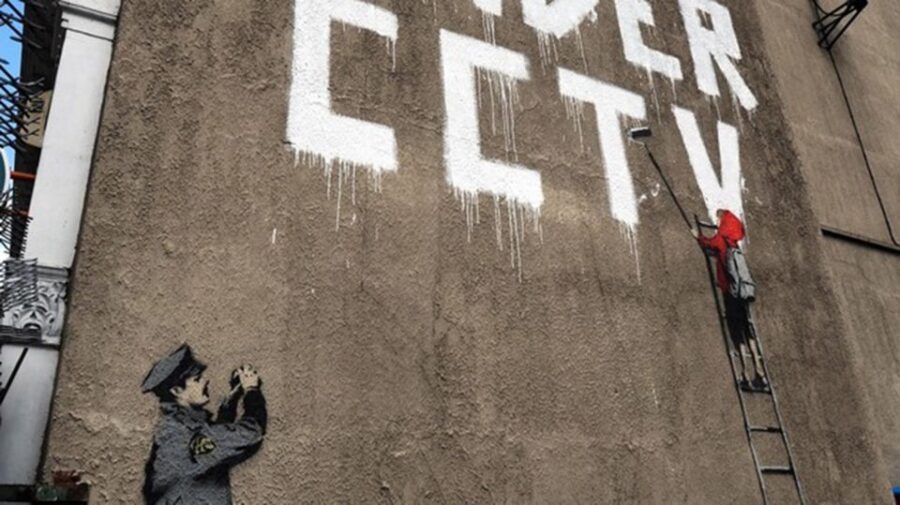
As you continue, you reach more of the Shoreditch-side atmosphere (the tour’s overall route is built to include Shoreditch neighborhoods). The High Street stop is another photo stop with guided walking tour time, so you can connect the dots between the artists, the styles, and the places.
This section is about pattern recognition. Your guide points out how political graffiti often uses symbols and text strategies to grab attention quickly—because the street isn’t waiting for you to read a label. Even if you only catch pieces at first, the talk helps you interpret the rest as you go.
I also like that the tour treats art questions as real questions. The guides described in past departures—like Jake and Becky—lean into conversation. They’ll connect murals to political graffiti, and they’re happy to answer what you’re wondering in the moment. That makes the street art feel less like a lecture and more like a shared walk.
You can also read our reviews of more guided tours in London




The Lewis Chessmen and Oxus Treasure theme: how the guide links big art names to the street
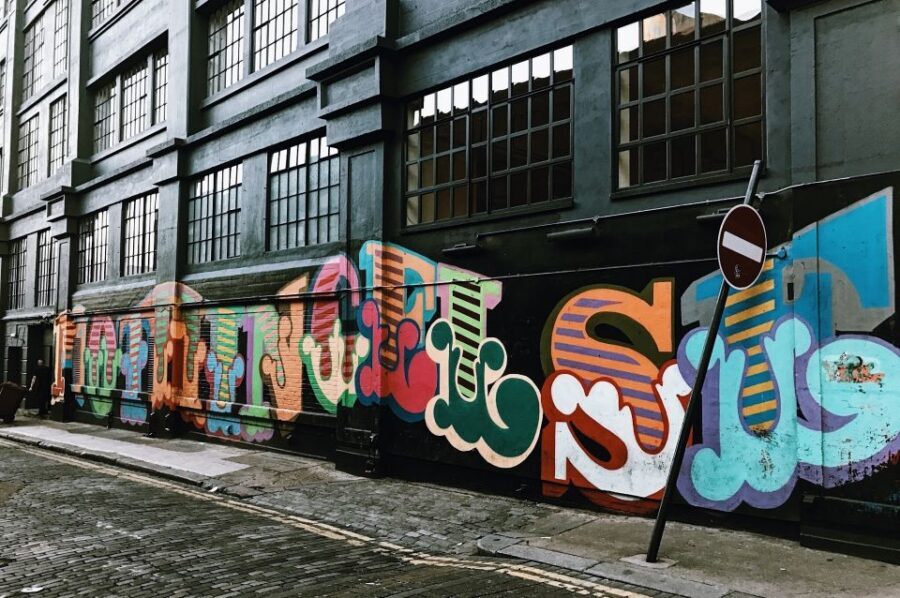
The highlights include chances to see the Lewis Chessmen and the Oxus Treasure. Even though this is a walking tour and the route does not include entering sites, the guide uses these art “anchors” to broaden your view of what counts as art in London.
Why that matters: a lot of people treat street art as if it lives in a separate world from museums. This tour nudges you to connect them. When you hear about objects like the Lewis Chessmen and the Oxus Treasure in the same conversation as contemporary murals, you understand public art differently. It stops being only about what’s new and starts becoming about continuity—how humans decorate, protect, display, and communicate meaning through objects.
This also helps you enjoy the walk more if you’re not only chasing famous street art. Even if you care more about history and culture than murals, the tour gives you a bigger frame to hold everything in your head.
What you’ll actually do for 2.5 hours (and where the pace can feel tight)
The tour runs about 2 to 2.5 hours, and the structure is consistent: walk segments, short stops, photo moments, and guided discussion. The timing at each stop is brief enough to keep energy up, but long enough that you’re not just ticking boxes.
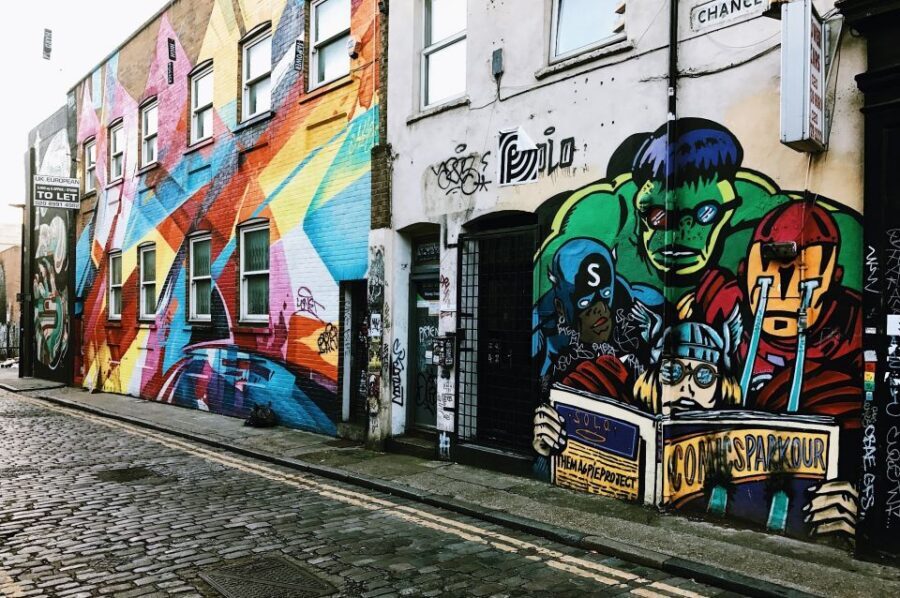
Because the tour doesn’t enter sites, it stays flexible and street-level. You’ll spend most of your time outdoors, scanning walls, storefronts, and alley textures while your guide explains what you’re looking at and why it matters.
The tradeoff is that you’re moving. If you want long indoor museum time, you’ll need to add it yourself after. If you want a focused walking experience where you learn to “read” street art like a language, this format is a strong fit.
Also note: luggage or large bags aren’t allowed. If you’ve just arrived in London with bags, plan to store them before you meet your guide. Light and comfortable wins this tour.
Value and price: is $61 worth it for street art plus market time?
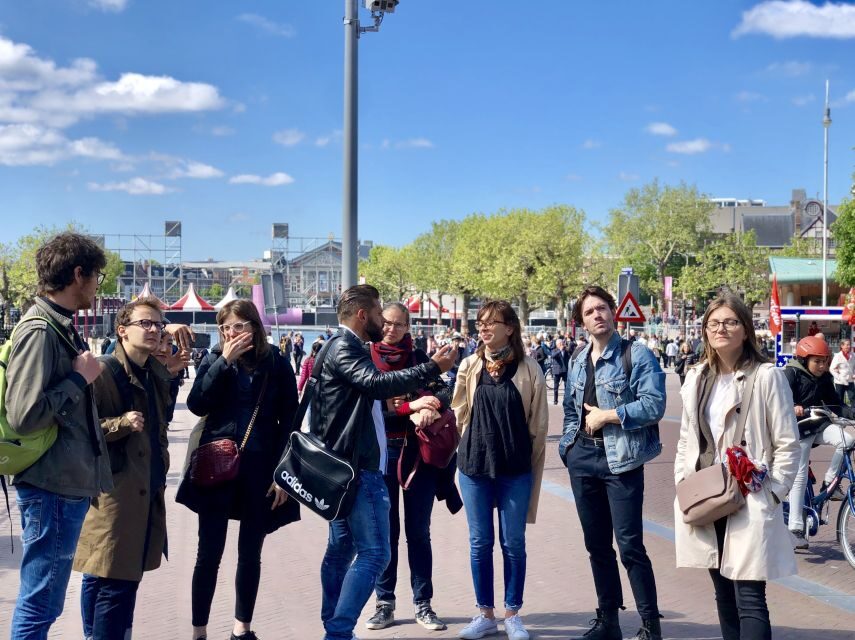
At $61 per person for a 2.5-hour guided walk, the value is strongest if you’re there for interpretation, not just photos. This isn’t a self-guided “see the murals” shuffle. The guide’s role is to explain what you’re seeing—especially the political context and why certain images appear where they do.
You’re also paying for a local guide with real energy. In past departures, guides like Jake and Becky have stood out for enthusiasm and the ability to link graffiti to political themes and context. That’s not a small thing. If you’re spending only a day or an afternoon in the East End, a good guide can turn it from random streets into a story you understand.
Then there’s the market element. Spitalfields Market and the surrounding creative zones give you something to do beyond murals—browse, pause, and pick up your own snacks. Since food and drink aren’t included, you get more freedom to choose what you actually like instead of being locked into a set menu.
If you’re hoping for museum entry tickets or a seated experience, you might feel under-served. But if you want a guided street-art education plus market wandering, it’s priced in a very reasonable way.
Who this East End street art walk fits best
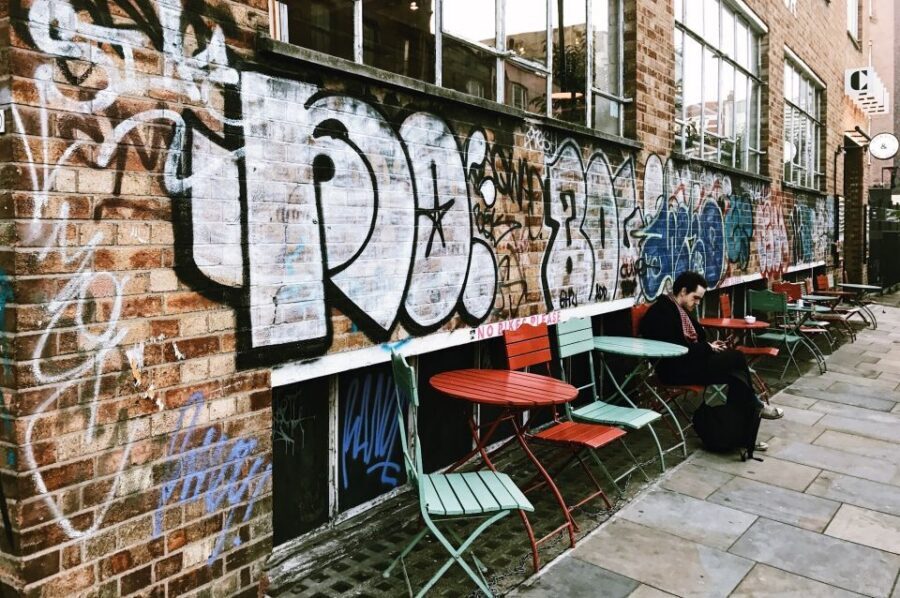
This tour is a great match if you fall into one (or more) of these categories:
- You love street art and want it explained in plain language, not art jargon
- You want the East End’s story told through what you can see on the street, not just through big museum stops
- You enjoy markets and want time to browse and plan your own food afterward
- You’re traveling with teens or mixed-age groups who respond well to guided Q and A style conversation (guides have handled family and teen groups well in past departures)
It’s less ideal if you need wheelchair access. Wheelchair tours aren’t offered as standard; they’re only on request. And if you hate walking for 2.5 hours, keep that in mind—this is built to be a walk, not a bus tour.
Should you book the London East End Guided Walking Tour?
If you want street art with context, plus a market stop that gives you a reason to linger, I’d book it. The biggest strength is how the guide helps you interpret what you’re seeing—turning recognizable names like Banksy and Shepard Fairey into stories with meaning. Add in the Whitechapel history framing and the Spitalfields time, and you get an East End afternoon that feels purposeful.
Skip it if you need museum entry, included food/drink, or a totally accessible route without stairs or tight spaces. Also consider swapping to a lighter day if you’re hauling luggage, because no large bags are allowed.
For the right mindset—curious, walking-friendly, and ready to look closely—this is a strong way to experience the East End in just 2.5 hours.
FAQ
Where is the meeting point?
Meet by the Kindertransport statue at the entrance of Liverpool Station (outside).
How long is the tour?
It runs about 2.5 hours (listed as 2 to 2.5 hours depending on the departure).
Is food and drink included?
No. Food and drink are not included on the tour.
Does the tour enter any of the sites it mentions?
No. The tour does not enter the sites visited.
Is it suitable for wheelchair users?
Wheelchair tours only on request. The tour is not suitable for wheelchair users as standard.
What ID do I need, and can I bring luggage?
Bring a passport or ID card (valid photo ID). Luggage or large bags are not allowed.