REVIEW · LONDON
London: Gianni Versace Retrospective Entry Ticket
Book on GetYourGuide →Operated by Arches London Bridge · Bookable on GetYourGuide
Fashion history, packed into one building.
This Gianni Versace Retrospective ticket (about $46) gets you into a UK-scale show built around 450+ vintage looks, textiles, and accessories, including items tied to famous wearers like Elton John and Princess Diana. I especially like that the exhibition focuses on original garments and artifacts, and that many pieces have reportedly never been shown in the UK before. The result is less costume show-and-tell and more hands-on style storytelling you can actually study.
My second favorite part is the “why” behind the clothes: the show traces Gianni’s origins and inspirations, with original runway footage and interviews, so the outfits don’t feel random. One drawback to plan for: food and drinks aren’t allowed inside, so you’ll want to eat before you go (or at least plan where you’ll stop nearby).
In This Review
- Key highlights at a glance
- Gianni Versace Retrospective at Arches London Bridge: what you’re really buying
- What the show structure feels like: origins, inspirations, and the looks that changed everything
- Over 450 looks, textiles, and accessories: how to actually enjoy the scale
- Princess Diana, Elton John, Naomi Campbell, and Kate Moss: why the celebrity layer matters
- Original runway footage and interviews: the context that makes the garments click
- Where to start your visit near London Bridge (and how to avoid wasted time)
- Who this retrospective is best for (and who should think twice)
- Should you book the Gianni Versace retrospective?
- FAQ
- What’s included with the London Gianni Versace Retrospective ticket?
- How long is the ticket valid for?
- Where should I go to access the exhibition from London Bridge?
- Are food and drinks allowed inside the exhibition?
- Is the venue wheelchair accessible?
- What’s the duration of the experience?
- Is the exhibition associated with the Versace family or Versace SRL?
Key highlights at a glance
- Over 450 looks, textiles, and accessories for serious fashion nerd time
- Rare vintage pieces, including items described as never before displayed in the UK
- Costumes linked to icons like Princess Diana, Elton John, Naomi Campbell, and Kate Moss
- Original runway footage and interviews that explain the ideas behind the designs
- A single-designer retrospective based entirely on Gianni Versace’s work
- Wheelchair accessible at Arches London Bridge
Gianni Versace Retrospective at Arches London Bridge: what you’re really buying
This is a one-day ticket to a single exhibition: the Gianni Versace Retrospective at Arches London Bridge, run by the venue provider Arches London Bridge. For about $46 per person, you’re paying for scale and concentration—one designer, lots of physical garments, and supporting materials like footage and interview clips.
The value here isn’t just the famous name. The show is framed as the UK’s largest retrospective of its kind dedicated solely to Gianni Versace, so you should expect a lot more than a small “greatest hits” selection. In a fashion exhibition, the difference between “a few highlights” and “a true retrospective” is usually how much you can compare: silhouettes, fabrics, and design choices across time.
Also note what’s not included: food and drinks (not permitted inside anyway), and transportation to and from the exhibition. So treat it like a museum-style stop: arrive ready to walk, look, and read.
A few more London tours and experiences worth a look


What the show structure feels like: origins, inspirations, and the looks that changed everything
Even without a formal “tour route” listed, you can understand the experience by how the exhibition is described: it guides you through Gianni Versace’s origins and inspirations, then moves into the clothes themselves—looks, textiles, and accessories—plus runway footage and interviews.
That order matters. If you start straight with the most famous outfits, you get the style hit, but you miss the logic underneath. Starting with origins and inspiration helps you see where the fearless choices came from. You end up reading the clothes like evidence, not just decoration.
Practically, I recommend you give yourself time to switch gears. Spend a little less time staring at the most eye-catching outfit on the first wall, and a little more time on the “setup” section. The more you understand what fed his imagination, the easier it is to notice repeating ideas later—shape, attitude, and the way he pushed materials beyond safe expectations.
Over 450 looks, textiles, and accessories: how to actually enjoy the scale
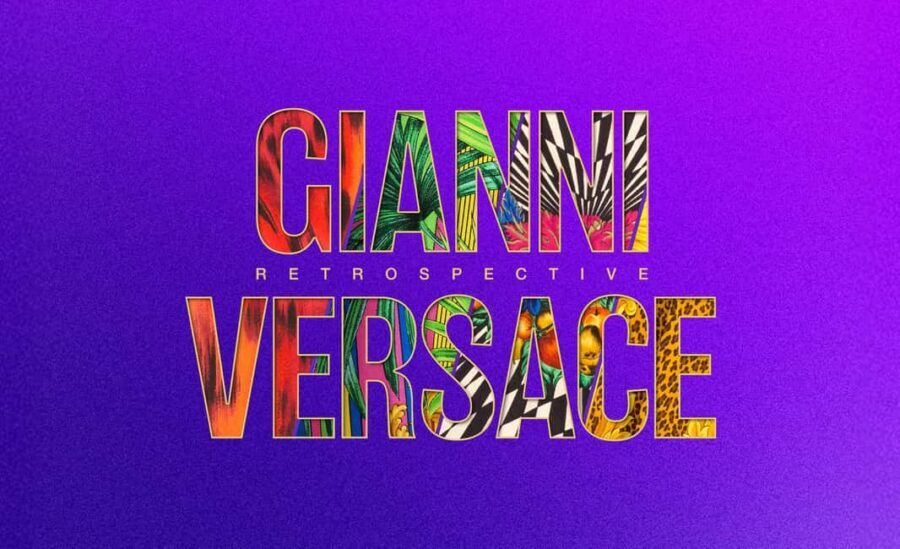
The star number is the big one: over 450 looks plus textiles and accessories. That’s a lot. If you treat it like a quick photo stop, you’ll end up sprinting through the best parts and missing what makes fashion retrospectives satisfying: close observation.
Here’s how to make the scale work in your favor. Look for clusters. When multiple looks appear near each other, you can compare how the designer reused or reworked key details—necklines, prints, fabrics, and the balance between structure and drama. Textiles deserve extra time. A label can tell you what something is, but the display lets you see the visual weight of the material.
Accessories are where you often see the designer’s personality most clearly. In a show like this, accessories don’t just “complete the outfit”—they show the full concept of how the look would move, catch light, and read in public.
A simple strategy: do one slow pass where you read and study, then do one faster pass where you “confirm” what you liked. With a show this size, that second pass helps you catch details you glossed over the first time.
Princess Diana, Elton John, Naomi Campbell, and Kate Moss: why the celebrity layer matters
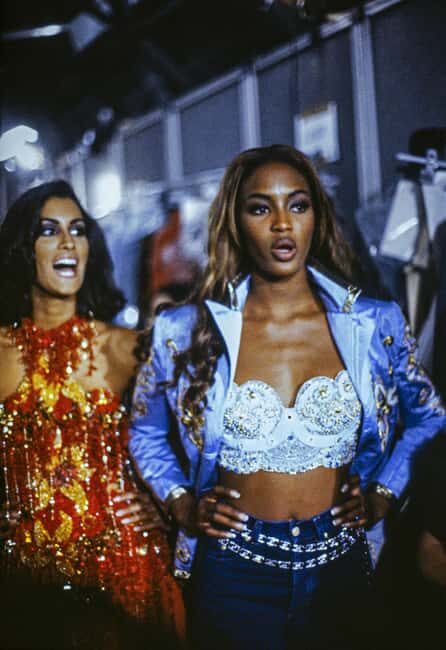
One of the most persuasive parts of this retrospective is the way it connects designs to recognizable cultural moments. The exhibition highlights looks worn by Princess Diana, modeled for Kate Moss, and styled for Elton John, plus references to other major figures like Naomi Campbell.
Celebrity examples matter for a reason beyond name recognition: they show how the garments performed in real visibility. Fashion isn’t just about how something looks on a mannequin; it’s about how it reads under cameras, flash, and public attention. When a designer’s work becomes associated with major icons, you start to see the designer’s influence on pop culture—not just on runways.
For you, that translates into a more satisfying viewing experience. If you already know these names, the exhibition becomes easier to track. If you don’t, the clothes still carry their own persuasion—loud when they need to be, refined when they should be, and always intentional.
If you like fashion history that connects to modern storytelling, pay extra attention to the sections where the show uses celebrity-linked looks as anchor points. Those areas tend to make the design choices feel immediate.
Original runway footage and interviews: the context that makes the garments click
The retrospective isn’t only static display cases. It includes original runway footage and interviews, which is a big deal for anyone who likes design decisions more than just visual impact.
Footage helps you understand movement and construction. A garment might look one way in a photo, but on a runway you see how it drapes, how it handles walking, and how proportions behave at speed. Interviews add another layer: they can clarify motivations and inspirations, so the garments stop being just impressive objects and start becoming part of a creative process.
This is also where the exhibition can feel more emotional. One of the provided reviews notes the sadness of Gianni Versace’s short life and a tragic end. Even if you know that already, interviews and documentary-style context can bring it closer, making the fashion feel less like trend-making and more like a career’s arc.
So don’t rush the media sections. Give yourself a few minutes there, even if you’re more of a “look at the clothes” person. The context often makes the rest of the exhibit easier to read.




Where to start your visit near London Bridge (and how to avoid wasted time)
Getting to the venue is straightforward if you use the recommended access. Best access is via Tooley St from London Bridge Station. That’s helpful because it cuts decision fatigue. You’ll spend less time wandering and more time inside where the artwork is.
Plan to arrive with a realistic pace. A show with 450+ looks is not a 20-minute stop. If you want a meaningful experience, aim for enough time to (1) read the early context sections, (2) study multiple outfit groupings, and (3) circle back if something sparked your interest.
Because food and drinks aren’t permitted inside, it’s smart to build a small snack plan into your trip. Even if you’re not a big eater, you’ll move through a lot of material and information. Getting hungry halfway through can make the whole visit feel longer than it needs to be.
Wear comfortable shoes. It sounds obvious, but exhibitions like this often require steady walking and frequent stopping. Comfort pays off because it keeps your attention on the clothes instead of your feet.
Who this retrospective is best for (and who should think twice)
This experience is a strong fit if you love any of the following:
- Fashion design and material details, not just famous silhouettes
- 80s and 90s style, especially the kind that intersects with mainstream celebrity
- Pop culture lovers who like seeing how runway design connects to media moments
- Anyone who wants fashion history with story context through footage and interviews
It may feel less rewarding if your main goal is quick entertainment. This is an exhibition where you’ll get more from patient looking than from snapping a few photos and moving on. You also can’t linger comfortably with food inside, so it’s better for visitors who don’t mind planning a break outside.
One more note: the activity description includes a disclaimer that the exhibition is not associated with Gianni Versace SRL or the Versace family. If you care about official brand ties, treat that as an important reality check. It doesn’t automatically make the show worse—it just helps you set expectations about corporate branding versus independent exhibition production.
Should you book the Gianni Versace retrospective?
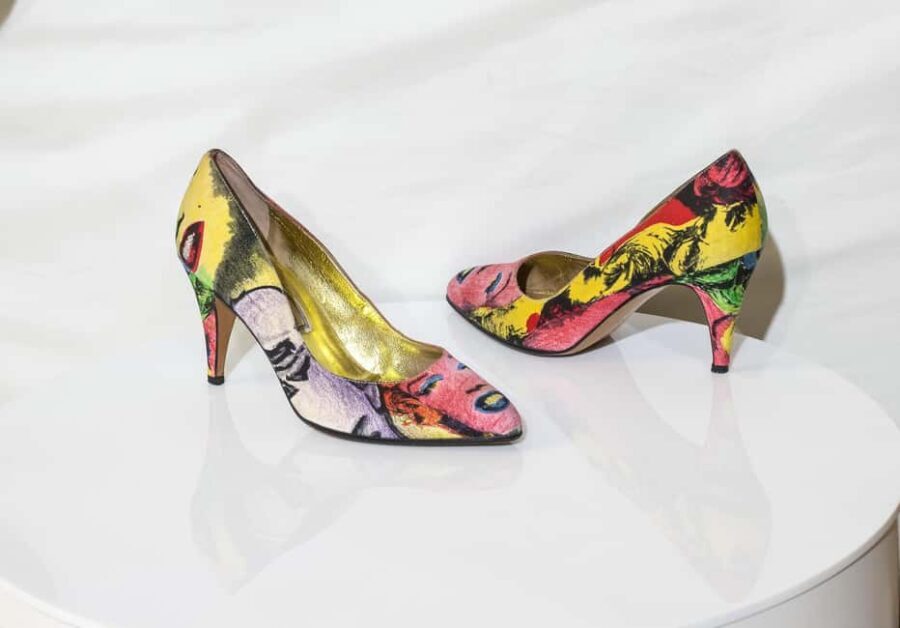
Book it if you want a single-designer show that actually treats clothes like artifacts—over 450 looks, plenty of textiles and accessories, and supporting media like runway footage and interviews. At around $46 for a full day and a venue designed for accessibility (wheelchair accessible), the value comes from concentration and scale, not from bundling a bunch of extras you may not use.
Skip or reconsider if you want something super casual, snack-friendly, and ultra-short. With restrictions on food and a big amount to see, this works best when you’re ready to look carefully and give yourself enough time to connect the “origins and inspirations” story to the looks on display.
If you’re deciding today: this is the kind of exhibition that rewards curiosity. You’ll leave with more than memories—you’ll have a clearer sense of how Gianni Versace’s design impulses turned into the bold, unforgettable style the world still recognizes.
FAQ
What’s included with the London Gianni Versace Retrospective ticket?
Your ticket includes entry to the Gianni Versace Retrospective. Food and drinks are not included.
How long is the ticket valid for?
It’s valid for 1 day. Starting times depend on availability.
Where should I go to access the exhibition from London Bridge?
Best access is via Tooley St from London Bridge Station.
Are food and drinks allowed inside the exhibition?
No. Food and drinks are not permitted inside the exhibition.
Is the venue wheelchair accessible?
Yes. The exhibition is wheelchair accessible.
What’s the duration of the experience?
The experience is listed as 1 day.
Is the exhibition associated with the Versace family or Versace SRL?
The information provided states it is not associated with Gianni Versace SRL or to the Versace family.