Closed Tube spaces feel like secrets. At Charing Cross, this guided walk takes you behind closed doors to disused parts of the station and shows how the Underground can still surprise you. I also like the mix of on-the-ground walking with the practical, train-focused viewing moments—like seeing Tube activity from a hidden ventilation shaft. One drawback to flag up front: it’s not step-free, and the route includes uneven ground and low-light areas.
A second thing I really like is the film-and-TV angle tied to the Jubilee Line spaces that have been closed to the public since 1999. You’ll learn why this station became a go-to location for productions like Killing Eve and Skyfall, plus Thor: The Dark World. Just keep your expectations realistic: this is 75 minutes of moving around, not a long sit-down museum visit.
In This Review
- Key highlights to look for on this Hidden Tube tour
- Finding the Hidden London start at Charing Cross
- How the tour connects station history to what you can see
- Walking under Trafalgar Square: what to watch for
- Entering disused spaces at Charing Cross (and why it feels special)
- Looking down Tube tracks through a hidden ventilation shaft
- The Jubilee Line story: closed since 1999, remembered forever on screen
- Where the London Transport Museum fits in
- Pace, walking conditions, and what to wear
- Price and value: is $60.61 worth 75 minutes?
- Who this Hidden Tube tour suits best
- Should you book Hidden Tube at Charing Cross?
- FAQ
- Where is the meeting point for the tour?
- How long is the guided tour?
- Is the tour step-free or suitable for mobility impairments?
- What should I bring, and what is not allowed?
- Is it suitable for children?
- Can I get a refund if my plans change?
Key highlights to look for on this Hidden Tube tour
- Disused Charing Cross areas you can’t access on your own through guided entry into closed-off spaces
- Under-Trafalgar-Square walking in the City of Westminster, with the Underground always nearby
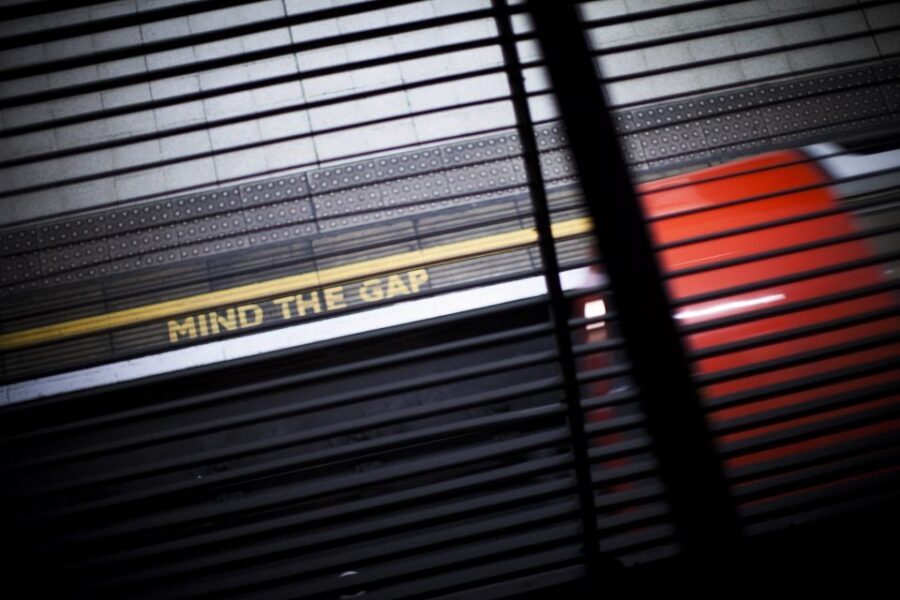
- A hidden ventilation shaft view where you can look down on Tube trains
- Jubilee Line platforms closed since 1999, explained in an easy, practical way
- Film location connections to major TV and blockbuster scenes, including Killing Eve, Skyfall, and Thor: The Dark World
Finding the Hidden London start at Charing Cross
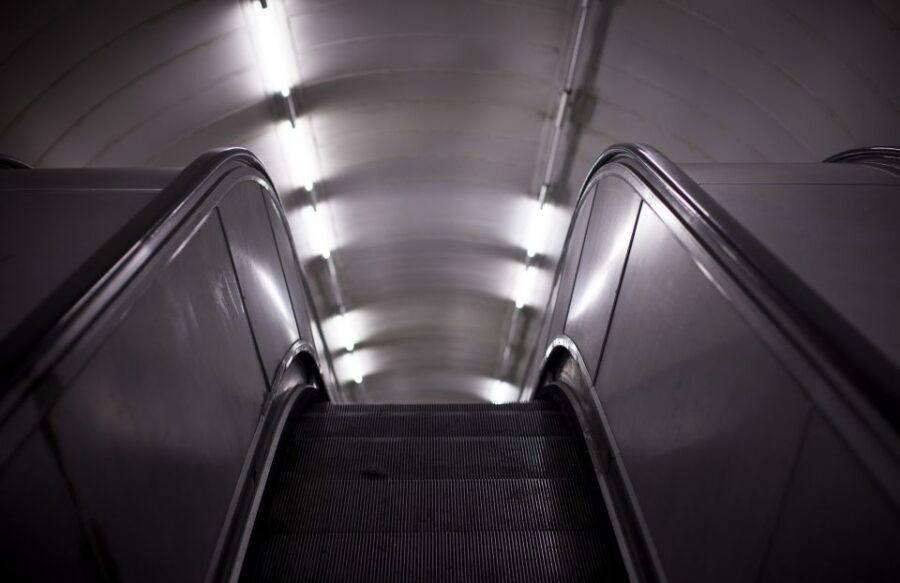
This tour begins in a very specific spot: inside the Northern line entrance of Charing Cross Underground station, directly opposite the ticket barriers. That matters because the station is busy and it’s easy to drift toward the wrong corridor.
If you’re coming from Charing Cross mainline station, use any staircase from there up to the ticket hall. Then look for the Hidden London sign, and a team member should meet you on arrival. I like that it’s not vague. You’re given a clear visual cue and a clear meeting location.
Plan to arrive a few minutes early so you can settle your footing before the walking and low-light segments start. Also, this isn’t the kind of tour you do while juggling luggage. No large bags are allowed.
You can also read our reviews of more guided tours in London



How the tour connects station history to what you can see
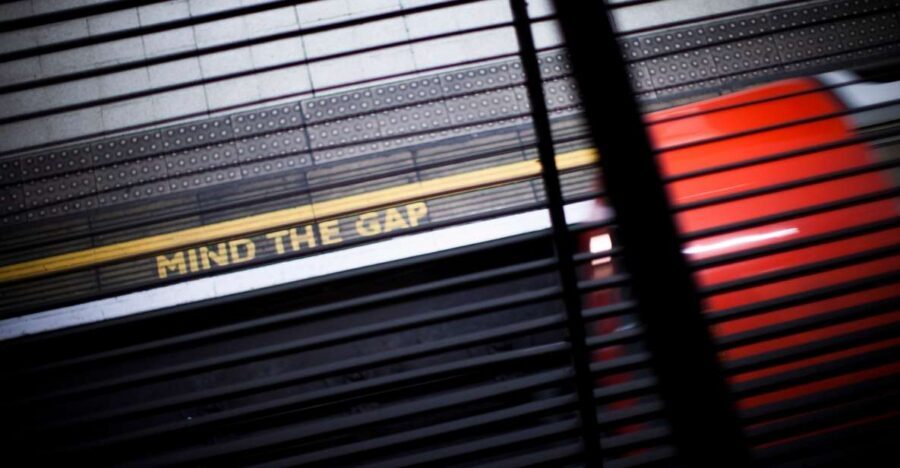
The story here isn’t just old photos and facts on a wall. The experience is designed to connect station design with real spaces you can walk through—closed-off sections included.
You’ll step into the London Transport Museum, which is a big part of why the tour feels grounded. Instead of vague lore, you get guided context from historical experts at the Museum, using material drawn from its extensive archives and collection.
I especially like that the museum component isn’t a detour. It helps you understand what you’re looking at—especially once the tour shifts to the Jubilee Line platforms and their newer reputation in film and TV.
Walking under Trafalgar Square: what to watch for
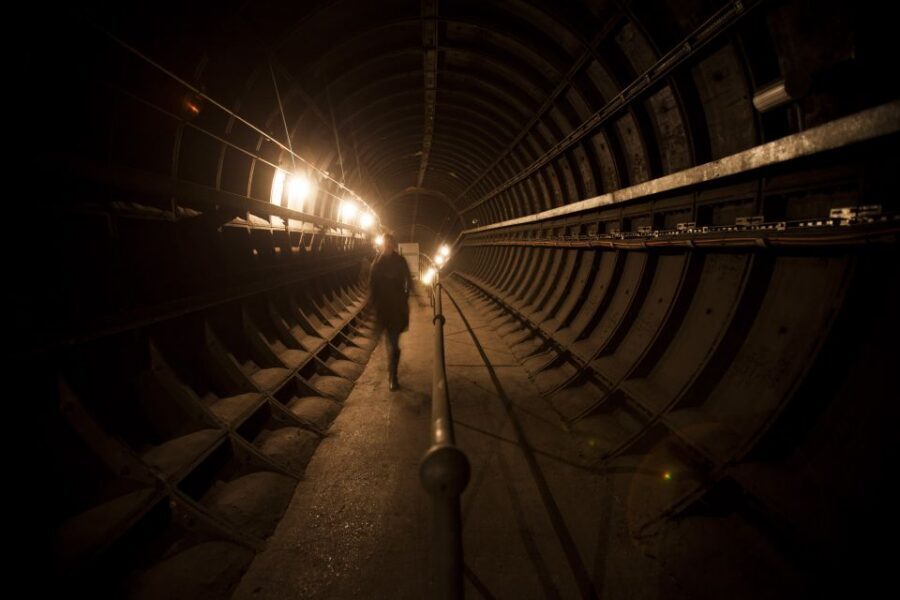
One of the most fun parts is the simple change of scenery: you’ll walk under Trafalgar Square in the City of Westminster. That’s a neat contrast. You’re near one of London’s most famous landmarks above ground, but the route takes you into an Underground world with different rules—tight sightlines, darker corners, and the constant sense of movement beneath your feet.
Keep an eye on how the walking route feels compared to the public station areas. The tour involves a lot of walking and includes uneven ground in places, plus low-lighting. If you’re the type who likes to photograph your way through trips, bring the attitude that this is about seeing and understanding, not just shooting.
Comfort beats style here. The tour requires comfortable shoes, and open-toed shoes aren’t allowed. The steps and static escalators can also slow you down, so you’ll want grip and stability.
Entering disused spaces at Charing Cross (and why it feels special)
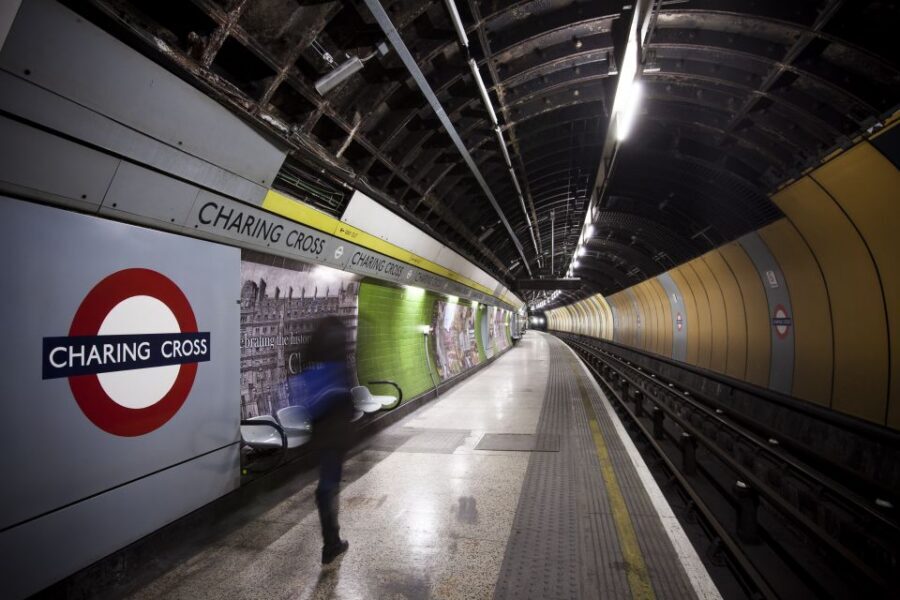
The core appeal is straightforward: you get access to disused parts of Charing Cross Underground station that aren’t open to the traveling public. That means you’re not just learning about the Underground’s past—you’re being shown how the spaces work and how they’ve changed over time.
I like this format because it turns “history” into something physical. You can understand the station’s layout faster when you’re walking through it, not just reading about it.
You’ll also spend time in areas tied to modern screen magic—locations where closed spaces became useful staging environments. That connection helps the station feel current, not stuck in time. The tour’s focus on disused sections is what gives it that different-light feeling the description promises.
Looking down Tube tracks through a hidden ventilation shaft
A standout moment is the chance to look down on Tube trains through a hidden ventilation shaft. This is the kind of detail that’s easy to miss if you’re only riding the Underground as a commuter. From the public areas, you generally don’t get this kind of vantage point.
On this tour, the shaft view turns an invisible infrastructure feature into a showpiece. You’re seeing movement—tracks and train activity—through a controlled, intentional access point.
Practically, expect it to be darker and more enclosed around those viewpoints than what you’re used to in open platforms. If you’re easily stressed in confined spaces, that’s a real consideration. The tour is not suitable for people with claustrophobia.



The Jubilee Line story: closed since 1999, remembered forever on screen
The Jubilee Line platforms at Charing Cross have been closed to the public since 1999. During the tour, you’ll learn the history behind that closure and how those spaces later became part of film and TV production planning.
This is one of those facts that changes how you look at the station. Instead of thinking of closure as something purely negative, the tour reframes it as a shift in how the space can be used—still there, still functional in the larger system, but no longer open for everyday commuters.
The movie and TV connections are specific. You’ll hear how the station was used for filming for Killing Eve, the Bond hit Skyfall, and even Thor: The Dark World. If you recognize those titles, the story gets extra fun, because you can imagine sets being built in spaces that normally stay out of sight.
Where the London Transport Museum fits in
You don’t just roam around corridors. The tour includes stepping into the London Transport Museum, and that’s important because it gives structure to the walking.
Think of the museum portion as the part where the guide can explain why certain features exist—how station design evolved, and why the closed Jubilee Line spaces gained attention in another world. When you then move back toward the station spaces and viewpoints, the information sticks better.
I also like that the tour is guided in English and led by live staff. You can ask questions and adjust your pace. Still, remember: the tour is 75 minutes, so it’s not a slow, open-ended museum tour. It’s a focused route.
Pace, walking conditions, and what to wear
This is a walking tour with practical constraints. It involves a lot of walking, including areas of uneven ground and low-lighting. You’ll also be walking up and down static escalators. That combination is why it’s not suitable for everyone.
You should wear comfortable shoes and weather-appropriate clothing. The description also makes it clear there’s no cloakroom, so don’t plan to store outer layers or bags during the experience. Bring what you truly need for 75 minutes.
Not allowed items are also part of the reality:
- No food and drinks
- No luggage or large bags
- Open-toed shoes aren’t allowed
If you’re traveling with small kids, note the family rule: there’s a maximum of four children aged 10–15 per adult. Children under 10 aren’t suitable for the tour. I like that the rules are spelled out, because it helps you gauge whether your group will match the pace and environment.
Price and value: is $60.61 worth 75 minutes?
At $60.61 per person for 75 minutes, the price isn’t about buying access to a big-ticket attraction. It’s about access to something unusual: disused Underground spaces plus museum-backed context plus guided interpretation.
Here’s how I see the value. You’re paying for:
- guided entry into areas closed to the public
- a train-and-station perspective (including the ventilation shaft view)
- historical explanation tied to the Museum’s archives
- specific film and TV connections, including major productions
If your day in London includes a lot of standard sightseeing, this can be a smart change of pace. You’ll see the Underground as infrastructure and culture, not just as transportation.
On the other hand, if you hate walking tours or you need step-free access, this won’t feel like good value. You’re not looking at a flexible, easy route; the conditions are clearly set.
Who this Hidden Tube tour suits best
This is best for you if you like:
- the Underground as a system—station design, platforms, and unseen infrastructure
- film locations that connect pop culture to real places
- short, guided experiences with a strong theme
It’s also a good match if you’re curious about the Jubilee Line and why those Charing Cross areas became part of film history after being closed to the public since 1999.
Skip it if you:
- need a step-free route or have mobility impairments
- are sensitive to enclosed, low-light spaces (it’s not suitable for claustrophobia)
- want to move slowly or avoid escalators/static steps
If you’re traveling with kids, keep the minimum age in mind. Children under 10 aren’t suitable, and there’s that maximum ratio for ages 10–15 per adult.
Should you book Hidden Tube at Charing Cross?
Book it if you want a concentrated, guided taste of the Underground you can’t reach on your own. The mix of disused station access, a practical station viewing moment through the ventilation shaft, and the specific Jubilee Line film connections (Killing Eve, Skyfall, Thor: The Dark World) gives this tour a clear identity.
Don’t book it if walking, low-light conditions, uneven ground, and escalators are deal-breakers for you. Also, if closed-in spaces make you anxious, the claustrophobia warning isn’t just a formality.
If you can handle 75 minutes of walking with the right footwear, this is one of those London experiences that changes how you think about the city’s most famous system.
FAQ
Where is the meeting point for the tour?
The tour starts inside the Northern line entrance of Charing Cross Underground station, opposite the ticket barriers.
How long is the guided tour?
The tour lasts 75 minutes.
Is the tour step-free or suitable for mobility impairments?
No. The tour is not step-free and it’s not suitable for people with mobility impairments.
What should I bring, and what is not allowed?
Bring passport or an ID card, comfortable shoes, and weather-appropriate clothing. Not allowed: open-toed shoes, food and drinks, and luggage or large bags.
Is it suitable for children?
Children under 10 aren’t suitable. For ages 10–15, there is a maximum of four children per adult.
Can I get a refund if my plans change?
Yes. Free cancellation is available up to 24 hours in advance for a full refund.