
Baker Street has a secret underground side. This 85-minute Hidden Baker Street Tube Station Tour turns London’s most famous tube stop into a time machine to the early days of Victorian steam travel. You’ll walk into parts of Baker Street Station that aren’t normally open to the public, including corridors and lift shafts last seen by visitors decades ago.
Two things I really like: the exclusive access to closed-off spaces such as original platforms, old lift shafts, and even the staff rifle range, and the storytelling backed by London Transport Museum archives and real staff-style accounts drawn from their collections. You get facts with atmosphere, not a lecture.
One drawback to plan around: the tour involves lots of walking on uneven ground, with low lighting and stairs, and there are no elevators, so it’s not the right fit for everyone.
In This Review
- Key takeaways before you go
- Baker Street has a real underground past
- The London Transport Museum access that makes this tour different
- From 1863 to modern London: why Baker Street was a big deal
- Hidden platforms: seeing the station’s original bones
- Old lift shafts and corridors you won’t find on your own
- The staff rifle range: a rare look at operational life
- Underground headquarters: where work ran the network
- The guide experience: Anthony, Sophie, and Pat bring it to life
- The 85-minute flow: how to get the most without rushing
- Price and value: is $60 fair for hidden station access?
- Who this Hidden Baker Street Tour suits best
- Before you go: what to pack and how to prepare
- Should you book Hidden Baker Street Tube Station Tour?
- FAQ
- Where is the meeting point?
- How long is the tour?
- Is food or luggage allowed?
- What should I bring?
- Is the tour suitable for people with mobility impairments or claustrophobia?
- What if my plans change?
Key takeaways before you go
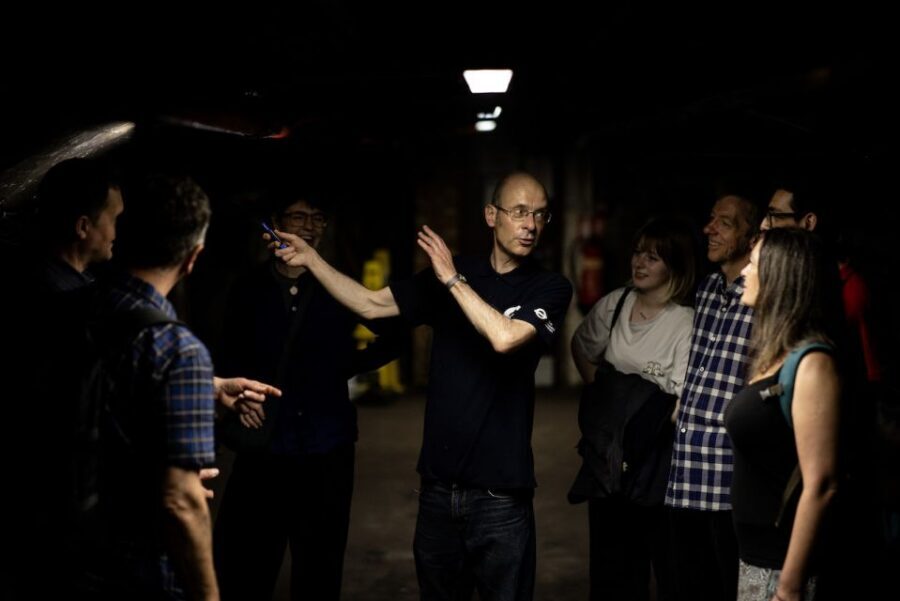
- Only tour with access to hidden areas of Baker Street Station (not just a photo stop)
- Victorian beginnings in 1863, when the Underground’s first passengers tested the idea of travel under London
- Closed-off station spaces, including original platforms, old lift shafts, and hidden corridors
- A sense of timeline, with some areas last accessed by the public as far back as 1945
- Guide-led, archive-backed stories, with names like Anthony, Sophie, and Pat showing up in the guide team
Baker Street has a real underground past
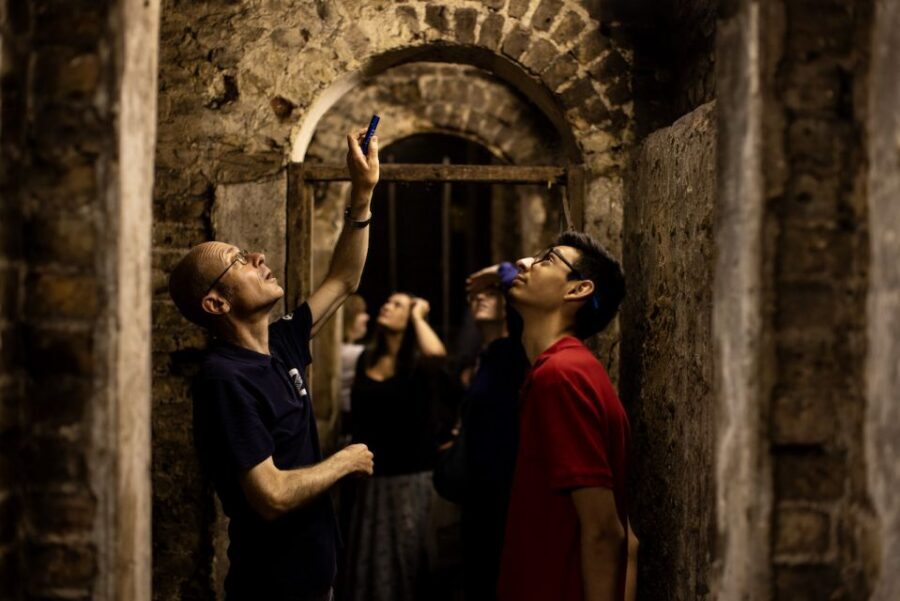
If you’ve ever looked at Baker Street Station and thought it felt like a busy hub, you’re not wrong. But what I love about this tour is that it peels that everyday layer away fast. Suddenly you’re standing in the station’s older bones, where the Underground first took shape and where staff life mattered as much as passenger travel.
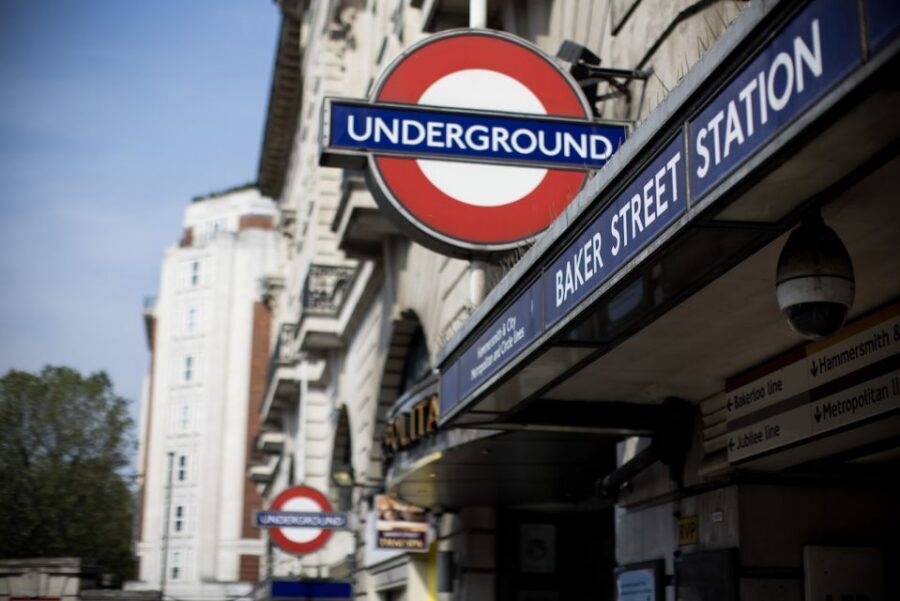
You start at the surface with an easy-to-find landmark: meet your guide outside Baker Street Underground Station, in front of the Sherlock Holmes statue. From there, the tour shifts into a different London mood—more quiet, more technical, and far more physical.
The big promise is straightforward: you’ll see places most people never get to. You’re not just hearing about the Underground’s history. You’re walking through parts of the operational network that have stayed out of public view for a long time.
You can also read our reviews of more tours and experiences in London.



The London Transport Museum access that makes this tour different
This tour is run by the London Transport Museum, described as the world’s leading museum of urban transport. That matters because it changes the tone. Instead of generic “history in a hurry,” you’re getting museum-grade context about how the system worked and why Baker Street mattered.
The access is the headline. You’ll explore areas not seen by the public that are still used by everyday travelers, while other sections are closed off and preserved for interpretation. The tour is also positioned as the only one that has access to these hidden station areas, including spaces last visited by the public roughly 75 years ago.
That exclusivity is not marketing fluff in this case. It’s the whole point of the experience. If you care about how infrastructures actually function—platforms, shafts, corridors, staff areas—this is the kind of tour that gives you usable mental images you can’t get from a museum display.
From 1863 to modern London: why Baker Street was a big deal
You’ll spend time on the station’s origin story, anchored to a specific date: January 10, 1863. Baker Street opened as part of the Metropolitan Railway, and it helped introduce a revolutionary concept for its day: carrying passengers beneath congested Victorian streets.
This is where the tour gets interesting for you, even if you don’t consider yourself a transit nerd. Underground travel wasn’t inevitable. It was an experiment that had to win over skeptical passengers, engineering teams, and the wider public. When the guide explains what the very first passengers thought of the idea, it turns the Underground from a given fact into a bold technology gamble.
Then the story widens. You’ll hear how the Underground grew and expanded over the years that followed, and how Baker Street served not only commuters, but also the people keeping the system running. It’s one of those perspectives that makes a modern station feel less like a building and more like a machine with a human side.
Hidden platforms: seeing the station’s original bones
One of the tour highlights is access to closed-off parts of the station, including original platforms. This is the kind of stop that makes your imagination snap into place. On the surface, stations change constantly: signage, tracks, flows, renovations. But when you’re shown older platform areas, you can sense the design logic of earlier rail travel.
Why this matters: it helps you understand that the Underground wasn’t always the smooth experience you know today. The layout, the feel of movement, and the relationship between passenger spaces and staff spaces were different. Even without technical diagrams, you’ll see physical evidence.
There’s also a contrast in the tour itself. You’ll move between what’s still in use and what’s preserved or set aside. That mix can make the Underground feel layered, like a city built over itself, with each era leaving tools and infrastructure behind.
Old lift shafts and corridors you won’t find on your own
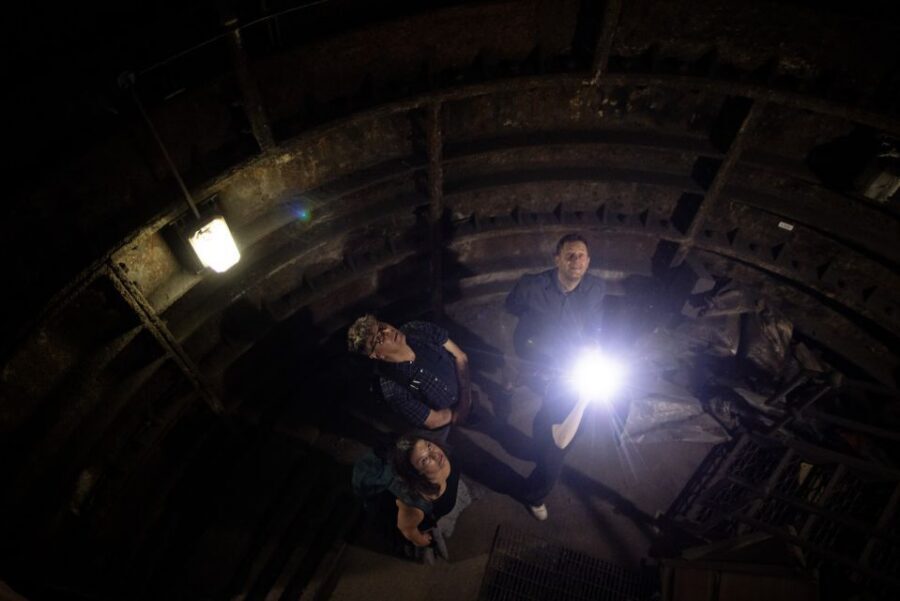
The most memorable part for people who love off-the-map details is the access to areas that have been out of view for a very long time—especially old lift shafts and corridors hidden in plain sight.
The tour description is specific about timing: some of these spaces were last accessed by the public as far back as 1945, and others are associated with the broader idea of being unseen for around 75 years. That doesn’t just sound impressive. It changes how you experience the station. The air feels different. The scale feels different. And you notice construction choices you wouldn’t normally even think to ask about.
For practical reasons, you should expect portions of the visit to include low lighting and stairs. There are no elevators on this route, and the ground can be uneven. That’s not a reason to skip the tour—it’s a reason to wear shoes you trust.
And if you’re someone who likes architectural leftovers, this is where your brain gets the workout. A lift shaft is more than a hole in history. It’s a clue that the station’s operations once relied on different ways of moving people, equipment, and workflow through vertical space.






The staff rifle range: a rare look at operational life
One of the most surprising named highlights is the staff rifle range. Seeing something like that in the station context forces you to recalibrate what you think a station is for.
Most people think stations are about trains and tickets. But this tour emphasizes the station as an operational headquarters—a place where staff worked, managed, and supported the Underground as it expanded. The rifle range becomes a symbol of that staff world: discipline, preparation, and the reality that running a major transit system involves security and readiness, not just schedules.
This is where the tour offers a different kind of value. You’re not only learning the Underground’s public-facing story. You’re picking up the behind-the-scenes logic that kept the system functioning.
Underground headquarters: where work ran the network
Baker Street Station isn’t treated here as just a stop on the map. It’s presented as the operational headquarters of the London Underground. That framing matters because it explains why certain hidden spaces exist at all.
When a station is an HQ, you get a different mix of rooms and passageways: staff movement routes, corridors that prioritize efficiency, and locations that may have been restricted for operational reasons. Even if the tour doesn’t turn every room into a classroom, the guided context helps you interpret what you see.
You also hear stories of the staff who worked there over the years. It’s not just date-and-place trivia. It’s the human scale of operations: people who had to learn the station’s rhythms, manage the station’s demands, and adapt as the Underground changed.
If you like history that feels useful—history that explains systems—you’ll probably enjoy this part most.
The guide experience: Anthony, Sophie, and Pat bring it to life
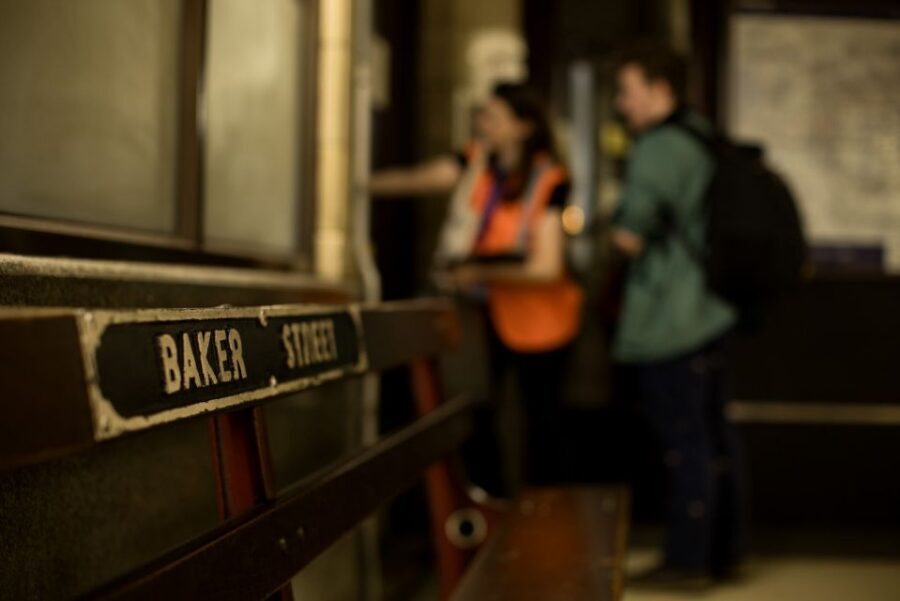
The tour’s success comes down to the guides. In the guide team, names such as Anthony, Sophie, and Pat stand out from verified bookings, with comments praising their character, organization, and enthusiasm.
That lines up with what makes the tour work best: the narration stays connected to what you’re looking at. You hear facts grounded in the London Transport Museum’s archives, but you also get the storytelling rhythm that helps it all land.
This kind of tour can become dry if it’s only information. Here, the guide-led approach helps you move through the station like you’re following a route designed for real understanding. You’re given reasons to notice things: how the early idea of underground travel caught on, how Baker Street supported both passengers and staff, and how the station evolved into a key part of the Underground network.
The 85-minute flow: how to get the most without rushing
With 85 minutes on the clock, you’re not in an all-day expedition. The time is long enough to make real progress through multiple station areas, but short enough that you’ll feel a steady pace.
Here’s the practical way to think about it: treat it as a guided walk with specific “windows” into different eras. You’ll start by building context, then move into older station structures, then end with the operational stories that tie everything together.
Because low lighting, stairs, and uneven ground are part of the plan, you’ll feel the route more physically than you might expect. That’s normal for this style of hidden access. Come with comfortable shoes and a water bottle. You’re allowed water, and you’ll want it.
Also, plan to keep your hands free. The tour doesn’t allow luggage or large bags, and you can’t bring food and drinks. If you normally snack on London walks, you’ll need to adjust your routine for this one.
Price and value: is $60 fair for hidden station access?
At about $60 per person, this isn’t a budget-only activity. But the value calculation changes when you focus on what’s included: a guided walking tour plus exclusive access to places the public normally can’t reach.
Most sightseeing experiences are basically “view and move on.” This one is “enter and understand.” You’re paying for permission and interpretation: original platforms, old lift shafts, corridors not seen for decades, and staff areas like the rifle range, all handled by a live guide.
You’re also paying for time-efficient storytelling. With the duration at 85 minutes, you get a structured experience without having to plan a research expedition yourself. If you’re the type who likes to learn on location—and you want more than a surface explanation—$60 starts to look like a reasonable price for access you can’t replicate easily on your own.
If you’re only interested in the general idea of the Underground and don’t care about behind-the-scenes spaces, you might feel the price is higher than you need. But if you love transit infrastructure and want a station view that’s genuinely different, it’s easier to justify.
As a final confidence check, the tour shows a 4.7 rating from 51 reviews, which usually suggests consistent guide quality and organization.
Who this Hidden Baker Street Tour suits best
This tour fits best if you enjoy:
- real-world infrastructure details, not just museum-style explanations
- guided storytelling tied to what you’re physically seeing
- station history with an operational angle (staff life and headquarters functions)
It’s also a good match if you like London with a twist. Baker Street is famous for its public face, but this experience brings you to the working side of the Underground, with Victorian origins and hidden spaces layered into the present.
On the other hand, it’s not suitable for children under 10, and it’s not a fit for people with mobility impairments or those with claustrophobia. That’s not about comfort preferences; it’s about the route involving stairs, low lighting, and confined station passages.
If you’re traveling with kids, note the rule: there can be a maximum of four children aged 10–15 per adult.
Before you go: what to pack and how to prepare
For this tour, pack like you’re walking through a working, older station area. That means:
- comfortable shoes (closed-toe, and reliable grip matters)
- water
- passport or ID card
Don’t plan on bringing extra items. Food and drinks aren’t allowed, and luggage or large bags aren’t allowed either. Open-toed shoes also aren’t allowed, which is a helpful reminder that you’re stepping into uneven ground and low-lit areas.
Finally, wear an attitude of curiosity. The tour is designed for people who like to notice details and ask why a system looks the way it does. If that’s your style, you’ll likely enjoy the experience more than someone who wants only broad sightseeing.
Should you book Hidden Baker Street Tube Station Tour?
Book it if you want a different kind of London Underground experience—one that gives you exclusive access to hidden station spaces like original platforms, old lift shafts, corridors last seen by the public decades ago, and the named stop connected to the staff rifle range.
Skip it if stairs, low lighting, and confined passages are dealbreakers for you, or if you’re hoping for a mostly easy, stroller-friendly walk. This is a working-station style route.
If you’re on the fence, ask yourself one question: do you want to learn about the Underground, or do you want to see parts of it that most people never get to touch? If it’s the second answer, this tour is one of the most direct ways to do it.
FAQ
Where is the meeting point?
Meet your guide outside Baker Street Underground Station, in front of the Sherlock Holmes statue.
How long is the tour?
The Hidden Baker Street Tube Station Tour runs for 85 minutes.
Is food or luggage allowed?
Food and drinks are not allowed. Luggage or large bags are also not allowed.
What should I bring?
Bring comfortable shoes, water, and a passport or ID card.
Is the tour suitable for people with mobility impairments or claustrophobia?
No. It is not suitable for people with mobility impairments or people with claustrophobia.
What if my plans change?
You can cancel up to 24 hours in advance for a full refund.