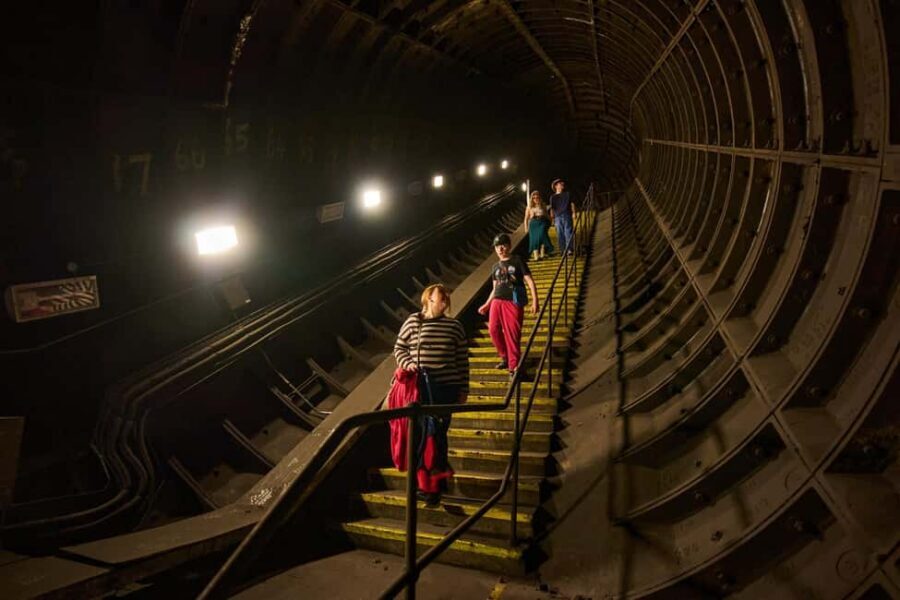
A station tour that feels like you found a time machine. You’ll get access to Green Park’s forgotten spaces and Dover Street station areas, plus wartime and engineering stories that most people never hear. I especially love the hands-on feeling of walking through the older passageways, and the shock of seeing parts of the station you only usually glimpse from a platform. The main drawback is simple: expect a lot of walking, stairs, uneven ground, and low light.
This 80-minute guided tour (English) is run by the London Transport Museum team, and it’s designed to keep you moving through areas that are normally closed. If you’re hoping for smooth, bright, easy sightseeing, this isn’t that. If you’re okay with tight spaces and a “working-station” vibe underground, it’s the kind of outing that makes regular Tube travel feel brand new.
In This Review
- Key things to know before you go
- Green Park Station, But Not the Part You Ride
- Dover Street Station: Secret Passageways and Lift Landings
- Vintage Signs, Tiles, and the 1930s Feeling
- Wartime Stories: Air Raids, the Transport Board, and Lord Ashfield
- Green Park Expansion: Victoria and Jubilee Lines After the War
- Ventilation Tunnels and Secret Shaft Views Behind the Platforms
- Price and Time: Is $62 Worth 80 Minutes?
- Practical Tips: Meeting Point, What to Wear, and Photo Rules
- Who This Tour Suits (and Who Should Skip It)
- Should You Book the Hidden Tube Tour at Green Park?
- FAQ
- FAQ
- How long is the Hidden Tube Tour at Green Park?
- Where exactly do I meet the guide?
- How much does it cost?
- Is the tour suitable for children?
- Is the tour wheelchair accessible or friendly for mobility impairments?
- Can I bring food, drinks, or luggage?
- What should I wear and bring?
- Is flash photography allowed?
- What languages are available for the guide?
Key things to know before you go
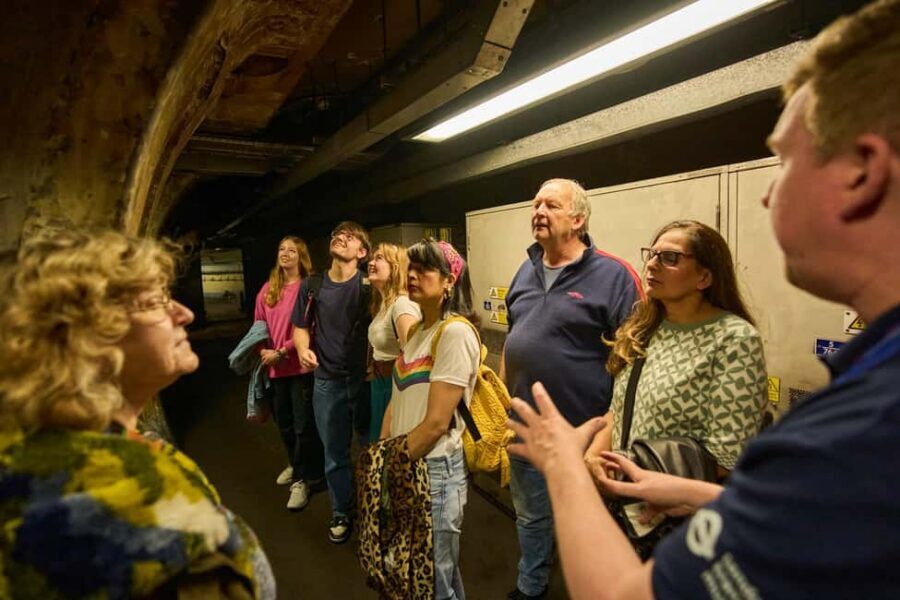
- Green Park + Dover Street access: you’ll see the former Dover Street station spaces that were last accessible to the public in the 1930s
- WWII-focused storytelling: wartime use of the station, including how London Transport leaders sheltered during air raids
- Original tiles and signs: vintage station details are still there, giving you something real to look at, not just pictures
- Ventilation tunnels behind platforms: you’ll step into the large tunnels that help cool the Victoria and Jubilee lines
- Many stairs and uneven, low-lit areas: no elevators, and the underground temperatures can vary
Green Park Station, But Not the Part You Ride
Green Park is one of those stations people pass through without really noticing. That’s exactly why this tour works. You start at the familiar entrance area, then your guide redirects you toward the “you’ll never notice this from the platform” side of the station.
Once you’re underground and moving away from the normal passenger route, you get a different sense of scale. The station doesn’t just feel older. It feels engineered for very specific jobs—some of them modern, some of them urgent.
You’ll also get a guide experience that makes the history land. In groups that include Tommy, Colin, and Anthony from the London Transport Museum, the tone tends to be lively and focused. The goal is not museum lectures. It’s staying together as you move behind the scenes and learning what you’re seeing as you see it.
You can also read our reviews of more tours and experiences in London.


Dover Street Station: Secret Passageways and Lift Landings
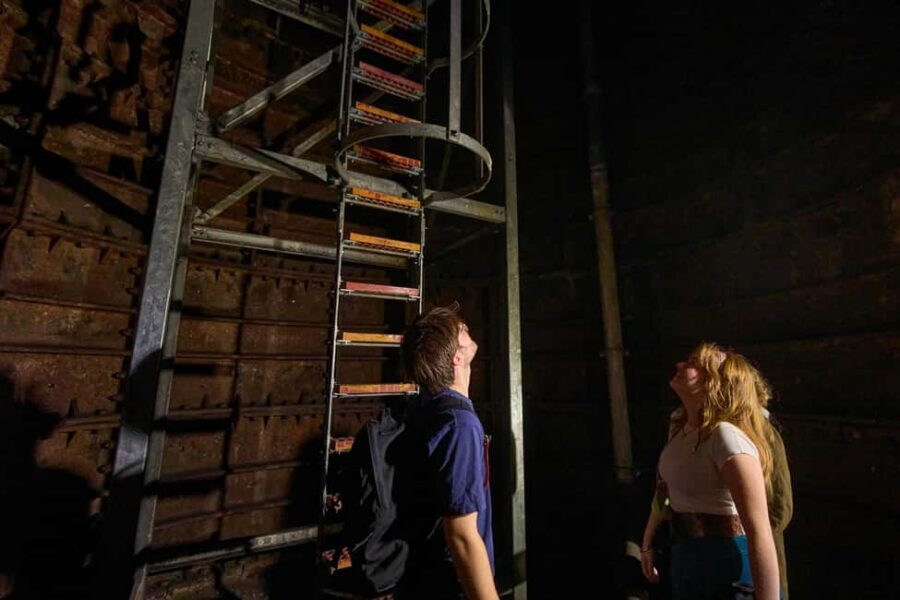
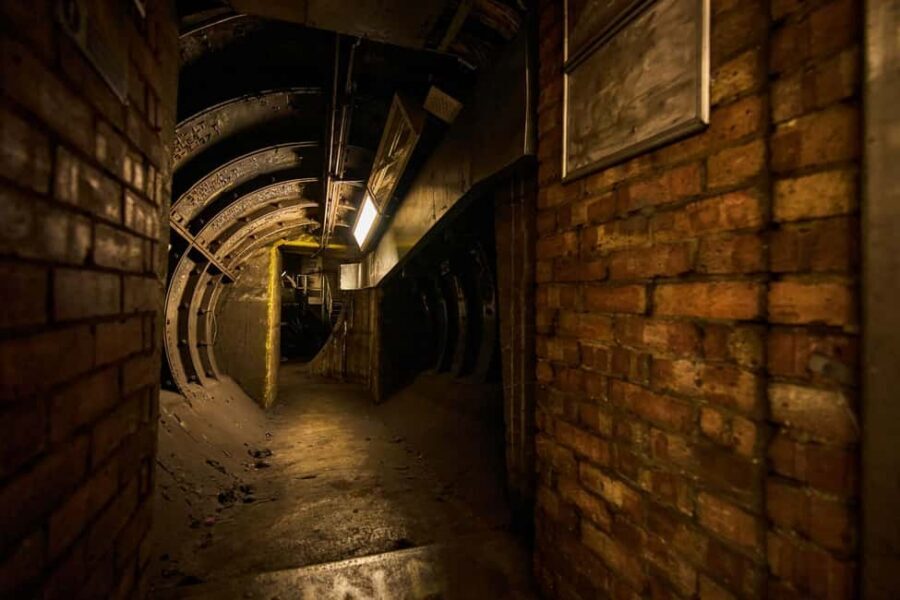
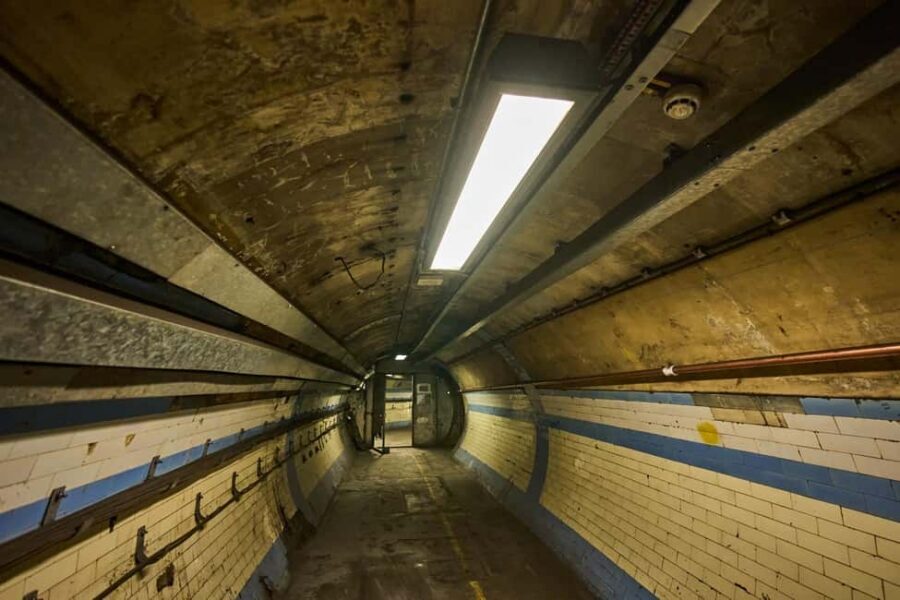
The core thrill is getting into Dover Street station—sometimes described as a hidden station within a station. Dover Street was built to serve the Great Northern, Piccadilly, and Brompton Railway, and you’ll walk through former passageways and lift landing areas that reflect how people moved through the Underground back in the early 20th century.
This is where the tour stops being a “story tour” and turns into a “place tour.” You’re not just hearing that the station has layers. You’re stepping into them.
What to look for:
- the sense of old routing, where you can almost imagine crowds flowing through spaces that aren’t used the same way now
- the remaining architectural cues from earlier station design
- the physical structure of the passageways, which makes the Underground feel more like a built environment than a train system
There’s also a bit of theater in the way you pass areas that ordinary commuters don’t usually see. One useful mindset for your visit: watch your guide’s cues and stay close. These side routes are easy to miss if you’re wandering on your own.
Vintage Signs, Tiles, and the 1930s Feeling
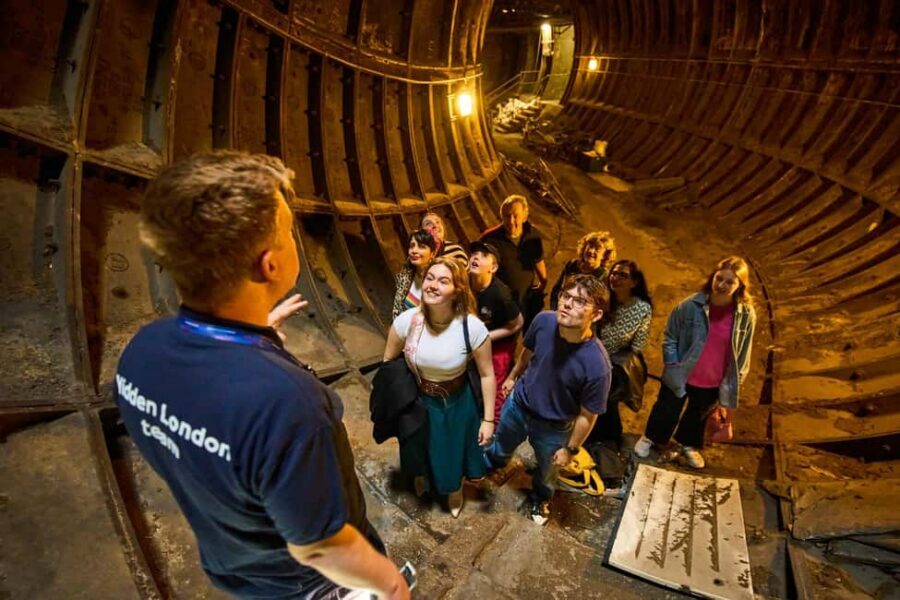
One of the most satisfying parts of the tour is spotting the original vintage signs and tiles that still decorate the walls. These are the sorts of details that disappear in many tourist-friendly displays because they’d be too easy to remove, replace, or cover. Here, you’re seeing the real surfaces, not replicas.
It helps that the stories you hear connect those details to a time period. The tour frames these pieces as something last seen by the traveling public in the 1930s. That makes your photos feel more meaningful, because you’re capturing objects with a long gap between public viewing and today’s access.
A practical note: photography is allowed, but flash photography is not permitted in certain areas. So if you like night-style station shots, plan on using regular light and phone camera settings.
Wartime Stories: Air Raids, the Transport Board, and Lord Ashfield
The tour’s storytelling gets real when it turns to World War II. You’ll hear how Dover Street played a key role during air raids—offering a safe place for the London Transport Executive Board to meet so Underground operations could continue.
This isn’t just dramatic history for drama’s sake. It changes how you think about the station. Suddenly, the passageways feel less like old infrastructure and more like emergency infrastructure—spaces built to keep the city moving under pressure.
You’ll also learn about where Lord Ashfield, then chairman of the London Passenger Transport Board, had his bedroom secretly fitted at the heart of the station. That kind of detail sticks because it’s so specific. It gives you a concrete image of how leadership lived and worked within the Underground system when the city needed protection.
If you’re the type who likes history that connects to engineering and everyday systems, this is the segment to pay attention to.
Green Park Expansion: Victoria and Jubilee Lines After the War
After the wartime focus, the tour shifts to post-war London. In the 1960s and 1970s, Green Park expanded to accommodate two post-war lines: the Victoria and Jubilee lines. You’ll learn how the station became part of modernizing London’s transport infrastructure during the post-war economic boom.
This part helps you connect two realities:
1) Underground stations aren’t static. They evolve as the network grows.
2) Even with “modern” lines running today, older infrastructure and design choices still matter.
So while you’re walking through older passageways and seeing vintage elements, you’re also getting the story of how those same spaces fit into later expansion. It’s a useful reminder that a Tube station is more like a living system than a finished building.


Ventilation Tunnels and Secret Shaft Views Behind the Platforms
Then you hit the most unusual physical payoff: the ventilation tunnels.
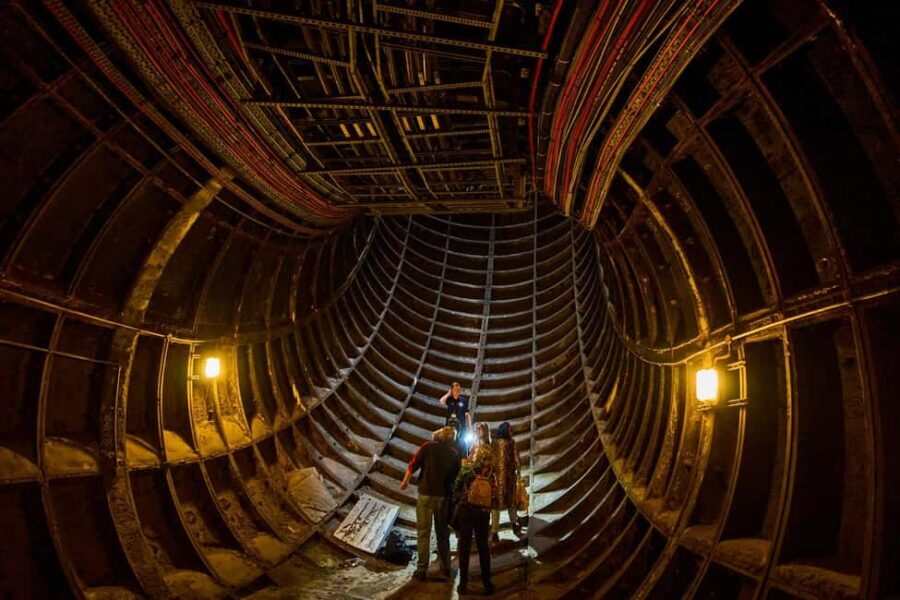
The tour takes you behind the platforms to step into large ventilation tunnels that hide behind the station structure. These tunnels provide essential air cooling for the Victoria and Jubilee lines. Seeing them in person changes your understanding of “what keeps the Tube running.” It’s not just trains and tracks. It’s air, airflow, and continuous system engineering.
You’ll also peer down from a secret ventilation shaft viewpoint that’s normally closed to the public on the station’s platforms. The view is unique because you’re looking at the line of Tube tracks and movement from a perspective most riders never get.
This is also where you’ll notice the station’s constant working nature. The air can feel different. The lighting can change. Your sense of scale comes through quickly because tunnels and shafts make distances feel real.
Price and Time: Is $62 Worth 80 Minutes?
At $62 per person for about 80 minutes, this tour isn’t trying to be a cheap walk-up attraction. You’re paying for access to closed areas, a live guide, and entry into spaces that aren’t normally part of the public station experience.
In practical terms, value comes from three things:
- You’re seeing infrastructure most visitors never get to enter, like closed passageways, lift landings, and ventilation tunnels
- You’re getting guided context that turns those structures into a story about the station’s role during air raids and later expansion
- You’re getting original details like vintage signs and tiles still in place
If you like transport history and you want something more specific than generic “London facts,” this price can feel fair. If you’re mainly after scenic views and don’t enjoy stairs or tight underground areas, you may find the cost hard to justify.
Practical Tips: Meeting Point, What to Wear, and Photo Rules
Meet your guide outside the Buckingham Palace/Green Park exit at Green Park station, by the Diana Fountain. The tour uses this What3Words location: //sung.silent.belts. Arrive 15 minutes early so the group can start on time.
What to bring:
- passport or ID card
- comfortable shoes
- water
What not to bring or wear:
- no food and drinks
- no luggage or large bags
- no open-toed shoes
Underground conditions vary. Expect changing temperatures and low lighting. Also, there are no elevators, and the walking can include uneven ground plus stairs. That affects comfort and safety more than people expect, so pack your patience and wear footwear that grips well.
Who This Tour Suits (and Who Should Skip It)
This is not a casual stroll. It’s a working-station underground experience with stairs, low light, and tight circulation routes.
It’s not suitable for:
- children under 10
- people with mobility impairments
- wheelchair users
- people with claustrophobia
- people with respiratory issues
If you’re traveling with kids, there’s a specific guidance: the tour allows a maximum of four children aged 10–15 per adult. So if you’re bringing a family, it’s smart to count the group composition before booking.
If you’re someone who can handle tunnels and stairs comfortably, you’ll likely love the “behind the scenes” feeling. But if you’re sensitive to enclosed spaces or you need fully accessible routes, skip this one and look for a different Green Park experience that doesn’t go into closed underground corridors.
Should You Book the Hidden Tube Tour at Green Park?
I’d book it if you want transport history you can actually walk through. The combination of Dover Street access, WWII stories tied to real station spaces, and the ventilation-tunnel views behind the platforms is hard to replace with standard sightseeing.
I’d hesitate if you strongly dislike stairs, uneven ground, low lighting, or you’re worried about enclosed spaces. This tour is built for access to closed infrastructure, so comfort needs to be realistic.
Also, it’s a good choice if you’re traveling with someone who likes details: signs, tiles, architecture, and the engineering side of the Tube. The tour gives you enough structure to make it feel guided, not chaotic, and the best groups stay together as you move through side doors and unnoticed routes.
FAQ
FAQ
How long is the Hidden Tube Tour at Green Park?
The tour duration is 80 minutes.
Where exactly do I meet the guide?
Meet outside the Buckingham Palace/Green Park exit at Green Park station, by the Diana Fountain. The What3Words location is //sung.silent.belts.
How much does it cost?
The price is $62 per person.
Is the tour suitable for children?
It is not suitable for children under 10. For children aged 10–15, there is a maximum of four children per adult.
Is the tour wheelchair accessible or friendly for mobility impairments?
No. It is not suitable for people with mobility impairments and wheelchair users.
Can I bring food, drinks, or luggage?
Food and drinks are not allowed. Luggage or large bags are not allowed either.
What should I wear and bring?
Wear comfortable shoes (no open-toed shoes). Bring your passport or ID card and water.
Is flash photography allowed?
Photography is allowed, but flash photography is not permitted in certain areas.
What languages are available for the guide?
The live tour guide speaks English.
Would you like me to tailor a “best day to go” plan around your London schedule (morning vs afternoon light, nearby sights, and how to pair it with other Tube stops)?