Holborn has secrets under your feet. This Hidden Tube walk brings you behind closed doors at Holborn station, where you’ll see disused spaces tied to the Piccadilly line and the long-forgotten Aldwych branch. I love how the guide mixes station design with firsthand accounts, and I love that you get to view areas most people never see. The trade-off is real: expect stairs, uneven ground, low light, and no elevators.
In the disused sections, you’ll spot the Leslie Green Edwardian look and period details like vintage posters and an early 20th-century signalling cabin. I also like that the tour gives you context for why parts of the station changed over time, instead of treating it like a spooky hallway stop.
One more thing to consider before you book: if you have mobility limitations or you get uncomfortable in tight, dim spaces, this likely won’t feel good.
In This Review
- Key moments you will remember
- Holborn Station’s hidden “other life” behind the doors
- Meeting on Gate Street: quick logistics that matter
- The 1906 Piccadilly-line origins you can see, not just imagine
- Aldwych branch platforms: the 30-year closure factor
- Leslie Green Edwardian details and the signalling cabin
- Wartime use: shelter, staff life, and the Blitz years
- The 1930s modernization plan and the ripple effect
- Walking reality check: low light, stairs, and uneven ground
- Who this hidden-tube tour fits best
- Price vs. value: does $60.61 make sense?
- Should you book Hidden Tube: Holborn’s Secret Platforms?
- FAQ
- How long is the Hidden Tube tour of Holborn’s Secret Platforms?
- What is included in the ticket?
- Where do I meet for the tour?
- Is the tour suitable for people with mobility impairments?
- Is this tour suitable for claustrophobia?
- What should I bring, and what is not allowed?
- Is there an age limit for children?
Key moments you will remember
- A peek at the old Piccadilly-line setup from areas most visitors never access
- Aldwych branch platforms closed for around 30 years, now reopened for your eyes only
- Original Leslie Green Edwardian design plus vintage posters you can actually read up close
- An early signalling cabin and the station’s operational past made visible
- Stories that go beyond trains, including wartime shelter and scientific lab use
- 1930s modernization impacts, including the closure of nearby British Museum station
Holborn Station’s hidden “other life” behind the doors
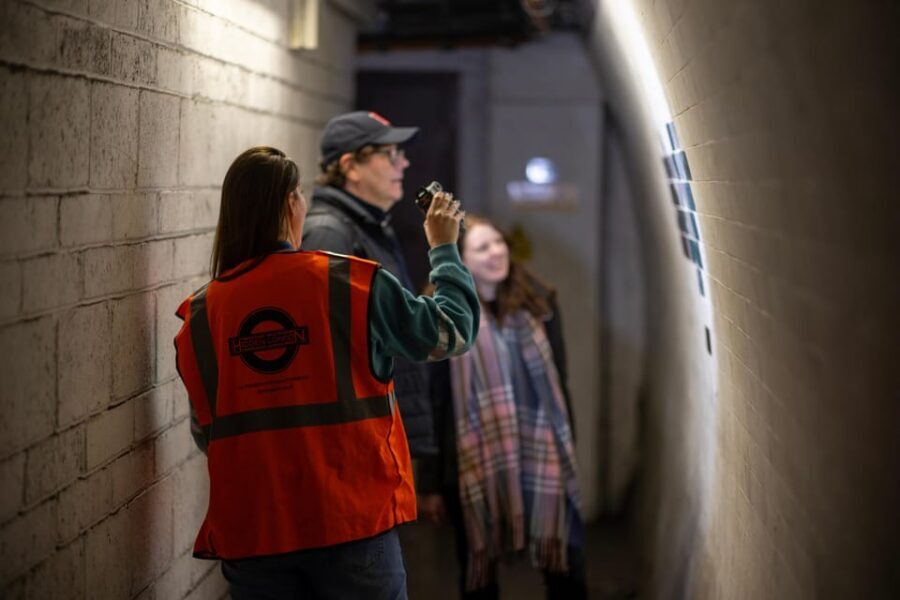
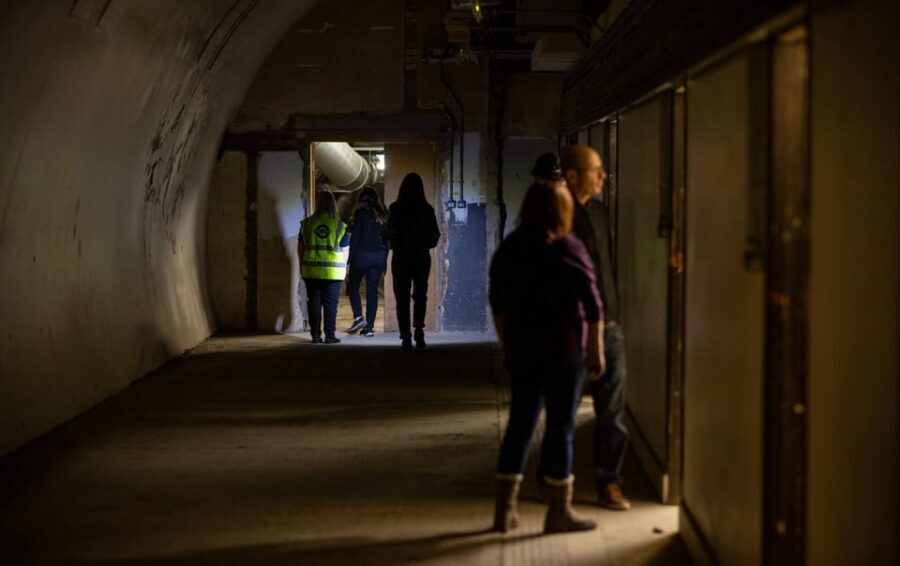
This tour turns Holborn from a station you pass through into a place with layers. You start at the busiest kind of London hub, then step behind concealed doors into areas that have been closed to the public for nearly 30 years. That shift is the magic trick: you’re still in central London, but the atmosphere changes fast—less signage, fewer crowds, and more of the original industrial mood.
I like that the experience stays grounded in what the station was built to do. Originally opened in 1906 as a complex of four platforms serving the Piccadilly line, Holborn wasn’t just a stop. It was part of a plan that helped reshape the surrounding area from rougher streets into a more business-focused district. The guide connects those dots in plain language, so the technical stuff feels human rather than like a textbook.
You can also read our reviews of more tours and experiences in London.


Meeting on Gate Street: quick logistics that matter
You’ll meet on the corner of Gate Street and Kingsway, WC2B 6AA. If you use What3Words, the spot is ///towers.rift.forest. The tour ends back at the same meeting point, so you don’t need to figure out a second exit or coordinate transport from a different part of town.
Because this is a walking tour through disused areas, I suggest you dress like you’re doing an urban adventure, not like you’re headed to a museum café. Wear comfortable shoes with good grip. Bring water. Leave the bulky stuff behind since luggage or large bags aren’t allowed.
Also, keep in mind the tour is run in English and is scheduled for a set duration of about 85 minutes. Starting times vary, so check availability for the slot that fits your day.
The 1906 Piccadilly-line origins you can see, not just imagine
Once you’re inside, the first big payoff is understanding why Holborn matters so much to the Underground’s story. The station’s original purpose—four platforms for the Piccadilly line—sets up everything you’ll see next. The guide helps you connect layout, design, and how passengers moved through the space.
This matters because it changes how you interpret the architecture. You stop looking at it as random corridors and start seeing it as engineered flow. Even if you’re not a transit nerd, you’ll get it fast: stations weren’t built by guesswork. They were built for the work of moving people, safely and efficiently, day after day.
Aldwych branch platforms: the 30-year closure factor
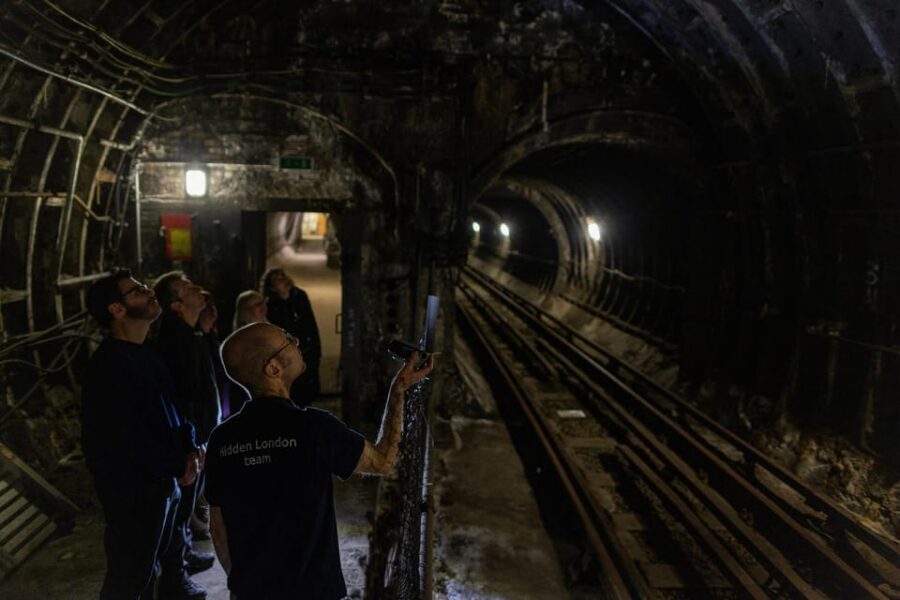
The centerpiece is the Aldwych branch line areas, including two closed platforms that have been out of public view for around 30 years. This is where your brain usually does that double-take. You’re used to platforms that look modern or at least maintained. Here, the surfaces and signals tell a different story—one of old operations and changing priorities.
You’ll also get an unexpected view of the Piccadilly line. That’s a smart moment in the tour because it gives you a sense of “two realities at once.” You can stand in disused space and still see the living transit system nearby, which makes the hidden parts feel less like a museum prop and more like a working piece of the network that got sidelined.
Leslie Green Edwardian details and the signalling cabin
Holborn’s early look is a big part of the appeal. You’ll see original Leslie Green Edwardian design elements, plus vintage posters—details that bring the era to life. It’s not just about aesthetics. Those design choices are clues about how stations were meant to function and how the Underground branded itself at the time.
One of the most memorable stops is the early 20th-century signalling cabin. If you’ve ever wondered how trains were controlled before modern tech took over, this is a rare chance to see the physical side of that system. The guide explains what you’re looking at so it doesn’t turn into a “walk and guess” moment.
I like this because it’s practical curiosity. You leave with a better sense of what signals and controls do, not just a photo of a cool room.


Wartime use: shelter, staff life, and the Blitz years
A big shift in the tour is how it treats the station as a place people relied on—not just something trains passed through. You’ll hear about surprising uses over the years, including scientific laboratories and wartime shelter for London Transport staff.
The Blitz-era accounts give the spaces a weight that you can’t get from a standard station tour. You learn how staff may have felt working there during the height of the Blitz, which turns the disused platforms into a context for fear, duty, and resilience.
If you enjoy stories that link engineering to daily life, this section is a highlight. It’s also a good reminder that infrastructure isn’t abstract. It’s where real people had to make decisions and keep things running under pressure.
The 1930s modernization plan and the ripple effect
Another strong thread is the modernization program of the 1930s. The guide explains how upgrades changed the Underground in ways you might not expect, including the closure of nearby British Museum station.
This is where the tour becomes more than “look at old stuff.” You start seeing the logic behind closures and redesigns: when technology improves and operational priorities change, older stations sometimes can’t justify the cost or complexity. Holborn’s story becomes a pattern—London constantly upgrades, then repurposes what it can.
You’ll also hear how the station continues to matter today through a major upgrading project of the signalling system. So the tour ends with the Underground’s present tense, not only its past.
Walking reality check: low light, stairs, and uneven ground
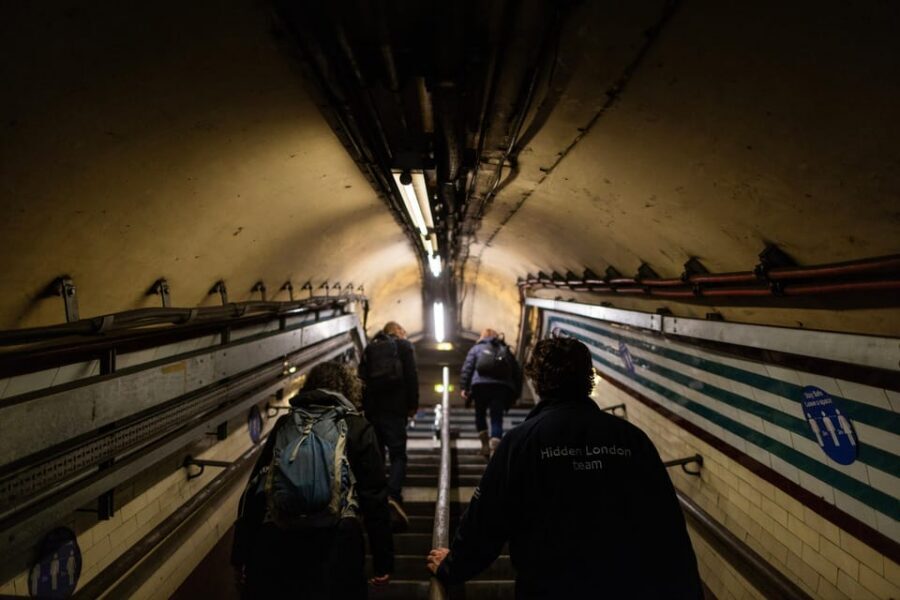
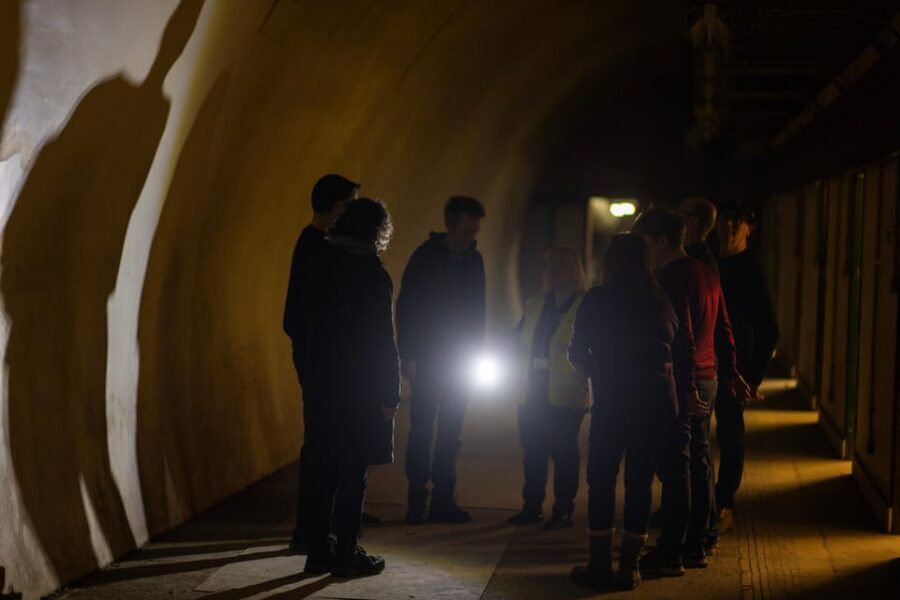
I’ll be straight with you: this isn’t a casual stroll. The tour involves a lot of walking, including areas with uneven ground, low lighting, and stairs. There are no elevators.
That means you should plan for stability and comfort. If you wear shoes that are slick or unsupportive, switch them ahead of time. If you’re traveling with a bag, remember luggage or large bags aren’t allowed, and open-toed shoes aren’t permitted.
And if you have claustrophobia, treat this as a real caution flag. The tour includes low-lit areas and stairs in disused spaces, which can feel tight even if the rooms aren’t described as tiny.
Who this hidden-tube tour fits best
This experience is ideal if you like transit history that’s grounded in physical details: platform design, signage, and the way stations were built to operate. It also works well if you enjoy stories about how London changed—both in the 1900s and during wartime—through the practical choices made by the Underground.
It’s less ideal if you need step-free routes or you get anxious in dim, enclosed areas. And it’s not suitable for people with mobility impairments.
For families, there’s a clear rule: it’s not suitable for children under 10. For kids aged 10–15, there’s a maximum of four children per adult. If you’re traveling with a young teen who loves trains, this could be a great outing—just be sure they can handle stairs and uneven footing.
Price vs. value: does $60.61 make sense?
The price is listed at $60.61 per person for about 85 minutes. For London, that’s not cheap, but it also isn’t “paying for a fancy seat” either. You’re paying for access to disused areas behind concealed doors that you’d never see on your own, plus a live guide and a guided walking format.
What makes it feel like value is the combination:
- You see specific, high-interest areas (the Aldwych branch platforms and the signalling cabin).
- You get context for why those spaces exist and why they changed (1906 origins, 1930s modernization, and modern signalling upgrades).
- You hear human details about how staff used the station and how it supported people during wartime.
If your goal is photos of platforms only, you might feel it’s overpriced. If your goal is understanding how the Underground became what it is—and seeing the physical evidence—then the cost starts to look reasonable.
Should you book Hidden Tube: Holborn’s Secret Platforms?
Book it if you want a rare, behind-the-scenes view that mixes design details with real operational stories. I think it’s especially worth it when you’re the type of person who notices signage, building style, and how systems work.
Skip it if you:
- Need step-free access
- Struggle with low light, stairs, uneven ground, or claustrophobia
- Hate walking in constrained, dim spaces
If you’re in the “I love transit details” camp and you can handle the physical realities, this tour should land as one of those London experiences that changes how you look at the Tube long after you leave.
FAQ
How long is the Hidden Tube tour of Holborn’s Secret Platforms?
The tour lasts 85 minutes. Starting times vary, so check availability for the slot that works for your schedule.
What is included in the ticket?
The ticket includes a guided walking tour with a live English-speaking guide.
Where do I meet for the tour?
Meet on the corner of Gate Street and Kingsway, WC2B 6AA. The What3Words location is ///towers.rift.forest.
Is the tour suitable for people with mobility impairments?
No. The tour is not suitable for people with mobility impairments, since there are stairs and uneven ground and there are no elevators.
Is this tour suitable for claustrophobia?
No. The tour is not suitable for people with claustrophobia.
What should I bring, and what is not allowed?
Bring a passport or ID card, comfortable shoes, and water. Food and drinks are not allowed, and luggage or large bags are not allowed. Open-toed shoes are also not permitted.
Is there an age limit for children?
Yes. The tour is not suitable for children under 10. For children aged 10–15, there is a maximum of four children per adult.