
REVIEW · HEXHAM
Northumberland Castles & Coast Online Road Trip Travel Guide
Book on GetYourGuide →Operated by Uncover Britain · Bookable on GetYourGuide
Northumberland has a way of feeling bigger than its size, and this guide helps you explore it without racing. You get a self-drive plan built around one scenic point-to-point route through dramatic country, Roman sites, and sea-gazing villages.
I especially like the two-part structure that splits planning into Northumberland National Park and the Coast, so you can pick the days that match your mood. I also like that each route comes with pre-populated Google Maps pins and directions, so you spend less time figuring out where to go next.
One thing to consider: this is not live navigation, and the guide itself isn’t customizable—so you’ll need to lean on your own timing and judgment once you’re on the road.
In This Review
- Key things that make this Northumberland road trip guide worth your time
- Your 12-month planning sidekick for Northumberland castles and coast
- Two-section route planning: National Park days vs Coast days
- Northumberland National Park: quieter days and big skies
- The Coast: castles, tidal timing, and sea towns
- Hexham: a practical launchpad near Hadrian’s Wall
- Hadrian’s Wall: forts, Roman museums, and walkable routes
- Alnwick and Warkworth Castles: coastal fortresses with drama
- Bamburgh, Craster, and Amble: seaside days that feel local
- Lindisfarne (Holy Island): plan for tides, not just postcards
- Northumberland National Park: Simonside and Breamish Valley for calm driving
- Kielder Forest and Kielder Observatory: stargazing as the big night plan
- How to build a 3 to 14 day road trip without feeling chained to your schedule
- Navigation reality check: what this guide does, and what it doesn’t do
- Price and value: $17 per group for a year of planning ideas
- Who this self-drive guide is best for
- Should you book Northumberland Castles & Coast?
- FAQ
- Is this a guided tour with an in-person meeting?
- Do I need my own car?
- How long do I have access to the guide?
- Do I need to download an app?
- Does the guide provide live navigation or turn-by-turn directions?
- Can I customise the guidebook content?
- What do I receive after booking?
- What should I bring for the trip?
- How much does it cost?
Key things that make this Northumberland road trip guide worth your time

- 189 miles / 303 km of point-to-point ideas that are designed to be combined into 3 to 14 days
- Two themed sections (Northumberland National Park + Northumberland Coast) that keep planning simple
- 15 key destinations with practical context on what to see, where to park, and how to connect stops
- Pre-populated Google Maps with suggested pins and directions, plus section-by-section directions you can use in Google Maps
- Kielder stargazing ideas tied to dark skies and Kielder Observatory
Your 12-month planning sidekick for Northumberland castles and coast
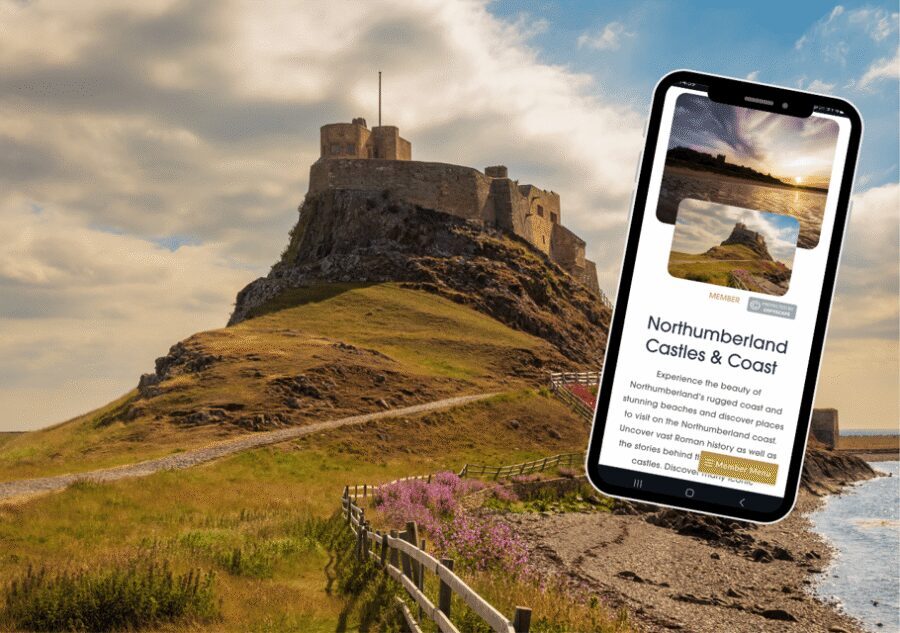
This isn’t a bus tour with a fixed route and a crowd. It’s an online travel guide from Uncover Britain that you use on your own schedule, from home or on your phone while you’re traveling. Once you buy, you get a single account licence with access for 12 months (valid for 364 days from first activation).
That matters because Northumberland often rewards slower travel. You can group stops into a short break—like a fast Coast run—or stretch it out into a 10–14 day road trip if you like walking, viewpoints, and long tea breaks.
You’re also not stuck with a one-size itinerary. The plan is organized to help you decide where to go and how to combine destinations. And because the guide isn’t custom-built, you won’t have to fight menus or settings while you’re trying to actually enjoy the day.
You can also read our reviews of more guided tours in Hexham
Two-section route planning: National Park days vs Coast days
The guide’s big win is how it organizes the trip. You’re not forced to do everything. You choose what fits, then you connect it into a workable journey.
Northumberland National Park: quieter days and big skies
In the National Park side, the destinations you’ll be thinking about are places like Simonside, Breamish Valley, and Kielder Forest. This is where the scenery and the pace usually shift. You trade castle crowds for narrow lanes, open views, and a sense of breathing room.
If you like driving “slow and curious,” this section is ideal. It’s also where you’ll find one of the guide’s standout ideas: stargazing near Kielder Observatory. Kielder’s reputation for dark skies comes up for a reason—night in this area can feel genuinely special when you’ve cleared the daytime touring energy.
The Coast: castles, tidal timing, and sea towns
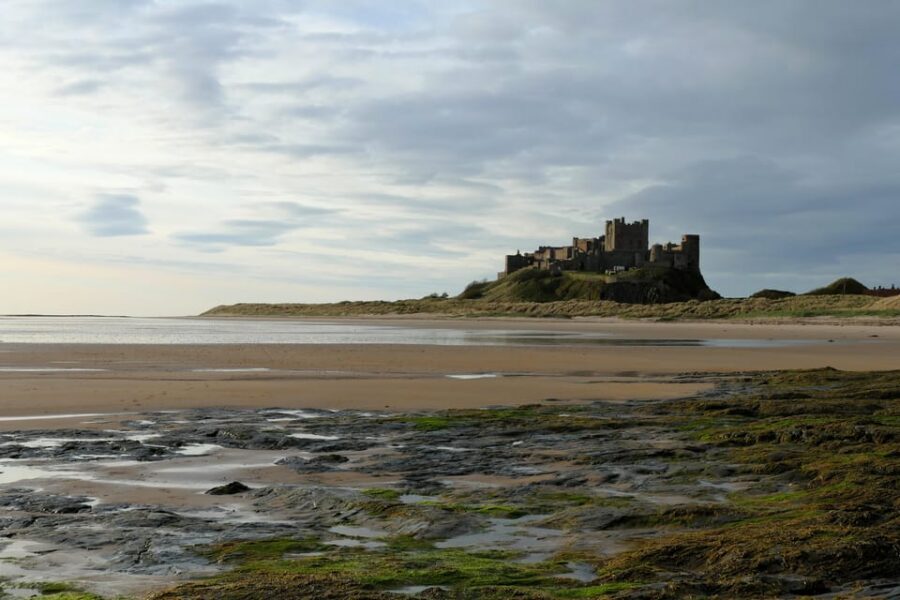
On the Coast side, the stops lean toward old stone and coastal character: Alnwick & Warkworth Castles, Bamburgh, Craster, Amble, and Lindisfarne (Holy Island).
This is the part of Northumberland where you’re more likely to stop for short walks, photo breaks, and village wandering. Coastal days also tend to be flexible, because you can spend more time at the viewpoints and less time in the car when you find a spot that fits your mood.
Hexham: a practical launchpad near Hadrian’s Wall
A good trip starts with an easy day-one base, and Hexham is built for that. It’s described as a market town with an abbey, plus nearby access points to Hadrian’s Wall.
If you’re coming into the region by car, Hexham can help you get oriented fast. You can treat it like a “hub” day: wander the town center, then use it to reach the Wall without feeling like you’re driving across the whole county every time you want another Roman stop.
What I like here is the structure: it’s not just, Go here for photos. It’s also, here’s how you can connect Wall sites and museum visits around your own timing. That keeps you from burning half your day on transit.
Hadrian’s Wall: forts, Roman museums, and walkable routes
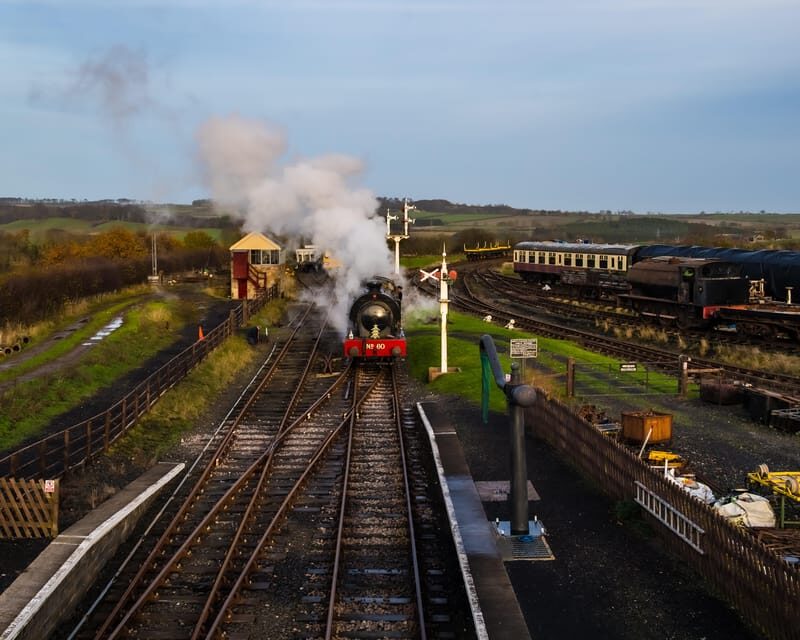
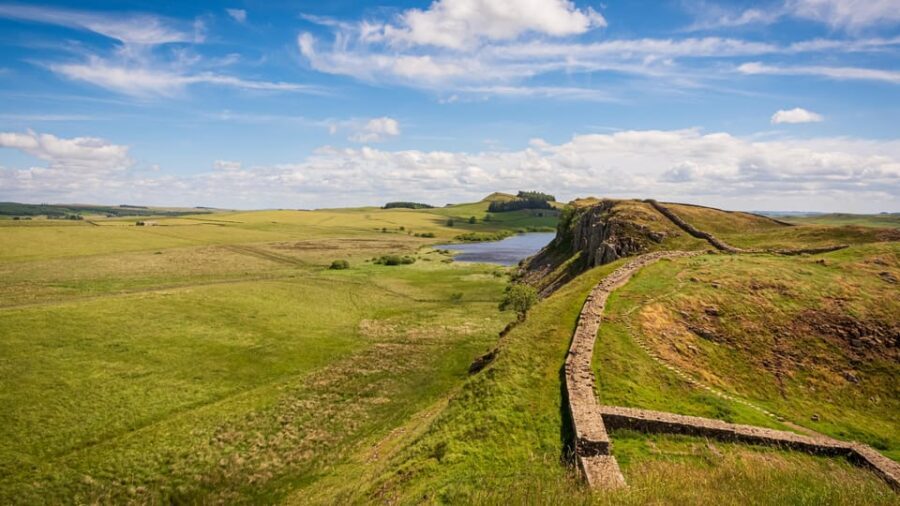
Hadrian’s Wall is the centerpiece for a reason. The guide’s approach focuses on ancient forts, scenic walking routes, and Roman museums.
Here’s how to make this section work in real life: don’t try to “do the whole Wall” in one day. Instead, pick a couple of key sites, then build your day around how long you want to walk. The guide’s focus on forts and walking routes helps you do that without guessing.
Also, if you’re the type who likes context, Roman museums are a smart way to break up the physical walking. They add meaning to the stones and give you a rest when the weather isn’t cooperating.
Potential drawback to keep in mind: with Wall stops, your best experience often depends on your willingness to walk. If you want everything to be drive-up and instant, you may feel your options are narrower than you’d like. Still, the guide is built around walking routes, so it’s planning-friendly for people who don’t mind a bit of time on foot.
Alnwick and Warkworth Castles: coastal fortresses with drama
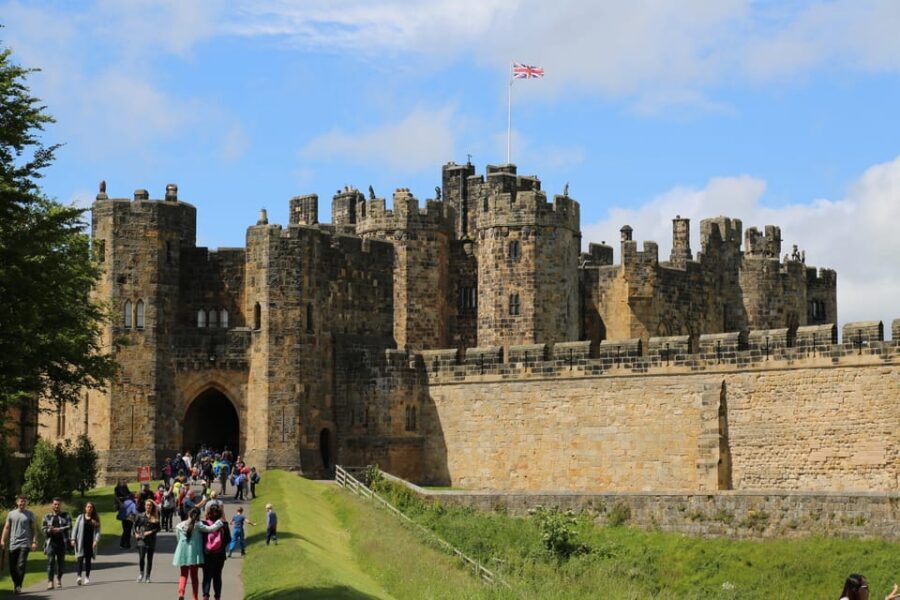
When you shift into castle territory, the guide points you to Alnwick & Warkworth Castles—both strong choices if you want Northumberland to feel cinematic. They’re also convenient for the Coast side, since you can pair a castle visit with nearby coastal villages.
A practical tip: castles are one of those attractions where timing matters. If you can, plan your visit so you’re not rushing between parking lots and entry gates. The bigger win isn’t just seeing the buildings—it’s giving yourself time to take in the surroundings, especially when the castle sits close to sea air and open horizons.
The guide’s value here is that it doesn’t treat castles as isolated stops. It helps you connect them as part of a wider day, so you can tack on a village wander or a viewpoint without turning your itinerary into a constant gear shift.
Bamburgh, Craster, and Amble: seaside days that feel local
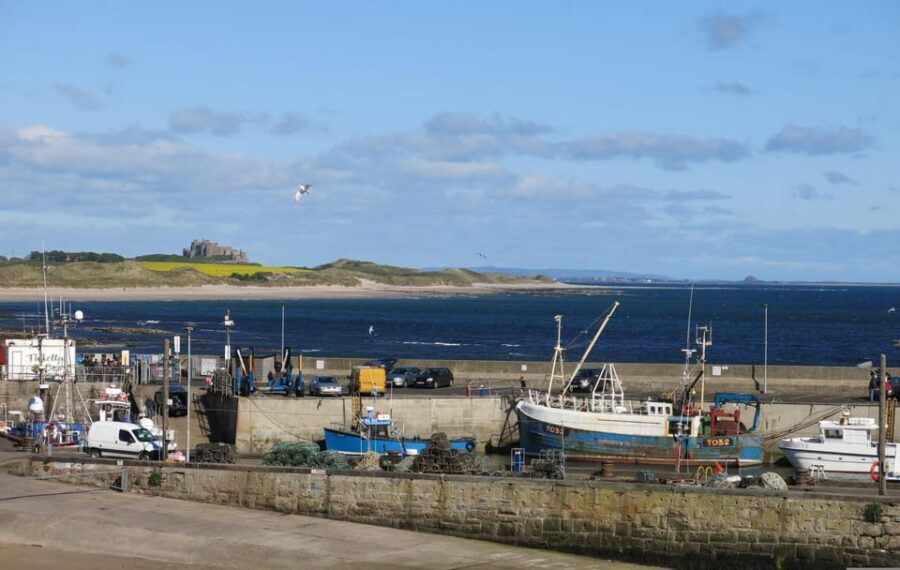
The guide groups these as charming villages with history and stunning seaside views: Bamburgh, Craster, and Amble.
This trio is great for how Northumberland days often work: you want one anchor stop (maybe Bamburgh), then you want smaller breaks between drives. Village-based days give you flexibility. You can go for the viewpoints, grab a snack, and adjust your plan if the weather changes.
I also like this because it’s not purely about big attractions. If you’re traveling for atmosphere—small streets, quiet harbors, the rhythm of seaside life—these towns support that. And since they’re grouped together, you can build an itinerary that keeps driving reasonable.
Lindisfarne (Holy Island): plan for tides, not just postcards
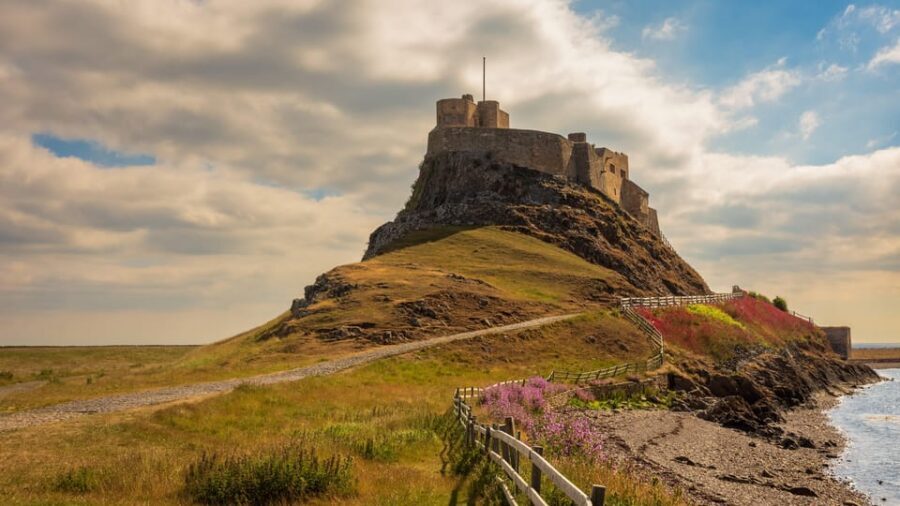
Lindisfarne, often called Holy Island, is one of the most specific experiences in the guide: you cross the tidal causeway, then you explore the abbey and the island’s spiritual history.
This is the kind of stop that can make your trip feel memorable, but it also needs a little respect for timing. The causeway crossing is tide-dependent, so your day plan should account for it rather than treating it as a flexible detour.
Once you’re there, the payoff is in the mix: the abbey is a strong focal point, and the setting gives the visit an atmosphere you can’t really recreate inland. If you want one day that feels more reflective than checklist-driven, this is a good candidate.
Northumberland National Park: Simonside and Breamish Valley for calm driving
If your ideal road trip includes quiet routes and pauses for views, Simonside and Breamish Valley fit the bill. The guide presents them as part of the National Park section, which is exactly where you’ll want them if you’re trying to reduce the intensity of the castle-and-coast day cycle.
Here’s what makes this section useful: it’s organized to encourage you to choose. You don’t have to “collect” every nature stop. Pick one or two, then let the day breathe. That’s how you’ll get more satisfaction and less stress.
If you’re traveling with someone who doesn’t want constant attractions, this is where you can compromise. Nature days are typically easier to customize—walk more if you feel good, drive and stop short if you don’t.
Kielder Forest and Kielder Observatory: stargazing as the big night plan
One of the most distinctive ideas in the guide is scenic drives and stargazing, with a direct call to Kielder Observatory and dark skies.
This is a rare type of travel planning benefit: it pushes you beyond daytime sightseeing. If you love the idea of night skies, you’ll appreciate that the route planning doesn’t end when the light goes. It nudges you to schedule an evening with a purpose.
Practical note: stargazing works best when you’re not rushing. You’ll want a plan that gives you time to get to wherever you’re viewing, settle in, and avoid driving away too quickly. The guide’s focus on night sky time makes it easier to build that kind of evening.
How to build a 3 to 14 day road trip without feeling chained to your schedule
The guide is designed to show how destinations can be combined to fit your timeframe, typically from 3 to 14 days. That’s important because Northumberland isn’t small, and you’ll feel it in your driving time if you stack stops too tightly.
A simple approach I recommend:
- If you have 3–4 days, prioritize either the Coast or Hadrian’s Wall + one or two Coast towns.
- If you have 5–7 days, do the Wall day(s) plus Hexham, then spend a couple of days on the Coast stops (castles + villages).
- If you have 10–14 days, add National Park time properly: Simonside/Breamish Valley, Kielder Forest, and at least one evening for stargazing.
The guide’s point-to-point concept is helpful because it’s meant for moving forward through the region, not bouncing around. And because it provides suggested routes, you’ll spend less time asking, Where should I go next?
One more helpful detail: you’ll find tips like how to get there and where to park. That kind of planning is underrated, especially in places where you don’t want to circle while everyone’s hungry.
Navigation reality check: what this guide does, and what it doesn’t do
It’s worth being clear about the tech side so you’re not surprised on day one.
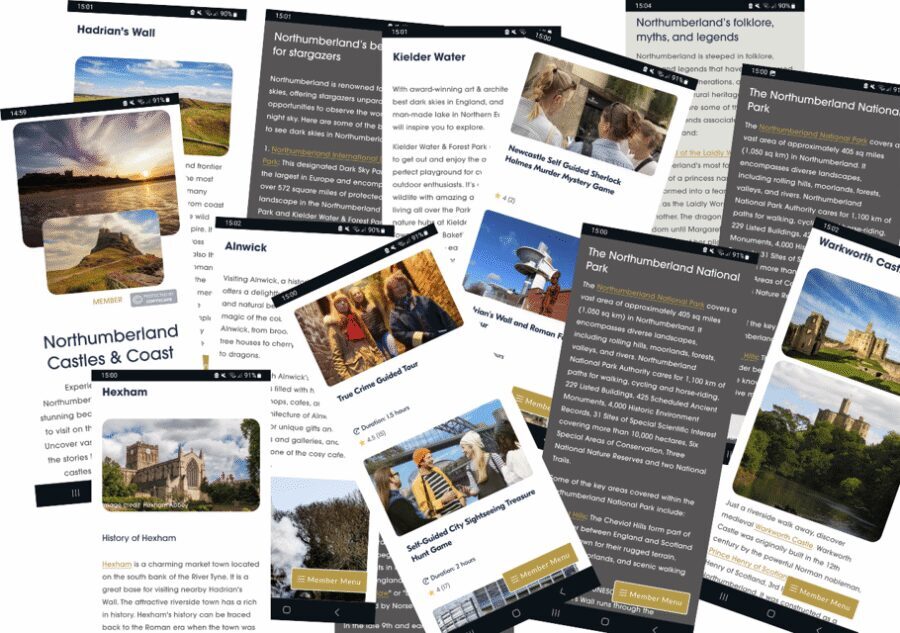
This guide is read through a website—no app needed, nothing to download. You also get Uncover Britain’s pre-populated Google Maps with suggested pins and directions, and you can use section-by-section directions in Google Maps.
What you won’t get is live navigation and fully custom routing inside the guide. If you expect turn-by-turn directions directly from the guide itself, this isn’t that.
The upside is that you can still use Google Maps normally on your own. The guide helps you set up smart starting points so your day planning is faster and your choices make sense together.
Price and value: $17 per group for a year of planning ideas
At $17 per group (up to 7), this is cheap compared to paying for a guided day trip. And the value isn’t just the content—it’s the way it helps you plan.
For that price, you’re getting:
- an online guidebook with 15 key destinations
- sample itineraries that show what’s possible
- practical advice like parking and getting there
- a point-to-point route concept
- access for 364 days
If you’re traveling with a small group, the per-group model is a nice deal: you can all use the same plan and avoid each person needing their own separate purchase. For families and friend groups who share one car, that matters.
Just remember what you’re buying: planning help for a self-drive trip. You still handle transport, food, entrance tickets, and your own day decisions.
Who this self-drive guide is best for
This fits you best if:
- you want a road trip you control (start where you want, drive at your pace)
- you like mixing big sites (like Hadrian’s Wall) with small-town atmosphere (like Bamburgh/Amble)
- you want a phone-friendly way to plan without downloading an app
- you’re comfortable using Google Maps and making timing calls on your own
It might feel less ideal if you want:
- fully custom route editing inside the guide
- live turn-by-turn directions provided by the guide itself
- someone else to book your accommodation or activities (this guide doesn’t do that)
Should you book Northumberland Castles & Coast?
I’d book it if you want to reduce the mental load of planning and get a well-connected route concept for Northumberland. The guide is especially good for anyone who wants to mix Hadrian’s Wall, coastal castles, villages, and at least one nature-and-night-sky day near Kielder.
You might skip it if you already have Northumberland perfectly mapped out and you don’t need ready-made pins, destination context, and combination ideas. Also, if you strongly prefer live navigation guidance from a single tool, the lack of live routing might be a dealbreaker.
If you’re aiming for an authentic, self-paced road trip where you choose the pace each day, this is a sensible value buy.
FAQ
Is this a guided tour with an in-person meeting?
No. It’s a self-guided experience, and you won’t meet anyone in person.
Do I need my own car?
Yes. Transport isn’t included, so you’ll need your own vehicle.
How long do I have access to the guide?
You get 12 months of access, valid for 364 days from first activation.
Do I need to download an app?
No. Access is through a website, and nothing needs to be downloaded.
Does the guide provide live navigation or turn-by-turn directions?
No. It does not provide live navigation or allow you to customise routing in the guide itself.
Can I customise the guidebook content?
The guidebook itself is not customisable, but the routes include pre-populated Google Maps with suggested pins and directions.
What do I receive after booking?
You get access to the destination online guidebook, plus the suggested point-to-point route and sample itineraries. After booking, you’ll receive a weblink to create your account.
What should I bring for the trip?
You should bring travel insurance, a charged smartphone, and your own vehicle.
How much does it cost?
It’s priced at $17 per group (up to 7 people).