REVIEW · PORTSMOUTH
Portsmouth: Portsmouth of the Past Walking Tour
Book on GetYourGuide →Operated by Portsmouth of the past · Bookable on GetYourGuide
Portsmouth turns into a time machine in 90 minutes. You’ll stroll Old Portsmouth with Steve, a lifelong local guide, while the story jumps from Roman Portus Adurni to the dockyard era. Along the way, you get historic pictures and maps that make the changes you see in the streets feel understandable, not random.
I love two things most: the quirky, weird-and-bizarre facts that keep the walk from turning into a textbook, and the way the tour uses visuals so the past lands in your brain quickly. The humour and character in Steve’s delivery also makes it easy to stay engaged the whole way.
One consideration: this is a walking tour, not a ticket to explore the Portsmouth Historic Dockyard ships or the Spinnaker Tower. If you want to go inside the big attractions, plan to add that separately.
In This Review
- Key highlights to expect on this walk
- Entering Old Portsmouth from The Hard Interchange
- Getting the time-travel thread: from Portus Adurni to Portsmouth
- Late 12th-century Portsmouth: understanding why the town grew where it did
- Quirky stories, humour, and the people behind the harbour
- Historic photos and maps: how you’ll see the past in the present
- Portsmouth Historic Dockyard era: aircraft carriers without the ship-ticket
- Photo stops and the practical side of a 90-minute walk
- Price and value: why $13 feels fair here
- Weather plan, accessibility, and who this tour fits best
- Should you book Portsmouth of the Past Walking Tour?
- FAQ
- Where does the Portsmouth of the Past tour start?
- How long is the tour?
- How much does it cost?
- What language is the guide?
- Is this tour wheelchair or scooter accessible?
- Is Portsmouth Historic Dockyard included?
- Is the Spinnaker Tower included?
- Are dogs allowed?
- What should I bring?
- Is there free cancellation and pay-later options?
Key highlights to expect on this walk
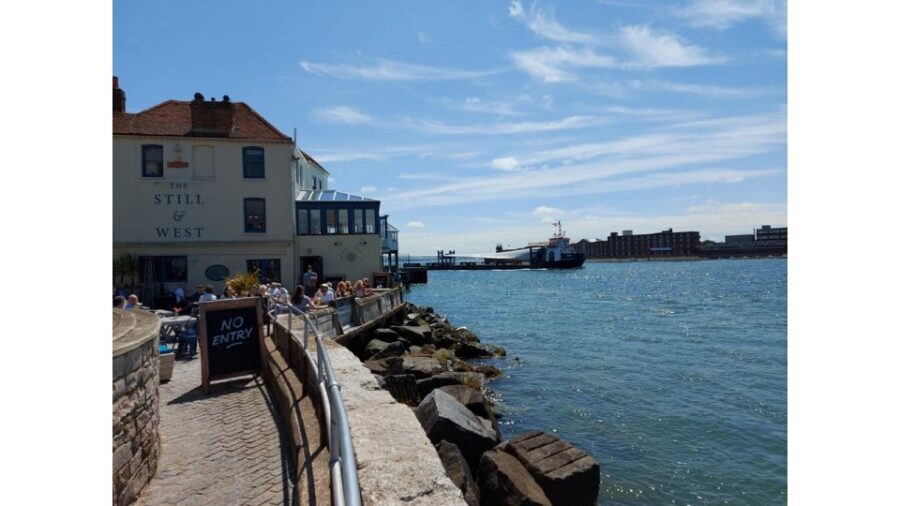
- Roman beginnings, clearly explained: Portus Adurni (the Roman name linked to Portchester Castle today)
- Quirky Portsmouth stories: weird facts, characters, and a mix of funny and serious tales
- Photo-friendly stops: plenty of moments to frame harbour life and old-town streets
- Visual learning: historic photos and maps support what you’re hearing
- A very local guide: Steve brings decades of living in Portsmouth and remembers people’s details
- For many walkers: wheelchair and scooter accessible, plus dog friendly
Entering Old Portsmouth from The Hard Interchange
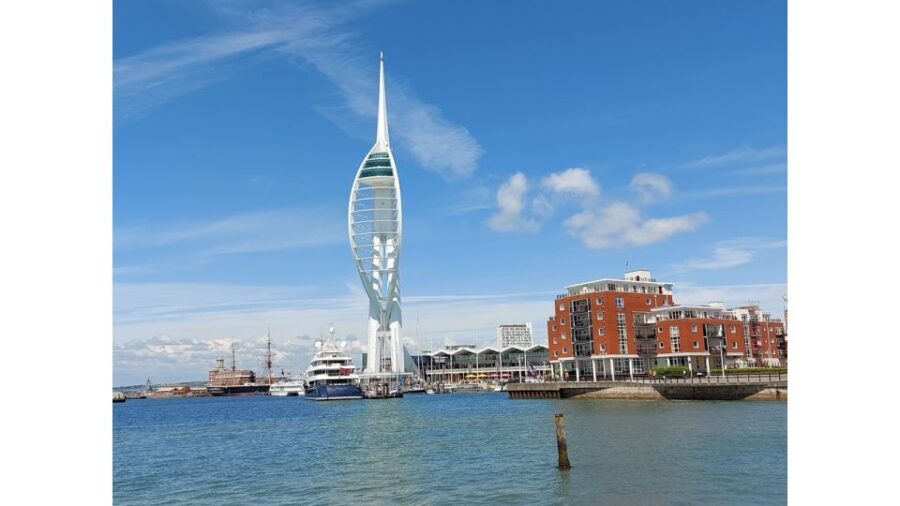
Your tour starts around the harbour area at The Hard Interchange, one of those Portsmouth spots where land and sea life feel close together. The meeting point is the Mudlarks Statue (a small girl and man), about 30 meters from the entrance to Portsmouth Historic Dockyard. It also sits near transport links: roughly 75 meters from the Hard bus interchange and about 100 meters from the Gosport ferry.
This matters because it sets you up for the right mood. Portsmouth isn’t a city built only for sightseeing. It’s a working maritime place, so beginning near the water helps you understand why sailors, shipbuilding, and the dockyard shaped everything.
I also like that the tour doesn’t treat you like you’re just passing through. Steve’s style comes across as conversational and practical. You’ll get enough context to connect the dots even if you’re not a history specialist, and you won’t feel left behind if you just want a good story and some great photos.
You can also read our reviews of more walking tours in Portsmouth



Getting the time-travel thread: from Portus Adurni to Portsmouth
The tour’s spine runs through big eras, and it’s designed so the timeline feels logical rather than chopped up. It starts with the Romans at Portus Adurni (connected to Portchester Castle today). That’s a useful starting point because it explains why Portsmouth’s coast mattered long before it became a famous naval hub.
Then the walk moves forward into Old Portsmouth’s development, including growth in the late 12th century. Even if you’ve never studied medieval England, you’ll start to recognize the patterns: port towns evolve around access, defence, and work. The tour focuses less on dates for their own sake and more on what those eras meant for everyday life.
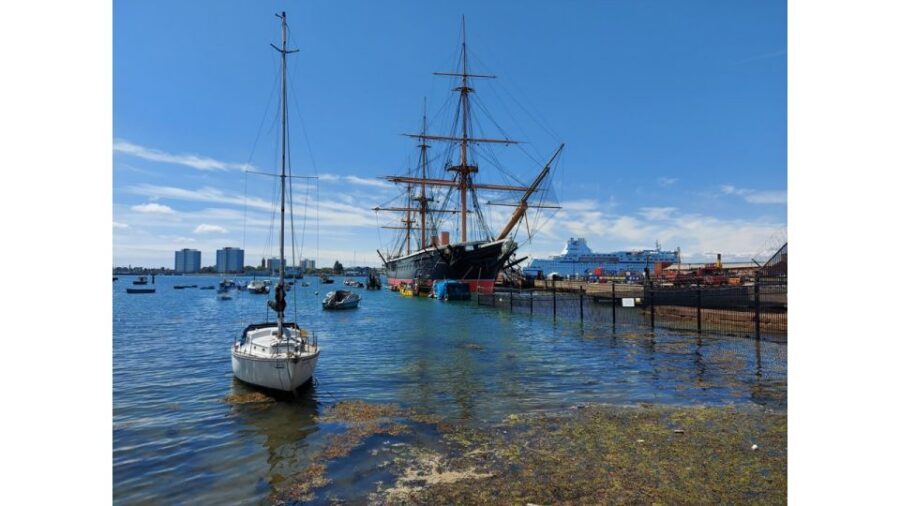
Finally, the story reaches the modern maritime world with attention on aircraft carriers in the dockyard. The clever part is that the guide doesn’t just say the name of an age. You get the human angle—how Portsmouth’s people and seafaring life helped shape wider events.
For you, that means the places you see on the map today stop feeling random. They become positions in a long-running maritime story.
Late 12th-century Portsmouth: understanding why the town grew where it did

When the tour turns to the late 1100s, it’s doing something more helpful than you might expect: it explains how a port town earns its shape. Ports don’t grow because planners feel like it. They grow because ships need space, people need work, and governments need protection.
As you walk through Old Portsmouth, you’ll get quirky details that make the area feel lived-in rather than preserved. This is where Steve’s local experience shows. He brings out the “why” behind the weird corners: how buildings, waterfront access, and the flow of people would have mattered to sailors and dock life.
This section is also where you’ll likely start noticing how much of Portsmouth’s identity is built on movement. Goods, people, and news travel through a harbour faster than land routes. That’s why the stories in this tour feel like they involve real characters instead of only monuments.
If you like tours that give you a sense of how cities function, this is one of the strongest parts of the walk.
Quirky stories, humour, and the people behind the harbour
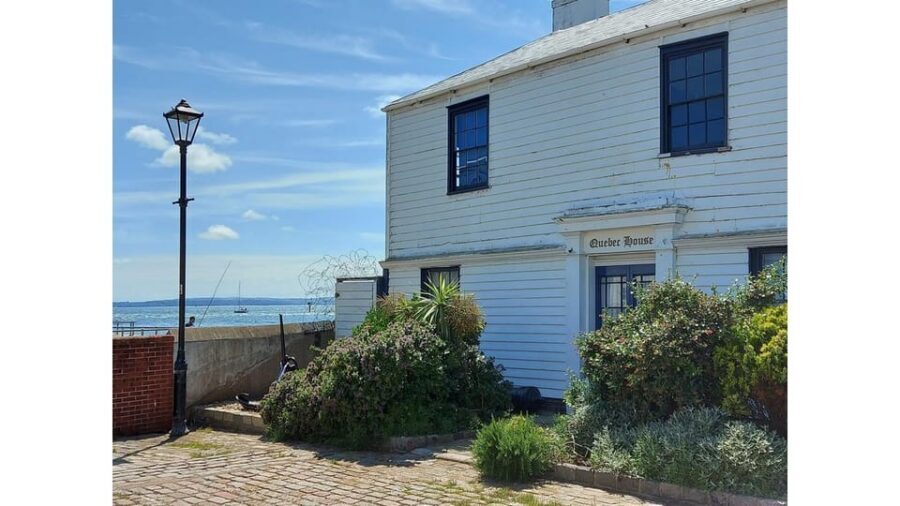
The Portsmouth of the Past Walking Tour earns its high rating for one reason: the stories land with personality. You’ll get quirky, weird-and-bizarre facts and a lot of local colour, but it doesn’t stop at jokes. It’s not history with a straight face.
Steve’s humour shows up often, and the stories can run from funny to love stories and even darker material like murder and martyrs. That range matters because it mirrors how real communities remember things. People don’t only tell cheerful tales. They trade in drama, survival, faith, and local legends.
A practical bonus: Steve can be flexible with the group’s interests. One guest noted that he tailored the walk to their background, which tells me he’s not just reading from a script. In a mixed group, that skill makes a difference.
Also, Steve’s delivery seems designed to keep you oriented. You’ll feel like you’re walking through a connected sequence of events, not drifting from one random stop to another.
Historic photos and maps: how you’ll see the past in the present
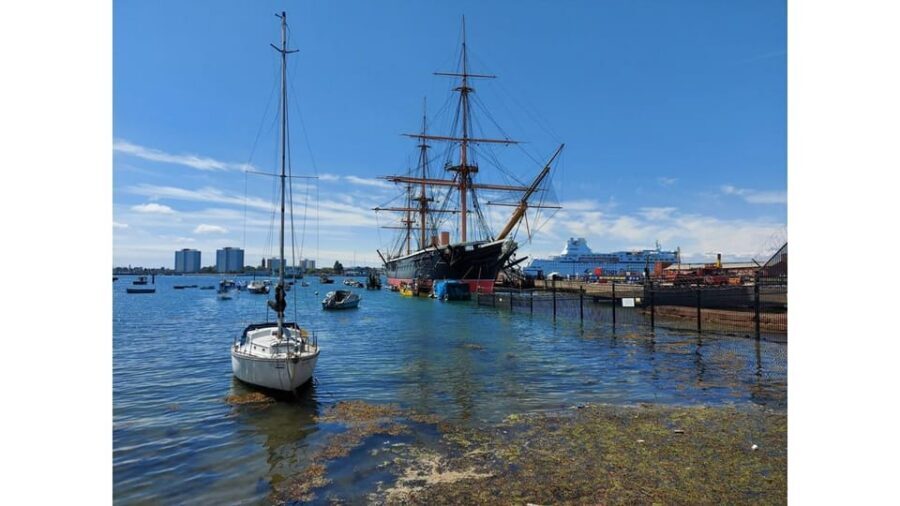
A lot of walking tours talk about change. This one helps you actually picture it. The walk uses historic pictures, maps, and other visual supports to match what you’re hearing to what you’re seeing.
That approach is especially valuable in Portsmouth because the maritime world has changed fast over centuries. Ships have different needs, defence strategies evolve, and waterfronts get reshaped. Without visuals, it can feel like you’re being told that everything used to be different. With visuals, you start comparing real scenes in real time.
It’s also a big reason the tour works well for photography. When you know what you’re looking at and why it matters, your photos get better. You’ll frame streets and harbour views with more intent, not just as postcards.
And if weather turns ugly, there’s a Plan B: the tour may be delivered in a pub using pictures and stories. That’s not a small detail. In the UK, rain can be stubborn, and a backup format keeps the tour from turning into a disappointment.




Portsmouth Historic Dockyard era: aircraft carriers without the ship-ticket
By the time the tour reaches the dockyard era, you’re getting a sense of the modern scale of Portsmouth’s maritime importance. The focus includes aircraft carriers and the dockyard’s role in today’s naval world.
Here’s the key boundary for your planning: the tour concentrates on history and viewpoints, but entrance to Portsmouth Historic Dockyard and its ship attractions is not included. That means you’ll likely get the story and the context around the dockyard, but you should not expect to walk onto ships as part of this 90-minute experience.
So if your idea of a perfect Portsmouth day is indoor ship exhibits and up-close access, you’ll want to pair this walk with a separate dockyard ticket. Think of this tour as your orientation and story-builder. Then you can choose what to go deeper on.
This also affects value. For $13, you’re paying for time, guidance, and interpretation—plus a real connection to how the dockyard shaped the city.
Photo stops and the practical side of a 90-minute walk
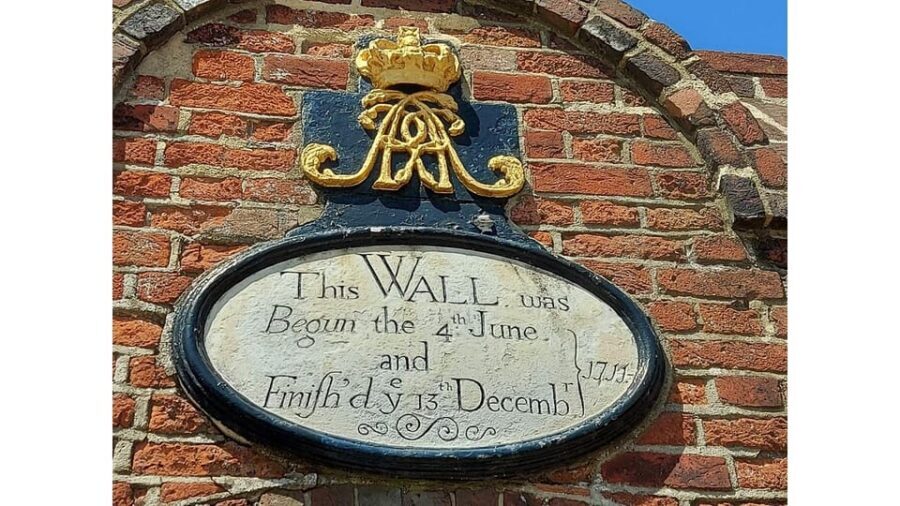
This tour is about 90 minutes, and that length is exactly right for people doing a day trip. It gives you enough time for a meaningful arc—Roman origins, medieval development, then the dockyard present—without exhausting you.
I’d still treat it like a proper walk. Bring comfortable shoes. Even when the route isn’t described in minute-by-minute detail, people note that feet get tired later. Old Portsmouth’s streets and harbour-adjacent areas can add up.
Also bring a camera. Not because you’ll be rushed to the next viewpoint, but because the tour’s visual approach and photo-friendly timing make it easier to capture the city with context.
If you’re travelling with kids, there’s an activity book and pencils, and the content is described as age appropriate. That’s a practical way to keep younger minds from bouncing out of the group every two minutes.
And if you’re bringing a dog, you can. The experience is dog friendly, which is a rarity on many city walks.
Price and value: why $13 feels fair here
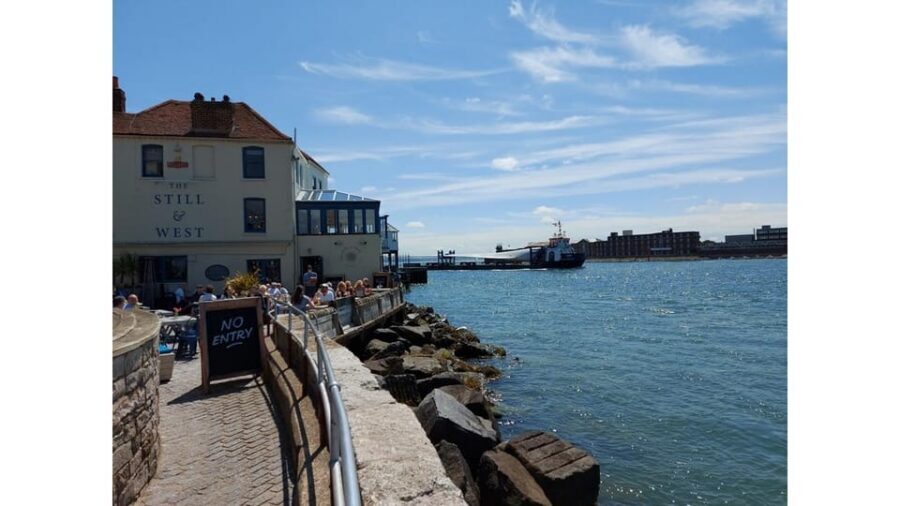
At $13 per person, this tour sits in the “small spend, big payoff” category. You’re not paying for ticketed attractions. You’re paying for a guide who knows Portsmouth through lived experience—Steve has over 40 years of living in the city and sharing what he knows.
The value is also tied to content quality. Guests highlight humour, a strong grasp of both funny and serious local stories, and the use of photos and maps to keep everything grounded. That kind of added context is what makes a walking tour worth doing, especially if you’re short on time.
There’s also a charitable connection: all funds raised and gratuities are split with Cancer Research UK. It’s mentioned that last year over £1200 was raised so far. That gives the tour a feel-good purpose beyond sightseeing, without turning the experience into a fundraising lecture.
Weather plan, accessibility, and who this tour fits best
The tour is described as wheelchair/scooter accessible and dog friendly, which matters because Old Portsmouth can feel hilly or uneven around certain areas. Accessibility support means you can focus on the story, not the logistics of keeping up.
Language is English, and it’s designed as a live guided experience, so you can ask questions and get responses as you go.
Weather wise, don’t panic if clouds roll in. If conditions are very inclement, you’ll be contacted to ensure the tour is happening or moved to a pub setting with pictures and stories. That approach is practical. It protects your time and keeps the format consistent.
Who should book this?
- You want a fast, story-driven introduction to Portsmouth
- You like tours that mix quirky facts with real maritime context
- You want a photo-friendly walk without buying multiple tickets
- You’re travelling with kids and need something structured, but not overly dry
Who might pair it or choose something else?
- If you want to spend most of your time inside ship attractions, you’ll need extra plans beyond this walk
- If you hate walking tours entirely, this one may feel like too much time on your feet
Should you book Portsmouth of the Past Walking Tour?
I’d book it if you want the quickest route to understanding why Portsmouth feels like Portsmouth. For a $13 guided walk that runs about 90 minutes, you get a strong blend of maritime timeline, local personality, and visual tools that help you see the past rather than just hear it.
The biggest reason to do it: Steve’s storytelling style. The humour, local character, and the way the walk moves from Romans to the dockyard gives you an “aha” understanding of how the city’s seafaring life shaped everything you see now.
If your main goal is ship access, plan that separately. But as your orientation and photo-ready introduction to Old Portsmouth, this tour is a smart use of time.
FAQ
Where does the Portsmouth of the Past tour start?
The tour starts at The Hard Interchange. The meeting point is the Mudlarks Statue (a small girl and man), about 30 meters from the entrance to Portsmouth Historic Dockyard.
How long is the tour?
The tour runs for 90 minutes.
How much does it cost?
The price is $13 per person.
What language is the guide?
The tour is conducted in English.
Is this tour wheelchair or scooter accessible?
Yes. The tour is wheelchair/scooter accessible.
Is Portsmouth Historic Dockyard included?
No. Entrance to Portsmouth Historic Dockyard and access to its ship attractions are not included.
Is the Spinnaker Tower included?
No. Spinnaker Tower access is not included.
Are dogs allowed?
Yes. The tour is dog friendly.
What should I bring?
Bring comfortable shoes and a camera.
Is there free cancellation and pay-later options?
Yes. You can cancel up to 24 hours in advance for a full refund. There is also a reserve now & pay later option.