REVIEW · WILTSHIRE
Stonehenge & Sacred Land Guided Driving Tour
Book on GetYourGuide →Operated by Dragon Lore Tours · Bookable on GetYourGuide
Wiltshire turns the sky into a map. On this Stonehenge & Sacred Land day, you get a guided route that treats prehistoric Britain like a celestial calendar, not just a photo stop. I really like how the guide connects myths, legends, and druid symbolism to the way these places line up with the heavens.
Two things really sealed it for me: the blend of story and explanation, and the built-in time to actually walk the ground at the big sites. One thing to consider is the pacing: it’s a long day with walking on uneven terrain and hills, and it’s not a fit for wheelchair users or mobility impairments.
In This Review
- Key things you’ll notice on this tour
- A private day in Wiltshire: pickup spots and a tight route
- Stonehenge with real guided context and time to roam
- Woodhenge: shorter stop, bigger payoff for the astronomy theme
- Cherhill White Horse: the quick pass that sets the tone
- Avebury and St James’s Church: more room, more atmosphere, more to think about
- West Kennet Long Barrow: where the day gets quieter
- Silbury Hill: guided walking and the “earthwork as statement” feeling
- What you’ll learn: celestial alignments, druid symbolism, and sacred geography
- Price and value: what you pay for at $222 per person
- How to prepare: shoes, snacks, and dealing with uneven terrain
- Who should book this Stonehenge & Sacred Land tour
- Should you book this tour or go DIY?
- FAQ
- How long is the Stonehenge & Sacred Land guided driving tour?
- Is this tour private?
- Where can I get picked up and where do I get dropped off?
- What’s included in the price?
- Are meals included?
- Are entrance fees included for Stonehenge?
- How much walking is involved?
- Is the tour suitable for wheelchair users or limited mobility?
- What language is the live guide?
- What’s the cancellation policy?
Key things you’ll notice on this tour
- A private guided driving route that makes a lot of sacred sites doable in one day
- Stonehenge with guided context plus your own free time (about two hours on site, including walking)
- Woodhenge and Avebury get real attention, not just a quick stop at a parking lot
- Symbol-first storytelling: serpent and dragon symbolism shows up alongside astronomical talk
- Short but intentional moments like the Cherhill White Horse pass-by
- You’ll see the full “earth meets sky” idea through solstices and celestial alignments
A private day in Wiltshire: pickup spots and a tight route
This is built for convenience. You’re picked up from one of seven locations around London/Surrey and the southwest, including Clapham, Hammersmith, Earl’s Court, Bath, Swindon, and a couple of address-area options (like SN1 1QN and SW12). Then you spend the day in a private vehicle with a local guide and expert commentary.
That private setup matters more than you might think. It keeps the day smooth when you want a “big hits” day without spending hours figuring out trains, car parking, and backtracking. It also helps the guide manage the rhythm of the stops—walking time, break time, and moments where you just look and listen.
The tradeoff is that you’re still choosing a packed 9-hour itinerary. If you like lots of spontaneity, you’ll have less wiggle room. If you want structure and depth, this tour is designed for that.
You can also read our reviews of more tours and experiences in Wiltshire.
Stonehenge with real guided context and time to roam
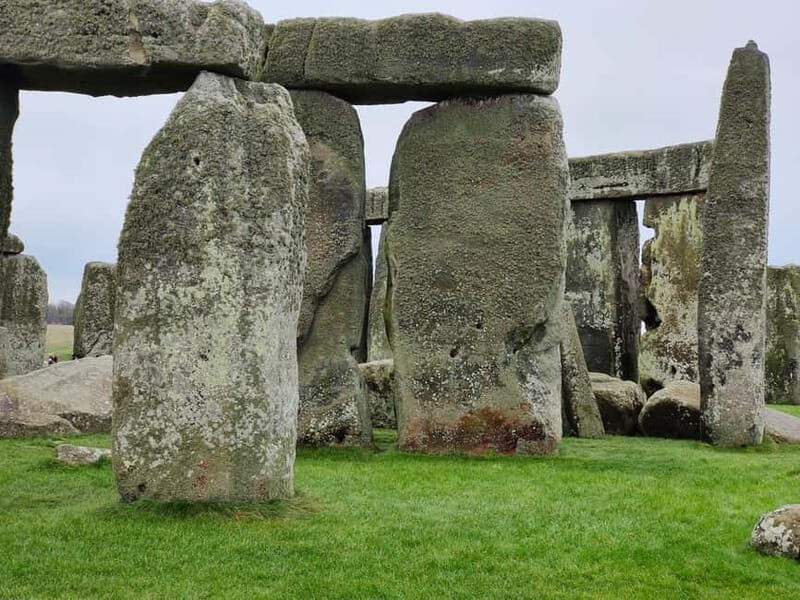
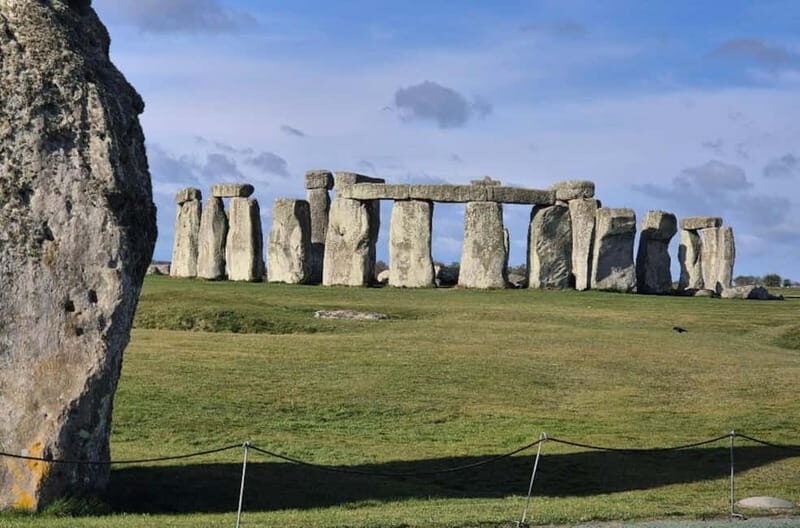
Stonehenge is the headline, and the tour handles it in two modes: guided and free. You’ll get a guided tour and time to sightsee on your own, with a walk component of about two hours. There’s also break time so you can reset—important here, because Stonehenge can feel mentally busy even if the stones are calm.
What I like about the way Stonehenge is framed is the emphasis on interpretation. The guide connects the site to ancient astronomical knowledge—how people may have mapped celestial movements across the land, and how solstices fit into the story. It’s not only about what the stones look like today; it’s about what the site might have meant as a timing device.
Here’s a practical tip: use your free time to do two things, not one. First, slow down and look from a few angles, because the layout reads differently as you move. Second, give yourself a quiet window where you’re not photographing—just watch the space and let the guide’s explanations click.
One consideration: entrance fees for Stonehenge are not included, so you’ll want to plan for that separately.
Woodhenge: shorter stop, bigger payoff for the astronomy theme
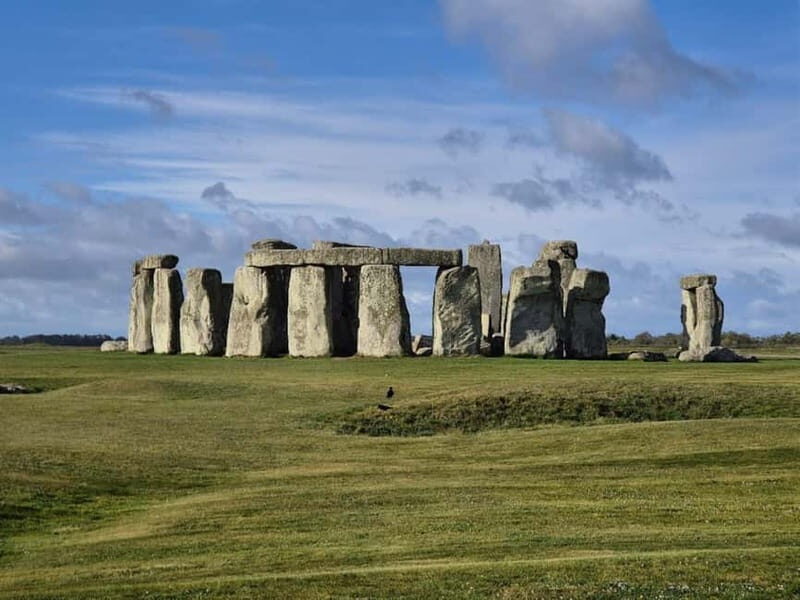
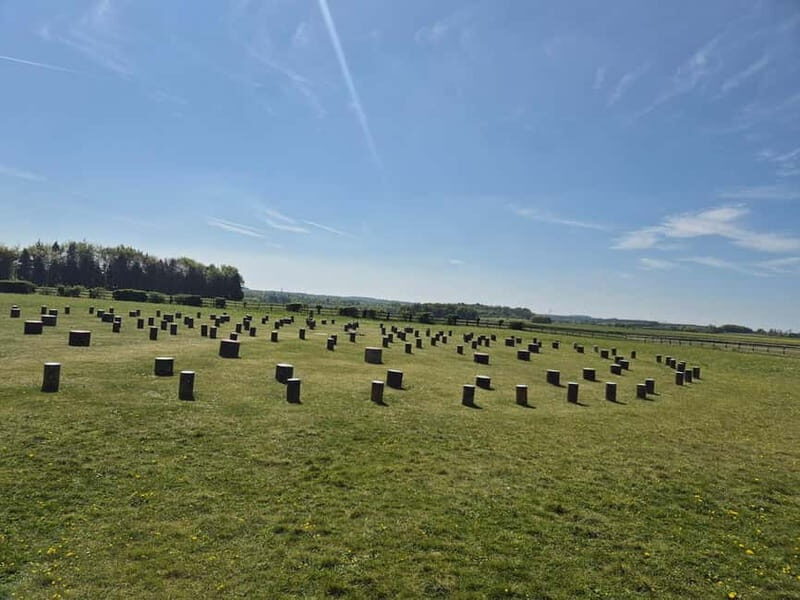
After Stonehenge, you move to Woodhenge for a guided tour plus sightseeing time, with a shorter walking window (about 30 minutes). Even though it’s briefer, it plays a key role in the day’s logic: it supports the theme that prehistoric Britain used repeated patterns, not one-off monuments.
This is where the “earth and sky” idea becomes less abstract. When the guide talks about astronomical alignments, the connection feels more concrete when you’ve just come from Stonehenge. Woodhenge acts like a supporting chapter—still part of the same conversation about tracking celestial events, time, and seasonal milestones.
If you tend to rush through small sites, don’t do it here. You don’t need to cover every viewpoint, but do take a moment to watch how the ground and space guide your attention. A short stop can be meaningful if you’re fully present during it.
Cherhill White Horse: the quick pass that sets the tone
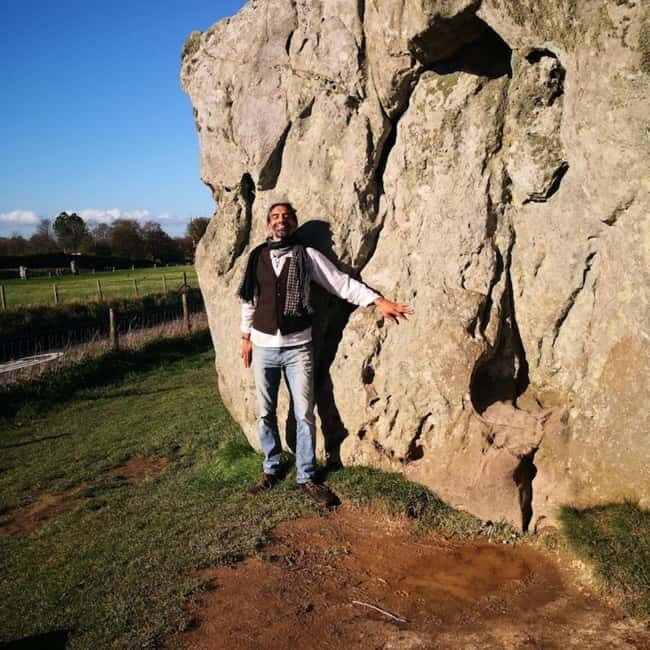
Cherhill White Horse is a pass-by stop (about five minutes). It’s not a long visit, so you won’t get a deep on-foot experience. But it does work as a mood shift.
The guide uses these moments to keep the spiritual geography theme moving—connecting the broader region’s symbols and traditions to the “time in the land” idea. Even if you only catch a view from the road, it helps you see Wiltshire as more than a list of monuments.
Treat it like a scenic punctuation mark. Look, take one photo if you want, then trust the guide to bring you back to the main sites where you’ll have the real walking time.
Avebury and St James’s Church: more room, more atmosphere, more to think about
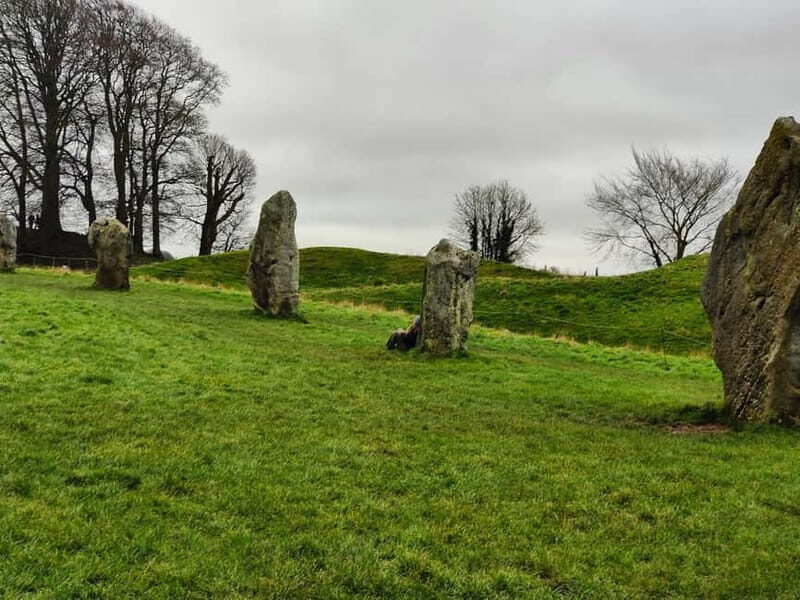
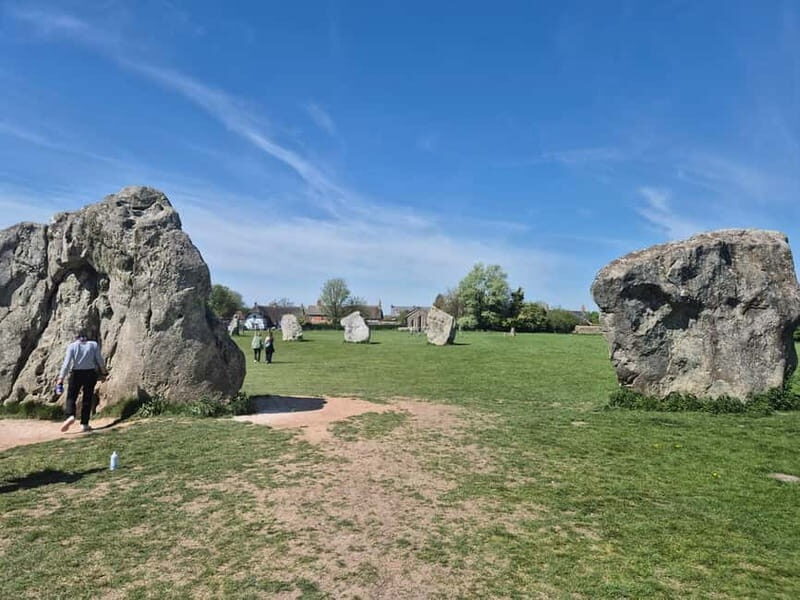
Then you hit Avebury, which is a major change of scale. You’ll get break time, a visit, a guided tour, and free time for shopping and sightseeing, with about two and a half hours of time on the ground. Avebury is often a better fit for people who don’t want everything to be “museum fenced-off.”
Why this stop is valuable: Avebury lets the ideas of celestial alignment and sacred geography feel more like part of a living place. The guide’s commentary continues the theme of how ancient peoples might have related monuments to cosmic cycles—especially solstices and the idea of tracking time through the sky.
Strolling at Avebury also helps you understand why the guide talks about symbolism and connection, not only facts. You can see how people could experience these places with their whole body: walking among stones, looking outward, feeling how open space changes your perspective.
After Avebury, you’ll visit St James’s Church for a guided tour and a short walk (about 20 minutes). This stop adds a modern contrast: it’s a reminder that sacred spaces keep being re-used and re-interpreted over centuries. Even if the tour’s main focus is prehistoric, this church visit gives you a wider lens on how communities mark meaning in place.
West Kennet Long Barrow: where the day gets quieter
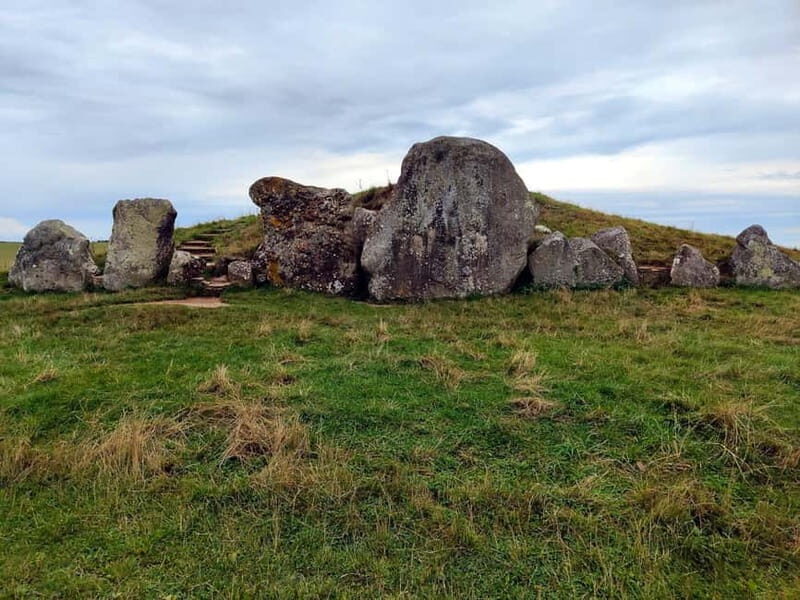
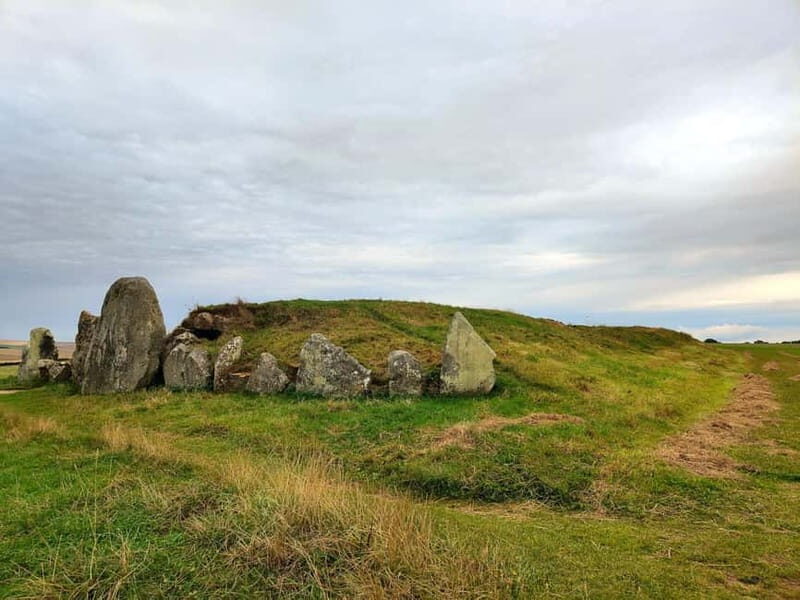
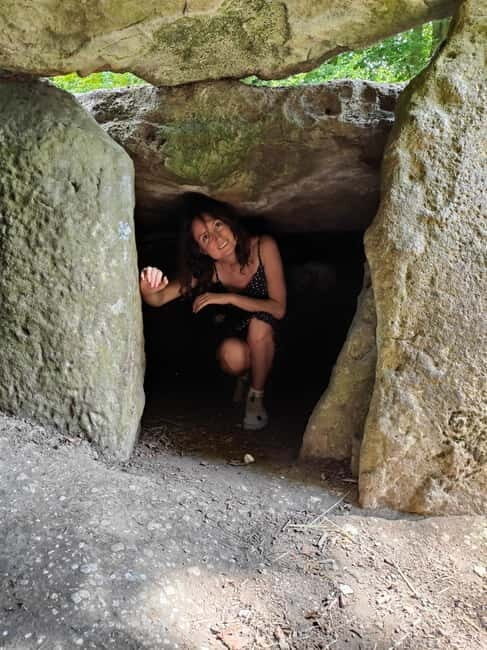
Next up is West Kennet Long Barrow. You’ll get a guided tour with about one hour on site. Barrows can be easier to miss if you’re expecting dramatic postcard stones, but this one fits the tour’s “time and alignment” storyline because it connects you to burial landscape and ancient spatial planning.
This is a strong stop for anyone who likes explanations that slow you down. The guide’s talk here leans toward symbolism and connection—how early societies might have embedded cosmic ideas into earthworks, not just monumental rings of stone.
Practical advice: when you’re in a barrow space, don’t just look at the structure. Pay attention to the surrounding viewpoints you’re able to see from there. The tour’s big theme is about earth and sky meeting, and this stop is where that idea starts feeling personal instead of theoretical.
Silbury Hill: guided walking and the “earthwork as statement” feeling
Your final main stop is Silbury Hill, with a guided tour and about 30 minutes of walking/sightseeing. Silbury Hill is one of those places that makes you think in scale—how much effort it took to create and how it would have anchored a community’s sense of time.
Why it works so well at the end: after Stonehenge, Woodhenge, and Avebury, your brain is primed for pattern recognition. So when the guide connects the hill to ancient observational thinking and sacred geography, it lands faster. You’re ready to accept that these places were built to be seen, used, and remembered.
The session here is shorter than the earlier long stops, so you’ll want to choose where you spend your attention. I’d aim for one “walk and look” moment where you’re not multitasking, and one moment to step back and let the hill’s shape do the talking.
What you’ll learn: celestial alignments, druid symbolism, and sacred geography
The learning piece is the point of the day. The guide explains the myths and legends of Wiltshire through a lens that mixes druidic traditions with ancient astronomy. The tour specifically highlights themes like serpent and dragon symbolism, and it frames the sites as carefully aligned with celestial events.
Even if you don’t care about astronomy as a hobby, the way the tour teaches it is practical: it’s not just namedropping constellations or talking about the sky in a vacuum. You’ll connect the idea of solar alignments—especially around solstices—to what you’re looking at on the ground.
You’ll also hear the “sacred geography” concept: the idea that rivers, hills, and stones weren’t random. They formed a map of meaning—part spiritual, part observational. That helps you understand why these sites still pull people in, even now, when the original builders are long gone.
If you like your travel with a narrative spine—rather than isolated facts—this is a good match.
Price and value: what you pay for at $222 per person
At about $222 per person for a 9-hour private driving day, this is not a bargain-price tour. But it’s also not trying to compete with discount bus tours. You’re paying for the combination of private transport, a local guide with expert commentary, and parking fees.
Here’s the value breakdown that matters:
- Transportation + pickup from multiple London/southwest options
- Parking fees included, so you’re not hunting for access and costs
- A guide who ties the stops together, instead of random drop-offs
- Multiple major sites in one day, reducing your own logistics time
The one big budget item you should plan for is Stonehenge entrance fees, since they are not included. The tour advises booking in advance through English Heritage for discount—so do that early, because tickets can sell out.
If you want the “max meaning per day” approach, this price can feel fair. If you’d rather spend longer at fewer places and you’re comfortable driving yourself, you might consider DIY. But for a structured day with interpretation, this is set up to deliver.
How to prepare: shoes, snacks, and dealing with uneven terrain
This tour is active. You should expect walking on uneven terrain and hills, even though some stops are shorter. It’s not designed for wheelchair users or people with mobility impairments.
To make the day comfortable:
- Wear comfortable shoes with grip
- Bring water and snacks since meals and drinks aren’t included
- Use weather-appropriate clothing, because you’ll be outside for extended periods
Camera time is worth planning too. The sites give you angles you can’t easily replicate from one spot. Just don’t spend the whole day behind a screen—save your eyes for the moments when you’re close enough to feel the scale.
Also, because it’s a private group, the guide may give you short orientation moments. If you can, arrive a few minutes early at pickup so you start the day calm.
Who should book this Stonehenge & Sacred Land tour
This is a strong pick if you:
- Love history but want it explained through stories, symbols, and patterns
- Like walking at major sites and using free time thoughtfully
- Want a guided day that’s heavy on interpretation, not just sightseeing
- Prefer private transport so your day doesn’t turn into a logistics project
It’s less ideal if you:
- Need full wheelchair access or step-free routes
- Want a slow, unstructured day with minimal walking
- Dislike tours that have a tight sequence of stops
If you want that “earth and sky” connection to be the theme, not a vague background idea, you’ll likely enjoy how the guide keeps the thread going across each stop.
Should you book this tour or go DIY?
Book this tour if you want a guided, structured day where the sites are connected by one clear storyline: myths, druidic symbolism, and ancient celestial alignments. The private pickup, expert commentary, and time on foot at Stonehenge and Avebury make it a good value for people who want meaning without planning headaches.
Go DIY if you’re comfortable managing your own transport and you prefer to move at your own pace at each site without guided interpretations. You’ll likely spend less money, but you’ll also lose the “why these places fit together” explanations that make this day feel like more than a checklist.
If your goal is one day that teaches you how to look at the monuments differently, I’d book.
FAQ
How long is the Stonehenge & Sacred Land guided driving tour?
The tour lasts 9 hours.
Is this tour private?
Yes. It’s a private group tour with private transportation.
Where can I get picked up and where do I get dropped off?
Pickup and drop-off options include Clapham, Hammersmith, Bath, SN1 1QN, SW12, Swindon, and Earl’s Court. You’ll agree on the exact address after booking.
What’s included in the price?
Parking fees, private transportation and pickup, and a local guide with expert commentary are included.
Are meals included?
No. Meals and drinks are not included.
Are entrance fees included for Stonehenge?
No. Entrance fees for Stonehenge are not included, so you’ll need to book tickets in advance.
How much walking is involved?
You’ll walk at several stops and expect hills and uneven terrain. Stonehenge includes about two hours of walking time, Woodhenge about 30 minutes, Avebury about two and a half hours, West Kennet Long Barrow about one hour, and Silbury Hill about 30 minutes.
Is the tour suitable for wheelchair users or limited mobility?
No. It’s not suitable for people with mobility impairments or wheelchair users.
What language is the live guide?
The live tour guide is English. Multilingual support is mentioned if you let them know in advance your language.
What’s the cancellation policy?
You can cancel up to 24 hours in advance for a full refund.