REVIEW · LONDON
ADVANCED GRAFFITI STREET ART TOUR / SHOREDITCH / EAST LONDON
Book on GetYourGuide →Operated by Jam Graffiti Tours · Bookable on GetYourGuide
Graffiti has its own history lessons. In Shoreditch, I take you around a living gallery where Banksy is only the beginning. You learn to spot what you’re actually looking at, not just admire it.
I especially love the small group feel (a maximum of 15) because it stays interactive and easy to ask questions. I also love how the guide teaches codes and slang, so the art makes sense in your head as you walk.
One consideration: you’ll be outside for 2.5 hours, so dress for winter and keep an eye on photo etiquette if you see artists working.
In This Review
- Key things I’d prioritize before you go
- Why Shoreditch and Brick Lane still feel like street art’s classroom
- The 2.5-hour format: what the tour does in real time
- Banksy in context: 3 or 4 works plus the real debates
- Learning to read graffiti: codes, slang, hierarchies, and references
- Ben Eine and the cast beyond Banksy
- Photo opportunities: how to get great shots without messing up the moment
- Group size, pace, and why the Q&A time is a big deal
- Price and value: why $22 can feel like a bargain
- Who this advanced graffiti tour is for (and who should think twice)
- Should you book the Advanced Graffiti Street Art Tour in Shoreditch?
- FAQ
- How long is the Advanced Graffiti Street Art Tour in Shoreditch?
- How much does the tour cost?
- How many people are in the group?
- How many Banksy artworks will I see?
- What areas does the tour cover?
- Is the tour in English?
- Can I take photos during the tour?
- Is the tour wheelchair accessible?
Key things I’d prioritize before you go
- Banksy sightings (3 to 4 works) in East London, with context on inspiration and controversies
- James’s code-cracking approach: hierarchies, rivalries, references, and how to read pieces critically
- Ben Eine and the broader scene so you don’t leave with a Banksy-only view
- Big photo payoff from multiple walls, lettering styles, and stencil-style work
- Q&A built into the tour with time to ask anything, including about slang and debates
Why Shoreditch and Brick Lane still feel like street art’s classroom
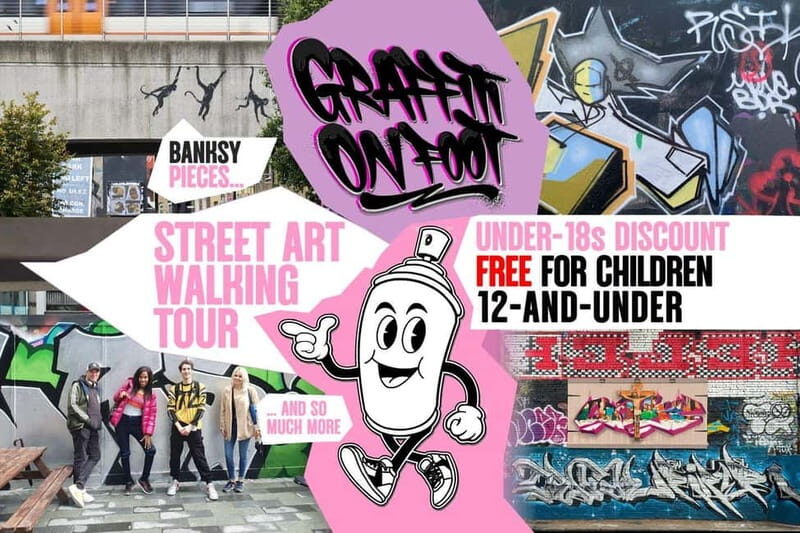
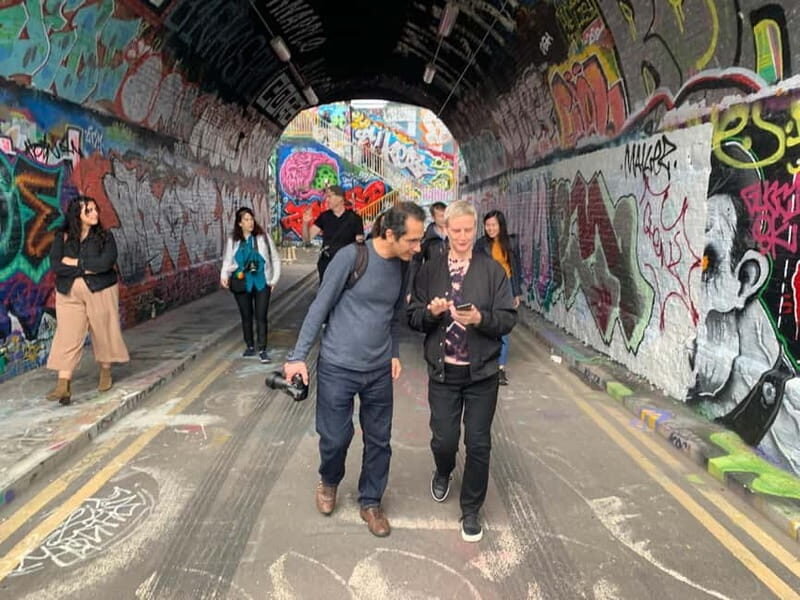
Shoreditch and Brick Lane aren’t just famous because photos look good. They’re famous because the walls here have acted like a public bulletin board for decades—politics, identity, class, and rebellion all get stamped onto surfaces. On this tour, you don’t treat graffiti like random decoration. You treat it like a language with rules.
East London is also where you can see the story of street art changing over time. The guide connects graffiti’s early roots to later shifts shaped by social media and neighborhood change. That matters because the meaning of a piece often depends on when it appeared and who it was responding to.
You’ll walk through the kind of streets where it’s easy to miss details if you’re on autopilot. The whole point here is to slow down just enough that you notice lettering quirks, tagging habits, and the difference between throw-ups, stencils, and more finished work. Once you learn the basics of how to read street art, you start seeing it everywhere.
A few more London tours and experiences worth a look

The 2.5-hour format: what the tour does in real time
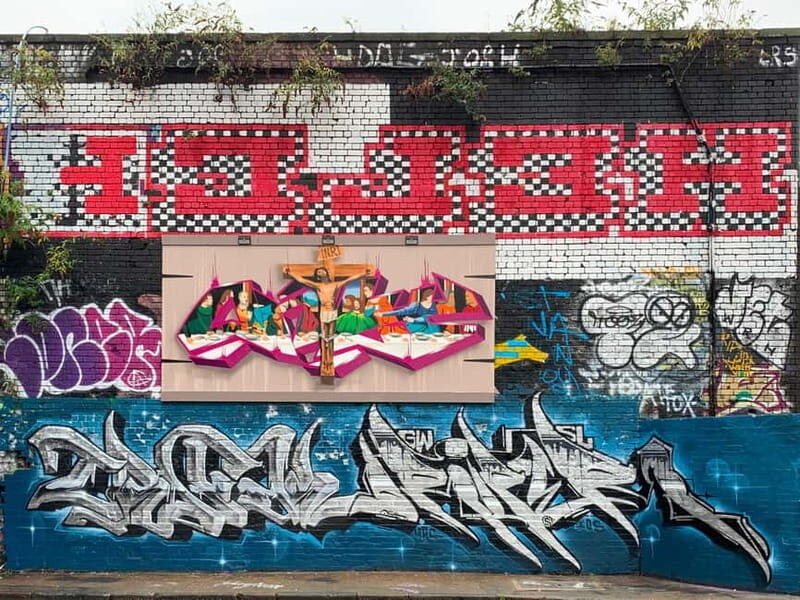
This isn’t a long museum tour where you’re standing still. It’s a focused walking experience designed to keep your attention on the art as you encounter it—with an expert guide explaining what you’re seeing and why it matters.
The flow tends to move like this:
- You start with the history and origins of graffiti and street art in the UK.
- You then zoom into how modern London graffiti developed alongside class, politics, gentrification, and online attention.
- After that, you learn the practical “how to read it” tools—codes, slang, and references that insiders notice right away.
- The tour then balances the Banksy conversation with other names and styles, including Ben Eine.
- Finally, you finish with time for questions, so your learning doesn’t end when the walk ends.
The big advantage of a short format like 2.5 hours is momentum. You don’t have to carry a giant attention span. You just keep walking, stop for explanations, and build a clearer mental map of the scene as you go.
Banksy in context: 3 or 4 works plus the real debates
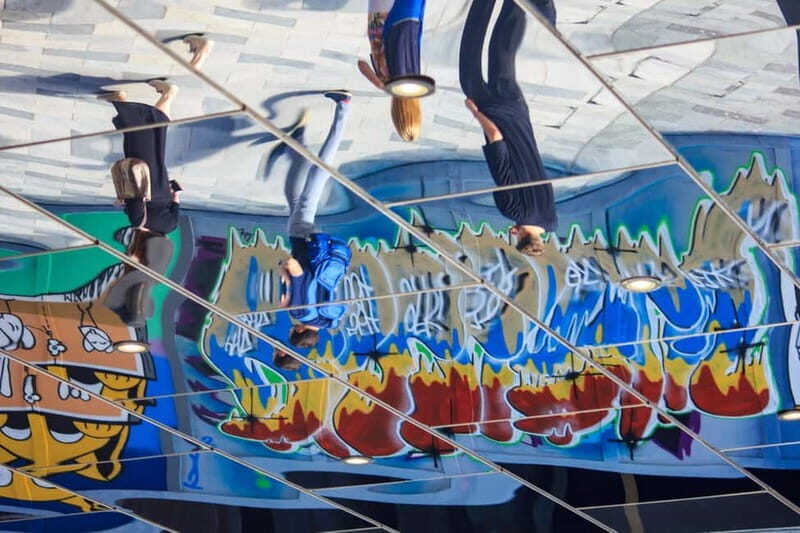
Banksy is the headline, but the tour treats him like a starting point, not the finish line. You’re set up to see at least three Banksy pieces, with the possibility of a fourth pending access. That “pending access” detail is worth noting: sometimes the best view depends on timing and conditions, not just luck.
What makes this part valuable is the way the guide explains why Banksy is talked about the way he is. You get Banksy’s history and inspiration, plus the controversies that surround his work and public persona. In other words, you hear the art argument—not just the sightseeing argument.
You also get the story of the infamous Team Robbo vs Banksy conflict. That matters because it adds a street-art truth that many first-timers miss: graffiti scenes aren’t only about aesthetics. They’re also about identity, competition, and where you stand in the culture.
And that changes how you look at the pieces. Instead of asking, What is the message? you start asking, Who would have recognized this, and what debate was it feeding? That’s how you turn a street-wall photo stop into something that sticks in your mind.
Learning to read graffiti: codes, slang, hierarchies, and references
This is where the tour earns the label advanced. You’re not just told what graffiti looks like. You learn how it works.
The guide breaks down the graffiti world as a system: codes, slang, hierarchies, and rivalries. That’s a big deal because those rules influence style. Letter choices, placement, tag structure, and even the level of finish can signal who’s speaking and how credible they want to be.
You also learn how pieces reference other work—where they’re pulling influence from, and what they’re responding to. That makes you a better observer even after the tour ends. You won’t only notice the famous names. You’ll notice the patterns that link writers across time: recurring visual themes, shared aesthetics, and inside references.
A practical bonus: once you can read the basics, you’ll feel less lost in the scene. East London walls can be overwhelming at first glance. This tour gives you a mental checklist. When you see a style you don’t recognize, you now know what questions to ask instead of guessing.
Ben Eine and the cast beyond Banksy
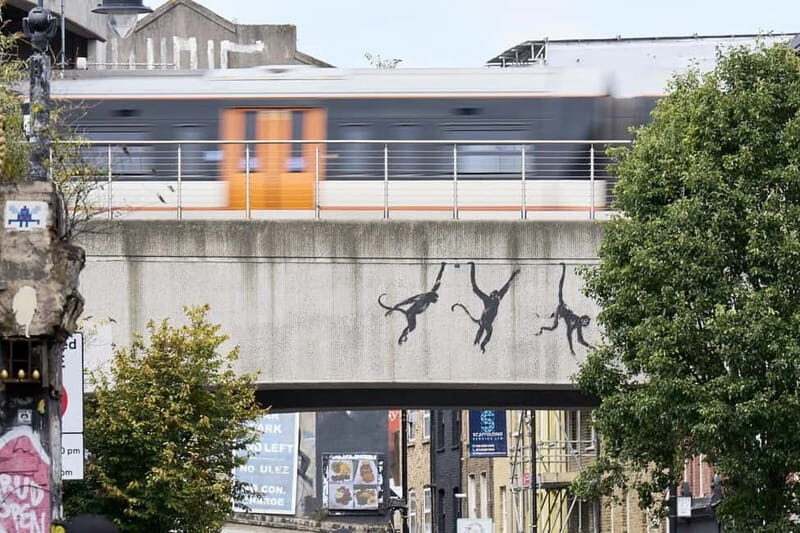
One risk with any Banksy-focused experience is leaving with a single-name takeaway. This tour avoids that by putting Ben Eine into the spotlight—an artist known for mastering both graffiti and street art. You get a sense of how different approaches can coexist in the same city without canceling each other out.
The tour also points you to dozens of other graffiti writers, not as random extras, but as part of a larger conversation. That’s useful because street art is rarely one person’s story. It’s a community ecosystem. Styles spread. Debates spread. Techniques travel.
You’ll also learn how the UK scene evolved with social and political forces, not only with artistic taste. That’s the through-line that connects a wall of lettering to the bigger idea of public voice. Graffiti doesn’t just decorate space. It claims space.




Photo opportunities: how to get great shots without messing up the moment
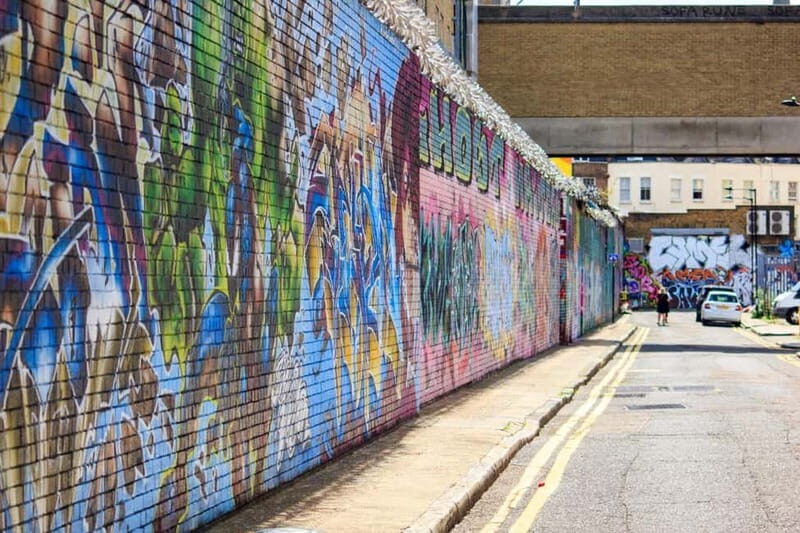
Yes, you can take photos on the tour, and you’re encouraged to. The walk is built around plenty of opportunities: angles on walls, readable lettering, stencil-style work, and details you might miss if you weren’t stopping on purpose.
The etiquette part matters. If you see artists at work, you’ll want to be discreet and avoid photographing them without express permission. It’s a small rule, but it protects the people behind the art and keeps the tour respectful.
A simple tip: plan for your camera settings to handle both bright walls and darker alleyways. Also, don’t just shoot everything straight-on. The best images often come from stepping a pace sideways to catch layers—paint overlaps, stencil edges, and the texture of the surface.
If you’re coming for photos, you’ll be happier if you come for explanations too. This tour doesn’t treat photography as the only goal. It treats it as how you remember what you learned.
Group size, pace, and why the Q&A time is a big deal
The group is kept small—maximum of 15 people—which makes a difference. You can ask questions without feeling like you’re interrupting a lecture machine. And the guide answers questions directly, which helps if you’re curious and don’t know the right terminology yet.
From the experience details, it’s clear the guide’s approach stays interactive. People in the group can go from basic questions to deeper ones about artistic styles and how graffiti codes work. That’s not an automatic feature in street tours. Here, it’s part of the design.
Pace also matters for a walking tour in East London. You’re moving through Shoreditch and Brick Lane, so comfort and timing are part of the experience. In colder months, the outdoors factor is real—one reason layers matter so you can focus on the walls instead of your teeth.
One more plus: this kind of learning works for different ages. The explanations are structured, the stories are readable, and the art isn’t treated as untouchable. If you like art, you’ll get it. If you’re new to art, you’ll still have something to grab onto.
Price and value: why $22 can feel like a bargain
At $22 per person for 2.5 hours, you’re paying for more than a walk with a point-and-shoot. You’re paying for an organized understanding of street art: history, style analysis, and the street-level context that turns a wall into a story.
Here’s the practical value equation for you:
- You get Banksy access to multiple works (at least three, up to four pending access).
- You get structured teaching on graffiti codes and slang, not vague commentary.
- You get the bigger context: class, politics, gentrification, and social media shifts.
- You also get built-in questions and answers, so you can clarify what you didn’t catch.
If you’ve done casual street art tours before, you might remember how they can turn into photo stops without explaining the logic behind the visuals. This tour focuses on logic. That’s why the time feels worth it.
Who this advanced graffiti tour is for (and who should think twice)
I’d recommend it if you enjoy street art but want to see more than the headlines. If you’ve ever wondered why two pieces look similar but feel totally different, this is the kind of tour that helps you sort that out. You’ll learn how writers think in references and systems, not only in spray-can aesthetics.
It’s also a good fit for families and mixed groups, because the tour keeps the explanations clear and the stops varied. The walking pace and the way the guide answers questions can work well across ages.
Two straightforward fit checks:
- It’s not suitable for wheelchair users.
- You’ll be outdoors for the full time, so dress for weather and be ready for chilly Shoreditch air.
Should you book the Advanced Graffiti Street Art Tour in Shoreditch?
If you want street art with context—history, style analysis, and the codes that make graffiti readable—then yes, I think you should book it. The small group size, the structured learning, and the focus on both Banksy and Ben Eine make it more than a one-name photo trip.
Book it if you like walking tours but also like being taught how to see. Don’t book it if you only want a quick wander for pictures and you don’t care about the meaning behind the visuals.
If you’re on the fence, here’s my simple advice: try it when you can control the weather with good layers and a camera you’re comfortable using. Then show up ready to ask questions. That’s when the tour clicks.
FAQ
How long is the Advanced Graffiti Street Art Tour in Shoreditch?
The tour lasts 2.5 hours.
How much does the tour cost?
The price is $22 per person.
How many people are in the group?
The group size is limited to a maximum of 15 people.
How many Banksy artworks will I see?
The tour includes at least 3 Banksy artworks in East London, with a possible 4th pending access.
What areas does the tour cover?
It covers Shoreditch and Brick Lane in East London.
Is the tour in English?
Yes, the live tour guide runs in English.
Can I take photos during the tour?
Photography is allowed and encouraged. If you see artists working, you should stay discreet and do not photograph them without express permission.
Is the tour wheelchair accessible?
No, it is not suitable for wheelchair users.