REVIEW · OXFORD
Oxford: The Original Uncomfortable Oxford™ Tour
Book on GetYourGuide →Operated by Uncomfortable Oxford · Bookable on GetYourGuide
Oxford can feel polite. This tour makes it honest. You’ll follow Oxford’s iconic streets for about 1.5 hours while a trained University researcher connects the famous “town and gown” story to real themes like empire, race, class, and gender.
I especially like the way the guide uses questions and discussion rather than just lecturing, and how you still get classic city sights even though you don’t enter colleges. One thing to consider: this is not a neutral walk through pretty buildings, it tackles subjects that can feel uncomfortable for some people.
In This Review
- Key things to know before you go
- Oxford’s town-and-gown conflict, explained on foot
- What makes the Uncomfortable Oxford™ training different
- From Carfax Tower to St Mary the Virgin: your first landmarks and first questions
- Oriel, All Souls, and the Bodleian: where ideas and institutions meet
- Sheldonian Theatre and Balliol: power shows up in public spaces
- Faculty of History to Bonn Square: empire, race, class, gender, and what lingers
- Price and value for a 1.5-hour expert-led walk
- Family-friendly history that still feels adult
- Who should book this uncomfortable Oxford tour?
- FAQ
- Does the tour include entry into colleges?
- How long is the Oxford city-centre tour?
- Where do I meet for the tour?
- Is the tour suitable for kids or teens?
- How much walking is involved?
- Is it wheelchair accessible?
- What do I get besides the tour itself?
Key things to know before you go
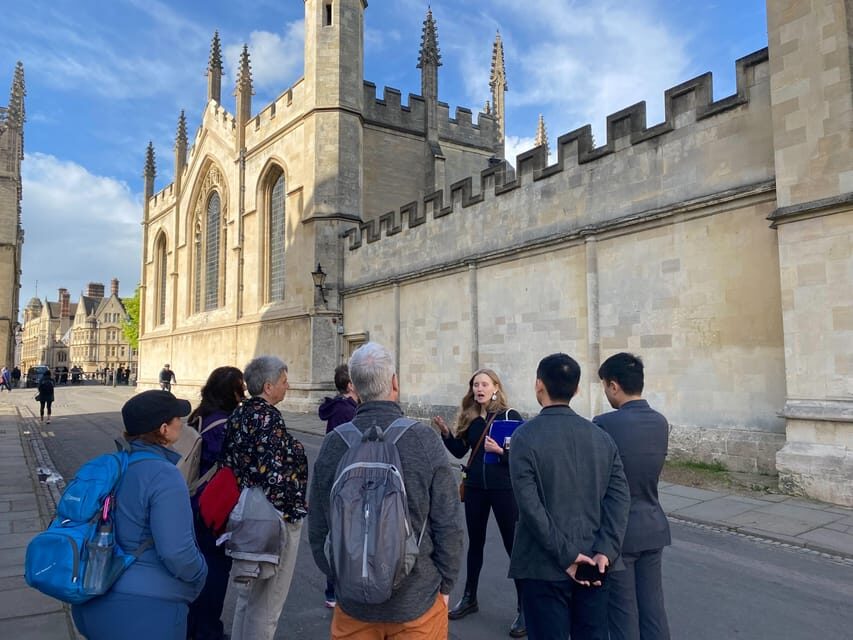
- University researcher-led: You’re guided by an Oxford expert who’s completed the Uncomfortable Oxford™ training.
- Built around modern themes: The tour connects Oxford’s power to empire, and to evolving ideas about race, class, and gender.
- Iconic stops, no college entry: You’ll see major sights, but you won’t go inside colleges.
- Short but focused route: Expect roughly 2 km of walking in cobblestones and street crossings.
- You leave with extras: A souvenir sticker plus a reading list compiled by University experts.
- Good for families (12+): It’s designed to be engaging for teens and adults together.
Oxford’s town-and-gown conflict, explained on foot

If Oxford is your first stop in England, this is a smart way to get your bearings. You start with the city’s most recognizable landmarks, but the big goal is learning how the University gained power—and how that power affected ordinary people in Oxford.
The tour’s tone matters. It’s not trying to “ruin” Oxford or sell a simple villain-and-hero story. It’s more like: look at what you see, then ask who benefited, who was excluded, and how the rules changed over time. That makes it a strong fit for people who want culture and context, not just photos.
You’ll also notice the pacing. It’s only 1.5 hours, but it moves with enough structure to keep you on track through the center. At the end, you’re not left with vague impressions—you have a reading list to keep the conversation going.
You can also read our reviews of more tours and experiences in Oxford.



What makes the Uncomfortable Oxford™ training different
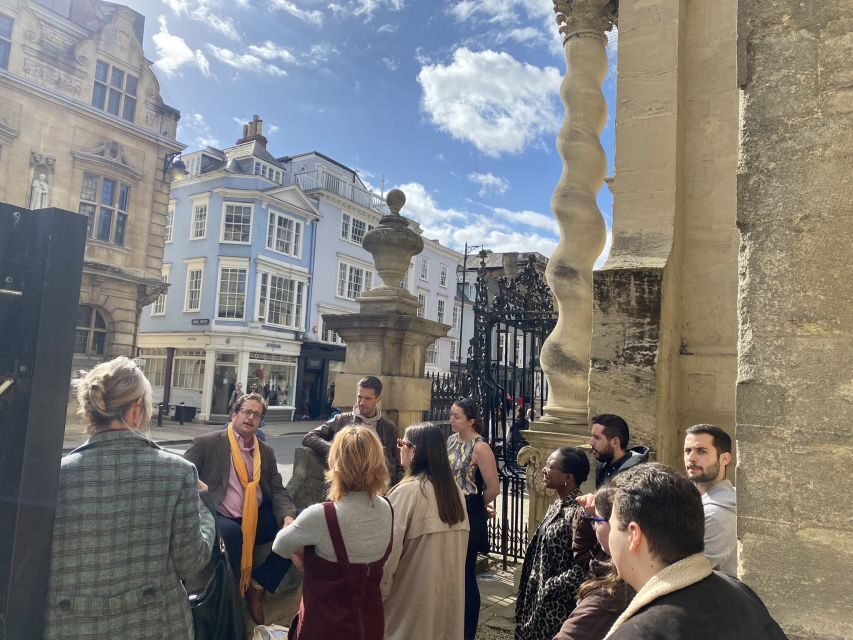
This tour is led by someone with a special research-and-teaching background. The format is built around trained guides from Oxford who have completed the Uncomfortable Oxford™ training program. That matters because it shapes the tour into evidence-based storytelling, not vibes.
A real bonus is the interaction. One guide named Jonathan impressed at least one group with patience and knowledge, and the discussion style shows up as a core part of the experience. In other words, you’re not just absorbing facts—you’re invited to think through them.
That approach is also why the tour works for families age 12 and up. If you’ve ever sat through an “adult lecture tour” that loses half the group halfway through, you’ll appreciate this structure more. The guide still keeps the story moving, but they also encourage participation.
If you’re the type who likes history with clear takeaways, you’ll likely like the way the themes are kept connected—power locally and globally, and then how those ideas still show up today.
From Carfax Tower to St Mary the Virgin: your first landmarks and first questions
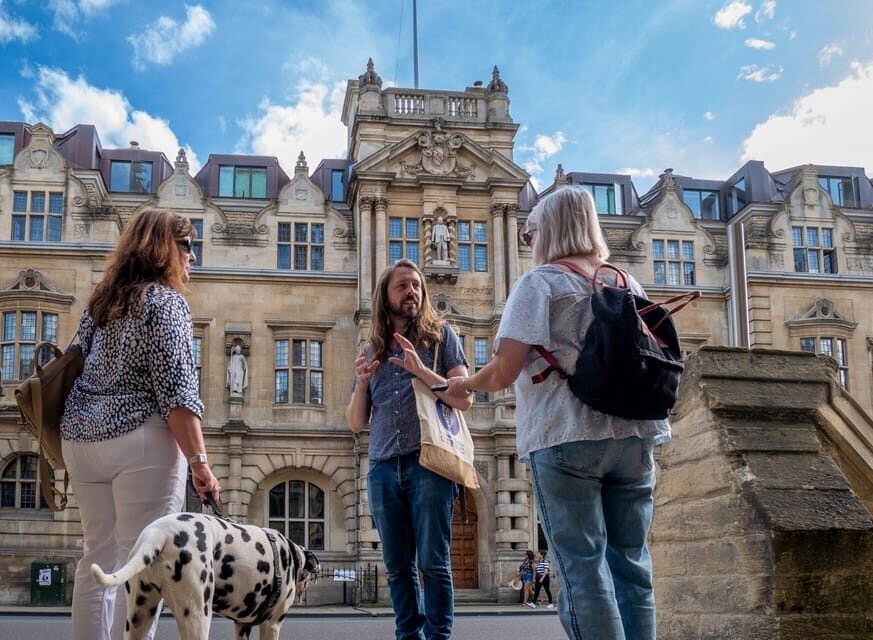
You’ll begin at one of two starting points: Carfax Tower or Fantastea (Teas around the world). The fact that there are two options is helpful. It means you can pick what’s easiest depending on where you’re coming from.
From there, the tour starts with a short guided introduction at Carfax Tower. Then you head to the University Church of St Mary the Virgin. Even with a quick stop like this (it’s listed as about five minutes), the idea isn’t to linger. It’s to set the frame: what Oxford looks like now, and why the University matters in the city’s power structure.
Here’s how I think about this opening stretch. The tour uses early sights to establish a baseline. By the time you’re halfway through, you’re ready to spot the pattern the guide is building—how authority gets built, protected, and justified.
Practical tip: bring comfortable shoes right from the start. The route includes cobblestones and street crossings, and it’s rain or shine. You don’t want your feet to decide how good the tour feels before your brain catches up.
Oriel, All Souls, and the Bodleian: where ideas and institutions meet
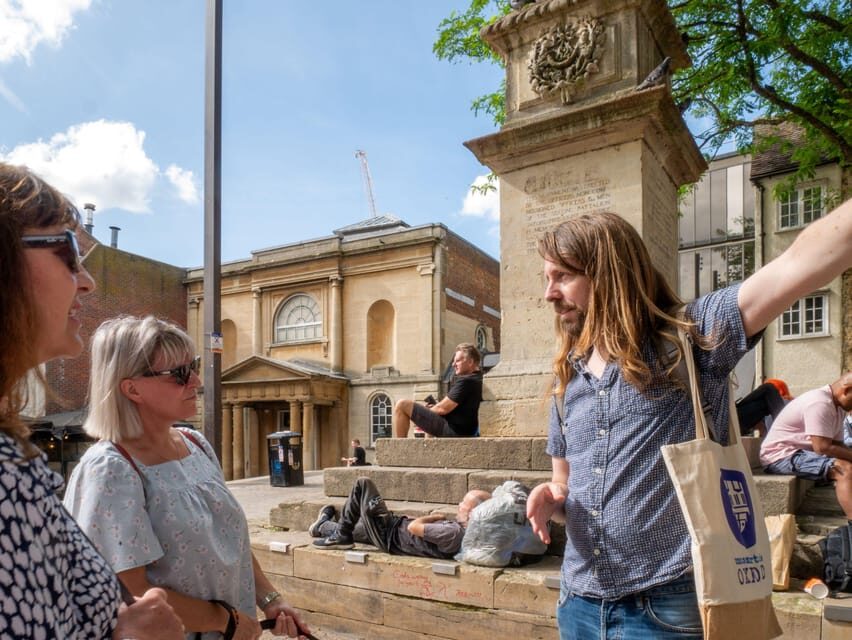
Next you’ll pass Oriel College, then stop at All Souls College. These are well-known names in Oxford, and that recognition is useful. People often arrive with a “famous place” mindset. This tour helps you swap that for a “system at work” mindset.
One key promise here is learning about historic tensions between the town and the gown. You can feel those tensions in the setting—Oxford isn’t just a backdrop. It’s a working institution with rules and influence that reach beyond scholarship.
Then comes a highlight stop at the Bodleian Library (about 15 minutes). This is one of the best moments for picture-taking, but it’s also where you’re likely to feel the tour’s deeper intent. A library is more than a room of books. It represents knowledge with power behind it: who collects, who gets access, and what gets preserved.
Important expectation: the tour does not take you inside any colleges. That can be a relief if you prefer a guided walk over timed interior viewing. It also means you should treat each stop as a snapshot—something you see and then interpret, rather than an all-access visit.
If you like to keep notes, this is a great time to write down what questions you want answered in the later stops. The themes (race, class, gender, empire) start connecting in your head as the route goes on.
Sheldonian Theatre and Balliol: power shows up in public spaces
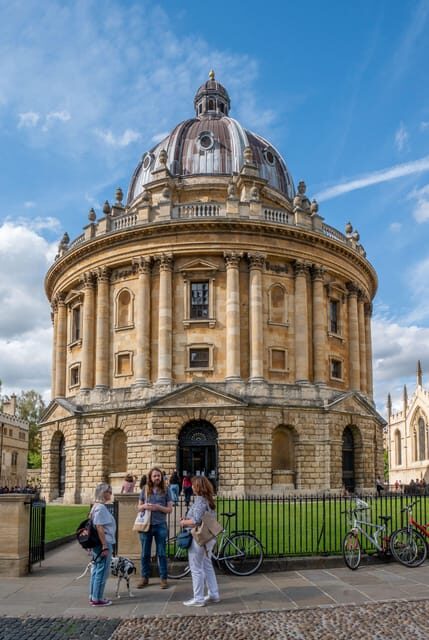
After All Souls and the Bodleian, you’ll see the Sheldonian Theatre and then Balliol College. These stops help broaden the tour’s idea of what counts as “University influence.”
A theatre is a public stage. Even without going inside, you’re looking at a building that represents visibility—ceremony, performance, and how institutions present themselves. When your guide talks about Oxford’s rise and its global reach, it helps to have stops that feel designed for prominence.
Balliol is another anchor name, and you’re likely to connect it to the tour’s running threads: how Oxford’s structure shapes who belongs, and how status gets coded into the city.
This is also where the town-and-gown tension usually starts to feel real. Early on, it’s history in abstract terms. Later, it becomes something you can almost map onto streets: who had leverage, who had to adapt, and who paid the price of change.
One more practical point: if your group talks during explanations, hearing can be a challenge. A separate critique of the experience noted difficulty hearing without a microphone and too much time spent allowing group comments. I can’t promise what your session will sound like, so if hearing is a concern for you, consider asking about sound amplification when you book. Also pick a position closer to the guide.





Faculty of History to Bonn Square: empire, race, class, gender, and what lingers
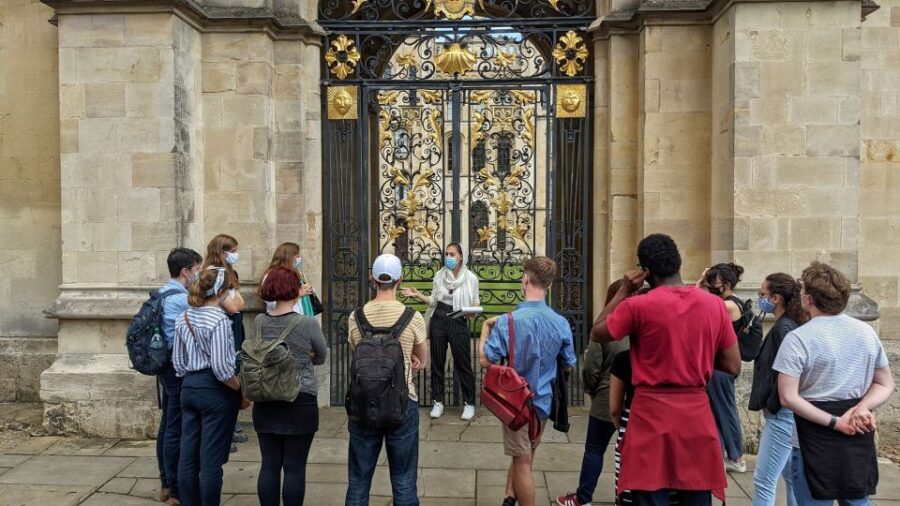
The tour continues to the Faculty of History and then finishes at Bonn Square. Ending at Bonn Square makes sense because by this point you’ve seen enough landmarks that you can step back and think.
The overall promise is explicit: you’ll explore Oxford’s connections to Empire and learn how ideas about society have shifted—especially around race, class, and gender. By the final third of the route, those topics are no longer just labels. They become the lens through which you’ve been reading the city.
This last stretch is where you’re most likely to leave with something practical. Not a certificate of knowledge, but a way of seeing. You’ll notice how institutions grow power, how that power travels, and how narratives get shaped—then reshaped—through the years.
You’ll also get the tour’s follow-up tools: after the walk, you receive access to a reading list compiled by University experts. That’s a big deal if you want more than a one-time story. Use it to choose what you care about most—empire connections, gender, or class—without hunting for sources on your own.
And don’t forget the small add-ons: a free Uncomfortable Oxford™ souvenir sticker. It’s not why you come, but it’s a nice reminder that the tour has a distinct identity and training behind it.
Price and value for a 1.5-hour expert-led walk
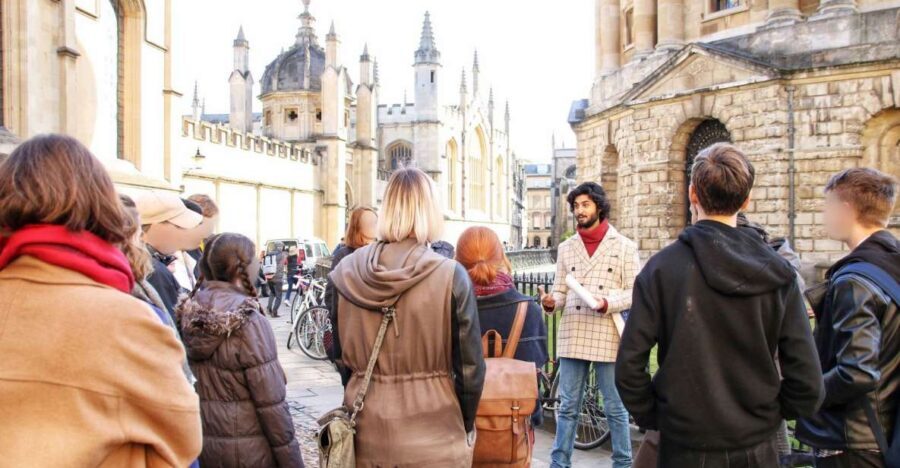
At about $29 per person for 1.5 hours, the value comes from three things: expert access, focused time, and built-in learning support.
First, you’re not paying for a generic guide with a phone full of facts. You’re paying for someone trained with a specialist program. That’s the difference between hearing trivia and getting a coherent argument about how Oxford’s power formed.
Second, the timing is realistic. You don’t need to block half a day. You can fit this into a first or second day in Oxford and still do other things after. The whole route is around 2 km, so it’s walkable for most people with decent shoes and normal stamina.
Third, you get a reading list. Many tours give you memories and maybe a photo. This one hands you a path forward, which can make the $29 feel small if you actually plan to continue learning.
So is it “good value”? If your goal is a quick orientation that explains how Oxford’s institutions connect to larger stories, yes. If your goal is quiet architecture appreciation with no discussion, then you might feel the price for a walking tour doesn’t match your needs.
Family-friendly history that still feels adult

One of the most useful aspects of this tour is its age guidance: it’s suitable for ages 12 and up. That sweet spot matters. Teens often do fine with city-walking tours, but they usually struggle with long, dense speeches. This format is interactive enough to keep attention, while still focusing on serious topics.
If you’re traveling with a mixed group—say, grandparents plus teens—this kind of structure can help everyone stay involved. The guide can adapt content and itineraries as needed for participants of different abilities, and the tour is wheelchair accessible.
Again, I want to underline the topic choice: the themes include empire, race, class, and gender. That’s meaningful education, but it’s also why this tour works best when your group is open to conversation.
Who should book this uncomfortable Oxford tour?
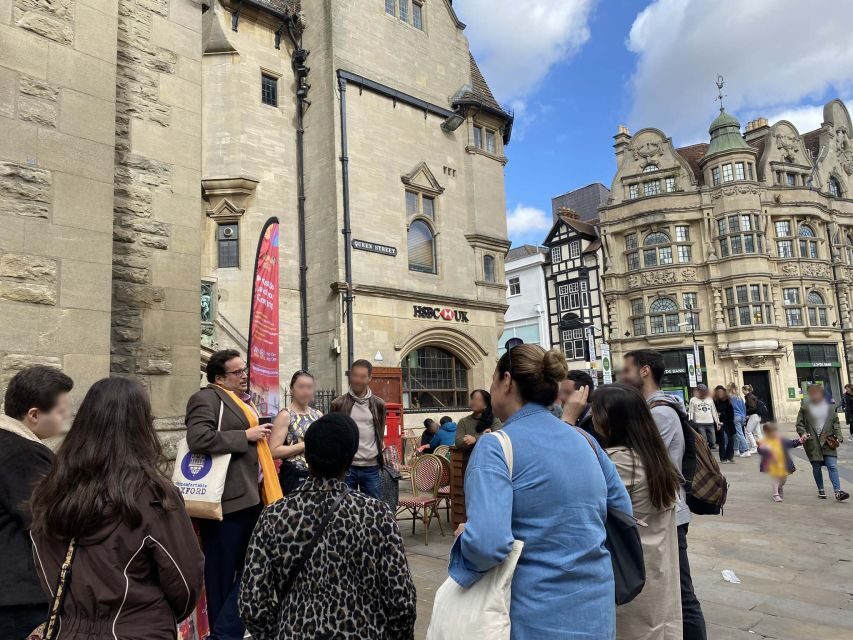
Book this tour if you want:
- an expert-led Oxford walk that connects landmarks to power and social change
- a short, structured introduction to the city centre
- discussion-based learning, not just one-way narration
- a ready-made reading list after you go
I’d skip it or choose a different tour if you want:
- inside access to colleges (this one does not take you inside)
- a strictly light-touch, sightseeing-only format
- a tour that avoids uncomfortable topics
Also, consider your comfort with walking. It runs rain or shine and covers about 2 km with cobblestones and street crossings. Plan for that and you’ll enjoy it more.
If you’re on your first day in Oxford and you want a story-driven orientation, this is a strong pick. It gives you a framework you can reuse when you explore on your own later.
FAQ
Does the tour include entry into colleges?
No. The tour does not take you inside any colleges. You’ll view key sites from the outside as you walk.
How long is the Oxford city-centre tour?
It lasts about 1.5 hours.
Where do I meet for the tour?
Meeting point can vary based on the option you book. You’ll meet at either Carfax Tower or Fantastea (Teas around the world).
Is the tour suitable for kids or teens?
Yes. It’s family-friendly for ages 12 and up.
How much walking is involved?
The tour covers around 2 kilometers, including some street crossings and sections with cobblestones.
Is it wheelchair accessible?
Yes, it’s wheelchair accessible. The guides are trained to adapt to participants’ needs as required.
What do I get besides the tour itself?
You receive a free Uncomfortable Oxford™ souvenir sticker and access to a reading list compiled by University experts after the tour.