
REVIEW · OXFORD
Oxford: MINI Factory Tour – Go Behind the Scenes
Book on GetYourGuide →Operated by MINI Plant Oxford Tour · Bookable on GetYourGuide
Robots make tiny cars feel scientific. In about 100 minutes, you go from the MINI Visitor Centre into the only MINI factory in the UK and watch the whole process in real time, with a live guide keeping it clear and human.
I especially liked the Body-in-White moment, when the bare metal shell is welded together, and how the explanation makes it feel doable even if you do not know cars. I also enjoyed the included BMW MINI museum entry, because it gives you context after you’ve seen the production line.
One consideration: you cannot record the experience. Cameras and cellphones are not allowed, and the tour uses electromagnetic radiation in one hall, so people with pacemakers (and pregnant women) may need to skip the Body-in-White section.
In This Review
- Key highlights you’ll care about
- From MINI Visitor Centre to the factory: what the start gets right
- The production line walk: Body-in-White to the finished MINI
- Robots and precision: why this tour feels different from a typical car museum
- The electric MINI and sustainability section: what future-facing actually means here
- The museum stop and headsets: making the experience click
- Logistics that affect your day: time, group size, and the rules
- Who this MINI factory tour suits best
- Value and worth it questions: is $49 fair for 100 minutes?
- Should you book the Oxford MINI Factory Tour?
- FAQ
- FAQ
- How long is the Oxford MINI Factory Tour?
- Where do I start the tour?
- What’s included in the ticket price?
- Are cameras or phones allowed during the tour?
- Is there parking at the meeting point?
- Is the tour suitable for children?
- Is the tour safe if I have a pacemaker or am pregnant?
Key highlights you’ll care about

- See the MINI from welded shell to final assembly in one guided walk
- Robots are part of the show, not just a passing detail
- Up to 1,000 MINIs a day: you get scale and logistics, not just styling
- Electric MINI production is on the roadmap, including future-facing steps on-site
- Headsets are included and required, so you can hear the guide clearly
- Strict no-photo rules mean you focus on watching, not filming
From MINI Visitor Centre to the factory: what the start gets right

Your tour begins at the MINI Visitor Centre in Oxford, where free parking is available on-site. This matters more than you think: factory tours are timing-sensitive, and you do not want to be hunting for a last-minute entrance.
Once everyone arrives, groups of about 15 people get organized. You’ll then be shuttled by van to the factory for the main walking portion. That van hop is short, but it helps set expectations: you’re transitioning from visitor space to working production space, with the kind of rules you’d expect in a modern plant (no lingering, no wandering).
I also like that the experience is paced with audio support. You receive headsets and you must wear them. That keeps the group together and makes the factory sounds usable, rather than just noise. If you have a medical reason you can’t wear headphones, plan ahead and contact the booking center before you go.
You can also read our reviews of more tours and experiences in Oxford.



The production line walk: Body-in-White to the finished MINI

The heart of this tour is the guided walk through the assembly hall and production areas. You start with the plant’s significance and how this Oxford site became the only place in the UK that builds the MINI. Hearing that story at the beginning makes what you’ll see later click faster. It’s not just machinery; it’s a factory with a role in the brand identity.
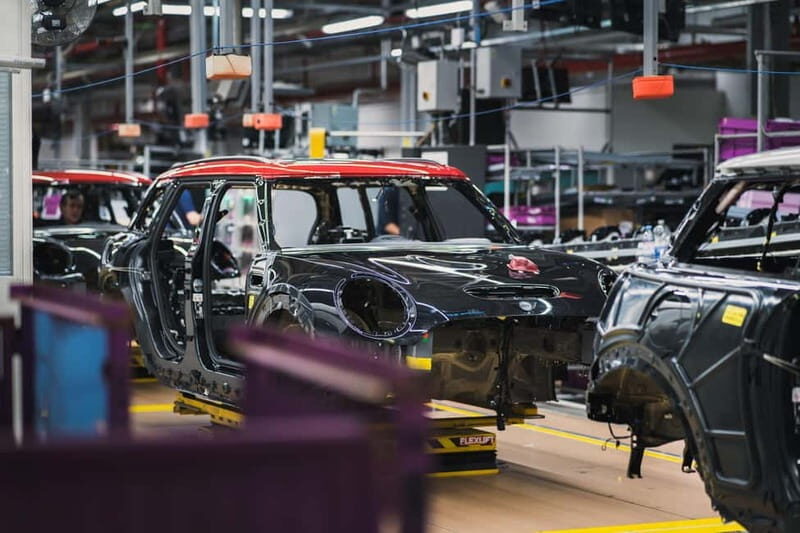
Then the guide takes you to the key manufacturing stage: Body-in-White. This is where the car’s bare metal shell is welded together. Watching a process like this changes your mental picture of a car. Instead of thinking in terms of colors and dashboards, you see the structure first—exactly how the vehicle becomes a vehicle.
After the welded shell stage, you follow the workflow onto the production floor. You’ll see the build process as components come together, moving through the assembly lines where the MINI takes on its finished form. It’s a lot to take in, but the way the guide explains each step makes it easier to track.
One practical note: you’re walking around the plant, so comfortable, closed footwear matters. Open-toed shoes are not allowed, and you’ll want your legs ready for a steady pace around production areas.
Robots and precision: why this tour feels different from a typical car museum

Car museums are great for design details. This tour is different because it focuses on how everything fits—literally.
I love the emphasis on automation and joining parts. The guide highlights the robotic construction of the body shell and the way high-tech systems help with consistency and accuracy. You’ll see teams of skilled engineers alongside robots, which is a good reality check. It’s not all robots, and it’s not all handwork either. Modern manufacturing is a mix.
The tour also gives you a sense of how production scales. The facility can produce up to 1,000 new MINIs each day. That number is not just trivia; it helps you understand why the flow is so controlled. When you watch parts move through stations, you start to see the factory like a system, not a set of machines.
Another detail worth mentioning: the way cars roll off the line feels personal. Each MINI is uniquely personalized, and the guide frames that so it doesn’t sound like marketing fluff. You get the impression that the plant isn’t just producing a generic car—it’s producing one car at a time, even while the volume is huge.
And yes, the tour builds in moments of surprise. After you’ve seen today’s production, you get a sneak peek at tomorrow’s work—small, but it gives you a sense of how fast the process keeps moving.
The electric MINI and sustainability section: what future-facing actually means here
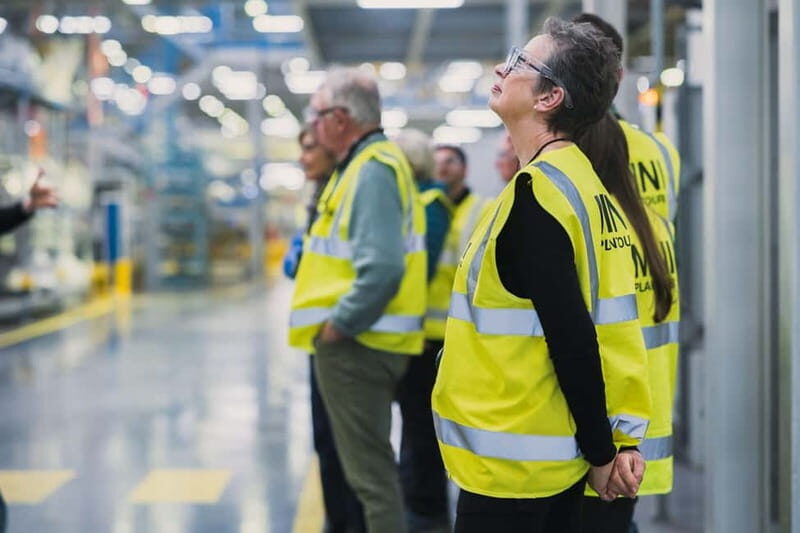
This isn’t just a history tour ending in a gift shop. You get a look at how the plant is gearing up for electric mobility and innovation.
The tour includes a section on steps toward sustainability and how the facility is evolving to stay at the forefront of automotive technology. You also hear about the first all-electric MINI crafted on these lines, and you’re shown how that direction changes the factory’s focus.
What I find useful for you as a visitor is that this part helps connect the dots. If you only see welding and assembly, you might assume the plant is stuck in the past. Seeing the electric future discussion makes the whole operation feel like it’s actively changing—without pretending it’s magic or instantly perfect.
And sustainability gets treated as practical, not preachy. Even when the tour is short, the message is clear: manufacturing plants have to adjust their processes, equipment, and workflow. This tour gives you a view of that shift instead of just a slogan.
The museum stop and headsets: making the experience click
The included BMW MINI museum entry is a smart pairing. When you finish the factory walk, your brain has already filed away what cars are made of and how production works. The museum then gives you the brand context you might miss while watching machinery.
Also, the headsets are not just a nice extra. In a factory environment, hearing the guide is the difference between a tour that feels like a show and one that feels like learning. With the audio, you can focus on what the guide is pointing out—like the logic behind a stage or why a robot action matters.
One small thing to keep in mind: photography inside isn’t allowed. That means you’ll remember with your eyes and your notes, not a camera roll. It’s an unusual twist for a modern experience, but it also keeps the group from stopping every few steps.





Logistics that affect your day: time, group size, and the rules
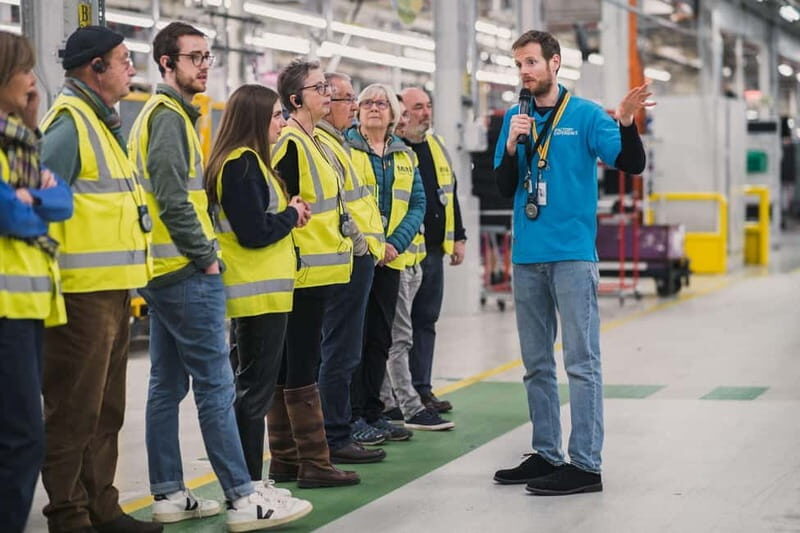
At $49 per person and around 100 minutes, this tour’s value comes from what’s included: a live guide, headsets, a shuttled factory visit, and museum entry. You’re not paying only for a building photo-op. You’re paying for access to areas that are normally off-limits and for a guided explanation that helps you connect the parts of the process.
A few logistics points can save you stress:
- The tour is English-speaking with a live guide.
- You divide into smaller groups of roughly 15 and are shuttled by van.
- Arrive on time. Access for late arrivals cannot be guaranteed.
- There are locked lockers for coats/bags/phones, which is useful since cellphones can’t be out.
On signage: the center once in the car park can be a bit of a hunt, and some visitors note the sign off the main road can be small. If you’re arriving for the first time, give yourself extra minutes to get oriented.
Finally, the tour has firm safety and eligibility limits. It’s not suitable for children under 14, and pregnant women are not suitable due to the electromagnetic radiation note. If you have a medical device like a pacemaker, plan carefully: the tour uses electromagnetic radiation in one hall, and you could attend but would miss the Body-in-White hall.
Who this MINI factory tour suits best
This is a strong fit for:
- MINI fans and first-time Oxford visitors who want something hands-on and distinctly local
- Families with older teens, since the minimum age is 14
- People who like “how it’s made” explanations more than design-only viewing
- Anyone curious about modern manufacturing, robotics, and where electric production fits
It may be less ideal if:
- You strongly prefer taking photos everywhere, because cameras and cellphone use are not allowed
- You need unrestricted access to every hall if you’re managing a pacemaker or pregnancy-related concerns
- You have limited mobility, because it is a walking tour around the plant
Value and worth it questions: is $49 fair for 100 minutes?
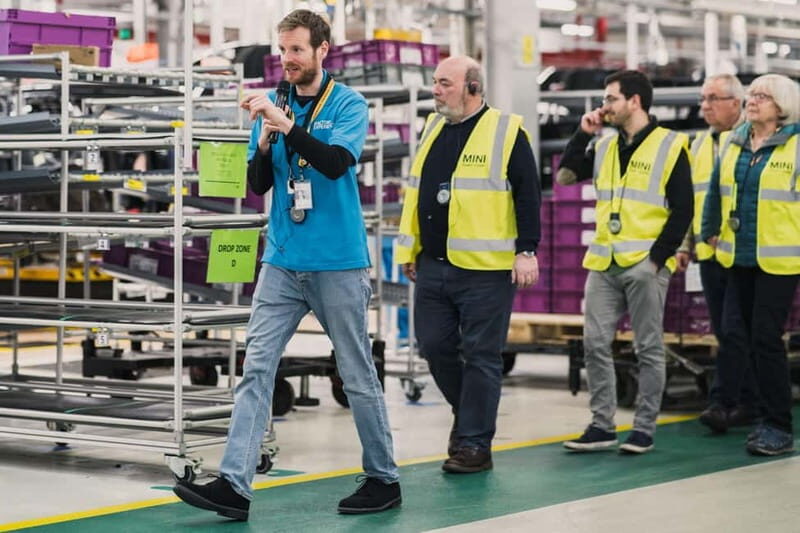
Here’s how I judge value for a factory tour: you should feel like you gained access plus understanding—not just watched something from behind a fence.
At about $49 for 100 minutes, you get:
- Guided walking with headsets
- A shuttled trip to the factory
- Entry to the BMW MINI museum
- A structured look at the build process from Body-in-White to assembly
- A future-facing segment about electric MINI production and sustainability
That combination is the reason the price usually feels fair. Many “car experiences” either show you history without factory access, or show you a factory without brand context. Here, you get both in one outing.
You might feel the time crunch if you’re the type who likes long stops at each station. But the tour is built to keep moving and keep you hearing the guide with the audio system.
Should you book the Oxford MINI Factory Tour?

Book this tour if you want a practical, behind-the-scenes view of how a British icon is made. I think it’s one of the better “watch-and-learn” experiences in Oxford because you’re not just seeing cars—you’re seeing the process, the scale, and where electric production is headed.
Skip it if you need lots of personal filming time, you’re bringing younger kids under 14, or electromagnetic radiation and the hall limitations would cause problems for your situation. If those items fit your needs, you’ll leave with a very different idea of what a MINI is—not just cute styling, but engineering workflow from bare metal to the finished car.
FAQ
FAQ
How long is the Oxford MINI Factory Tour?
The tour lasts about 100 minutes.
Where do I start the tour?
You meet at the MINI Visitor Centre. You can search for MINI VISITOR CENTRE on Google Maps to find it.
What’s included in the ticket price?
It includes a guided walking tour (including a short bus ride), BMW MINI museum entry, and headsets for the audio guide experience.
Are cameras or phones allowed during the tour?
No. Cameras and cellphones are not allowed, and photography inside the factory is not permitted.
Is there parking at the meeting point?
Yes. Free parking is available on-site at the MINI Visitor Centre.
Is the tour suitable for children?
It’s not suitable for children under 14. For groups including guests under 18, a minimum of two adults is required for every three people under 18.
Is the tour safe if I have a pacemaker or am pregnant?
The tour uses electromagnetic radiation in one hall and it may affect medical devices such as pacemakers and could pose risks for pregnant people. You could attend but would miss the Body-in-White hall; pregnant women are listed as not suitable.