REVIEW · OXFORD
Oxford: City and University Tour, including college entry
Book on GetYourGuide →Operated by Oxford Walking Tours · Bookable on GetYourGuide
Oxford feels like a living book. This walk threads the city’s student life through iconic buildings, plus college entry.
I love the inside-the-college access and the way the guide ties stops to stories like Harry Potter and Inspector Morse. One thing to keep in mind: you cover a lot in 1.5 hours, and college or library access can change if closures pop up.
In This Review
- Key highlights at a glance
- Oxford, university-style: where this tour starts and why it works
- Your guide and the storytelling that turns buildings into context
- The dreaming spires route: core Oxford sights you’ll see
- Divinity School: the lecture hall vibe and film-location value
- Radcliffe Camera and the art of exam-time Oxford
- Sheldonian Theatre: Wren’s early imprint
- Hertford College and the TV-and-film recognition factor
- Inside a college: what entry actually adds to your Oxford day
- The collegiate and tutorial system, explained on the pavement
- Film locations without the gimmick: how pop culture fits
- Timing and pacing: getting value from 1.5 hours
- Winter 4pm twilight: ghostly Oxford and age-appropriate storytelling
- Price and value: what $37 buys you in Oxford terms
- Who should book this Oxford city and university tour
- Practical tips before you go
- Should you book it?
- FAQ
- How much does the Oxford City and University Tour cost?
- How long is the tour?
- When do the tours run?
- Where is the meeting point?
- Is college admission included?
- What major sights are included?
- Which colleges might you visit?
- What happens if a college or the Bodleian library is closed?
- What is special about the 4pm winter tour?
- Is the tour accessible and in English?
Key highlights at a glance

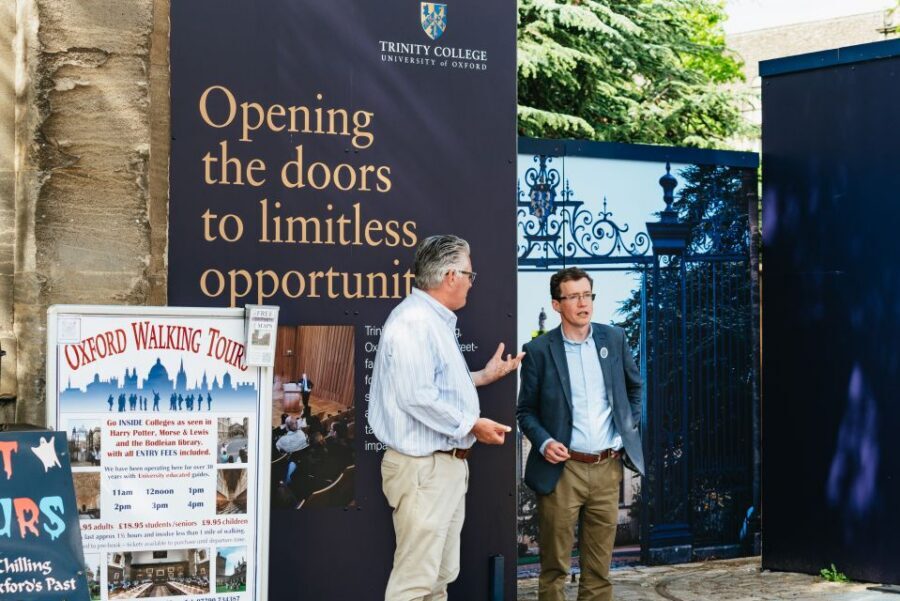
- Trinity College gates start point, with hourly tours from 11am to 4pm
- Major Oxford landmarks included, including the Bodleian library
- Film and TV connections such as Harry Potter, Brideshead Revisited, and Inspector Morse
- College entry built in, with frequent visits to colleges like New, Balliol, Trinity, or University College
- The collegiate tutorial system explained in plain language while you walk
- Winter 4pm twilight mode can include ghostly tales and darker Oxford stories
Oxford, university-style: where this tour starts and why it works
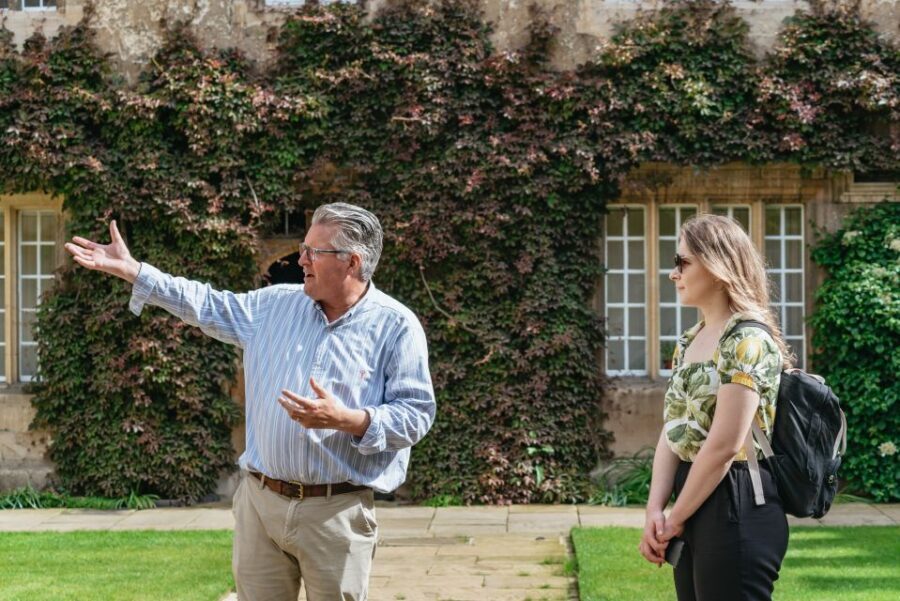
The best Oxford tours help you understand what you’re looking at, fast. This one is built around that idea: you start at Trinity College on Broad Street, then move through the city’s most recognisable academic sights in a tight 1.5-hour loop.
I like that the pacing is designed for a short visit. You get enough distance to feel like you’re seeing Oxford, without turning the day into a nonstop march.
You can also read our reviews of more city tours in Oxford



Your guide and the storytelling that turns buildings into context
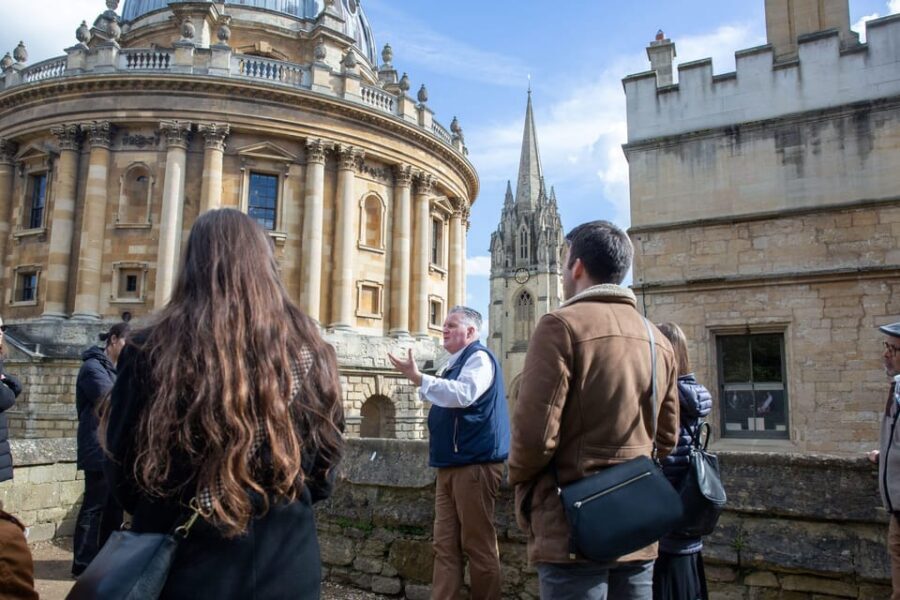
A big part of this experience is the guide. You’ll be traveling with someone who can connect architecture to university life, not just recite dates.
On many days, guides such as Jonathan, Tom, Joe, Dan, Simon, Stuart, Sergi, and Leonor are named by guests for doing two things well: telling clear stories and keeping questions in the flow. If you’re the type who asks why one building matters more than another, you’ll likely enjoy this format.
And here’s the practical upside: the tour doesn’t treat Oxford like a museum. It explains how the place works—especially the collegiate and tutorial system—so the landmarks stop feeling random.
The dreaming spires route: core Oxford sights you’ll see
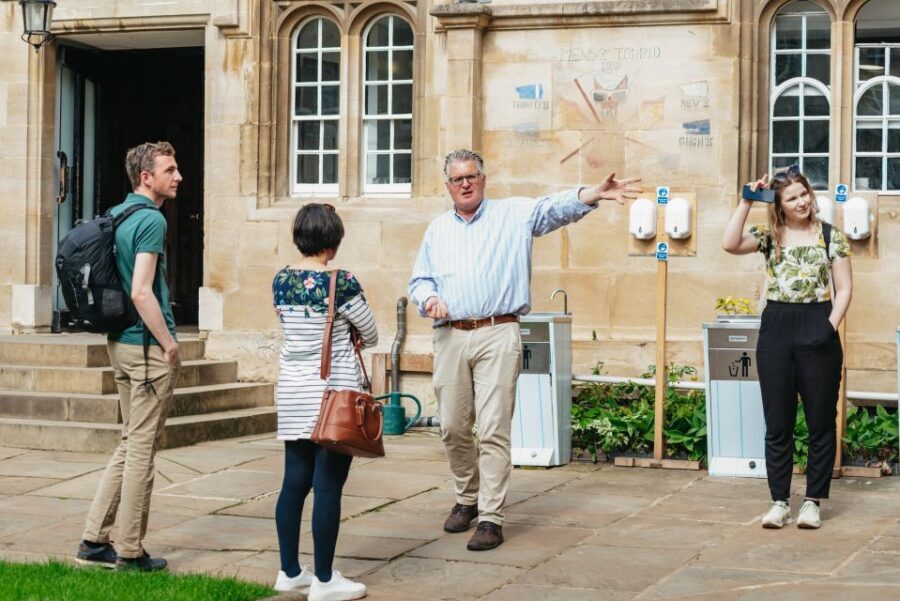
You’ll see the key landmarks that people picture when they imagine Oxford. The tour is designed to hit the “you must know this” buildings, then add meaning around them.
Among the featured stops are:
- Bodleian library (included on the tour)
- Divinity School (often tied to film-making)
- Radcliffe Camera (a student favourite during exam crunch)
- Sheldonian Theatre (a landmark tied to early Christopher Wren work)
- Hertford College (recognisable from Brideshead Revisited and more)
A helpful detail: guides are used to adjusting when something changes. The company notes that colleges and the library can close at any time, and the guide will work to get you into suitable alternatives when that happens.
Divinity School: the lecture hall vibe and film-location value
Divinity School is one of those Oxford stops that looks good from the outside and feels even better once you understand what it is. It’s known as the oldest lecture hall and examination room in Oxford, and it’s also listed as a filming location.
The value here is the connection between learning and tradition. You’re not only seeing a historic room—you’re learning why Oxford lectures and examinations became part of the city’s identity.
If you’re a movie fan, this is the sort of stop where the buildings start doing double duty in your head: part history lesson, part visual recognition.
Radcliffe Camera and the art of exam-time Oxford
Radcliffe Camera is probably the most iconic Oxford “round building” in photos. On this tour, it’s framed for how students use it—especially around final exams.
That context matters. Without it, the building is just architecture. With it, you start noticing the way Oxford’s university life shaped how the city lives and moves.
This is also a good stop for a quick photo. If you’re bringing a camera, try to keep expectations realistic: you’re walking with a group in 1.5 hours, so plan on short pauses rather than long photo sessions.



Sheldonian Theatre: Wren’s early imprint
Sheldonian Theatre is tied to Sir Christopher Wren, and the tour presents it as one of his early buildings before his later work on St Paul’s Cathedral. Even if you’re not a classic-architecture nerd, this is a satisfying stop because it links Oxford’s physical story to a wider British story.
The way the guide explains it can make the building feel less distant. You’ll come away understanding not just what you saw, but why it was built and what it represented.
Hertford College and the TV-and-film recognition factor
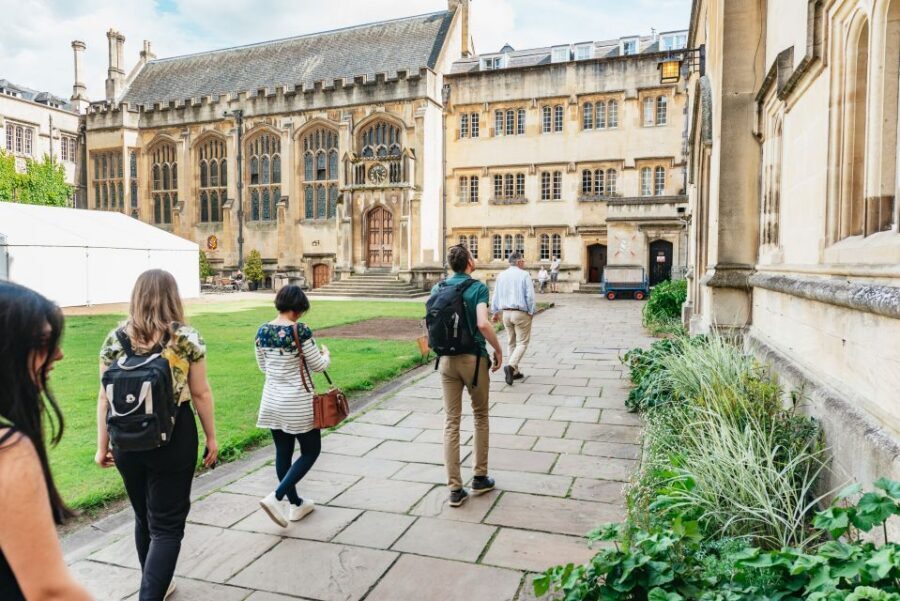
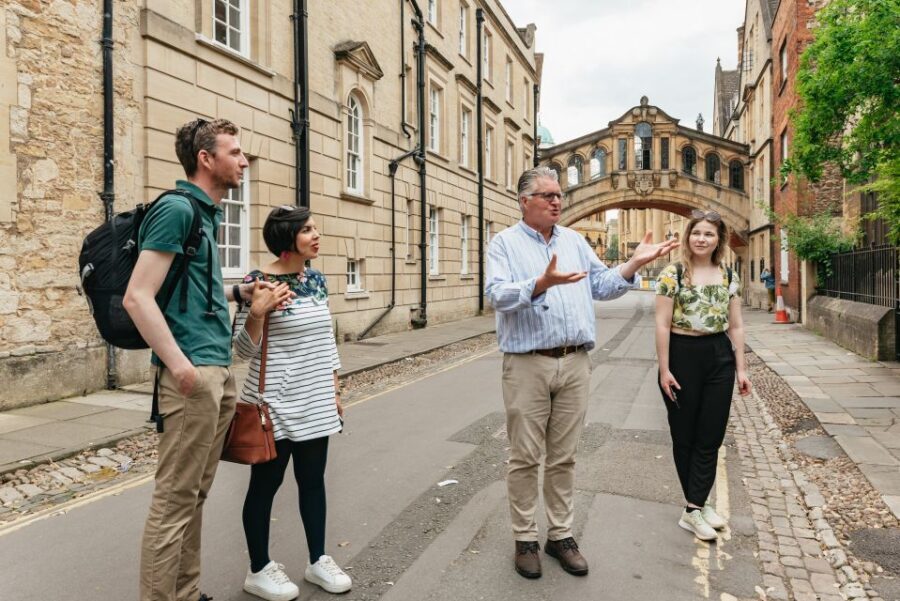
Hertford College is a standout stop on this route because it’s described as instantly recognisable from Brideshead Revisited, plus other screen projects like Endeavour, Saltburn, and Wonka.
That matters if you’re visiting with people who don’t want only academic lectures. The film connection gives everyone a hook, then the guide can bring it back to Oxford’s actual identity: students, buildings, and the long timeline of traditions.
A practical note: Hertford is also a good place to ask the guide where to look next. Reviews include guests picking up useful guidance on where and when to visit other places in Oxford, including timing around closures.
Inside a college: what entry actually adds to your Oxford day
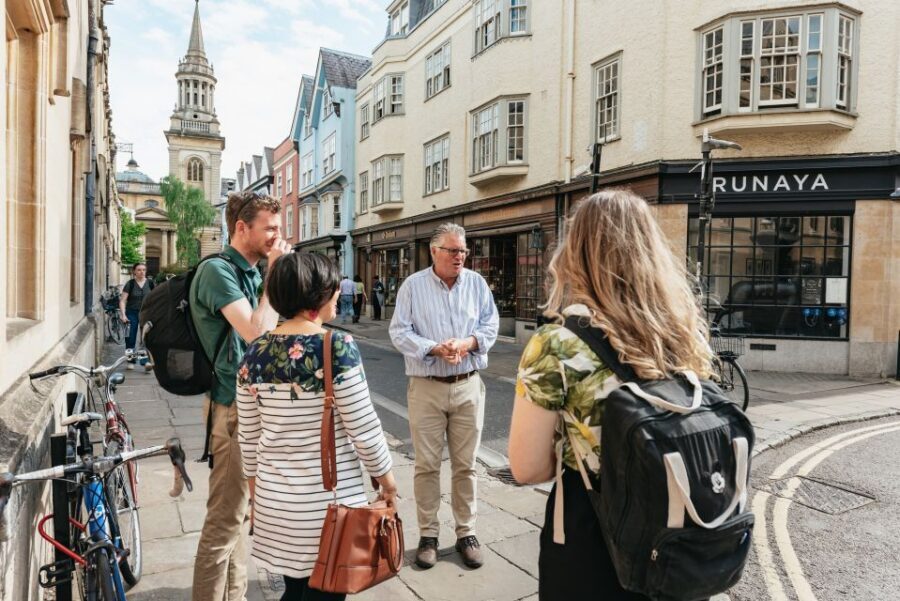
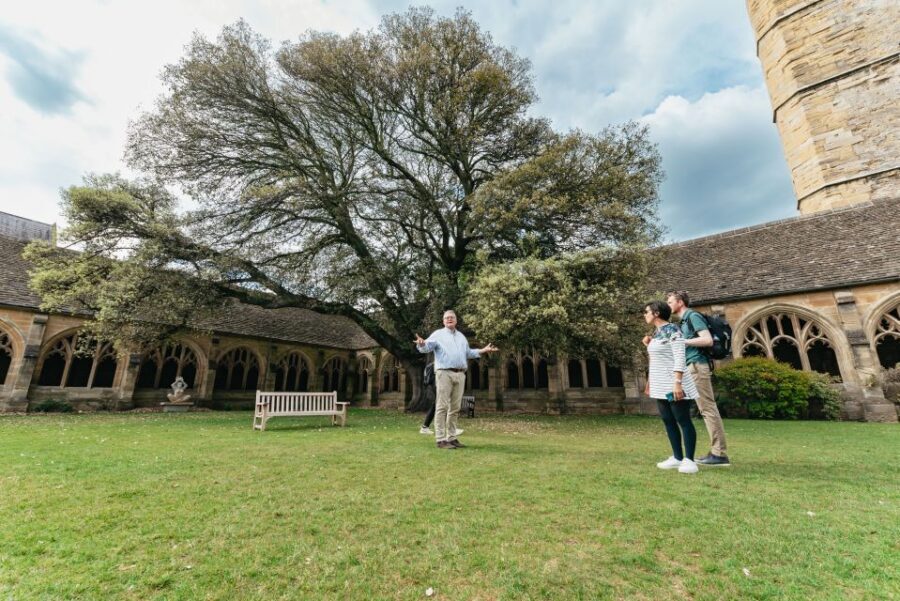
Oxford colleges aren’t just pretty backdrops. They’re the heart of how Oxford education is organised, and that’s why college entry is the major selling point here.
This tour regularly visits one college, and the description lists several frequent choices:
- New College (founded in 1379), also named as a filming location for Harry Potter, Inspector Morse, and His Dark Materials
- Balliol College (founded around 1263), noted for a majestic dining hall and ties to famous Prime Ministers
- Trinity College (founded in 1555), highlighted for its chapel and sweeping lawns, plus a medieval library predecessor
- University College (founded around 1249), associated with famous alumni including C.S. Lewis, Stephen Hawking, and Bill Clinton
What I like about this design is that it avoids the common problem with “Oxford tours.” Many walks show the outside of buildings and stop there. Here, you get inside one college—so you see what the university feels like when you step from street to courtyard.
One careful consideration: college access can change due to closures. The company states that colleges and the Bodleian library can close unexpectedly, and the guide will try to use alternatives.
The collegiate and tutorial system, explained on the pavement
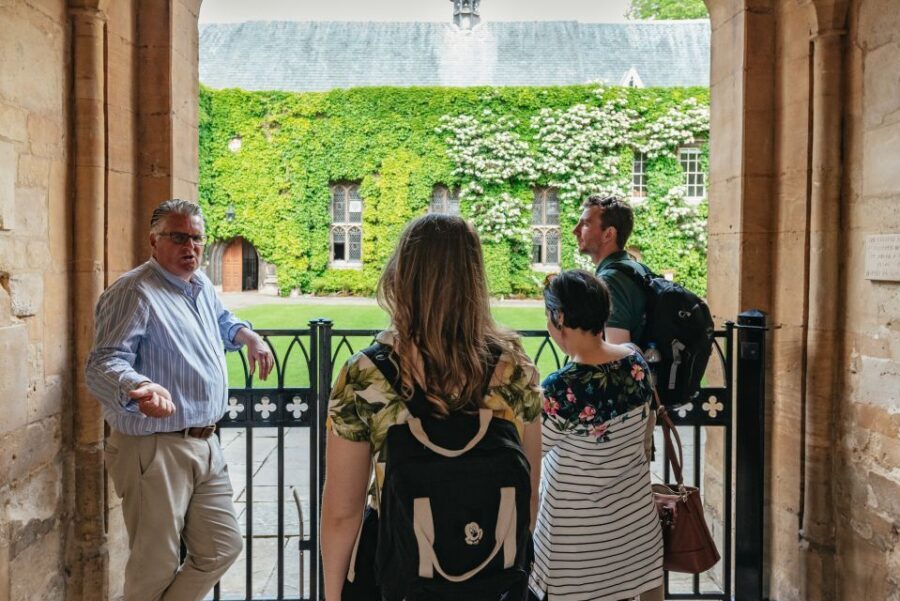
Oxford is famous for its tutorial system, and this tour is specifically built to explain it while you’re walking between places that embody that structure.
Even if you only catch the basics, it helps you read Oxford correctly. You start seeing how colleges operate as communities, how students pass through lectures and tutorials, and why the city is arranged around these institutions.
This is also where a good guide makes the difference. Guests often praise guides for storytelling that connects traditions, student life, and the larger historical events that shaped the university.
Film locations without the gimmick: how pop culture fits
Oxford has been used in film and TV because it’s visually consistent with older traditions. This tour takes that fact and uses it as a shortcut into meaning.
Instead of treating references as trivia, the guide uses them to point you toward the real story: why a room exists, why a college formed where it did, and how Oxford’s institutions became part of modern culture.
You’ll see explicit connections mentioned for:
- Harry Potter (including Divinity School and New College)
- Brideshead Revisited (via Hertford College)
- Inspector Morse and other productions (including New College)
If you’re visiting because you love movies, you’ll likely enjoy the recognition. If you’re visiting for history, you’ll likely enjoy how the guide uses those references as entry points.
Timing and pacing: getting value from 1.5 hours
Ninety minutes is a sweet spot in Oxford. It’s long enough to feel like a real tour, short enough to keep the rest of the day flexible.
Still, it’s not a slow stroll. The tour is designed to cover major sights and include college access, so you should expect walking, moderate crowd movement, and short stops for photos.
A pro tip from guest guidance worth copying: if there are specific stops you care about most, let the guide know in advance. One guest noted that mentioning your priorities helps the guide accommodate choices where possible, while keeping the tour duration at 1.5 hours.
Winter 4pm twilight: ghostly Oxford and age-appropriate storytelling
If you’re touring in winter, the experience shifts at the 4pm slot. The description says it can include stories of Oxford’s gruesome past and ghostly tales as you wander through historic streets in twilight.
The guide tries to keep stories age-appropriate, but the note is important: if you’re traveling with small children, you should be aware that the tone can turn darker.
If that doesn’t suit your group, you may prefer one of the earlier departures so you get the same core route without the added ghost-story layer.
Price and value: what $37 buys you in Oxford terms
At $37 per person, this isn’t priced like a museum ticket. You’re paying for two things that are harder to do alone:
- A guided connection between buildings and how Oxford actually works
- Access inside a historic college, plus entry to major university landmarks like the Bodleian library
In Oxford, the cost of getting this kind of structured context and access can add up quickly if you’re stitching together multiple self-guided visits. Here, the value comes from one compact plan that blends city sights, university explanations, and college entry in one go.
The other value is time. If you’re in Oxford for a day or you’re trying to start your trip the right way, a tour like this can help you decide what to see next.
Who should book this Oxford city and university tour
This tour is a strong fit if:
- You want the headline Oxford sights plus university context
- You care about Oxford’s student system and want it explained plainly
- You’d enjoy film ties without losing the history angle
- You have limited time and want a smart first orientation
It may not be the best fit if you want lots of free time inside buildings on your own. The schedule is tight, and college access depends on what’s open that day.
It’s also worth checking which version you’re booking if you’re doing a private setup. The notes say private tours can have college admissions extra/optional, even though the regular tour includes college entry.
Practical tips before you go
A few small things can make the day feel smoother:
- Wear comfortable walking shoes. You’re moving between several major stops in a short window.
- Bring a charged phone or camera, and accept that photo time is limited. Aim for the stops you care about most.
- If someone in your group is picky about one topic—movies, architecture, student life—tell the guide early so they can steer the storytelling.
- If you’re visiting during winter at 4pm, consider the tone if kids are coming along.
Also note: the tour is marked as wheelchair accessible, which is a good sign for mobility planning. If you’re using a wheelchair or stroller, it’s still smart to be ready for uneven historic streets.
Should you book it?
Yes, if you want an efficient, story-driven Oxford experience that includes college entry and hits major sites like the Bodleian. The best reason to book is simple: you’ll leave with a clearer understanding of how Oxford’s university system shapes what you see on the street.
If you’ve never been to Oxford before, doing this early can help you choose your later stops with confidence. And if you’re a film fan, the Oxford-in-film details give the day an extra layer without making the tour feel like a stunt.
FAQ
How much does the Oxford City and University Tour cost?
The tour price is $37 per person.
How long is the tour?
It lasts about 1.5 hours.
When do the tours run?
Tours run hourly from 11am to 4pm.
Where is the meeting point?
The tour usually starts at the gates of Trinity College on Broad Street, though the exact meeting point may vary depending on the option booked.
Is college admission included?
The tour includes college admission and visiting inside one of Oxford’s historic colleges. For private tours, college admissions are noted as extra/optional, so check your specific booking details.
What major sights are included?
The tour includes Oxford’s iconic university landmarks such as the Bodleian library, Divinity School, Radcliffe Camera, Sheldonian Theatre, and Hertford College.
Which colleges might you visit?
Colleges listed as regular visits include New College, Balliol College, Trinity College, and University College.
What happens if a college or the Bodleian library is closed?
Colleges and the library can close unexpectedly. If that happens, the guide will visit suitable alternative colleges if available.
What is special about the 4pm winter tour?
In winter, the 4pm tour includes stories of Oxford’s gruesome past and ghostly tales during twilight, with the guide aiming to keep stories age-appropriate.
Is the tour accessible and in English?
Yes. The tour is wheelchair accessible, and the live guide speaks English.