REVIEW · CAMBRIDGE ENGLAND
Cambridge: The Original Uncomfortable Cambridge™ Tour
Book on GetYourGuide →Operated by Uncomfortable Cambridge Tours · Bookable on GetYourGuide
Cambridge can feel too polite. This tour uses the city’s big-name landmarks to talk about race, class, and gender, plus the controversies sitting under the pretty stone. If you want a quick, honest way to read Cambridge differently, this is a strong intro.
I especially like how the walk stays grounded in what you can see from the street—the buildings, names, and monuments—then links them to uncomfortable choices made by the university and town over time. One thing to plan for: the tour does not go inside any colleges, so it’s exterior-focused even though it covers major university sites.
In This Review
- Key things you’ll notice on this walk
- Where the tour starts: Cambridge Tourist Information Centre, right where you’ll orient fast
- What makes it different: reading Cambridge through uncomfortable memory
- The first stop: King’s College as architecture with a human story behind it
- Great St Mary’s and the University Church: faith, authority, and who counted
- The Old Schools: where learning met class boundaries
- The Backs and Darwin College: riverside beauty with modern controversy in the background
- The Corpus Clock: a punchy ending that lands in the present
- The 1.5-hour plan: timing, walking, and where comfort matters
- Price and value: why $26 can make sense here
- What you get from a guide-led, research-informed format
- Should you book the Cambridge Original Uncomfortable Cambridge™ Tour?
- FAQ
- How long is the Cambridge Original Uncomfortable Cambridge™ Tour?
- Where do I meet the guide?
- Does the tour go inside colleges?
- What are the main stops on the tour?
- How much walking is involved?
- Is the tour wheelchair accessible?
- What’s included in the price?
Key things you’ll notice on this walk
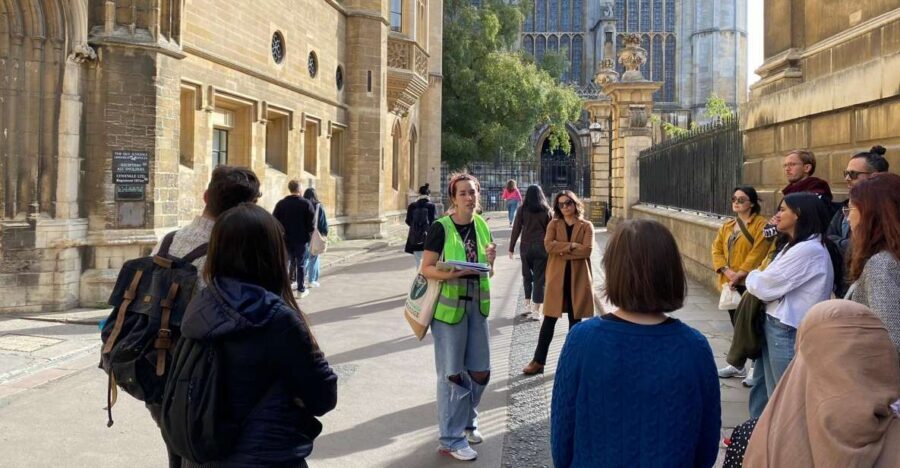
- A street-level history lesson tied to what’s right in front of you, not a museum-style lecture
- University-research guided storytelling that brings underrepresented voices into the main picture
- Cambridge’s power dynamics in plain terms, including how empire and inequality shaped institutions
- Big sights with a critical lens, from King’s College to Great St Mary’s and the Old Schools
- A short, walkable route (about 2 km in 1.5 hours) that fits even a tight day
Where the tour starts: Cambridge Tourist Information Centre, right where you’ll orient fast
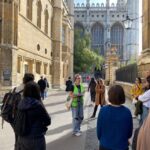
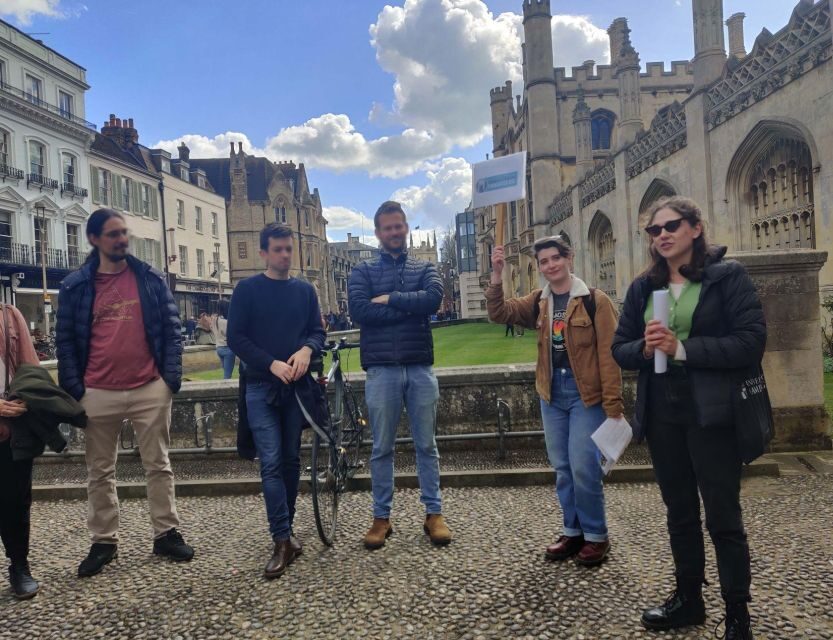
Meet your guide outside the main entrance of the Cambridge Tourist Information Centre. Your guide wears a badge and carries a green Uncomfortable Cambridge branded tote bag, which makes the meeting point easy to spot. From there, the route quickly gets you moving through the city centre, and you start learning before you even reach the first formal landmark.
You’re also not stuck waiting around. The tour is designed to be tight and focused—1.5 hours, with a walking distance of about 2 km—so you’re still fresh when you get to the famous university bits. The pace works well if you’re doing Cambridge as a day trip or you want something meaningful without spending half your holiday in guided groups.
You can also read our reviews of more tours and experiences in Cambridge England.

What makes it different: reading Cambridge through uncomfortable memory
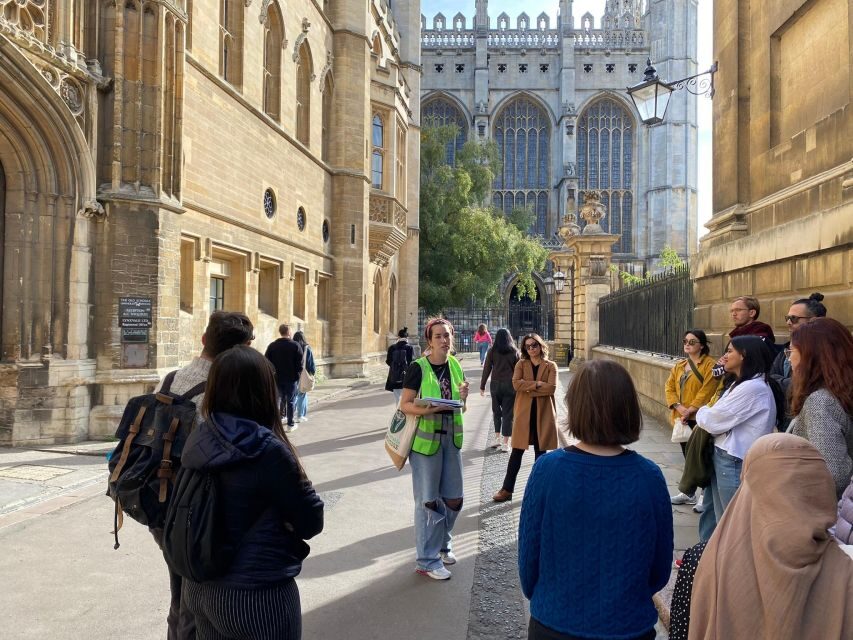
This isn’t a standard “then-and-then” history walk. The whole point is to challenge the usual story you might hear about Cambridge as a purely academic, neutral space. You’ll look at how the city and university have handled issues like race, class, and gender, and you’ll connect those themes to modern debates.
Expect conversations around statues and names, colonial objects, and the lingering legacy of imperialism in university life and city memory. That sounds heavy, but the tone is grounded: you’re outdoors, moving between real locations, and the guide helps you translate what you see into what it meant—and who benefited.
If you’re someone who likes asking questions, you’ll enjoy this format. Guides such as Ruari and Oscar are praised for being friendly and interactive, and the best part is that you’re not just absorbing facts—you’re reacting to them. That can feel a bit uncomfortable in the best way: it pushes you to think about your own assumptions.
The first stop: King’s College as architecture with a human story behind it
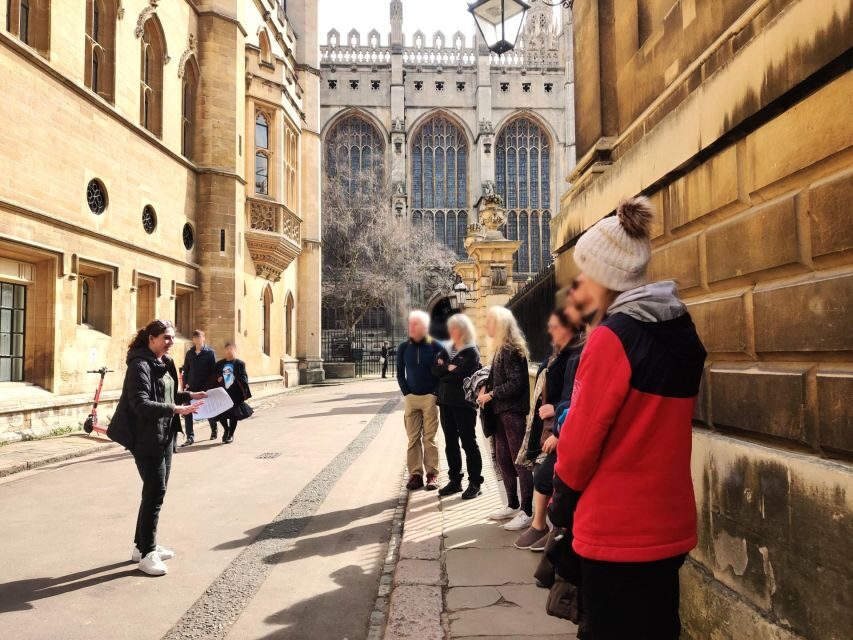
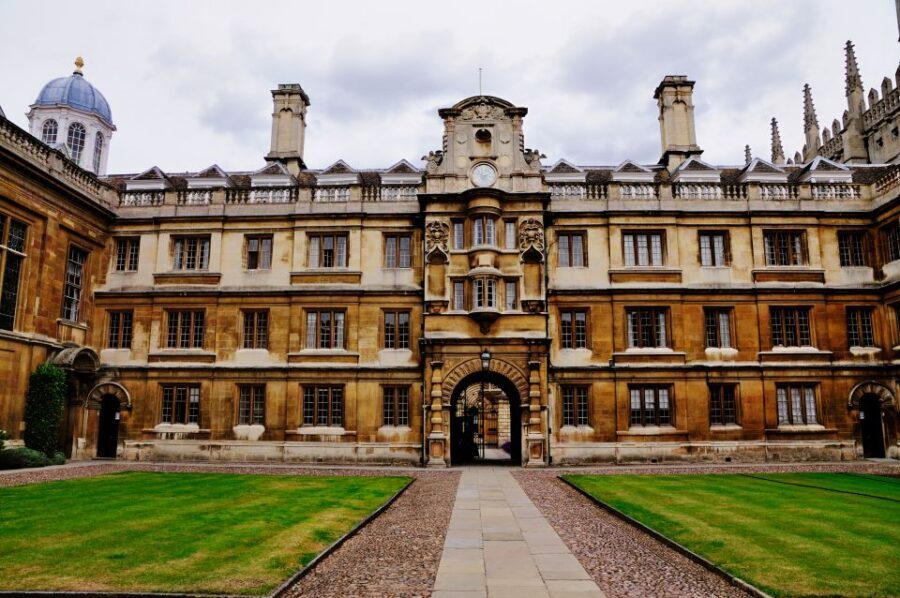
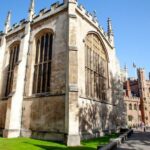
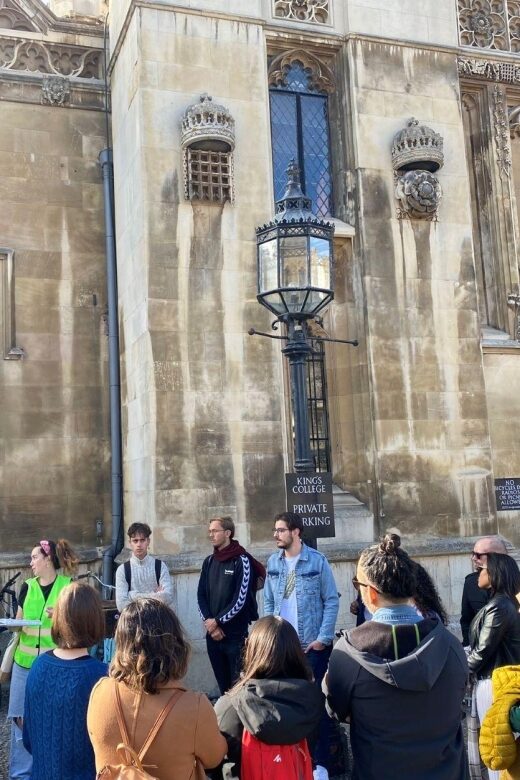
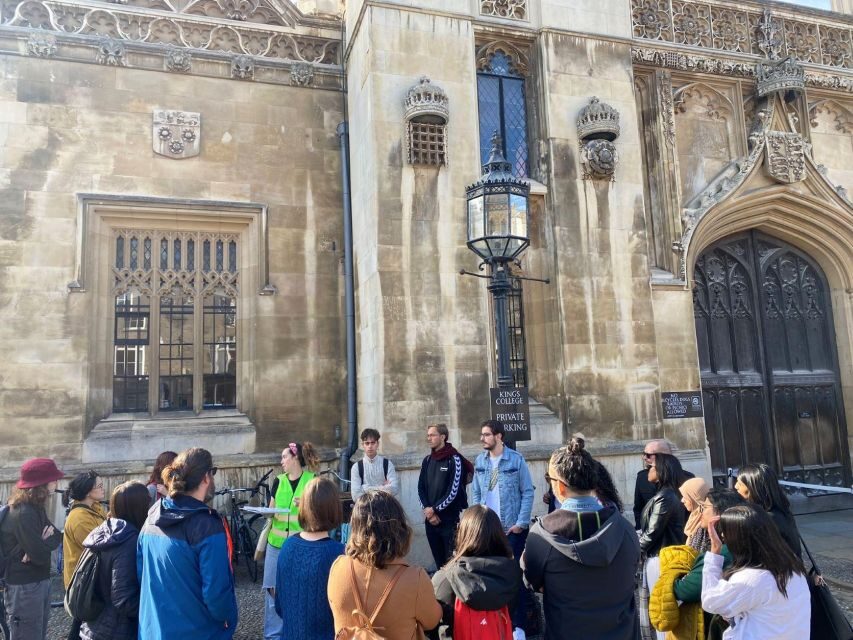
King’s College is one of the most recognizable views in Cambridge, and it’s an early anchor on the route for a reason. You get the grandeur up close—then you shift from “pretty building” to “institution built by choices.” A good guide will connect the college to the wider university system and explain how academic prestige often came with social boundaries.
Even without stepping through the gate, you learn to read the place like a document. When you look at the exterior of a powerhouse institution, you can start seeing what kind of power it signaled to the town—and who was excluded from the benefits.
Practical note: King’s College is a good photo stop, but this tour is about meaning, not just snapshots. If you’re the type who tends to speed through landmarks, slow down here. The way the guide frames the site will change how you notice details on your next visit.
Great St Mary’s and the University Church: faith, authority, and who counted
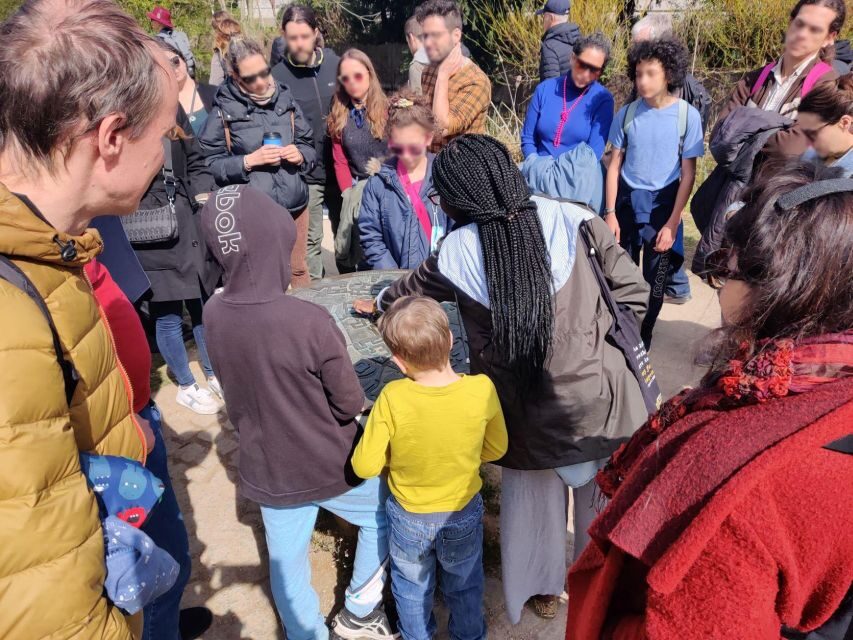
From King’s, you move to Great St Mary’s, the university church. This is a strong pairing because it turns the focus from college prestige to the role of religious and civic authority in the university world. The church sits at the intersection of public life and university identity, so it’s a natural place to discuss how institutions shaped day-to-day power.
What I like about this stop is that it helps you understand Cambridge as a working system, not just a collection of historic buildings. A church tied to the university isn’t only architecture—it’s also a reminder that education, belief, and social order were often linked.
It’s also a good spot for your group to reset expectations. You’re still seeing famous Cambridge landmarks, but the tour keeps pressing the question: who did the institution serve, and who got left out?
The Old Schools: where learning met class boundaries
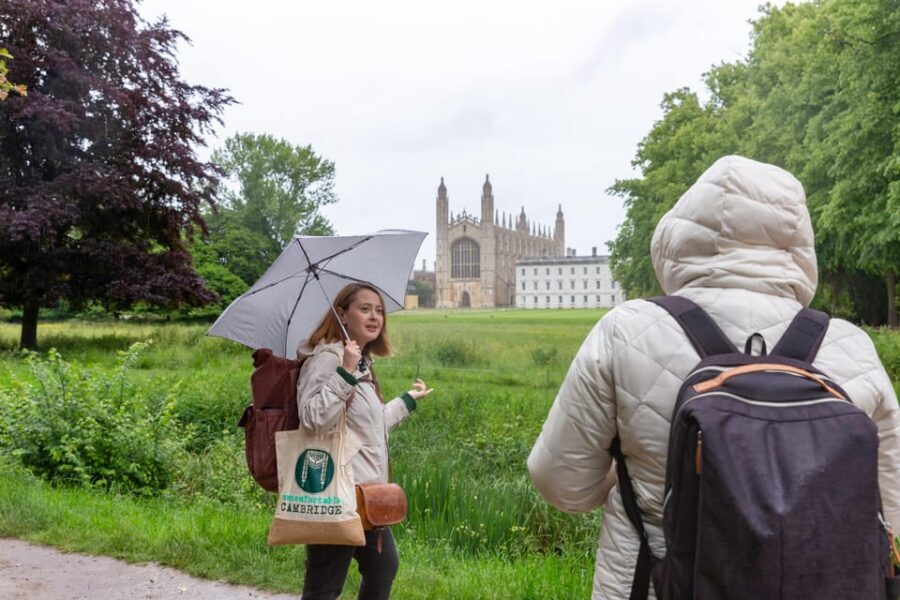
The Old Schools area is where the tour’s critical lens really clicks. “Schools” here isn’t just a catchy name—it points to a time when education was tightly organized and strongly controlled. Expect your guide to connect the built environment to social hierarchy, and to discuss how Cambridge’s academic machinery related to the surrounding town and its people.
This is one of the stops that can make you look differently at everyday Cambridge scenes. You’ll start thinking about access: who had the right to learn, who had the right to speak, and who had the right to belong in the story.
There’s also a useful travel lesson here: if you only visit buildings and monuments, you get the postcard version of history. This stop pushes for the behind-the-scenes version—rules, reputations, and who was allowed into the university orbit.



The Backs and Darwin College: riverside beauty with modern controversy in the background
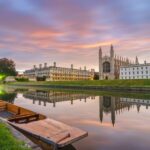
Next comes the Backs, one of Cambridge’s most iconic river views. It’s easy to see why people love it. The trick is that this tour asks you to keep one eye on the scenery while the other eye tracks the social meaning underneath.
You’ll also pass Darwin College as part of this segment. Darwin College represents a more modern chapter within Cambridge’s university landscape, which helps the tour avoid the trap of treating history as frozen. It’s a reminder that Cambridge institutions kept changing—and debates about legacy kept evolving too.
The tour uses this area to bring in the modern controversies side: how naming and memorials connect to colonial history, and why those debates matter today. You may find yourself thinking more about how public space works—who gets remembered, who gets erased, and how that impacts whether people feel included.
Tip: the Backs area can get busy on weekends in central streets. If you’re visiting Saturday or Sunday, give yourself a little extra time around crossings and crowds so you don’t feel rushed.
The Corpus Clock: a punchy ending that lands in the present
The Corpus Clock is a memorable way to close a critical walk because it’s part art object, part timekeeper, and very Cambridge. It’s the kind of landmark that makes people stop for photos—but here it ends the tour by focusing on how institutions shape public life.
What works well is the contrast. You’ve seen older university power in classic forms, then you end with something visible, playful, and very much alive in the present. It’s a clean way to connect “legacy” to “now,” without the tour feeling like it never leaves the past.
If you want one final takeaway, it’s this: Cambridge isn’t only historic. It’s actively negotiating what it stands for, and the city centre landmarks are where that negotiation becomes visible.
The 1.5-hour plan: timing, walking, and where comfort matters
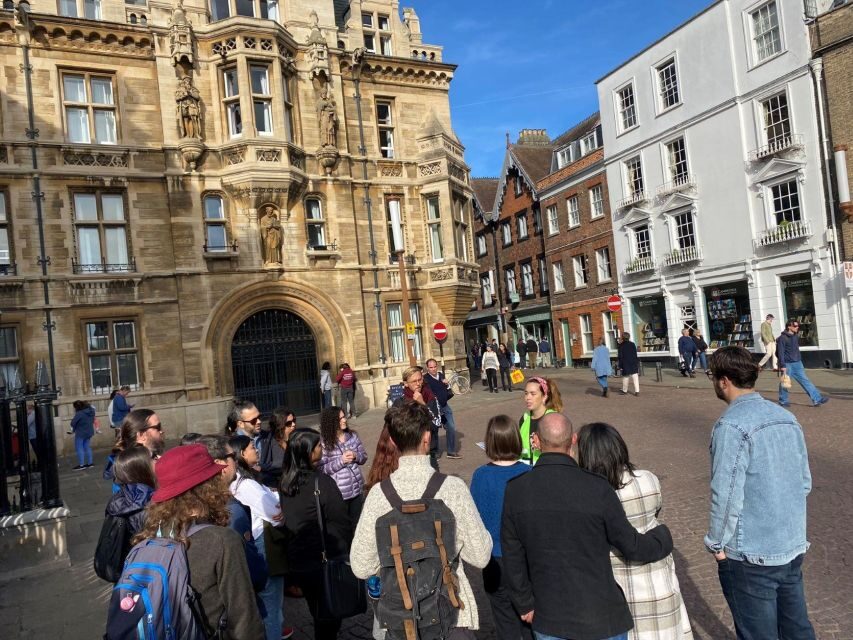
This tour covers about 2 km total and lasts around 1.5 hours. That’s short enough to fit well alongside museums, a punt, or an afternoon coffee stop. The route includes some street crossings and some uneven cobblestones, so good shoes help.
Accessibility is handled thoughtfully. Terrain is mostly flat, and there are no steps, but there is one ramp when going on and off a bridge. Wheelchair accessibility is supported, with spaces to sit or lean if needed. Carers attend free without booking, and toilets are available in local pubs along the route.
If you need an accommodation, you’re encouraged to contact the operator directly so they can do their best to match your needs. I’d do that early, especially in busy central streets, since crowding can affect how easy crossings feel.
On weekends, plan for busier central streets. The tour is still very doable, but you’ll enjoy it more if you arrive with a calm, flexible mindset.
Price and value: why $26 can make sense here
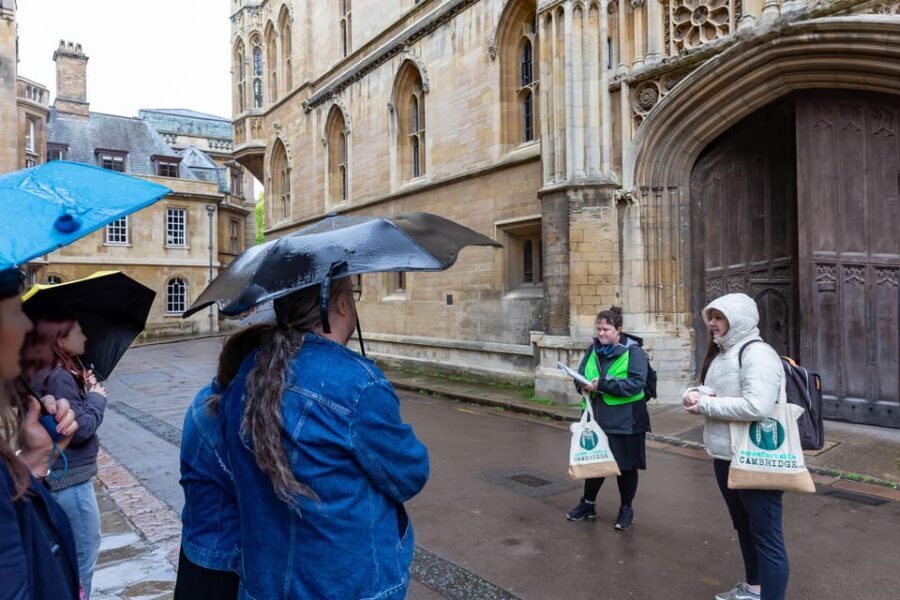
At about $26 per person for a 1.5-hour guided walk, you’re paying for three things: a certified guide, a souvenir sticker, and a reading list compiled by university researchers. For Cambridge—where many guided experiences either focus only on architecture or cost far more—this price feels reasonable if you care about context.
The reading list is the sneaky value. You get something you can take home and use, turning a short walk into follow-up learning. That helps if you’re the kind of person who wants to keep the conversation going after the tour ends.
One more value point: the tour doesn’t require college entry. So even if you’re not able to get inside college spaces on your trip, you still get a guided, site-based narrative across the city centre.
What you get from a guide-led, research-informed format
Guides are certified by Uncomfortable Cambridge Tours and are led with university-research support. That matters because it shapes how the talk is structured: you’re not just collecting trivia, you’re building a way to interpret the city.
The best tours do two jobs at once. This one gives you main landmarks—King’s College, Great St Mary’s, the Old Schools, the Backs/Darwin College, and the Corpus Clock—while also teaching you how to connect those landmarks to bigger questions about power.
You’ll likely leave with a sharpened habit: looking at inscriptions, names, and monuments and asking what story they carry. That’s useful anywhere you travel, not just Cambridge.
Should you book the Cambridge Original Uncomfortable Cambridge™ Tour?
Book it if you want a fast, walkable introduction to Cambridge that doesn’t treat the university and city as separate worlds. This tour is ideal when you like your history with an edge—focused on race, class, gender, and how imperial legacies show up in public space.
Skip it if you’re mainly chasing interior college views or you want a purely celebratory “greatest hits” tour. Since the walk stays outside and explicitly does not go inside colleges, you won’t get the inside look some people expect.
If you’re curious, open-minded, and up for thoughtful discussion while standing in front of famous sites, this is a smart way to spend 1.5 hours. Check your comfort needs in advance because cobblestones and weekend crowds can matter—but overall, the route is designed to be accessible.
FAQ
How long is the Cambridge Original Uncomfortable Cambridge™ Tour?
It lasts about 1.5 hours.
Where do I meet the guide?
Meet your guide outside the main entrance of the Cambridge Tourist Information Centre.
Does the tour go inside colleges?
No. The tour does not go inside any colleges.
What are the main stops on the tour?
Key stops include King’s College, Great St Mary’s (the University Church), the Old Schools, the Backs and Darwin College, and the Corpus Clock.
How much walking is involved?
The tour covers about 2 km.
Is the tour wheelchair accessible?
Yes. It is wheelchair accessible, with mostly flat terrain, no steps, and one ramp when going on and off a bridge. There are also spaces to sit or lean if needed.
What’s included in the price?
You get a certified Uncomfortable Cambridge™ tour guide, an Uncomfortable Cambridge™ souvenir sticker, and a reading list compiled by university researchers. Hotel pick-up and drop-off are not included.
If you’d like, tell me what day of the week and what time window you’re visiting Cambridge, and I’ll suggest the best way to pair this with a punt, lunch, or a museum so your day stays smooth.