REVIEW · CAMBRIDGE ENGLAND
Cambridge: University Walking Tour
Book on GetYourGuide →Operated by Round Church Guided Walks · Bookable on GetYourGuide
Cambridge turns history into a brisk walk. Start inside the Round Church and you’ll move through the university story with a guide who connects buildings to ideas. I love how the tour feels personal for its size, and the included church visit sets a focused tone for the walk.
My favorite part is the way the guide ties Cambridge to big turning points: Reformation debates, the growth of modern science, and moral questions that spread far beyond England. You’ll also pass real landmarks like Senate House, the Corpus Clock, and Cavendish Laboratory, with context that makes the city easier to read.
One drawback to plan around: it’s a moderate-to-fast walk, and you may not get inside colleges depending on opening hours and the university exam season window.
In This Review
- Key highlights that make this walk worth your time
- First step: Enter the Round Church and get your bearings fast
- Senate House to the Corpus Clock: seeing the university’s public face
- Cavendish Laboratory: where modern science starts to feel real
- The story thread: saints, skeptics, reformers, and world changers
- College visits: you’ll try for inside access, but it’s not guaranteed
- Small group energy: you’ll notice the difference with a group under 15
- Price and value: what $22 buys you in Cambridge
- Pace, weather, and practical tips that save your day
- Who should book this Cambridge university walk?
- Should you book the Cambridge University Walking Tour?
- FAQ
- Where does the tour start?
- What time do tours meet, and how long are they?
- What’s included besides the walking guide?
- Will we go inside colleges?
- Are children allowed on the tour?
- Is the tour wheelchair accessible?
- Are any items or behaviors not allowed?
Key highlights that make this walk worth your time
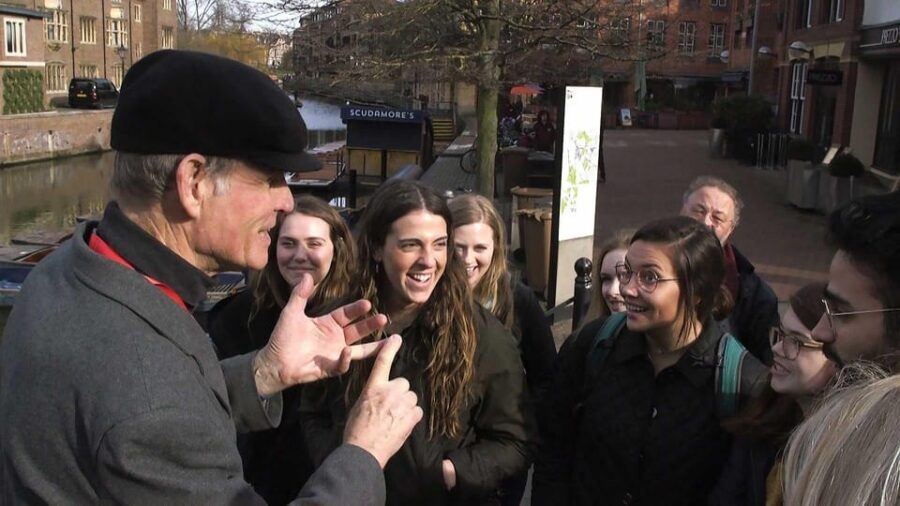
- Round Church start: check in inside, then hit the short exhibition and 23-minute film when open
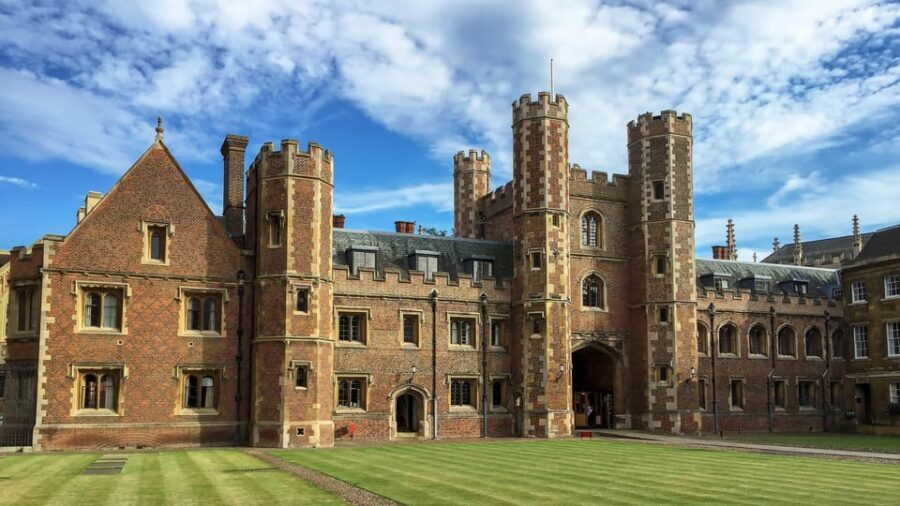
- Iconic Cambridge stops: Senate House, Corpus Clock, and Cavendish Laboratory on foot
- Ideas over dates: the story moves from monasteries and reform to science and social reform
- Small group pace: maximum 15 people means you can ask questions and keep up
- College visits when possible: you’ll visit about 1–2 colleges, subject to access and exam closures
First step: Enter the Round Church and get your bearings fast
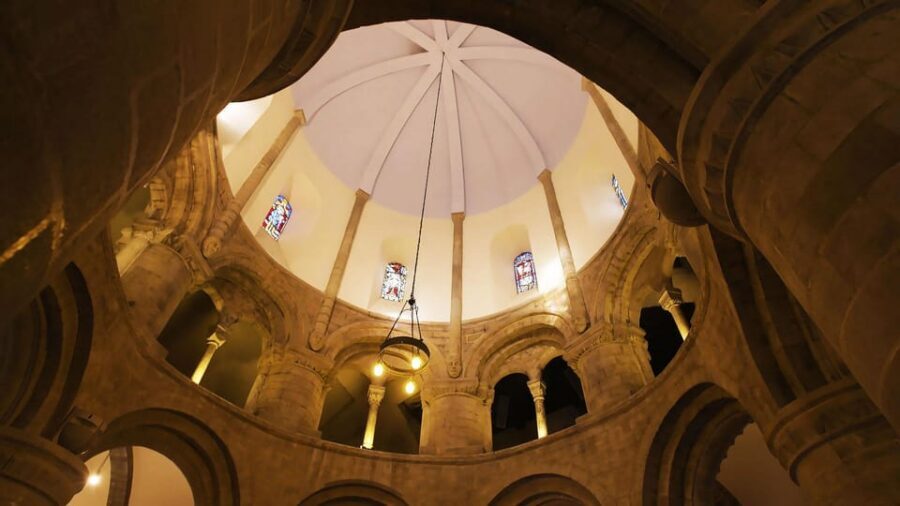
The tour begins inside the Round Church Visitor Centre, and you should go straight in to the welcome desk ahead of the start time. It’s a smart setup: before you even step onto the streets, you get context for why Cambridge looks the way it does and how its university grew.
If the exhibition and film are running (they depend on opening times), you’ll also get a 23-minute film that frames the story in a clear, no-fuss way. That matters because Cambridge can feel like a maze of stone buildings unless someone hands you a storyline to follow.
I like that the tour doesn’t start with a checklist. It starts with meaning, so when you later see Senate House or the Cavendish buildings, you understand what you’re looking at beyond a photo spot.
You can also read our reviews of more walking tours in Cambridge England

Senate House to the Corpus Clock: seeing the university’s public face
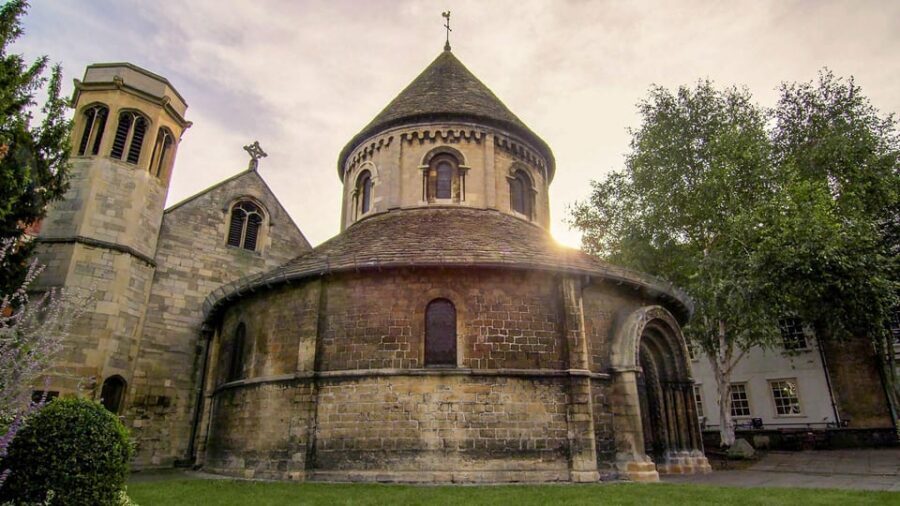
Once you’re underway, you’ll move through key university sights in the city center. Senate House is one of the biggest “institutional” landmarks in Cambridge, and your guide uses it to explain how the university organized itself and shaped authority. You don’t just admire the architecture—you learn what kind of decisions happened there and why Cambridge mattered.
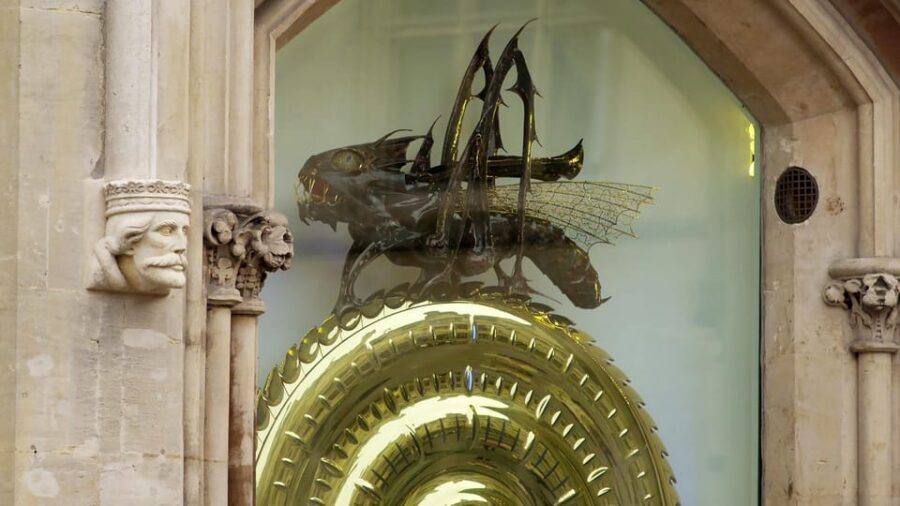
Then comes a fun shift in tone: the Corpus Clock. It’s one of those Cambridge oddities that looks playful at first, but it’s also a quick route into the science story—how ideas, measurement, and timekeeping became part of the university’s identity. You’ll likely hear the clock’s explanation in the context of research culture, not as random trivia.
These stops work well back-to-back because they show two sides of the same place: governance and curiosity. One sets the stage for power and learning; the other hints at how that learning turned into real tools and real science.
Cavendish Laboratory: where modern science starts to feel real
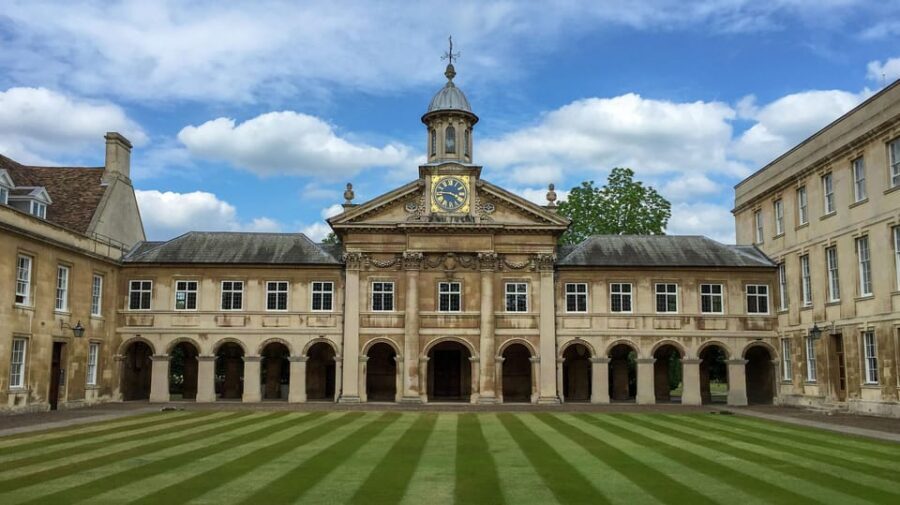
At Cavendish Laboratory, the tour leans into the shift from university as a school of thought to university as a machine for discovery. Cavendish is strongly associated with physics and experimental research, and your guide connects it to the broader development of modern science. The goal isn’t to turn you into a scientist—it’s to show you why this place produced breakthroughs and how research culture formed.
This part of the walk is also where Cambridge starts to feel less like a single “historic” city and more like a living system of ideas that kept evolving. Even if you don’t care about lab work, you’ll get the logic behind why universities invested in places like this.
One practical thing: expect a little standing around at certain viewpoints so you can hear the explanation. Bring a camera, but also remember this is a walking tour first—watch for the moments when your guide pauses to let you look before moving on.
The story thread: saints, skeptics, reformers, and world changers
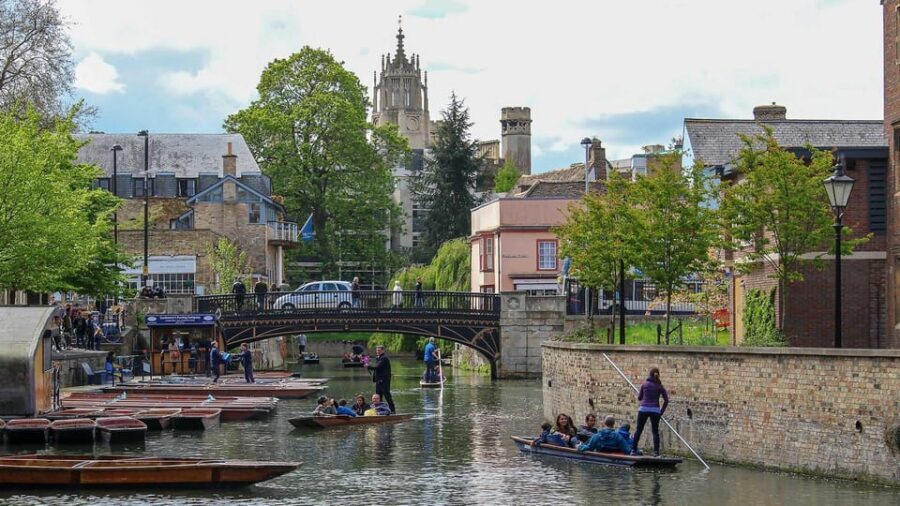
What makes this tour different from a standard sightseeing walk is the through-line. You’ll hear how Cambridge ideas formed over eight centuries, and how a small number of big ideas shaped the university’s direction.
A strong theme is Christian heritage—not just as church decoration, but as the early context that helped institutions form. From there, you’ll trace major turns: the Protestant Reformation, debates around belief and authority, and the way religious questions influenced education and public life.
Then the tour widens into people who changed the world. Names you may hear include Isaac Newton, William Wilberforce, and John Milton. The interesting part is not the celebrity factor—it’s how your guide uses these figures as evidence of Cambridge’s reach: religious motivation, moral reform, science, and political thinking can all connect back to the university ecosystem.
Several guides also bring in broader historical context. For example, one guide’s approach highlighted the impact of earlier periods such as Vikings and Tudor-era changes, which makes the tour feel more like a way to read the whole city, not just the university buildings.
If you like history that explains cause and effect, this is where the tour clicks. If you only want quick photo stops, you may find yourself wishing for more free time—but the storyline is clearly the point.
College visits: you’ll try for inside access, but it’s not guaranteed
You’ll visit about 1–2 colleges if access is available. That’s one of the best “nice-to-have” perks, because college courtyards and gates are where Cambridge feels most cinematic.
But there’s an important reality check: you can’t count on guaranteed interior access. The tour may not enter college grounds every time, and college entry is restricted during the university exam term, typically from late April to the end of June.
This doesn’t mean the tour is weaker—it means you should go in expecting a mix: outside viewpoints plus a college stop or two when possible. Your guide will keep you moving so you still get the full university story, even if a particular college is closed off.
If you plan to visit Cambridge in the exam season, consider this tour as the “guided backbone” of your trip, then plan separate time to explore colleges independently when openings are likely.



Small group energy: you’ll notice the difference with a group under 15
With a maximum group size of 15 people, this walk doesn’t feel crowded or rushed in the usual big-tour way. You get enough breathing room to follow along and ask questions without the guide sounding like they’re reading from a script.
The tone from recent guides is also worth noting. Guides like Dave, Ian Cooper, Ian, Jon, Martin, Julia, and John come up repeatedly in group feedback, and many comments highlight how they keep things entertaining with humor and clear explanations. That matters because the tour has a lot of ideas packed into a short time window.
In other words: you’re paying not only for access to sites, but for the skill to connect them. And you feel that in how quickly the walk turns from stone-and-signs into a story you can repeat later.
Price and value: what $22 buys you in Cambridge
At about $22 per person for roughly 90–120 minutes, this tour is strong value for a few reasons.
First, the Round Church admission is included, including an exhibition and film (when open). That takes away a chunk of the usual “ticket cost” problem many walking tours create.
Second, you’re getting curated coverage of several major university landmarks—more than you’d likely line up effectively on your own in the same time. And because it’s a small group, you aren’t paying for endless waiting while you stand in a queue.
Third, the tour is built around interpretation. You’re not just seeing Senate House and Cavendish Laboratory; you’re learning why they matter in the big picture of education, science, and society. In a city full of famous buildings, that kind of framing is what turns a walk into a memory.
Pace, weather, and practical tips that save your day
This walk includes moderate-to-fast walking, so wear comfortable shoes you can trust. It’s also pushchair accessible, but it’s not wheelchair accessible, so mobility planning matters.
Weather is usually a bigger factor than you expect in Cambridge. One tip I’d repeat from real experiences: if it’s cold, bring layers. There’s a bit of standing around to listen at stops, and the chill becomes noticeable if you’re underdressed.
Pack water and check your clothing for the kind of day you’re walking into. Bring a camera, too, but remember to keep your eyes up during the guide’s explanation—this is the part that will make the photos make sense.
Also note the tour rules: audio recording isn’t allowed, and pets aren’t permitted (assistance dogs are an exception). If you’re traveling with kids, plan on kids under 16 having a responsible adult with them.
Who should book this Cambridge university walk?
This is a good fit if you:
- Want a structured way to understand Cambridge University without getting lost
- Like history that links buildings to ideas and real-world impact
- Prefer small-group walking over large bus-style tours
- Are interested in the Christian heritage angle and how it connects to later scientific and social developments
It may not be your best choice if you:
- Only want free time to wander and take photos
- Need a wheelchair-accessible route
- Struggle with a moderate-to-fast pace
Should you book the Cambridge University Walking Tour?
If you’re short on time and want the university story explained in a way that makes the city click, I’d book it. The combination of Round Church entry, iconic stops like Senate House, Corpus Clock, and Cavendish Laboratory, plus the focus on Cambridge as an idea-machine, makes this more than a stroll.
Do consider timing, especially if you’re visiting late April through the end of June when colleges may restrict access during exam term. Still, even without guaranteed college interiors, the walk gives you plenty to understand and enjoy.
If you want Cambridge in one guided shot that feels personal, $22 for about two hours is a fair trade—and it’s one of those experiences that makes the rest of your day in Cambridge easier.
FAQ
Where does the tour start?
Your guided walk begins inside the Round Church. You’ll enter the church and check in at the welcome desk ahead of the scheduled start time.
What time do tours meet, and how long are they?
Tours meet at 2:15pm on Wednesdays, Thursdays, Fridays, and Saturdays. The walk typically lasts 90–120 minutes.
What’s included besides the walking guide?
You’ll get a guided walking tour with an expert local guide and Round Church admission, including an exhibition and a 23-minute film when it’s open.
Will we go inside colleges?
The tour may enter about 1–2 colleges, depending on opening availability. College entry can’t be guaranteed, and colleges won’t be entered during university exam term (late April to end of June).
Are children allowed on the tour?
Yes. Children under 16 must be accompanied by a responsible adult.
Is the tour wheelchair accessible?
No. The route is pushchair accessible, but it is not wheelchair accessible.
Are any items or behaviors not allowed?
Smoking isn’t allowed, and pets aren’t allowed (assistance dogs are permitted). Unaccompanied minors aren’t allowed, and audio recording is not allowed.