REVIEW · LONDON
Churchill’s Wartime London Walking Tour
Book on GetYourGuide →Operated by Evan Evans Tours · Bookable on GetYourGuide
Churchill spent a lot of time just a few steps away. This 80-minute Westminster walking tour pulls WWII history into the streets you already see in postcards, with stops tied to Churchill’s choices, his wartime bond with Franklin D. Roosevelt, and the places where the war played out in politics and power. I especially like the way the tour uses audio headsets so you can actually follow the guide’s commentary without straining over street noise.
Two things I think make this tour a solid value: you get a tight route packed with big landmarks (Big Ben, Parliament Square, and 10 Downing Street), and you also get the smaller, more haunting details like visible bomb damage and the remains of a church destroyed in the Blitz. One drawback to plan for: it’s not a slow stroll. The walk covers quite a bit of ground, and the tour is not suitable if you have reduced mobility.
In This Review
- Key points before you go
- Why Churchill’s Westminster is a strong use of 80 minutes
- Meeting at Victoria Embankment and getting your bearings fast
- Big Ben and Parliament Square: where “power” becomes a wartime story
- Parliament and Churchill’s wartime decisions
- 10 Downing Street and the Churchill statue photo moment
- Seeing bomb damage and the Blitz church ruin
- Whitehall monuments to Allied leaders and the home-front story
- Ending at the Churchill War Rooms: decide what you’ll do next
- Price and value: getting a lot of Westminster in $40
- Who this tour suits best (and who should choose differently)
- Should you book Churchill’s Wartime London Walking Tour?
- FAQ
- How long is the Churchill’s Wartime London Walking Tour?
- What does the price include?
- Where do I meet the guide?
- Is admission to the Churchill War Rooms included?
- What should I bring?
- Is the tour suitable for reduced mobility?
Key points before you go
- Westminster landmarks, tied to WWII decisions, not just sightseeing
- Personal audio headsets so you can keep up with live guide commentary
- Visible reminders of the Blitz, including a church ruin left as evidence of what happened
- Allied leaders and home-front memorials in Whitehall, including the Cenotaph
- Finish at the Churchill War Rooms, so you can decide about tickets right after the walk
Why Churchill’s Westminster is a strong use of 80 minutes
Westminster can feel like a blur if you only do the headline stops: Big Ben here, Parliament there, photos everywhere. This tour gives you a reason to pay attention while you’re standing in front of those same famous buildings. The story thread is Churchill’s wartime role and his working relationship with Franklin D. Roosevelt, which means your feet are moving through places tied to talks, speeches, and wartime momentum.
I like that the pacing is built for a short visit. At 80 minutes (and described as roughly 90 minutes of walking), you get a concentrated route through the heart of the government district without needing a half-day commitment. The professional guide does the heavy lifting, turning landmarks into “here’s what mattered and why” moments.
The other win for me is that you don’t only see the symbols of power. You also walk past evidence of destruction—bomb damage and the remains of a church ruined during the Blitz—so you understand that WWII wasn’t only fought abroad. It hit right here, and the city kept going.
You can also read our reviews of more walking tours in London



Meeting at Victoria Embankment and getting your bearings fast
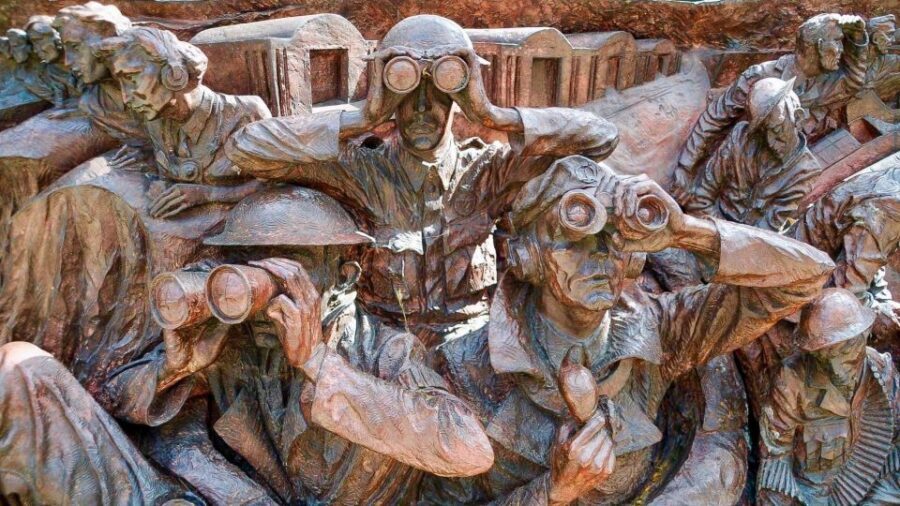
You start by the Boadicea and Her Daughters statue at Victoria Embankment, SW1A 2JH. The nearest tube is Westminster (Exit 2). This meeting point is a practical choice: it gets you in the right zone for the Westminster walk before you even think about landmarks.
In the first stretch, you’ll begin moving toward the government core. Expect the guide to set context early so that when you hit the big sights, you already know what to look for and what to listen for. That matters because the tour leans on storytelling—wartime facts and decisions—and not just on “this building is old.”
Bring comfortable shoes. Also bring an umbrella if rain is possible. The route is outdoors for long enough that weather can affect your comfort, even if the tour itself is relatively short.
Big Ben and Parliament Square: where “power” becomes a wartime story
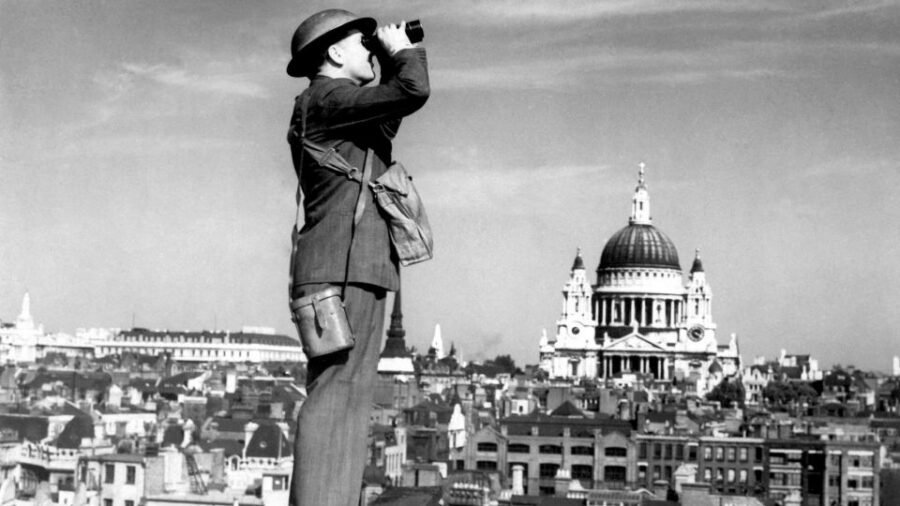
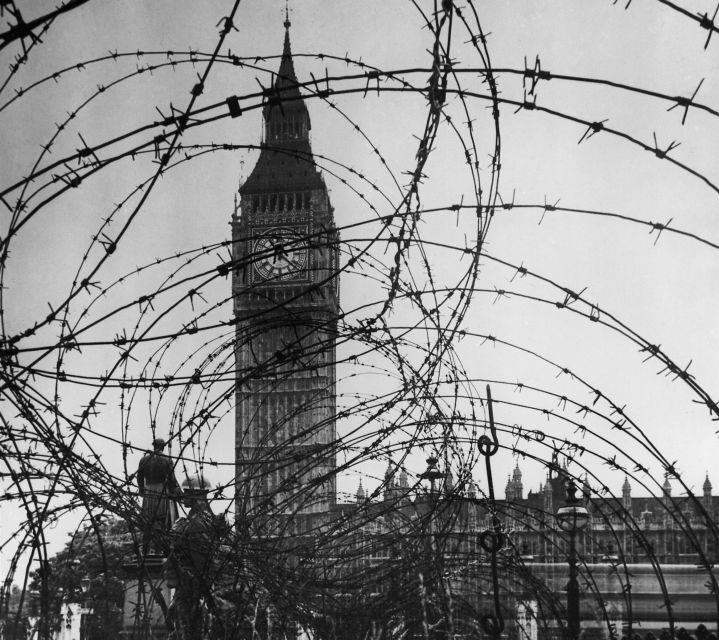
Big Ben is the obvious magnet, and you’ll definitely walk by it. But the value here is not the view alone—it’s what the guide attaches to it. Westminster isn’t just architecture during WWII. It was a working stage where wartime decisions were argued, defended, and refined.
From Big Ben you head toward Westminster and Parliament Square, which makes sense because these are the spaces people associate with British governance. In a normal visit, Parliament Square is mostly a photo spot. On this tour, it’s part of a route that connects the physical layout of Westminster to the political reality of wartime Britain.
What you’ll want to do is slow down at the square-level moments. Let the guide talk. If you’re using the headset, keep it on and avoid taking off your attention just to frame the perfect picture. The best photos come after you understand the story, not before.
Parliament and Churchill’s wartime decisions
One of the tour’s main themes is Churchill’s role in WWII politics, including the way his speeches and wartime decisions shaped the direction of Britain during the conflict. As you move through the Westminster area, you’ll hear how the guide links those moments to the places you can stand in and look toward.
This part of the walk is where the tour becomes more than a sightseeing circuit. You’re not just moving between monuments; you’re learning how decisions were communicated and how leadership looked from inside the political system. If you enjoy history that explains cause-and-effect—why one choice mattered over another—you’ll probably find this portion especially satisfying.
There’s also a practical benefit: the guide’s commentary helps you connect names, places, and dates without needing to stop and read plaques. And because you have a personal audio headset, you won’t spend the whole time straining to hear.
10 Downing Street and the Churchill statue photo moment
You’ll walk past 10 Downing Street, one of the most photographed doors in the world. On paper, that could be a quick stop and nothing more. In practice, the tour keeps it tied to Churchill’s wartime leadership, so you’re not only noticing the famous black doors. You’re thinking about how power operated day to day during crisis.
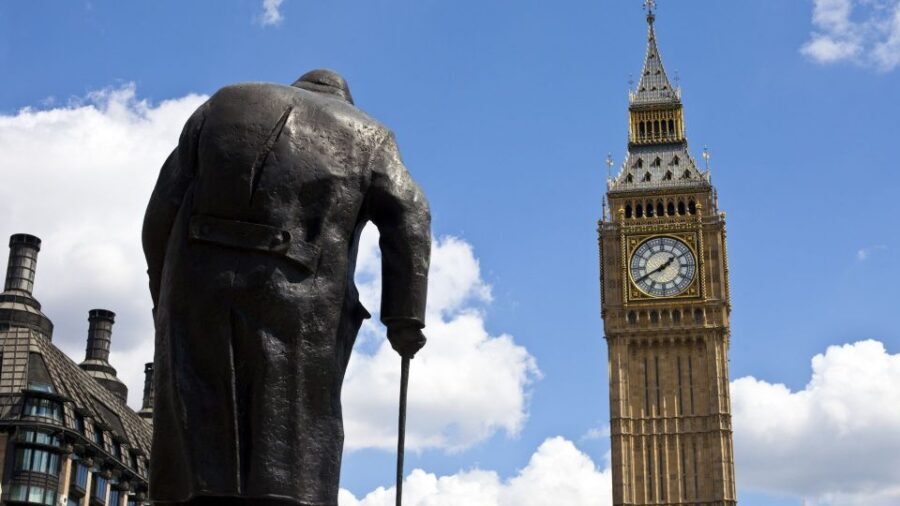
You also get a photo opportunity at the statue of Sir Winston Churchill, which is a nice moment to reset visually. After hearing about speeches and decisions, this is your chance to frame the person behind the story. It’s also a good place to check your photos and make sure you captured what you want while you still have the energy.
Small note: this is still a public street environment. For photos, be mindful of other pedestrians and keep your pace safe. The tour route is short enough that you’ll want to stay with the group and your guide without getting stuck at one spot too long.



Seeing bomb damage and the Blitz church ruin
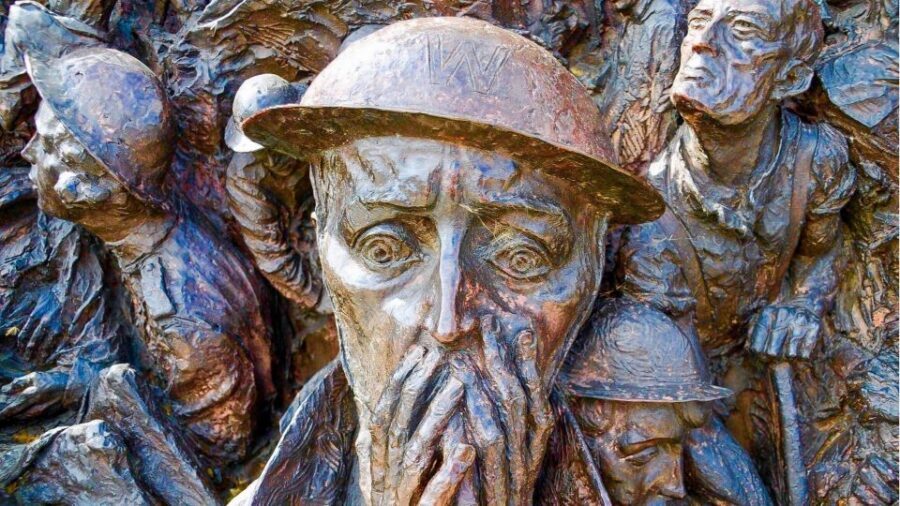
This is the section that often feels the most real, because it stops the tour from becoming only political theatre. You’ll witness visible signs of bomb damage from the war, and you’ll also visit the remains of a church destroyed during the Blitz, left as a testament to the devastation.
When you’re standing in these areas, try to look for the “incomplete” feeling: the way a ruin interrupts the modern street scene. That contrast is the point. WWII wasn’t a distant event that happened elsewhere. It left physical marks that the city chose to remember.
A guide who treats this respectfully makes a difference. You’ll want to listen closely rather than rush for photos. Even if you’re not a solemn-history person, you’ll probably feel the emotional weight here because the tour makes sure it isn’t only “interesting facts.” It’s evidence.
If it’s raining, the exterior surfaces can be slippery, so watch your footing on the walk between stops. And if you’re the type who likes to linger at ruins, keep an eye on time so you don’t fall behind.
Whitehall monuments to Allied leaders and the home-front story
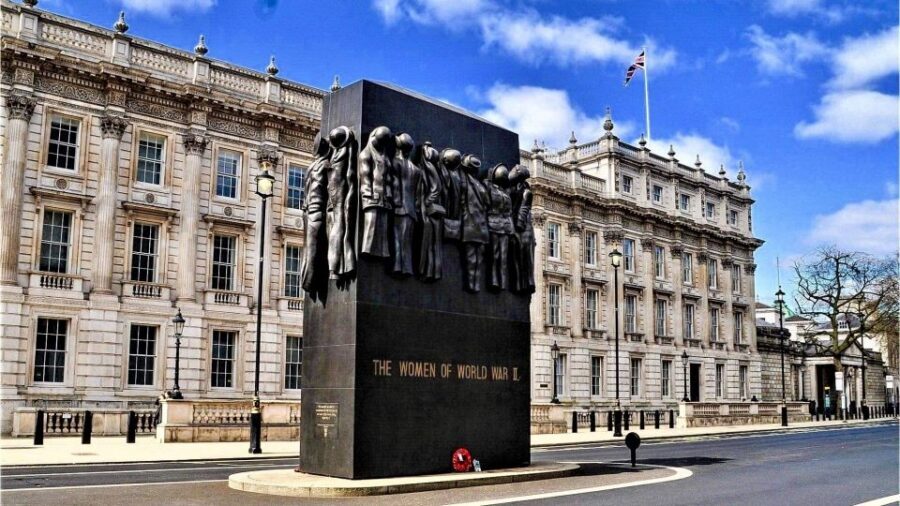
After the Parliament area, the tour shifts into Whitehall territory, where many of the WWII memorials and statues live. You’ll see statues dedicated to notable Allied figures including Churchill, Eisenhower, Franklin D. Roosevelt, and Sir Arthur Harris. This grouping matters because it reinforces a wartime network, not just a single leader’s perspective.
Then you’ll hit several monuments connected to the war effort, including the Battle of Britain, Women of WWII, and the Cenotaph, Britain’s national war memorial. This is where the tour broadens from leadership to shared national experience.
If you want one practical approach: when you stand in front of these memorials, read the names and titles as you listen. The guide’s commentary gives meaning, but your own glance helps you remember what each monument is honoring. The “why” sticks better when you anchor it to specific wording and names.
This portion is also good for mixed groups. Even if someone isn’t deep into WWII timelines, monuments make the story accessible. You can look, listen, and understand the theme without needing a textbook.
Ending at the Churchill War Rooms: decide what you’ll do next
The tour finishes at the Churchill War Rooms. That matters because it creates a clean storyline arc: you start in the Westminster area tied to wartime governance, you walk through memorials that show the scale of the effort, and you end right where Churchill’s wartime command decisions can be explored further.
Admission to the War Rooms isn’t included in this tour. So you have a choice at the end: if you want museum-style depth, you can add tickets after the walk. If you prefer to keep your day moving, you at least finish with a clear next step.
I like finishing near a major attraction for one simple reason: you’re already in the right mental mode. You’ve heard the guide connect places to decisions, so the War Rooms won’t feel like a random extra stop. It should feel like the logical continuation.
Price and value: getting a lot of Westminster in $40
At $40 per person, this is priced like a guided walking experience, not a museum day. Here’s why it can still feel like good value.
First, you’re not paying for entry tickets that you might skip. The tour cost covers the guided Westminster walk plus the professional guide and personal audio headset. Those headsets can be the difference between enjoying the story and losing it to street noise.
Second, you’re packing together multiple high-impact stops: Big Ben, Parliament Square, 10 Downing Street, Churchill’s statue photo moment, wartime damage and a Blitz church ruin, plus Whitehall memorials and statues. With only 80 minutes of walking time, the route is doing a lot of work for you.
Third, it’s a good “pre-museum” or “museum-light” option. If you’re visiting London for a short stay, a walking tour that ends at Churchill War Rooms helps you decide whether you want to spend extra time and money on interior exhibits.
If you’re deciding between self-guided photos and a guided story, this tour leans hard toward the guided side. You’re paying for context and flow, not just distance.
Also worth noting: the tour mentions free cancellation up to 24 hours in advance and a reserve now & pay later option. If your schedule is flexible or weather is uncertain, that reduces risk.
Who this tour suits best (and who should choose differently)
This walk is a strong fit for you if you like history that feels grounded in places you can see. If you enjoy learning the human side of leadership—how speeches and decisions shaped wartime Britain—this tour will probably click.
It also works well if you’re traveling with someone who wants major sights but also wants a reason behind them. Big Ben and Downing Street photos are great, but the guide ties them to WWII context, so you’re not just repeating what’s in every postcard.
You should think twice if you have mobility limits or you’re not comfortable with an extended walking route. The tour is described as about 90 minutes of walking and is not suitable for guests with reduced mobility. Even without medical issues, some people underestimate how much ground you cover when you’re staying close to a guided pace.
Should you book Churchill’s Wartime London Walking Tour?
Book it if you want an efficient, guided way to understand Churchill’s Westminster—where leadership happened, where destruction was left behind, and where the Allied story is memorialized. The combo of expert live commentary, audio headsets, and the mix of big landmarks with the Blitz ruin makes this one feel purposeful rather than generic.
Skip or choose a different format if you’re looking for a slow, minimal-walking tour or if crowds and steady walking will frustrate you. Also consider adding Churchill War Rooms tickets afterward only if you want the interior exhibit depth; the tour itself ends there but doesn’t include admission.
FAQ
How long is the Churchill’s Wartime London Walking Tour?
The tour duration is listed as 80 minutes, and it’s also described as a walking tour that can take about 90 minutes on foot.
What does the price include?
The tour includes a walking tour of Westminster, a professional tour guide, and personal audio headsets to hear the guide’s live commentary.
Where do I meet the guide?
Meet at the Boadicea and Her Daughters statue, Victoria Embankment, London SW1A 2JH. The nearest tube station is Westminster (Exit 2).
Is admission to the Churchill War Rooms included?
No. The tour finishes at Churchill War Rooms, but admission tickets are not included.
What should I bring?
Wear comfortable shoes and bring an umbrella.
Is the tour suitable for reduced mobility?
No. It’s not suitable for guests with reduced mobility because it is a walking route.