REVIEW · LONDON
City of London Historical Walking Tour
Book on GetYourGuide →Operated by Dragon Lore Tours · Bookable on GetYourGuide
One square mile, huge story. This guided walk connects Celtic, Roman, Saxon, and Norman threads into how the City became a stubborn rival to royal power. I especially love the focus on the City’s legal and democratic influence through the Magna Carta story, and I like how the tour uses surprising places around the Square Mile instead of the usual postcard stops. One drawback: it is history-heavy and compact, so if you want big scenic photo time or casual pacing, this may feel a little dense.
The best part is the storytelling energy. With Arjun (you may recognize him by longish hair and beard and the felt green dragon on his backpack), the guide turns streets and institutions into a timeline you can actually follow. It’s also a small-group format (max 8), so you can ask questions without the walk becoming a lecture.
In This Review
- Key highlights at a glance
- One square mile that acts like a separate country
- Meeting at Barbie Green: how the tour starts fast
- Salters’ Hall and the merchant power angle
- From Celts to Normans: reading London’s layers without getting lost
- How the City resisted royal authority
- Magna Carta: the local birthplace story and its afterlife
- Guildhall and Royal Exchange: where money meets governance
- Mansion House and the dragon emblem: identity you can spot
- The closing act at the Bank of England: plague, fire, revolution
- Pacing, group size, and what to wear
- Is it worth $30? A value check
- Who this tour suits best
- Should you book this City of London Historical Walking Tour?
- FAQ
- Where does the tour start?
- How long is the City of London Historical Walking Tour?
- How much does it cost?
- What size is the group?
- Is there food included on the tour?
- What languages are available?
- What’s included with the booking?
- Is the tour wheelchair accessible?
- Can I cancel or pay later?
Key highlights at a glance
- A Square Mile origin story that tracks the City from early roots through Norman rule
- Royal pushback and democracy themes—how the City built legal muscle over time
- Magna Carta birthplace context and why a corporation later helped power an empire
- The dragon emblem explained and how it became part of London’s identity
- A dramatic finish through plague, fire, and revolution, ending at the Bank of England
One square mile that acts like a separate country
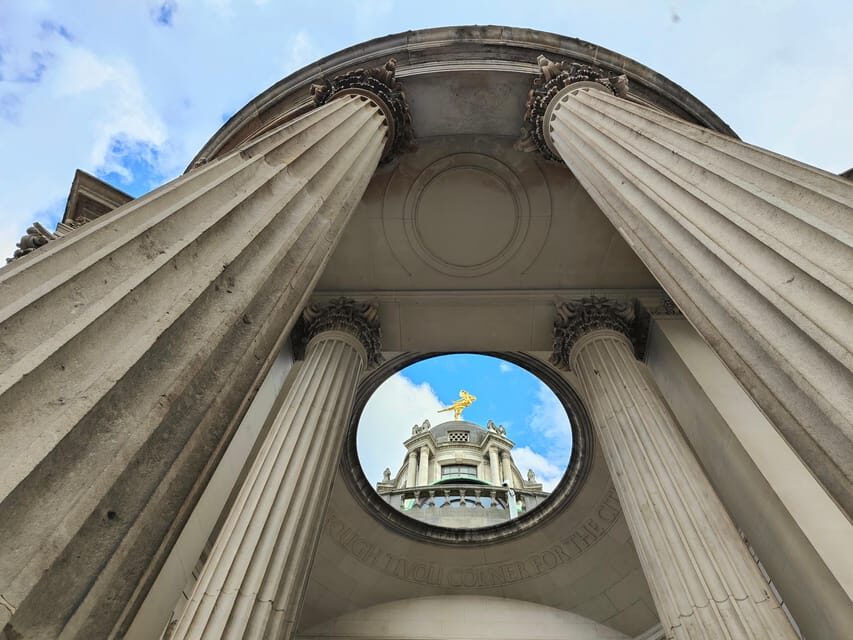
The City of London can feel like a different world inside London. It’s tiny on the map, but it’s packed with political power, legal ideas, and merchant ambition that shaped England long after the original founders faded out.
This tour leans hard into that idea. You’re not just collecting dates; you’re watching how one tight community learned to defend its rights—first from outsiders, then from the crown, and later through some of the worst crises imaginable.
You’ll come away with a sense of why kings often treated the City with envy. Not because it was flashy, but because it was organized, persistent, and willing to take a stand.
You can also read our reviews of more walking tours in London



Meeting at Barbie Green: how the tour starts fast
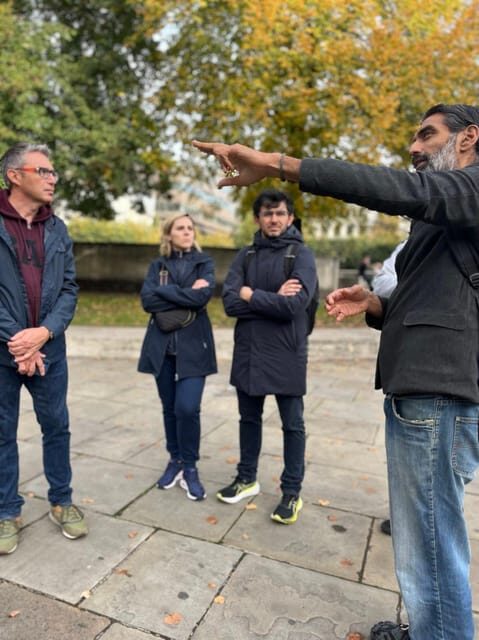
You’ll meet at Barbie Green restaurant, opposite the ruins. It’s an easy spot to find, and the guide is recognizable: longish hair and beard, plus a felt image of a green dragon on the backpack.
From the start, the pacing is practical. Expect short guided segments that set the stage, then quick transitions to the next stop—so you keep momentum for the full 2.5 hours.
This matters because the subject is big: Celtic origins, Roman rule, Saxon change, Norman restructuring, and then the later centuries of legal and political conflict. The tour keeps you oriented so the timeline doesn’t tangle.
Salters’ Hall and the merchant power angle
One of the first big named stops is Salters’ Hall. Even if you’ve never heard of it, you’ll understand why institutions like this mattered. Trade was not just commerce; it was governance, networking, and influence, all wrapped together.
The guide’s approach here is simple: connect what you’re seeing to the story of who held authority inside the City. That’s the key theme of this walk. The City wasn’t only shaped by kings and battles—it was shaped by civic bodies and the people who ran them.
If you’re the type who likes “how decisions actually got made,” you’ll enjoy this part. The places feel small, but the power behind them is the real story.
From Celts to Normans: reading London’s layers without getting lost
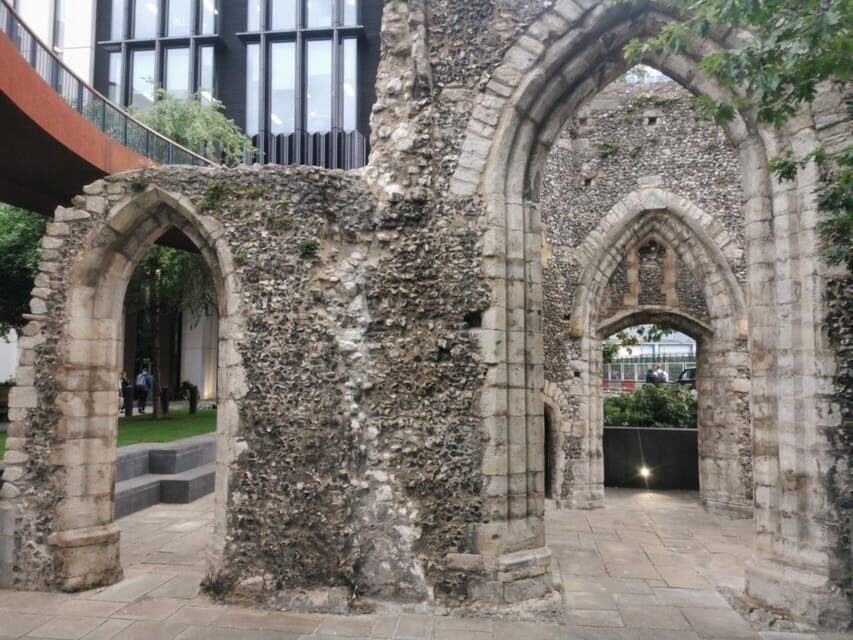
The tour traces London’s evolution through major eras, and it stays grounded in what you can learn from the streets and institutions. You’ll move from Celtic roots into the Roman period, then into Saxon change, and onward through Norman rule.
The trick is that you get the sequence without drowning in names. The guide connects each era to the next, focusing on what changed and what stayed stubbornly the same: settlement life, authority structures, and the City’s growing sense of identity.
A nice bonus is how the guide includes “the legends and diverse peoples” angle. Even when you can’t verify every story as literal history, you can still learn what those stories meant to the people who told them—and why symbols and institutions mattered later.
How the City resisted royal authority
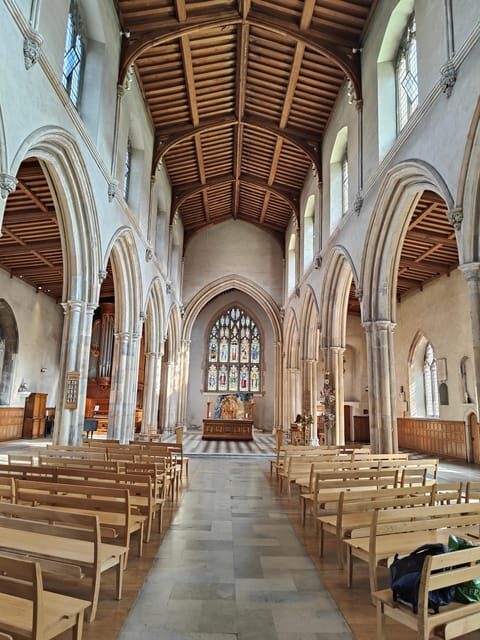
The City of London’s defiance against the monarchy is a core thread. You’ll learn why the Square Mile became known for challenging royal authority and why that fed into longer-term legal thinking.
This part of the tour is where the walk feels most different from typical London history tours. Instead of focusing only on palaces or famous battlefields, you spend time on the mechanics of power—who negotiated, who protected rights, and how legal foundations took shape out of civic conflict.
You’ll also hear how the City’s role fed into England’s democracy story. The tour doesn’t treat it like abstract philosophy. It treats it like something people argued over in real life, with real stakes.
You can also read our reviews of more city tours in London






Magna Carta: the local birthplace story and its afterlife
A major highlight is the birthplace of the Magna Carta. You’ll connect the legal foundations to the City’s insistence on rights and privileges—ideas that didn’t stay trapped in a medieval document.
This is also where the tour’s “big picture” thinking starts to click. The City isn’t portrayed as a passive player. It’s presented as a place that learned to use paperwork, precedent, and political leverage to defend its position.
Then the story shifts to a surprising theme: how a corporation helped birth an empire. The guide explains the idea that institutional organization and profit-driven ambition can have world-scale consequences—and not always in the way you’d expect from a simple street-walk tour.
If you’re interested in the connection between law, commerce, and empire, you’ll find this section especially satisfying. It’s not just history for history’s sake.
Guildhall and Royal Exchange: where money meets governance
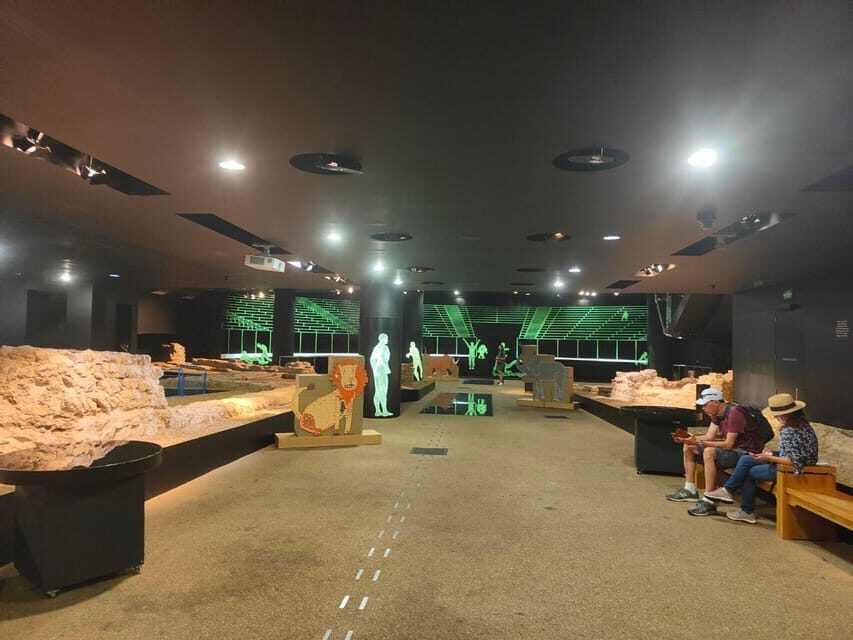
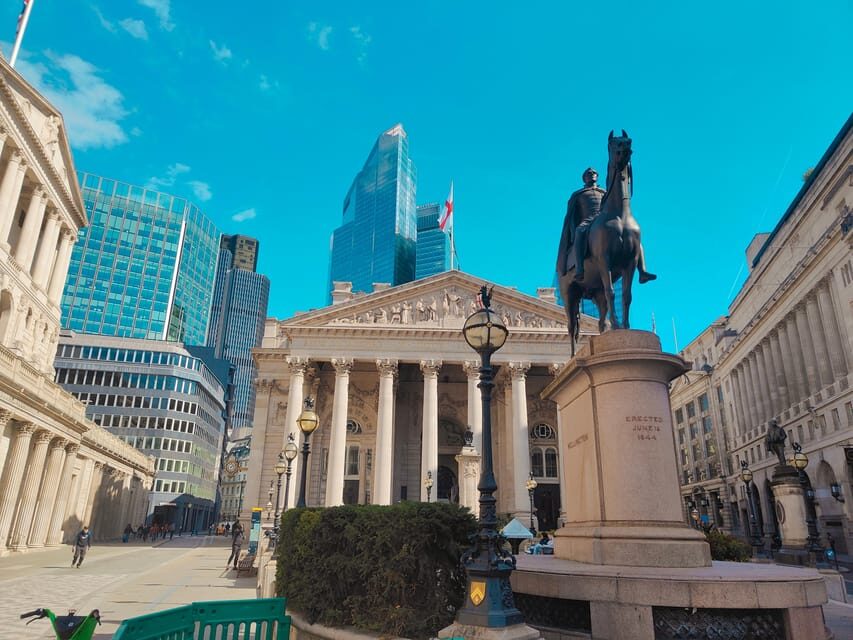
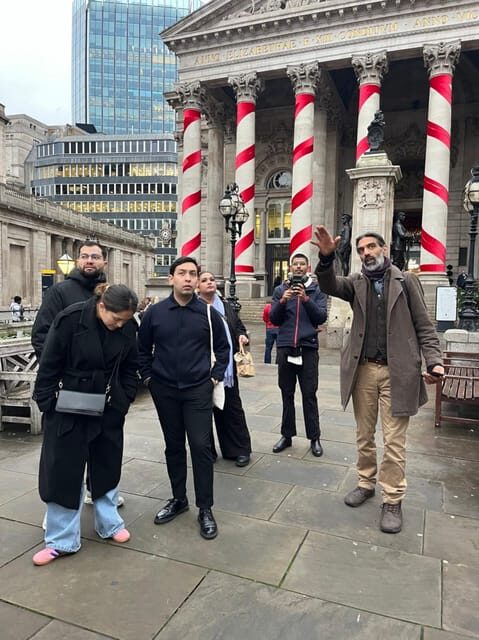
As you continue, you’ll pass through some of the City’s most clearly political and commercial spaces, including Guildhall and the Royal Exchange. These are the kinds of places where you can feel the City’s DNA: public authority built on trade.
At Guildhall, the guide helps you connect the institution to civic identity. It’s a way of understanding how the City organized itself—internally—so it could resist pressure from outside.
At the Royal Exchange, you get the merchant lens. Even without memorizing every detail, you’ll walk away understanding why trade hubs become political hubs over time. Money isn’t just economic. It shapes who gets heard and who gets protected.
Mansion House and the dragon emblem: identity you can spot
Another standout is learning about the dragon emblem and why it matters to London’s identity. You’ll see how a symbol can carry civic pride and continuity, especially for a place that values its autonomy.
The dragon isn’t presented as decoration. It’s presented as identity—an emblem that signals the City’s character across centuries of change.
Then there’s Mansion House, another institution that anchors the tour’s civic angle. This is where the walk reinforces the same message: the City’s story isn’t only about rulers and wars. It’s about the systems built by local power and maintained by local people.
The closing act at the Bank of England: plague, fire, revolution
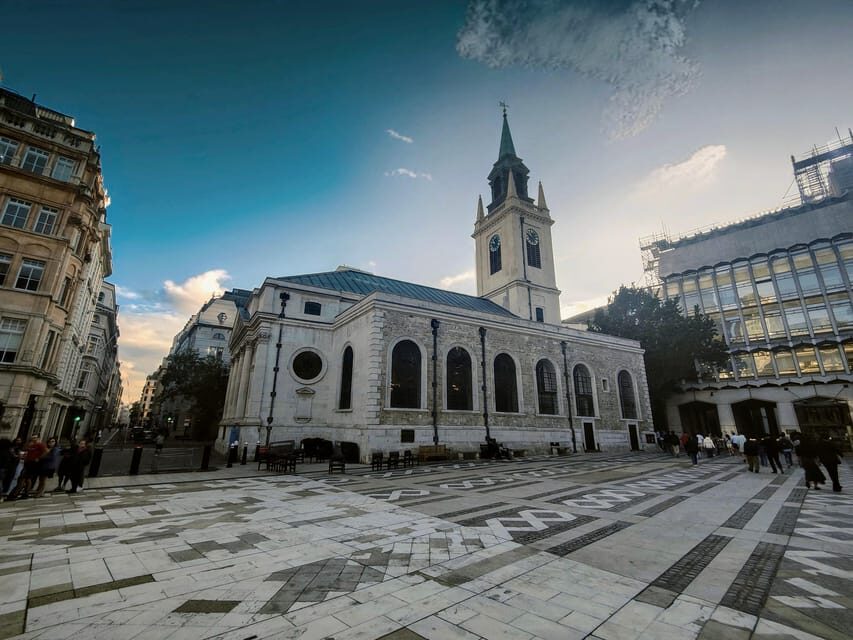
The tour finishes at the Bank of England. That choice isn’t random. The guide uses it as a final “look at continuity” moment: financial power today makes more sense when you’ve seen how the City handled crises and defended rights earlier.
Your ending covers the turbulent 17th century, including fire, plague, and revolution. This is where the story turns from origin myths to endurance. The City faces chaos, then changes how it protects itself—and then adapts again.
By the time you reach the Bank of England, the dragon emblem theme lands with extra weight. The City’s identity isn’t a museum piece. It’s something that survived disasters and used them as fuel for new stability.
Pacing, group size, and what to wear
This is a 2.5-hour walk with a small group limited to 8 participants. That size is a big deal. You’re more likely to get answers to your questions as you go, and the guide can keep everyone together without turning the walk into a rigid line.
You’ll also get a post-tour PDF overview of locations and themes. It’s handy if you like to remember what you saw while you’re still processing the timeline.
No food is served. Plan to eat before or after. You’ll be on your feet through multiple stops, and it’s easier if your energy is steady.
As for weather, London does its own thing. Bring a compact layer and comfortable shoes. The tour is walkable, but the ground isn’t always smooth or predictable.
Is it worth $30? A value check
At about $30 per person for 2.5 hours, this tour sits in the “good value for focused content” zone. You’re paying for a guided storyteller plus access to institutions and context you’d likely miss if you tried to map it yourself.
What makes it feel like better value is the structure: small group, live guide, and that PDF follow-up. The guide doesn’t just point out buildings; the tour connects each stop to a theme—defiance, law, civic identity, and crisis resilience.
If you’re visiting for a short time and want one walk that teaches you how the City of London became powerful, this is a smart use of time.
Who this tour suits best
This fits best if you like history that explains how systems form. If you’re the type who wants to understand why legal documents mattered, why corporations changed the world, and why symbols like the dragon show up repeatedly, you’ll feel right at home.
It’s also a strong option for people who have been to London before. It doesn’t depend on the usual headline attractions. Instead, it gives you a fresh angle on the City by highlighting corners and institutions that you might otherwise overlook.
Finally, it’s wheelchair accessible, and the guide offers multilingual support if you request your language in advance. That’s a practical plus for many visitors.
Should you book this City of London Historical Walking Tour?
I’d book it if you want a tight, story-driven walk through the City’s power evolution—from early roots to the Magna Carta legacy and the dragon emblem, ending with the 17th-century survival story at the Bank of England. The small group size and Arjun’s narrative style make it feel more like a guided conversation than a long slog through facts.
I’d skip it if your ideal London tour is mostly scenic viewpoints, long stops for photos, or a light touch on political history. This one is packed with meaning, not just sightseeing.
FAQ
Where does the tour start?
You’ll meet at Barbie Green restaurant, opposite the ruins.
How long is the City of London Historical Walking Tour?
The duration is 2.5 hours.
How much does it cost?
The price is $30 per person.
What size is the group?
It’s a small group limited to 8 participants.
Is there food included on the tour?
No. Unfortunately, no food is served.
What languages are available?
The live tour guide is English, and the tour offers multilingual options if you tell them your language in advance.
What’s included with the booking?
Included items are the guide, the walking tour, and a post-tour PDF overview of the tour locations and themes.
Is the tour wheelchair accessible?
Yes, it’s wheelchair accessible.
Can I cancel or pay later?
You get free cancellation up to 24 hours in advance for a full refund, and you can reserve and pay later to keep plans flexible.