REVIEW · STOW ON THE WOLD
Classic Cotswolds: Online Road Trip Travel Guide
Book on GetYourGuide →Operated by Uncover Britain · Bookable on GetYourGuide
Cotswolds planning, minus the guesswork. This online road trip guide turns the region into a pick-and-choose drive across 20 classic stops, with pre-made mini routes you can match to your time. I like the focus on practical combinations (so you’re not wandering around cold), and I also like the mix of towns, estates, rivers, and offbeat stops so you can build your own Cotswolds mood. The main drawback: it’s not a full map-first app, so if you want instant browsing and routing from scratch, you might find the interface a bit clicky.
The other big plus is the flexibility. You get a 12-month window to read and plan, then use the guide on your phone while you drive, with suggested Google Maps pins built into each route idea. You’ll still be doing the driving, booking, and day-by-day choosing yourself—this is self-guided, not a tour with live help.
In This Review
- Key highlights worth your attention
- A 183-mile Cotswolds drive you can shape to your days
- Online guidebook on your phone: great for planning, not a live navigator
- How the route logic is built around five themed sections
- Bourton-on-the-Water: low bridges and easy photo targets
- Bibury and Castle Combe: two village classics, two different tempos
- Stow-on-the-Wold and Moreton-in-Marsh: market town energy without the chaos
- Country estates: Blenheim, Highgrove, Snowshill, and the big-house contrast
- Wool trade and wool churches: a simple theme that makes the region click
- Chipping Campden: golden stone streets and Arts and Crafts energy
- Riverside towns: Fairford and Lechlade for a calmer pace
- The Valleys and Stroud: where the Cotswolds feel less cookie-cutter
- Winchcombe and the Sudeley access advantage
- Cheltenham with steam train vibes: a change of pace
- Price and value: $17 for up to 7 people can be a bargain
- Who this self-drive guide fits best
- Should you book Classic Cotswolds: Online Road Trip Travel Guide?
- FAQ
- Is this experience guided by a person?
- Do I need to download an app?
- How long do I have access to the guidebook?
- Does the guidebook include live navigation?
- Does the guidebook customize the route for me?
- Does the guide book parking and getting-there tips?
- What transport do I need?
Key highlights worth your attention
- A 183-mile (292 km) point-to-point road trip concept that helps you string together the best villages without overthinking it
- Five themed route sections (classic towns, villages, estates, riverside stops, and offbeat finds) so you can cherry-pick
- Pre-populated Google Maps per route idea, with suggested pins and directions to view and adapt
- 20 destination ideas with built-in context, from wool-trade churches to scenic valley drives
- $17 per group up to 7 people, which can be a strong value if you’re traveling as a small crew
- No app to download—it’s a web-based guidebook you read on smartphone, tablet, or desktop
A 183-mile Cotswolds drive you can shape to your days
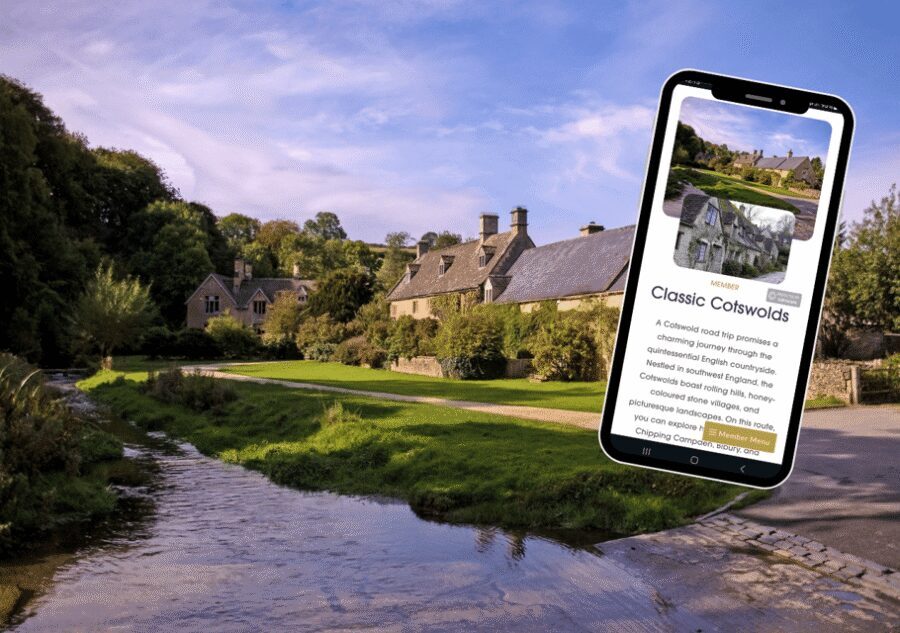
Think of this guide as a “route menu,” not a single fixed itinerary. The overall concept is a scenic 183-mile (292 km) point-to-point journey across South West England, built around 20 destinations spread through the Cotswolds vibe people travel for.
What makes that useful is how the guide organizes trip time. Instead of forcing one long plan, it points you toward routes that can work for 3 to 14 days, then lets you combine sections based on what you care about: stone villages, estates, riverside towns, or quieter stops.
The guide is also built to reduce decision fatigue. You’re meant to pick what fits, skip what doesn’t, and stitch together a day-by-day approach that makes sense for your driving rhythm (and your appetite for tea stops).
You can also read our reviews of more tours and experiences in Stow On The Wold.


Online guidebook on your phone: great for planning, not a live navigator
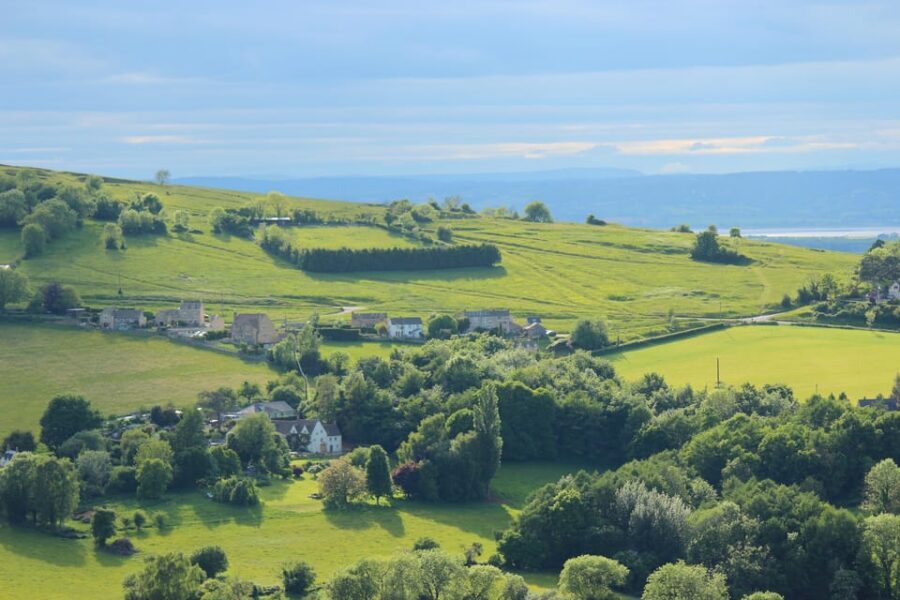
This is an online guidebook—like a digital book you can open anytime. After booking, you get a weblink to create your account, and you can use it the day you’ve booked if you want, or move your planning earlier by choosing the date you’re using.
Two things I like from a practical point of view. First, there’s nothing to download, so you’re not hunting for apps in rural coverage or dealing with storage limits. Second, the guide includes tips like how to get there and where to park, so you’re not only learning what to see—you’re also learning how not to waste time.
But here’s the consideration you should plan around. This guide does not provide live navigation, and you can’t fully customize routing inside it. It offers an overarching plan and ideas, plus Google Maps directions you can view and adapt on your own device, but you’re still responsible for the final driving path.
How the route logic is built around five themed sections
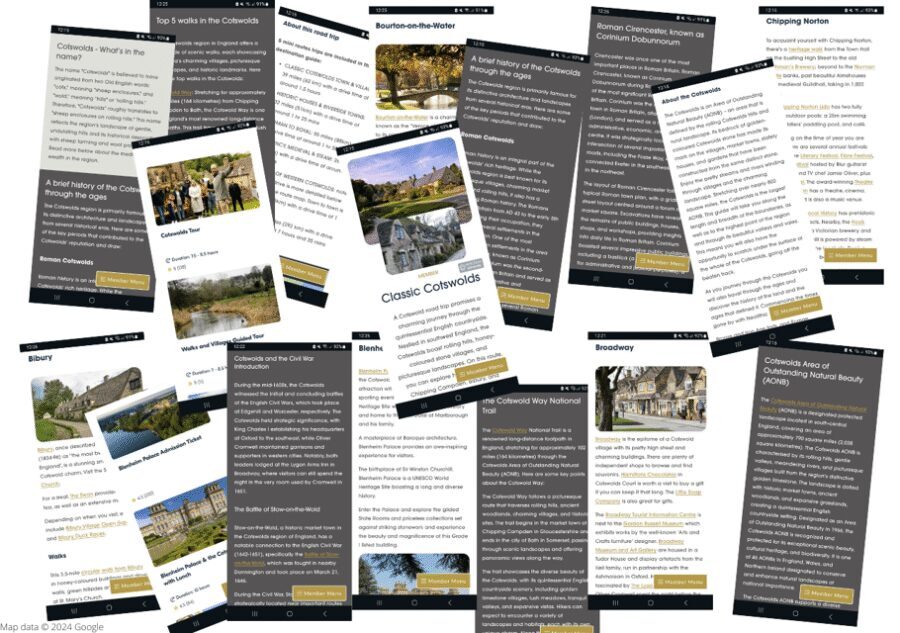
The guidebook is organized into five themed sections, so you can build a trip that feels coherent instead of a random list of stops. The sections are designed around different travel moods:
- classic towns
- classic villages
- country estates
- riverside stops
- offbeat finds
That structure matters because it helps you avoid backtracking. If you group stops by theme and region logic, your days feel smoother—less “where are we now?” and more “this flows.”
It also makes it easier to match the trip to your group. If your crew is split (someone wants villages, someone wants big houses, someone wants walks), you can cherry-pick from each section and still end up with a route that feels deliberate.
Bourton-on-the-Water: low bridges and easy photo targets
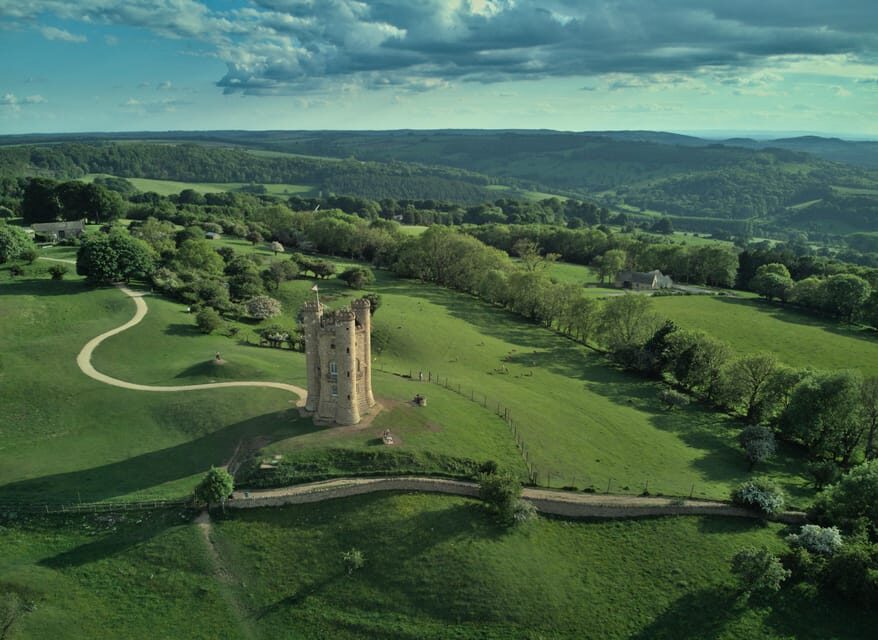
Bourton-on-the-Water is the kind of place where you instantly understand the nickname “Venice of the Cotswolds.” The guide frames it around the low bridges and picture-perfect stone cottages, which is exactly what you’re going for when you stop here.
This is a strong first-day or midday stop because it’s visually clear and easy to orient yourself. You don’t need a complicated plan to enjoy the basics: walk the streets, glance at the river views, and take your time without feeling like you’re missing a big museum timetable.
Where it can disappoint is also simple. If you’re looking for an all-day deep program, Bourton-on-the-Water can feel more like a charming pause than a full itinerary anchor. Use it as a time-efficient “wow” stop, then move on.
Bibury and Castle Combe: two village classics, two different tempos
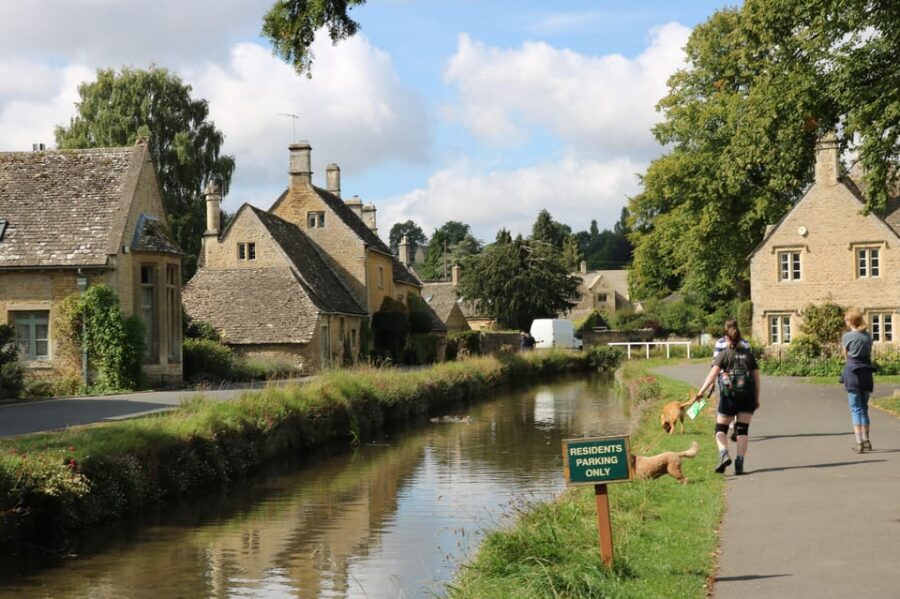
Bibury is often described as the model Cotswold village, and the guide nods to the William Morris line about it being the most beautiful village in England. The payoff here is the village look: classic stonework, a slow feel, and lots of corners that beg for a quick stop.
Castle Combe is the medieval cousin vibe. The guide positions it as a postcard-perfect medieval village untouched by time, which tells you the experience style: calmer streets, historic façades, and a strong sense of place.
How to use both well: don’t overstack them on the same day unless you love village strolling. If you do, you’ll spend the whole day moving from one pretty street to the next. Instead, give each one breathing room—morning for one, afternoon for the other—so you enjoy the differences.
Stow-on-the-Wold and Moreton-in-Marsh: market town energy without the chaos
Stow-on-the-Wold comes with a classic market square scene, plus antique shops and traditional inns. This is a good stop when you want something more than photo ops, because the guide implies a browsing-style day where you can wander and snack.
Moreton-in Marsh leans into the practical travel value: it’s a historic market town with cozy inns and antique shops, and it’s known for a long-running Tuesday market. Even if your dates don’t match market day, it’s still a smart base-feeling town for supplies, browsing, and a meal you don’t have to overthink.
A tip for using these towns effectively: treat them like rest-and-restart points between villages. You get services, you get places to eat, and you avoid the “arrive, rush, leave” feeling that happens when you only plan sights and forget downtime.
Country estates: Blenheim, Highgrove, Snowshill, and the big-house contrast
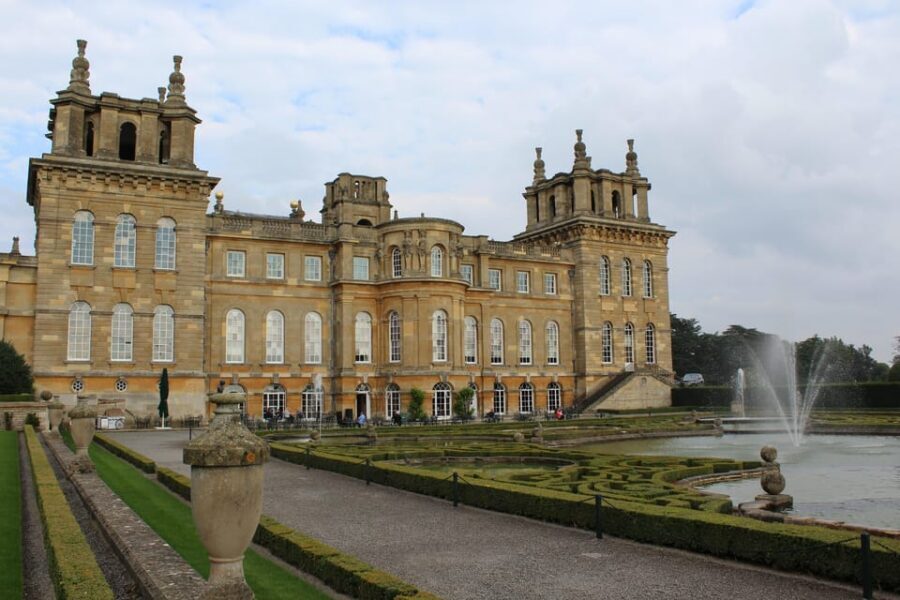
If your group includes anyone who loves architecture, gardens, or estate-scale storytelling, this guide gives you strong options. It highlights several estate stops, including Blenheim Palace, Highgrove House, and Snowshill Manor.
The value of adding estates to a Cotswolds route is contrast. Villages give you streets and scenery; estates add a different kind of “wow,” usually with grounds and a sense of status that village life never shows in the same way.
One caution: estate days can be time heavy. So if you’re building a shorter trip, pick one estate-anchor day and let the other days be lighter village strolls. This keeps your driving days from turning into a checklist.
Wool trade and wool churches: a simple theme that makes the region click
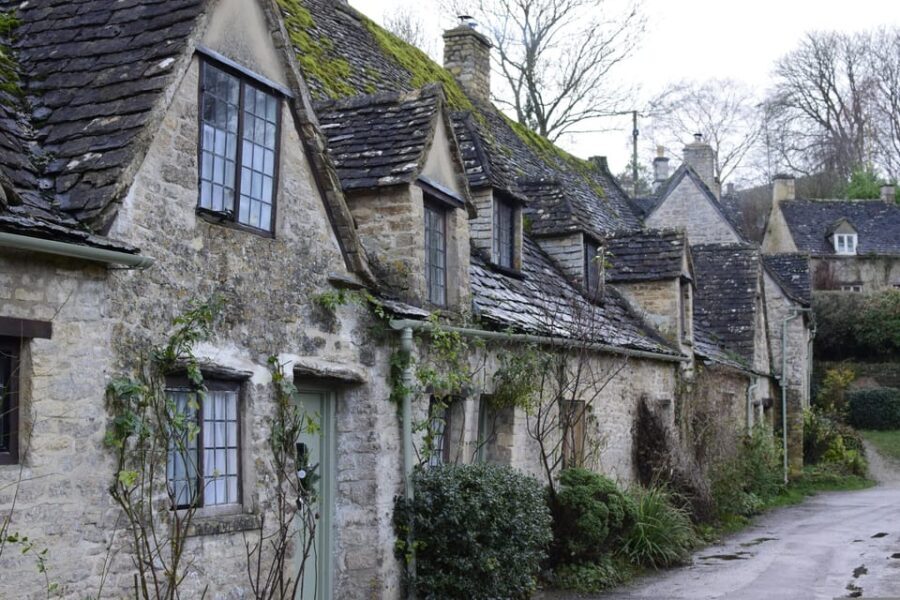
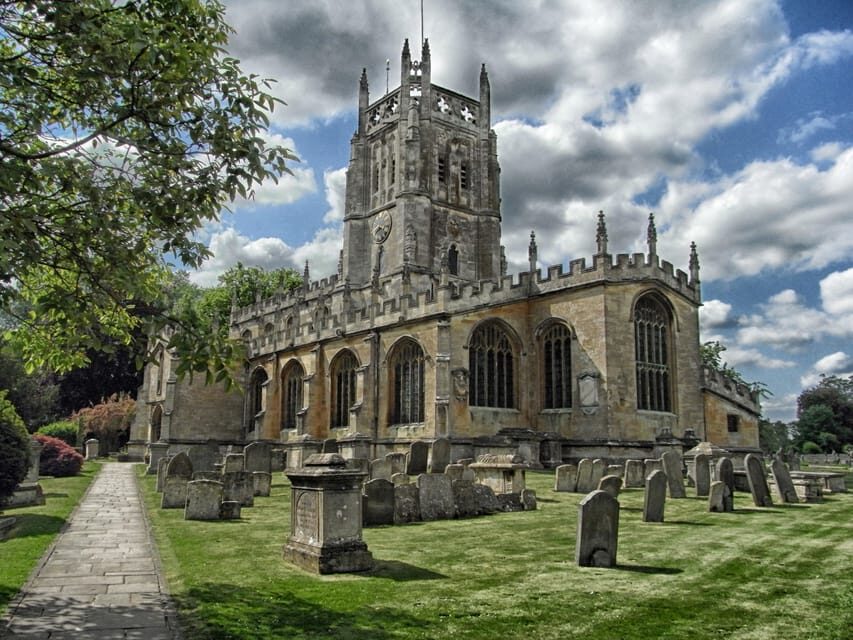
The guide includes the story of the wool trade and medieval “wool churches.” This is one of those adds that can turn a good trip into a more meaningful one, because you start seeing why the Cotswolds look the way it does.
Even if you don’t go deep on any single church, the theme gives you a lens. You begin connecting the stone buildings and the prosperity vibe across villages, and suddenly each stop feels like part of the same economic story rather than separate pretty places.
If you want a trip with better context—without spending your whole day reading plaques—this theme is a smart way to do it.
Chipping Campden: golden stone streets and Arts and Crafts energy
Chipping Campden is described as picture-perfect with golden stone buildings and a rich Arts and Crafts heritage. That combo usually means two things: great walking streets and a stronger craft/story layer than the average village stop.
This is an excellent fit for travelers who like to browse shops and look for local design touches. It’s also a good stop when you want the village day to feel a little more “activity-shaped” and less purely scenic.
Riverside towns: Fairford and Lechlade for a calmer pace
Not all Cotswolds days have to be village-heavy. The guide includes riverside towns like Fairford and Lechlade, positioning them as part of the wider road trip concept beyond the classic stone squares.
Riverside stops are useful because they naturally slow your pace. You can add them as an “after-lunch reset” day, especially if your earlier itinerary days were packed with village hopping.
Also, if your group includes someone who’s less into historic interiors, riverside towns can still deliver the atmosphere without requiring museum-style commitment.
The Valleys and Stroud: where the Cotswolds feel less cookie-cutter
This guide doesn’t stop at the postcard core. It includes a section called the Valleys, with highlights such as Stroud and Slad Valley, plus Berkeley and Severn Valley.
The practical value here is variety. The Cotswolds AONB walk ideas and the valley drives suggest a more scenic driving rhythm, which can feel refreshing if your itinerary is otherwise heavy on town centers.
If you like driving viewpoints and longer scenic stretches, build at least one valley-focused day into your plan. If you don’t, you can safely skip that section, but it’s one of the best ways to make the trip feel more like a journey and less like a sequence of stops.
Winchcombe and the Sudeley access advantage
Winchcombe is presented as a charming Cotswold town with timber-framed houses and historic trails, plus easy access to Sudeley Castle. That “town + castle access” pairing is handy because it gives you options for different energy levels.
You can do a walking-style morning through the town area, then commit to the castle option if the day still feels good. Or swap it: if everyone’s tired, you can keep it lighter and still get the Winchcombe feel.
This is also a nice reminder that not every stop needs to be a pure village photo session. Winchcombe can help you build a more flexible schedule.
Cheltenham with steam train vibes: a change of pace
The guide also points to Victorian steam trains and Regency Cheltenham. Even though the guide is road-trip focused, this sort of detail matters because it gives you at least one day that feels like an event, not just a drive + stroll.
Cheltenham, specifically, adds a more city-like pause within the Cotswolds orbit. That’s valuable if you want a break from village quiet and you’d like more dining and atmosphere at the end of a road trip day.
Steam train interest is a wild card. If you’re the type who loves rail scenes, it’s a great thematic add. If not, you can treat it as optional context and focus your day on Cheltenham instead.
Price and value: $17 for up to 7 people can be a bargain
At $17 per group up to 7, this is priced like a low-cost planning tool, not a full guided tour. If you’re traveling with friends or family, it can be close to free per person—especially because you get access for 12 months.
The value isn’t just that it’s cheap. It’s that it’s designed to prevent wasted time. The guide helps you decide where to go, what to see, where to stay (it includes planning tips even if it doesn’t book accommodations), and how to get there and where to park. In the Cotswolds, where parking and route timing can make or break a day, that practical framing matters.
The one “value” risk is if you’re the type who already knows the area well. If you want a fully interactive map-first planning experience, the guide might feel like you’re doing extra clicking for the same result.
Who this self-drive guide fits best
This guide is best for you if you want a self-drive road trip with structure. You like picking from themed options and building a plan that matches your dates, not someone else’s schedule.
It’s also a good fit for small groups because you can share the same account idea and plan together. And if you like having a web-based resource you can open while driving, the no-app setup is a real convenience.
Who should be cautious: if you’re arriving with zero background knowledge and you need a map interface that lets you quickly browse and search like a dedicated navigation app, you might find the experience more time-consuming. The guide works best when you use it to plan your route first, then follow the ideas with your own Google Maps adjustments.
Should you book Classic Cotswolds: Online Road Trip Travel Guide?
Book it if you want an affordable way to shape a Cotswolds trip around the right mix of villages, market towns, estates, rivers, and scenic valley ideas, with pre-made route logic and guidance on getting there and parking. The 12-month access is also a win if you like planning slowly or you want to revisit stops you didn’t have time to see.
Skip or think twice if you’re expecting a slick, map-first tool with easy browsing and built-in live navigation. This is a guided-by-ideas format: helpful, flexible, and thoughtfully organized, but still squarely in the self-drive planning lane.
FAQ
Is this experience guided by a person?
No. It’s self-guided. You won’t meet anyone in person, and you’re responsible for your own route and activities.
Do I need to download an app?
No. The guidebook is accessed through a website, and you can use it on your smartphone, tablet, or desktop.
How long do I have access to the guidebook?
Access is valid for 12 months, and you get instant access after booking.
Does the guidebook include live navigation?
No. It does not provide live navigation, but each route includes pre-populated Google Maps with suggested pins and directions you can view and adapt on your device.
Does the guidebook customize the route for me?
The guidebook itself is not customizable. You can cherry-pick ideas and use the provided route and map suggestions, but routing customization inside the guide isn’t provided.
Does the guide book parking and getting-there tips?
Yes. The guide includes helpful tips such as how to get there and where to park, along with guidance on where to stay at a planning level.
What transport do I need?
You’ll need your own transport to visit the suggested destinations.