REVIEW · LONDON
French Language : Original Jack the Ripper Tour
Book on GetYourGuide →Operated by See Your City · Bookable on GetYourGuide
Whitechapel turns crime into walking theater. In just two hours, you’ll follow a guide through 1888-era streets, weigh alleged suspects, and connect the case to the culture that later shaped Sherlock Holmes.
I like two things most: the Ripperologist guide style of storytelling, with true-to-life victim and suspect narratives, and the chance to look at real locations around Whitechapel as you “investigate” the theories. I’ve also heard guides such as Clara, Klairvy, Christophe, and Sina praised for clear, captivating narration, plus added details like photos that help you picture what the investigation was trying to piece together.
One thing to consider: this tour includes graphic details and visual content, and it runs entirely outdoors, so weather matters.
In This Review
- Key things you’ll notice on this Jack the Ripper tour
- Finding your guide at Altab Ali Park, then stepping into Whitechapel
- What you do on the streets: solving a case with suspects, evidence, and theories
- Whitechapel in context: why the setting matters as much as the crimes
- Stop-by-stop walk: Brick Lane, Christ Church, Spitalfields Market, and the Ten Bells ending
- Ten Bells Pub and the Spitalfields vibe
- Spitalfields Market: the neighborhood’s pulse
- Mitre Square and Petticoat Lane: where stories gain momentum
- Brick Lane: a major East End thread
- Christ Church: tying the case to a real street setting
- The “Ripperologist” method: why the guide’s narration changes the case
- Where Sherlock Holmes fits: the cultural context behind the detective
- Price and timing: is $24 for two hours good value?
- Who should book this tour (and who should think twice)
- Should you book French Language: Original Jack the Ripper Tour?
- FAQ
- How long is the Jack the Ripper walking tour?
- Where do I meet the guide for this tour?
- What is the nearest Underground station?
- What languages are available?
- What stops are included on the route?
- Is food or drinks included?
- Does the tour include graphic details?
- Is the tour wheelchair accessible?
- What is the cancellation policy?
Key things you’ll notice on this Jack the Ripper tour
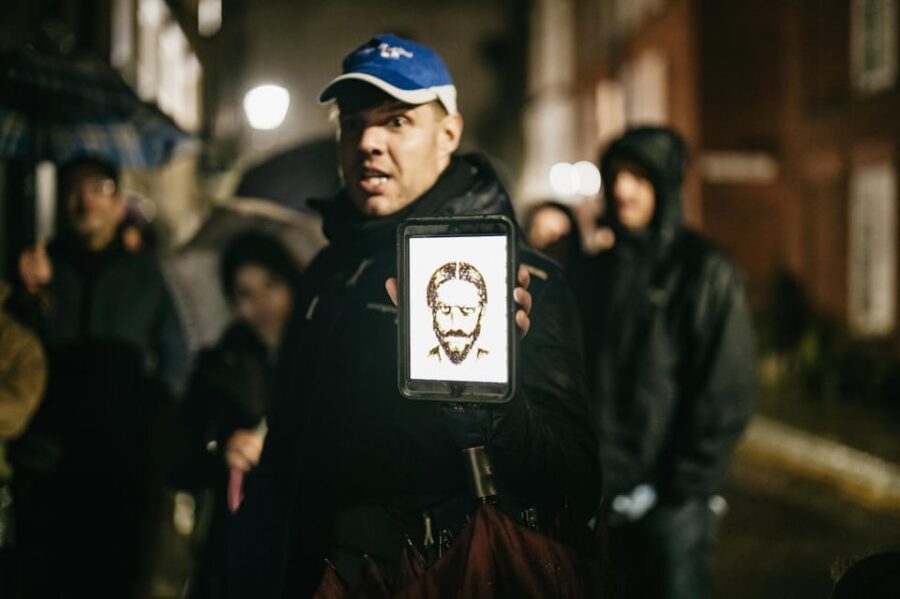
- Evidence-based storytelling that has you assess photographic evidence and competing theories
- Real Whitechapel streets and landmarks linked to the case, including Spitalfields Market and Ten Bells
- A proper crime-scene walk focused on victims, shady suspects, and why the murders kept happening
- Victorian everyday life context so Whitechapel isn’t just a backdrop
- Sherlock Holmes connection that explains the cultural setting behind the detective figure
- Two hours is the sweet spot for fans of true crime without turning the day into homework
Finding your guide at Altab Ali Park, then stepping into Whitechapel
You’ll start near St Marys Whitechapel Church Memorial, but your practical meeting spot is the west entrance to Altab Ali Park. Go to the corner of White Church Lane and Whitechapel High Street, look for the large iron arch gate, and spot your guide holding a blue flag.
The nearest Underground station is Aldgate East. Give yourself a few extra minutes. East End navigation is easy once you’re there, but you don’t want to arrive rushing and miss the guide’s first framing of the story.
Because the tour is outdoors the whole time, I’d dress like you’re walking the streets of London, not like you’re visiting a museum. A light layer helps, and comfortable shoes matter because you’ll be on foot for the full two hours.
You can also read our reviews of more tours and experiences in London.



What you do on the streets: solving a case with suspects, evidence, and theories
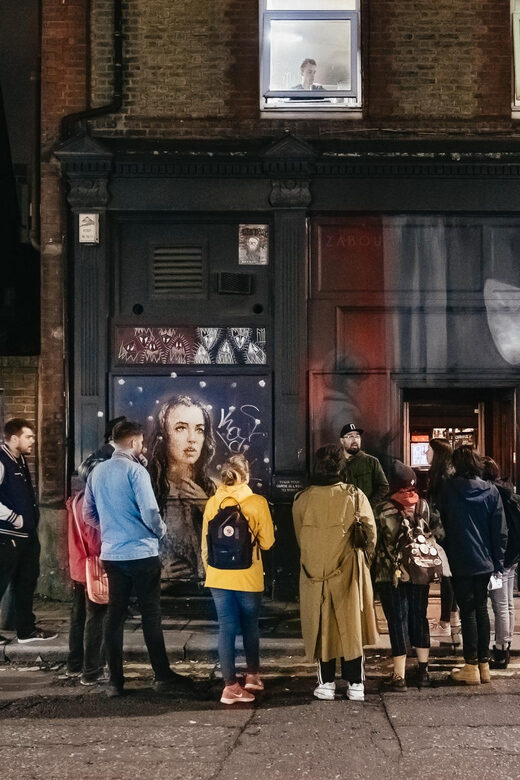
This is a Jack the Ripper walking tour built around the idea that you’re not just hearing a legend. You’re being guided through a period-style investigation of the alleged perpetrators, using what the guide calls photographic evidence and investigation details to help you form your own conclusions.
Expect a “try to solve it” rhythm. The guide sets the scene back in 1888, then moves through the case as a set of connected events: victims, suspects, where evidence was found, and what theories different people have suggested over time.
The value here is how the guide explains why the story stuck. You’re learning not only what happened, but what people in that era believed mattered. You’ll also hear why Whitechapel became the focus, and whether the killer was ever close to being caught.
Just know that the tour is frank. It includes graphic details and visual content, and it’s designed for adults and older teens who can handle that subject matter. If you’re coming with someone under 18, the activity requires an adult to accompany them.
Whitechapel in context: why the setting matters as much as the crimes
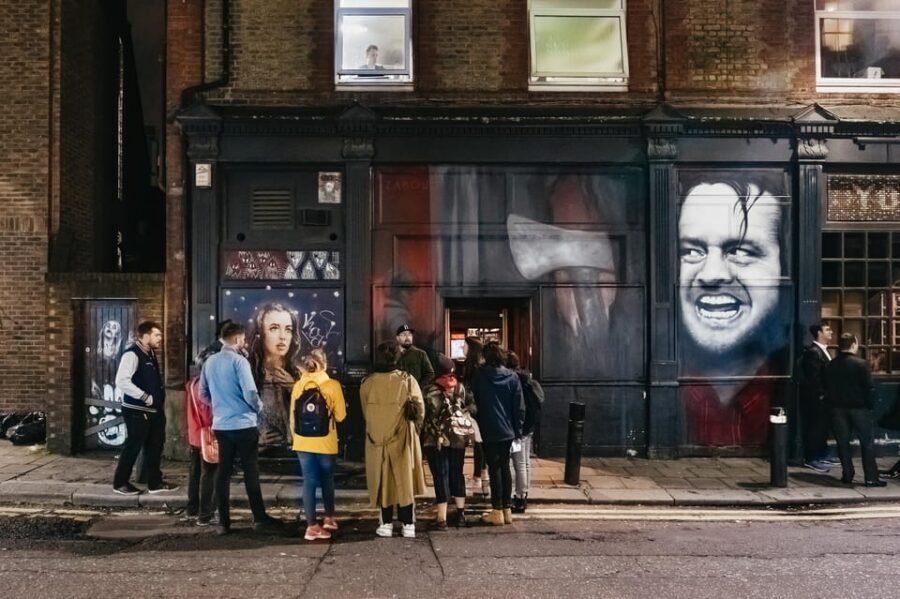
A big reason this tour works is that it treats Whitechapel like a real place, not a Halloween set. The guide shares gems about Victorian London and helps you understand Whitechapel as an impoverished neighborhood at the time.
That context matters because it changes how you interpret everything. Instead of just tracking a crime story, you’re also learning about daily life in the area—what made the neighborhood vulnerable, how people lived, and why the case became so culturally powerful.
I like tours that don’t flatten history into dates and names. This one aims to show the human texture around the case: victims as people, and suspects within the real social shadows of the late 19th century.
Stop-by-stop walk: Brick Lane, Christ Church, Spitalfields Market, and the Ten Bells ending

This tour is set up as a sequence of memorable stops, with several key places passed along the route. Even when you’re not going inside somewhere, the streets themselves help you “place” the story.
Here’s how the main locations typically shape your experience:
Ten Bells Pub and the Spitalfields vibe
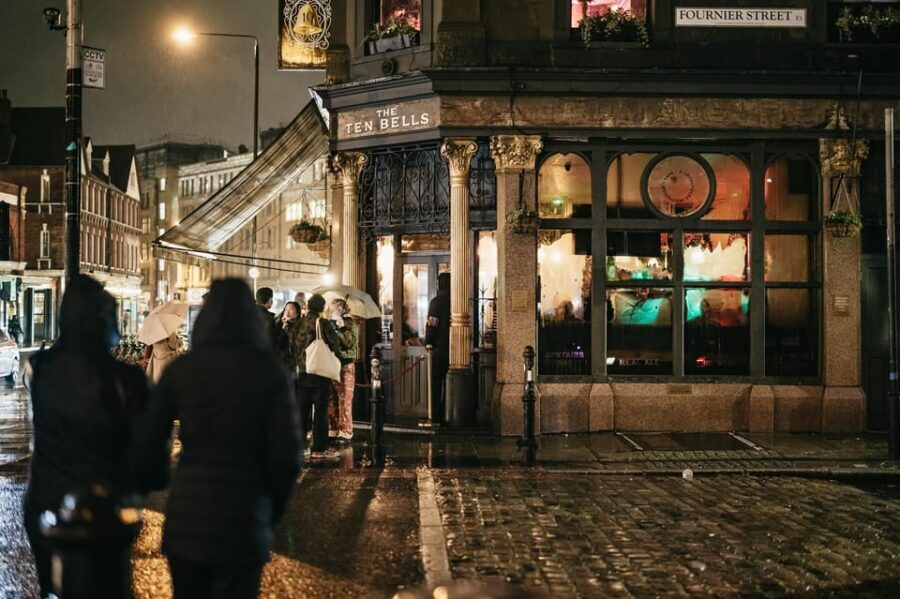
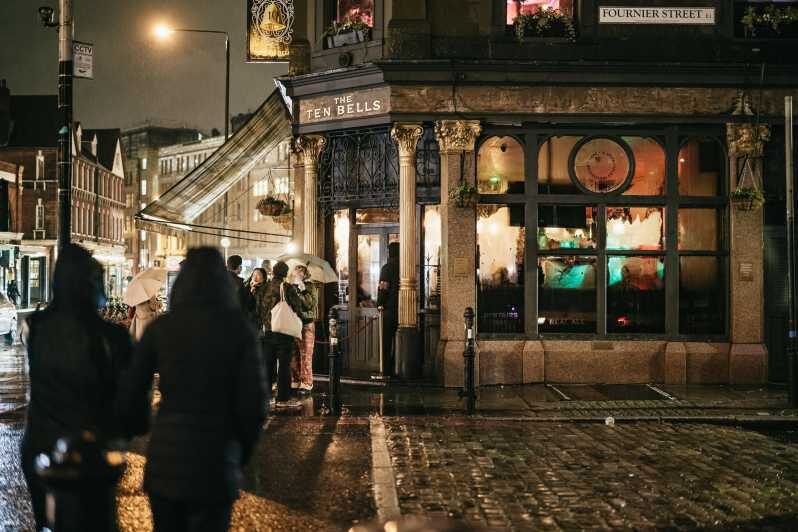
Ten Bells is one of the most recognizable anchors for the route, and it’s also where you finish. You’ll pass by it earlier, then end there after your last stretch through the East End story.
Why it’s a strong stop: it acts like a narrative landing point. After walking through the evidence, suspects, and theories, you close the tour at a place that’s become part of the case’s modern imagination.




Spitalfields Market: the neighborhood’s pulse
You’ll also see Spitalfields Market during the walk. Market areas are useful in this kind of tour because they help explain how a neighborhood functioned day to day.
The tour uses this kind of landmark to keep the story grounded. It’s not only about the murders, but about the daily movement of people and routines around them.
Mitre Square and Petticoat Lane: where stories gain momentum
You’ll pass Mitre Square and Petticoat Lane as part of the route. These stops matter because they reinforce the “why here” question the guide keeps coming back to.
Even if you don’t get long pauses at every location, the route layout helps you build a mental map. By the time you’re done, you should be able to connect the case to the streets you walked.
Brick Lane: a major East End thread
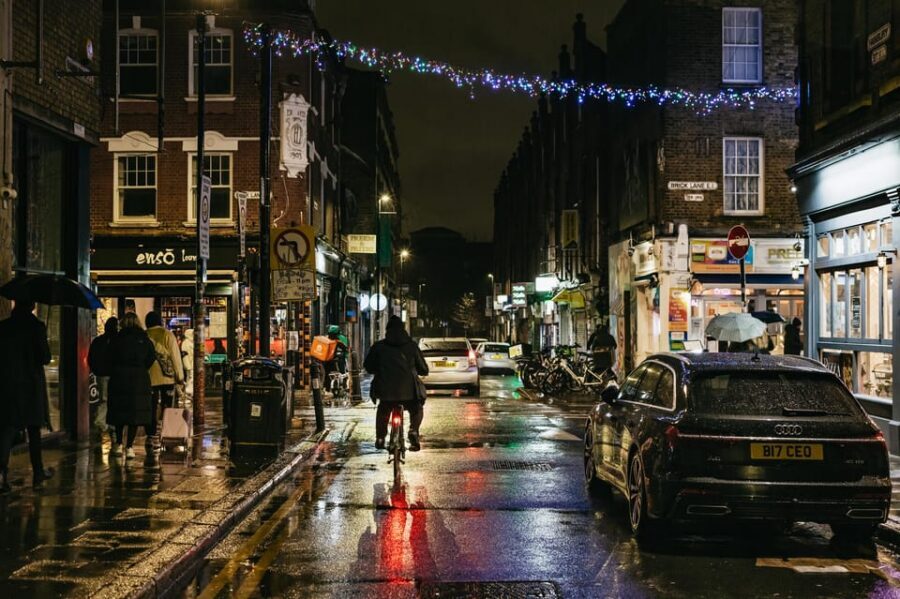
Brick Lane is on the route too. The guide uses it to keep the walk tied to the East End’s identity as a lived-in part of London.
For me, the best part of having Brick Lane in the itinerary is that it reminds you the case sits inside a much larger urban story. You leave with a better feel for the area beyond the Ripper headlines.
Christ Church: tying the case to a real street setting
You’ll pass Christ Church during the tour. This is where the guide often slows the story down to help you link victims, everyday life, and the environment people were moving through at the time.
A practical note: since these are mostly street-level passes, look for the guide’s cues. If you tune in to where the guide points, you’ll get more out of each stop.
The “Ripperologist” method: why the guide’s narration changes the case
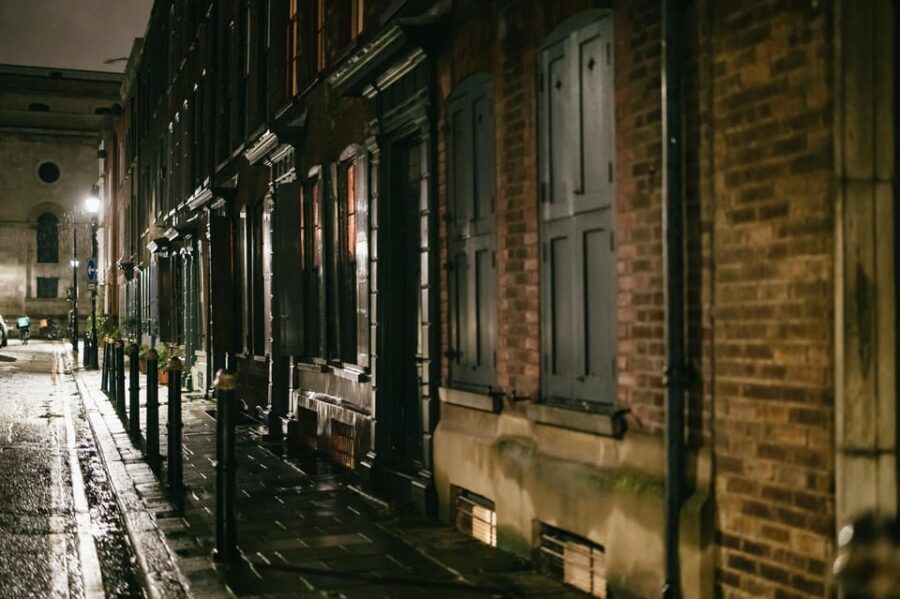
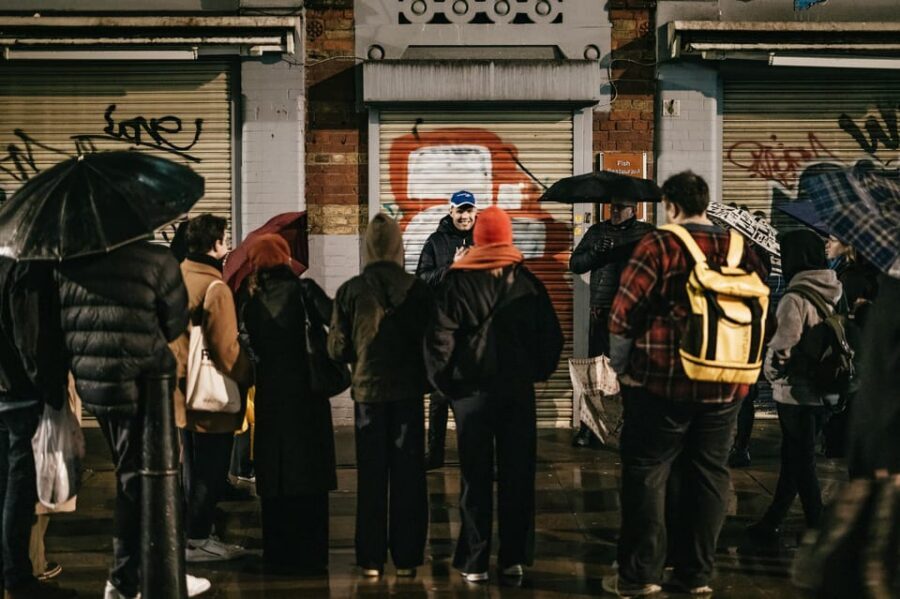
The tour’s structure is built for active listening. Instead of a straight lecture, you’re encouraged to judge and compare ideas. The guide prompts you to consider questions like:
- Why did the killer choose Whitechapel?
- Was the murderer close to being caught?
- Where was evidence discovered, and what did investigators think that meant?
That approach helps you stay engaged, because you’re not just absorbing a finished story. You’re evaluating it as you go, which is exactly what makes true crime walking tours satisfying.
Another praised detail from past experiences: guides like Clara, Klairvy, Christophe, and Sina have been described as especially good at explaining clearly and adding supporting material, including photos, so you can visualize the case. If you learn best with more than just words, that detail is a real plus.
Where Sherlock Holmes fits: the cultural context behind the detective
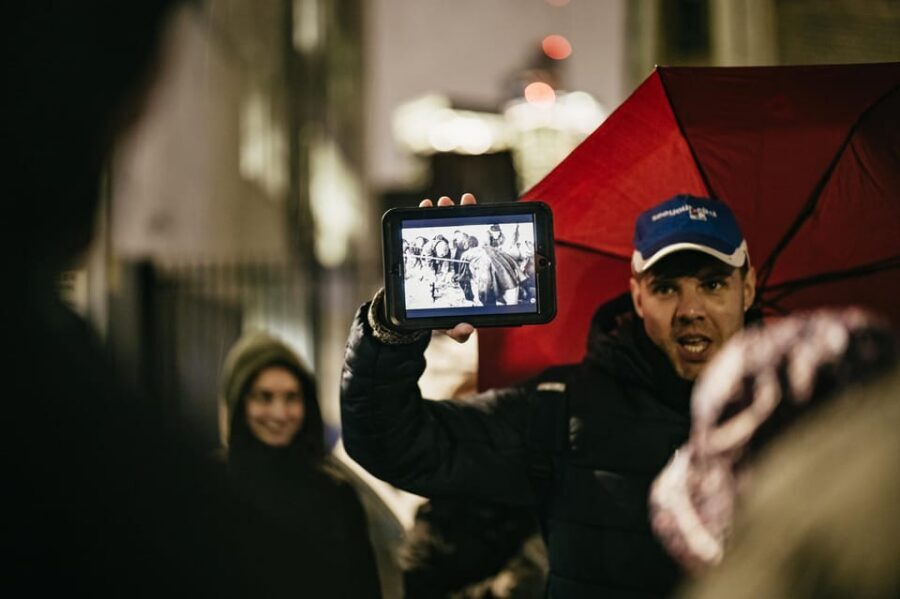
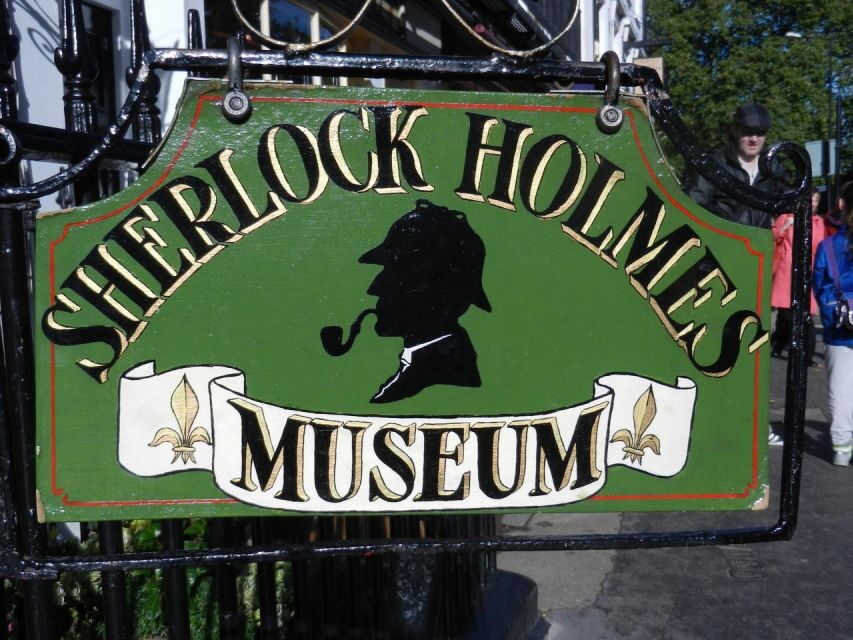
One of the highlight themes is the inspiration and cultural context behind Sherlock Holmes. This tour doesn’t treat Holmes like a random cameo. It positions him as a product of the same era’s curiosity about crime, detection, and public fascination.
Why this matters: it helps you see why the Ripper story became more than a historical event. It fed the public imagination, and that kind of fascination helps explain why fictional detectives like Holmes felt so believable to people later on.
So by the end, you should feel like you understand the cultural chain: late-1800s crime stories and investigations shaped the mindset that made detective fiction take off.
Price and timing: is $24 for two hours good value?
At $24 per person for a 2-hour walking tour, the value is strongest if you want a guided story that connects real places to historical interpretation. For this price, you’re paying for two things: an expert-style guide (Ripperologist) and a route plan that turns scattered London facts into a coherent walk.
You do need to plan around what isn’t included. There’s no food and no drinks, so don’t assume you’ll be able to grab a snack mid-walk. If you’re doing this earlier in the day, I’d eat beforehand and carry water.
Also, because it’s entirely outdoors and includes graphic material, it’s not a “casual stroll” tour. It’s a focused experience with a specific tone.
Who should book this tour (and who should think twice)
This is a great fit for:
- Jack the Ripper fans who want more than the basic legend
- People who like crime stories that connect to place and time
- Anyone interested in Victorian London and the Sherlock Holmes cultural link
- Visitors who enjoy expert-guided storytelling and evidence-based theories
You might want to think twice if:
- You don’t handle graphic details and visual content well
- You’re expecting a light, family-friendly walk (it does require an adult for anyone under 18)
- You’re coming in rough weather and hate being outdoors for the full duration
On the other hand, if you’re the type who likes to look around at street corners and imagine what happened there, this tour will reward you.
Should you book French Language: Original Jack the Ripper Tour?
If you want a two-hour Whitechapel walk that blends real locations with an investigation-style narration, this booking makes sense. The guides’ quality seems to be a major strength, with people praising narrators such as Clara, Klairvy, Christophe, and Sina for keeping the story clear and compelling, sometimes with photos to support the telling.
Just be honest about the tone. This is not a spooky ghost story with mild vibes. It includes graphic details and visual content, and you’re outdoors the whole time. If that’s okay for you, you’ll likely love how the tour ties together victims, suspects, evidence, and the broader cultural world that eventually produced Sherlock Holmes.
FAQ
How long is the Jack the Ripper walking tour?
The tour lasts 2 hours.
Where do I meet the guide for this tour?
Meet your guide at the west entrance to Altab Ali Park, at the corner of White Church Lane and Whitechapel High Street. Your guide will be by the large iron arch gate and holding a blue flag.
What is the nearest Underground station?
The nearest station is Aldgate East.
What languages are available?
The live guide offers tours in English, French, Spanish, German, and Italian.
What stops are included on the route?
Stops include Brick Lane, Christ Church, Spitalfields Market, Mitre Square, Petticoat Lane, and the Ten Bells Pub.
Is food or drinks included?
No. Food and drinks are not included.
Does the tour include graphic details?
Yes. The activity contains graphic details and visual content, and participants under 18 must be accompanied by an adult.
Is the tour wheelchair accessible?
The tour is listed as wheelchair accessible, though public paths and outdoor conditions can vary.
What is the cancellation policy?
You can cancel up to 24 hours in advance for a full refund.