REVIEW · GLASGOW
Glasgow: Private Dark Side Tour
Book on GetYourGuide →Operated by Walking Tours In · Bookable on GetYourGuide
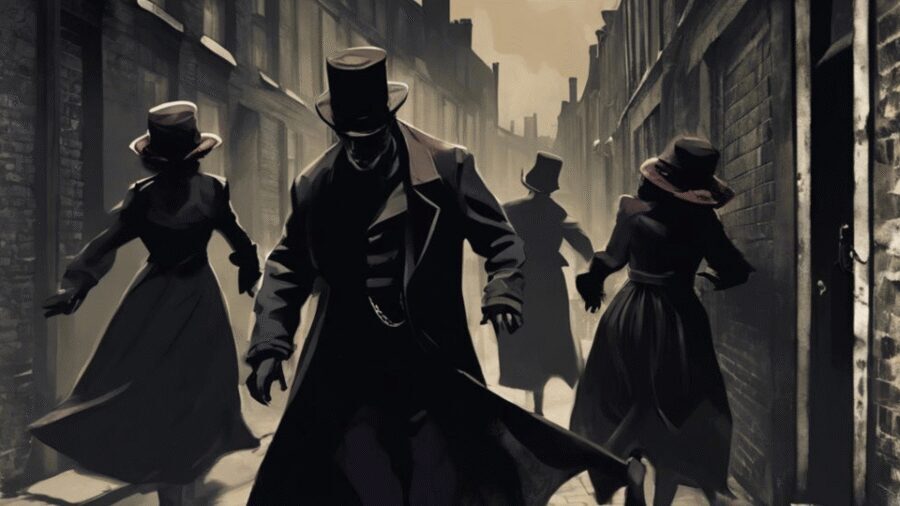
A city can feel different after dark, and Glasgow’s does. This private dark side walk turns familiar landmarks into a story about slavery, gangs, prisons, and murders. I like that it’s not just spooky for spooky’s sake; it’s a guided walk with real local context, even when the topics get grim.
One thing I really like is the guide focus. You get a local host who can weave places like the Glasgow Necropolis and Tolbooth Prison into a connected narrative instead of a scattered pile of facts. Another plus: it’s built for evening atmosphere, when the “City of the Dead” vibe actually lands.
The main consideration is pacing and expectations. The tour is only 1.5 hours, so if you’re hoping for lots of time standing in every spot for photos, you may wish you had more time at your favorite stop. And while the Necropolis is a key attraction, some stops may feel more about the viewpoint than a long visit, depending on timing and day-of conditions.
In This Review
- Key things you’ll notice
- Glasgow’s Dark Side: What This Private Walking Tour Really Delivers
- Where It Starts: Glasgow Cathedral Outside at Night
- Glasgow Necropolis: The City of the Dead Moment That Changes Everything
- Glasgow Cathedral to Blackfriar’s: A Story Built From Institutions
- Glasgow Royal Infirmary and City Chambers: When Everyday Life Meets the Dark Past
- Merchant City and the Slave Trade Theme by the Clyde
- Tolbooth Steeple and the Prison Stories: Inmates, Hanging Sights, and Fear
- Trongate, Glasgow Green, and Finishing at McLennan Arch
- Price and Value: $183 for a Private Group Up to 6
- Who Should Book This Dark Side Glasgow Walk
- Should You Book Glasgow’s Private Dark Side Tour?
- FAQ
- FAQ
- How long is the Glasgow Private Dark Side Tour?
- What is the meeting point for the tour?
- Is this tour private?
- How much does the tour cost?
- What language is the tour guide?
- Is the tour wheelchair accessible?
- Is the tour suitable for children?
- What time of day is best to take this tour?
- What should I wear?
Key things you’ll notice
- A guided story, not a ghost bus: prisons, executions, and murders get put into a timeline you can follow.
- Necropolis focus: the tour treats Glasgow’s City of the Dead as a centerpiece, not a quick photo stop.
- Tolbooth Prison and Tolbooth Steeple: you’ll hear about notorious inmates and hanging sights tied to the city’s darker past.
- Clyde and the slave trade theme: Glasgow’s foundations are explained through the money and movement behind the port.
- Gorbals tales: you’ll work through the lore around the Vampire of the Gorbals as part of the city’s darker storytelling.
- Evening timing matters: it’s recommended for maximum mood, with limited late-night options on Saturday nights.
Glasgow’s Dark Side: What This Private Walking Tour Really Delivers
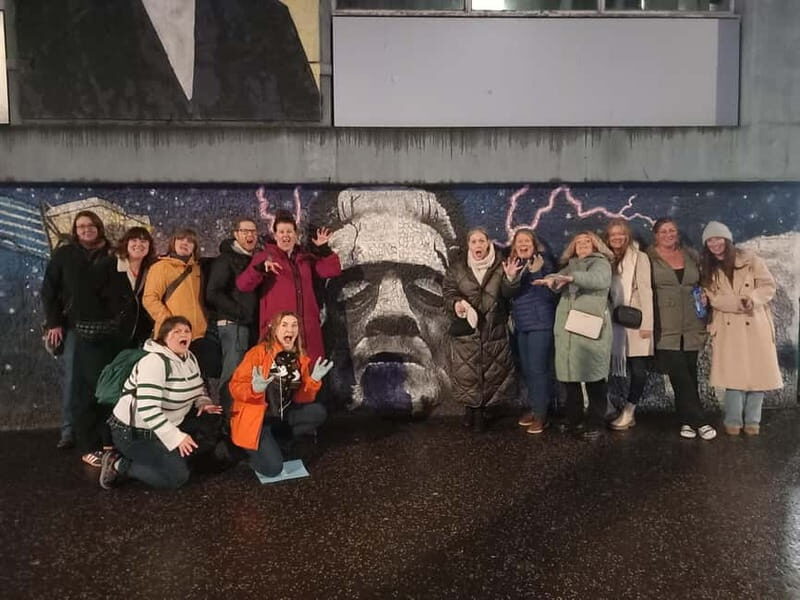
If you like your travel with a pulse, this is a smart match. Glasgow can look romantic in the daylight, but the story changes when the light goes down and the streets quiet a bit. This 1.5-hour private tour is built around that shift: you’re walking through places tied to prisons, executions, and violent crime, then pairing that with the darker roots behind the city’s growth.
What makes it work is the mix of themes. You’re not only dealing with spooky tales. You’re also hearing about Glasgow as a city shaped by industry and working-class life, plus its foundations connected to slavery. Then the tour connects the dots to the more modern feel of the streets through stories about gangs and neighborhood legends, including the Vampire of the Gorbals.
The format is also part of the value. Since it’s private (up to 6 people), it’s easier to ask questions and get your guide to slow down when something catches your attention—like a specific prison detail or a particular neighborhood story. For couples, friends, or small families (and note the minimum age), it’s a good way to get “local voice” without joining a large group and getting swept along.
And yes, it’s described as gory. That doesn’t mean it’s just shock value. It means the guide doesn’t soften the edges when discussing the city’s brutal side, from unsolved murders to notorious inmates. If that’s your kind of history, you’ll appreciate how clearly the guide keeps the tone in line with the topic.
You can also read our reviews of more private tours in Glasgow


Where It Starts: Glasgow Cathedral Outside at Night
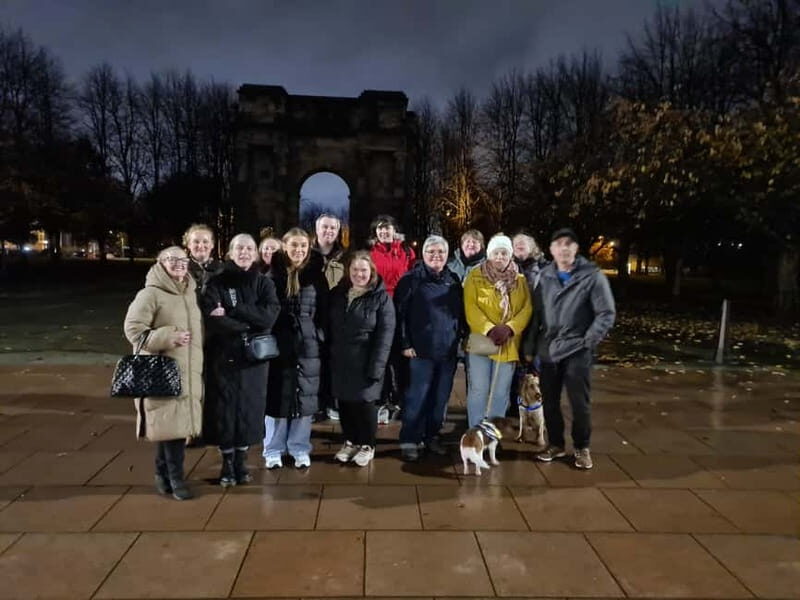
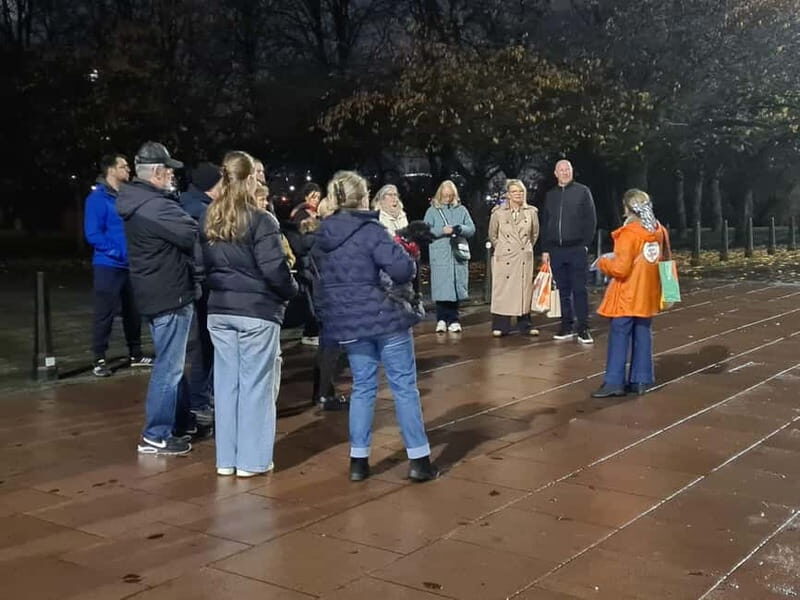
Your meeting spot is outside the main entrance to Glasgow Cathedral. That’s a helpful anchor point for two reasons. First, cathedral-front landmarks make it easy to find your guide without a confusing scavenger hunt. Second, it sets the tone immediately: you’re starting with an iconic “heart of the city,” then walking toward its shadow.
Even more important is timing. This tour recommends taking it in evening darkness for full effect. That makes sense with the subject matter. When you’re hearing about old prisons, hanging sites, and ghost stories, the city feels less like a sightseeing checklist and more like a living stage.
There’s also a practical note that you should plan around. Late night tours on Saturday nights aren’t offered because the walking areas are too full of bars. If you want the darkest-feeling experience and you’re traveling on a Saturday, you’ll want to pick an earlier departure that still gives you real evening atmosphere.
What to wear? Keep it simple: comfortable shoes and weather-appropriate clothing. This is still a walk, and the point is to move from stop to stop while the guide tells the story in sequence.
Glasgow Necropolis: The City of the Dead Moment That Changes Everything
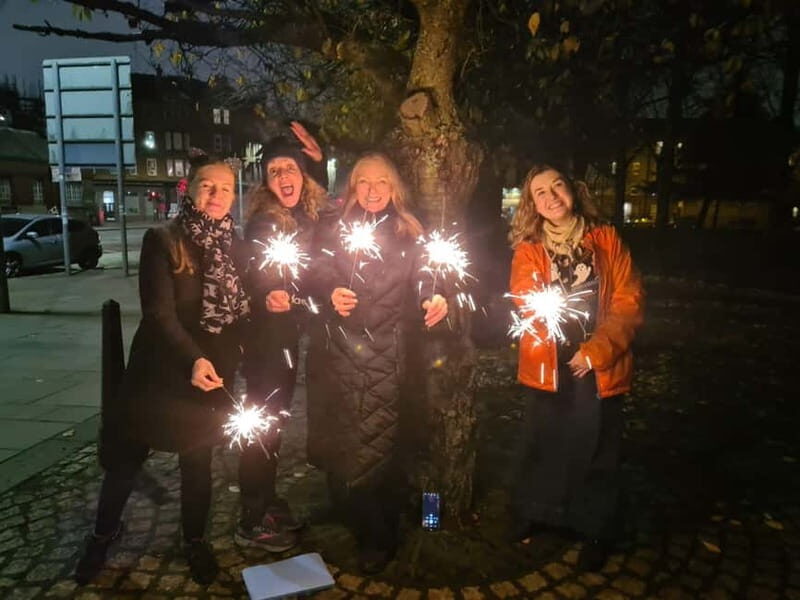
One of the biggest reasons people book a Glasgow dark tour is the Glasgow Necropolis, and here it’s treated as a highlight rather than a side character. The tour even calls it the City of the Dead, which tells you how your guide will frame it: not as a generic cemetery stop, but as a place to think about how communities dealt with death, fear, and memory.
When this stop lands well, it’s because it shifts the emotional register. Earlier parts of the walk lean toward the city’s foundations and crime. The Necropolis tends to feel like the moment where the “dark side” becomes atmospheric. The guide’s job is to connect that atmosphere to the city’s timeline, so it doesn’t become just photo-taking and head shaking.
You should also know the tour is short. That’s why the Necropolis is a must-do only if you’re okay with a targeted experience. In one case, a guest wasn’t satisfied with how much of the Necropolis they saw, because their main interest was that specific stop. So I’d take your own priorities seriously: if the Necropolis is your #1, go in ready for a guided, time-efficient experience rather than a long open-ended wandering session.
Bottom line: if you like your history with atmosphere, the Necropolis is where you’ll feel the tour’s theme the strongest.
Glasgow Cathedral to Blackfriar’s: A Story Built From Institutions
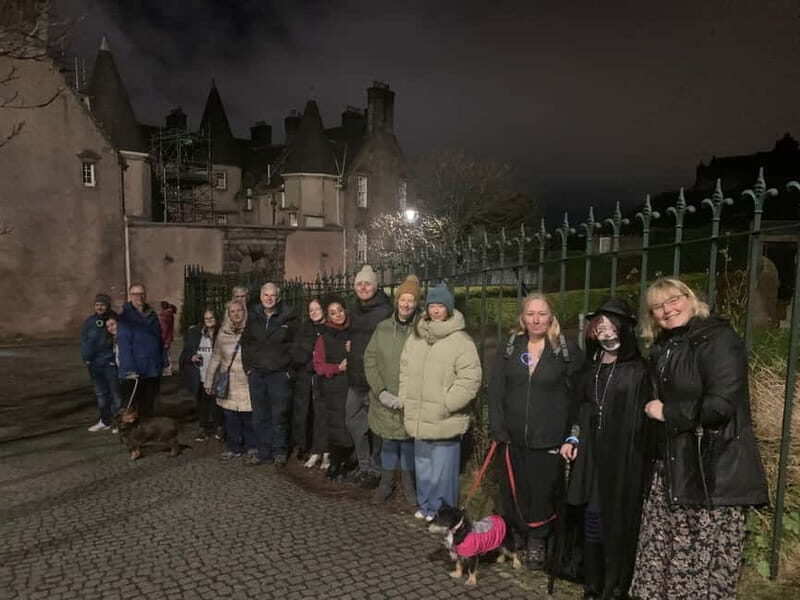
After starting at Glasgow Cathedral, the tour keeps moving through older, weighty parts of the city. Blackfriar’s is included as a key stop, and that matters because it helps the guide build a sense of place. In a tour like this, institutions are more than architecture. They’re where communities gathered, where rules formed, and where power showed up.
This is also where the “built by industry, shaped by working class” theme starts to make sense. You’re seeing how Glasgow’s important buildings and areas fit into a city that learned to survive through hard work—and sometimes hard choices. The guide’s dark storytelling threads violence and fear into the places that might look calm at street level.
Don’t expect the guide to keep it purely spooky. The point is balance: ghosty tales come in, but they’re framed alongside darker real-world events like murders and notorious prison life. If you want a tour that respects the subject enough to treat it like history, this institutional route helps.
Glasgow Royal Infirmary and City Chambers: When Everyday Life Meets the Dark Past
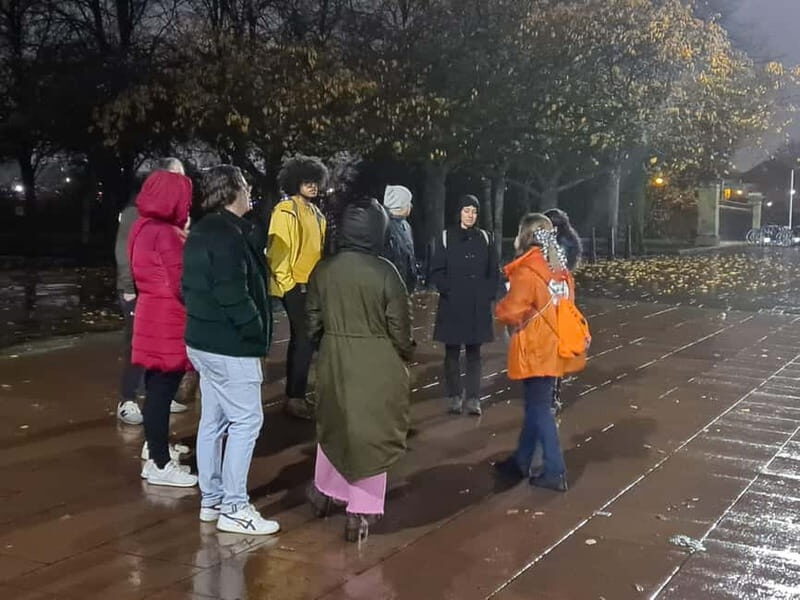
Two stops that stand out in the itinerary are Glasgow Royal Infirmary and Glasgow City Chambers. On paper, those don’t sound like “dark side” destinations. But that’s the trick of this tour. It aims to show that Glasgow’s darker history isn’t limited to prisons and alley stories. It also connects to the systems that supported everyday life.
With the infirmary, you can expect the guide to bring in the idea that cities deal with suffering in many forms, not just the dramatic kind. With the City Chambers, the story tends to shift toward power—who ran things, who benefited, and how a city’s growth can connect to harsh outcomes for people on the margins.
This is where your guide earns the private-group format. When there’s time to ask questions, you can steer toward what you care about most: the human side, the institutional side, or the crime-and-gangs side. And when the guide has strong passion—as the experiences of guides like Louise and Gabriel suggest—the walk feels like a conversation, not a lecture.
If you prefer tourism that stays strictly in the “haunted” category, this part of the tour might feel a little more history-driven than you expected. But if you like understanding why dark stories happen where they happen, this section is valuable.




Merchant City and the Slave Trade Theme by the Clyde
No Glasgow dark-tour write-up is complete without the port connection, and this one includes both the Clyde and the slave trade as a key theme. It also includes Merchant City, which sets up a logical contrast: a commercial district with an economic story behind it, paired with a darker explanation of how that economy shaped lives.
This is one of the tour’s most important value points. It’s easy to focus only on murders and ghost legends. It’s harder—and more meaningful—to place Glasgow’s grim chapters alongside the city’s foundations, including its connection to slavery.
The tour doesn’t ask you to process it all at once. Instead, it uses the walk to keep information digestible. You’ll get a step-by-step narrative that connects money, movement, and neighborhoods. Then the story moves forward from that foundation to the consequences you can feel in the city’s later eras, including the way gangs and crime take root when communities are strained.
If you’re the type who wants “context before you scary,” this portion is likely to be one of your favorites.
Tolbooth Steeple and the Prison Stories: Inmates, Hanging Sights, and Fear
The heart of the “dark side” subject matter is the Tolbooth Prison area, supported by the stop at Tolbooth Steeple. The tour explicitly includes visiting old prisons and hanging sights, plus tales of notorious inmates.
This is where a private guide really matters. Prison stories can become sensational fast when the facts aren’t handled carefully. The best version of this tour keeps the focus on what the place represented and how the guide ties the events into Glasgow’s wider timeline—rather than turning it into a string of shock scenes.
Even the steeple stop supports the story. Elevated landmarks help anchor memory. You’re not only hearing about crime and punishment; you’re also building a mental map of how the city’s justice system and its reputations shaped local fear and legend.
You can also expect ghosty storytelling here to complement the real-world angle. The tour promises both: darker history brought into light, plus supernatural-style tales. When it works, you walk away understanding the cultural reason people keep telling stories like this long after the events.
Trongate, Glasgow Green, and Finishing at McLennan Arch
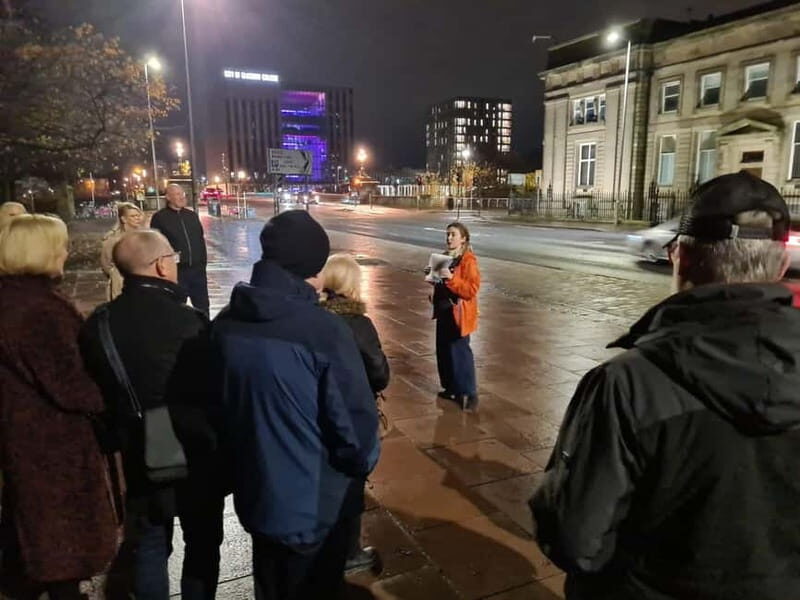
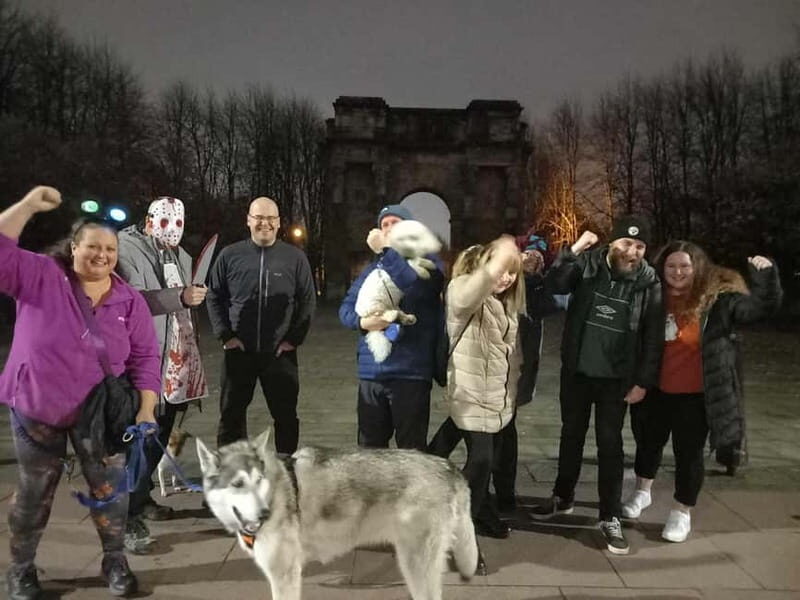
Toward the end, the walk moves through Trongate and Glasgow Green, then finishes at McLennan Arch. These stops help the story shift from “crime and punishment” into “the city after the fear.”
Trongate is where the tour’s atmosphere starts to feel more street-level. This is the part where your guide can layer neighborhood lore with the broader themes of gangs and social strain. Glasgow Green adds another shift—an open space in the city’s pattern, which is a nice contrast after the heavier prison material. Even without getting too literal, the guide can use the change in setting to show how dark events affect ordinary life afterward.
Finishing at McLennan Arch gives you a clean end point. You’re not left wandering around trying to “figure out where to stop.” That matters when you only have 1.5 hours total. The tour is built to be a self-contained narrative arc: start iconic, build grim chapters, then land at a recognizable finishing point.
Price and Value: $183 for a Private Group Up to 6
Let’s talk money plainly. The price is $183 per group up to 6, and the duration is 1.5 hours. That means your real cost per person depends on who’s sharing the guide.
Here’s how it shakes out:
- If you fill the group with 6 people, you’re effectively around $30.50 per person.
- If it’s 2 people, it’s about $91.50 per person.
- For solo travelers, this format may feel less economical since it’s priced per group.
So when is it a good value? It’s usually a smart buy when you have 3–6 people who want the same experience. You get private guiding, a focused walking route, and a guide who can tailor the pace a bit. If you’re visiting with friends, this is often more cost-effective than a per-person group tour—especially for a niche theme like Glasgow’s dark past.
Also consider the theme. Tours about history can be either too broad or too generic. This one is narrow by design: prisons, hanging sights, slave trade context, and darker legends like the Vampire of the Gorbals. Paying for a guide who can connect those threads often feels worth it, because you’re not just reading plaques on your own.
Who Should Book This Dark Side Glasgow Walk
This tour is best for adults and older kids. It’s explicitly not suitable for children under 12, which tells you the content is intense enough that the organizers don’t want to risk pushing the vibe too far for younger ages.
You’ll probably love it if:
- You enjoy true crime-style storytelling mixed with historical context.
- You like the idea of a city walk that includes both grim history and ghost tales.
- You want a private group so you can ask questions and set the pace.
- You’re visiting Glasgow for the first time and want something beyond the postcard version.
You might want to skip or choose a different style if:
- You hate heavy topics and prefer light sightseeing.
- You expect lots of free time at each stop for photography.
- You care most about one specific location and want an extended visit there.
In short: if you like your travel stories honest and a bit unnerving, this one fits.
Should You Book Glasgow’s Private Dark Side Tour?
I think this is a strong choice if you want Glasgow to feel like Glasgow—complicated, working-class, and sometimes brutal. The private format helps a lot, and the guide experiences shared from people like Louise and Gabriel point to the same thing: the storytelling style is personal, and the guide’s enthusiasm makes the walk move.
My recommendation: book it if your idea of a great trip includes walking and learning in equal measure, with gory-dark themes handled thoughtfully. If you’re bringing a group of 3–6, the cost per person gets much easier to justify. And if you want the mood to hit, pick an evening time when the darkness can do some of the work for the atmosphere.
If, however, you need long lingering time at your top stop—especially the Necropolis—plan your expectations for a short, guided experience rather than a full independent tour.
FAQ
FAQ
How long is the Glasgow Private Dark Side Tour?
It lasts 1.5 hours.
What is the meeting point for the tour?
Please meet your guide outside the main entrance to Glasgow Cathedral.
Is this tour private?
Yes, it’s a private group tour for up to 6 people.
How much does the tour cost?
The price is $183 per group (up to 6 people).
What language is the tour guide?
The live tour guide speaks English.
Is the tour wheelchair accessible?
Yes, the tour is listed as wheelchair accessible.
Is the tour suitable for children?
It is not suitable for children under 12.
What time of day is best to take this tour?
The tour recommends evening darkness for full effect, and it notes that late night tours on Saturday nights can’t be offered due to bar crowds.
What should I wear?
Bring comfortable shoes and weather-appropriate clothing.