REVIEW · LONDON
Jack The Ripper Tour: Interactive Walking Tour in London
Book on GetYourGuide →Operated by Carpe Diem Tours Group · Bookable on GetYourGuide
Victorian Whitechapel turns into a detective board. This is a victim-centric Jack the Ripper walking tour that uses real streets and real sites to help you piece together the mystery through clues. You’ll walk with a guide who frames the story around the people who were killed, then leads your group through the theories at the end—like a moving case file.
What I really like is the mix of interactive detective pack work and on-street storytelling, so it’s not just someone talking at you. And you do get to visit actual crime locations as you go, not just landmarks on a map.
One consideration: this is a 2 to 2.5 hour walking experience with no food or drink included, and the subject matter is heavy. If you want a lighter, pub-stop style outing, this probably won’t feel like that.
In This Review
- Key things you’ll notice on this Whitechapel case
- St Marys Whitechapel Church Memorial: where your case file starts
- Brick Lane: the first guided lesson (and why it matters)
- Princelet Street: narrowing in on the story
- Puma Court: the kind of place that changes the atmosphere
- The Ten Bells Spitalfields: history you can hear in the streets
- Gunthorpe Street: putting clue logic into motion
- Goulston Street: where the mystery gets harder (in a good way)
- St Botolph without Aldgate: a place for reflection and connection
- Mitre Square finish: the theory phase and the big question
- Price and value: why $24 can be a fair deal here
- Who this tour suits best (and who might prefer another style)
- Tour guide experience: the human factor matters
- What to do before you go
- Should you book Jack The Ripper Interactive Walking Tour?
- FAQ
- FAQ
- How long is the Jack the Ripper interactive walking tour?
- Where does the tour start?
- How do I find the guide at the meeting point?
- What does the interactive detective pack include?
- What’s included in the ticket price?
- Is food or drink provided during the tour?
- Is the tour offered in English, and can it be private?
Key things you’ll notice on this Whitechapel case

- Victim-first storytelling that keeps the focus on the women’s lives and deaths, not only the killer’s legend
- Interactive clue collecting with a detective pack you use while walking
- Real murder locations built into the route, so you see the geography that shaped the case
- Theory analysis at the end where you compare possible identities and outcomes
- A friendly, check-in style guide is a recurring highlight, with guides named Tyson, Jess, and Florian in feedback
- Short guided segments at each stop (about 17 minutes each) that keep the pace moving
St Marys Whitechapel Church Memorial: where your case file starts
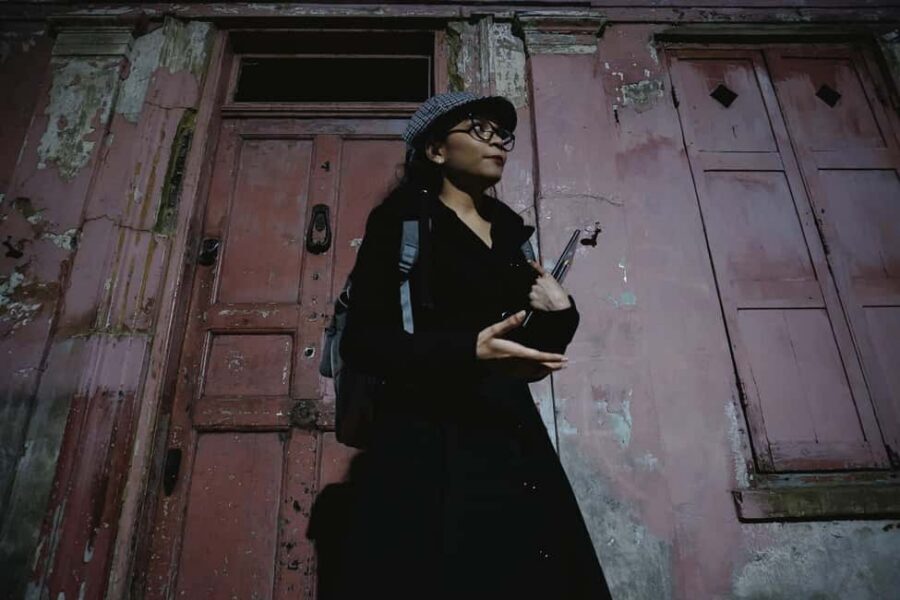
Your tour begins at St Marys Whitechapel Church Memorial, where the guide will be holding a yellow Carpe Diem Tours flag or sign. Show up about 10 minutes early. That buffer matters because this route is built around timing, and you’ll want to start together.
This opening stop sets the tone: you’re not being asked to treat Jack the Ripper like a pop-culture icon. Instead, you’re encouraged to think like a detective—slow down, notice what you’re seeing, and connect the dots between street layout and what may have happened. It’s a good way to get your bearings fast, because Whitechapel can feel like a normal London neighborhood until someone points out how much history lives in the street plan.
You can also read our reviews of more walking tours in London



Brick Lane: the first guided lesson (and why it matters)
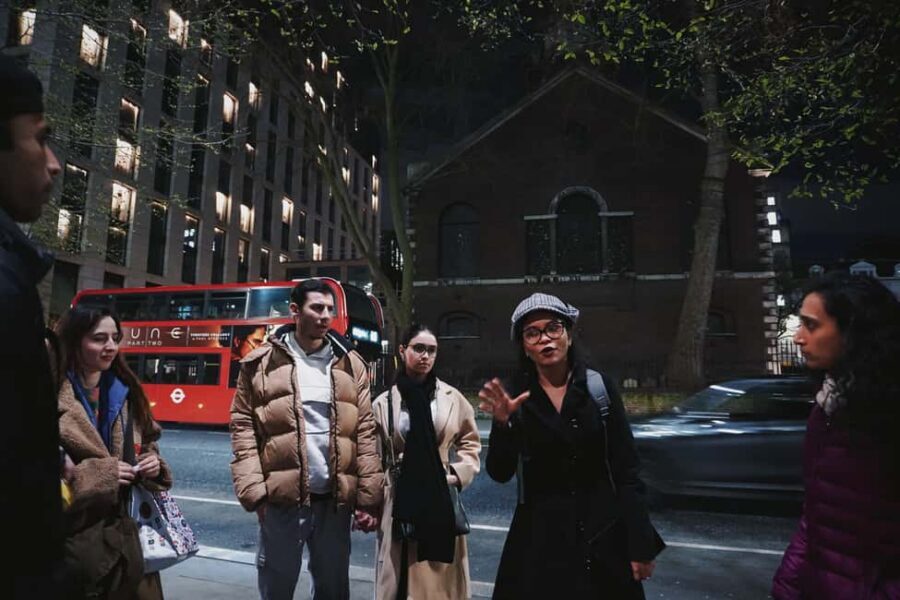
The first walking segment takes you to Brick Lane for about 17 minutes with your guide. This isn’t just a photo stop. You’ll get context for the area and how the neighborhood functioned in Victorian London, which helps the later crime-scene visits make sense.
Why I think this is smart: if you only jump straight to murder locations, you miss the “why here, why then” layer. Brick Lane gives you that early framing—so when the route shifts into narrower, more intimate streets, it feels less random and more connected.
Practical note: expect a steady walking pace. London sidewalks can be busy, and you’ll want to keep an eye on the guide so you don’t lose the thread of the clues.
Princelet Street: narrowing in on the story
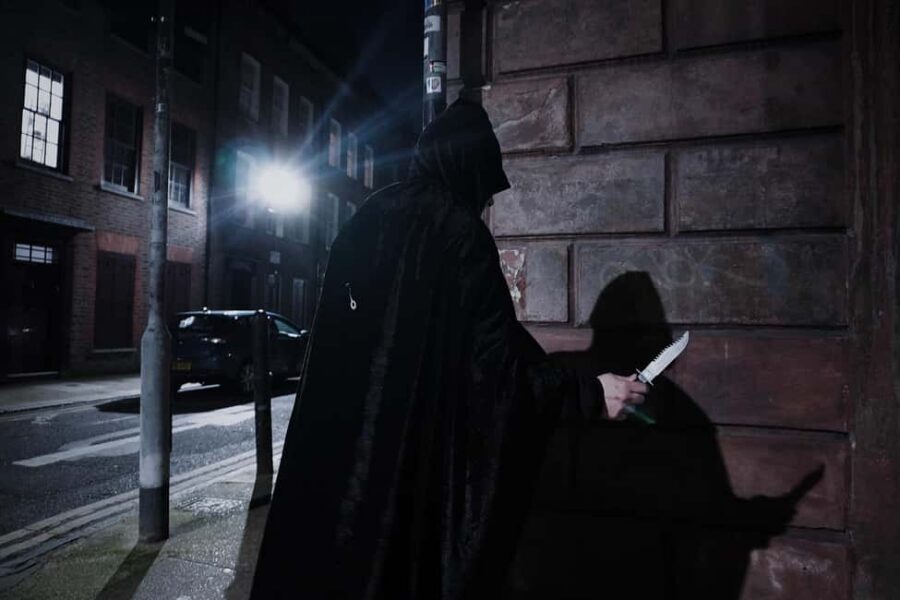
Next up is Princelet Street, again guided for about 17 minutes. This is where the tour starts to feel more like a case walkthrough. The guide links the area’s details to the victims’ lives—building understanding before you get fully into the crime sites.
This stop matters because it trains your brain to read the neighborhood as evidence. When you’re using an interactive pack later, you’ll probably appreciate this earlier pacing: you’re learning how the tour wants you to think.
Puma Court: the kind of place that changes the atmosphere

Then you head to Puma Court (about 17 minutes guided). Courts and alleys are where the story becomes tangible. Even if the buildings you see now aren’t the exact same ones from 1888, the idea of tight access, foot traffic, and limited visibility is hard to forget.
A drawback to keep in mind here: if you don’t like grim subject matter, this is where the tone likely starts to feel darker. The tour is designed to be victim-focused, which means you’ll hear about the lives and deaths of the women who were targeted. That’s the point—but it’s still emotionally heavy.
The Ten Bells Spitalfields: history you can hear in the streets
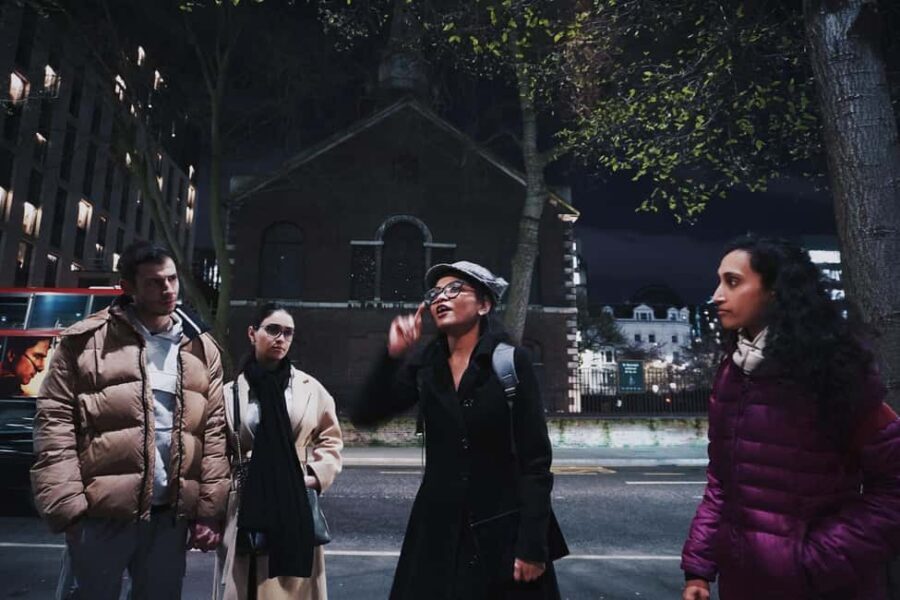
At The Ten Bells Spitalfields, you’re in for another guided chunk (about 17 minutes). This is one of those London stops where the setting does some of the work for you. You don’t have to be a hardcore history fan to feel the weight of the era in the street atmosphere.
What makes this stop useful on this particular tour is that it functions like a checkpoint. By now you’ve walked through several streets tied to the case, and your guide can connect the dots in a way that prepares you for the next cluster of real locations.
If you’re wondering whether the guide includes “interactive detective” tasks early enough: this kind of midpoint is usually where that energy clicks.




Gunthorpe Street: putting clue logic into motion
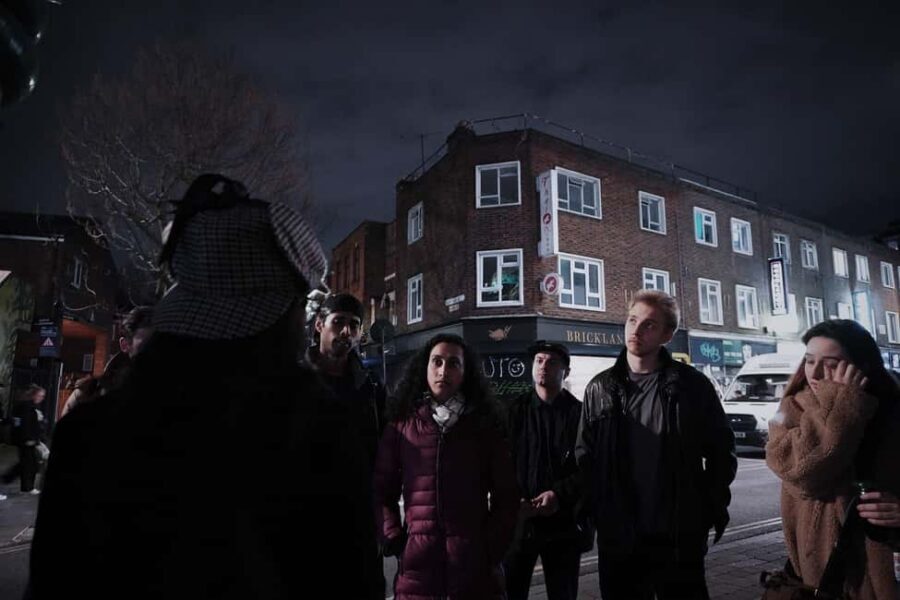
Next: Gunthorpe Street (about 17 minutes guided). This is part of the stretch where the route starts to feel like you’re moving through a defined sequence of stops rather than wandering generally.
This is also where your detective pack becomes more than a prop. The tour is set up so you’ll collect clues as you go, then later compare ideas during the theory phase. You’ll likely find that the earlier context stops (Brick Lane, Princelet Street) help you interpret what you’re holding in your pack when you reach these more specific streets.
For first-timers: if you enjoy solving mysteries and don’t mind thinking your way through uncertainty, you’ll probably have more fun here than at a purely informational tour.
Goulston Street: where the mystery gets harder (in a good way)
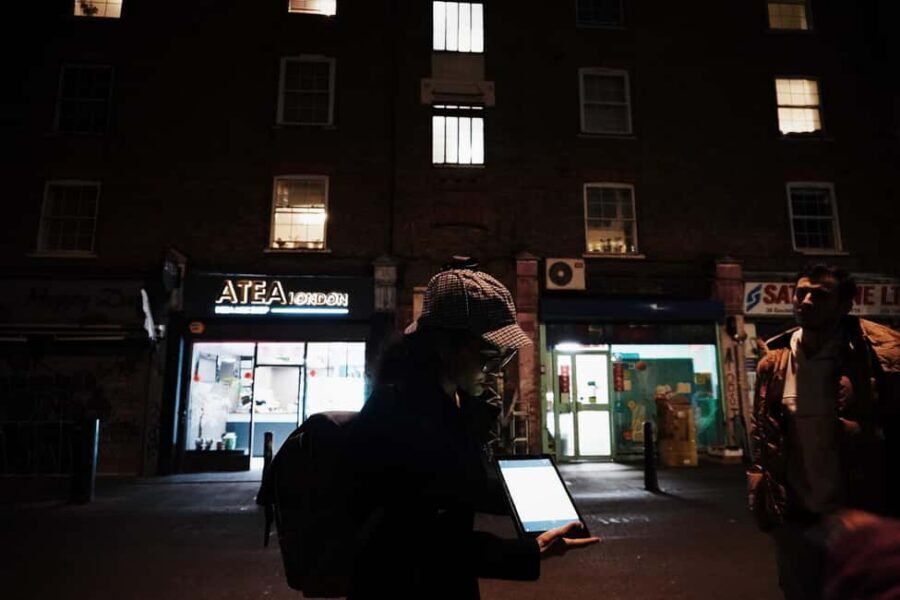
At Goulston Street, you’ll spend about 17 minutes with the guide. This stop is one of the places people look for when they want the real geography of the case. Even without obsessing over minute details, you can feel how the street arrangement affects movement and visibility.
This is the kind of location where the tour’s structure really helps. You’re not just reading about a theory after the fact—you’re seeing the area in sequence, then being asked to consider possibilities. That’s why it works better than tours that only provide names and dates with no scene-setting.
If you like debates, this stop will probably get your brain going. The tour’s later theory analysis builds toward this exact feeling: no easy answers, but plenty of evidence to weigh.
St Botolph without Aldgate: a place for reflection and connection
Then you reach St Botolph without Aldgate, guided for about 17 minutes. Churches and memorial areas tend to slow people down naturally, and that’s useful on this kind of tour. It gives your group a moment to let the story settle before you move toward the final phase.
Because the tour is designed around victim stories, this is also the point where you may realize something important: the case isn’t only about solving a puzzle. It’s about acknowledging real people and the harm done to them—along with the way those events shaped how cities talk about crime, identity, and fear.
That balance is a big part of the value here. It keeps the mystery from turning into pure spectacle.
Mitre Square finish: the theory phase and the big question
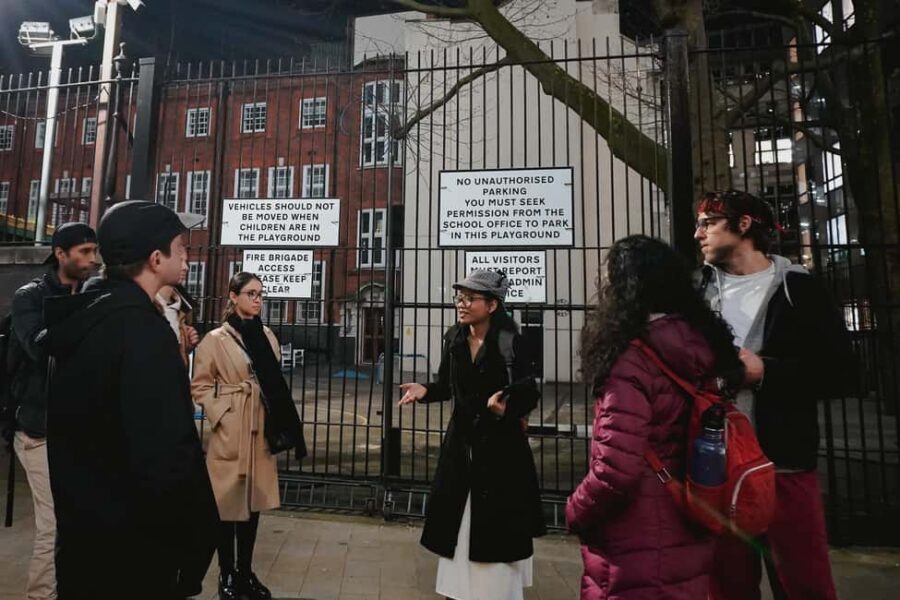
The tour finishes at Mitre Square, London EC3A 5DE. This is where the experience typically makes its final move: you’ve walked the route, visited the real-life crime scenes, and collected clues. Now you and your group (with your guide steering) go through the theories about who Jack the Ripper might have been—and what may have happened to him.
Why this ending works: it respects the uncertainty. The guide isn’t just pushing one identity. Instead, you’re comparing possibilities based on what you’ve gathered during the walk. That gives your detective pack meaning: it’s not only for engagement, it’s for your later reasoning.
Also, this is the moment when questions tend to come fast. The most satisfying tours are the ones where you leave feeling like you understand how the debate is built, not just that it exists.
Price and value: why $24 can be a fair deal here
At about $24 per person for 2 to 2.5 hours, the price makes sense for what you get—especially because the tour includes more than storytelling.
You’re paying for:
- A Ripperologist guide (live interpretation, not audio-only)
- Visits to real crime scenes
- Victim-centric narrative focus
- An interactive detective pack you use during the walk
If you’ve ever done a classic sightseeing tour that mostly covers major streets with no hands-on element, this one is different. It gives you structure, tasks, and scene-based context. For many people, that turns the time into something closer to a group activity than a lecture.
The value drops a bit if you want food stops or a social pub experience, because food and drink aren’t included. But if you’re happy with water and a snack before or after, this price feels like it’s aimed at giving you a solid, focused tour.
Who this tour suits best (and who might prefer another style)
This tour is a good fit if:
- You like mysteries and want to think through competing ideas
- You prefer walking tours that use actual locations instead of guesswork
- You want the story told through victims and their legacies, not just the killer’s mythology
- You enjoy interactive elements, like collecting clues with your pack while walking
It may be less ideal if:
- You want a lighthearted outing with only general history
- You dislike walking for a sustained 2 to 2.5 hours
- You’re sensitive to the topic of violence and death
Tour guide experience: the human factor matters
This type of tour lives or dies by the guide. The feedback includes names like Tyson, Jess, and Florian, and the recurring theme is friendliness and clarity, including check-ins that everyone is okay and room for questions.
In practice, that’s exactly what you need on an interactive route. If the guide is strict and silent, the detective pack feels awkward. If the guide is too casual, the theory portion can feel shallow. From what’s described, this tour’s guides land in the workable middle: informative, responsive, and tuned into group energy.
What to do before you go
A few practical moves will help you get more from the experience:
- Wear comfortable walking shoes. The route is spread across several streets, and you’ll be on your feet most of the time.
- Bring a jacket or layer. London weather likes to change its mind.
- If you’re doing it between meals, eat something beforehand. There’s no food or drink included.
- Be ready to ask questions. The tour is designed for interaction, and your group’s curiosity can make the theory discussion more fun.
Should you book Jack The Ripper Interactive Walking Tour?
Yes—if you want a case-file style Whitechapel walk that treats the story as real people first, with clue work and a guided ending that compares theories.
I’d skip it if you only want broad sightseeing or if you need a lighter mood. This one has an intentional focus on the victims’ lives and deaths, and that affects the tone.
If you’re the type who likes solving a mystery even when the answer isn’t guaranteed, the interactive detective pack plus the real-scene route is where this tour justifies its time and price.
FAQ
FAQ
How long is the Jack the Ripper interactive walking tour?
The tour runs for about 2 to 2.5 hours.
Where does the tour start?
It starts at St Marys Whitechapel Church Memorial.
How do I find the guide at the meeting point?
The guide will be holding a yellow Carpe Diem Tours flag or sign.
What does the interactive detective pack include?
You’ll get an interactive detective pack that you use to collect clues while you walk.
What’s included in the ticket price?
Included are visits to Whitechapel and real crime scenes, victim-centric stories, a Ripperologist guide, and the interactive detective pack.
Is food or drink provided during the tour?
No. Food and drink are not included.
Is the tour offered in English, and can it be private?
The live tour guide is in English, and private group options are available.