REVIEW · LONDON
Jack the Ripper Walking Tour: Murder, Mystery, & the Women
Book on GetYourGuide →Operated by Fun London Tours · Bookable on GetYourGuide
Whitechapel has a way of sticking with you. This 2-hour Jack the Ripper walking tour takes you through London’s East End using surviving streets and buildings tied to the 1888 murders, with a focus on the five women and how the case still won’t let go.
What I really liked: the guide, Matt, keeps the story human. You don’t just get names and dates—you get context for who the victims were and why their lives were shaped by the brutal, cramped reality of Whitechapel. I also loved the practical feel of the walk: you see real streets and older structures (including spots linked to homes and the crime areas), not just facts read aloud at a distance.
One thing to consider is time. Since this is a tight 2-hour walk, you can’t cover every single murder location, and the tour also doesn’t go inside buildings. You’ll get key stops, but you’ll need to accept that not every site can be fit in on foot.
In This Review
- Key things I’d plan around
- Shoreditch High Street start: finding your guide and setting the tone
- Whitechapel on foot for two hours: what the route actually does
- The five victims as people, not just names
- Surviving buildings and 300-year-old streets: why the setting changes everything
- That stop at the pub from From Hell
- The investigation story: suspects, police failures, and the unsolved ending
- When the tour gets graphic: how to prepare for the emotional content
- Meeting, finishing, and the walk’s practical rhythm
- The guide factor: why Matt’s approach seems to work
- Price and value: $26 for a very focused story on foot
- Who this tour fits best (and who should skip it)
- Should you book the Jack the Ripper walk to Murder, Mystery, & the Women?
- FAQ
- How long is the Jack the Ripper walking tour?
- Where does the tour start?
- Where does the tour finish?
- How much does it cost?
- Will I go inside any buildings during the tour?
- Can the tour visit all the Jack the Ripper murder sites?
- Is the tour suitable for children?
- Will the guide discuss graphic details?
Key things I’d plan around
- A focused 2-hour route that stops at major linked locations without trying to hit every single site
- Five named victims (Mary Ann Nichols, Annie Chapman, Elizabeth Stride, Catherine Eddowes, Mary Jane Kelly) woven into a street-level story
- Surviving buildings from around 300 years ago, helping you picture the neighborhood beyond the myths
- A stop at the pub used in From Hell for movie-familiar place recognition
- An unsolved-case lens, with discussion of suspects and why justice didn’t land
- Outdoor-only experience (no indoor visits), so wear shoes you trust
Shoreditch High Street start: finding your guide and setting the tone
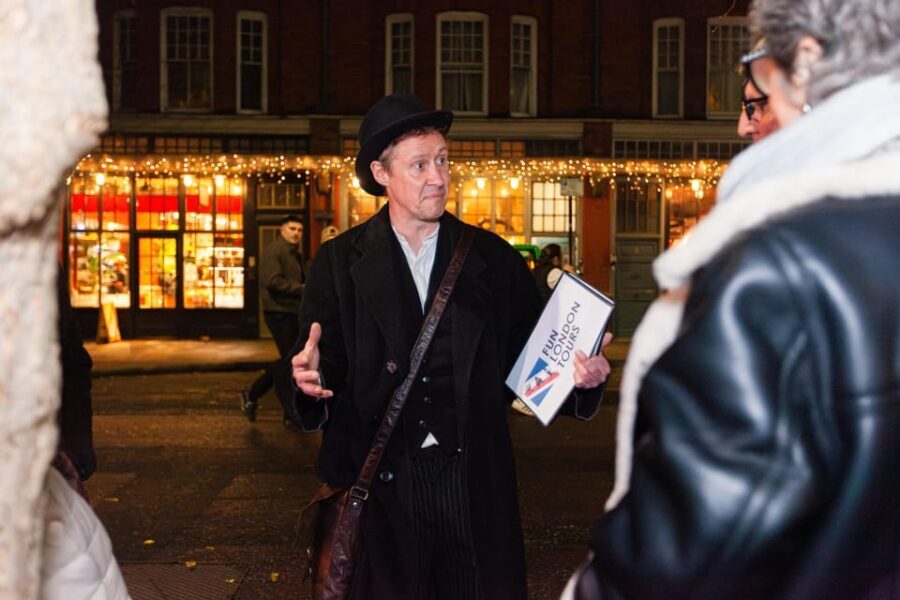
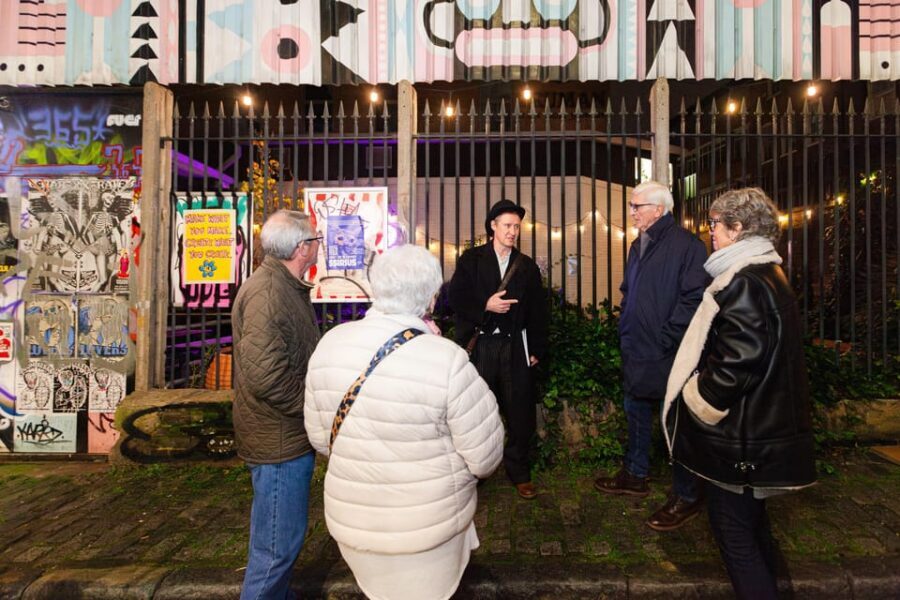
Most Jack the Ripper tours start in the fun zone—posters, shopfronts, and a quick “let’s do this.” This one starts cleaner, at the real-world edge of the story: Shoreditch High Street, right outside the Overground station on Braithwaite Street. Your guide carries a Fun London Tours flag, so you can spot them fast and get moving without wandering around with that look of mild confusion.
I like this kind of start for two reasons. First, it helps you get your bearings before you slip into Whitechapel’s older, narrower street patterns. Second, it keeps expectations realistic: you’re not doing a museum experience. You’re doing a walk where the streets are the exhibit.
You can also read our reviews of more walking tours in London



Whitechapel on foot for two hours: what the route actually does
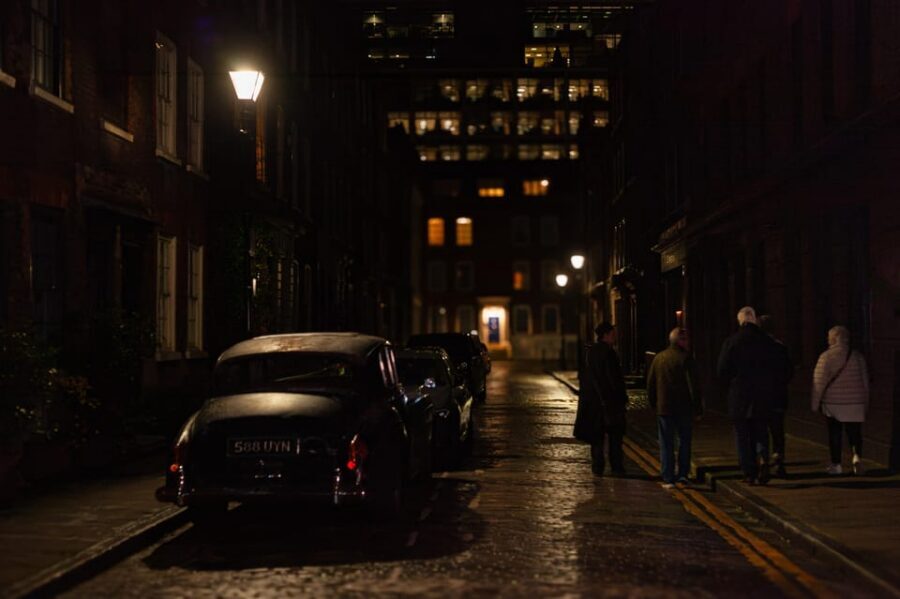
The core of the tour is a guided walk through Whitechapel, aimed at tracing a sequence of events across locations tied to the murders. The good part of a short walking tour like this is that it stays sharp. Instead of trying to cover everything in London that ever felt spooky, you follow the thread the guide sets: the victims’ lives, what led up to the attacks, and where the police investigation went off-track.
You’ll be standing in or near places linked to the crime areas, and you’ll also spend time on the surrounding streets and structures. That matters, because the case isn’t just a single moment. It’s about timing, movement, and the conditions that made it easier for a killer to vanish.
A practical heads-up: this tour is designed for adults and older teens. It isn’t recommended for children under 16, and it’s also not suitable for people with heart problems. If that applies to you, it’s worth choosing a different format.
The five victims as people, not just names
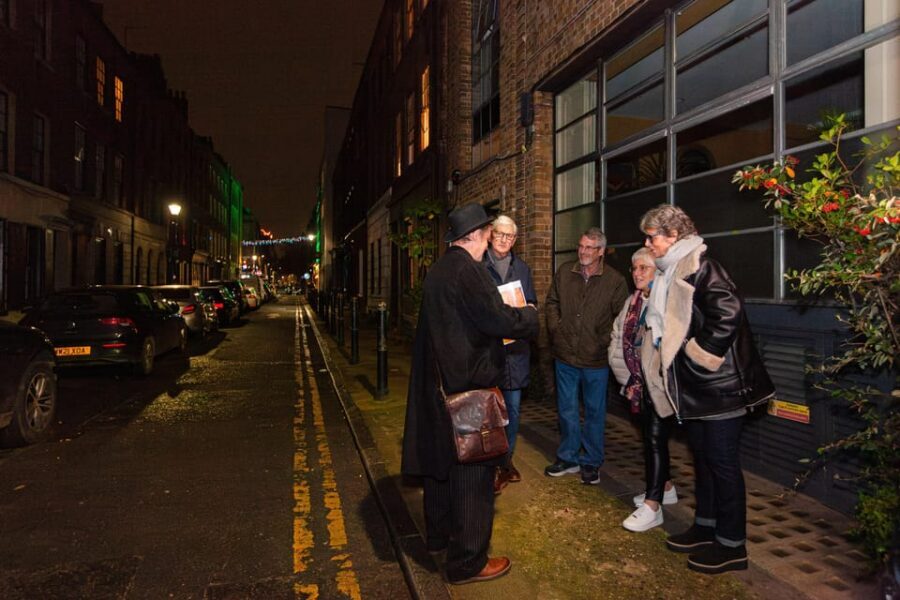
The tour’s emotional center is the same five women history remembers in connection with Jack the Ripper: Mary Ann Nichols, Annie Chapman, Elizabeth Stride, Catherine Eddowes, and Mary Jane Kelly. I like that the walk doesn’t treat them like checklist items. The guide’s approach is more like a neighborhood portrait—who these women were, the kind of life they were forced into, and how that vulnerability became part of what allowed the crimes to happen.
Here’s why that storytelling method is useful for you on the ground. When you’re standing by an actual street corner, it’s easy to feel like everything is abstract. Giving you real social context helps you connect the geography to a human reality. You’re not just thinking murder scene. You’re thinking hardship, limited options, and how easy it would have been for someone to go unnoticed.
Surviving buildings and 300-year-old streets: why the setting changes everything
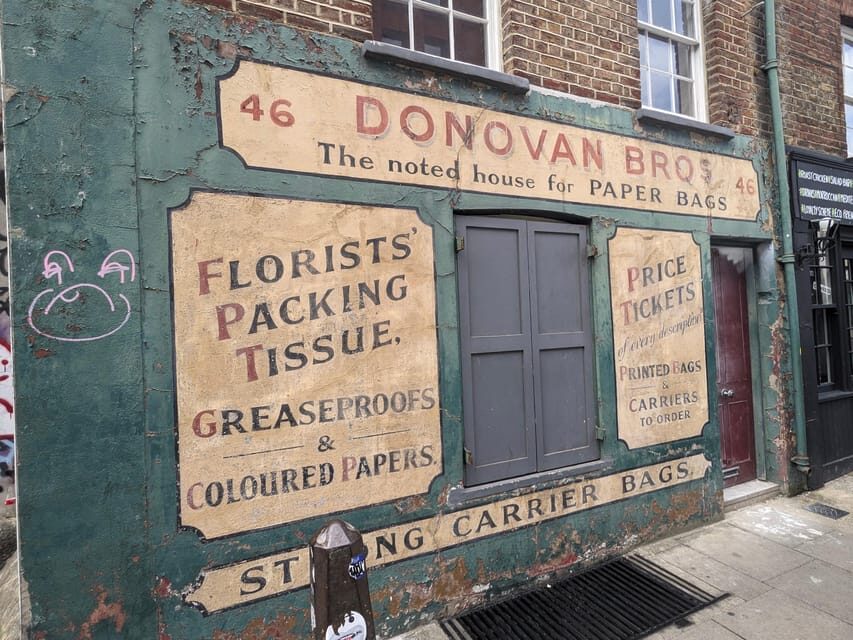
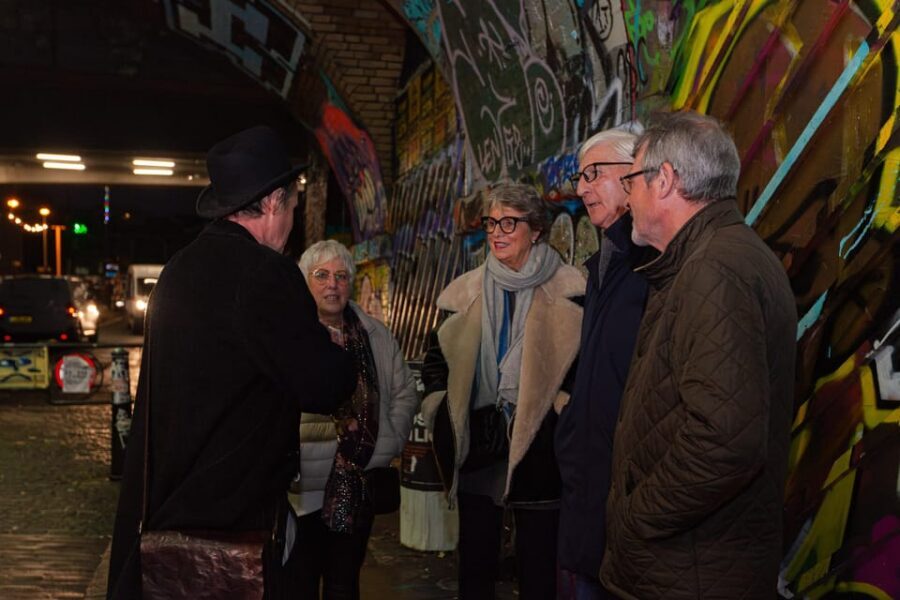
One of the most valuable parts of this tour is the way it uses the neighborhood as evidence. You’ll see streets and buildings dating back about 300 years, along with surviving locations connected to where the women lived and where the events unfolded.
I’m glad this tour stays outdoors. Buildings inside modern museums can freeze you in “display mode.” Outdoors, you get a better sense of scale: the street width, the rhythm of alleys, and the way people would have moved through the area in 1888. That’s not just atmosphere. It changes how you interpret the case.
Also, because you don’t go inside any buildings, you’re not distracted by museum narratives. Instead, you’re asked to look at what’s still there and what it would’ve meant back then. If you enjoy visualizing history with your feet on the pavement, this part is a big win.
That stop at the pub from From Hell
Yes, there’s a pop-culture moment built in: the tour includes seeing the pub featured in Johnny Depp’s From Hell. If you’ve seen the film, you’ll recognize the setting right away. If you haven’t, it still works because it gives you a real, place-based anchor for the imagination.
I like this kind of stop because it keeps you grounded. A lot of Jack the Ripper talk floats in legend. A pub stop reminds you this was a working neighborhood with real daily routines, not a stage built only for crime stories.




The investigation story: suspects, police failures, and the unsolved ending
The tour isn’t just “crime happened here.” It’s also an explanation of why the case remained unsolved, and why the police didn’t close it. In 1888, the conditions in Whitechapel were brutal, and the case benefited from chaos: cramped living, difficult visibility, and a system that often struggled to identify and follow credible leads.
You’ll hear the series of events that led up to the murders, plus how investigators tried to make sense of them. The tour also looks at leading suspects and asks the big question: did the truth get buried by coincidence, missteps, or something more complicated?
I found that approach more satisfying than the usual “top theories” format. It pushes you to think like an investigator without pretending we have perfect information. And when the tour lands on the mystery still being unresolved more than a century later, it feels earned rather than performative.
When the tour gets graphic: how to prepare for the emotional content
This is the part I’d treat as a serious planning note. The tour says it aims to be sensitive to the lives of the women involved, but it may still discuss murder details and may show photographs of the murder scenes. That’s not optional curiosity; it’s part of how the guide explains the case.
If you’re someone who gets unsettled by crime-scene imagery or graphic descriptions, plan your coping strategy before you go. Bring a water bottle, wear headphones-free focus (so you hear everything clearly), and give yourself permission to step back emotionally when the guide leans into the darker moments. The tour stays on-site and doesn’t let you escape into a “nice, calm interior,” so your mindset matters.
Also, you’ll be walking. Comfortable shoes aren’t a suggestion here—they’re the whole game.
Meeting, finishing, and the walk’s practical rhythm
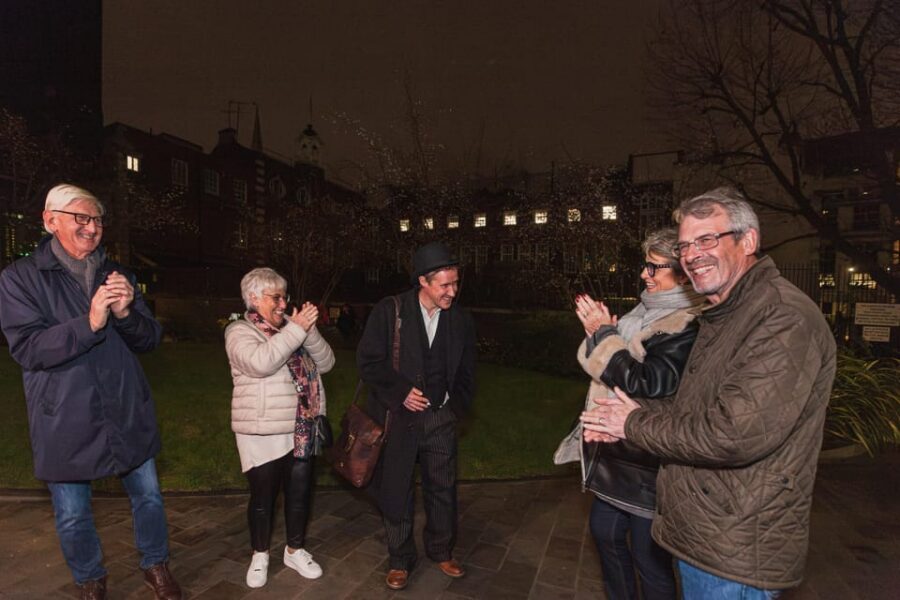
You’ll meet at Shoreditch High Street, then spend the main part of the experience in Whitechapel, and finish at Mitre Square. That start-to-finish flow matters because it helps you feel how the neighborhood connects rather than treating each site as a separate box to check.
From a logistics standpoint, remember this is a 2-hour walking tour with limits. The tour also notes it can’t visit all murder sites because some are too far apart within a short window. The value is in the concentration: you get the most important linked locations, plus the explanation of what matters most and why.
The guide factor: why Matt’s approach seems to work
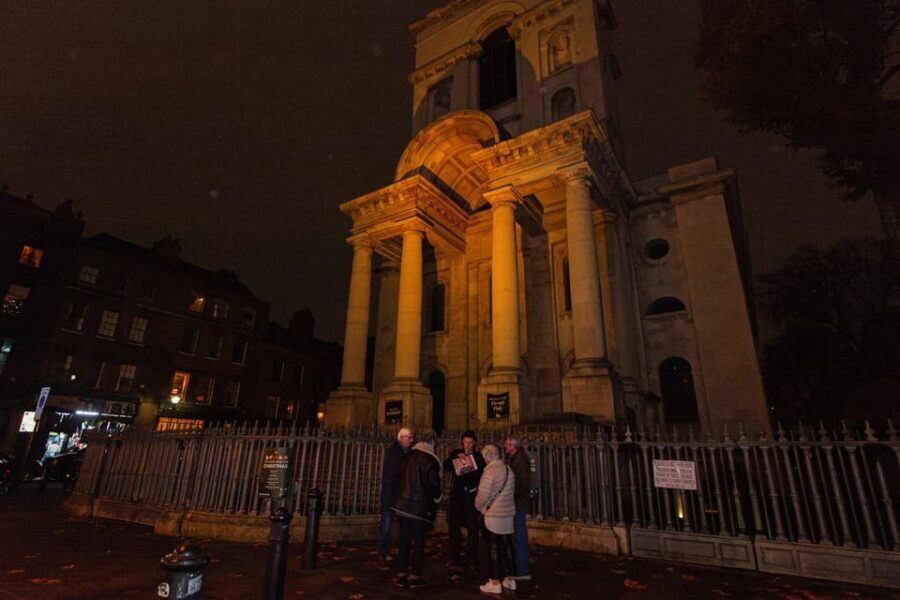
The strongest praise in the feedback I saw centers on the guide. Matt gets called out for being friendly and for bringing a unique perspective on the legend while still grounding it in social reality. One thing I found especially useful for you to know: the guide can tailor the tour to group interests. That’s a small detail, but it changes the experience a lot.
If you’re a facts person, you’ll likely appreciate how the walk stays structured: victims, sequence of events, evidence left behind, and the case’s why-it-never-closed ending. If you care more about social history, you’ll probably enjoy the emphasis on the women’s lives and the conditions that shaped them. Either way, this tour seems to know how to keep the story moving without turning it into a random wander.
Price and value: $26 for a very focused story on foot
At $26 per person for 2 hours, you’re paying for a guided walk that aims to connect five victims to specific streets, buildings, and the investigation narrative—without indoor admissions or extra time-consuming stops. In other words, this is less about ticketing value and more about story density: you’re buying the guide, the route, and the local framing.
If you want a quick, high-context walk and you don’t need museum rooms, it’s a solid value. If you’re expecting a “see every possible site” tour or interior access, the price won’t be the issue—the tour format will.
One small caution from a reported experience: there was at least one note about last-minute cancellation and refund timing. If your schedule is extremely tight, I’d take screenshots of your booking confirmation and be ready to follow up quickly if anything changes.
Who this tour fits best (and who should skip it)
This experience is a good match if you:
- like walking tours that explain history through place
- want the story centered on the five women
- enjoy the contrast between legend and social reality
- prefer a short, structured format rather than a full-day deep dive
You may want to skip it if:
- you’re sensitive to graphic details or photographs
- you need a kid-friendly activity (it’s not suitable for under 16)
- you have heart-related concerns that make walking hard
- you’re hoping to go inside historic buildings (this tour does not do that)
Should you book the Jack the Ripper walk to Murder, Mystery, & the Women?
I’d book this if you want a focused, street-based way to understand the Whitechapel murders and why the case still feels unsolved. The combination of surviving locations, the pub stop tied to From Hell, and the guide-driven structure around the five victims makes it more than a cheap thrill.
I wouldn’t book it if you need indoor stops, easy-going content, or a route that hits every single related site. This is a timed walk through outdoor spaces with a clear storyline—and that’s exactly what makes it work.
If you’re going, do yourself a favor: wear comfortable shoes, expect some darker content, and arrive ready to think about how ordinary streets can hold extraordinary consequences.
FAQ
How long is the Jack the Ripper walking tour?
It lasts about 2 hours.
Where does the tour start?
You meet directly outside Shoreditch High Street Overground Train Station on Braithwaite Street, and your guide will have a Fun London Tours flag.
Where does the tour finish?
The walk finishes at Mitre Square.
How much does it cost?
The price listed is $26 per person.
Will I go inside any buildings during the tour?
No. The tour does not go inside buildings.
Can the tour visit all the Jack the Ripper murder sites?
No. The tour says it cannot visit all the murder sites because some are too far apart to see within a 2-hour walking tour.
Is the tour suitable for children?
No. It’s not suitable for children under 16.
Will the guide discuss graphic details?
The tour aims to be sensitive, but the guide may talk about details of the murders and may show photographs of the murder scenes.