REVIEW · WALES
Learn to forage in Llangollen
Book on Viator →Operated by Living Wild UK · Bookable on Viator
Learning to spot edible plants starts with one walk. This Llangollen Canal foraging course is a pretty, practical 2.5-hour intro to foraging with Leah, who shares how to identify edible and medicinal plants and fungi and how to avoid risky look-alikes. I especially liked the way the session mixes safe basics with real stories and field cues, but one consideration is that it’s a short walk, so you’ll leave with fundamentals rather than a full-foraging skill set.
I also like that it stays calm and friendly: you stop frequently, the pace works for different fitness levels, and the group is small (max 12). The only real drawback to plan around is that it’s outdoors, so you’ll want weather-ready clothing.
In This Review
- Key highlights you’ll care about
- Why the Llangollen Canal is ideal for learning plant ID
- Leah’s teaching style: fundamentals, stories, and check-your-answers moments
- What you’ll learn to find: edible, medicinal, and fungi (and how to avoid trouble)
- The 2.5-hour canal walk: short, even, and built for frequent plant stops
- What makes the seasonal angle useful (not just pretty)
- Price and value: what you get for $54.85
- Who should book this (and who may want a different style)
- Practical tips: how to prepare for a canal outdoors session
- Getting the most from the experience on the day
- Should you book learn to forage in Llangollen?
- FAQ
- How long is the learn to forage walk in Llangollen?
- What does it cost?
- How many people are in a group?
- Is the experience offered in English?
- Where does the tour start?
- Can I cancel and get a full refund?
Key highlights you’ll care about
- Small group size (max 12) helps you get questions answered as you walk.
- Canal-and-meadow route makes plant-spotting easy without heavy hiking.
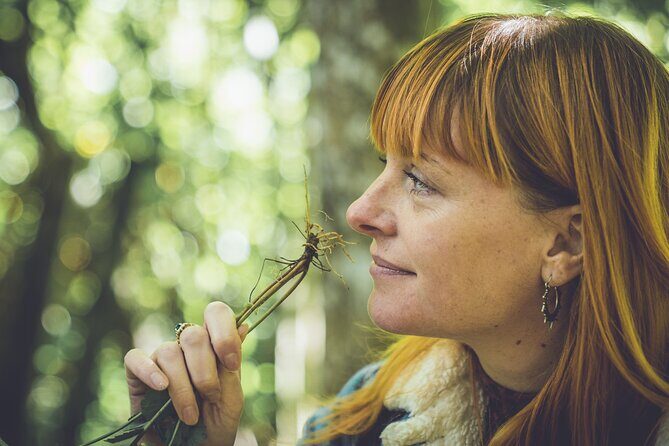
- Leah’s field-first teaching focuses on safe identification of edible and medicinal plants and fungi.
- Frequent stops keep it interactive instead of feeling like a lecture.
- Seasonal bounty mindset helps you learn what’s around now and what to look for later.
- Folklore + practical use tips give context for why plants were used and how you might use them.
Why the Llangollen Canal is ideal for learning plant ID
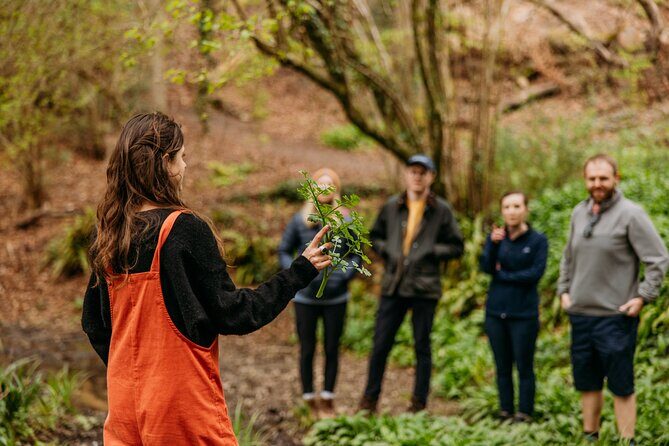
Llangollen’s canal setting is a smart choice for a beginners-first foraging experience. You get repeated views of the kinds of places plants like to grow: damp edges, open meadows, and the in-between spots where you can actually learn to notice. Instead of staring at a single specimen for ages, you practice scanning and recognizing patterns as you move.
You also benefit from the walk being short and on even ground. That matters because plant identification works best when you can slow down. If the route is too steep or too long, your brain shifts into survival mode. Here, you can stay present with what you’re seeing and what the guide is pointing out.
And yes, it’s genuinely pretty. The canal gives you a natural, relaxing “classroom” where learning doesn’t feel intense. If you want something outdoorsy that still teaches you how not to get into trouble, this kind of setting hits the sweet spot.
You can also read our reviews of more tours and experiences in Wales.
Leah’s teaching style: fundamentals, stories, and check-your-answers moments
What makes this course feel worthwhile is the teaching approach. You’re not thrown into an advanced foraging world. Instead, you build a foundation for how to think about foraging safely: what to look for, how to confirm, and what to avoid.
Leah’s knowledge is a big part of the appeal, but it’s not delivered like a textbook. The tone is interactive, with frequent stops where you can ask questions and compare notes with the group. One of the nicest parts for me is that you get encouragement to notice things you’d normally walk past without thinking twice.
There’s also a human element that makes it feel uplifting. People leave talking about how the walk made them see plants and trees as potential resources, not just background scenery. That shift in perspective is powerful, especially if you’ve been curious about foraging but unsure how to start.
What you’ll learn to find: edible, medicinal, and fungi (and how to avoid trouble)
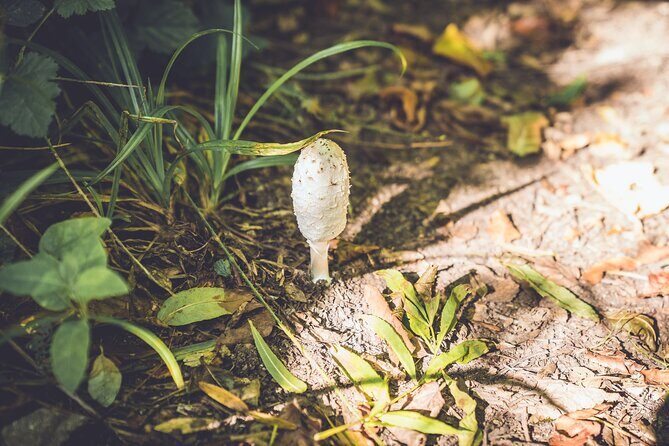
The core promise here is safe identification. You’ll learn basic principles for spotting edible and medicinal plants and fungi, plus which ones to avoid. That safety focus is not optional in foraging, and it’s exactly what makes a guided course valuable in the first place.
The way the guide frames it matters. You’re not just memorizing names. You’re learning hints and tips—field-friendly cues that help you compare what you see with what you’ve been taught. That’s the difference between knowing one plant well and being able to make a safer decision outdoors.
You’ll also hear how to use what you find. The course doesn’t just stop at identification; it talks about practical ways ingredients can show up in your diet and what you can do with natural properties. Even better, you’ll link those use ideas to folklore and traditional medicinal context, so it sticks.
One detail that stands out: the group may try to turn curiosity into real action at home. For example, there’s a plant-related tip about sticky weed swamp juice that people come away excited to test. Even if you don’t copy it exactly, it’s a sign you’ll leave with ideas, not just facts.
A key caution for any foraging experience like this: you’ll be learning principles and examples on the walk, but you should still treat foraging as a careful practice. The value of a course is that it helps you slow down and think before you pick.
The 2.5-hour canal walk: short, even, and built for frequent plant stops
This is a 2 hours 30 minutes session, and it’s paced so it works across fitness levels. The route is short and on even ground, which means you can focus on learning instead of managing energy. You’ll stop frequently to talk about what you’re seeing, so you get repeated “reset points” where the guide can reinforce identification cues.
A practical perk of a small walk like this is concentration. You’re outside, the group isn’t huge, and you aren’t asked to cover lots of ground to be “worth it.” The learning happens during stops, not only while walking.
You’ll start at the canal area in Llangollen and end back at the same meeting point. That simple loop format makes it easier to plan your day afterward. If you’re arriving by public transport, the experience is near it, so you’re not stuck building a whole travel day around getting there.
What makes the seasonal angle useful (not just pretty)
The course is built around what’s growing around you in the moment. That seasonal bounty angle is genuinely useful because foraging isn’t one-size-fits-all. Plants change across the year, and the “what can I find right now?” question is usually what trips people up.
On this walk, you’ll get hints on what’s available now and how you might approach it. You’ll also learn how the senses play a role. That means you’re paying attention not only to shape and color, but also to the overall cues you can observe in the environment.
If you’ve ever tried to follow foraging info online, you might have noticed the disconnect: photos don’t capture local variation. A guided walk helps bridge that gap by showing you how plants look in a real place, with real light and real surroundings.


Price and value: what you get for $54.85
At $54.85 per person for about 2.5 hours, the main “value math” here is the quality of instruction and the small group size (max 12). You’re paying for a guided way to learn safe identification principles, which is hard to replace on your own. A good foraging teacher can save you time and reduce the risk of beginner mistakes.
You’re also paying for a specific setting: a scenic canal walk in Llangollen where you can learn without rough terrain. That matters because “worth it” isn’t only about the content. It’s also about how easy it is to participate.
One more small value point: the tour is often booked well ahead (on average, about 108 days in advance). That suggests it’s a popular date-friendly activity. If you’re traveling in peak times or weekends, don’t wait until the last minute.
And yes, it’s outdoors. If the weather is bad, your experience depends on your willingness to dress for it. But if you can handle a bit of drizzle or cool air, you’ll get a lot out of the walk.
Who should book this (and who may want a different style)
This course suits a lot of people, especially if you want a gentle start. It’s short, on even ground, and designed to be approachable for different fitness levels. If you’ve got kids or you’re traveling with people who learn best by doing, the interactive nature makes it easier to stay engaged.
It’s also a strong pick for first-timers. You’ll leave feeling more comfortable looking at plants around you and understanding that foraging isn’t just about spotting something edible. It’s about learning to identify safely and confidently.
You might consider a different type of experience if you want a deep, hands-on foraging practice with lots of harvesting and long instruction blocks. This session focuses on fundamentals and guiding principles. Think of it as an excellent starting map, not a full-year foraging certificate.
Practical tips: how to prepare for a canal outdoors session
Because this is outdoors, dress appropriately for the weather. In North Wales, conditions can shift fast near water, so plan layers and wear shoes that can handle damp ground.
A few small prep ideas that help you get more from the walk:
- Bring a mindset of observation. You’ll learn faster if you slow down and compare what you see to what the guide is pointing out.
- Come with questions. Frequent stop-and-talk moments are there for a reason, and a small group makes it easier to get answers.
- Wear weather-appropriate clothing so you’re not distracted by being cold or uncomfortable.
Also, keep in mind it’s in English and you’ll get a mobile ticket. If you’re traveling light, make sure your phone battery is good.
Getting the most from the experience on the day
To maximize value, treat this as a learning hike, not a sightseeing checklist. Yes, you’ll enjoy the canal scenery. But the real win is letting yourself practice the “how to decide” part of foraging.
When the guide points out plants or fungi, don’t just glance. Look closely, notice the cues, and remember that your goal is safe identification. The course is built around principles, hints, and tips—so ask for clarification if something feels unclear.
Also, take advantage of the folklore angle. It’s not just trivia. Stories can help memory stick, and they can make the plant’s role feel less random. When you understand why a plant was used medicinally, you’re more likely to remember how to think about it later.
Should you book learn to forage in Llangollen?
If you want a calm, friendly, and genuinely practical introduction to foraging, I’d book it. The combination of safe identification principles, a small group, and Leah’s ability to make plants feel both understandable and interesting is hard to beat for the money.
I’d pass only if you’re looking for a long, intense, hands-on harvesting course with lots of take-home volume. This is built for fundamentals: the kind of experience that helps you stop walking past nature like it’s just scenery.
If your ideal day includes a short canal walk, stopping often to learn, and coming home with a new way to look at what’s around you, this one fits nicely.
FAQ
How long is the learn to forage walk in Llangollen?
It runs for approximately 2 hours 30 minutes.
What does it cost?
The price is $54.85 per person.
How many people are in a group?
The tour has a maximum of 12 travelers.
Is the experience offered in English?
Yes, it’s offered in English.
Where does the tour start?
The activity starts at the Llangollen meeting point listed as 9C4RXRCH+QW7XRCH+QW7 Llangollen, UK, and ends back at the meeting point.
Can I cancel and get a full refund?
Yes. You can cancel up to 24 hours in advance for a full refund. If you cancel less than 24 hours before the start time, the amount paid won’t be refunded.