REVIEW · LIVERPOOL
Liverpool Beatles Museum Entry Ticket
Book on GetYourGuide →Operated by Liverpool Beatles Museum · Bookable on GetYourGuide
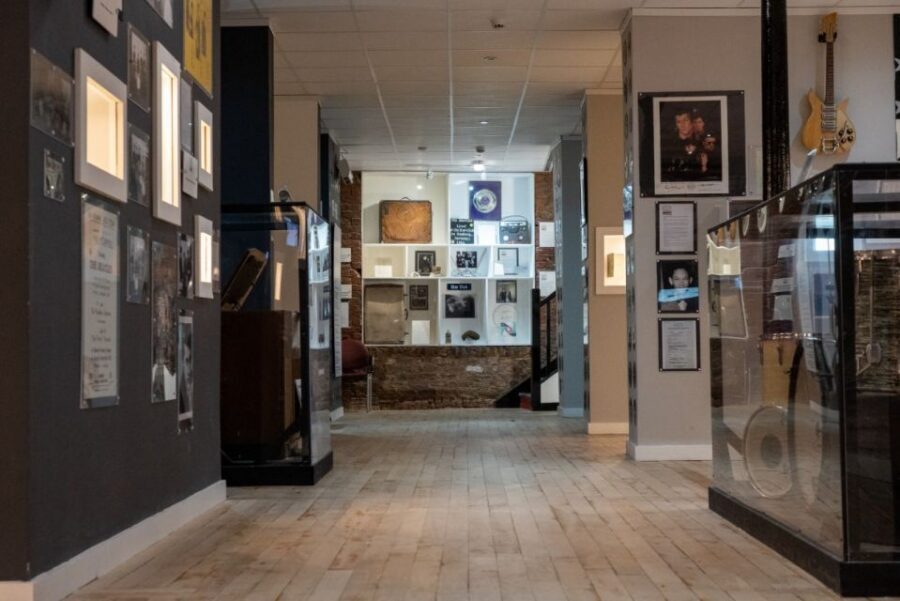
Three floors. One Beatles obsession. The Liverpool Beatles Museum stacks rare originals and big-name artifacts in the heart of Mathew Street, just yards from the Cavern Club. It’s one of the best places in Liverpool to make sense of how a local band became a global phenomenon.
I love the chronological layout—it’s built for following the story from early days through the end of the 1960s. I also love specific jaw-drop items, including John Lennon’s glasses, Sgt Pepper–era medals, and instruments tied to the group’s Hamburg days.
One possible drawback: this is a Grade II listed building with no lift access, so you’ll be using stairs.
In This Review
- Key things I’d circle before you go
- Mathew Street location: what makes this museum easy to love
- Three floors and a timeline: how to pace your visit
- Early years: Hamburg and Liverpool artifacts that tell the real story
- Studio years and icon artifacts: medals, cellos, and the gear behind the sound
- Audio guide and reading time: how to get the most without getting tired
- Price and value: is $26 a good use of your Liverpool time?
- Who this entry ticket is best for
- Should you book the Liverpool Beatles Museum entry ticket?
- FAQ
- How much does the Liverpool Beatles Museum ticket cost?
- How long should I plan to spend at the museum?
- Where is the meeting point for the ticket?
- What’s included in the ticket price?
- Is food or drink included?
- Does the museum have lift access?
- Is there an audio option during the visit?
- Can I cancel and get a refund?
Key things I’d circle before you go
- Three floors, clear time periods: the exhibits are organized by era so you don’t lose the thread.
- Over 1,000 authentic items: guitars, drums, personal objects, letters, and documents take center stage.
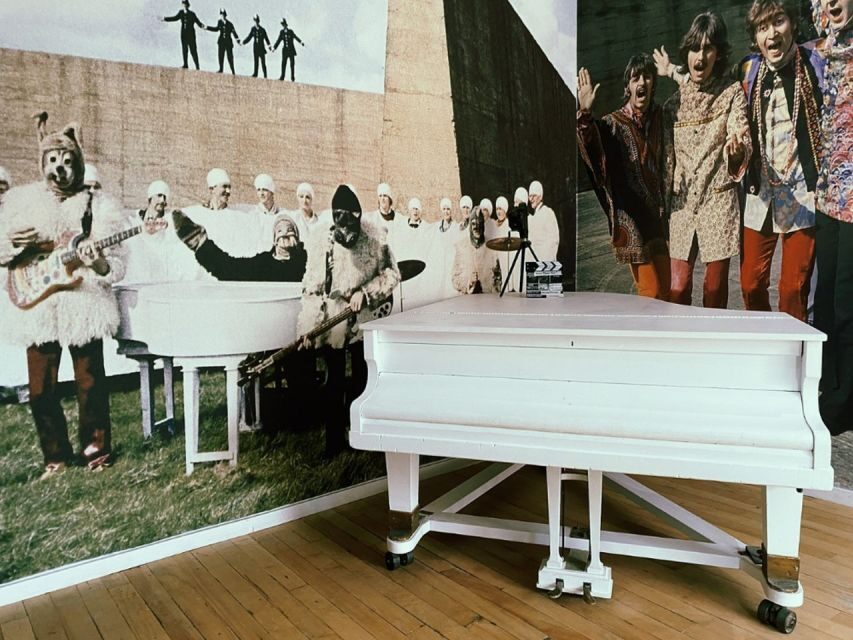
- Big-name one-of-a-kind pieces: Lennon’s glasses, Magical Mystery Tour items (including the white cello), and more.
- Optional audio guide: useful if you want extra context, but you can also read your way through.
- Plan 2+ hours: most people need time to read, watch, and look closely at the artifacts.
- No lift access: worth knowing if stairs would be tough for you.
Mathew Street location: what makes this museum easy to love
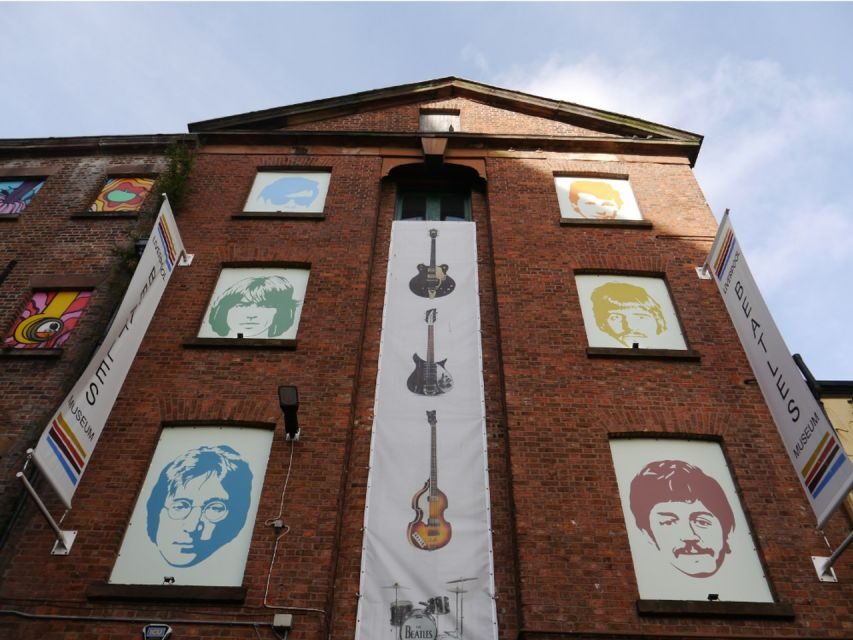
The Liverpool Beatles Museum is set right where Beatle history fans want to be: on Mathew Street, in the thick of Liverpool’s live-music energy. You’re also close to other Beatles stops, so this fits neatly into a day you’ve already planned around the Cavern Club area.
What makes the museum feel different is its focus on physical objects. Instead of relying only on screens and re-creations, you’re confronted with real items tied to real years—from early Liverpool and Hamburg to the Beatles’ studio era. If you like piecing together a story by looking at what people actually used and carried, this place makes that easy.
Also, it’s not just about the Beatles as a sealed-off bubble. There are signs of how the band connected with other artists in the period, which gives you more context than a simple timeline of songs and tours.
A few more Liverpool tours and experiences worth a look



Three floors and a timeline: how to pace your visit
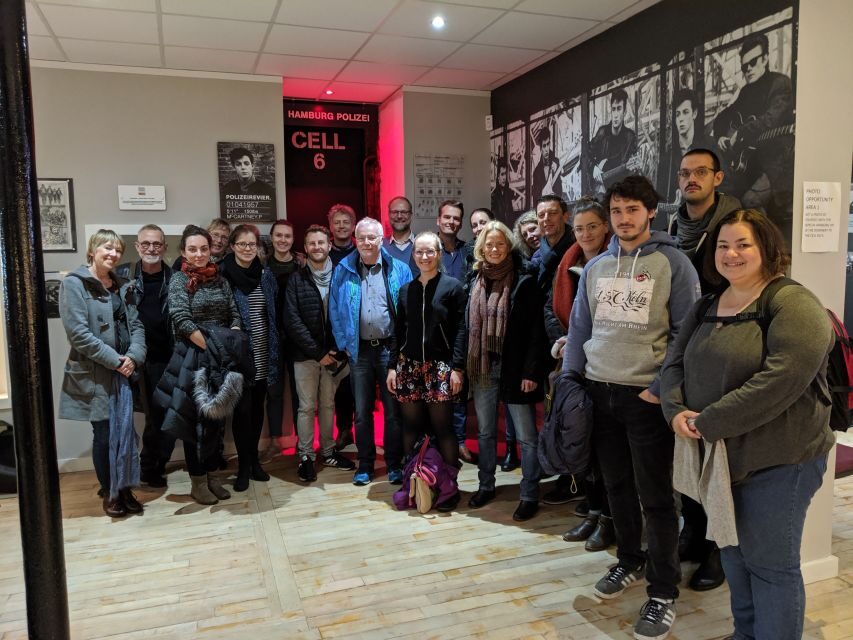
The museum is designed to be self-paced, but the layout does the heavy lifting for you. Each floor corresponds to different time periods, and the exhibits run in a chronological flow. That means you don’t have to guess where you are in the story—you can get your bearings fast and then keep moving forward.
Here’s a practical way to pace it:
- First pass (about 60–75 minutes): move steadily floor by floor, focusing on the main displays and larger artifact areas. Don’t get stuck reading every label yet.
- Second pass (about 60–90 minutes): slow down for the items that pull you in. This is where close-up viewing really pays off—especially if you’re the type who notices instrument details, tour-era clothing, and handwritten paper.
- Final sweep (optional 20–40 minutes): go back to your favorites and watch any footage loops you missed.
A lot of visitors land around the 2–3 hour mark. If you’re more music-nerdy than photo-nerdy, you might finish closer to 2 hours. If you like reading and absorbing details, give yourself more time so you don’t feel rushed.
One comfort note: there can be limited places to sit and listen to audio. If you need frequent breaks, plan for standing time and take it slowly.
Early years: Hamburg and Liverpool artifacts that tell the real story
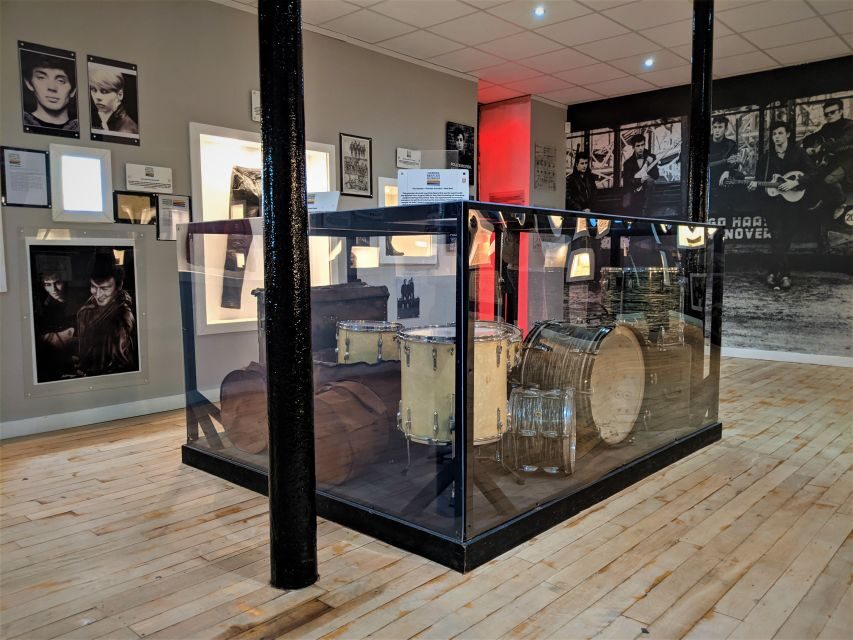
The museum doesn’t treat the early days as a vague prologue. It gives you concrete anchors from the period when the Beatles were sharpening their sound and stage presence—first through Liverpool connections, then through their Hamburg experience.
This is where you’ll want to spend time if you care about how rock and roll is shaped by performance. Seeing original guitars and drums from the band’s Hamburg days helps you picture what they were working with in practice, not just what they sounded like after fame.
You’ll also run into personal items and contextual material that help explain how the band changed as it grew. Even if you already know the big hits, these displays can help you understand the less-famous steps—how they learned to work as a unit, how they evolved their image, and how the scene around them mattered.
If you’re a complete Beatles beginner, you’ll still enjoy the story. That said, the museum tends to reward fans who like reading labels, tracing timelines, and spotting specific connections between years.
Studio years and icon artifacts: medals, cellos, and the gear behind the sound
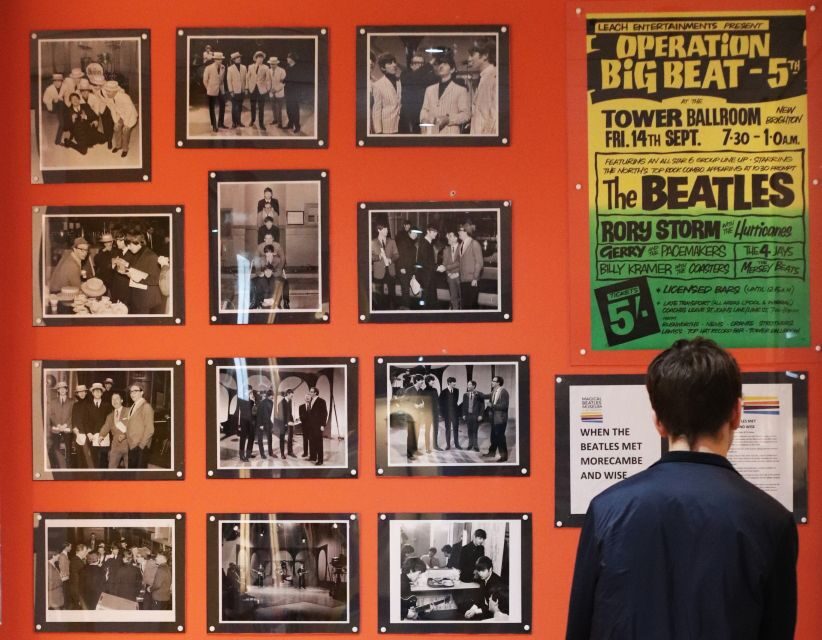
Once the museum moves into later decades, the artifacts become more instantly recognizable—even to people who aren’t deep in Beatles trivia. This is where the display cases feel like a greatest-hits collection, except the “hits” are real objects.
Some standout examples mentioned in the museum’s highlights include:
- John Lennon’s Sgt Pepper–era medals
- the white cello tied to Magical Mystery Tour
- Paul McCartney’s bass amp
Items like a bass amp are more than nostalgia props. They help you understand that the Beatles’ studio creativity wasn’t only about inspiration—it was also about tools, setup, and experimentation. When you can see the kind of equipment associated with a period, the music history becomes less abstract.
There are also loads of smaller personal artifacts—letters, exclusive interviews, and previously unseen footage. Even if you think you only care about guitars, spending time with these paper-and-photo pieces often pays off. They give the story texture: the relationships, the day-to-day momentum, and the way ideas moved from draft to performance.
One caution: depending on what angle you care about most, you might find some early lineup details handled in less depth than you want. If you’re specifically tracking debates around early band roles, bring your own curiosity and questions as you walk through.
Audio guide and reading time: how to get the most without getting tired
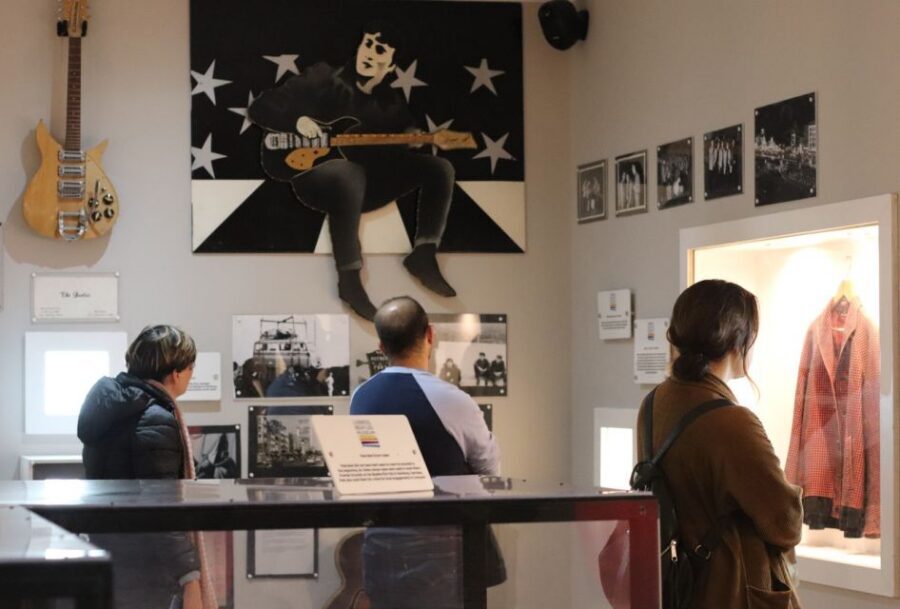
The museum offers an optional audio layer, and that’s a big deal for value because it gives you context while you’re looking at artifacts. Several visitors recommend it, especially if you want help connecting what you’re seeing to the bigger story arc.
Still, you don’t need the audio to have a great visit. The exhibits include plenty of text and visuals, and many people prefer reading at their own pace. If you’re the kind of traveler who hates being rushed by a fixed narrative, reading works well here.
One real-world consideration: the audio style can feel a bit odd for some listeners. There’s also mention that the spoken narration can have slightly strange grammar, so if you’re sensitive to that, you may get more satisfaction by reading the labels instead of relying on the audio.
Also watch the comfort factor. Some areas may have limited seating, so if long audio listening is your plan, consider using the audio for short bursts and then switching back to reading.
You can also read our reviews of more museum experiences in Liverpool



Price and value: is $26 a good use of your Liverpool time?
At around $26 per person, you’re paying for access to a museum built around physical authenticity: original items, multiple floors, and a guided-by-layout timeline. For Beatles fans, that price can feel like a bargain because many major attractions in major cities charge similar amounts while offering more general themes or heavier showmanship.
This museum is also a different type of attraction than the more interactive Beatles experiences you might see around the city. Here, the appeal is display-first. If you want hands-on activities and high-tech effects, you might find it more restrained. If you want memorable artifacts and a story that’s easier to track than a scatter of themed rooms, this is a strong fit.
For best value, plan the right time window. If you go for just 45 minutes, you’ll leave with only highlights. If you give it 2–3 hours, you’ll actually absorb the timeline and get the payoff from the number and variety of items.
Food and drink aren’t included, so plan a nearby snack plan or build in time to eat after. The upside is that the museum fits well into a day itinerary where you can walk out and keep exploring.
Who this entry ticket is best for
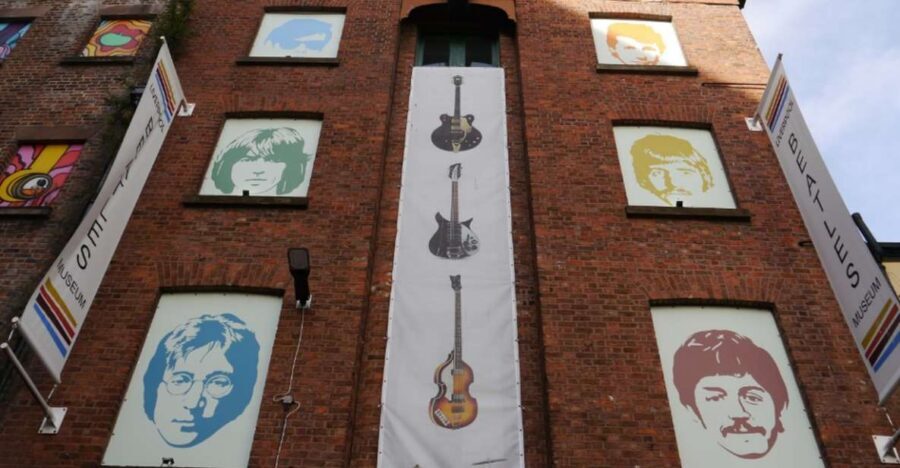
This ticket makes the most sense if you:
- love Beatles memorabilia and want original objects over re-creations
- enjoy chronological stories and want help connecting eras
- like reading labels and learning the details behind famous phases
- want a self-paced visit that doesn’t require a group schedule
Kids and teens can enjoy it too, especially if they’re big fans already. The difference is that younger visitors may spend more time on instruments and photos than on letters and interview text—so pace it accordingly.
If you’re a casual listener who mainly wants a quick hit, you might still enjoy it, but you may get more out of pairing it with other short Beatles stops so your day feels balanced.
Should you book the Liverpool Beatles Museum entry ticket?
Yes—book it if you’re a Beatles fan who wants the real artifacts, a clean timeline, and a visit that you can take at your own speed. The price is reasonable for a three-floor collection built around over 1,000 authentic items.
Skip it (or at least shorten your expectations) if you’re mainly looking for hands-on, game-like, or fully interactive entertainment. This is more about artifacts and context than flashy showmanship.
Also remember the stairs. If mobility is a concern, factor that in before you commit.
FAQ
How much does the Liverpool Beatles Museum ticket cost?
The entry ticket price is listed as $26 per person.
How long should I plan to spend at the museum?
The experience is listed as lasting 1 day, but based on typical visits people often spend a couple of hours to see everything comfortably.
Where is the meeting point for the ticket?
The meeting point is the Liverpool Beatles Museum.
What’s included in the ticket price?
The entrance fee to the museum is included.
Is food or drink included?
No. Food or drink is not included.
Does the museum have lift access?
No. The Grade II listed building is unable to provide lift access.
Is there an audio option during the visit?
Yes. The museum provides an audio service if you want it.
Can I cancel and get a refund?
Yes. Free cancellation is available up to 24 hours in advance for a full refund.