REVIEW · LONDON
London: 2-Hour Guided Tour of the British Museum and History
Book on GetYourGuide →Operated by My tour London · Bookable on GetYourGuide
One building can teach you how humans became humans. In 2 hours, this British Museum tour turns the world’s most famous artifacts into a clear story, with a licensed guide pointing out what matters and why.
I really like the fast, guided route through huge galleries—useful when you only have a short window in London. I also love how the tour leans into big turning points, like Egypt’s Rosetta Stone and the controversies around the Elgin Marbles, so you’re not just reading labels.
The main drawback to consider is audio and crowd pressure. One review complained about not being able to hear clearly and suggested the lack of headphones, so if you’re sensitive to noise or you’re in a tight group, plan to stand where you can see and hear your guide best.
In This Review
- Key Takeaways Before You Go
- Where This Tour Shines at the British Museum
- The 2-Hour Route: What You’ll See and Why It Matters
- Start in Ancient Egypt and the Rosetta Stone Moment
- Ancient Greece: Parthenon Legacy and Thought-Provoking Inscriptions
- Into Ancient Rome: Power, Engineering, and Everyday Myth
- The Elgin Marbles: Big Art, Big Debate
- Sutton Hoo: A Surprising Detour into Early England
- Easter Island’s Moai: Hoa Hakananai’a and Spiritual Art
- How the Guide Makes the Museum Feel Understandable
- Value and Timing: Is $37 Worth Two Hours?
- Who This Tour Fits Best
- Practical Tips for Making the Most of Your 2 Hours
- Should You Book This British Museum Highlights Tour?
- FAQ
- FAQ
- How long is the British Museum guided highlights tour?
- Where do I meet the guide?
- Is the tour a guided visit or self-guided?
- What languages are available?
- What’s included in the price?
- Is entry ticket included or not?
- How much does it cost?
- How do I receive my tickets?
- Is there free cancellation?
- Is the museum wheelchair accessible?
Key Takeaways Before You Go
- Licensed guide for a true highlights plan, not a random museum wander
- Egypt to Greece to Rome in one thread, with explanations that connect the eras
- Rosetta Stone focus, so you understand the basic “how” behind deciphering hieroglyphs
- Elgin Marbles context, including why they’re controversial in the museum world
- More than the big names, with stops like Sutton Hoo and a Moai from Easter Island
- Crowd navigation matters, since the British Museum can be packed
Where This Tour Shines at the British Museum
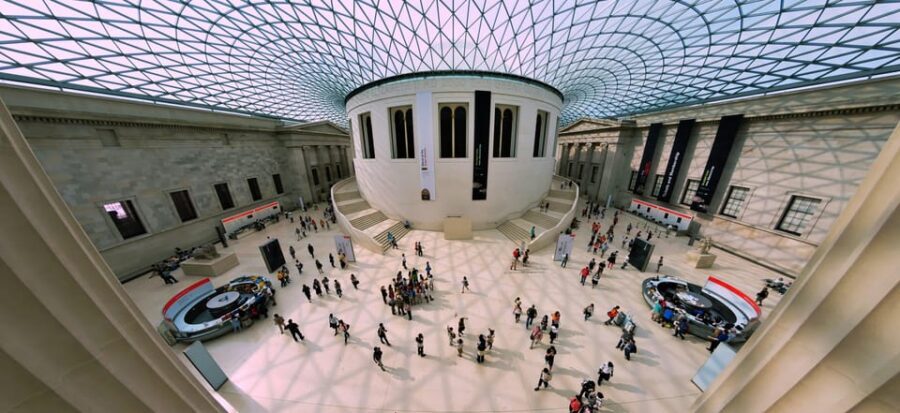
The British Museum is the kind of place where you can lose an entire day and still feel like you only touched the edges. This tour is designed for the opposite problem: too much to see, not enough time.
What makes it work is the way it gives your brain a timeline. You move from ancient Egypt into Greece, then Rome, then onward to other cultures—so the museum feels like a set of connected chapters instead of disconnected rooms. Your guide’s job is to help you get your bearings fast and then explain enough to make the highlights click.
It also helps that you’re not doing this alone. In a review of the tour, Daniel got praise for being informative and free-flowing while skillfully working around crowds in the short 2-hour window. Another review highlighted Filomena’s passion and the way she kept the group engaged with interesting stories. That kind of guide energy is a big deal in a museum this size.
You can also read our reviews of more guided tours in London



The 2-Hour Route: What You’ll See and Why It Matters
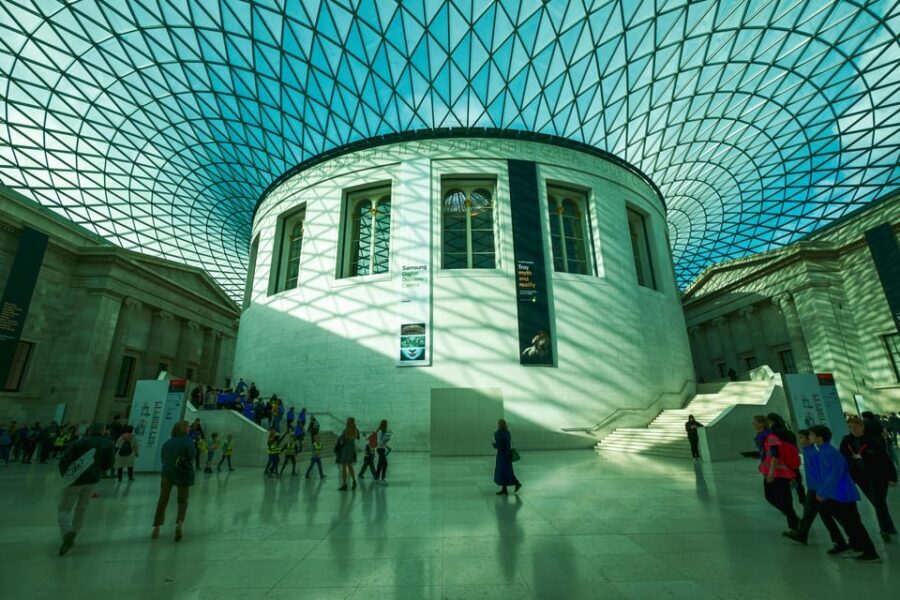
This tour is structured as a highlights circuit. You start with ancient Egypt, then follow with ancient Greece and Rome, and then branch out to other major collections that show how humans expressed power, belief, art, and daily life across continents.
The big value here is prioritization. With only 2 hours, you need guidance that helps you choose what’s most meaningful, not just what’s most famous. You’ll also get enough context that the artifacts stop being “cool objects” and start being evidence of real histories.
Here’s how the experience typically unfolds.
Start in Ancient Egypt and the Rosetta Stone Moment
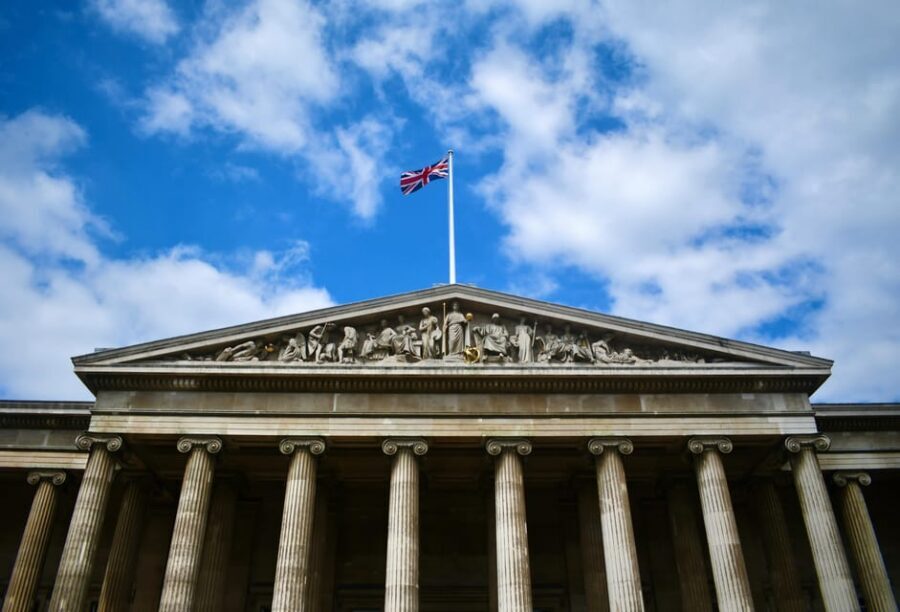
You begin in the Egyptian section, with the kind of artifacts that make you pause even if you’re not usually a museum person. Expect pharaoh-era relics and the focus on the Rosetta Stone, the key that helped people learn to read Egyptian hieroglyphs.
The Rosetta Stone stop is one of the strongest reasons to book this tour. Hieroglyphs can feel intimidating from behind glass—until someone explains the basic idea of how the breakthrough worked. Even if you don’t become an Egyptology expert, you’ll walk away knowing why that stone mattered and what it unlocked.
A practical note: Egyptian galleries can be popular, and the museum overall can be crowded. If you prefer photos, take a quick look, then reposition. Don’t fight for one perfect shot for five minutes while your guide moves on.
Ancient Greece: Parthenon Legacy and Thought-Provoking Inscriptions
Next you shift into ancient Greece, where the museum leans hard into philosophy, art, and political identity. You’ll see iconic sculptures linked to the Parthenon and hear about marble inscriptions that shaped Western thought.
This is where a guide helps most. The Parthenon material is famous, but the meaning is layered. A good explanation turns the objects into a conversation about how Greeks shaped ideas that later civilizations kept recycling—sometimes respectfully, sometimes with controversy.
If you care about art history, you’ll likely enjoy the way Greek sculpture is presented here: not just as decoration, but as public identity. If you’re more into political history, you’ll probably like the framing around inscriptions and the role of ideas in civic life.
Into Ancient Rome: Power, Engineering, and Everyday Myth
Then comes Rome—emperors, engineering, and the visual language of authority. You’ll move through Roman relics that include intricate mosaics and statues depicting gods and heroes.
The Rome segment is a smart middle chapter because it bridges how people thought about the world. In Greece you get philosophy and civic identity; in Rome you see how power becomes visible through art. Mosaics also help here, because they’re not just symbolic. They show technique, materials, and the tastes of people who lived with these images around them.
If you’re the type who likes connecting “what I’m looking at” to “how it worked in real life,” the Rome stops tend to deliver. It’s easier to understand Roman culture when you can see how myth and religion were displayed like part of public life.
You can also read our reviews of more historical tours in London






The Elgin Marbles: Big Art, Big Debate
You’ll also encounter the controversial Elgin Marbles as part of the Greek highlights focus. This matters because it’s not just an art-history talking point—it’s part of a modern ethics conversation about collecting, ownership, and how museums tell stories.
In a short tour, you may not get a full course on the debate, but you should get enough context to understand why people argue about these sculptures and why this museum display carries extra weight.
My advice: don’t treat the controversy as background noise. Let it change what you notice. You’ll probably end up looking more critically at what’s on display and how interpretation shapes your understanding.
Sutton Hoo: A Surprising Detour into Early England
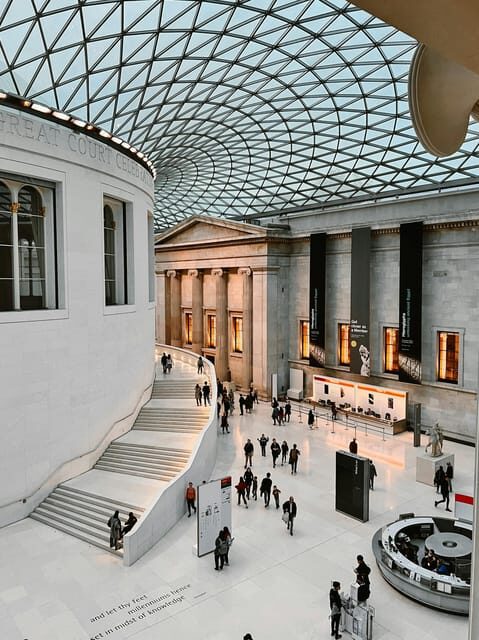
One of the more fun aspects of the itinerary is the switch to Sutton Hoo. You’ll see Anglo-Saxon treasures that offer glimpses into early English life.
This stop is valuable because it breaks the “ancient = Mediterranean” pattern. Sutton Hoo adds a different tone: less of the Mediterranean empire vibe and more of a window into the people living in what became England. It’s also a reminder that British Museum collections are not only about the far past “somewhere else.” They include parts of your own region’s earlier story.
If your brain likes variety, you’ll appreciate this shift. It also helps you avoid museum fatigue. You’re not stuck staring at one ancient civilization for the whole two hours.
Easter Island’s Moai: Hoa Hakananai’a and Spiritual Art
Then the tour moves to the Hoa Hakananai’a, a Moai from Easter Island. This is a striking change in subject matter and a great way to broaden what you think “human history” means.
What you’ll likely take away from this stop is how spiritual and cultural symbolism can look completely different depending on place and time. Even if you know the general idea of Moai statues, seeing one in a museum setting with guided explanation can make it feel less like trivia and more like a window into belief.
It’s also a reminder that a museum is a cross-world meeting point. You go from Egypt to Rome and then land in Easter Island—same human impulse to build meaning, different expression.
How the Guide Makes the Museum Feel Understandable
In a museum like this, the guide is the real product. A good guide does three things at once:
1) Picks the right objects for your limited time.
2) Connects them into a story you can remember.
3) Works around crowds so you keep moving.
One review specifically praised Daniel for guiding in a free-flowing way while navigating around the vast number of exhibits and crowds within the 2-hour period. That’s exactly what you want: not a scripted lecture, but a living explanation that keeps the group flowing.
Another review said Filomena was fantastic and that her passion for history came through, even for adults. That’s a sign the tour isn’t only for “museum nerds.” It should work for most people who want value and understanding without spending hours planning.
Value and Timing: Is $37 Worth Two Hours?
For $37 per person, you’re paying for two things: your guide’s time and an entry ticket plan that’s meant to get you into the museum experience efficiently. The description includes entry tickets in the “included” and “important information” sections, but there’s also a note listing entry ticket as not included. Since that’s contradictory, I’d treat it as a “double-check your booking confirmation” moment.
Even with that small wrinkle, the value logic is clear. If you go solo for two hours, you’ll still see some highlights, but you’ll spend more time deciding what to do and less time understanding why it matters. With a guide, you get a focused route and explanations that turn famous objects into meaningful moments.
Two hours is also a sweet spot. It’s long enough to hit Egypt, Greece, Rome, and more, but short enough that you won’t feel trapped or completely museum-saturated.
Who This Tour Fits Best
This tour is a strong match if you:
- want a structured highlights plan without committing a full day
- prefer understanding context over just taking photos
- like big historical transitions—Egypt to Greece to Rome
- want a mix of famous artifacts and more unexpected stops like Sutton Hoo and Easter Island
It may be less ideal if you:
- need quiet, low-crowd conditions to enjoy a tour
- struggle to hear in busy spaces (one negative experience raised concerns about hearing clearly)
- expect “every famous object” coverage (it’s a highlights route, not a full museum syllabus)
Practical Tips for Making the Most of Your 2 Hours
- Wear comfortable shoes. You’ll be moving through galleries.
- If crowds are heavy, stand where you can see the guide’s face and the artifacts at the same time.
- Have your phone handy for quick reference (photos, notes, and context), but don’t let it slow your group pace.
- Bring curiosity. The tour works best when you let it connect the eras rather than treating each stop as a separate checklist item.
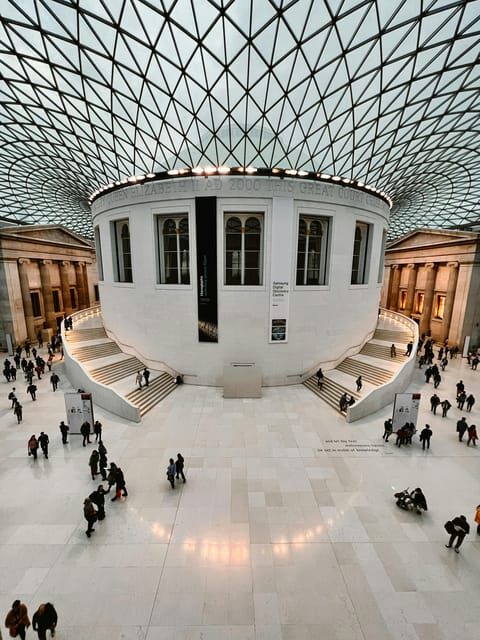
Also, the meeting point is inside the museum area: meet your guide in front of the British Museum portals on the stairs near the pillars after you pass security check (not outside the gates). Tickets are provided 1–2 hours before the tour via WhatsApp; if you don’t use WhatsApp, contact by email so they can send entry tickets.
Should You Book This British Museum Highlights Tour?
I’d book it if you want a smart, guided overview that covers the museum’s biggest storyline in two hours. The Rosetta Stone and Parthenon-related material provide the major anchors, while the added stops like Sutton Hoo and a Moai from Easter Island help you leave with a broader sense of human cultures.
I’d pause and think twice if you’re very sensitive to crowd noise or you strongly rely on clear audio. Since one unpleasant experience described serious hearing issues, you’ll want to position yourself well and plan to pay attention to where your group stands.
FAQ
FAQ
How long is the British Museum guided highlights tour?
It lasts 2 hours.
Where do I meet the guide?
Meet your guide in front of the British Museum portals on the stairs near the pillars after passing the security check. This is not outside the gates.
Is the tour a guided visit or self-guided?
It is a live guided tour with a licensed guide.
What languages are available?
The tour guide is offered in English, French, and Italian.
What’s included in the price?
The tour description lists the British Museum guided tour and an entry ticket as included, and it also states the activity includes entry tickets. Because there is also a note saying entry ticket is not included, check your booking confirmation.
Is entry ticket included or not?
The information includes entry tickets under included and also states the activity includes entry tickets, but there is a conflicting note that lists entry ticket under not included. Verify in your confirmation message.
How much does it cost?
The price is listed as $37 per person.
How do I receive my tickets?
Tickets are provided 1–2 hours before the tour via WhatsApp. If you don’t have WhatsApp, you can contact the provider by email so they can send the entry tickets.
Is there free cancellation?
Yes. Free cancellation is offered up to 24 hours in advance for a full refund.
Is the museum wheelchair accessible?
Yes. The museum is wheelchair accessible.