REVIEW · LONDON
London: Beatles Walking Tour with Abbey Road Crossing
Book on GetYourGuide →Operated by London Walks and All · Bookable on GetYourGuide
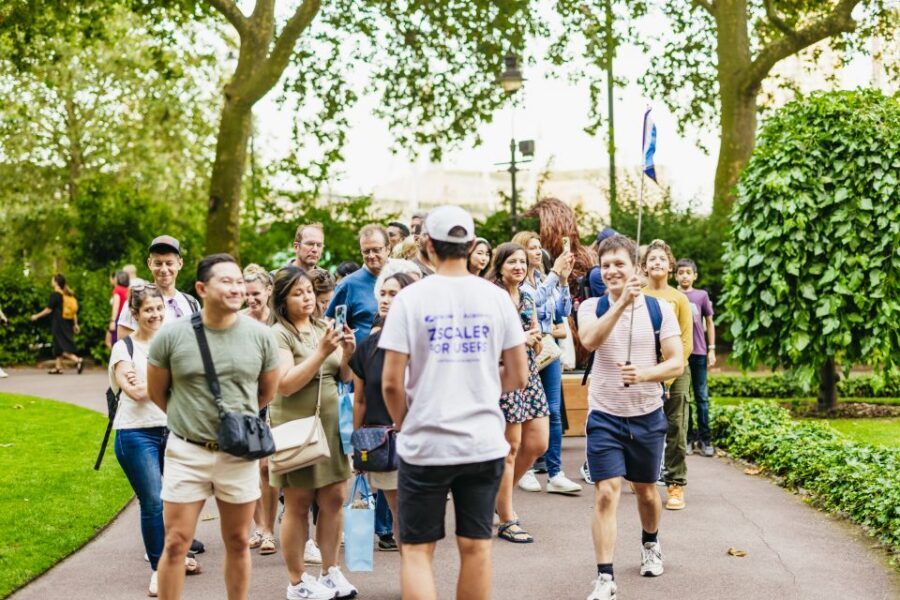
Abbey Road is a magnet for Beatles fans. This 2.5-hour walk strings together the Abbey Road photo moment, real studio addresses, and the smaller, weirder details that make the city feel like part of the band’s story. You’ll move through neighborhoods around St. John’s Wood and Marylebone with a live guide from London Walks and All.
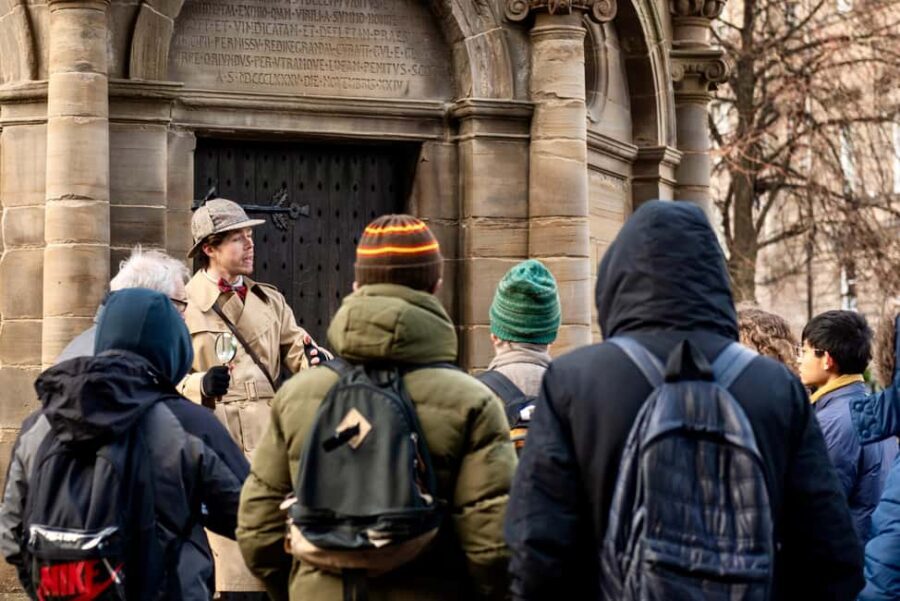
I especially like two things. First, the stop at the Abbey Road Crossing is handled in a way that actually helps you get great photos without wasting time guessing. Second, the guide style stands out: Grant uses an iPad with historical footage as you go, and he’ll even help with video or photos at the crossing so you leave with more than just the usual snapshot.
The main thing to consider is that this is a proper walking tour. If someone in your group tires easily or you prefer a slower pace with more lingering, you may find it a bit brisk.
Key points at a glance
- Abbey Road Crossing photo time, plus Abbey Road Studios context that makes the landmark feel earned
- A Tube hop to Marylebone Station, tied to the movie locations around A Hard Day’s Night
- John Lennon Blue Plaque stop and the arrest-related drug bust story that adds bite to the era
- Carnaby Street and John Lennon statue sightings, plus shop-and-neighborhood details for nerdy fans
- The walk ends near Savile Row with the location of the last-ever Beatles concert
- Lots of addresses packed into 2.5 hours, so comfortable shoes really matter
In This Review
- Abbey Road Crossing Photos That Feel More Than Staged
- Abbey Road Studios: How the Address Turns Into a Story
- St. John’s Wood and Marylebone: Film Locations Beyond the Usual Stops
- Paul’s Dream, Blue Plaques, and the Darker Edges of Beatlemania
- Speakeasy Lore, Brian Epstein’s NEMs, and Carnaby Street Sightings
- Apple Boutique, Apple Corp, and Why Some Stops Are a Tough Sell
- Bag ’o’ Nails and the Linda Meeting Story
- The Finale at 3 Savile Row (and the Walk’s Real Timing)
- Price and Logistics for a 2.5-Hour Beatles Walk
- Who This Tour Fits Best (and Who Should Skip It)
- Should You Book This Beatles Walking Tour?
- FAQ
- Where do I meet the guide for the Beatles walking tour?
- How long is the tour?
- What does the tour cost?
- Is Abbey Road Crossing included?
- Do we see Abbey Road Studios?
- Is there Tube travel during the tour?
- Will we have chances to take photos or video?
- What’s the end location?
- Is this tour suitable for children?
- What should I bring?
Abbey Road Crossing Photos That Feel More Than Staged
You come for the zebra stripes, and that’s exactly why this tour works. The Abbey Road Crossing stop isn’t just a quick look—it’s treated like the centerpiece. You walk in a guided rhythm so you know where to stand for the picture and when to move on, instead of getting stuck in the usual crowd shuffle.
What I like most is how the landmark gets grounded with context while you’re still standing there. You don’t just get told it’s famous. You get the sense of how the Beatles’ real-world footprint in London built the myth—and how the crossing became part of modern pop culture.
And yes, you’ll want a camera. Also, be a little strategic with your timing: the crossing attracts people who stop traffic for their own photos. Your best move is to keep your picture plans tight and follow the guide’s direction so you’re not wandering into the flow of pedestrians and vehicles.
Abbey Road Studios: How the Address Turns Into a Story
Right after the crossing, you’ll get taken toward the Abbey Road Studios story. This is where the tour shifts from postcard London into real working-London details—where songs were recorded and where the band’s presence became routine.
The value here isn’t only that the studio is famous. It’s that the guide links what you’re seeing to the way music gets made and remembered. When the guide adds historical footage on an iPad, the studio location stops being a name and starts acting like a timeline you can picture.
If you’re the type who likes understanding why a place matters, this portion is satisfying. Even if you’re not a studio-nerd, it helps you connect the crossing image to something more tangible: a real place where the Beatles turned ideas into recordings.
You can also read our reviews of more walking tours in London



St. John’s Wood and Marylebone: Film Locations Beyond the Usual Stops
The tour starts in St. John’s Wood, with the meeting point outside Helter Skelter Coffee Shop. From there, it builds outward through neighborhoods that many first-time visitors never think to explore for Beatles lore.
One of the best practical beats is the Tube journey to Marylebone Station. You get to travel like locals do, but you’re doing it with a point. Marylebone Station shows up as a film location tied to A Hard Day’s Night, so you’re not just taking transit—you’re riding between beats in the story.
This is also where you start seeing how London shaped the Beatles’ on-screen image. Marylebone and the surrounding streets give you the feel of how the band’s world could look both polished and ordinary at the same time, which is part of what makes those films replayable.
Paul’s Dream, Blue Plaques, and the Darker Edges of Beatlemania
Not all Beatles stops are cute and sunny. A highlight is the Blue Plaque for John Lennon, paired with the infamous drug bust that led to Lennon and Yoko being arrested. That adds a real edge to the tour. It’s a reminder that the Beatles weren’t just marketing; they were headline news, and the headlines had consequences.
Then there are the other story-shaped addresses: the former home area tied to Paul’s dream that produced what became the most covered song in history, and spots connected to the city’s Beatles-era chaos. The tour points you toward specific locations tied to business and rumor, not just to the most famous photos.
For me, the tour’s best trick is that it blends wonder with friction. You get the magic of recognition—this is where it happened—but you also get the reminder that fame brought pressure, police attention, and messy public moments.
Speakeasy Lore, Brian Epstein’s NEMs, and Carnaby Street Sightings
As you keep walking, you’ll pass the BBC and hear about the former site of the Speakeasy Club. You’ll also see where Beatle Mania was created, along with the location of Brian Epstein’s NEMs offices. If you love the Beatles story as a whole machine—music, press, club culture, management—these are the stops that make you sit up.
Carnaby Street is another payoff. You’ll walk through it and see a statue of John Lennon there. It’s the kind of stop that’s simple on paper, but it lands because it puts the Beatles into the broader London identity of the 1960s: style, street life, and the way fame turns into design.
One caution: if you prefer only the most iconic landmarks, some of the in-between stops may feel more like chapters than blockbuster scenes. Still, they’re exactly the pieces that turn a simple walking tour into an experience that feels like you understand the city’s role in the Beatles’ rise.
Apple Boutique, Apple Corp, and Why Some Stops Are a Tough Sell
The tour includes the area connected to the Apple Boutique shop and the base where Apple Corp was based. It also touches on the site tied to the last-ever Beatles concert, so the Apple brand shows up in two ways: as an idea and as an actual London footprint.
Here’s the honest part: not every Apple-related stop will click for everyone. Some fans love the ambition behind the brand; others find it a bit of a letdown compared to the myth. The good news is that even if Apple isn’t your favorite chapter, the guide keeps moving with enough context that you’ll still learn why the addresses mattered at the time.
If you’re a fan who likes the Beatles as entrepreneurs, plus the intersection of music and retail culture, you’ll likely enjoy these sections a lot.



Bag ’o’ Nails and the Linda Meeting Story
As you reach the later stretch, you’ll see where Paul’s favorite club, the Bag ’o’ Nails, was located. The stop ties to the moment he first met Linda, which gives the tour a more personal angle.
This is one of those moments where the address matters less than the connection. It’s not just a place name; it’s a turning-point detail that changes how you think about the people behind the songs. It also offers a break from the nonstop “tourist landmark” mode. You’re learning something human, not only iconic.
The Finale at 3 Savile Row (and the Walk’s Real Timing)
The last stop is the venue of the last-ever Beatles concert at 3 Savile Row. It’s a strong closing note because the story stops being about beginnings and becomes about the end of an era.
This part also matters for timing. This tour runs about 2.5 hours, so you’ll likely feel the length in your legs. The route packs a lot in: multiple neighborhood changes, several short guided segments, a Tube ride, and plenty of photo opportunities.
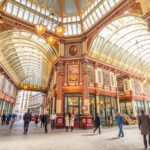
By the time you finish near Burlington Arcade, you’re ready for a breather—and you’ve got one clear “wrap-up” image in your mind: the Beatles story ending in a real London venue, not an abstract timeline.
Price and Logistics for a 2.5-Hour Beatles Walk
At $26 per person for about 2.5 hours, you’re paying for guided routing and interpretation, not for museum entries. That can be a great value in London, where you can spend a lot of time and money just trying to find the right streets.
Included highlights make the price feel more justified:
- A guided walking tour through Beatles-related locations
- Abbey Road and Abbey Road Studios stop(s)
- A Tube journey to Marylebone Station
- Blue Plaque and marriage-related location stops
- Ending near Savile Row for the last-ever concert venue
What’s not included: meals, drinks, entrance fees to attractions, and transport outside the tour path.
So I’d plan like this: treat it as a “pay attention and take notes” walking experience, then handle lunch or snacks separately after. Bring water. You’ll be glad you did.
Pace matters: with a tight schedule, the guide has to keep things moving. One person in the tour data felt the group fell behind at times, and another noted the guide may not be overly showy in delivery. If you’re sensitive to fast pacing, keep closer to the front and don’t hesitate to ask questions as you go.
Who This Tour Fits Best (and Who Should Skip It)
This is a good fit if you:
- Want a Beatles-themed walk that hits both landmarks and lesser-talked-about addresses
- Like photo moments at Abbey Road with guidance on where to stand
- Appreciate a guide who brings visuals, using historical footage on a device while you walk
It’s less ideal if you:
- Need wheelchair-friendly routes or have mobility limits, since it’s not described as suitable for mobility impairments
- Are bringing very young kids (it’s not suitable for children under 10)
- Prefer long stays at each stop rather than a fast-moving sequence
- Have heart problems or find steady walking uncomfortable
Also, pack the basics: comfortable shoes and a camera. London weather can change fast, so layer up and expect some outdoor time.
Should You Book This Beatles Walking Tour?
If you’re a Beatles fan visiting London for a short window, this is an efficient way to turn the biggest icons—especially Abbey Road—into a connected story. The best reason to book is how the guide links locations to scenes and context, including film-location ties and darker, headline-era details like Lennon’s arrest period.
You should probably pass or look for a slower alternative if you know you’re limited by walking distance, or if you want a more theatrical, high-energy presentation rather than a quieter, story-first guide approach.
FAQ
Where do I meet the guide for the Beatles walking tour?
You meet outside the Helter Skelter Coffee Shop.
How long is the tour?
The tour runs for about 2.5 hours.
What does the tour cost?
It’s priced at $26 per person.
Is Abbey Road Crossing included?
Yes. You visit Abbey Road Crossing and have time for a photo at the iconic spot.
Do we see Abbey Road Studios?
Yes. The tour includes a stop connected to Abbey Road Studios and its history.
Is there Tube travel during the tour?
Yes. The tour includes a short Tube journey to Marylebone Train Station.
Will we have chances to take photos or video?
Yes. There’s an opportunity to take photos at Abbey Road Crossing, and the guide may assist with video or photos at that stop.
What’s the end location?
The tour ends at Burlington Arcade, after visiting 3 Savile Row, which is the venue of the last-ever Beatles concert.
Is this tour suitable for children?
No. It’s not suitable for children under 10.
What should I bring?
Bring comfortable shoes, a camera, and water.