REVIEW · LONDON
London: Black Legacies Walking Tour
Book on GetYourGuide →Operated by Black Legacies London - Westminster Trail · Bookable on GetYourGuide
A London corner can feel ordinary until someone tells the story behind it. This Black Legacies Westminster walk turns everyday streets into a guided trail of London’s Black presence, from Roman times to now. I like that it moves fast enough to hold your attention, but slow enough to notice details you’d otherwise pass. I also like the way the guide points out specific, memorable locations along the way, like the burial place of cartoonist John Arbothnot. One thing to consider: it’s a street-level walk with a lot of time on your feet, so comfort and stamina matter.
You’ll start at Eros (Shaftesbury Memorial Fountain) in Piccadilly Circus and end around Westminster’s political heart near Westminster Abbey and Parliament Square. I really like the focus on names and places, not just broad ideas. The only drawback I’d flag is the schedule can be weather-dependent like most walking tours in London, and the notes also say it’s wheelchair accessible while listing it as not suitable for wheelchair users—so if mobility is a factor, you’ll want to double-check.
If you’re curious about how London shaped, benefited from, and remembered the lives of Black communities, this is an efficient way to get grounded fast. You’ll walk away with clearer context for Westminster’s famous streets, and a better sense of how abolitionists and performers connected to the city’s public spaces.
In This Review
- Key highlights to know before you go
- Entering Westminster through Piccadilly’s front door
- Roman times to today: what the guide maps for you
- The stops that hit hardest (and why they’re worth it)
- How the guide turns streets into a story you can recall
- Price and value: what $26 buys you in real learning time
- Picking the right trail: Westminster vs Brixton vs the City
- Timing, weather, and what to bring for a smooth walk
- Who should book this tour (and who might want to think twice)
- Should you book the Black Legacies Westminster Trail?
- FAQ
- Where does the Westminster trail start?
- Where does the Westminster trail end?
- How long is the tour?
- How much does it cost?
- Is the tour only for the Westminster trail?
- Is the tour offered in English?
- What’s included in the price?
- What should I bring?
- Are there any rules about photos or smoking?
- Who should avoid booking?
- Does the tour run in bad weather?
Key highlights to know before you go
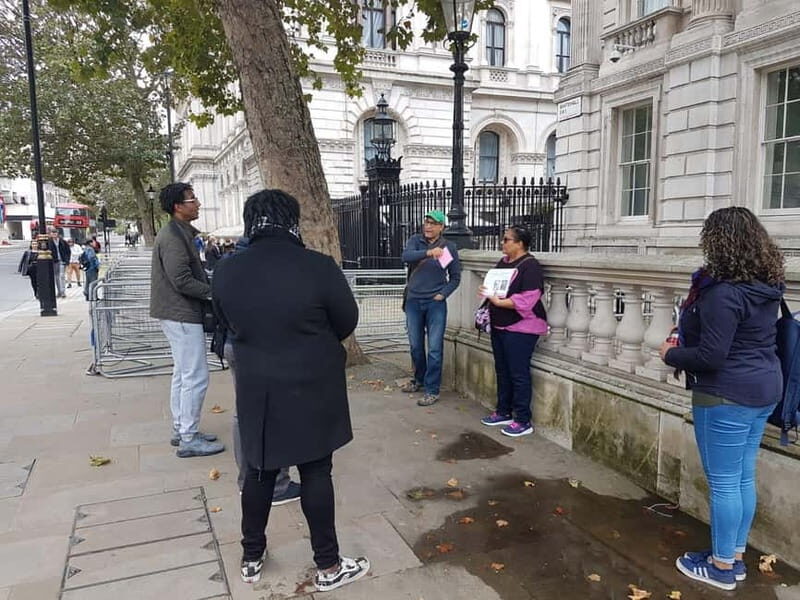
- Eros Statue start point: easy to find at Piccadilly Circus, with a green-capped guide
- From Roman times to the present: the tour follows an African presence across centuries
- 50 places of interest: plenty of stops, including John Arbothnot’s burial place
- Hard conversations handled on foot: Blackface entertainment and abolitionist connections are part of the route
- Two-hour format: enough time to learn a lot without burning your entire day
- Choose your trail: Westminster, Brixton, or the City of London, depending on what you want most
Entering Westminster through Piccadilly’s front door
The smartest part of this tour is the starting choice. You meet at Eros (Shaftesbury Memorial Fountain), right at Piccadilly Circus. That’s a classic London landmark, but here it’s used as a launch pad: you’re not just doing sightseeing. You’re setting your brain to notice history in the middle of a modern city.
From there, you walk through central streets that most people think they already know. The key difference is the guide’s framing. Instead of “look at this building,” you’re asking “who was here, and what did their presence change?” That approach works well in Westminster, where government and ceremony can make the past feel sealed off. On this walk, it isn’t sealed. It’s right there on the pavement, in the streets and addresses people associated with.
The tour is designed to last two hours, which is a practical sweet spot. It’s long enough to cover a lot of ground and hit the more specific stops—like named individuals and particular locations—without turning into a slog. It’s also short enough that you can still plan dinner afterward.
One small practical note that matters: the tour runs in all weather conditions. London can do the weather thing where it changes its mind every ten minutes, so plan for that. Comfortable clothes and a hat help. If you’ve ever tried to take photos while your hands are freezing, you’ll appreciate having sunscreen and water too.
Finally, check the practical rules: no smoking, and no flash photography. Those are simple, but they help the whole group stay focused and respectful.
You can also read our reviews of more walking tours in London



Roman times to today: what the guide maps for you
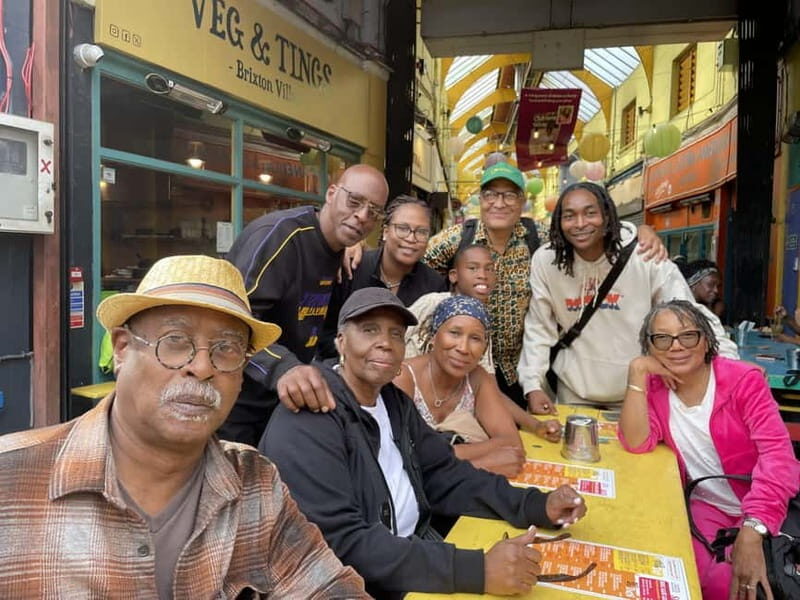
The heart of the Westminster trail is the story of African presence in London from Roman times to the present. That might sound like a big timeline to fit into two hours, but the tour handles it by turning history into waypoints. You’re given a series of locations where Black presence shows up in different forms—community life, public culture, and the political movements around slavery and abolition.
You’ll also walk along some of London’s best-known streets. That’s important because it changes the feeling of the experience. You’re not in a museum corridor where everything is labeled. You’re outdoors in the City’s living geography. As you move, the guide helps you connect those well-known streets to a less commonly taught set of stories.
A big part of why this works is that the tour doesn’t stay abstract. It uses concrete places and names. You’re told to look for what’s still visible, and what isn’t. Sometimes the most striking lessons come from what you expected to be generic—street corners, entertainment sites, and memorial spaces—turning out to be tied to Black people and their cultural impact.
Also, the route focuses on the Black community’s contributions to London’s culture. That matters because London history is often told as if it’s only about institutions. This walk brings human presence and cultural influence back into the frame, so you’re not just learning dates. You’re learning relationships between people and places.
If you like walking tours that include specific references and a sense of direction, you’re likely to enjoy this format. You’ll move from famous landmark area toward Parliament Square and the Westminster Abbey vicinity, so the end feels like a landing: the political center of the UK, connected to stories that reach far beyond the usual plaques.
The stops that hit hardest (and why they’re worth it)
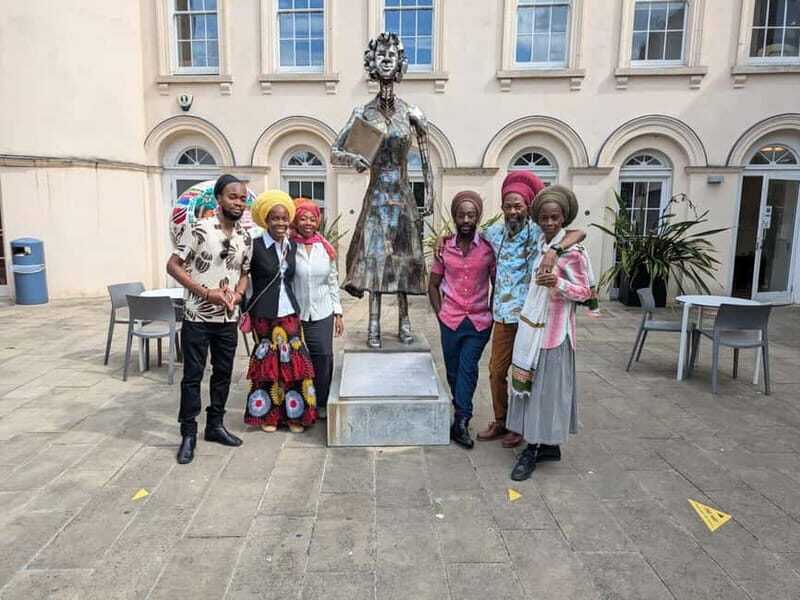
This trail includes 50 places of interest, which means you’ll have a full set of moments where the guide points, explains, and gives you something to hold onto. Three of the best examples of what makes this tour memorable are the named locations the guide highlights.
First up: the burial place of cartoonist John Arbothnot. Even if you don’t know the name, it’s the kind of stop that changes how you view a city cemetery or memorial space. It turns a quiet location into a story node. The value here is that it shows how Black life and recognition weren’t limited to public buildings. They also existed in cultural spaces and memorials.
Second: the location where the Christy Minstrels entertained Londoners in Blackface. This is one of those stops where the tour doesn’t treat history like a neat display case. It confronts painful public entertainment practices connected to racism and performance. You should expect the guide to handle this with historical context rather than shock-for-shock’s sake. The takeaway for you is clarity: how race was packaged for audiences, and how public culture helped normalize ideas that later abolitionists and activists challenged.
Third: a meeting place of famous abolitionists such as Joshua Wedgewood. That stop connects the street-level experience to the political push against slavery. It helps you see that abolition wasn’t just a moral idea floating in speeches. It was organized through real people and real locations in the city.
What I like about including stops like these is that they keep the tour honest. It doesn’t only highlight pride and achievement. It also includes the systems that limited people’s lives and opportunities, including racist entertainment and slavery-linked wealth. That balance is useful: you finish with a more accurate understanding of what London carried, and what people fought to change.
How the guide turns streets into a story you can recall
A walking tour lives or dies on how it makes you pay attention. Here, the biggest clue is the meeting detail: your guide is wearing a green cap. It’s a small thing, but it signals how organized the tour is. You’re not wandering trying to match faces to descriptions.
The guide role matters because you’re dealing with sensitive topics and big concepts. You’re learning about the Black community’s presence across centuries, plus entertainment practices and abolition connections. Without careful storytelling, it could become a list of facts. With good narration, it becomes a map you can recall later.
I also like that the tour includes book references and food and ethnic restaurant recommendations. That turns learning into follow-through. After a tour like this, it’s easy to feel like you absorbed something and then moved on. These additions help you keep the conversation going through reading and through real-life experiences of London’s food scene, which is one of the most practical ways to meet culture face-to-face.
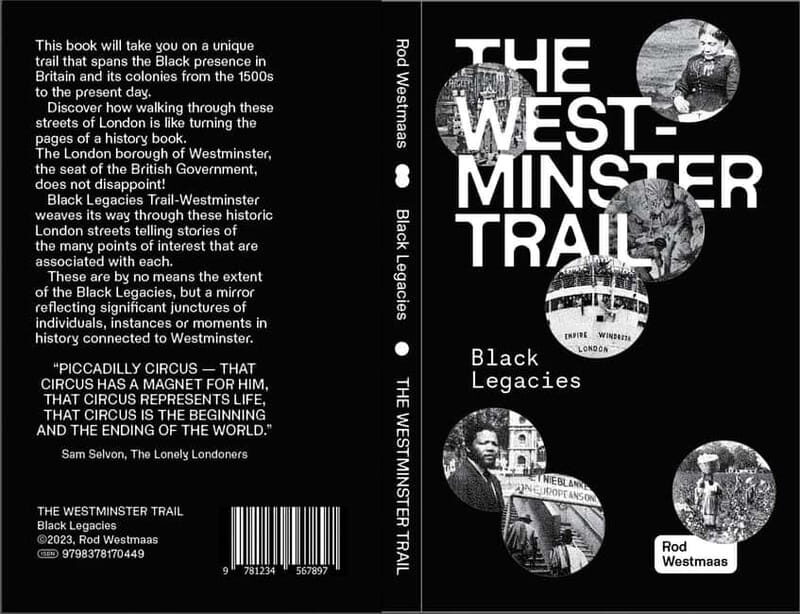
Another nice layer is the opportunity to purchase a Black Legacies the Westminster Trail companion book. A book doesn’t replace walking, but it’s helpful if you want to anchor what you saw with more reading. You can use it for later when you’re back home and the street names start to blend together.
And there’s a social bonus: the tour includes networking opportunities. That’s not the main reason to book, but in practice it can help if you like exchanging questions with others who care about history beyond the highlights.
Price and value: what $26 buys you in real learning time

At $26 per person for two hours, this isn’t a bargain-priced “quick walk.” It’s priced like an experience where you’re paying for an expert guide and structured storytelling. And you do get a lot for that amount: you’re covering a central route, hitting many named points (50 places), and getting historical context tied to specific locations.
Here’s the value logic I’d use if you’re weighing it against other things in London:
- You get guided interpretation, not just sightseeing. That’s where walking tours usually pay off.
- The tour is topic-focused, not generic. That saves you from spending your limited time in London on surface-level history.
- You receive extra supports, like book references and restaurant suggestions.
- You have a clear start and end in the Westminster/Piccadilly core, so it fits well into a day plan.
Is there any reason the price might feel high? If you’re not comfortable with walking for two hours, or if you only want quick, light cultural facts, this might feel like too much depth. Also, if you need to sit frequently, you should consider whether this format will be comfortable—standing and walking are central to the experience.
But if you want a guided street-level education with specific locations and memorable stories, $26 feels like money spent where it matters: in front of you, on the pavement, with context you won’t get from a phone alone.





Picking the right trail: Westminster vs Brixton vs the City
This experience is part of a set of trails, and you can choose based on what you want to learn most. The Westminster trail focuses on the African presence in London from Roman times onward, moving from Piccadilly Circus toward Parliament Square and the Westminster Abbey area.
If you want community energy and modern neighborhood storytelling, the Brixton trail is built around that. You meet at the Brixton Tube Booking Hall and take a journey through time centered on Brixton’s history and culture. It also includes discounts at certain stores along the Brixton trail, plus food and restaurant recommendations generally tied to the experience’s theme.
If you want the most direct link to the slavery economy in the urban geography, the City of London trail may be your better match. It begins at Mark Street Gardens (Luke and Mark Street) and ends at the Bank Tube Station. That route touches the lives of 12 families or individuals connected to enslaved Africans and includes discussion of compensation paid after manumission—amounts described as millions of pounds in today’s money. It’s also the trail most explicitly tied to homes, offices, properties, and land connected to British Guiana.
So how do you decide? My practical rule:
- Choose Westminster if you want the big-picture sweep and the abolition and public-life connections across centuries.
- Choose Brixton if you want neighborhood heritage and culture in a place with strong local identity.
- Choose City of London if you want the most focused look at wealth, property, and the aftermath of manumission.
Even if you book Westminster this time, knowing the other trails helps you plan future days in London.
Timing, weather, and what to bring for a smooth walk
This is a two-hour tour, and you should plan it as a real chunk of active time. That means your shoe choice matters. Bring comfortable shoes you can walk in for two hours on sidewalks and street crossings.
Also bring:
- a hat
- sunscreen
- water
- a camera
- comfortable clothes for changing weather
You’ll want water even if it’s cool out. London weather loves to fool you. The tour runs in all weather conditions, so you’ll be outside for the duration.
One more practical instruction: arrive 15 minutes before the scheduled start so you’re not rushing at the exact moment the guide is starting to set the tone. That early arrival also helps you find the guide in the green cap.
If you’re taking photos, remember: no flash photography. Keep it simple, use regular camera light, and you’ll be fine.
Who should book this tour (and who might want to think twice)
This walk is best for adults and older kids who want an on-foot education that includes both cultural contributions and difficult historical topics. It’s listed as not suitable for children under 10, and it also says it’s not suitable for babies under 1 and for people over 95.
It also has a mixed message on mobility. It’s marked wheelchair accessible, but the tour notes it’s not suitable for people with mobility impairments and not suitable for wheelchair users. If you’re in that category, don’t guess. Check directly with the operator so you’re not setting yourself up for a rough day.
If you’re a history buff, you’ll likely enjoy the way the tour uses names and specific references. If you’re a first-time visitor, you’ll get a stronger feel for London beyond the standard monuments. And if you’re a local, it can be refreshing in the way it reframes streets you’ve walked past without thinking.
Also, if you like guided experiences with reading support, you’ll probably like the book references and the companion book option.
Should you book the Black Legacies Westminster Trail?
I’d book it if you want a focused, two-hour walk that connects Black presence in London to actual places—especially if you’re interested in abolitionist stories, public culture, and how history shows up on well-known streets.
I’d hesitate only if you need lots of seating breaks, because this is still a walking tour. And if you fall into the mobility-related categories, you should confirm fit before paying.
One final reason I’d lean toward booking: it’s not trying to sell you a vague idea of the past. It gives you specific locations, including stops tied to John Arbothnot, the Christy Minstrels and Blackface entertainment, and abolitionists like Joshua Wedgewood. That kind of detail is what makes the learning stick after you’ve left the Westminster sidewalks.
FAQ
Where does the Westminster trail start?
For the Black Legacies Westminster trail, you meet at the Eros statue at the Shaftesbury Memorial Fountain. The guide will be wearing a green cap.
Where does the Westminster trail end?
The trail ends at Westminster Abbey.
How long is the tour?
The tour lasts 2 hours.
How much does it cost?
The price is $26 per person.
Is the tour only for the Westminster trail?
No. You can choose from three trails: Westminster, Brixton, and the City of London.
Is the tour offered in English?
Yes, the live tour guide is in English.
What’s included in the price?
Included are an expert guide, the walking tour, insightful stories and historical context, book references, suggestions of other tours, cultural awareness, networking opportunities, statues and landmark knowledge, and food/ethnic restaurant recommendations. You may also purchase the Westminster Trail companion book, and there are discounts at certain stores along the Brixton trail.
What should I bring?
Bring comfortable shoes, a hat, a camera, sunscreen, water, and comfortable clothes.
Are there any rules about photos or smoking?
Smoking is not allowed. Flash photography is not allowed.
Who should avoid booking?
The tour is not suitable for children under 10, and it is also listed as not suitable for people over 95. It also notes it is not suitable for people with mobility impairments and wheelchair users, even though it is listed as wheelchair accessible.
Does the tour run in bad weather?
Yes. The tours operate in all weather conditions, so dress appropriately.