REVIEW · LONDON
London: Indian Cooking Masterclass with Market Tour
Book on GetYourGuide →Operated by Cooking With Monisha · Bookable on GetYourGuide
A warm kitchen starts with great spices. This London class pairs hands-on Indian cooking with an ingredient hunt near the Hounslow West Tube.
You’ll meet chef and author Monisha in the foyer of Hounslow West station and head to a local Indian shop to learn why certain aromatics matter. Then you’ll cook as a group in Monisha’s home and eat together.
What I like most is how practical it feels. You’ll learn to blend spices, build curry pastes, and balance flavors so you’re not stuck guessing later. I also love the shop stop for specifics like dried fenugreek and black cardamom, the sort of ingredients you might struggle to find in central London.
One thing to consider: it involves walking between the station area, the Indian food shop, and Monisha’s home, so wear comfy shoes. It’s also not suitable for children under 15, so plan accordingly if you’re traveling with family.
In This Review
- Key Things You’ll Notice Right Away
- Hounslow West To Monisha’s Kitchen: How The 150 Minutes Work
- The Meeting Point Moment: Starting With Masala Chai And Easy Conversation
- The Local Indian Food Shop: Fenugreek And Cardamom Without The Search
- Building Flavor: Spice Blending And Curry Paste Lessons That Stick
- How The Cooking Discussion Fits In: Home Vs Restaurant Curry
- Eating What You Cook: Lunch, Shared Tables, And Recipes For Next Time
- Price And Value: Is $119 Worth It?
- Who This Is Perfect For (And Who Might Want Something Else)
- Practical Tips Before You Go
- Should You Book Cooking With Monisha?
- FAQ
- Where do I meet the guide?
- How long is the cooking masterclass?
- What’s included in the price?
- Is there alcohol included?
- How big is the group?
- Is it suitable for children?
Key Things You’ll Notice Right Away
- Meeting at Hounslow West station: clear start point, about 25 minutes from Central London on the Piccadilly line.
- Ingredient hunt at a local Indian food shop: you’ll learn what to look for and why items like fenugreek and black cardamom change the taste.
- Curry paste and spice blending practice: not just theory, you’ll make key components yourself.
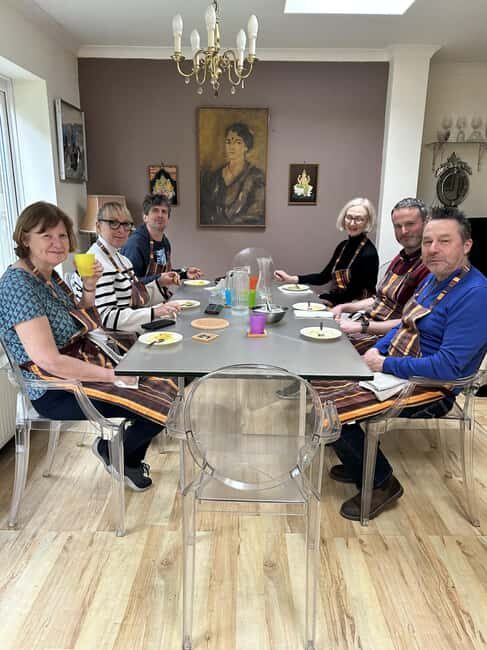
- Small group size (max 8): enough space to ask questions while still feeling like a shared table.
- Lunch included with masala chai: you’ll start with chai and end by eating what you cook.
- British curry story with a local chef: you’ll hear how curry reached Britain and how home cooking differs from restaurant food.
Hounslow West To Monisha’s Kitchen: How The 150 Minutes Work
This is a compact, well-paced experience that lasts about 150 minutes. The design is simple: you get a quick orientation at the Tube station, you gather ingredients at the shop, and then you cook and eat at Monisha’s home. You’re not out all day, but you still get enough time to actually practice.
The meeting point is the foyer of Hounslow West tube station. From Central London it’s about 25 minutes on the Piccadilly line, which makes this feel more like a local neighborhood experience than a distant day trip.
The course also builds in walking time. You’ll move to the Indian shop to learn about specialist ingredients and then walk to Monisha’s home a couple of minutes away. If you’re the kind of traveler who hates tight schedules, the good news is that the tour structure is short and straightforward.
Small group matters here. With a limit of 8 participants, you’re not watching from the side. You’ll have real chances to ask what Monisha is doing and why, and you’ll be able to follow along without everything feeling rushed.
You can also read our reviews of more shopping tours in London



The Meeting Point Moment: Starting With Masala Chai And Easy Conversation
You’ll start at Hounslow West station with Monisha, an award-winning food author and chef leading the class in English. The vibe is friendly and unforced. One theme that stands out in the feedback is that Monisha is easy to talk to, which matters because cooking is a hands-on activity where you’ll learn faster when you feel comfortable asking questions.
You’ll also get a welcome drink of masala chai. It’s a small touch, but it helps set the tone. Before you touch a spice jar, you’re already in the flavor world you’ll build during the session.
Because the group is small, you can pick up context quickly. You’re not just learning a recipe. You’re learning what the ingredients do, how the order of steps affects flavor, and how to taste as you go.
The Local Indian Food Shop: Fenugreek And Cardamom Without The Search
The shop stop is one of the most valuable parts of the experience. You’ll visit a local Indian food shop and learn about specialist ingredients that are rarely found in central London. That line matters because it’s where a lot of home cooks get stuck: they try to replicate a dish with substitutions, and the flavor ends up drifting.
Monisha will point out things like dried fenugreek and black cardamom. These are not just labels on packets. You’ll learn what to look for and how each ingredient contributes to the overall profile.
Also, this isn’t a museum visit. You’re taking in the smells and sounds of London’s Indian precinct as part of the learning. It gives you a sense of how these ingredients show up in everyday cooking, not only in special-occasion dishes.
If you like shopping with a purpose, this section will feel practical. You’ll leave with clearer instincts for what to buy and what you can skip.
Building Flavor: Spice Blending And Curry Paste Lessons That Stick
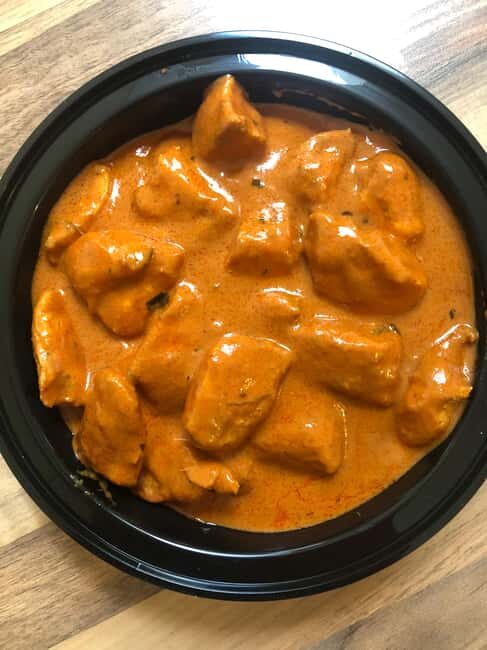
After the shop, you’ll walk a couple of minutes to Monisha’s home. This is where the class turns into real cooking, not just watching. The lesson focuses on the parts of Indian cooking that create depth: blending spices, creating curry pastes, and balancing flavors.
Here’s what makes this approach useful for you later. Many recipes tell you what ingredients to include, but they don’t explain how to blend and build. This session is built around technique, so you’re learning the why behind the taste.
You’ll practice:
- Blending spices so they release flavor in the right way.
- Making curry pastes, which often form the base for the dish.
- Balancing flavors so you can adjust instead of following a script.
Monisha also shares secret tips for making meals that are healthy and delicious in a matter of minutes. Even if you’re not trying to cook like a restaurant chef, that kind of time-saving guidance is gold. You’ll be able to take the core method and speed it up for weeknights.
Because it’s a hands-on class with a small group, you’ll get to see how other participants handle steps, and you’ll likely pick up adjustments on the fly. That feedback loop is hard to get in larger group cooking events.
How The Cooking Discussion Fits In: Home Vs Restaurant Curry
At the table, you’ll have an informal discussion about Indian cuisine in Britain. The key theme is how curry came to Britain over 200 years ago. You’ll also talk about how home cooking differs from Indian restaurant food.
This part matters because it connects the technique to real life. Restaurant dishes often use approaches geared toward consistency, speed, and big flavors in a dining setting. Home cooking usually changes based on what’s in the kitchen, the time you have, and family preferences. By learning the differences, you’ll stop treating restaurant curry as the only model of success.
If you’re the type who enjoys food history, this won’t feel heavy. It’s conversational, tied directly to what you’re eating and cooking. It also gives you a better sense of why certain flavors became popular in Britain and how people adapted Indian cooking into British kitchens.
A few more London tours and experiences worth a look




Eating What You Cook: Lunch, Shared Tables, And Recipes For Next Time
The payoff is the meal you cook together. Ingredients are provided, and lunch is included. You’ll also eat what you make at the end as a group, which keeps the whole experience grounded. Cooking classes can be hit-or-miss, but when you eat together, you get a clearer sense of whether the methods work.
One of the strongest points from the feedback is that the food turns out great. That’s not luck. The class is structured to teach balance and build flavor step by step. When you finish, you’re not just satisfied. You have a sense of control over taste.
Another detail worth noting: Monisha provides recipes. That matters because the goal isn’t only to have a great lunch today. It’s to help you recreate the flavors at home without starting from scratch.
Price And Value: Is $119 Worth It?
At $119 per person for about 150 minutes, you’re paying for more than a casual cooking demo. You’re getting:
- A small group class limited to 8 participants
- A shop visit focused on specialist ingredients
- A professional chef-led cooking session
- Ingredients included
- Masala chai on arrival
- Lunch included
- A discussion tied to how curry developed in Britain
For me, value comes from the combination. If it were only a cooking class with a quick ingredient list, it would feel more like a standard workshop. But the ingredient education at the shop adds a layer that’s hard to recreate on your own. It also helps you understand what makes certain flavors possible.
You’re also paying for Monisha’s teaching style. The feedback highlights that she’s an excellent instructor who’s easy to talk to and clearly expert in the kitchen. In a hands-on setting, that kind of clarity makes a noticeable difference in results.
If you enjoy learning technique and not just collecting recipes, this price starts to feel reasonable.
Who This Is Perfect For (And Who Might Want Something Else)
This experience is a strong match if you:
- Want a hands-on cooking lesson in Indian cuisine with real guidance on spice blending and curry pastes
- Like learning where ingredients come from and how to shop for them
- Prefer small groups over big classes where you rarely get to ask questions
- Enjoy food history in a practical way, tied to what you’re cooking and eating
It may not be ideal if you:
- Don’t like walking between stops (the station area, the shop, and Monisha’s home)
- Are traveling with children under 15, since it’s not suitable
- Want an alcohol-included experience, since alcohol isn’t included
Practical Tips Before You Go
- Plan to meet in the foyer of Hounslow West tube station and build in a little extra time to get there comfortably.
- Wear comfortable shoes. You’ll walk to the local Indian food shop and then to Monisha’s home.
- Expect a hands-on session. Bring a mindset of tasting, adjusting, and learning as you cook.
- Come hungry. Lunch is included, and you’ll be eating what you make.
- Stick to English. The class is taught in English, so it’s easiest if you’re comfortable following along.
Should You Book Cooking With Monisha?
If you want a short London food experience that’s practical, personal, and focused on technique, I’d book this. The combination of a shop visit for hard-to-find ingredients and a hands-on class that teaches spice blending, curry pastes, and flavor balance is exactly what helps you cook Indian food with confidence later.
Also, Monisha’s reputation as an engaging teacher comes through clearly in the feedback: she’s easy to talk to, and the results are genuinely good. For $119, you’re not just buying a meal. You’re buying skills, ingredients insight, and a curry story that makes the flavors make sense.
If that sounds like your kind of cooking day, take the spot.
FAQ
Where do I meet the guide?
You meet in the foyer of Hounslow West tube station.
How long is the cooking masterclass?
The experience lasts about 150 minutes.
What’s included in the price?
It includes the cooking class with a professional chef, a visit to a local Indian food shop, welcome masala chai, ingredients for cooking, an informal discussion, and lunch.
Is there alcohol included?
Alcohol is not included.
How big is the group?
The group is small, limited to 8 participants.
Is it suitable for children?
It is not suitable for children under 15.