REVIEW · BELFAST
Belfast Eclectic Walking Experience Along The Marti Way
Book on GetYourGuide →Operated by Belfastology Walking Tours · Bookable on GetYourGuide
Belfast gets real on foot. I really like the way this route spotlights architecture while turning Belfast City Hall into a practical starting point. I also like how you end up chatting with locals and soaking up the pub-and-café atmosphere, not just staring at buildings. The main catch is simple: it’s rain or shine, so comfortable shoes matter.
This is a small group walk (limited to 8) run by Belfastology Walking Tours, led by Marti. Meet outside the Main Gates of Belfast City Hall; he’ll be wearing a blue checked backpack, and you’ll want to arrive about 10 minutes early so you can spot him and start on time.
If you’re the kind of person who likes mixing big landmarks with street-level Belfast, you’ll probably enjoy the “past, present, and future” feel. You’ll move from river views and the Titanic Quarter area to Cathedral Quarter murals and St. Anne’s Square, with plenty of stories along the way.
In This Review
- Key Things That Make This Walk Worth Your Time
- Starting Outside Belfast City Hall: A Quick Read on the City
- Following the River Lagan Toward the Sea and the Titanic Quarter
- The Belfast Leaning Tower and Queen Victoria’s Docking Link
- From Belfast’s Birthplace to St. Anne’s Cathedral in the Cathedral Quarter
- Street Art, Free Festivals, and the Creative Pulse You Can Actually See
- Local Pubs, Cafés, and People Time: Why This Tour Feels Different
- Price and Value: Is $35 Worth It?
- How to Prepare So You Enjoy Every Minute
- Should You Book Belfast Eclectic Walking Experience Along The Marti Way?
- FAQ
- Where is the meeting point?
- How long is the tour?
- How much does it cost?
- How big is the group?
- What language is the tour guide?
- Does the tour run rain or shine?
- Can I cancel or book without paying right away?
Key Things That Make This Walk Worth Your Time
- Small group pace (up to 8 people) that leaves room for questions, not just head-down marching
- City Hall to the waterfront flow, with the River Lagan route and sea views built in
- Titanic Quarter and Waterfront Hall sights, so you get Belfast’s modern chapter with context
- The Belfast leaning tower story, tied to the docking point for Queen Victoria’s first visit
- Cathedral Quarter murals and reconciliation themes, with a creative Belfast angle you can feel on the street
- A lively local-stop vibe, often built around pubs, cafés, and restaurants where conversation is the point
Starting Outside Belfast City Hall: A Quick Read on the City
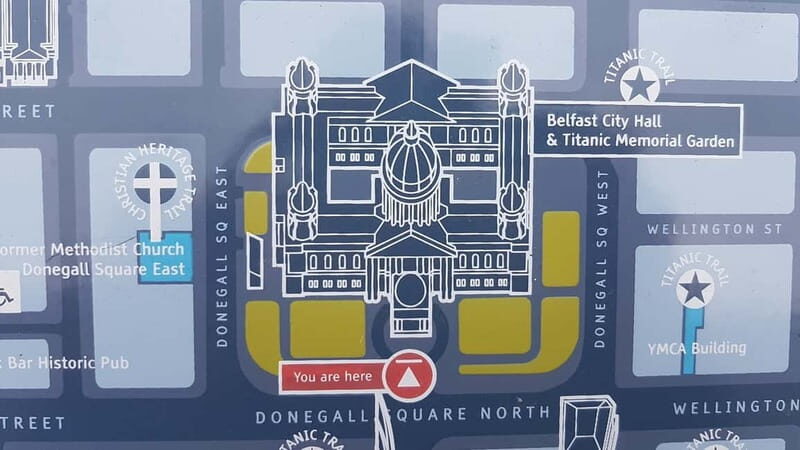
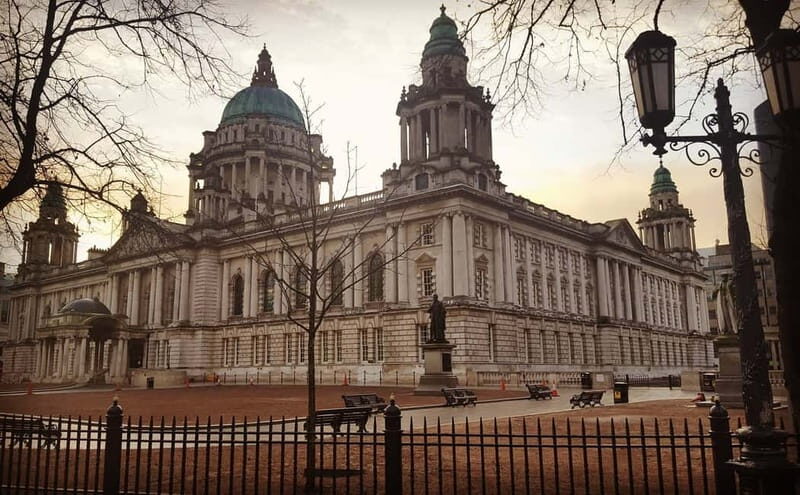
You start right where Belfast wants you to start: outside the Main Gates of Belfast City Hall. It’s an easy meetup, and the timing works well because you’re not wandering the center trying to find your bearings. Marti’s blue checked backpack is your visual cue, and arriving 10 minutes early keeps things smooth.
What I like about beginning here is that it sets the tone for the whole 3 hours. Belfast is a city where buildings carry messages—political, cultural, and personal. Starting at City Hall lets Marti frame how the past shaped the streets you’ll walk, and how today’s Belfast tries to move forward in public. You also get that classic walking-tour benefit: you’re on foot, close to faces and shopfronts, so the city feels less like a postcard and more like a place where life happens.
The walk is in English and it runs rain or shine. That’s a big deal because this tour is about observing details up close—stonework, street art, and how people use the sidewalks. If you come dressed for wet weather and bring shoes that can handle uneven pavements, you’ll enjoy the experience much more.
You can also read our reviews of more walking tours in Belfast


Following the River Lagan Toward the Sea and the Titanic Quarter
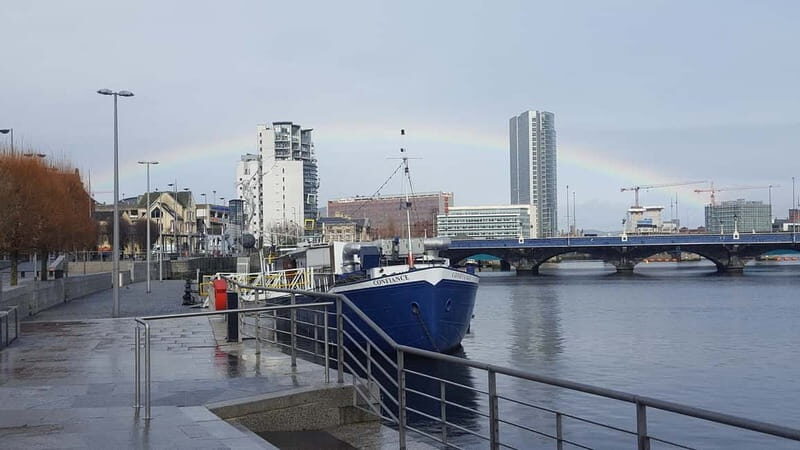
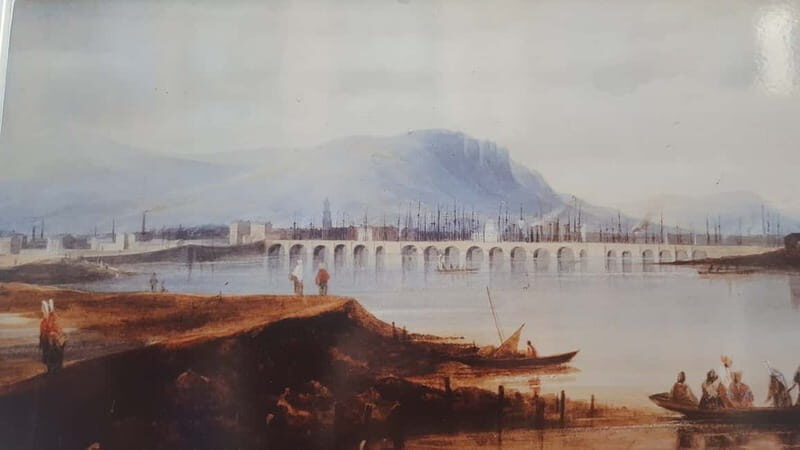
After City Hall, the route shifts toward the River Lagan. Marti guides you along the river corridor so you can see how Belfast’s waterfront sits in the city’s wider geography. There’s also the specific moment of looking out toward the sea, which helps you understand why Belfast grew where it did.
Then you move into the area now known as the Titanic Quarter, and you’ll pass sights connected to Belfast’s shipbuilding and maritime legacy. You also get to see the Waterfront Hall, a key modern landmark. The way Marti weaves older Belfast themes into newer spaces makes the waterfront feel less like a separate district and more like a continuation of the same city story.
This section is especially valuable if you’ve only seen Belfast from a bus window or by jumping between must-sees. On foot, you notice the transitions: where industry and infrastructure leave their marks, and where the city’s newer cultural identity shows up. It’s also a good segment for photos, as long as the weather is cooperating.
The Belfast Leaning Tower and Queen Victoria’s Docking Link

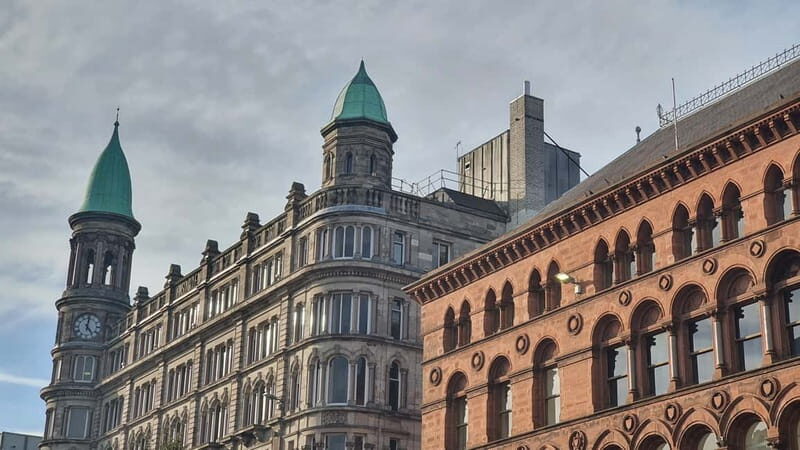
One of the tour’s most memorable stops is the Belfast leaning tower. The detail that makes it interesting isn’t just that it looks unusual—it’s the story attached to it. Marti points out that it was built on the docking point for Queen Victoria on her first visit.
That connection gives you a quick lesson in how Belfast’s identity has been shaped by outside attention as well as local ambition. You can stand there and understand the symbolism: a city that welcomed royalty, built industrial power, and still carries the physical reminders of those moments in its streets.
And because the tour is walking-based, you see the “why” in the setting. You’re not just hearing about a landmark; you’re experiencing its place in the flow of Belfast—what’s nearby, what routes people use, and how the building sits in the wider streetscape.
From Belfast’s Birthplace to St. Anne’s Cathedral in the Cathedral Quarter
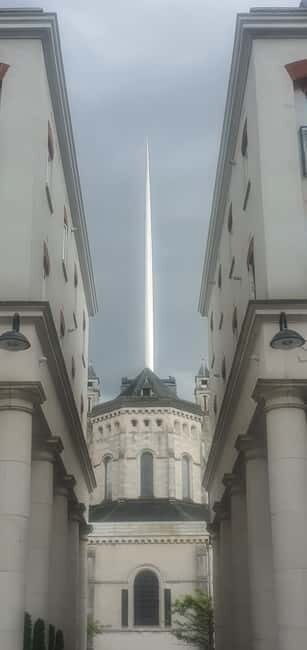
Next, you continue on through what’s described as the birthplace of Belfast. That idea matters because it changes how you look at the city. Instead of treating Belfast like a set of modern sights, you start seeing it as a layered place—built over time, reshaped repeatedly, and constantly interpreted by the people living there.
The walk then brings you to St. Anne’s Cathedral in the Cathedral Quarter. This is a major shift in mood compared with the waterfront. The cathedral area gives you a different kind of “center of gravity,” where the street feel becomes more reflective and community-oriented.
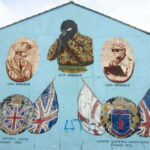
Marti also brings the route into the Cathedral Quarter’s street level world: the murals and street art. This is where the tour’s “people and reconciliation” angle becomes more than a theme. You see visual messages on walls, not just facts in a guidebook. The focus is on how Belfast and its people are coming together to reconcile and build a brighter space for all, supported by free festivals, creative organizations, and newer industries.
I like this part because it gives context to what a visitor often only notices at a glance. You’re not just looking at art; you’re learning how Belfast’s creative scene acts like a public conversation—sometimes hopeful, sometimes complicated, always present.
Street Art, Free Festivals, and the Creative Pulse You Can Actually See
In the Cathedral Quarter, you’ll spend time looking at street art and murals. This is one of the most highly praised parts of the experience, and it’s easy to see why. Belfast has a habit of putting big feelings into public spaces, and Marti helps you read those messages without turning it into a lecture.
You’ll also hear how reconciliation and “moving forward” isn’t only a political idea—it shows up in everyday life. The tour points to the role of free festivals, creative organizations, and new industries. Those details matter because they explain what’s changing now, not only what happened before.
Another practical reason to care about this section: murals and street art are the kind of sights you can miss if you’re rushing. On a walking tour with a small group, you get the time to look closely and ask questions. Marti has a way of tailoring the story to your interests too, which can make this section feel personal rather than generic.
If you enjoy modern culture—music references, visual art, and the way places build community through creativity—this stop will likely be one of your favorites. And if you prefer architecture and politics, it still connects, because the city’s built environment and public art reflect the same underlying struggles and hopes.


Local Pubs, Cafés, and People Time: Why This Tour Feels Different
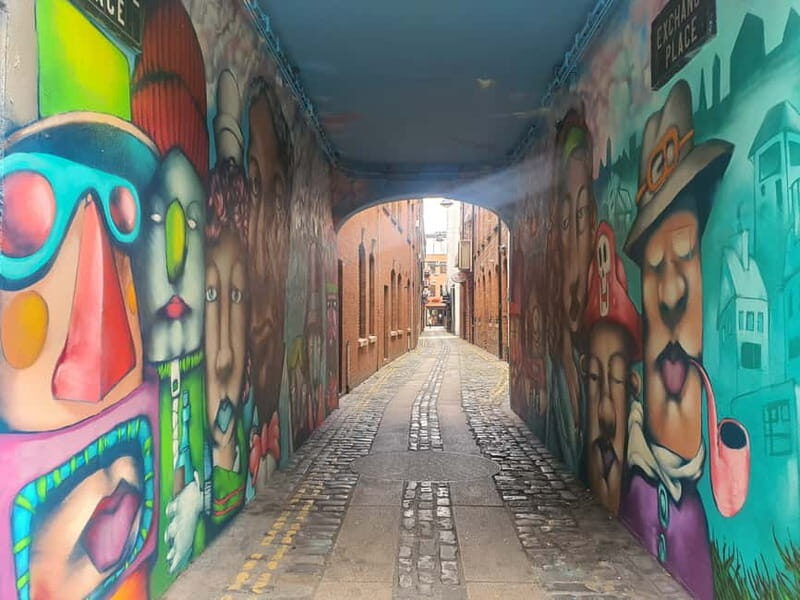
This is the most “eclectic” part of the Belfastology Walking Tours approach. Instead of treating the city like a museum, the walk includes the warmth of pubs, cafés, and restaurants. Marti’s goal is for you to understand Belfast as a living, talking place.
You might notice that the tour often includes stops that are easy to overlook on your own. People can forget that Belfast has small, local spots that don’t scream tourist signage. Marti’s route tends to bring you to those places where you can hear local rhythms, not just read plaques.
It’s also a chance to meet people along the way. In a city with layers of history and identity, sitting near real conversation changes how you interpret what you’re seeing outside. Marti’s style helps, too—there’s humour, and he doesn’t talk at you nonstop. He’s also known for taking cues from your interests, so if your focus is architecture, politics, or music, he can steer the story to match.
One fun example of how he brings Belfast life into the walk: he’s known for pointing out music and local references in the Cathedral Bar area, plus other memorable street-level details that stick in your head long after the tour ends.
Price and Value: Is $35 Worth It?
At $35 per person for about 3 hours with a small group (maximum 8), the main value is how much attention you get. Big-city walking tours can feel like a conveyor belt. Here, the group size keeps the pace human, and it makes questions possible—especially if you want to zoom in on architecture, murals, or political context.
You’re also not only paying for time. You’re paying for a guide who links sites together into a story you can walk through: City Hall framing, waterfront geography, the Queen Victoria dock connection, Cathedral Quarter murals, and the ending at St. Anne’s Square. That structure is what makes the walk feel coherent, not random.
There’s also an added efficiency perk listed for the experience: express security check. A walking tour doesn’t always involve the kind of security lines you’d see at big venues, but if any stop on the route uses that process, you can benefit from faster movement.
Finally, the tour is rain or shine, so it’s designed to be dependable in real weather. If you plan your day with that in mind, $35 can feel like a bargain for the amount of ground you cover at walking speed.
How to Prepare So You Enjoy Every Minute
Bring comfortable shoes—seriously. This is a city-center walk with enough time on your feet that good footwear is the difference between seeing everything and rushing to “finish.”
Dress for rain even if the morning looks fine. The tour runs rain or shine, and the whole point is observing details as you move. If you wear something you can move easily in, you’ll stay engaged instead of distracted.
If you want to get the most out of the 3 hours, think about what you care about most before you meet Marti. The walk is designed to work for different interests, and when you communicate what you like (architecture, political themes, music references, street art), the route can feel more tailored and less like a fixed script.
Should You Book Belfast Eclectic Walking Experience Along The Marti Way?
Yes, if you want Belfast in full context—buildings plus people, waterfront plus murals, and a guide who brings humour and local detail to the street.
Book it when you like walking tours that feel conversational, not robotic. The small group limit (up to 8) is a strong reason to choose this one, and the Cathedral Quarter focus on murals and reconciliation gives you a side of Belfast that’s harder to catch on your own.
Skip it only if you hate walking in rain or you strongly prefer tours that keep every stop strictly “top-of-list” tourist highlights. This one is more about interpretation—how the city’s past, present, and future connect on the pavement.
FAQ
Where is the meeting point?
Meet outside the Main Gates of Belfast City Hall. The guide will have a blue checked backpack, and you should arrive about 10 minutes early to find them.
How long is the tour?
The walk lasts 3 hours.
How much does it cost?
It costs $35 per person.
How big is the group?
It’s a small group limited to 8 participants.
What language is the tour guide?
The tour is guided in English.
Does the tour run rain or shine?
Yes, it takes place rain or shine.
Can I cancel or book without paying right away?
Yes. There’s free cancellation up to 24 hours in advance for a full refund, and you can reserve now and pay later (you pay nothing today).