REVIEW · LONDON
London: Jack the Ripper Walking Tour
Book on GetYourGuide →Operated by Where Now Tours · Bookable on GetYourGuide
Whitechapel is where the Ripper myth takes shape. On this Jack the Ripper walking tour, you follow the trail through London’s East End with case files and picture evidence that explain what’s known, what’s guessed, and why the murders still grip people today. I like that it starts right in the old neighborhood feel, meeting outside The Bell pub near Aldgate station.
I also like the way the guide brings the story to street level. Guides I saw referenced by name, like Jamie and Ryan, focus on interaction and clear explanations, with visual case-study materials used as you move between locations. One thing to weigh: the tour involves gruesome details of the murders, and the info says it may not be suitable for all ages (and anyone under 18 must be with an adult).
In This Review
- Key highlights to know before you go
- Why this Jack the Ripper walk feels different from a normal London tour
- Meeting at The Bell near Aldgate: your quick win for orientation
- Whitechapel and the first case-file moments on the cobbles
- Brick Lane and Fournier Street: architecture, photos, and the street-by-street logic
- Ten Bells and Spitalfields: when a neighborhood becomes part of the case
- London Fruit Exchange to White’s Row to Artillery Passage: building the full mental map
- St Botolph without Aldgate and Mitre Square: the quieter edge of the route
- How the guide teaches the case: theories, Q&A energy, and visual support
- Price and time: what $21.55 buys you in the real world
- What to bring, what’s allowed, and the age suitability reality
- Who this tour is best for (and who might want another option)
- Should you book the London Jack the Ripper Walking Tour?
- FAQ
- Is the tour 2 hours long?
- Where do I meet the guide?
- What will we see during the walk?
- What’s included in the price?
- Are there any age restrictions?
- Is the tour wheelchair accessible?
- Is the tour offered in English?
- Does it run in bad weather?
- Can I cancel for a refund?
Key highlights to know before you go
- Expert Ripperologist guidance that ties the crimes to real streets in Whitechapel and Spitalfields
- 5 murder locations visited, with picture evidence and a case study along the way
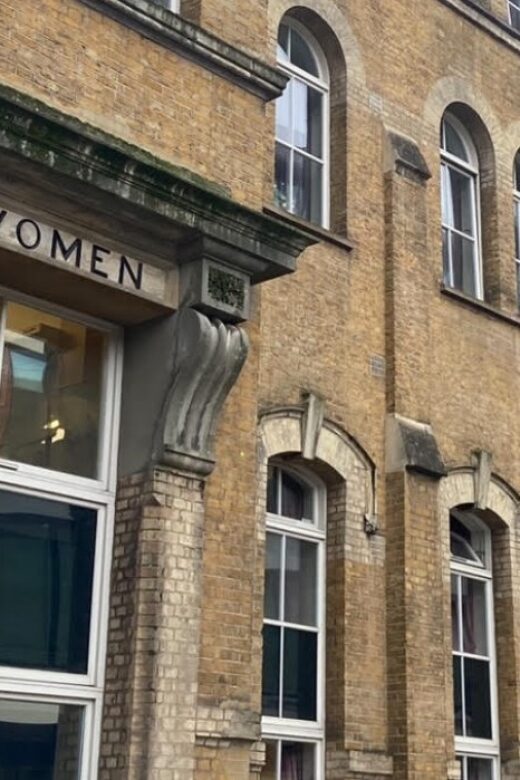
- Cobbled East End streets plus classic architectural stops, including French Huguenot-style buildings
- Brick Lane and old-pub atmosphere during the walk, plus multiple photo stops for orientation
- Rain or shine with about 45 minutes of walking during a 2-hour tour
Why this Jack the Ripper walk feels different from a normal London tour
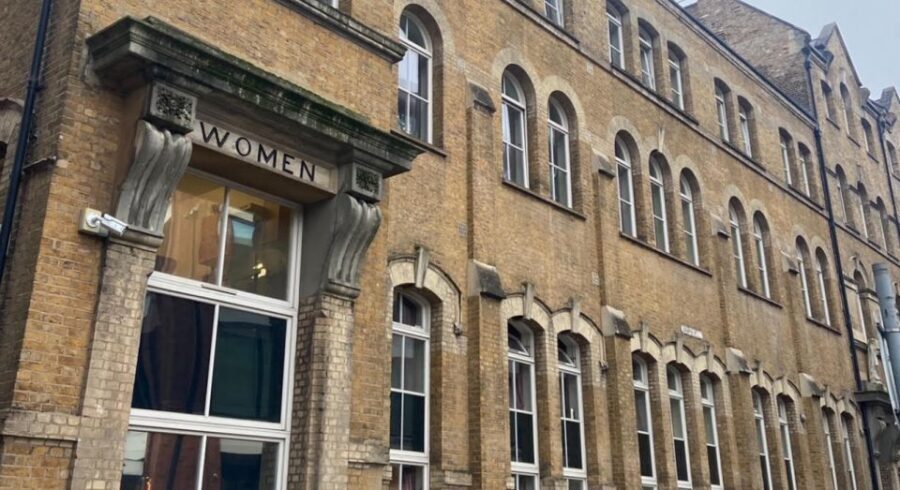
The appeal of Jack the Ripper is that it mixes old streets, human fear, and unanswered questions. This tour leans into that mix. You’re not just hearing a spooky script. You’re walking through Whitechapel and Spitalfields while the guide connects each location to the case files and the theories that grew around them.
What I find useful as a visitor is that the tour structure keeps you oriented. You get a starting point, then a sequence of places where victims were discovered, plus materials that support the story. That matters in London, where it’s easy to feel like you’re passing landmarks without understanding the pattern.
The other big reason this feels worthwhile is that it’s not a single-note “who was he?” hunt. You also hear how social and economic conditions in the area shaped the context of the killings, and why so many different theories exist. You leave with a stronger sense of the case, not just a mood.
You can also read our reviews of more walking tours in London



Meeting at The Bell near Aldgate: your quick win for orientation
You meet outside The Bell pub near Aldgate station. That’s a smart choice. Aldgate puts you in the right tube-line orbit, and The Bell acts like an easy visual anchor for the start of the walk.
Once you’re gathered, the guide sets the tone and frames what you’ll see next. You also start in one of London’s oldest-feeling areas, where the streets still suggest how Victorian London worked at street level. Even before the deeper case details come in, the setting helps your brain stop treating the murders like a distant textbook topic.
Practical note: wear comfortable shoes. The tour includes roughly 45 minutes of walking total, and you’ll be on cobblestones and city sidewalks—not a flat, choreographed promenade.
Whitechapel and the first case-file moments on the cobbles
After you get moving, the tour spends time in Whitechapel, the neighborhood most closely linked to the Ripper case. This is where you’ll get the baseline story: who the victims were, what was reported, and how the investigation played out in a city that didn’t have today’s forensic tools.
A key part of the experience is that you’re shown case study and picture evidence as you go. That does two things for you. First, it keeps the information grounded. Second, it prevents the walk from turning into pure legend-telling.
From a storytelling standpoint, the route also gives you an easy mental map. Whitechapel sets up the case. Then the tour starts shifting toward the streets and stops where key moments happened.
If you’re the type who gets overwhelmed by London’s size, you’ll appreciate that the guide is focused on a tight slice of the East End. This tour doesn’t try to cover all of London. It zooms in where it counts.
Brick Lane and Fournier Street: architecture, photos, and the street-by-street logic
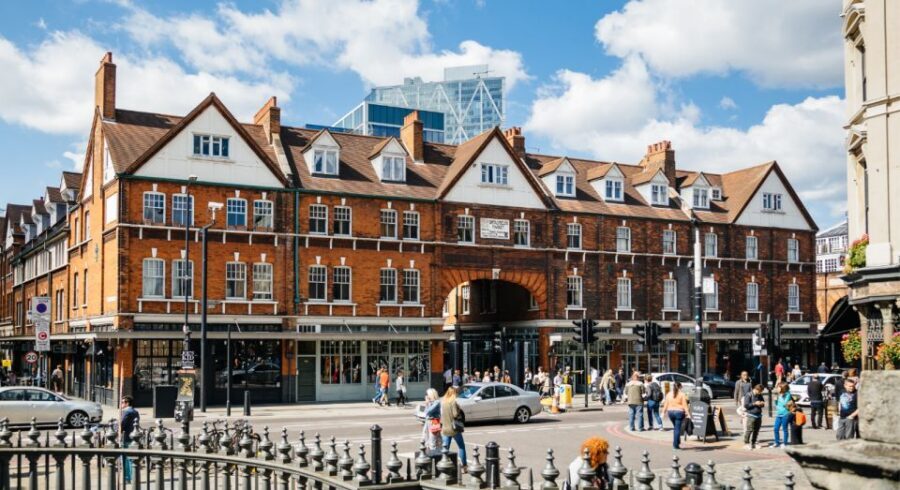
The next major feeling shift comes around Brick Lane. You’ll have a photo stop and some time for sightseeing here. What I like is that Brick Lane isn’t treated like a random photo backdrop. It’s used as part of the street context of the case.
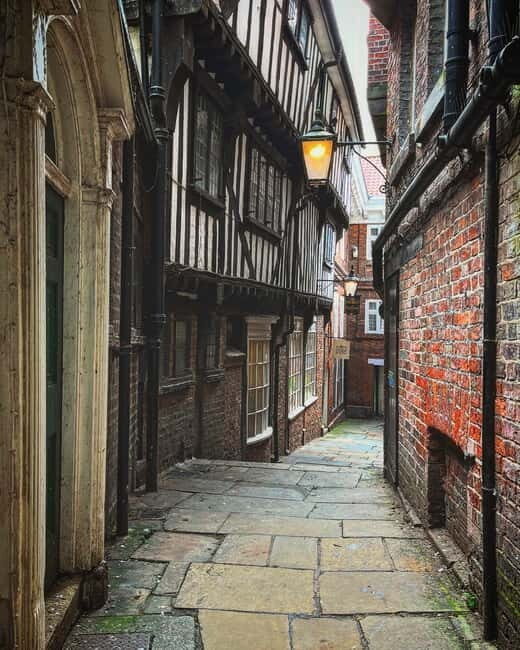
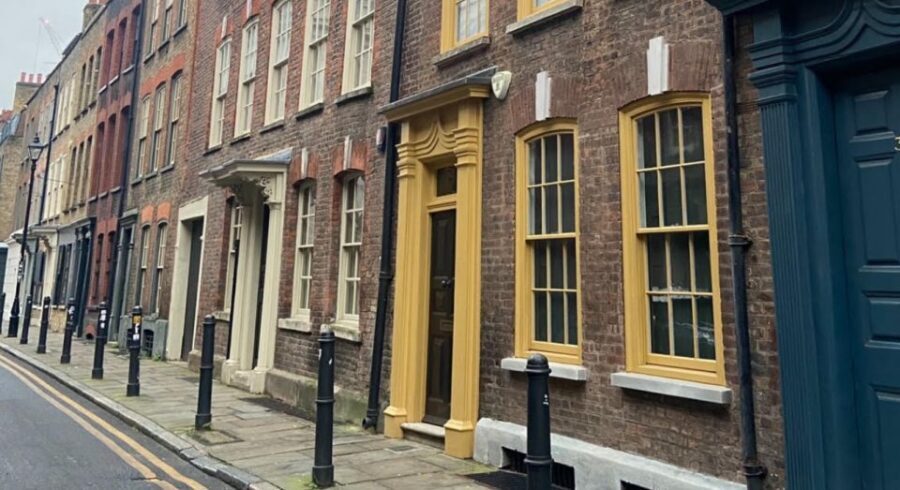
The tour also highlights architectural details you might miss on your own—especially French Huguenot architecture from the late 18th century. Even if you’re not a building-nerd, you’ll likely feel the difference: those older facades and the neighborhood lanes make the timeline feel closer.
Then the walk continues to Fournier Street with another photo stop and a chance to absorb the location. This is one of those stops where the value is in the guide’s explanation. You’re not just looking at a street sign and moving on. You’re connecting the geography to what happened there, and you’re seeing how the case story fits into a real walking route.
A small but important tip: at each stop, give yourself a moment to look around before the guide speaks. Even 20 seconds helps you “lock in” the scene, which makes the case details stick better afterward.
Ten Bells and Spitalfields: when a neighborhood becomes part of the case
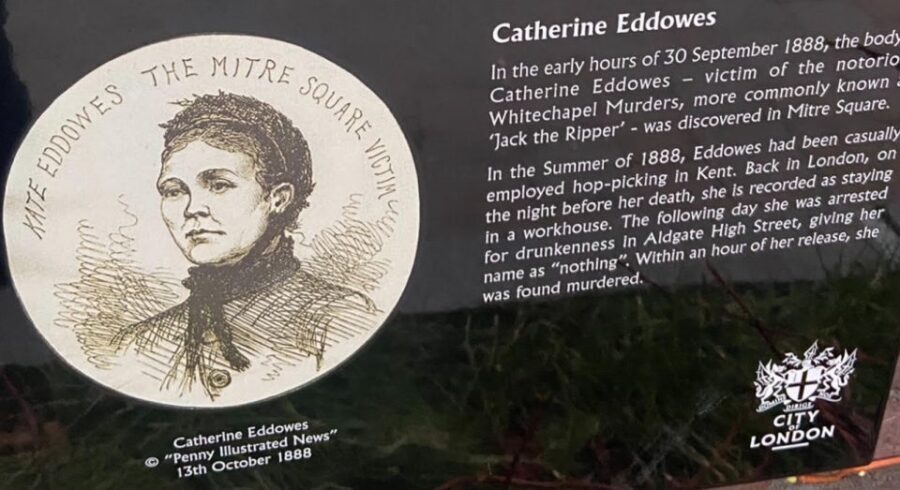
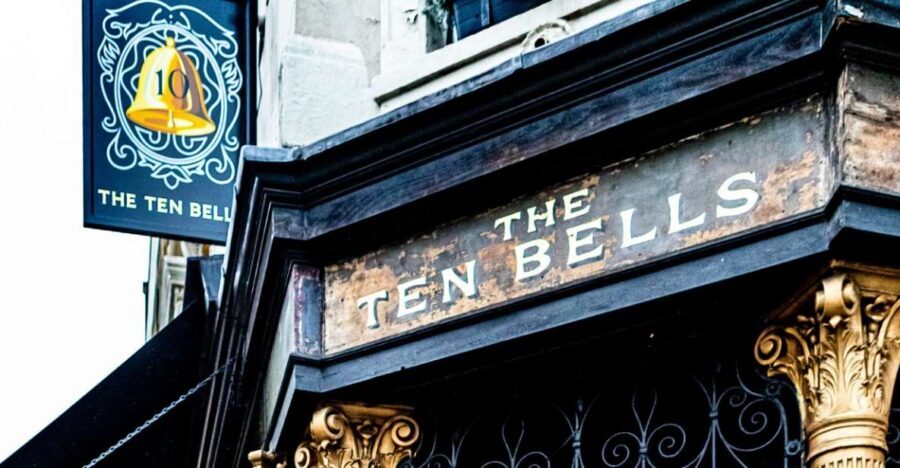
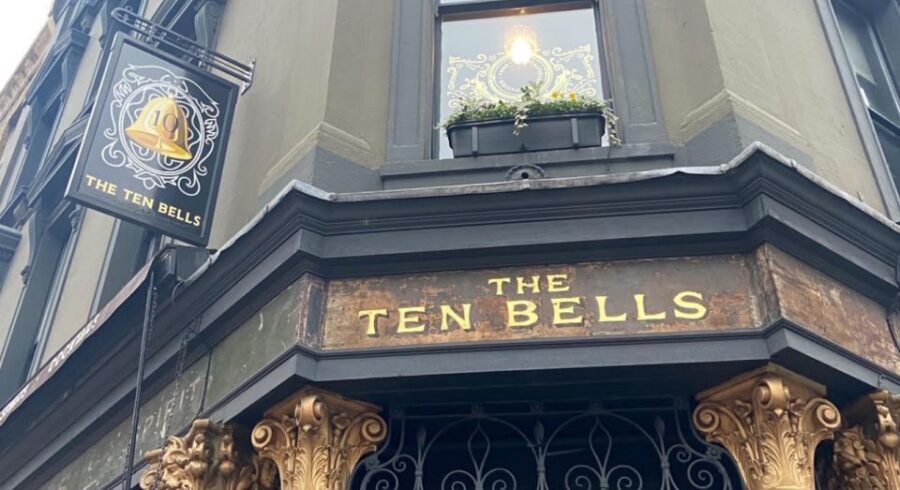
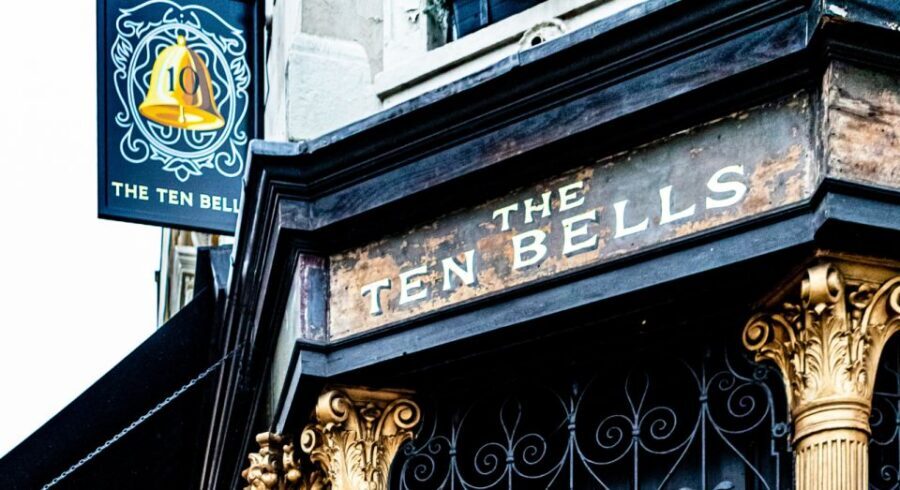
Now you hit one of the most recognizable spots in the whole story: The Ten Bells in Spitalfields. You’ll stop here for photos and sightseeing. Even if you’ve heard the myth before, this stop makes it tangible. It’s easier to understand how a local place could become a symbol, and why later retellings would latch onto the neighborhood identity.
The tour then continues deeper into Spitalfields, again with a photo stop plus sightseeing time. This portion helps you understand that the case didn’t happen in isolation. It happened in a working neighborhood full of movement, tight streets, and day-to-day routines.
What you gain here is context for the legends. Jack the Ripper stories spread because the case was unresolved, and the neighborhood environment fed the way people talked, feared, and speculated. Seeing the area firsthand helps you understand why those stories lasted.
If you’re sensitive to crime-related material, this is the part where the guide’s descriptions may feel more intense. The tour data is clear that the murder details may not suit everyone, so decide early how you want to handle that.



London Fruit Exchange to White’s Row to Artillery Passage: building the full mental map
After Spitalfields, the route moves to London Fruit Exchange for another photo stop and time to look around. This is where the walk starts feeling like a connected route through the East End rather than a string of separate “Ripper points.”
Next comes White’s Row, another photo stop and sightseeing stop. Then you’ll reach Artillery Passage for more photo-and-sightseeing time. Those street names matter. They’re the kind of details that turn a myth into a geography lesson, and that’s where the tour earns its keep.
For you, the big benefit is the sequencing. By the time you reach these middle-late stops, you’ll have already heard the case framing and seen picture evidence. That makes it easier to process why each location is important.
Also: photo stops are not filler here. In a walking tour like this, photos help you later remember where you stood relative to the story. London can blur together fast. These built-in pauses help prevent that.
St Botolph without Aldgate and Mitre Square: the quieter edge of the route
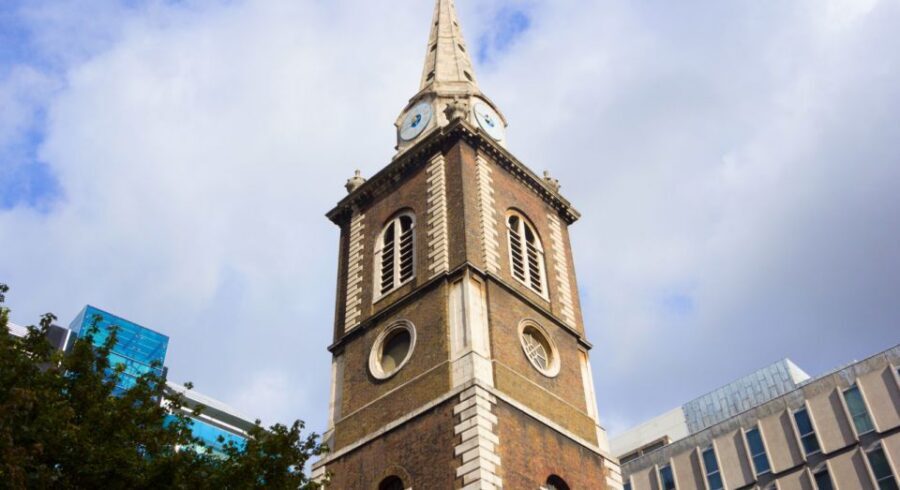
The final stretch brings you to St Botolph without Aldgate for a photo stop and sightseeing time, followed by Mitre Square for another photo stop and sightseeing time. These stops shift the mood slightly from pure crime geography toward the larger East End texture—churchyard and square spaces that feel distinct from the narrow lanes.
Finally, you finish near Aldgate Station. Ending near transit is a practical win. You’re not stuck in the middle of nowhere once the tour ends, and you can head straight to dinner or your next London plan.
How the guide teaches the case: theories, Q&A energy, and visual support
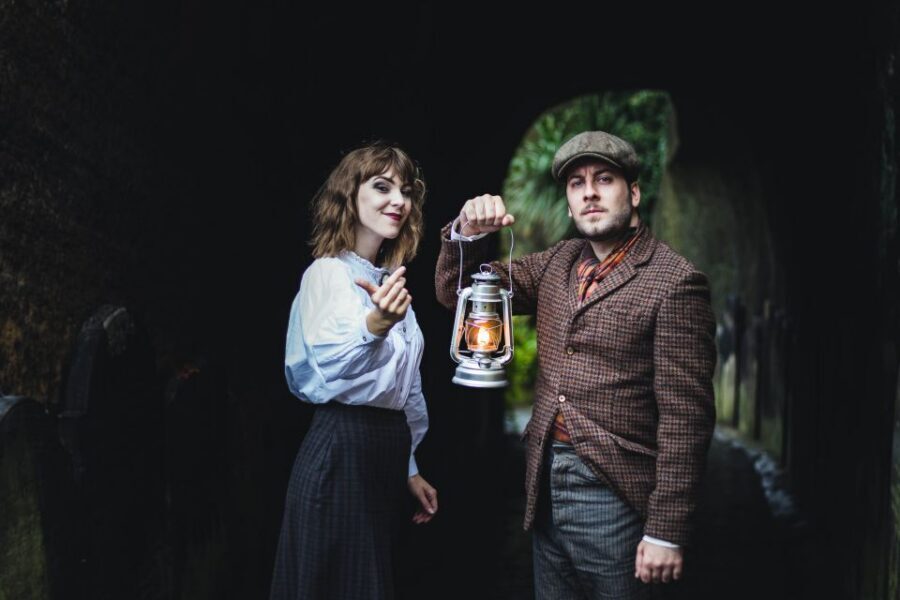
The quality of this tour tends to come down to the guide, and the names Jamie and Ryan are specifically mentioned as standout guides. What I’d pay attention to is how the best guides do three things at once:
First, they keep the story moving. Second, they explain the theories of identity without overselling a single answer. Third, they use visuals—picture evidence and case-study materials—so you’re not only hearing descriptions.
That combination works because Jack the Ripper is famous for speculation. The guide’s job is to show you what the evidence suggests, what stories grew around gaps, and how different theories try to bridge those gaps.
From the reviews-based details you provided, there’s also a strong emphasis on interaction—answering questions, checking in with the group, and adjusting the pacing when crowds are heavy (for example on busy dates like Halloween). If you want a tour where you can ask questions and not just listen for two hours straight, this style fits.
Price and time: what $21.55 buys you in the real world
At about $21.55 per person and roughly 2 hours long, this is a value play for London. You get a guided experience (not a self-guided audio track) plus case-study and picture evidence used during the walk.
The “cost-to-content” here is strong because the guide is doing two roles: historian and teacher. That’s harder to replicate on your own. Even with excellent guidebooks, you still need someone to connect the street-by-street pattern and explain why the case became a legend.
One detail to keep in mind: a free guide book is included on private tours. If you’re booking as a private group, that can make the trip feel even more “packable,” since you can take the material home and reread the case timeline later.
What to bring, what’s allowed, and the age suitability reality
This is an outdoor walking tour, rain or shine. Bring weather-appropriate clothing and stick with comfortable shoes.
The tour notes also come with important boundaries: unaccompanied minors are not allowed. Also, while the tour is for all ages, anyone under 18 must be with an adult, and the murder details may not be suitable for all ages.
If you’re bringing teens or kids, you’ll want to think about your own comfort level with crime narratives. The guide may offer care and pacing, but the subject matter is still part of the deal.
Who this tour is best for (and who might want another option)
This tour is best for you if you like:
- True crime with real geography, not just a campfire-style retelling
- Learning how theories form when evidence is limited
- A guided walk where stops matter and photo pauses help you remember
It might not be the best choice if:
- You want light, upbeat sightseeing only
- You’re not comfortable with gruesome crime details
- You prefer broad, all-of-London coverage rather than one tight East End focus
On the other hand, if you’re already planning a Whitechapel day, this fits well as a focused, story-driven block that gives your other sights meaning.
Should you book the London Jack the Ripper Walking Tour?
If you want a London experience that feels specific, grounded, and genuinely story-led, I think you’ll be glad you booked. The tour’s main strength is the combination of street locations, case files, and visual support, all guided by a Ripperologist style presenter. You’re not just hearing about the Ripper. You’re walking through a neighborhood tied to the case and learning how the mystery kept growing.
Book it if you’re curious about Whitechapel and you’re okay with crime subject matter. Skip it if you want family-friendly light entertainment or you’re sensitive to gruesome details.
FAQ
Is the tour 2 hours long?
Yes. The duration is listed as 2 hours, and the tour notes that the walk includes roughly 45 minutes of walking.
Where do I meet the guide?
You meet outside The Bell pub near Aldgate station. The exact meeting point can vary depending on the option you book.
What will we see during the walk?
You’ll visit the Whitechapel and East End locations connected to the case, including photo stops such as Brick Lane, Fournier Street, The Ten Bells in Spitalfields, London Fruit Exchange, White’s Row, and Artillery Passage, plus St Botolph without Aldgate and Mitre Square before finishing near Aldgate Station.
What’s included in the price?
Included items are the guide, the walking tour, and case study and picture evidence.
Are there any age restrictions?
All ages are welcome, but anyone under 18 must be accompanied by an adult. The tour also warns that the murder details may not be suitable for all ages. Unaccompanied minors are not allowed.
Is the tour wheelchair accessible?
Yes, the activity is listed as wheelchair accessible.
Is the tour offered in English?
Yes. The live tour guide language is English.
Does it run in bad weather?
The tour takes place rain or shine.
Can I cancel for a refund?
Yes. The tour offers free cancellation up to 24 hours in advance for a full refund.