REVIEW · LONDON
London: Jack the Ripper Walking Tour
Book on GetYourGuide →Operated by Golden Tours - Gray Line London · Bookable on GetYourGuide
Whitechapel gets under your skin fast. This Jack the Ripper walking tour follows the case through the East End’s most talked-about locations, tied to the events of 31 August 1888 and the mystery that still refuses to end. I love the tight, 90-minute route built around real places, and I love that the guide talks myths vs facts instead of treating the legend like a single, fixed story.
One thing to know up front: the schedule leans toward afternoon/early evening (including a 3:30 PM start), so it may not feel as dark and cinematic as you’d get with a late-night walk. Still, you get a focused, story-driven trail on foot, with plenty of places to stop, look around, and understand why certain corners became so famous.
In This Review
- Key things that make this Jack the Ripper walking tour worth your time
- Why Whitechapel’s Jack the Ripper Story Still Feels Personal
- The 90-Minute Whitechapel Route: From Trader’s Gate to Hanbury Street
- Trader’s Gate: Starting at the Edge of the 1888 Story
- Aldgate High Street: Working the Trail Through Daily London
- Mitre Square: The Place Where Jack Claimed Two Victims
- Goulston Street: Where the Case’s Key-Clue Debate Takes Center Stage
- Commercial Street to Hanbury Street: Anne Chapman’s Discovery
- How the Guides Turn Streets Into a Story (Marc, Alice, Johnny, and More)
- Price and Value: What $20.20 Buys You in East End Walking Time
- Tower Hill Meeting Points: How to Find the Tour at 3:30 PM or 6:00 PM
- Who This Walking Tour Suits Best
- Should You Book This Jack the Ripper Walking Tour?
- FAQ
- How long is the London Jack the Ripper Walking Tour?
- How much does the tour cost?
- Where is the meeting point for the 3:30 PM tour?
- Where is the meeting point for the 6:00 PM tour?
- What stops will we see during the walk?
- Is there a live guide and what language is it in?
- Are children allowed?
- What’s included in the price?
- What isn’t included?
- Can I cancel and get a full refund?
Key things that make this Jack the Ripper walking tour worth your time
- Trader’s Gate sets the tone fast, right where the story begins and the East End feel starts
- Mitre Square is framed for its two-victim claim, not just as trivia
- Goulston Street gets treated as a key clue location, and you’ll hear how theories form
- Anne Chapman’s discovery at Hanbury Street grounds the route in one of the case’s best-known moments
- English live guides bring the story to life, with guides like Marc, Alice, and Johnny showing up often in strong feedback
Why Whitechapel’s Jack the Ripper Story Still Feels Personal
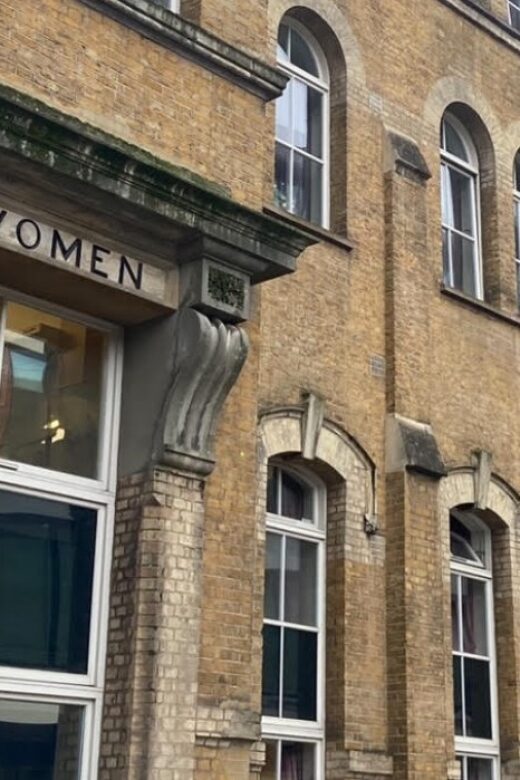
If you’ve ever watched a true-crime documentary, you know the “who” is only half the story. On this walk, the focus is the “how” and the “where”: dark lanes, late-night routines, and the specific corners of Whitechapel tied to the murders. Even if you think you already know the basics, walking the geography forces you to slow down and pay attention.
What I like most is how the tour treats the case like an ongoing debate, not a sealed mystery. The route is built around places linked to the trail, while the guide helps you separate legend from the bits that get repeated because they fit the narrative best. That matters because Jack the Ripper history is messy by nature, and people love shortcuts.
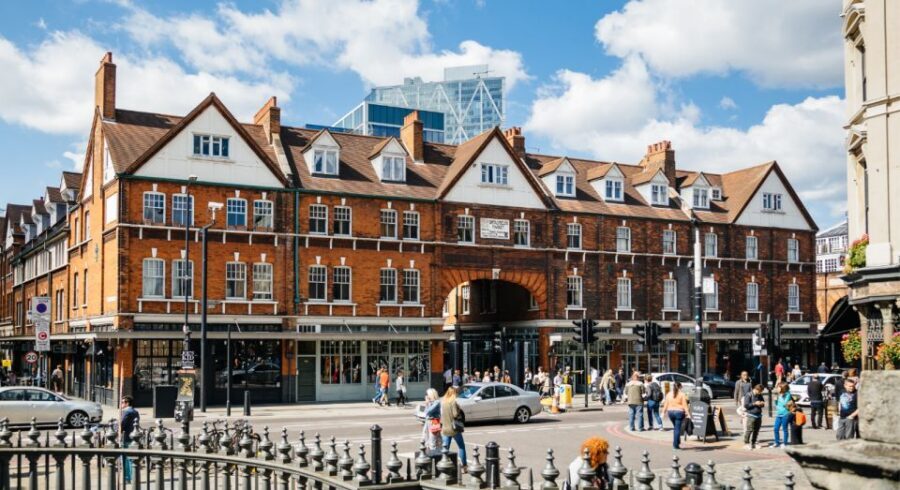
You’ll also get a London alternative perspective. Most sightseeing in London is about palaces, museums, and views. This is different. It’s the East End, walked at street level, where the city’s everyday texture helps you understand why the case became so famous.
You can also read our reviews of more walking tours in London



The 90-Minute Whitechapel Route: From Trader’s Gate to Hanbury Street
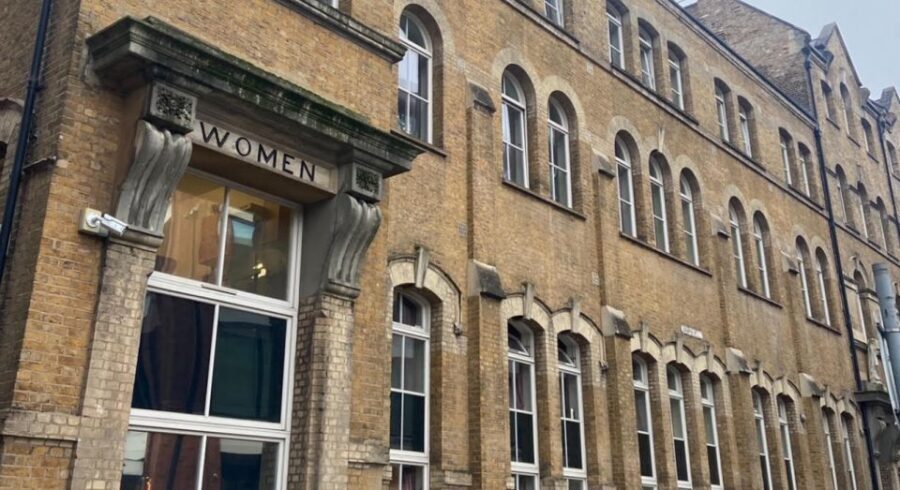
This tour runs about 1.5 hours, so it’s long enough to feel like a proper story walk but short enough that you don’t lose an entire afternoon to “standing around.” The route moves in a clear sequence: Trader’s Gate, Aldgate High Street, Mitre Square, Goulston Street, Commercial Street, and then Hanbury Street.
That order is the point. It’s not random murder-mystery sightseeing. Each stop is chosen because it adds a new layer: where the famous narrative starts, where claims are said to have been made, and where key clues (or at least the most debated “clue” locations) are placed.
Expect a mix of looking at the streets and hearing the guide connect dots. Some guides bring extra theatrical energy, but the best versions stay practical: they explain what happened there, why the place became important, and how researchers and amateur sleuths keep arguing about identity.
Trader’s Gate: Starting at the Edge of the 1888 Story
The walk begins at Trader’s Gate, which immediately makes the case feel grounded in the city. This isn’t a jump-in-at-the-center kind of tour. You start where the narrative is anchored, then you move street by street into the Whitechapel area that became shorthand for the murders.
From this starting point, the guide sets up the famous sequence around the night of 31 August 1888. A man walking to work notices something strange near the gates, checks it out, and the discovery becomes the spark for the manhunt that follows.
Even if you’re not deep into the case, this opening helps you understand why the story spreads the way it did. The details aren’t just gore or sensationalism. It’s about timing, movement, and the way information traveled in the late Victorian East End.
Aldgate High Street: Working the Trail Through Daily London
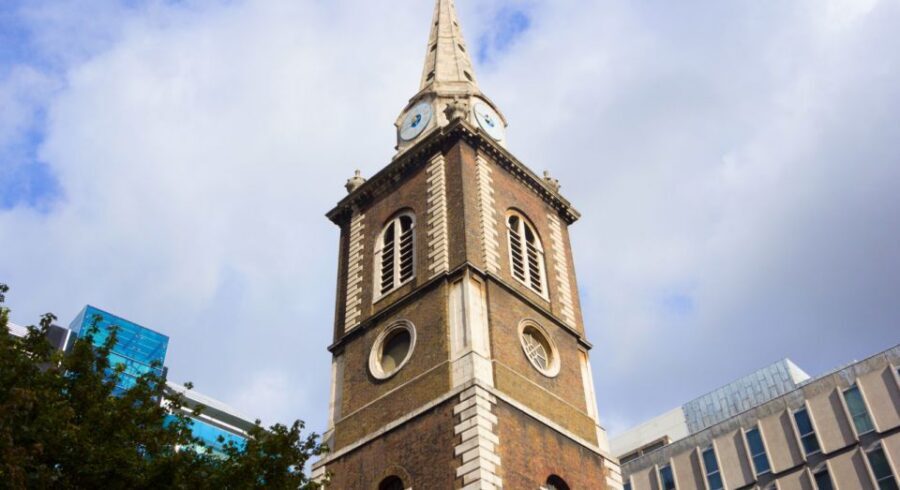
Next comes Aldgate High Street, part of the broader Whitechapel approach. Here, the experience shifts a bit: you’re not just hearing about isolated crime scenes. You’re seeing how the area was laid out for people moving around it—working, walking, and passing through streets that still feel “local” today.
This is a good moment in the tour to pay attention to scale. Whitechapel locations are close enough that you can picture how someone could move through the area. The guide’s job is to help you do that without turning it into a spooky theme park.
If you’re the type who likes maps, you’ll likely enjoy this stretch because it’s the bridge between the opening scene and the more tightly linked murder-site stops. The tour is building momentum.
Mitre Square: The Place Where Jack Claimed Two Victims
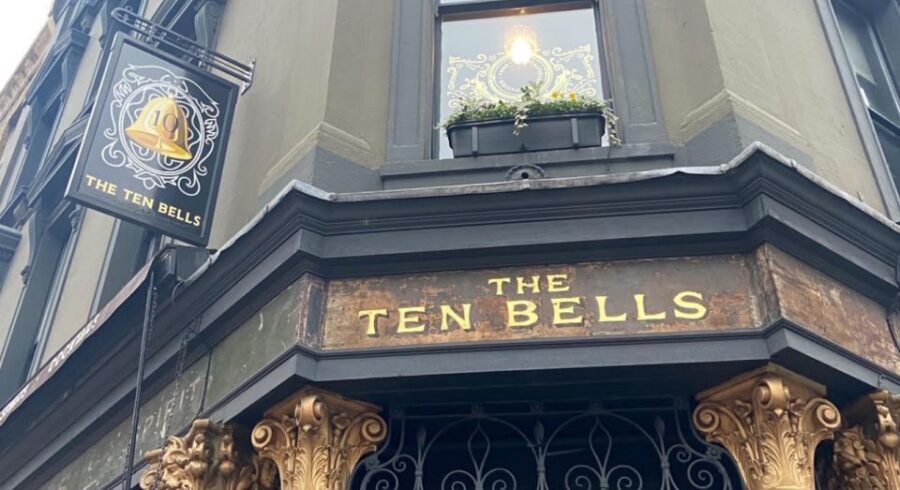
Mitre Square is one of the stops that gets called out for a reason: it’s infamous as the place where Jack the Ripper claimed not one, but two victims. That single detail changes how you think about the case, because it points to something beyond just the killings—communication, boasting, and how the killer may have shaped public attention.
What you’ll get here is the story’s “myth engine.” A lot of Jack the Ripper history lives in what people say he said, what was written, and how that information was interpreted. On this stop, the guide’s job is to keep you oriented: this is where the narrative links to Mitre Square, and this is why the claim stuck.
Don’t expect a polished, museum-style explanation. This is street-level history. You’re standing in a place that still carries ordinary London life, while the guide overlays it with the 1888 timeline.




Goulston Street: Where the Case’s Key-Clue Debate Takes Center Stage
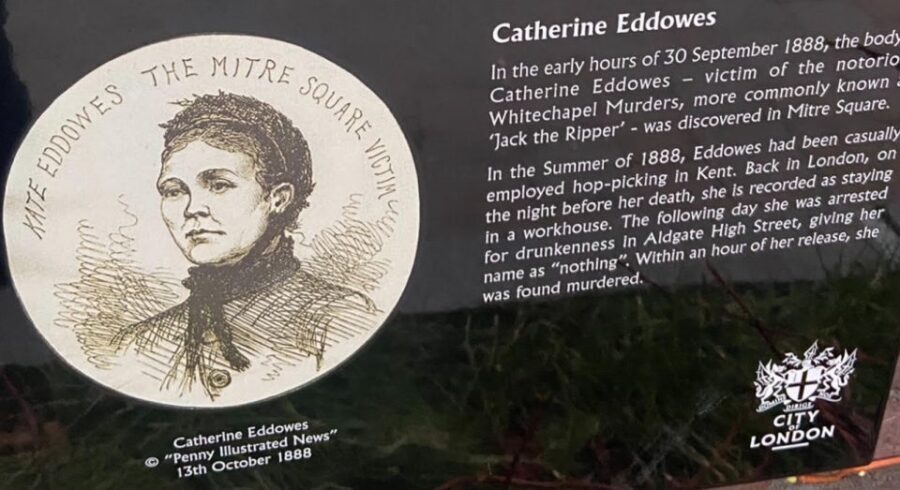
Goulston Street is described as potentially one of the most vital clue locations in the whole case. That’s a big promise, but the value here is how the tour frames “clue” as a concept. In a famous unsolved case, clues get argued over. They can be interpreted in multiple ways, and sometimes the strongest theory wins because it’s the easiest to repeat.
When you reach this stop, the tour’s tone usually becomes more analytical. Instead of only recounting events, the guide helps you understand why certain details get treated as pivotal—and why ripperologists and amateur sleuths still chase answers.
For you, this is the payoff if you like mysteries that aren’t fully solved. It’s not just, happened here, next. It’s, happened here, and people keep asking what it meant.
Commercial Street to Hanbury Street: Anne Chapman’s Discovery
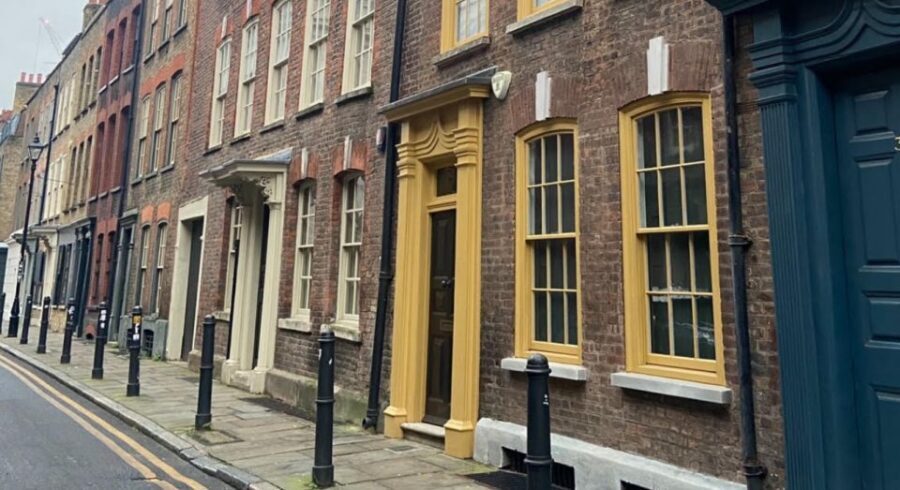
Then you move down Commercial Street and arrive at Hanbury Street, where the body of Anne Chapman was discovered. This is one of the most emotionally heavy parts of the tour’s story, and the route guides you right to the spot where that moment becomes central.
Anne Chapman is often at the heart of Jack the Ripper discussions, so having this location on the walking path makes the entire story feel more concrete. Instead of a distant legend, you’re hearing it tied to a specific street.
At this point, you may notice how the tour balances two jobs at once. It gives you the case narrative, but it also reminds you that identity and intent still sit in the realm of debate. That’s the core of why this tour lasts 1.5 hours: the walk needs enough time for the route to build meaning, not just cover coordinates.
How the Guides Turn Streets Into a Story (Marc, Alice, Johnny, and More)
The guides are a major reason people recommend this tour. Strong feedback highlights guides who are friendly, funny when appropriate, and able to keep the story organized without losing the thread. Names that come up often include Marc, Alice, Johnny, Greta, and Elena, along with other guides like Robin and Mathew/Matthew.
A good guide does two things well. First, they set the scenes of Victorian life so you can picture what daily movement looked like in Whitechapel. Second, they present the facts clearly enough that the myths don’t steamroll everything.
If you’re hoping for a purely academic lecture, you might be slightly surprised by the tone. Many guides lean into storytelling, and that’s part of the appeal. The best ones keep it serious when it needs to be, but still make it easy to follow stop after stop.
Price and Value: What $20.20 Buys You in East End Walking Time
At $20.20 per person for about 90 minutes, this is priced like a budget-friendly guided experience. You’re paying for a live guide plus the effort of connecting multiple historical locations into one coherent route—Trader’s Gate through Hanbury Street.
The value shows up in two ways. You’re not spending money just to hear generic Jack the Ripper facts. You’re also paying for structure: a specific trail, a set time, and a guide who helps you understand why each stop matters.
You should go into it expecting a walking tour, not a museum entry. The tour includes the guide, but it does not include food and beverages or any attraction admissions, so you’ll want to plan your day around that.
Tower Hill Meeting Points: How to Find the Tour at 3:30 PM or 6:00 PM
Meeting point clarity can make or break any walking tour. Here, you have two start options.
For the 3:30 PM tour, meet at the Golden Tours Open Top bus stop 9 at Tower of London, Tower Hill, opposite the Tower Hill Station tourist bus stop. For the 6:00 PM tour, exit Tower Hill Underground Station and wait at the Tower Hill Tram stop near the ice cream refreshments stand by the station exit.
Both tours end back at the meeting point, so you don’t need to worry about a complicated finish location.
My practical advice: arrive a few minutes early and use nearby signage to orient yourself. If you’re coming from Underground, take a moment at street level to confirm you’re at the right tram/bus area before you join the group.
Who This Walking Tour Suits Best
This one fits you if you want London history with teeth. It’s ideal for people who like true-crime context, especially the part where facts and myths clash. It’s also great if you enjoy city-walking over sitting indoors.
It’s a strong match for:
- True-crime fans who want place-based storytelling in Whitechapel
- First-timers to East End areas who want an organized route
- Travelers who like a guide who can explain the enduring mystery without overselling certainty
It might not be your favorite if you strongly dislike dark subject matter. Even though the tour is handled as a guided story, the topic is violent. Also, if you’re chasing the most atmospheric feeling possible, remember the tour times include a daytime option.
Children under 16 are welcome at their parent’s discretion, so it can work for families that feel comfortable with the subject.
Should You Book This Jack the Ripper Walking Tour?
Yes, you should book if you want a focused, 90-minute walk through the Whitechapel locations most tied to the case’s lasting questions. The best part isn’t just that Jack the Ripper is famous—it’s that the tour gives you a practical trail, plus a guide who helps you understand why the mystery keeps pulling people back.
Book it especially if you value street-level context and a story told stop by stop: Trader’s Gate to Aldgate High Street, Mitre Square, Goulston Street, and then Hanbury Street and Anne Chapman’s discovery.
One quick decision tip: if you can choose between the times, consider the feeling you want. The earlier start may be less spooky, but it can still make the case hit hard because you’ll be walking the route in daylight and seeing the real streets clearly.
FAQ
How long is the London Jack the Ripper Walking Tour?
It runs for about 1.5 hours (roughly 90 minutes).
How much does the tour cost?
The price is listed as $20.20 per person.
Where is the meeting point for the 3:30 PM tour?
Meet at the Golden Tours Open Top bus stop 9 at Tower of London, Tower Hill, opposite Tower Hill Station, at the tourist bus stop.
Where is the meeting point for the 6:00 PM tour?
Exit Tower Hill Underground Station and wait at the Tower Hill Tram stop near the ice cream refreshments stand next to the station exit.
What stops will we see during the walk?
You’ll visit Trader’s Gate, Aldgate High Street, Mitre Square, Goulston Street, Commercial Street, and Hanbury Street.
Is there a live guide and what language is it in?
Yes, it’s a live guided tour in English.
Are children allowed?
Children under 16 can join at their parent’s discretion.
What’s included in the price?
A guided tour is included.
What isn’t included?
Food and beverages and admission to attractions are not included.
Can I cancel and get a full refund?
You can cancel up to 24 hours in advance for a full refund.