REVIEW · LONDON
London Must-See Attractions Walking Tour with a Guide
Book on GetYourGuide →Operated by Guydeez Tours · Bookable on GetYourGuide
Big sights, tight route, and a guide who can point out what matters. This 3-hour London walking tour is built for people who want the headline landmarks—without spending the whole day wandering. You’ll pass Big Ben, roll through the Thames/Westminster area, and end up at Buckingham Palace, with a guide steering you through the story behind the scenes.
What I like most is that the route is practical: you see the icons you came for and you get the “why this place matters” context that makes the photos mean something. A second win is the flexibility: there’s a private option that can be customized, and the guide also offers advice for what to do next in the city. Recent groups were guided by people like Hélène, Carla, and Lucia, and the feedback emphasized how adaptable and prepared they were with real people and real questions.
One thing to consider: it’s a compact 3-hour plan, so you’ll be doing a lot of walking and viewing from the street, not slow-strolling at each site. If you’re the type who wants long indoor time, you may find you’ll need to come back later for tickets and deeper visits.
In This Review
- Key Highlights That Make This Tour Worth Your Time
- Meeting Point at Parliament Square and Why Starting Here Works
- Big Ben and the Houses of Parliament: Street-Level Views with Context
- Walking the Thames: From Icons to Atmosphere
- Parliament Square to Whitehall: The Government Corridor on Foot
- The Cenotaph and 10 Downing Street: What You Can See (and What You Can’t)
- Westminster Abbey and Trafalgar Square: Two Styles of London “Big”
- National Gallery to Cecil Court: Art and Side Streets Without the Detour Spiral
- Covent Garden, Leicester Square, and Piccadilly Circus: Classic Central London Energy
- Green Park, The Mall, and Spencer House: The Walk That Connects the Crowns
- Buckingham Palace Finish and the Big Picture Payoff
- What the Guide Actually Adds (Beyond Pointing)
- Price and Value: Is $65 a Good Deal for 3 Hours?
- Who This Tour Fits Best
- Should You Book This London Must-See Attractions Walking Tour?
- FAQ
- FAQ
- Where is the meeting point?
- How long is the tour?
- How much does it cost?
- Is the tour wheelchair accessible?
- Is this tour offered in private format?
- What languages are the guides available in?
- Are entrances to attractions included?
- Is food or drinks included?
- Does the tour use public transport?
- Where does the tour end?
Key Highlights That Make This Tour Worth Your Time
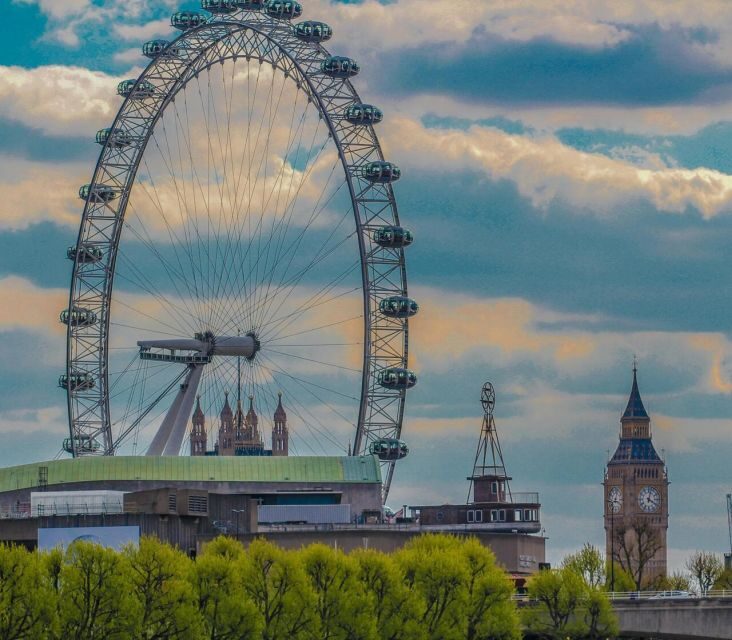
- Westminster-to-Central London route with major sights packed into a 3-hour walking plan
- Public transport included when it makes sense to keep the pace efficient
- Downing Street and government landmarks viewed from the outside with helpful context
- Expert guidance in multiple languages (English, Spanish, Italian, French)
- Private and customizable option if you want to steer the emphasis
- Quick planning bonus: your guide’s tips on what to do next in London
Meeting Point at Parliament Square and Why Starting Here Works
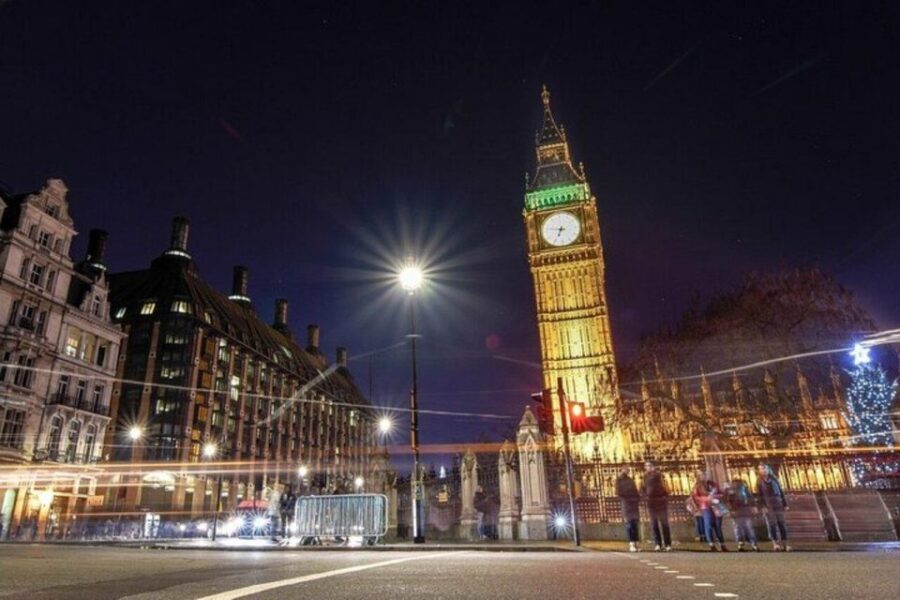
The tour starts near the Mahatma Gandhi statue, with the meeting point in the Parliament Square area. I like this because it’s one of those locations where you can orient fast. From here, you’re immediately in the Westminster orbit—government buildings, ceremonial spaces, and the kind of London architecture that makes you look up even when you’re trying not to.
Parliament Square is also a good “launchpad” for people who want democracy-and-politics context without getting stuck reading plaques all day. Your guide can set the tone early: what you’re about to see, what to notice, and where to focus your camera angles.
Practical note: since this is a walking tour with several stops close together, arriving a few minutes early helps you settle in and get going without stress.
You can also read our reviews of more walking tours in London



Big Ben and the Houses of Parliament: Street-Level Views with Context

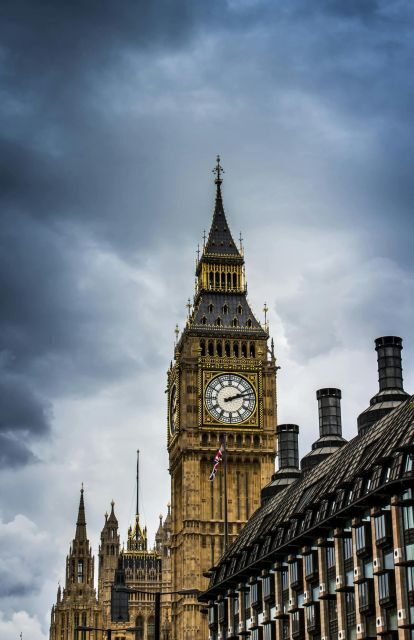
Soon you’ll be at Big Ben and the surrounding Westminster scene, then moving toward the Houses of Parliament area. Even if you’ve seen these buildings in pictures a thousand times, the view hits differently in person because the scale is real. The guide’s job here is to help you read the details—what part you’re looking at, how the setting ties into British governance, and what makes this area historically important in everyday terms.
At this stage, I think the tour’s value becomes clear: you’re not just collecting landmarks. You’re getting a guided sense of place. The Houses of Parliament and the Big Ben area are famous, but what most first-time visitors miss is how the surrounding streets and squares shape the experience—how you move from one civic space to the next and how sightlines open up as you walk.
If you’re photographing, this is also where a guide can help you avoid the dead-simple mistake of shooting at the wrong angle. You’ll naturally get the best viewing moments as the group progresses.
Walking the Thames: From Icons to Atmosphere
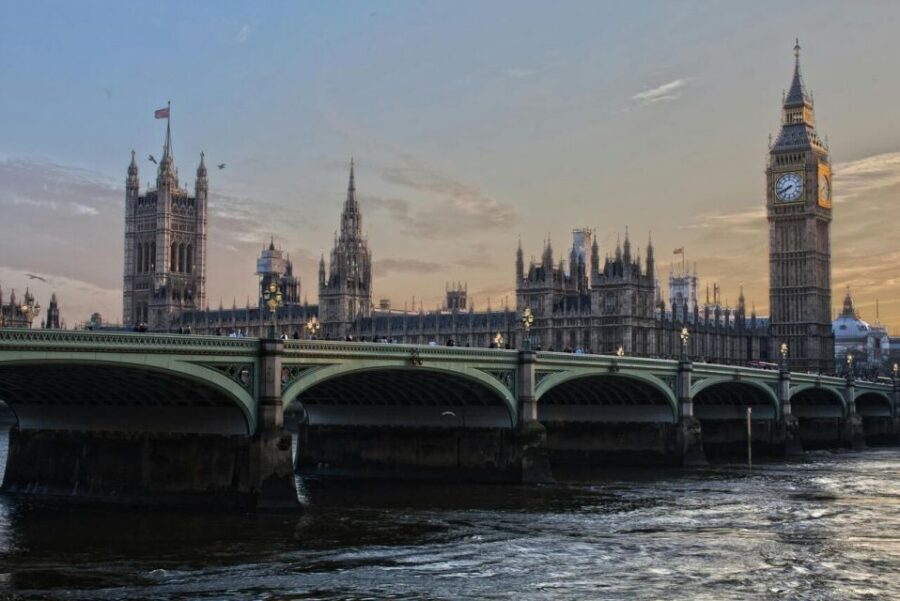
Next comes the River Thames stretch. I like that the tour doesn’t stay only in “politics-only” territory. The Thames adds breathing room and perspective. It’s the classic London visual anchor, and seeing it while you’re already in the Westminster area helps the city feel connected instead of chopped into disconnected attractions.
This part is also a good reminder that London’s greatest travel trick is movement. The best views often come from walking just a bit farther along the right stretch, then pausing. Your guide can help you time those pauses so you don’t end up stopping every five minutes or rushing through the moment that makes the walk worth it.
Parliament Square to Whitehall: The Government Corridor on Foot
From Parliament Square, you head down Whitehall, passing famous government buildings and civic spaces along the way. This is where the tour becomes especially useful for people who like “London stories.” The route is basically a corridor of power and ceremony, and your guide can explain how it all fits together—why you’re seeing certain buildings here, and what each place signals.
Whitehall also offers a strong visual contrast: the street feels grand and official, but the walk stays practical. You’re not trapped inside. You’re experiencing London as a city you can actually navigate, which matters because many first-timers find that London navigation ruins their enjoyment. This tour helps you keep the momentum.
The Cenotaph and 10 Downing Street: What You Can See (and What You Can’t)

You’ll stop for a moment at the Cenotaph, a national memorial. Then you’ll glimpse 10 Downing Street—the Prime Minister’s residence—from the outside.
This is a good section of the tour because it slows you down briefly at a serious spot. Even without going inside anywhere, the presence of a memorial changes the mood of the walk. I appreciate that the tour includes a real pause instead of treating everything like a photo backdrop.
As for Downing Street: you should expect exterior viewing. That’s not a flaw—it’s just reality. The benefit of having a guide here is knowing what you’re looking at and understanding why this spot matters beyond the famous street address.
If you’re traveling with kids, this part can be surprisingly effective because it connects a name they may have heard on the news to a real physical location.
You can also read our reviews of more guided tours in London




Westminster Abbey and Trafalgar Square: Two Styles of London “Big”
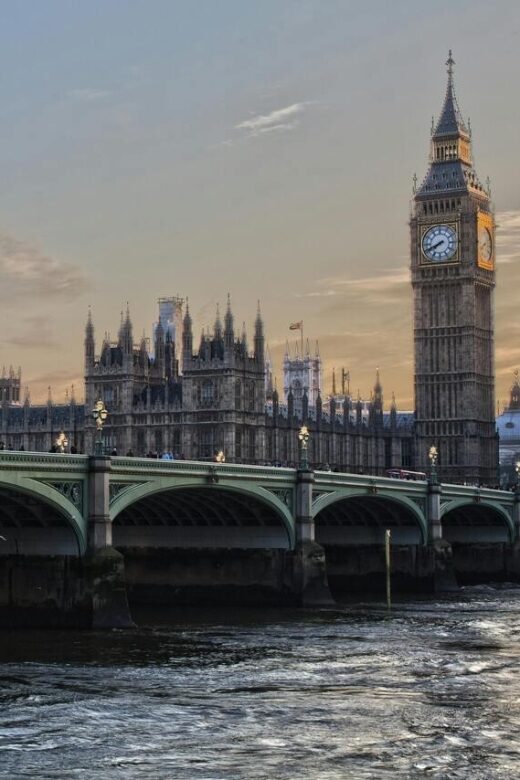
After Whitehall, the route continues to Westminster Abbey. I like that you’re moving through the area logically, because the Abbey sits in that “slow attention” zone of London—people tend to rush it when they’re on their own, but on a guided walk you’re nudged to notice the scale and setting before you move on.
Next you’ll head toward Trafalgar Square, passing Admiralty Arch and then learning about Admiral Nelson at Nelson’s Column. This pair—Westminster Abbey on one side and Trafalgar Square on the other—gives you two different kinds of London grandeur.
- Westminster Abbey feels ceremonial and rooted in monarchy and national tradition.
- Trafalgar Square feels public and civic, a meeting-point space with a bold monument focus.
That contrast is one reason this tour works for first-timers. You’re not just repeating the same vibe for three straight hours.
National Gallery to Cecil Court: Art and Side Streets Without the Detour Spiral
The tour doesn’t stop at only the most obvious photo spots. You’ll also pass by the National Gallery, London, and you’ll be taken through Cecil Court, a street that adds a different texture to the day—more London-at-human-scale.
This matters because art museums and major landmark areas can be hard to plan. A guided route helps you experience the presence of places like the National Gallery without forcing you into a ticket schedule you might not be ready for. You’re still getting proximity and context, and you can decide later if you want a longer indoor visit.
If you like walking through neighborhoods rather than only sightseeing districts, this is the kind of stop that makes the tour feel more like London and less like a checklist.
Covent Garden, Leicester Square, and Piccadilly Circus: Classic Central London Energy
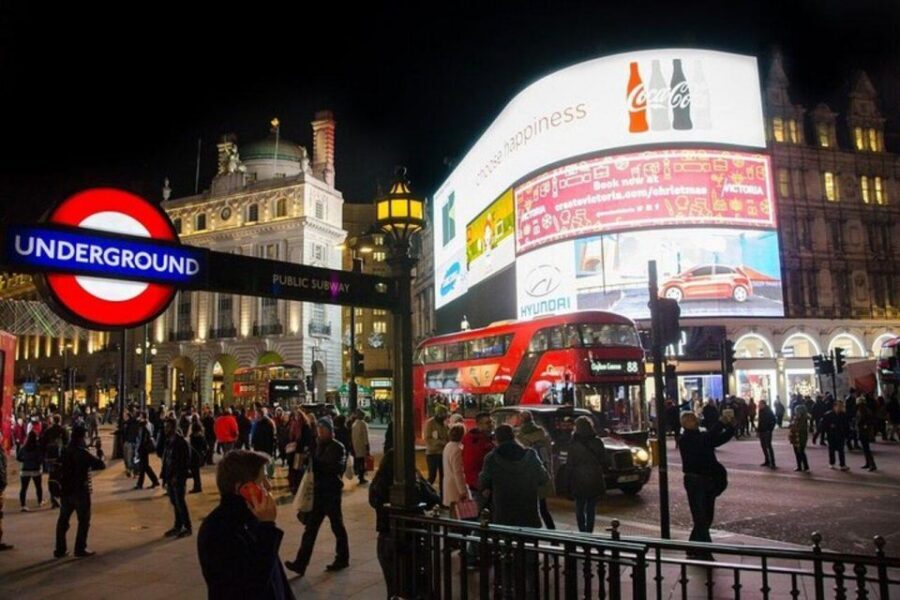
From there the tour moves into the Covent Garden area and continues to Leicester Square, plus a stop at Piccadilly Circus. This section is where London becomes more “entertainment” than “government,” and that shift keeps the walk from feeling repetitive.
I like that the route includes these famous squares because they’re useful for building your mental map. After you’ve seen where Covent Garden and Leicester Square sit in relation to Westminster, your future sightseeing becomes easier—you’ll understand how to plan the rest of the city without getting turned around.
One thing to consider here: this part is likely to feel busier than the earlier government/monument stops. The upside is energy and street life; the downside is that if you dislike crowds, you may need to embrace the fact that central London is central London.
Green Park, The Mall, and Spencer House: The Walk That Connects the Crowns

The route continues near Green Park and down The Mall, with a stop at Spencer House along the way. This is a quieter kind of grandeur compared with Trafalgar Square or Leicester Square. The park and ceremonial road feel like transition space between the dense energy of the city center and the monarchy-focused end of the tour.
The Mall is especially useful for orientation. If you’ve ever looked at photos and thought, okay, but where does that road actually lead, this is where your brain finally connects the dots. You’re also walking in the kind of area that makes you understand why London sightseeing often revolves around a few major corridors.
Buckingham Palace Finish and the Big Picture Payoff
The tour concludes at the Buckingham Palace area, then returns you back to Parliament Square. Ending near Buckingham Palace is a smart finish because it gives you a clear final “wow” moment—then you’re guided back to where you started, which keeps the logistics simple.
I think the best way to describe this tour is that it’s a route that makes London feel connected. Big Ben is tied to the Thames, the Thames is tied to Westminster civic space, and then the walk flows toward the arts and entertainment zones of central London. By the time you reach Buckingham Palace, you’re not just seeing famous buildings—you’re seeing how London’s main areas talk to each other.
Also, because it’s only 3 hours, it’s an easy decision to fit into your trip. You can do this early to get bearings, or do it mid-trip to sharpen your plan for the rest.
What the Guide Actually Adds (Beyond Pointing)
A walking tour lives or dies by the guide, and the highlights here are pretty clear: you get lots of valuable advice on what else to do in London, and the guide can adapt the tour depending on the group. Some recent experiences specifically praised guides for adjusting smoothly for families, staying prepared, and guiding for the full 3 hours in a way that felt like money well spent.
One practical advantage: multilingual support. The tour lists English, Spanish, Italian, and French, which matters because it keeps the experience comfortable and reduces the risk of missing key explanations.
If you choose the private and customizable option, you’re basically buying the ability to tune the emphasis. Maybe you care more about politics and monuments. Maybe you’d rather lean into squares, shopping streets, and entertainment zones. You’ll be able to shape the day more than you would on a fixed group walk.
Price and Value: Is $65 a Good Deal for 3 Hours?
At $65 per person for a 3-hour guided walk, this isn’t a “cheap and cheerful” option, but it also isn’t overpriced if you value planning help and streamlined viewing. Here’s why I see it as good value:
- You’re getting a guide for the full 3 hours, not just a quick meet-and-greet.
- The route hits major landmarks across Westminster, the Thames area, and central London in a way that’s hard to replicate solo without wasting time.
- The guide also adds future-planning advice, which can save you money and time later (the classic “I wasted half a day searching for what to do” problem).
- If you select the private option, the customization adds flexibility beyond a standard sightseeing route.
Where the “value math” might not work for everyone: if you already know London well and don’t want context or guidance, you may not feel the same payoff. Also, since entrance fees aren’t included, you’ll want to treat this as a street-view and orientation tour, not a ticket-heavy attractions day.
Who This Tour Fits Best
This walking tour is a strong match if you:
- want an efficient London orientation route that hits Westminster icons and central squares
- like a guided narrative so landmarks mean more than photos
- want practical advice for what to do next after the tour
It’s also a good fit for first-time London visitors and for people who are short on time but still want the big hits. If you’re traveling with family, the guide adaptability noted in recent feedback is a reassuring sign.
If you’re a hardcore architecture deep-diver or you want lots of indoor time, you’ll likely treat this as one piece of your trip and plan additional ticketed visits separately.
Should You Book This London Must-See Attractions Walking Tour?
Yes—if your goal is a focused, 3-hour London sampler that covers the major Westminster landmarks, the Thames, and central London highlights. The route makes sense, the guide component adds real value through context and recommendations, and the ability to go private/custom helps if you want control over what you emphasize.
I’d hesitate only if you dislike crowds and tight timing, or if you’re expecting tickets and lots of inside time. This tour is built for walking, seeing from the street, and getting your bearings fast.
If you’re standing in the Parliament Square area anyway, it’s one of the easiest ways to turn a few hours into a London “map in your head” that helps every other plan you make afterward.
FAQ
FAQ
Where is the meeting point?
You’ll meet your guide near the Mahatma Gandhi statue.
How long is the tour?
The duration is 3 hours.
How much does it cost?
It’s listed at $65 per person.
Is the tour wheelchair accessible?
Yes, the tour is wheelchair accessible.
Is this tour offered in private format?
Yes, a private group option is available, including the possibility of a customizable tour.
What languages are the guides available in?
The live tour guide is available in English, Spanish, Italian, and French.
Are entrances to attractions included?
No. Entrance to attractions is not included.
Is food or drinks included?
No. Drink or food is not included.
Does the tour use public transport?
The tour includes walking with public transport as part of the experience.
Where does the tour end?
It returns you to Parliament Square.