REVIEW · LONDON
London: Natural History Museum Private Guided Tour
Book on GetYourGuide →Operated by Walkport Limited · Bookable on GetYourGuide
Dinosaurs in London? Yes, and it’s smart. This 2-hour Natural History Museum private guided tour keeps the big ideas clear while you move through the museum’s most famous wonders at a manageable pace. I especially like how the guide ties each object to the science story behind it, not just what you’re looking at.
One thing I really love is the dinosaur focus, with time spent in the T-Rex and Triceratops orbit of the museum’s collections. Another standout is the human side of discovery: you get stories about the men and women who changed how we understand the natural world.
The main consideration is practical: you will be walking up and down stairs, even though lifts are available if you need them.
In This Review
- Key things you’ll notice fast
- Meeting at the museum: east garden entrance, and what to do if it rains
- What 2 hours inside the Natural History Museum really means
- Dino time with T-Rex and Triceratops without getting lost
- Life on Earth: giraffes, fast fish, and the big picture
- Hope the blue whale: one stop that changes how you look at size
- Fossils and precious stones: learning to read evidence in glass cases
- Your guide’s job: stories behind the science, not just facts
- English or French guide, and why that affects the whole visit
- Price and value for a private group up to 6
- Who this tour suits best (and who might not love it)
- Quick practical notes before you go
- Should you book this London Natural History Museum private tour?
- FAQ
- How long is the London Natural History Museum private guided tour?
- What does the tour price include?
- Is this a private tour?
- What languages are available for the live guide?
- Where do we meet the guide?
- Is the museum tour wheelchair accessible?
Key things you’ll notice fast
- A private guide who can steer you toward the museum’s most memorable moments in just 2 hours
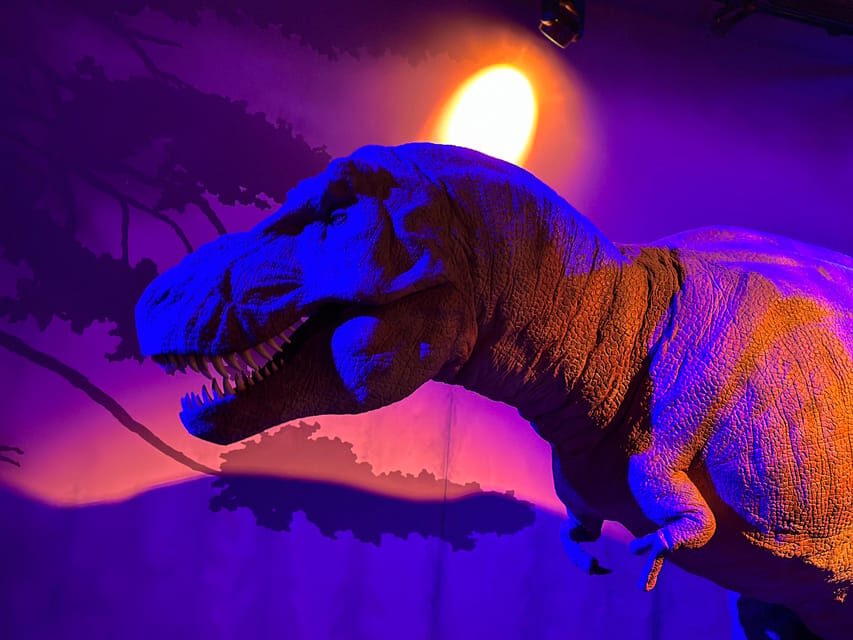
- T-Rex and Triceratops time, with the reign-and-extinction story explained in plain language
- Hope the blue whale, plus other life-on-Earth highlights that broaden your view beyond dinosaurs
- Fossils, precious stones, and museum objects explained as real evidence, not just display cases
- Flexible pacing for families and curious adults, so the tour doesn’t feel rushed or lecture-heavy
Meeting at the museum: east garden entrance, and what to do if it rains
Your tour meeting point is on the east side entrance to the garden at the crossing of Cromwell Road and Exhibition Road. Look for an Excellent Walks of London sign, then meet your guide there.
In rain, there’s a helpful backup route: there’s a tunnel from South Kensington tube station to the museums. You’ll wait at the Natural History Museum exit that’s also the East Entrance to the garden, but underground. If the weather is bad, this plan can save you stress and time, and you can keep the tour start smooth.
You can also read our reviews of more guided tours in London



What 2 hours inside the Natural History Museum really means
The Natural History Museum is huge. A private tour helps because you’re not trying to self-navigate while also reading everything. With a 2-hour slot, you’re aiming for quality learning over checkbox sightseeing.
Expect a guided route built around the museum’s main themes mentioned in the tour: dinosaurs, the diversity of life across Earth, and the evidence trail in fossils and minerals. The private format also matters—your guide can adjust pacing if your group wants more time at one display or moves faster through another.
Also note the tour is designed for small groups, so you’re not fighting for position in front of the same case everyone else stops at.
Dino time with T-Rex and Triceratops without getting lost
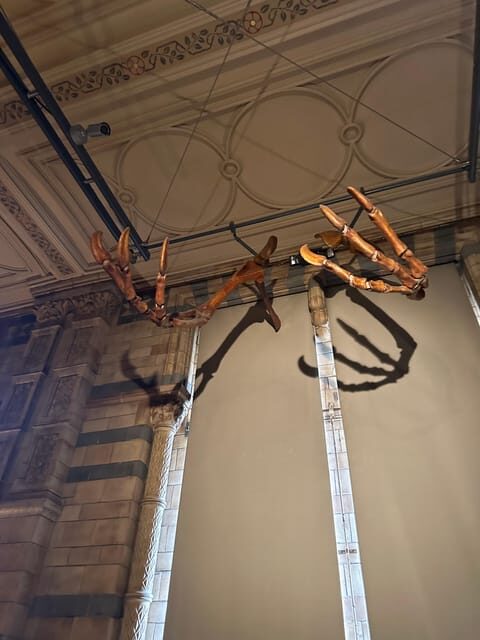
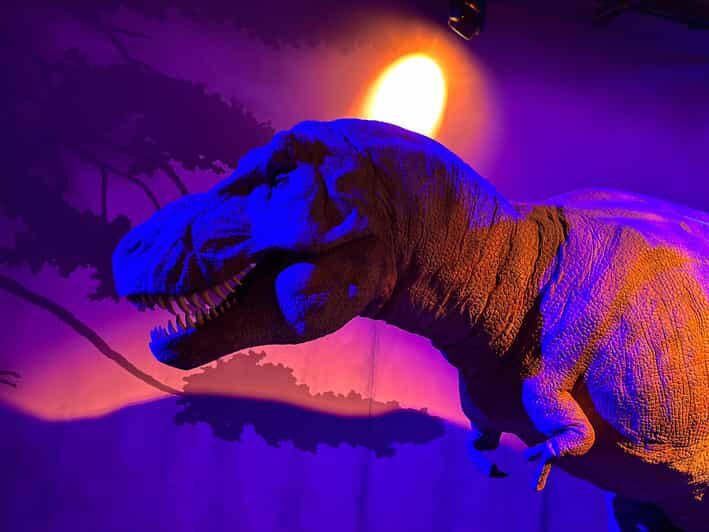
The dinosaur part is the headline, and it’s a smart one for a short visit. You’ll stand in awe of prehistoric giants like T-Rex and Triceratops, and you’ll learn the basic arc of how dinosaurs lived and why they disappeared.
What makes this portion valuable is the way it changes your relationship to the bones. Instead of treating the displays like movie props, your guide connects them to science ideas—how we infer behavior, time period, and environment from fossil evidence. Even if you’re not a “science person,” this approach tends to make dinosaurs feel understandable, not intimidating.
One small practical note: dinosaur areas can draw big foot traffic when the museum is busy. A private guide doesn’t erase crowds, but it helps you spend your energy watching the right things at the right moments, rather than circling.
Life on Earth: giraffes, fast fish, and the big picture
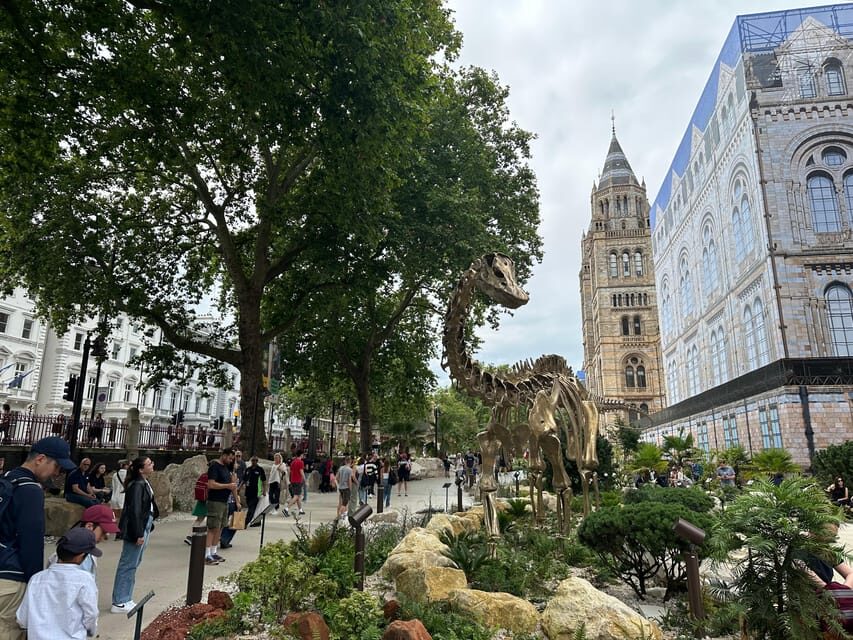
After the dinosaur wow-factor, the tour shifts toward the museum’s broader message: life is diverse, and Earth’s story is written across many forms. You’ll cover a range of animals and ideas, from towering giraffes to the fastest fish of the oceans.
This is where you’ll get more than a list of species. The goal is to show you how scientists organize knowledge—how we compare traits, adapt to environments, and interpret how life changes over long stretches of time. In a self-guided visit, it’s easy to bounce between displays without connecting the dots. A guide helps you make those connections while you’re still inside the galleries.
If you’re traveling with kids or teens, this “variety of life” section is often the sweet spot. It keeps things moving and gives everyone a chance to spot something they recognize.
Hope the blue whale: one stop that changes how you look at size
One of the most memorable highlights is Hope, the blue whale. Seeing a whale display can be a humbling experience on its own, but the tour aims to give you context—why such a huge animal matters scientifically and how it fits into the museum’s bigger story about life.
The best part of a guided approach here is perspective. You’re not just looking at scale. You’re learning how scientists use evidence to explain what once lived in Earth’s oceans and how today’s understanding connects to the past. It’s also a nice contrast to dinosaurs: both are prehistoric in their own ways, but they represent different parts of Earth’s timeline and different environments.
You can also read our reviews of more private tours in London



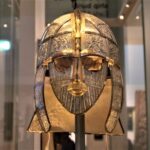

Fossils and precious stones: learning to read evidence in glass cases
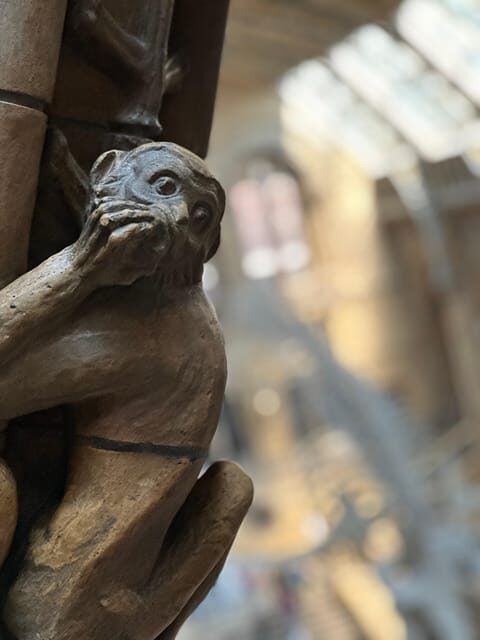
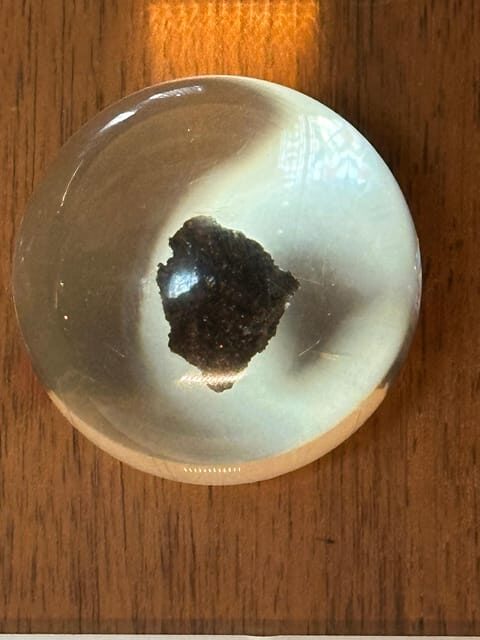
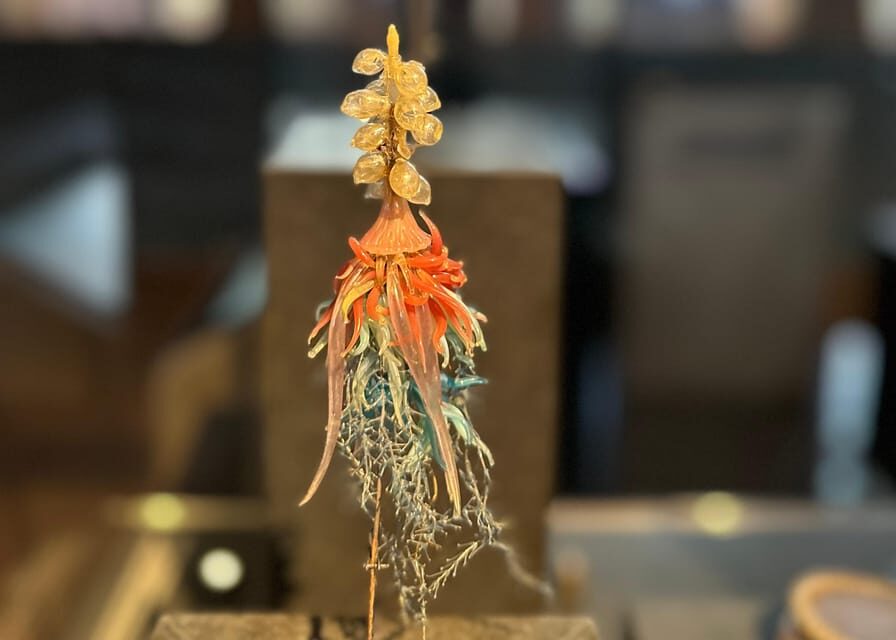
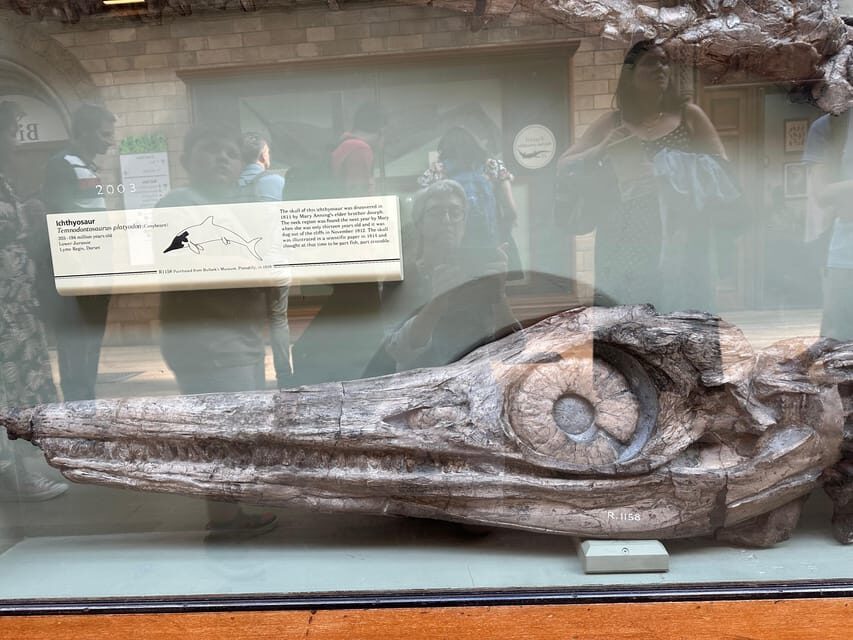
The tour doesn’t stop at skeletons and models. You also get time with fossils, minerals, and museum artefacts—plus the idea that these objects are evidence. That’s a key difference between a sightseeing visit and a museum visit that actually sticks with you.
You’ll be shown how to interpret what you’re seeing: what a fossil can suggest, why minerals matter for understanding Earth processes, and how artefacts fit into scientific storytelling. This is the portion that many people skip when they’re rushing for the biggest names.
If you enjoy close looking—like noticing textures, shapes, and patterns—this section is likely to feel satisfying. And if you don’t, a guide helps you know what to pay attention to so you still come away with real takeaways.
Your guide’s job: stories behind the science, not just facts
A private tour lives or dies on the guide, and this one seems built for exactly that. There are hints from past guests that the guide knows the museum well and can explain relevant topics with confidence. You can also see that flexibility is part of the experience, which matters when your group includes different ages or energy levels.
One named guide, Hélène, received standout praise for being super and for sharing her knowledge generously. That’s the kind of quality you want in a museum tour: the ability to explain without sounding like you’re reciting from a textbook.
This “stories behind the science” approach is also what turns objects into understanding. The museum covers big themes, but it can still feel fragmented if you wander. A good guide ties the pieces together as you move—so by the time you leave, it feels like one connected story.
English or French guide, and why that affects the whole visit

This tour runs with a live guide in English and French. Having the option matters more than you might think. If you’re a non-native speaker, you’ll likely retain more when you can ask questions or follow explanations comfortably. If you’re bilingual, it can be a fun way to compare how concepts translate across languages.
In a museum setting, small details matter. The difference between skimming and really understanding is often one explanation you can follow cleanly in your preferred language.
Price and value for a private group up to 6
At $134 per group (up to 6 people) for 2 hours, the value depends on how you travel. If you’re coming as a family or a small cluster of friends, the math can work well fast: you’re paying for a guide and museum entrance, not for a long, expensive day tour.
Here’s the practical way to judge whether it fits your budget:
- If you plan to see the big “musts” anyway (dinosaurs, blue whale, fossils/minerals), a guided plan saves time and helps you avoid the feeling of wandering without a goal.
- If you’re the type who enjoys a museum browse at your own speed, self-guided can be cheaper. But in just 2 hours, you may feel like you’re only scratching the surface.
Also, remember what’s included and what’s not. The tour includes a private guide and museum entrance. It does not include snacks, food, drinks, transport, or tickets for special exhibitions. So if you were hoping to add a special exhibition ticket on top, factor that extra cost in.
For many people, the sweet spot is this: use the private guide to set your direction, then—if you still have energy—plan additional time on your own later.
Who this tour suits best (and who might not love it)
This works best for you if:
- You want maximum learning per minute in a museum that can otherwise overwhelm you.
- You’re traveling with kids or teens and want the dinosaur factor plus a guided flow.
- You care about understanding the science behind displays—especially dinosaurs and evidence like fossils/minerals.
It may not be the best fit if:
- You want a long, slow museum day with lots of free wandering. Two hours will feel short in a place this large.
- Your group wants to focus only on one tiny niche. This tour is built around major themes, not deep specialty branches.
Quick practical notes before you go
Wear shoes you can walk in comfortably. The tour involves stairs, and lifts are available in the museum—if you know you’ll need a lift, let the organiser know so they can plan the route accordingly.
The meeting point is clear, but do give yourself buffer time, especially in rain. The underground route from South Kensington tube can help keep things calm and on schedule.
Should you book this London Natural History Museum private tour?
Yes—if you want a guided hit of the museum’s best-known themes in just 2 hours, this is a smart purchase. The strongest reasons to book are the dinosaur spotlight (T-Rex and Triceratops), the inclusion of Hope the blue whale, and the guide style that connects objects to the stories behind the science. With a private group size up to 6, you get attention and pacing that’s hard to match on a standard group tour.
If you only have a short window in London and you don’t want to spend that time guessing where to go inside the museum, book it. If you do have a full day and love wandering, you could self-guide—just be ready to pick your route carefully.
FAQ
How long is the London Natural History Museum private guided tour?
The tour lasts 2 hours.
What does the tour price include?
It includes a private guide and entrance to the museum.
Is this a private tour?
Yes. It’s a private group with a group size up to 6.
What languages are available for the live guide?
The tour offers live guidance in English and French.
Where do we meet the guide?
You meet at the east side entrance to the garden of the museum, at the crossing of Cromwell Road and Exhibition Road, by the Excellent Walks of London sign.
Is the museum tour wheelchair accessible?
The tour is listed as wheelchair accessible. You may still encounter stairs during the tour, but lifts are available in the museum—if you’ll need to use a lift, tell the organiser so the itinerary can be planned around it.