REVIEW · LONDON
London: Private Tour of the National Gallery with tickets
Book on GetYourGuide →Operated by Anthonys Tours · Bookable on GetYourGuide
Art history, but fast and personal. This private National Gallery tour, led by Anthony, gets you past the crowd and into a story of painting that spans centuries in just 2.5 hours.
Two things I love: Anthony connects each artwork to the time it came from, and you get real visual guidance on what to look for, not just dates. I also like the skip-the-line setup with a licensed guide and your entrance ticket, so the visit feels like visiting, not queuing.
One thing to consider: this is a highlight tour, so you won’t see every room or linger for hours on one painting. If your dream day is wandering without structure, you may want extra free time before or after.
In This Review
- Key highlights at a glance
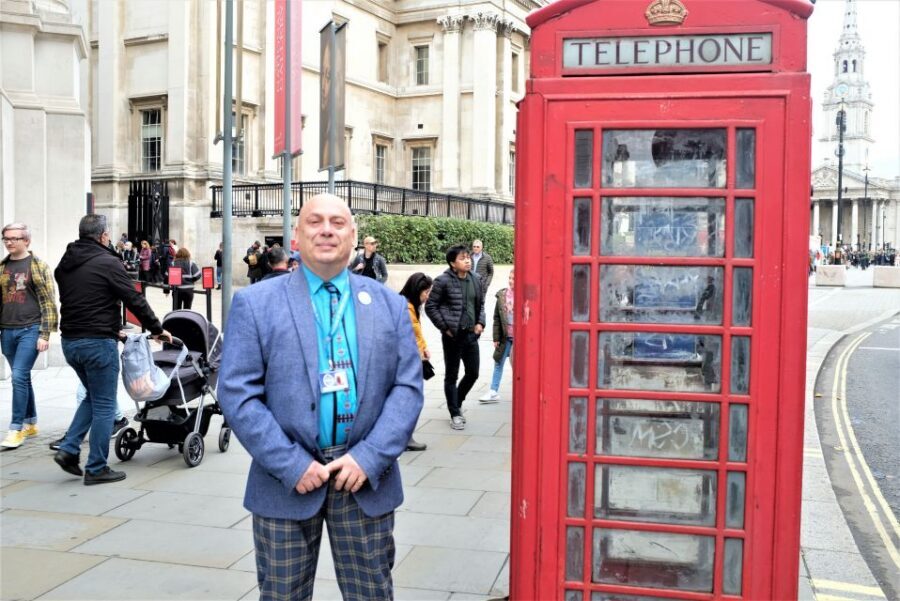
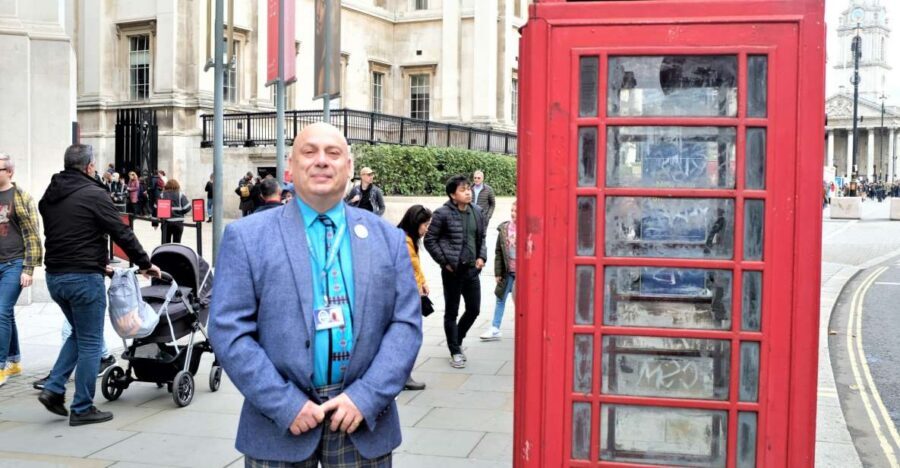
- Meeting at the Sainsbury Wing’s Red Telephone Box (and getting in quickly)
- A 2.5-hour timeline from the 1300s to Impressionism
- Da Vinci’s presence and Van Eyck-style detail spotting
- Raphael, Michelangelo, and the changing Renaissance lens
- Caravaggio’s Baroque energy and the rise of portraiture
- Van Gogh and the Impressionist shift in light, mood, and truth
- Private pacing that keeps questions alive (not rushed)
- Price and value: what $252 for up to 8 actually covers
- Should you book this National Gallery private tour?
- FAQ
- How long is the National Gallery private tour?
- Where do we meet the guide?
- Does the tour include tickets and a guide?
- Is transportation included?
- Are food and drinks included?
- Is the tour wheelchair accessible?
- Is the tour offered in English?
- Will the tour run in bad weather?
Key highlights at a glance
- Meet at the red telephone box outside the Sainsbury Wing for an easy start
- Private group up to 8 with a licensed, live guide who can answer questions
- Skip-the-line entry via a separate entrance to save time
- A tight art timeline from medieval icons through portraiture, Renaissance, Baroque, and Impressionism
- Story-led looks at major artists including Da Vinci and Van Gogh
- Rain or shine planning for the practical reality of London weather
Meeting at the Sainsbury Wing’s Red Telephone Box (and getting in quickly)
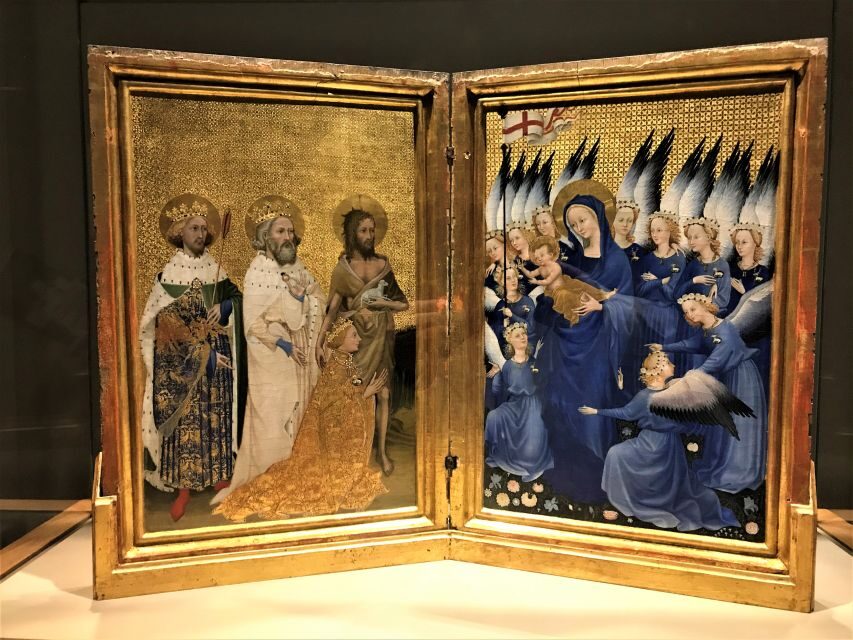
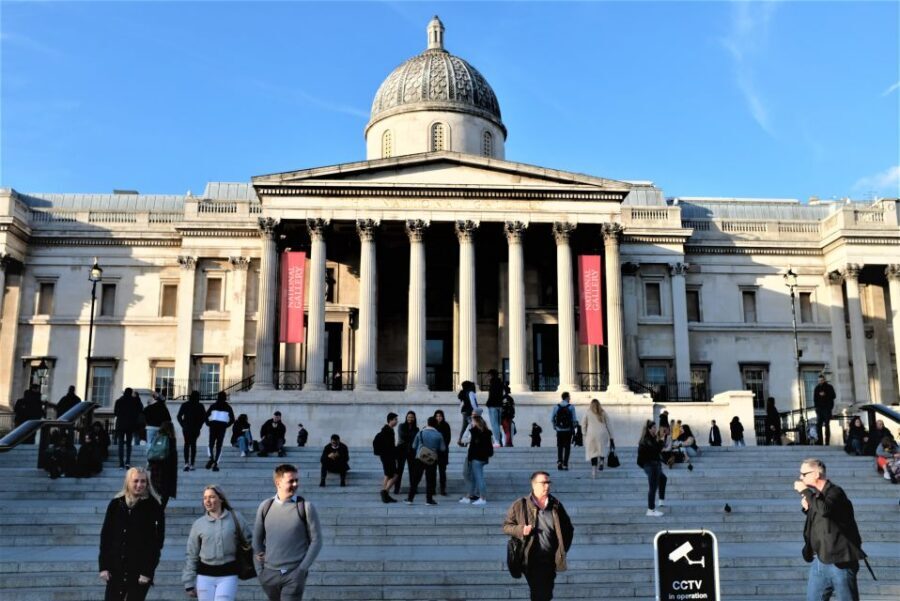
The whole experience starts with something easy to spot: the red telephone box outside the Sainsbury Wing entrance at the National Gallery. That matters more than it sounds. In London, “meet by the museum” can turn into a scavenger hunt. Here, you get a specific landmark and a smooth handshake into the tour.
Once you’re in, you don’t burn time at the main entrance. You use a separate entrance for the skip-the-line effect, which is especially helpful if you’re visiting during peak hours. The payoff is simple: your 2.5 hours go to art, not logistics.
Also, since it’s a private group, the pace can stay comfortable. You’ll have time to ask questions and get answers that connect style, technique, and meaning. And yes, this tour runs rain or shine, so you don’t have to play weather roulette.
A few more London tours and experiences worth a look

A 2.5-hour timeline from the 1300s to Impressionism
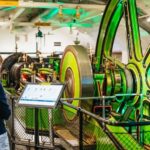
This tour is built like a guided “see it, understand it, remember it” timeline. You move across major phases of Western art, starting in the medieval world and working forward through portraiture, Renaissance ideas, and Baroque drama. Then you hit the later shifts that lead into Impressionism.
The best part is how the guide keeps the timeline from turning into a list of names. You’ll hear stories about artists and their works—lives, rivalries, and the human messiness behind what ended up on the wall. That’s how a museum visit stops feeling like homework and starts feeling like narrative.
You’ll also get help with what to focus on in each period. Renaissance art, for example, changes the way figures are posed and how space is suggested. Baroque art leans into emotional intensity and bold lighting. Impressionism shifts again, with mood and light taking more control. You don’t need to be an expert to follow along—Anthony explains with a scholar’s clarity and a normal human voice.
Keep your expectations honest, though. In 2.5 hours, you’re getting a curated path through the highlights, not a full museum circuit. If you love deep browsing, schedule some extra time on your own for the galleries you want to revisit.
Da Vinci’s presence and Van Eyck-style detail spotting
One reason people book this tour is the promise of major names—and it delivers. You’ll spend time on works including Da Vinci’s The Virgin of the Rocks, a strong entry point into Renaissance thinking while still feeling mysterious and symbolic.
Da Vinci also helps set the tour’s tone: technique matters. You don’t just look at paint; you learn how composition and expression do the storytelling. When you know what to look for, you start noticing the choices that make a painting feel calm, tense, sacred, or strangely modern.
You’ll also look at the kind of detail and symbolism associated with Flemish masters, including Van Eyck’s memorial to a lost wife (as the guide frames it). This is where the tour’s “hidden message” style of talk comes in. You’ll get explanations that point to meaning beyond the obvious subject—small decisions that are easy to miss if you’re scanning quickly.
In plain terms: by the time you reach the next painting, you’ll have a new habit—pause, scan the key features, then ask why the artist made that choice.
Raphael, Michelangelo, and the changing Renaissance lens
Renaissance art can feel like one big “golden age” block—until you’re shown how the styles shift. This is where the tour’s pacing earns its spot. You’ll see how changing approaches to anatomy, perspective, and gesture reflect bigger changes in art thinking.
Raphael gets special attention as part of that shift. The tour frames his genius as a way to watch styles evolve across centuries. Even if you know Raphael by name, you’ll likely come away with a clearer sense of what makes his work feel so balanced and controlled.
You’ll also hear about how the Renaissance grows and changes as other major figures enter the story. The guide touches on artists tied to the era’s high ambition—people like Leonardo, Michelangelo, and the whole web around them—without turning it into trivia. Instead, the stories act like captions for the images: they give you a reason to look harder.
This section is especially good if you’ve ever walked past Renaissance paintings thinking, Nice, but what should I actually notice? Here, you get concrete focus points.
Caravaggio’s Baroque energy and the rise of portraiture
If you want drama in a museum, this is the pivot point. The tour highlights the development of portraiture and the leap into Baroque intensity, with Caravaggio placed front and center.
Caravaggio gets described in the guide’s style as mad, bad, and dangerously interesting—and that framing helps you understand why his art hits so hard. Baroque painting isn’t just about looking “pretty.” It’s about lighting that feels theatrical, figures that look alive, and emotion that’s not politely restrained.
The guide also ties this era to the big changes you can see with your own eyes. Portraiture becomes more than likeness; it becomes a statement about identity and power. The tour’s story-based approach helps you notice that the painting isn’t only representing a person—it’s managing how the viewer should feel.
One practical benefit: by the time you reach these Baroque works, you’re no longer hunting for context in your head. The guide hands you a mental map, then points your attention where it matters—face, light, gesture, and composition.
You can also read our reviews of more private tours in London

Van Gogh and the Impressionist shift in light, mood, and truth
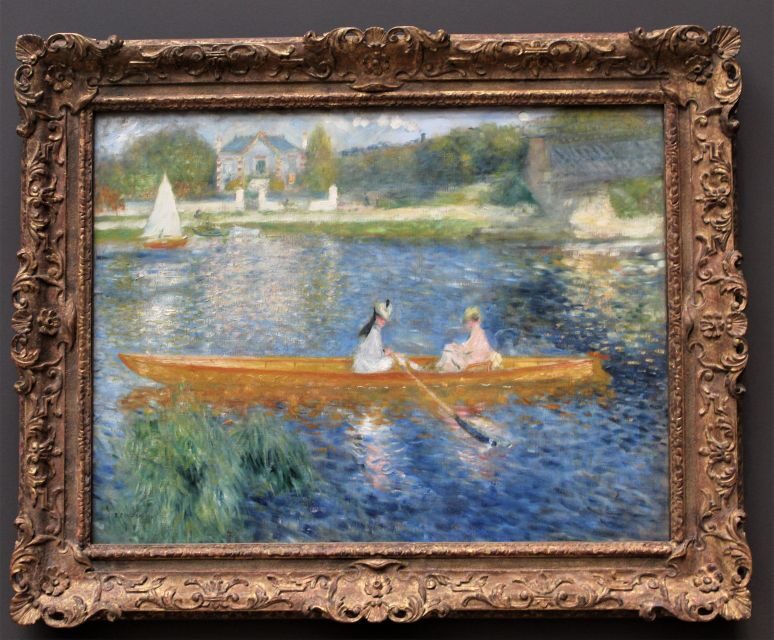
The later chapters of the National Gallery collection can feel like a big jump if you’re viewing on your own. The tour smooths that shift by treating Impressionism as a change in how artists see, not just another label.
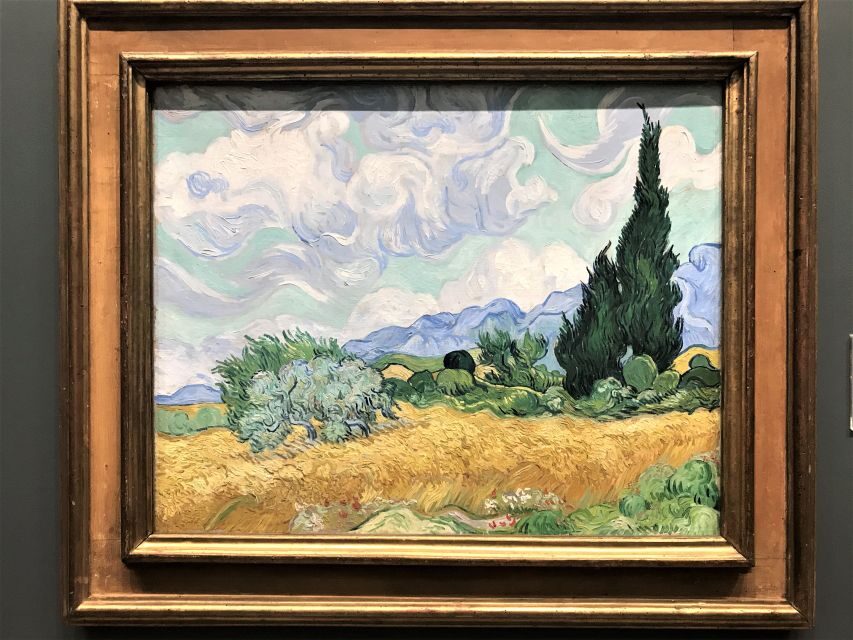
You’ll end up in the orbit of Van Gogh, with the guide connecting earlier developments to the new emphasis on color, brushwork, and atmosphere. The point isn’t to turn Van Gogh into a personality brand. It’s to show what the painting is doing visually—how it creates mood and movement.
In this section, you’ll likely notice that the paintings seem to breathe differently. That’s partly because the tour helps you see the techniques as tools for expression. Once you understand that, Impressionism stops looking like loose paint and starts looking like control—just the kind of control that stays visible.
There’s also an element of continuity here. The guide makes the centuries feel connected, so the last works don’t feel like a separate museum wing with a different language.
Private pacing that keeps questions alive (not rushed)
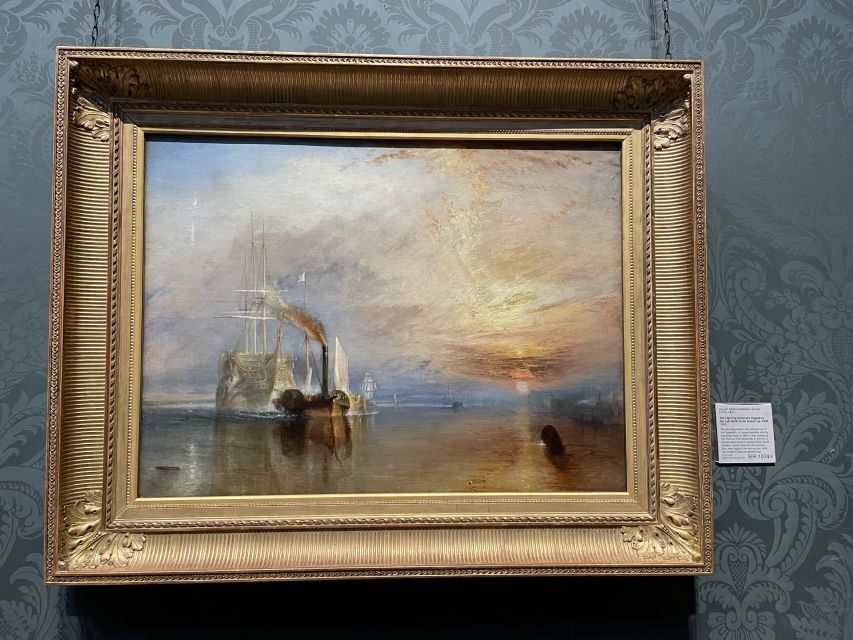
This tour works well because it doesn’t treat your group like a line item. It’s private, licensed, and designed for a small group size—up to 8 people. That’s a sweet spot: big enough for a family or small group, small enough that you don’t lose the guide to a crowd.
Anthony’s style, based on consistent feedback, is clear and story-focused, with enough humor to keep you awake. More importantly, he explains the technique and relevance, then ties it back to the artwork you’re looking at right then. That is exactly what makes questions useful instead of awkward.
The pace is described as good—moving along without feeling like a sprint. That matters in a museum. If you’re rushed, you only skim. If you’re too slow, you’ll get tired and lose the thread. Here, you get a rhythm that holds attention.
Who it suits best:
- First-time National Gallery visitors who want the “best course” without guessing
- Art lovers who want more meaning behind the famous names
- Families with teens who can handle a guided conversation for a couple hours
- Anyone who wants to learn how to look, not just what to name
Price and value: what $252 for up to 8 actually covers
Let’s talk money in a practical way. The tour costs $252 per group up to 8, for a 2.5-hour private guided visit. That price covers a private licensed guide and your entrance ticket.
What that means for value: if you come as a small group, the cost per person gets reasonable fast. And you’re not just paying for someone to point at paintings. You’re paying for interpretation, context, and a time-saving entry system that helps you stay focused.
Also, the structure saves you from decision fatigue. In a huge museum, you can easily waste time choosing where to start. A guided timeline fixes that. You get a coherent path through medieval religious icons, portraiture’s growth, Renaissance shifts, Baroque drama, and Impressionist change.
Not included is transportation and food/drink. That’s normal for a London walking experience, but it’s worth planning around. I’d budget for a snack stop nearby on your own if you’re going before dinner.
Should you book this National Gallery private tour?
I’d book it if you want a guided art storyline that makes big works easier to understand, faster. This is the kind of tour that upgrades your museum visit from looking to learning—without making it heavy or slow.
It’s also a great pick if you’re short on time. Two and a half hours is perfect for seeing major highlights like Da Vinci and Van Gogh while still covering the “why this painting exists” context across eras.
Don’t book it if your plan is to spend the whole day wandering. This tour is a focused highlight path, not a free-form museum day. If you want to linger in every corner, add extra time on your own.
FAQ
How long is the National Gallery private tour?
The tour lasts 2.5 hours.
Where do we meet the guide?
Meet by the red telephone box outside the Sainsbury Wing of the National Gallery.
Does the tour include tickets and a guide?
Yes. It includes a private licensed guide and an entrance ticket.
Is transportation included?
No. Transportation is not included.
Are food and drinks included?
No. Food and drink are not included.
Is the tour wheelchair accessible?
Yes. The tour is wheelchair accessible.
Is the tour offered in English?
Yes. The live tour guide works in English.
Will the tour run in bad weather?
Yes. It takes place rain or shine.